预约演示
更新于:2025-12-07

概览
关联
RBR-8h7q82
Phase II study on chloroquine and hydroxychloroquine in patients with manifestationsserious cases of COVID-19 infection
100 项与 Universidade Federal de Roraima 相关的临床结果
登录后查看更多信息
登录后查看更多信息
2026-01-01INTERNATIONAL JOURNAL OF CARDIOLOGY
Anabolic-androgenic steroids on cardiac structure and function in resistance-trained athletes: A systematic review and meta-analysis
Review
作者: Cavalcante, Douglas Nunes ; Neto, Altair ; Bacca, Caroline Fischer ; Romariz, Livia ; Júnior, Silvio Marques Póvoa ; Fante, Gustavo Eduardo
BACKGROUND:
Anabolic-androgenic steroids (AAS) are widely used by resistance-trained athletes, but their effects on cardiac structure and function remain uncertain.
OBJECTIVE:
To assess the impact of AAS on cardiac structure and function using echocardiography.
METHODS:
We performed a systematic review and meta-analysis to assess the effects of AAS on echocardiographic parameters in athletes, using a random-effects model and Review Manager 5.4.1.
RESULTS:
We included 35 studies with 2000 male individuals (834 resistance-trained athletes using AAS vs 754 resistance-trained non-users vs 412 sedentary controls; mean age 32 years). Compared with non-users of AAS, AAS users was associated with a decrease in left ventricular (LV) ejection fraction (MD -2.25 %; 95 % CI -3.41 to -1.09; p < 0.01), and global longitudinal strain (GLS) (MD 3.34 %; 95 % CI 2.93 to 3.76; p < 0.01). Athletes who used AAS also had an increased septal wall thickness (MD 1.24 mm; 95 % CI 0.79 to 1.69; p < 0.01), posterior wall thickness (MD 1.09 mm; 95 % CI 0.70 to 1.48; p < 0.01) and LV mass (MD 13.29 g; 95 % CI 6.25 to 20.33; p < 0.01). LV end-diastolic diameter was also higher among AAS users (MD 1.09 mm; 95 % CI 0.44 to 1.73; p < 0.01).
CONCLUSION:
Among athletes, AAS was associated with a significant decrease in LV ejection fraction and GLS, alongside with increased septal and posterior wall thickness, LV mass, and end-diastolic diameter compared with athletes who do not use AAS. These findings suggest adverse cardiac remodeling in AAS users, highlighting the potential harmful cardiovascular effects of steroid use in athletes.
2025-11-01DRUG AND ALCOHOL DEPENDENCE
Efficacy and safety of varenicline for electronic cigarette cessation: A systematic review and meta-analysis
Review
作者: de Melo Neto, Altair Pereira ; Marçal, Jordana Belgamasco Cavalcanti ; Sobral, Milene Vitória Sampaio ; Acuia, Thaísa Aparecida de Souza ; da Cunha Pirolla, Rafaela ; Menechini, Rodrigo Bettanim
BACKGROUND:
The use of electronic cigarettes has increased markedly over the past decade, particularly among young adults, representing a growing public health concern. Pharmacological interventions for the cessation of vaping are thus limited. This meta-analysis assessed the efficacy and safety of varenicline compared with that of placebo in vaping cessation.
METHODS:
A systematic review and meta-analysis of randomized controlled trials (RCTs) was conducted following the Cochrane Collaboration and PRISMA guidelines. The PubMed, Embase, and Cochrane databases were searched until April 2025. The outcomes included continuous abstinence, seven-day point prevalence abstinence at the end of treatment and follow-up, and adverse events, including nausea and vivid dreams.
RESULTS:
Three RCTs comprising 355 participants were included. Varenicline significantly increased seven-day point-prevalence abstinence at the end of treatment (RR, 2.30; 95 % CI, 1.64-3.24) and at follow-up (RR, 2.14; 95 % CI, 1.47-3.10) and improved continuous abstinence rates (RR, 2.71; 95 % CI, 1.48-4.99). The overall incidence of adverse events did not differ significantly between the groups (RR: 1.49; 95 % CI: 0.68-3.25). However, nausea (RR: 2.35; 95 % CI 1.77-3.13) and vivid dreams (RR: 2.56; 95 % CI 1.59-4.11) were more frequent among patients receiving varenicline treatment CONCLUSION: Varenicline improved vaping cessation rates compared to placebo and was generally well tolerated, despite a higher incidence of nausea and vivid dreams.
2025-11-01JOURNAL OF ENVIRONMENTAL MANAGEMENT
Ecological and socio-environmental drivers of human-wild mammal conflict around the world
Review
作者: Soares, Rebeca Kianny de Lucena ; Soares, Hyago Keslley de Lucena ; Barboza, Raynner Rilke Duarte ; Alves, Rômulo Romeu Nóbrega
Human-wildlife conflicts (HWC henceforth) currently pose a significant threat to the conservation of species around the world. Here, we performed a systematic review related to HWC with a focus on wild mammals and used phylogenetic comparative methods to test: (1) if species traits influence the probability of species to be related in conflict; (2) whether closely-related species tend to be related in similar conflict categories; and (3) which and how socio-environmental variables influence research about human-wild mammal conflict around the world. Overall, at least 713 species were involved in HWC, including 160 threatened species (78 Vulnerable, 67 Endangered, and 15 Critically Endangered). Species of large-bodied size and widely distributed species are more likely to be involved in HWC around the world. Closely related species share similar conflict categories. The research effort related to human-wild mammal conflict is biased to specific mammal orders and species traits. Moreover, human-wild mammal conflicts were recorded in 125 countries, mainly in Europe, Africa and Asia. Overall, our results show high species richness involved in HWC, and emphasise the influence of species traits on conflict situations with people. These results call attention for more research towards clades/orders with low attention, since missing information is critical to design or improve mitigation and conservations measures. Furthermore, identify the species traits that are more associated with HWC is crucial for improving the effectiveness of measures aimed at mitigating or reducing the damage of HWC situations.
100 项与 Universidade Federal de Roraima 相关的药物交易
登录后查看更多信息
100 项与 Universidade Federal de Roraima 相关的转化医学
登录后查看更多信息
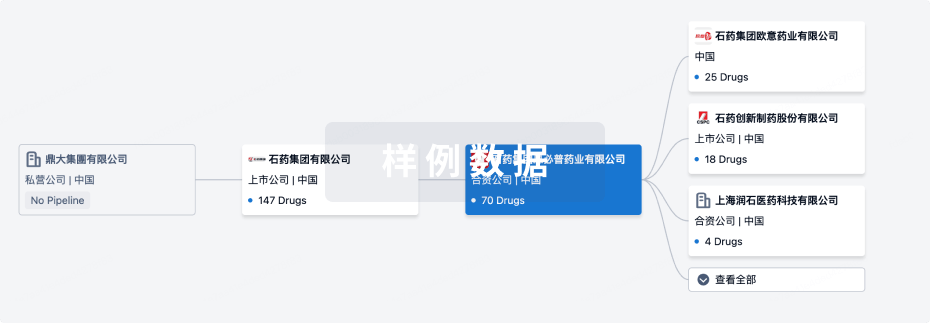
组织架构
使用我们的机构树数据加速您的研究。
登录
或
管线布局
2026年10月11日管线快照
无数据报导
登录后保持更新
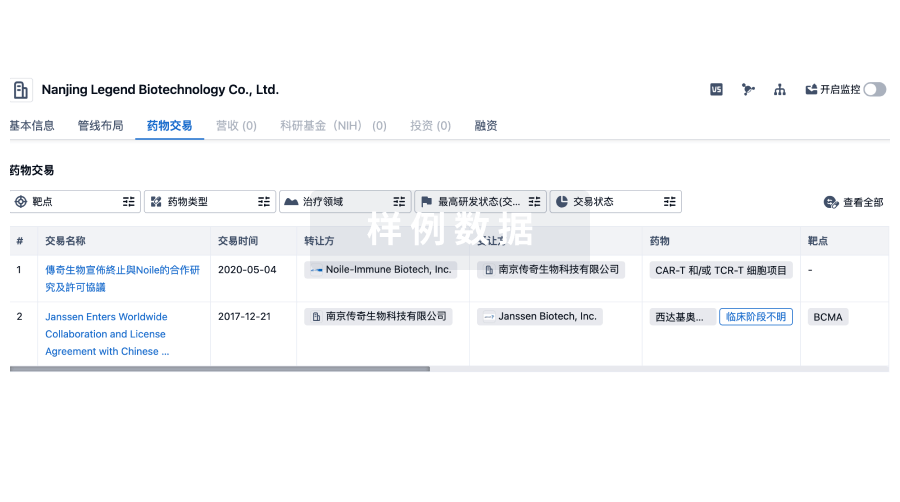
药物交易
使用我们的药物交易数据加速您的研究。
登录
或
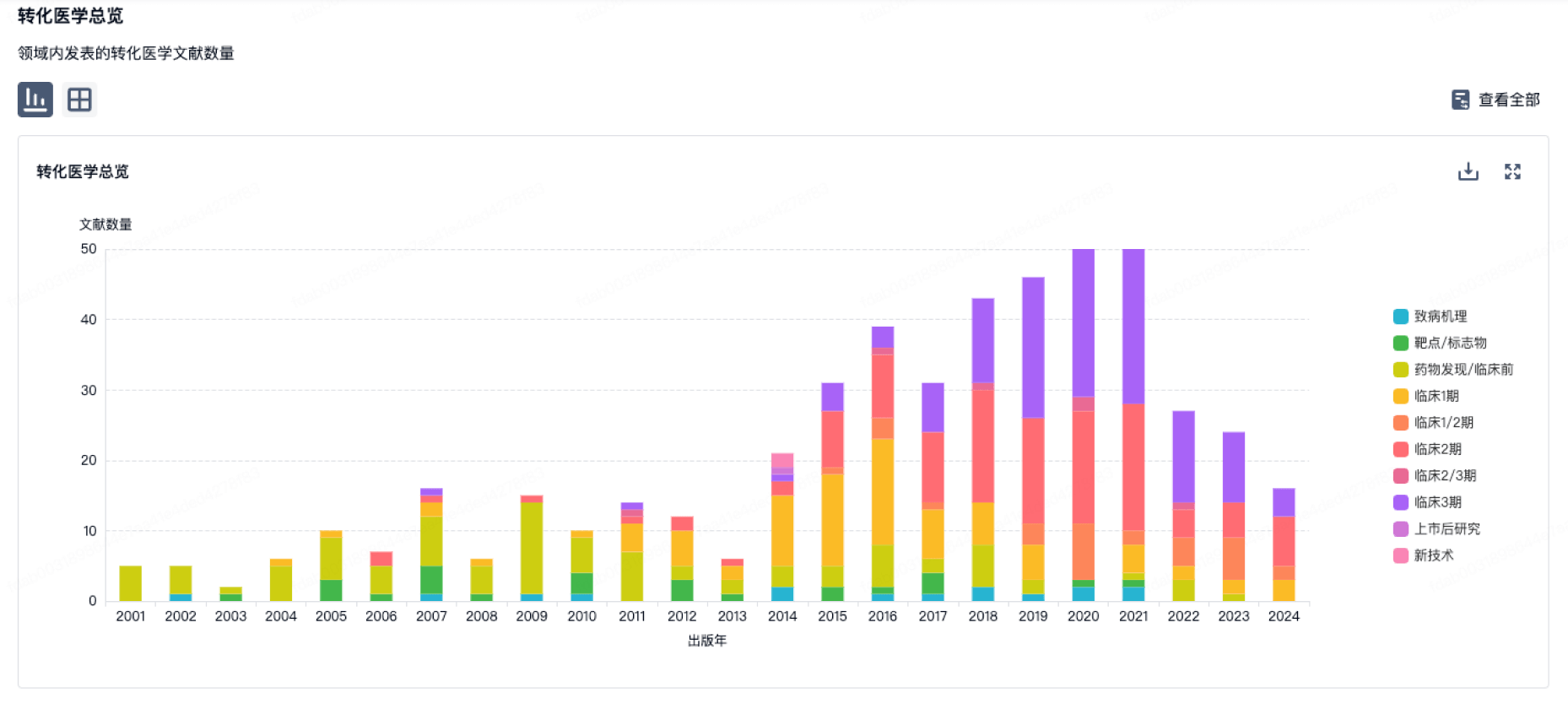
转化医学
使用我们的转化医学数据加速您的研究。
登录
或
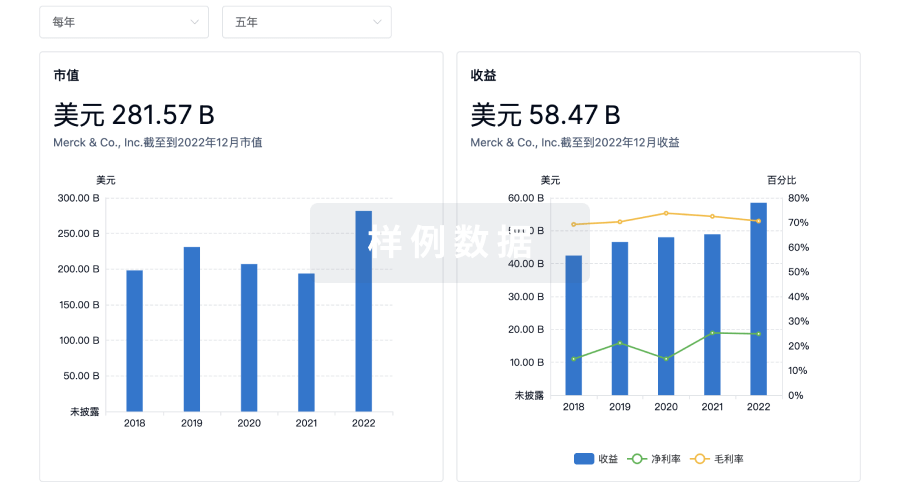
营收
使用 Synapse 探索超过 36 万个组织的财务状况。
登录
或
科研基金(NIH)
访问超过 200 万项资助和基金信息,以提升您的研究之旅。
登录
或
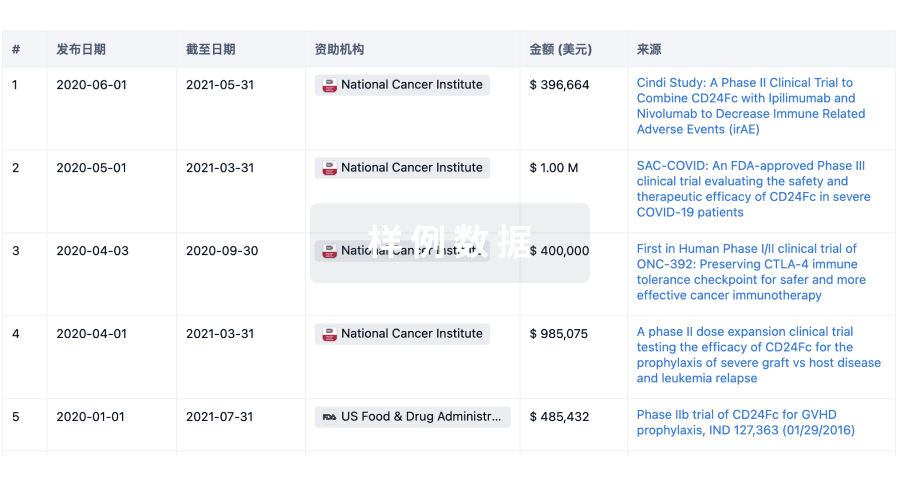
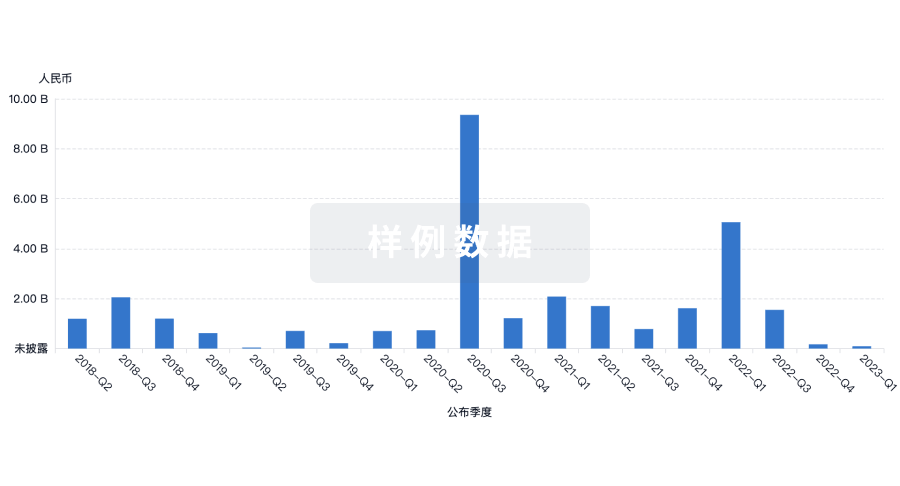
投资
深入了解从初创企业到成熟企业的最新公司投资动态。
登录
或
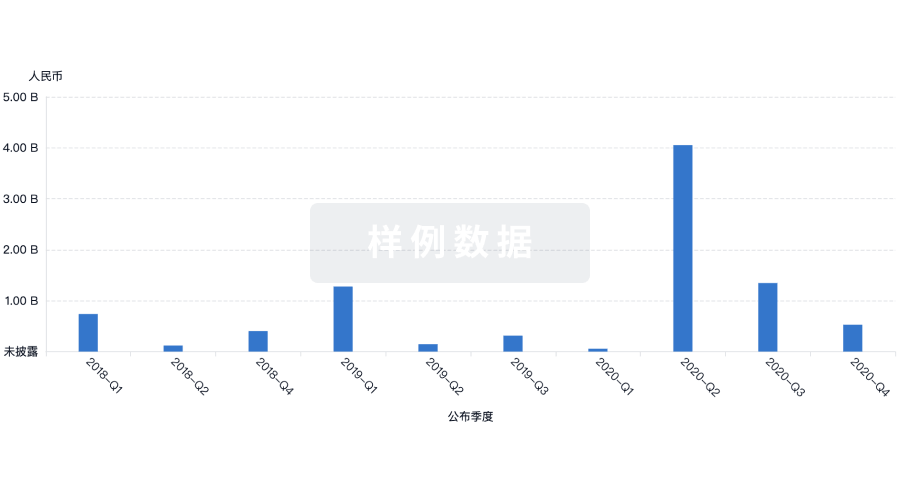
融资
发掘融资趋势以验证和推进您的投资机会。
登录
或
提出任何生物医药研究问题
让每一步生物医药决策都精准制胜
基于十亿级生物数据与全球情报的精准 AI,赋能早期药物发现
立即开始免费试用!
智慧芽新药情报库是智慧芽专为生命科学人士构建的基于AI的创新药情报平台,助您全方位提升您的研发与决策效率。
立即接入生物医药数据包
智慧芽新药库数据也通过智慧芽开放平台,以MCP或API服务形式对外开放。立即使用我们的MCP服务定制您的LLM智能体。
生物序列数据库
生物药研发创新
免费使用
化学结构数据库
小分子化药研发创新
免费使用