预约演示
更新于:2026-03-05

Università degli Studi eCampus
更新于:2026-03-05
概览
关联
NCT07006194
Nicotinamide Levels in Serum, Aqueous Humor, and Tear Film in Glaucoma and Correlations With Mitochondrial Damage-Associated Molecular Patterns (mtDAMPs) and Senescence-Associated Secretory Phenotype (SASP)
NCT06921993
Lung Ultrasound for Antibiotic Stewardship in Community-Acquired Pneumonia: A Randomized Clinical Trial
NCT07032805
Telemedicine in Personalized Home Rehabilitation Following Total Knee Arthroplasty (TKA): a Pilot Study

100 项与 Università degli Studi eCampus 相关的临床结果
登录后查看更多信息
登录后查看更多信息
2026-02-01COGNITION
Emotion meets attention: The role of left-to-right valence mapping in an exogenous cueing task
Article
作者: Federico, D'Atri ; Carlo, Fantoni ; Valter, Prpic ; Mauro, Murgia
In the Posner cueing task for exogenous attention orientation, spatial correspondence between the lateralized cue and target is beneficial under conditions of short asynchrony. How such a benefit is modulated by target qualia, like faces expressing either the most positive (happy relative to angry faces in Experiment 1, as well as neutral relative to angry faces in the negative group of Experiment 2) or negative (neutral relative to happy faces in the positive group of Experiment 2) emotion in a set, is an unsolved question. We expected that the spatial mapping of emotional valence conveyed by facial expressions would modulate localization response latencies, producing a compatibility effect: faster responses to negative emotions on the left and positive emotions on the right. Results of both experiments are consistent with our expectation, showing a novel type of attentional spatial compatibility effect dependent on the encoding of target properties: a Target-dependent Emotional Attentional Spatial Compatibility effect (the TEASC effect). We showed how the TEASC effect can be accounted for by a novel latency decomposition approach which disentangles the independent contributions of two well-established components of covert attentional orienting from response latencies. We decomposed response latencies in a sequence of events, one due to the voluntary attention component (directed toward the target) and the other to the reflexive attention component (directed toward the cue). Results show that the left-to-right valence mapping impacts the voluntary component only. This is consistent with a model of attention that disentangles reflexive and voluntary covert orienting mechanisms-with at least the latter being affect-driven.
2026-02-01European Journal of Internal Medicine
From algorithms to care: ten principles for responsible deployment of artificial intelligence in healthcare
Letter
作者: Gerosa, Gino ; Gensini, Gian Franco ; Valente, Serafina ; Ricciardi, Walter ; Cabitza, Federico
2026-01-01JOURNAL OF BIOMECHANICS
An accelerometer-based single-arm dynamic stability test for the assessment of the sensorimotor control of the shoulder
Article
作者: Picerno, Pietro ; Méndez, Rigoberto Martínez ; Bravi, Marco ; Pešović, Uroš ; Ramos, Amador García ; Vieira, Taian Martins ; Iuliano, Enzo ; Santacaterina, Fabio
The study aimed at designing and validating a variation of the Single-Arm Dynamic Stability test as performed in Open Kinetic Chain for assessing the shoulder's sensorimotor control with the subject lying supine while holding a dumbbell still in one hand with the extended arm. The dumbbell's sway, monitored via a triaxial accelerometer, was modelled as an inverted pendulum pivoted at shoulder level. Twenty college students performed bilateral tests for 30 s using loads of 15 %, 25 %, and 35 % of a reference load determined as the mass measured by a scale placed under the hands during a quadruped position. The test was repeated 30 min and 24 h later. Time- and frequency-domain stabilometric parameters were computed using both the entire 30 s test duration and the first 20 s. ICC analysis revealed that the test as performed at 15 % of the reference load exhibited the highest intra- and inter-day reliability for both sides and durations, while reliability decreased at higher loads. Specifically, Jerk and swayArea exhibited good-to-excellent intra-day reliability (ICC = 0.866-0.947) and moderate-to-good inter-day reliability (ICC = 0.707-0.766), with 30 s test duration. All other stabilometric parameters showed moderate or moderate-to-good reliability (ICC > 0.5). The test provides a reliable, accessible, and ecologically valid assessment of shoulder sensorimotor control, with potential applications in clinical settings.
100 项与 Università degli Studi eCampus 相关的药物交易
登录后查看更多信息
100 项与 Università degli Studi eCampus 相关的转化医学
登录后查看更多信息
组织架构
使用我们的机构树数据加速您的研究。
登录
或
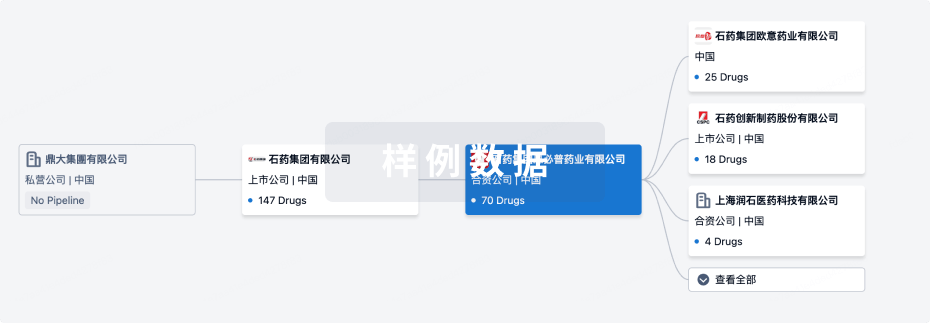
管线布局
2026年10月08日管线快照
无数据报导
登录后保持更新
药物交易
使用我们的药物交易数据加速您的研究。
登录
或

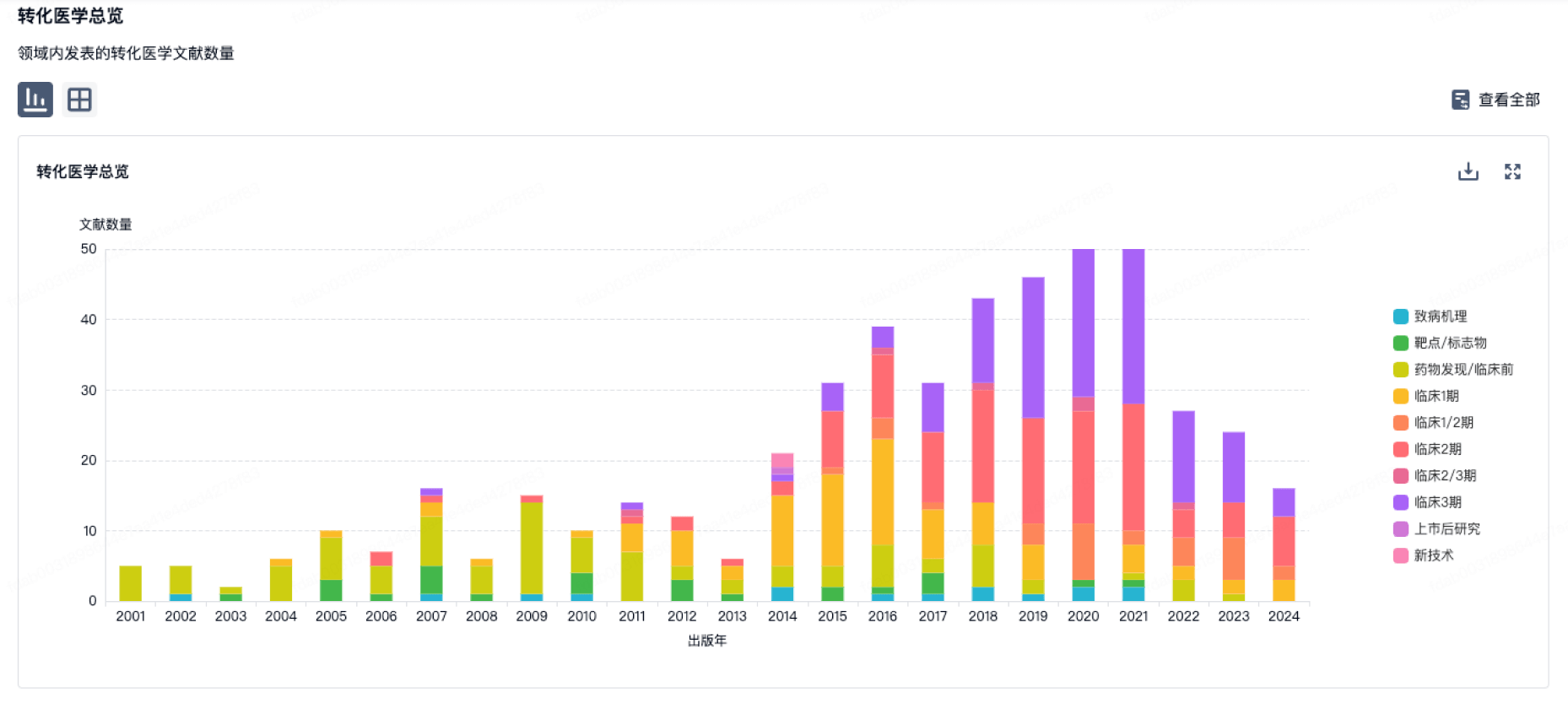
转化医学
使用我们的转化医学数据加速您的研究。
登录
或
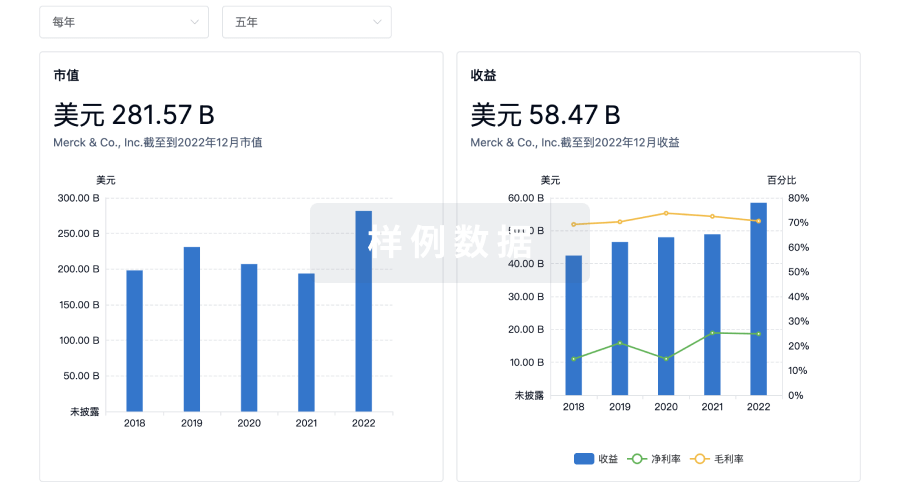
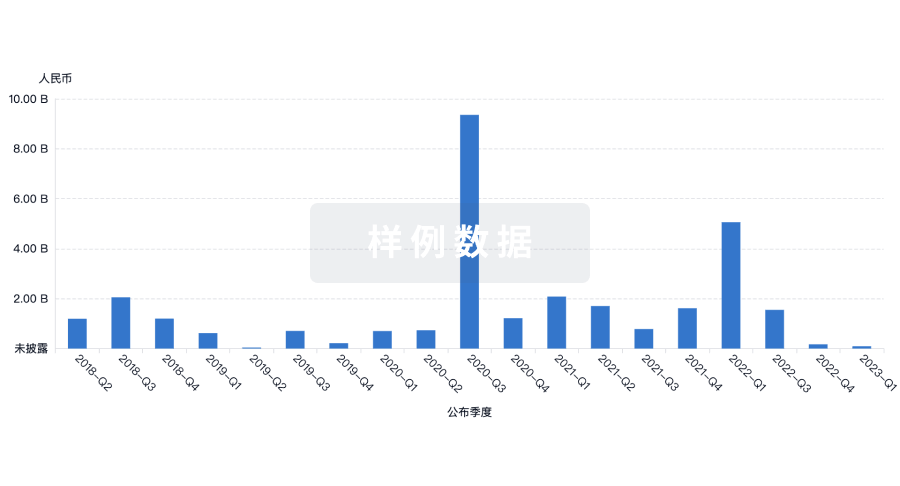
营收
使用 Synapse 探索超过 36 万个组织的财务状况。
登录
或
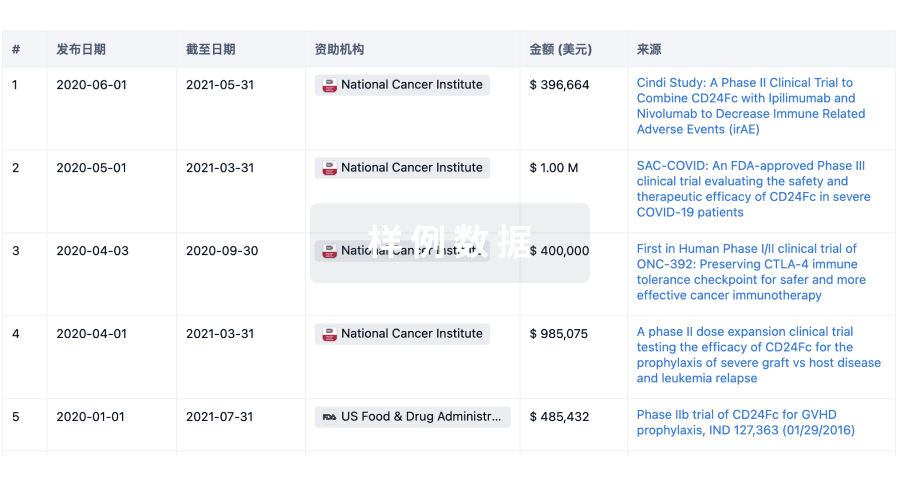
科研基金(NIH)
访问超过 200 万项资助和基金信息,以提升您的研究之旅。
登录
或
投资
深入了解从初创企业到成熟企业的最新公司投资动态。
登录
或
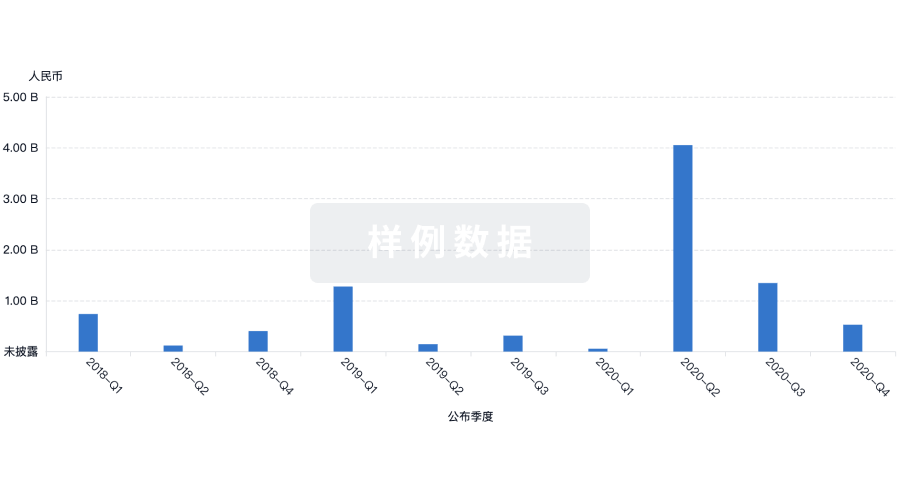
融资
发掘融资趋势以验证和推进您的投资机会。
登录
或
提出任何生物医药研究问题
让每一步生物医药决策都精准制胜
基于十亿级生物数据与全球情报的精准 AI,赋能早期药物发现
立即开始免费试用!
智慧芽新药情报库是智慧芽专为生命科学人士构建的基于AI的创新药情报平台,助您全方位提升您的研发与决策效率。
立即接入生物医药数据包
智慧芽新药库数据也通过智慧芽开放平台,以MCP或API服务形式对外开放。立即使用我们的MCP服务定制您的LLM智能体。
生物序列数据库
生物药研发创新
免费使用
化学结构数据库
小分子化药研发创新
免费使用