预约演示
更新于:2025-05-07

Nahda University
更新于:2025-05-07
概览
关联
NCT05623605
Evaluation of Antibacterial Potency of New Different Herbal Mouthwashes Against Caries Forming Bacteria, a Randomized Control Trial
NCT05517187
Clinical Success of Regenerative Endodontic Treatment With Platelets Rich Fibrin PRF as a Secondary Treatment of Mature Necrotic Incisors With Periapical Radiolucency in Adolescents: A Preliminary Parallel Randomized Controlled Clinical Trial
NCT05657132
Antibacterial Effect of New Herbal Paste Used as an Intracanal Medication in Necrotic Primary Molars, a Randomized Control Trial
100 项与 Nahda University 相关的临床结果
登录后查看更多信息
登录后查看更多信息
2025-06-01European Journal of Pharmaceutical Sciences
Modulation of FOXO3a Nuclear Localization by Linagliptin (BI-1356) reveals a new therapeutic target in chronic ulcerative colitis
Article
作者: Alibrahim, Alaa ; Khalifa, Amira Karam ; El-Kott, Attalla F ; Ramadan, Asmaa ; Hamad, Rabab S ; Alshahrani, Abdulaziz Saad ; Abdelhady, Rasha ; Elmorsy, Elsayed A ; Khaled, Bahaa Eldin Ali ; Alruwaili, Ohoud Shafi ; Al-Majdoub, Zubida M ; Abdel-Reheim, Mustafa Ahmed ; Alshehri, Ali S ; Saber, Sameh ; Negm, Sally
2025-06-01Cytokine
The role of TNF in metabolic disorders and liver diseases
Review
作者: Lu, Hui ; Zou, Xiaodi ; Ezzi, Sohaib Hasan Abdullah ; Xu, Chuze ; Abdalbary, Sahar Ahmed ; Kota, Vishnu Goutham ; Dong, Yanzhao ; Alhaskawi, Ahmad ; Zhou, Haiying ; Abdulla, Mohamed Hasan Abdulla Hasan
2025-05-01Biochemical and Biophysical Research Communications
Niclosamide as a potential antivirulence agent disrupting quorum sensing in Pseudomonas aeruginosa: A molecular and in silico approach
Article
作者: Alasiri, Ahlam ; Alatwi, Eid ; Mohamed, Malik Suliman ; Almulla, Nuha ; Abdelkader, Karim ; Soltane, Raya ; Sayed, Ahmed M
2024-11-18
·药闻康策
医药出海
100 项与 Nahda University 相关的药物交易
登录后查看更多信息
100 项与 Nahda University 相关的转化医学
登录后查看更多信息
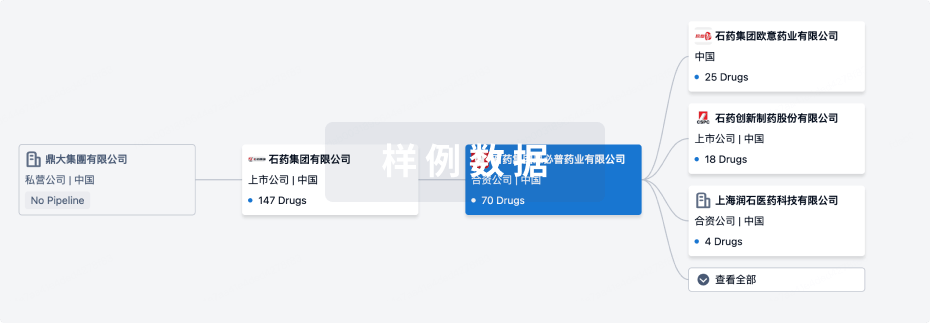
组织架构
使用我们的机构树数据加速您的研究。
登录
或
管线布局
2026年06月16日管线快照
无数据报导
登录后保持更新
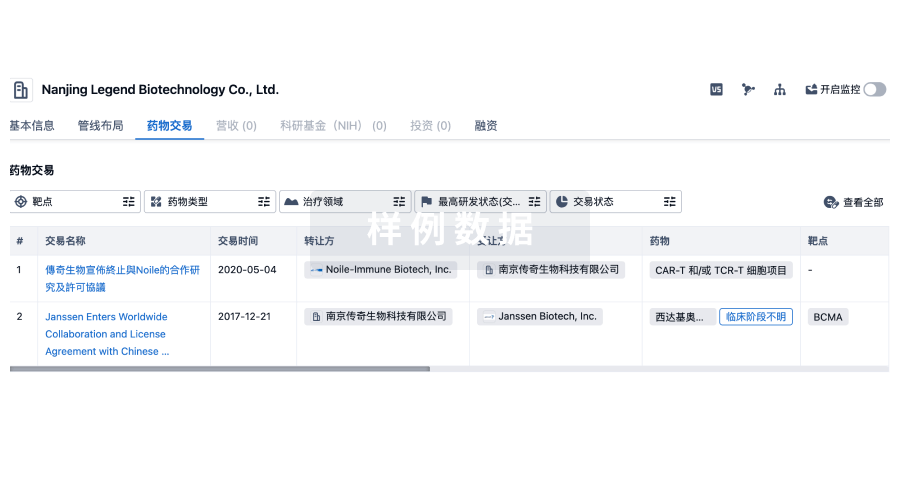
药物交易
使用我们的药物交易数据加速您的研究。
登录
或
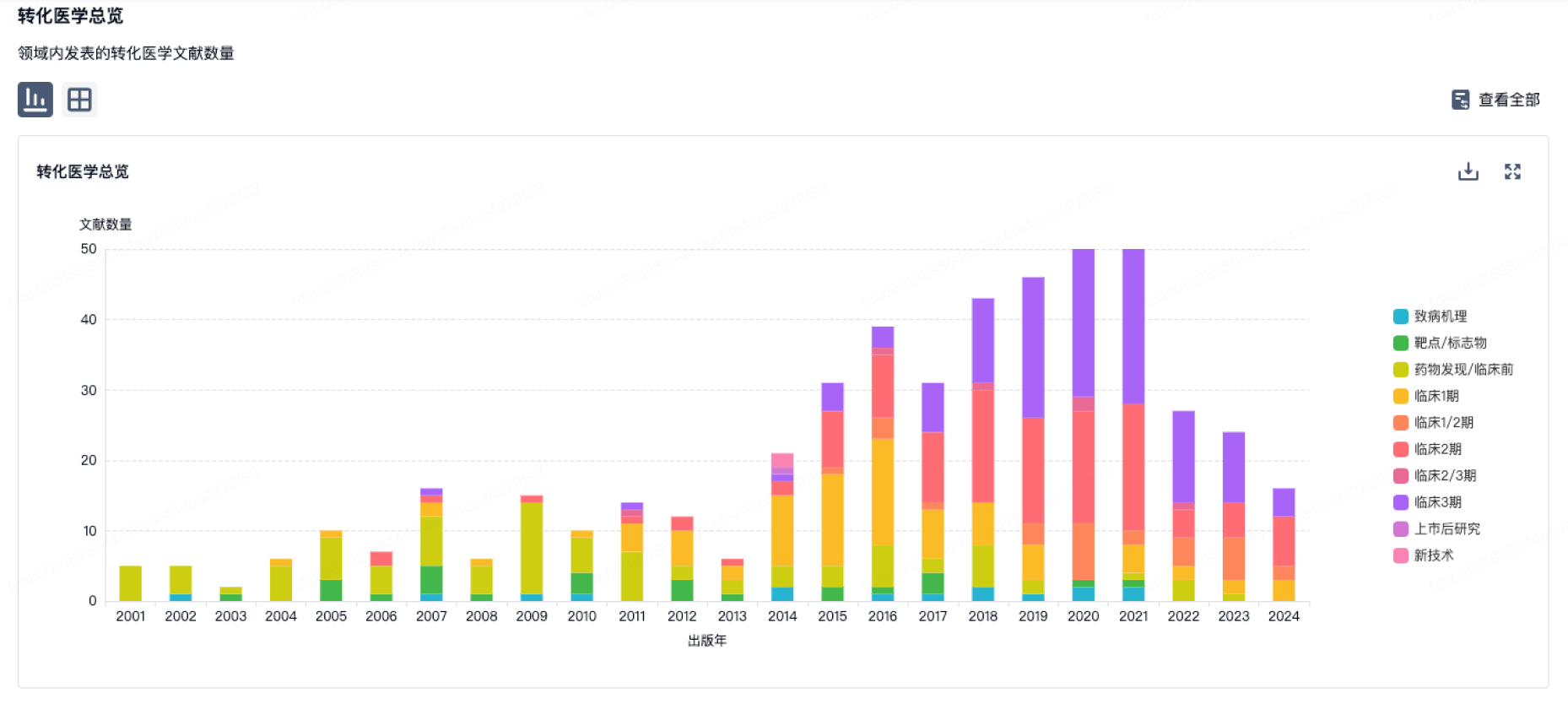
转化医学
使用我们的转化医学数据加速您的研究。
登录
或
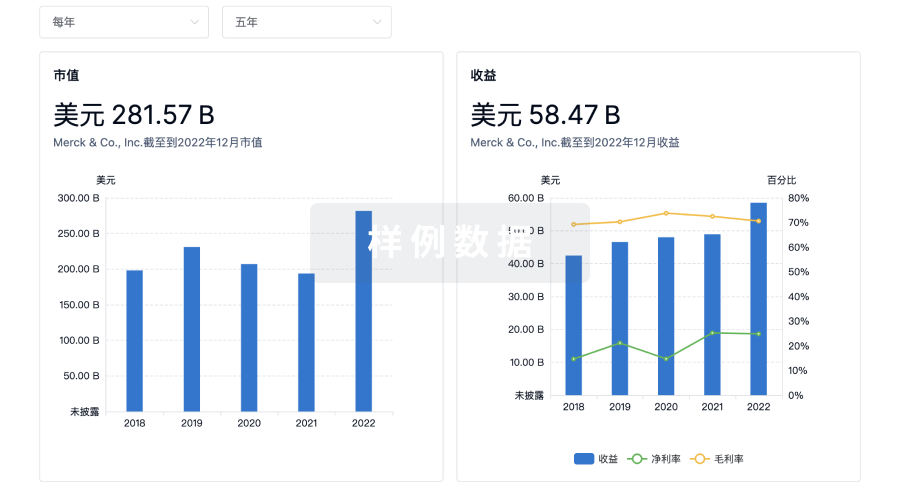
营收
使用 Synapse 探索超过 36 万个组织的财务状况。
登录
或
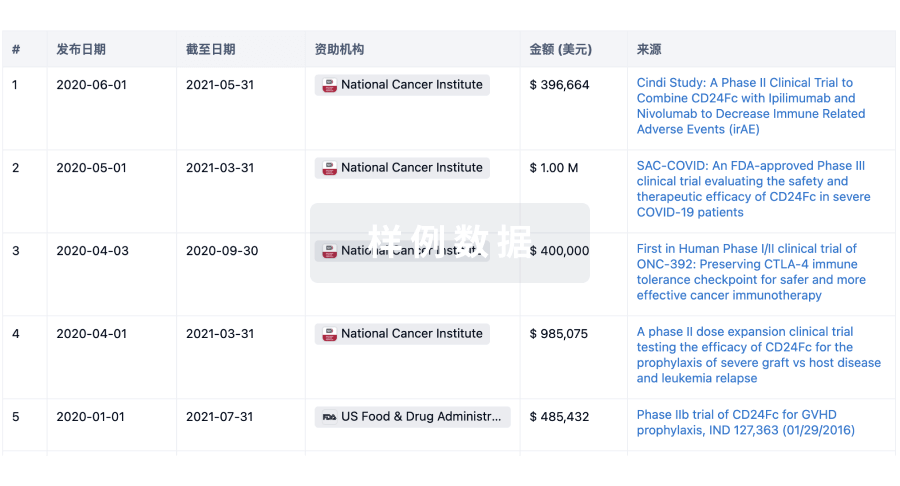
科研基金(NIH)
访问超过 200 万项资助和基金信息,以提升您的研究之旅。
登录
或
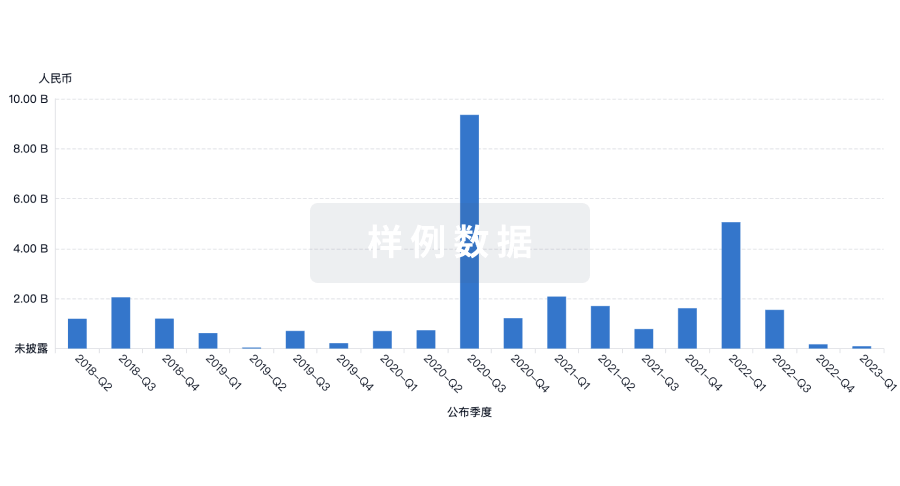
投资
深入了解从初创企业到成熟企业的最新公司投资动态。
登录
或
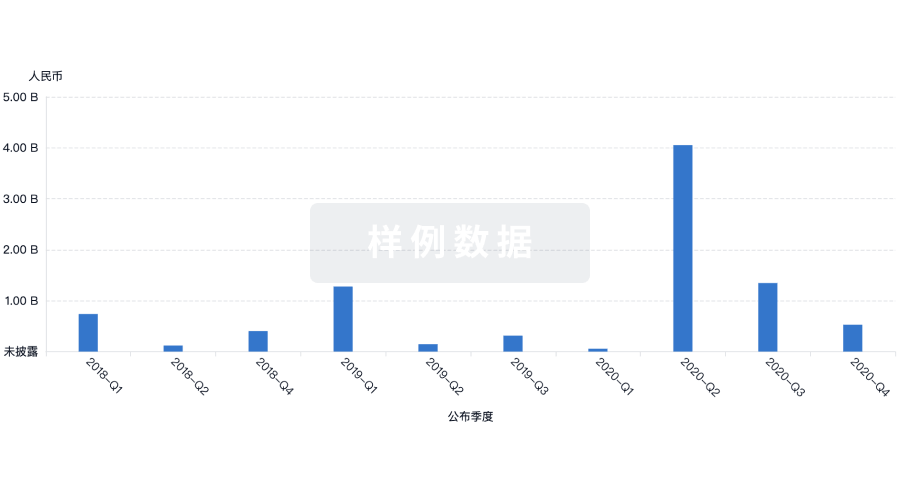
融资
发掘融资趋势以验证和推进您的投资机会。
登录
或
生物医药百科问答
全新生物医药AI Agent 覆盖科研全链路,让突破性发现快人一步
立即开始免费试用!
智慧芽新药情报库是智慧芽专为生命科学人士构建的基于AI的创新药情报平台,助您全方位提升您的研发与决策效率。
立即开始数据试用!
智慧芽新药库数据也通过智慧芽数据服务平台,以API或者数据包形式对外开放,助您更加充分利用智慧芽新药情报信息。
生物序列数据库
生物药研发创新
免费使用
化学结构数据库
小分子化药研发创新
免费使用