预约演示
更新于:2025-05-07

Vignan's Foundation for Science Technology & Research
更新于:2025-05-07
概览
关联
CTRI/2024/07/070087
An open label, randomized, two arms trial to evaluate the safety and efficacy of extract of Commiphora myrrha (Myrlimax capsule) in comparison to etoricoxib in patients with arthritis. - NIL
100 项与 Vignan's Foundation for Science Technology & Research 相关的临床结果
登录后查看更多信息
登录后查看更多信息
2025-12-31International Journal of Ambient Energy
Performance of heat transfer in a porous square cavity filled with TiO
2
–H
2
O nanofluid by considering the impacts of magnetic field and heat absorption/generation with shape effects
作者: Rushi Kumar, B. ; Santhosh, N. ; Subramanyam Reddy, A. ; Sivaraj, R.
2025-07-01Journal of Transportation Engineering, Part A: Systems
Impact of On-Curve Speed Variability on the Safety and Consistency Assessment of a Two-Lane Rural Highway in Mountainous Terrain
作者: Anna, V. A. Bharat Kumar ; Chunchu, Mallikarjuna ; Shallam, R. D. K.
2025-03-072025 IEEE 14th International Conference on Communication Systems and Network Technologies (CSNT)
Predicting and Classifying Energy Usage Patterns Using Advanced Machine Learning Models
作者: Kumar, Busireddy Hemanth ; Reddy, Gundreddy Keerthana ; Ravuri, Vinay ; Bhasam, Pratyusha ; Sushma, Mejanrao ; Kumar, Rangu Seshu
100 项与 Vignan's Foundation for Science Technology & Research 相关的药物交易
登录后查看更多信息
100 项与 Vignan's Foundation for Science Technology & Research 相关的转化医学
登录后查看更多信息
组织架构
使用我们的机构树数据加速您的研究。
登录
或
管线布局
2026年02月07日管线快照
无数据报导
登录后保持更新
药物交易
使用我们的药物交易数据加速您的研究。
登录
或
转化医学
使用我们的转化医学数据加速您的研究。
登录
或
营收
使用 Synapse 探索超过 36 万个组织的财务状况。
登录
或
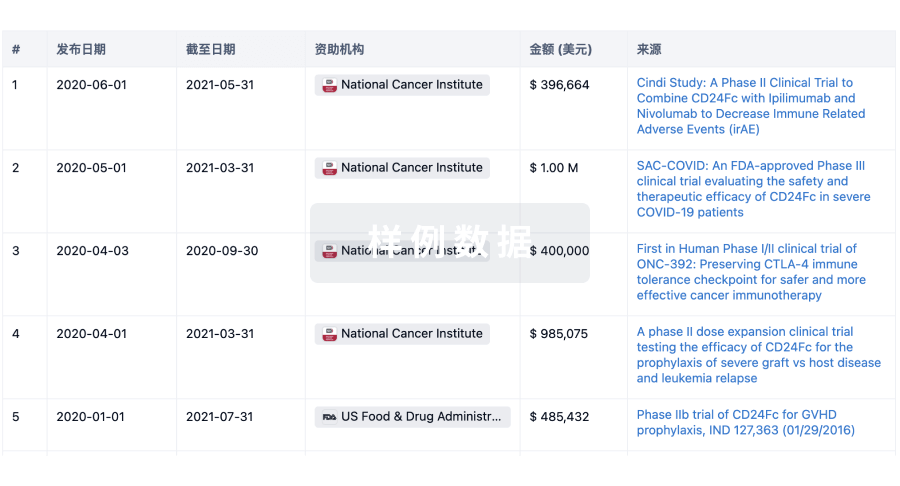
科研基金(NIH)
访问超过 200 万项资助和基金信息,以提升您的研究之旅。
登录
或
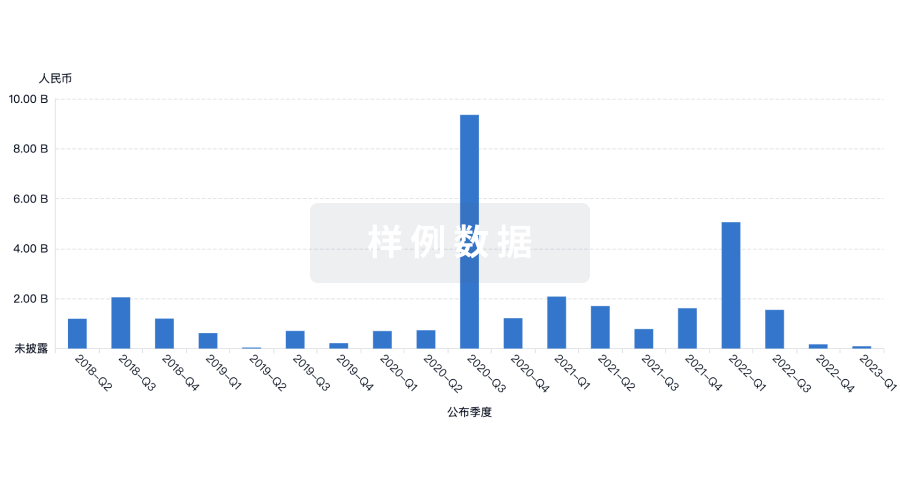
投资
深入了解从初创企业到成熟企业的最新公司投资动态。
登录
或
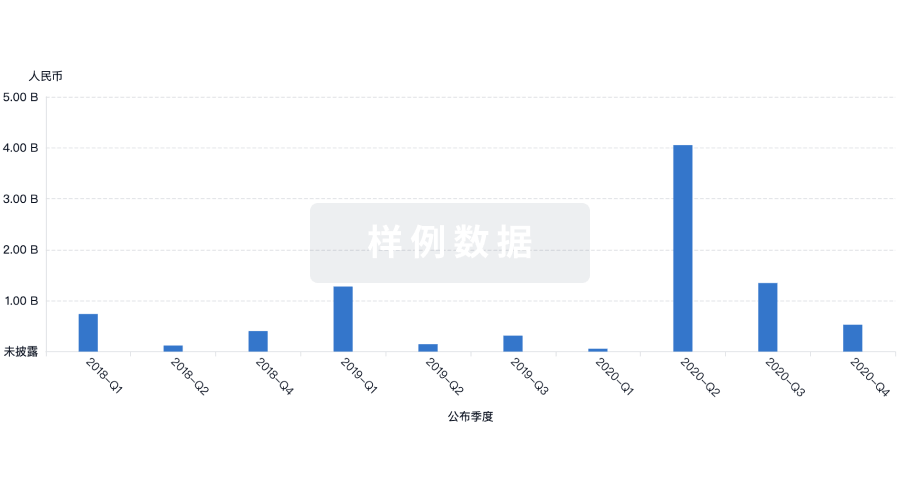
融资
发掘融资趋势以验证和推进您的投资机会。
登录
或
生物医药百科问答
全新生物医药AI Agent 覆盖科研全链路,让突破性发现快人一步
立即开始免费试用!
智慧芽新药情报库是智慧芽专为生命科学人士构建的基于AI的创新药情报平台,助您全方位提升您的研发与决策效率。
立即开始数据试用!
智慧芽新药库数据也通过智慧芽数据服务平台,以API或者数据包形式对外开放,助您更加充分利用智慧芽新药情报信息。
生物序列数据库
生物药研发创新
免费使用
化学结构数据库
小分子化药研发创新
免费使用