预约演示
更新于:2026-05-24

Wuhan Kernel Bio Tech Co., Ltd.
更新于:2026-05-24
概览
关联
NCT07294924
PREDICT-ACC: Prediction of REsponse to Depression Interventions (Accelerated rTMS) Using Clinical and TD-fNIRS Measurements
NCT06002100
PREDICT: Prediction of REsponse to Depression Interventions Using Clinical and TD-fNIRS Measurements
NCT05996575
IMPACT: Investigating Mild Cognitive Impairment in Patients And Controls With TD-fNIRS
100 项与 武汉科诺生物科技股份有限公司 相关的临床结果
登录后查看更多信息
登录后查看更多信息
2026-04-01INTERNATIONAL JOURNAL OF BIOLOGICAL MACROMOLECULES
Structural characterization and synergistic mechanism of Bacillus thuringiensis G033A exopolysaccharides enhancing insecticidal protein efficacy
Article
作者: Meiling, Wang ; Lili, Geng ; Changlong, Shu ; Xiao, Hu ; Lin, Zhao ; Jie, Zhang ; Pengdan, Xu ; Jinxi, Zhou ; Tianjiao, Ma
Bacillus thuringiensis (Bt), a widely studied entomopathogenic bacterium, synthesizes diverse insecticidal proteins and extracellular polysaccharides (EPSs). The G033A strain, registered as the first genetically engineered Bt product registered in China for controlling Spodoptera frugiperda, produces EPSs during fermentation. However, the structure and function of the EPS remain uncharacterized. This study aimed to analyze the characteristics of EPS-G033A, and explore their synergistic effects with Bt insecticidal proteins. EPS-G033A had an average molecular weight of 71.5 kDa and was primarily composed of mannose, galactose, glucose, glucuronic acid, galactosamine, and glucosamine. Notably, EPS-G033A significantly enhanced the insecticidal activity against S. frugiperda, showing an approximately 1.7- to 2.1-fold improvement for Vip3Aa, a about 2.1-fold increase for Cry1Ac, and a 1.4- to 1.7-fold for the G033A wettable powder formulations. Binding affinity analysis demonstrated specific interactions between EPS-G033A and Vip3Aa protein, with a dissociation constant (Kd) of 10.68 ± 1.06 nmol/L. Western blotting indicated that EPS-G033A promoted the binding of Vip3Aa protein to brush border membrane vesicles (BBMVs) from the S. frugiperda midgut. These findings collectively demonstrate that EPS-G033A potentiates Bt bioinsecticides by directly interacting with the Vip3Aa protein, which in turn enhances the binding affinity of the toxin to BBMVs of target insects' midgut epithelium. Utilizing residual EPS from Bt fermentation byproducts presents a cost-effective strategy to enhance product performance while reducing biopesticide manufacturing costs.
Communications Biology
The symbiont Acinetobacter baumannii enhances the insect host resistance to entomopathogenic fungus Metarhizium anisopliae
Article
作者: Liu, Xuewei ; Xia, Yuxian ; Peng, Yifan ; Tang, Cui ; Wang, Lei ; Xie, Jiaqin ; Tang, Jifeng ; Hu, Xiao
Major symbiotic organisms have evolved to establish beneficial relationships with hosts. However, understanding the interactions between symbionts and insect hosts, particularly for their roles in defense against pathogens, is still limited. In a previous study, we proposed that the fungus Metarhizium anisopliae can infect the brown planthopper Nilaparvata lugens, a harmful pest for rice crops. To expand on this, we investigated changes in N. lugens' intestinal commensal community after M. anisopliae infection and identified key gut microbiotas involved. Our results showed significant alterations in gut microbiota abundance and composition at different time points following infection with M. anisopliae. Notably, certain symbionts, like Acinetobacter baumannii, exhibited significant variations in response to the fungal infection. The decrease in these symbionts had a considerable impact on the insect host's survival. Interestingly, reintroducing A. baumannii enhanced the host's resistance to M. anisopliae, emphasizing its role in pathogen defense. Additionally, A. baumannii stimulated host immune responses, as evidenced by increased expression of immune genes after reintroduction. Overall, our findings highlight the significance of preserving a stable gut microbial community for the survival of insects. In specific conditions, the symbiotic microorganism A. baumannii can enhance the host's ability to resist entomopathogenic pathogens through immune regulation.
Frontiers in microbiology2区 · 生物学
Consortium of Plant Growth-Promoting Rhizobacteria Strains Suppresses Sweet Pepper Disease by Altering the Rhizosphere Microbiota
2区 · 生物学
ArticleOA
作者: Wang, Da-Cheng ; Liu, Hua-Mei ; Li, Qing ; Hu, Qiang ; Xie, Yue-Sheng ; Guo, Jian-Hua ; Zhang, Li-Na ; Dai, Xiang-Qun
Beneficial microorganisms have been extensively used to make plants more resistant to abiotic and biotic stress. We previously identified a consortium of three plant growth-promoting rhizobacteria (PGPR) strains (Bacillus cereus AR156, Bacillus subtilis SM21, and Serratia sp. XY21; hereafter "BBS") as a promising and environmentally friendly biocontrol agent. In this study, the effect of BBS on a soil-borne disease of sweet pepper was evaluated. Application of BBS significantly reduced the prevalence of phytophthora blight and improved fruit quality and soil properties relative to the control. BBS was able to alter the soil bacterial community: it significantly increased the abundances of Burkholderia, Comamonas, and Ramlibacter, which were negatively associated with disease severity, relative to the control. A redundancy analysis suggested that BBS-treated soil samples were dominated by Burkholderia, Comamonas, Ramlibacter, Sporichthya, Achromobacter, and Pontibacter; abundance of these genera was related to total organic carbon (TOC), total nitrogen (TN), ammonium nitrogen (AN), total potassium (TP), and available phosphorus (AP) contents. This suggests that BBS treatment shifted the microbe community to one that suppressed soil-borne disease and improved the soil chemical properties.
100 项与 武汉科诺生物科技股份有限公司 相关的药物交易
登录后查看更多信息
100 项与 武汉科诺生物科技股份有限公司 相关的转化医学
登录后查看更多信息
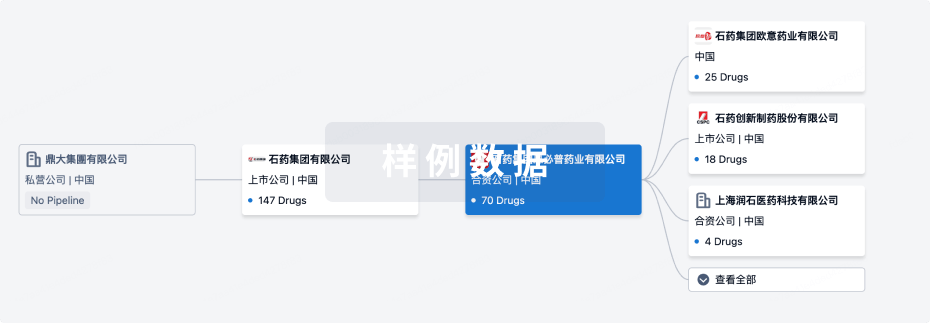
组织架构
使用我们的机构树数据加速您的研究。
登录
或
管线布局
2026年10月09日管线快照
无数据报导
登录后保持更新
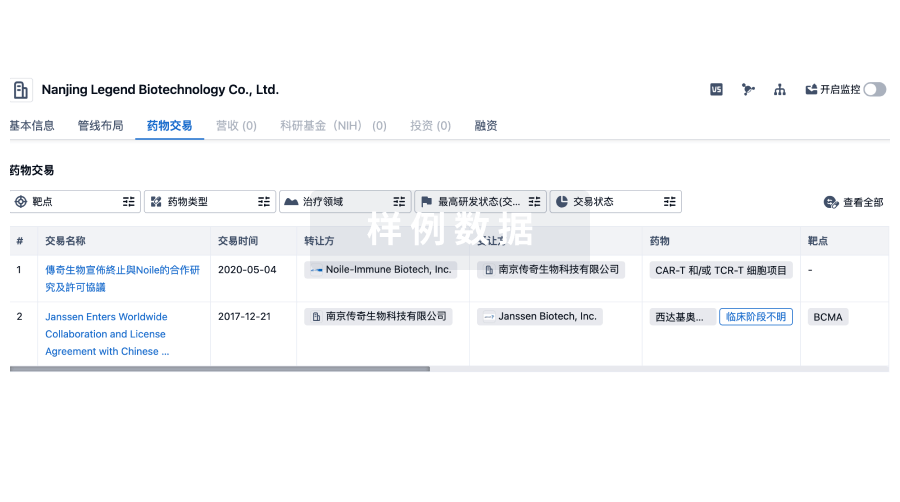
药物交易
使用我们的药物交易数据加速您的研究。
登录
或
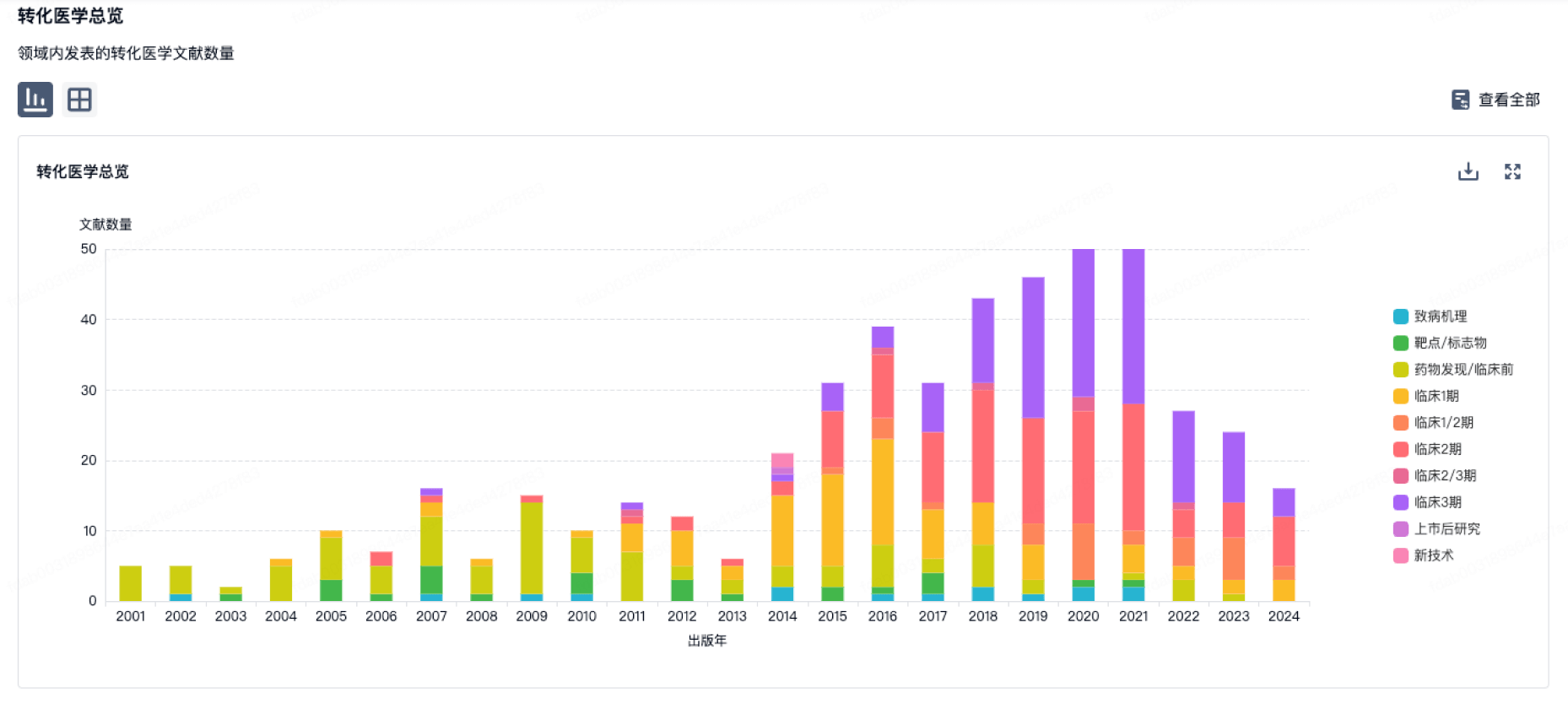
转化医学
使用我们的转化医学数据加速您的研究。
登录
或
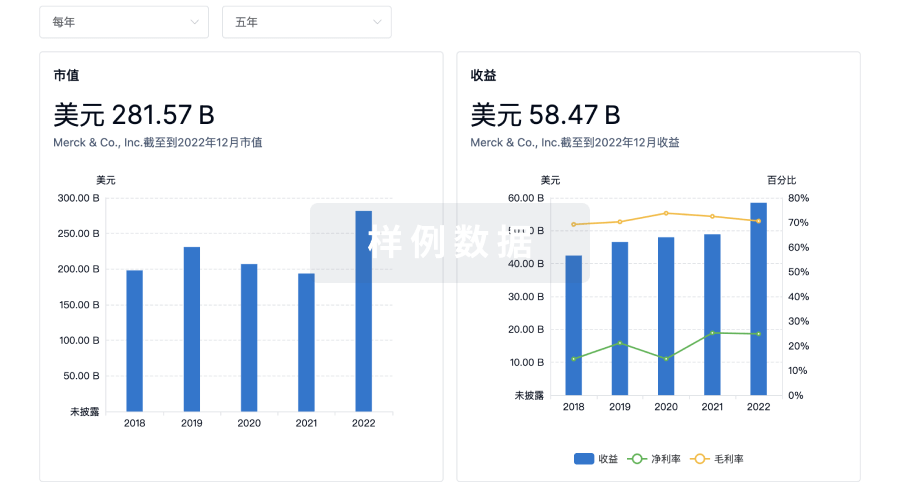
营收
使用 Synapse 探索超过 36 万个组织的财务状况。
登录
或
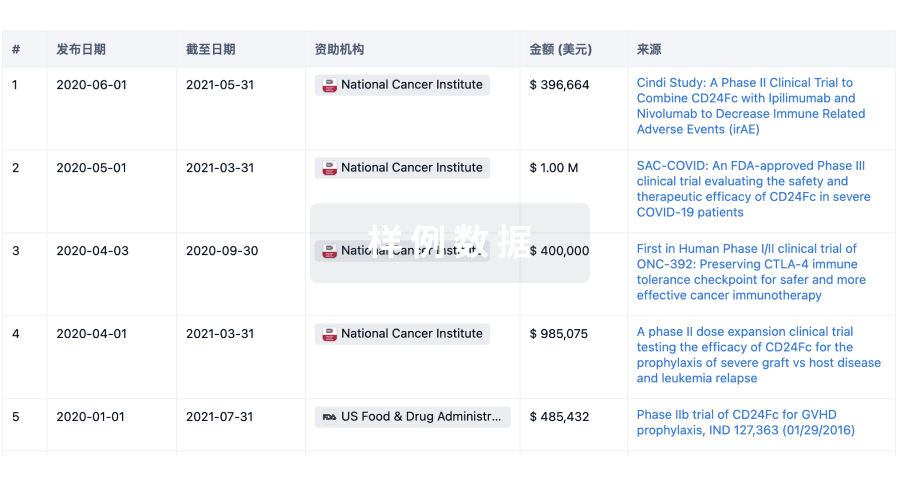
科研基金(NIH)
访问超过 200 万项资助和基金信息,以提升您的研究之旅。
登录
或
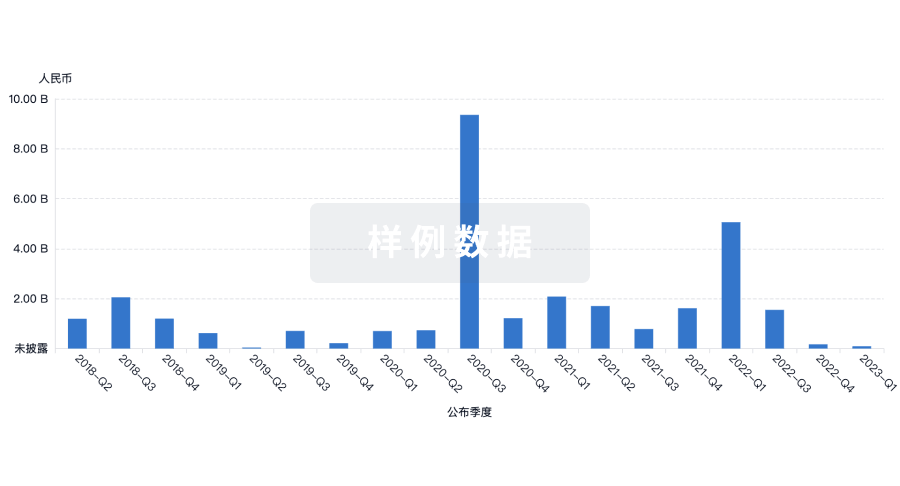
投资
深入了解从初创企业到成熟企业的最新公司投资动态。
登录
或
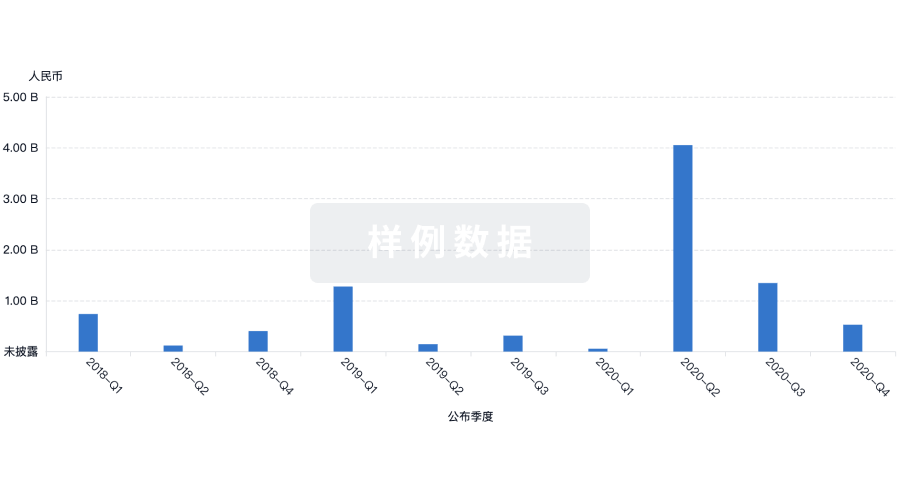
融资
发掘融资趋势以验证和推进您的投资机会。
登录
或
提出任何生物医药研究问题
让每一步生物医药决策都精准制胜
基于十亿级生物数据与全球情报的精准 AI,赋能早期药物发现
立即开始免费试用!
智慧芽新药情报库是智慧芽专为生命科学人士构建的基于AI的创新药情报平台,助您全方位提升您的研发与决策效率。
立即接入生物医药数据包
智慧芽新药库数据也通过智慧芽开放平台,以MCP或API服务形式对外开放。立即使用我们的MCP服务定制您的LLM智能体。
生物序列数据库
生物药研发创新
免费使用
化学结构数据库
小分子化药研发创新
免费使用