预约演示
更新于:2026-03-03

Universidade Federal De Alagoas
更新于:2026-03-03
概览
标签
感染
其他疾病
小分子化药
疾病领域得分
一眼洞穿机构专注的疾病领域

技术平台
公司药物应用最多的技术
靶点
公司最常开发的靶点
关联
靶点 |
作用机制 |
在研机构 |
原研机构 |
在研适应症 |
非在研适应症 |
最高研发阶段 |
首次获批国家/地区 |
首次获批日期 |
靶点 |
作用机制 |
在研机构 |
原研机构 |
在研适应症 |
非在研适应症 |
最高研发阶段 |
首次获批国家/地区 |
首次获批日期 |
靶点 |
作用机制 |
在研机构 |
原研机构 |
在研适应症 |
非在研适应症 |
最高研发阶段 |
首次获批国家/地区 |
首次获批日期 |
RBR-2q63v4h
POLYTISSUE film associated with bacterial cellulose hydrogel for the treatment of venous ulcers in diabetic patients - POLYTISSUE-BC POLYTISSUE film associated with bacterial cellulose hydrogel for the treatment of venous ulcers in diabetic patients
NCT07134231
In Situ Evaluation of the Anti-cavity Efficacy of Three Dentifrices Using an Intra-oral Enamel Demineralization-Remineralization Model

NCT06732518
Clinical Study to Evaluate the Anti-cavity Efficacy of Three Dentifrices Using an Intra-oral Enamel Demineralization - Remineralization In-Situ Model
100 项与 Universidade Federal De Alagoas 相关的临床结果
登录后查看更多信息
登录后查看更多信息
2026-04-01BIOORGANIC & MEDICINAL CHEMISTRY
QSAR-based drug discovery of 2-((4-Imino-3,4-dihydroquinazolin-2-yl)thio-substituted analogs targeting Mycobacterium tuberculosis
Article
作者: Araújo, Demétrius A M de ; Silva, Mirely Vitória Farias da ; Paulino, Gisela C ; Mendonça, Carla Caroline Ribeiro de ; Coutinho, Walber Fernandes Ferreira ; Santos, Thiago Lourenco Dos ; Araújo-Júnior, João R Xavier de ; Mendonça-Junior, Francisco Jaime Bezerra ; Nascimento, Igor José Dos Santos ; Rodrigues-Júnior, Valnês da Silva ; Silva-Júnior, Edeildo Ferreira da
Dihydroquinazolin-4(3H)-imines have emerged as a promising scaffold for developing novel antimycobacterial agents. Here, we integrated QSAR modeling, in vitro screening, molecular dynamics (MD), binding free-energy calculations, and in vivo toxicity assessment to identify potent inhibitors against Mycobacterium tuberculosis (Mtb). Four QSAR models demonstrated strong internal and external reliability (R2 > 0.68; Q2LOO > 0.62; R2extup to 0.82). Additional validation parameters met recommended thresholds (Q2-F1/F2/F3 ≥ 0.72; CCCext ≥ 0.88; r2m aver ≥ 0.72; r2m delta: 0.04), and Williams plots confirmed that all predictions fell within the applicability domain (h*: 0.286). Biological assays identified 11 active compounds, with MIC values ranging from 25 to 200 μM. Compound 2c (p-methylphenyl derivative) and 3d (m, p-dichlorophenyl analog) were the most potent, displaying MIC values of 50 and 25 μM, respectively. MD simulations revealed stable and specific interactions with Eis, an acetyltransferase linked to kanamycin resistance. Compound 2c exhibited a mean ΔGbind of -52.19 ± 3.21 kcal/mol, while 3d showed a more favorable ΔGbind of -73.15 ± 3.16 kcal/mol, consistent with its superior in vitro potency. Distinct interaction profiles-especially the engagement of Tyr126 and hydrophobic clusters-help explain their differential affinities. Moreover, both leads demonstrated low to moderate in vitro cytotoxicity against HepG2 cells at the concentrations evaluated. In vivo acute toxicity in Zophobas morio indicated LD₅₀ values of 500 mg/kg for 2c and 100 mg/kg for 3d, with transient tremors and melanization observed only for 3d. Since compound 2c exhibited a safer in vivo toxicity profile, this compound was investigated for its association with antimicrobial drugs. These compounds were validated as promising anti-TB candidates, supported by robust QSAR predictivity, favorable binding energetics, and measurable in vitro and in vivo toxicity profiles, reinforcing their potentials for further optimization.
2026-04-01RESEARCH IN VETERINARY SCIENCE
Efficacy of fresh frozen plasma immunotherapy as an adjuvant treatment of neonatal sepsis in puppies
Article
作者: Mendonça, Júlia Cosenza ; Pereira, Keylla Helena Nobre Pacífico ; Ribeiro, Márcio Garcia ; Fuchs, Kárita da Mata ; Xavier, Gleice Mendes ; Lourenço, Maria Lucia Gomes ; Câmara, Diogo Ribeiro ; Dos Santos Correia, Luiz Eduardo Cruz ; Souza, Fabiana Ferreira de ; Marcusso, Paulo Fernandes
The aim of this study was to evaluate the effects of fresh frozen plasma (passive immunotherapy) on clinical and laboratorial findings in puppies treated for neonatal sepsis. A total of thirty-one puppies were included in this study, 16 were diagnosed with sepsis and treated either with plasma + antibiotic (plasma group, n = 7; PG) or antibiotic only (control group, n = 9; CG); whereas 15 were healthy neonates (HG). The groups were evaluated at the first appointment (M0), after 24 (M24), 48 (M48), 72 h (M72) and at the end of treatment (ME). At M0, neonates with sepsis presented a reduction (p < 0.05) in heart rate (HR), reflexes, blood glucose, body temperature, and leukocytes (leukopenia), with an increase (p < 0.05) in lactate and troponin I, compared to HG puppies. During treatment, significant improvement of laboratory parameters was observed in PG compared to CG puppies, with higher IgM level at M24, and higher blood glucose and leukocyte count at M24 and M48 (p < 0.05). At ME, the lactate was lower in PG than CG puppies (p < 0.05). There were no differences in the serum IgG or IgA concentrations among groups. Evaluating clinical and laboratory improvement between time points within the same group, differences (p < 0.05) were observed in the PG puppies, which increased blood glucose, temperature, leukocytes count, and IgM at M24 compared to M0. In the CG, a decrease in IgM concentration was detected at M24 compared to M0 (p < 0.05). Approximately 57% (4/7) of the neonates in the PG presented leukograms without alterations at M24. In the CG, leukograms without alterations were observed only at M72 in 55.5% (5/9) of the animals. The mortality rate was 22% (2/9) in the CG. There was no mortality in the PG. This was the first study using fresh frozen plasma as an adjuvant in the treatment of neonatal sepsis in dogs and evaluation of biomarkers in diagnosis. It was concluded that sepsis led to changes in the physiological parameters of neonatal dogs, demonstrating that the evaluation of leukocytes, troponin I and lactate can be used in the diagnosis and monitoring of sepsis. It was concluded that, besides being an important source of IgM, fresh frozen plasma stimulated healing of puppies with neonatal sepsis, by prompt (within 24 h) improvement in both clinical and laboratory parameters. Plasma therapy has been shown to be beneficial in the treatment of sepsis and is a promising therapeutic strategy for reducing neonatal mortality.
2026-02-01BULLETIN OF ENTOMOLOGICAL RESEARCH
Shades of red: several lines of evidence reveal a pest of sugarcane as new species of
Mahanarva
(Hemiptera: Auchenorrhyncha: Cercopidae)
Article
作者: Domahovski, Alexandre Cruz ; Cabral-de-Mello, Diogo Cavalcanti ; Paladini, Andressa ; Barão, Kim Ribeiro ; Carvalho, Gervásio Silva ; Mariguela, Tatiane Casagrande
Abstract:
Many species of spittlebugs (Auchenorrhyncha: Cercopidae) use sugarcane and other grasses as host plants, and when damage is extensive they are considered pests leading tom economic losses.
Mahanarva fimbriolata
and
Mahanarva spectabilis
are the most common in sugarcane and can be distinguished mainly by genital morphology. Recently, another morphotype of
Mahanarva
occurring in sugarcane fields that did not match the morphologies of either of these
Mahanarva
species mentioned above has been widely collected in Brazil, raising doubts on the identification of
Mahanarva
species using sugarcane. Accurate specimen identification is critical for sugarcane pest management, because misidentifications can lead to economic losses and inefficient control strategies. Thus, we combined morphology, geometric morphometrics, and molecular techniques to investigate the hypothesis that this morphotype could be considered a new species of
Mahanarva.
Morphological analyses included examination of male genitalia and tegminal colouration patterns. We also quantified hindwing shapes using geometric morphometrics; and performed a phylogenetic analysis using the mitochondrial COI gene. Morphological evidence distinguished the new morphotype through unique traits in male genitalia. Geometric morphometrics reliably separated species, with over 89% classification accuracy. Molecular analyses confirmed the morphotype as a distinct lineage closely related to
M. fimbriolata
and
M. spectabilis
. Thus, we describe
M. diakantha
sp. n., demonstrating the effectiveness of an integrative approach in resolving taxonomic challenges. Additionally, we provide formal diagnoses for
M. fimbriolata
and
M. spectabilis
. This work underscores the importance of precise taxonomy in agroecosystems, supporting sustainable pest management practices.
100 项与 Universidade Federal De Alagoas 相关的药物交易
登录后查看更多信息
100 项与 Universidade Federal De Alagoas 相关的转化医学
登录后查看更多信息
组织架构
使用我们的机构树数据加速您的研究。
登录
或
管线布局
2026年10月27日管线快照
管线布局中药物为当前组织机构及其子机构作为药物机构进行统计,早期临床1期并入临床1期,临床1/2期并入临床2期,临床2/3期并入临床3期
临床前
6
3
其他
登录后查看更多信息
当前项目
登录后查看更多信息
药物交易
使用我们的药物交易数据加速您的研究。
登录
或
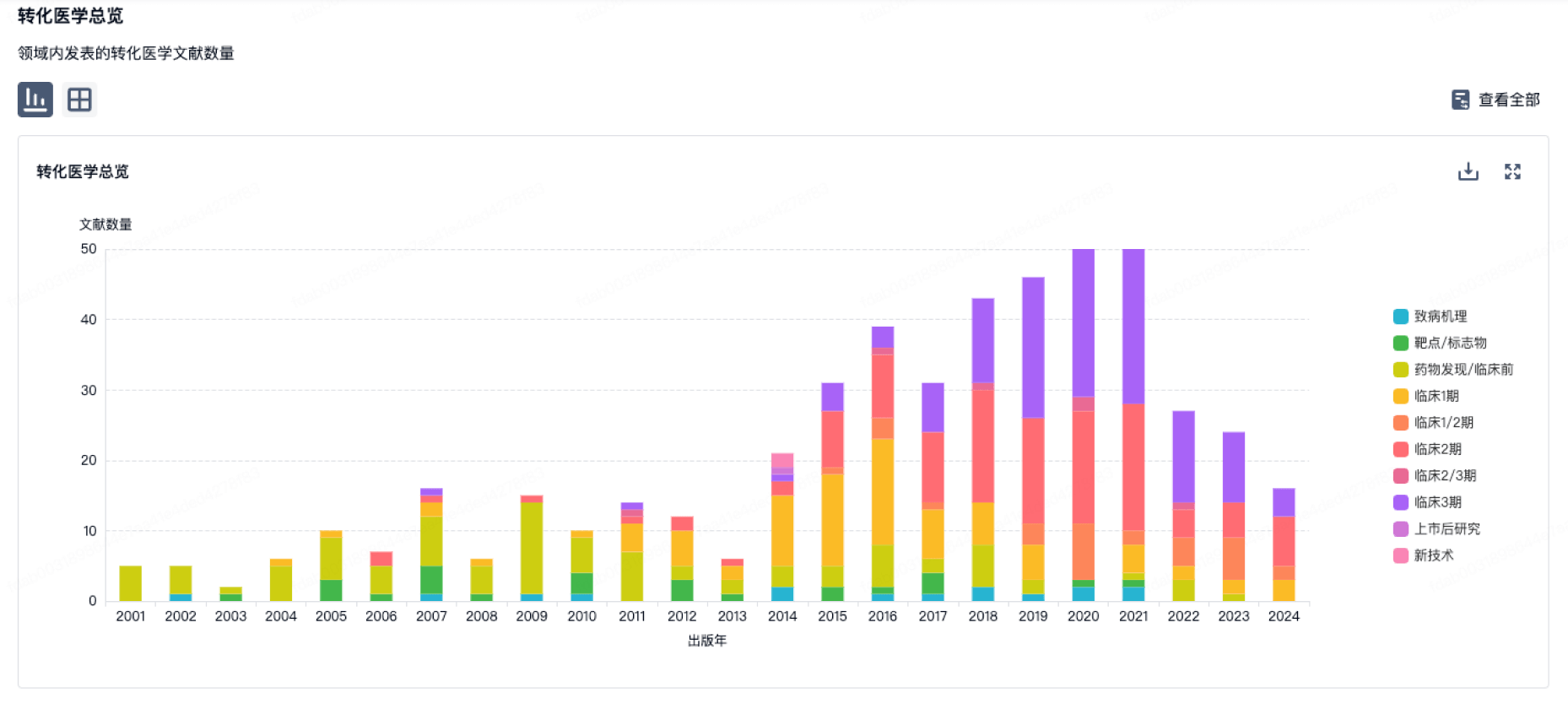
转化医学
使用我们的转化医学数据加速您的研究。
登录
或
营收
使用 Synapse 探索超过 36 万个组织的财务状况。
登录
或
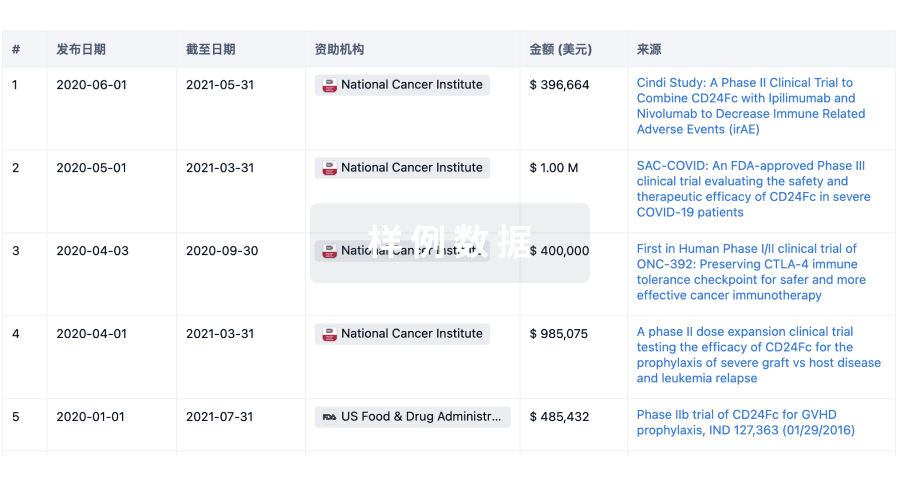
科研基金(NIH)
访问超过 200 万项资助和基金信息,以提升您的研究之旅。
登录
或
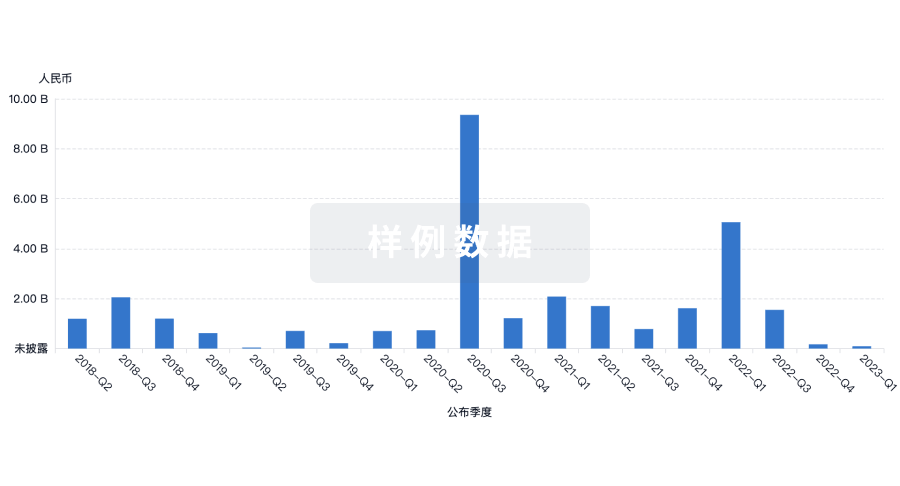
投资
深入了解从初创企业到成熟企业的最新公司投资动态。
登录
或
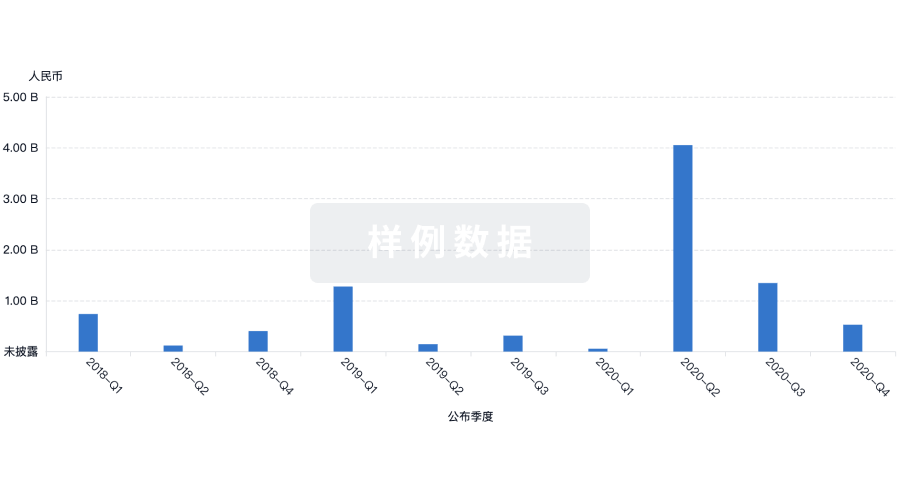
融资
发掘融资趋势以验证和推进您的投资机会。
登录
或
提出任何生物医药研究问题
让每一步生物医药决策都精准制胜
基于十亿级生物数据与全球情报的精准 AI,赋能早期药物发现
立即开始免费试用!
智慧芽新药情报库是智慧芽专为生命科学人士构建的基于AI的创新药情报平台,助您全方位提升您的研发与决策效率。
立即接入生物医药数据包
智慧芽新药库数据也通过智慧芽开放平台,以MCP或API服务形式对外开放。立即使用我们的MCP服务定制您的LLM智能体。
生物序列数据库
生物药研发创新
免费使用
化学结构数据库
小分子化药研发创新
免费使用