预约演示
更新于:2026-08-19

Inje University Sanggye Paik Hospital
更新于:2026-08-19
概览
标签
心血管疾病
内分泌与代谢疾病
眼部疾病
合成多肽
疾病领域得分
一眼洞穿机构专注的疾病领域
技术平台
公司药物应用最多的技术
靶点
公司最常开发的靶点

暂无数据
关联
靶点 |
作用机制 |
在研机构 |
原研机构 |
在研适应症 |
非在研适应症 |
最高研发阶段 |
首次获批国家/地区 |
首次获批日期 |

KCT0011495
Posttrauma Growth and Quality of life Ovarian Cancer survivors and their spouses : Based on Actor-Partner Interdependence Model
KCT0010078
A prospective, multi-center, comparative, randomized, open label,pilot study to evaluate the efficacy of ‘Aesten Inject ® ’ used in treatment ofpatients with lateral ankle sprain
KCT0009496
Strategy to implementation of Cardiac Rehabilitation using Digital Technology
100 项与 Inje University Sanggye Paik Hospital 相关的临床结果
登录后查看更多信息
登录后查看更多信息
2026-08-01PARKINSONISM & RELATED DISORDERS
Cerebellum crus II cortical thickness as a cognitive brain reserve in Parkinson's disease
Article
作者: Uhm, In Ae ; Sohn, Young H ; Yoon, So Hoon ; Lee, Phil Hyu ; Jeong, Seung Ho
INTRODUCTION:
Although the cerebellum plays a role in the pathophysiology of motor symptoms in Parkinson's disease (PD), its association with cognition remains unclear. We investigated whether the cognition-related cerebellar lobules are associated with baseline and longitudinal cognition in PD.
METHODS:
In this retrospective cohort study, we enrolled 203 drug-naïve patients with PD who underwent dopamine transporter (DAT) scans, high-resolution brain magnetic resonance imaging, and detailed neuropsychological testing at baseline. We analyzed the association of cerebellar lobular volume and cortical thickness with baseline cognitive domain composite scores and future PD dementia (PDD) conversion using multivariable linear regression analysis and the Cox proportional hazards model, respectively. We further tested whether striatal DAT availability moderated the cerebellar-cognitive associations.
RESULTS:
The volumes of cognitive cerebellar lobules were not significantly associated with cognitive domain scores. However, the cortical thickness of Crus II was positively associated with the baseline visuospatial score (β = 0.208, p = 0.004). Greater Crus II cortical thickness was also associated with lower risk of PDD conversion (hazard ratio [HR], 0.197; 95% confidence interval [CI], 0.071-0.544; p = 0.002). A Crus II x striatal DAT interaction was significant for both the baseline visuospatial score (β = -0.255, p = 0.001) and PDD conversion (HR = 0.61, p = 0.016). The effect of Crus II cortical thickness on PDD conversion was not mediated by the baseline visuospatial score.
CONCLUSION:
The cortical thickness of Crus II may serve as a cognitive brain reserve and be useful for predicting the risk of dementia conversion in PD.
2026-08-01SEIZURE-EUROPEAN JOURNAL OF EPILEPSY
Prenatal exposure to Antiseizure Medications for all indications and the risk of neurodevelopmental disorders in offspring: a nationwide population-based cohort study in South Korea
Article
作者: Jung, Sun-Young ; Kim, Bonggi ; Han, Jung Yeol ; Lee, Seulbi ; Son, Nayeong ; Euni Lee, Eunkyung ; Kim, Hyunjoo ; Byun, Jungwon
PURPOSE:
Antiseizure medications (ASMs) are used during pregnancy for both epilepsy and non-epilepsy indications, yet the neurodevelopmental safety of prenatal ASM exposure remains uncertain, particularly in Asian populations. We evaluated the risk of neurodevelopmental disorders (NDDs) following in utero ASM exposure using a nationwide Korean database.
METHODS:
This population-based cohort study (2009-2021) used the Korea National Health Insurance Database to identify 3663,052 mother-infant pairs. ASM exposure was defined as ≥1 prescription between the last menstrual period and delivery. Using 1:5 propensity score matching to balance baseline covariates, we estimated adjusted hazard ratios (aHRs) for autism spectrum disorder (ASD) and intellectual disability (ID).
RESULTS:
After matching, 9587 ASM-exposed and 47,935 unexposed mother-infant pairs were included; among ASM users, 48.2% had epilepsy. Prenatal ASM exposure was associated with significantly increased risks of ASD (aHR 1.57; 95% CI 1.15-2.15) and ID (aHR 2.40; 95% CI 1.80-3.19). A dose-response pattern was observed, with higher risks for duotherapy (ID: aHR 3.23; 95% CI 1.79-5.83) than for monotherapy (ID: aHR 1.74; 95% CI 1.24-2.45). Prolonged exposure and later pregnancy recognition were associated with the highest risks. Among single-trimester exposures, first-trimester-only exposure showed the strongest association with composite outcomes.
CONCLUSION:
In this nationwide Korean cohort, prenatal ASM exposure was associated with dose-dependent risks of ASD and ID. These findings underscore the importance of preconception counseling and early pregnancy management for all women receiving ASMs, beyond those with epilepsy.
2026-07-25Psychiatry Investigation
Peripartum Magnesium Sulfate and Post-Delivery Depression: A Nationwide Cohort Study With 13-Year Follow-Up
Article
作者: Oh, Tak Kyu ; Song, In-Ae ; Park, Hye Yoon ; Choi, Hey-ran
Objective Although its potential antidepressant effects have been suggested, evidence on long-term outcomes for post-delivery depression remains limited. We evaluated whether peripartum intravenous magnesium sulfate (MgSO₄) is associated with a reduced risk of postpartum depression (PPD) within 12 months and its long-term trajectory over 13 years.Methods This nationwide retrospective cohort study included all women in South Korea who delivered between 2010 and 2014, excluding those with prior depression. Exposure was defined as intravenous MgSO₄ administration during delivery hospitalization. Propensity score (PS) matching (1:5) was used to balance baseline characteristics. We employed Cox proportional hazards models to estimate hazard ratios (HRs) and 95% confidence intervals (CIs) for both 12-month PPD and long-term depression (up to 13 years).Results Among 1,583,253 eligible mothers, 9,756 (0.6%) received MgSO₄. In the PS-matched cohort (9,682 exposed; 35,140 unexposed), there was no significant association between MgSO₄ and the primary outcome of 12-month PPD (HR, 1.11; 95% CI, 0.97–1.26; p=0.114). Similarly, the risk of long-term post-delivery depression showed no significant difference (HR, 1.02; 95% CI, 0.97–1.07; p=0.388). These findings were consistent in the dose-response analysis for 12-month PPD (HR, 1.10 per 10 g increase; 95% CI, 0.96– 1.24; p=0.144) and in subgroup analyses stratified by preeclampsia status.Conclusion Peripartum MgSO₄ exposure was not associated with a reduced risk of either 12-month PPD or long-term post-delivery depression. Despite its biological plausibility, routine obstetric use of MgSO₄ does not appear to confer preventive mental health benefits for mothers in the general obstetric population.
100 项与 Inje University Sanggye Paik Hospital 相关的药物交易
登录后查看更多信息
100 项与 Inje University Sanggye Paik Hospital 相关的转化医学
登录后查看更多信息
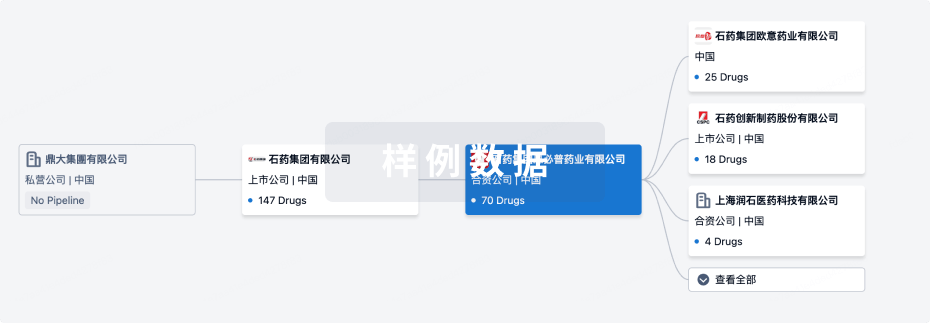
组织架构
使用我们的机构树数据加速您的研究。
登录
或
管线布局
2026年10月26日管线快照
管线布局中药物为当前组织机构及其子机构作为药物机构进行统计,早期临床1期并入临床1期,临床1/2期并入临床2期,临床2/3期并入临床3期
临床前
1
登录后查看更多信息
当前项目
登录后查看更多信息
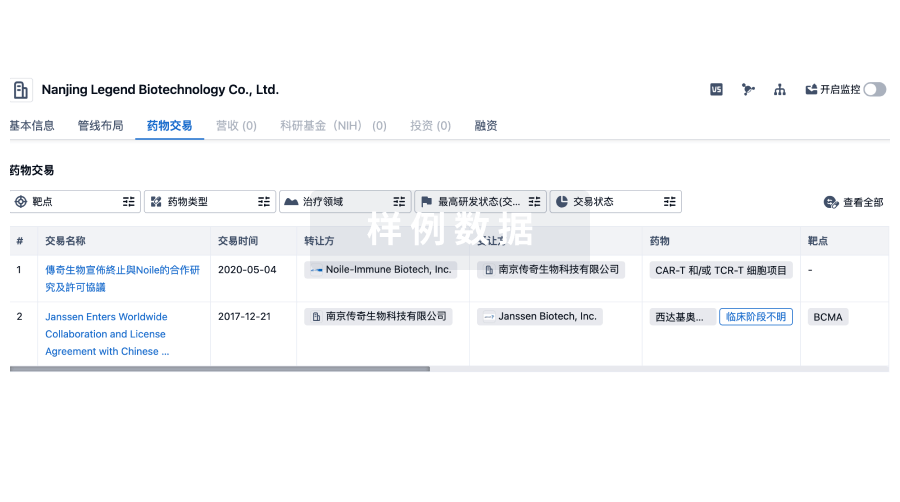
药物交易
使用我们的药物交易数据加速您的研究。
登录
或
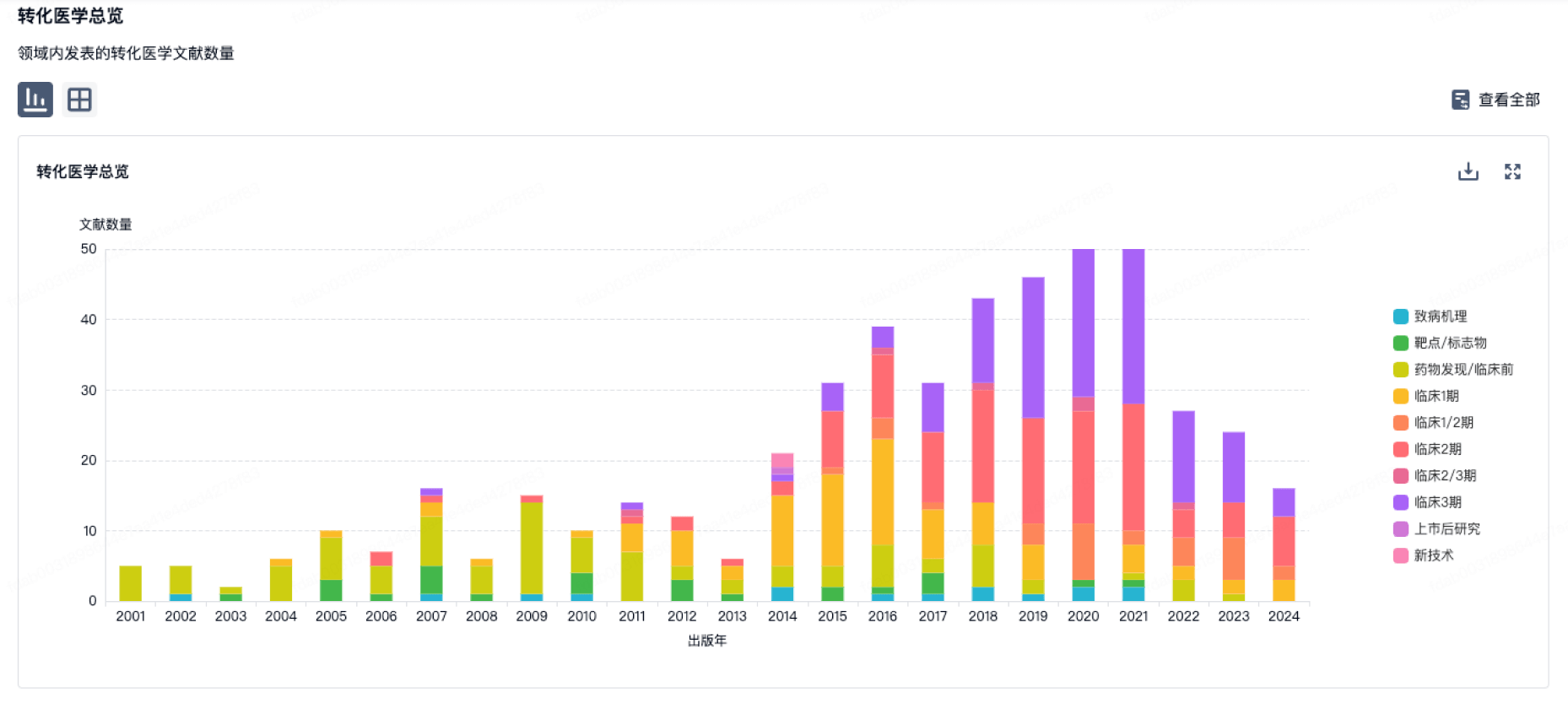
转化医学
使用我们的转化医学数据加速您的研究。
登录
或
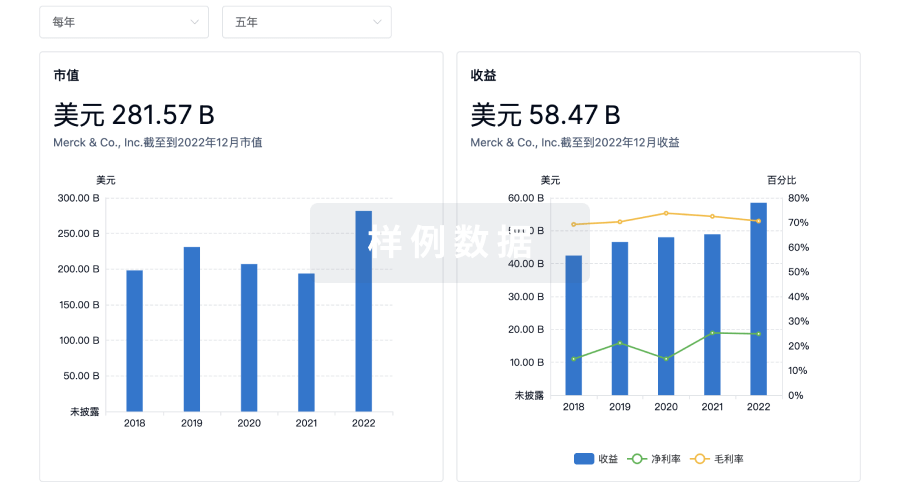
营收
使用 Synapse 探索超过 36 万个组织的财务状况。
登录
或
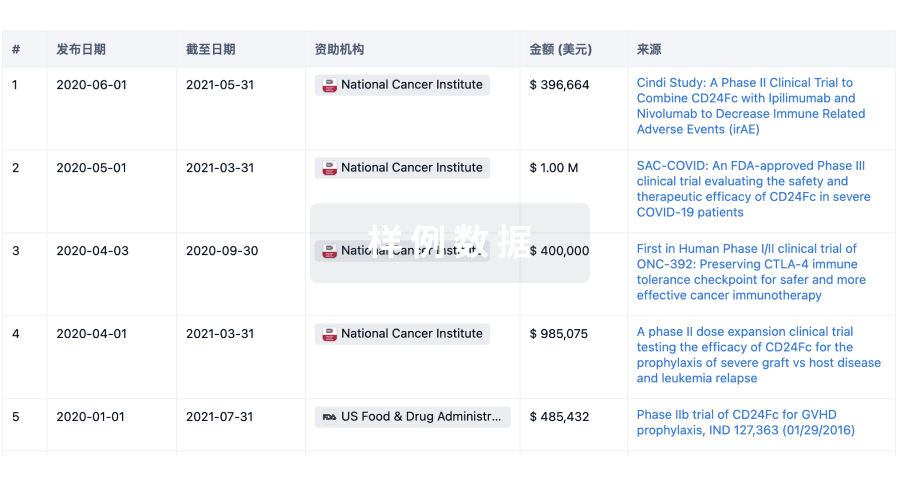
科研基金(NIH)
访问超过 200 万项资助和基金信息,以提升您的研究之旅。
登录
或
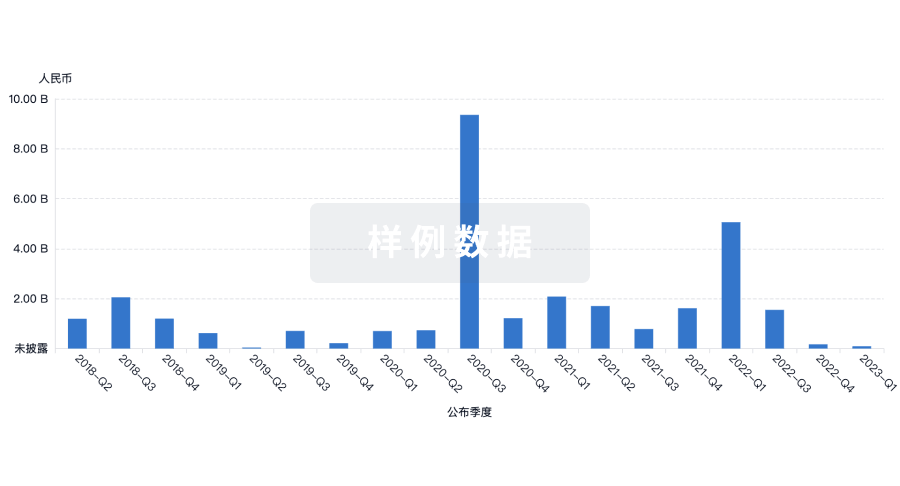
投资
深入了解从初创企业到成熟企业的最新公司投资动态。
登录
或
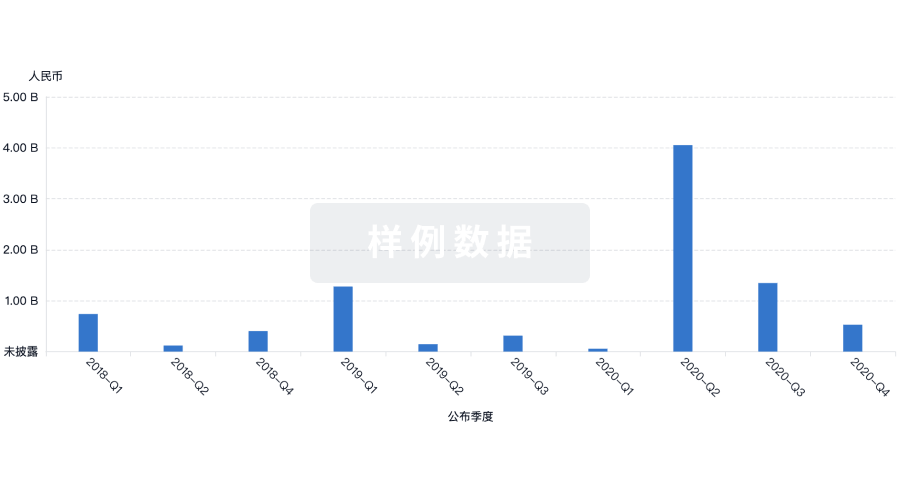
融资
发掘融资趋势以验证和推进您的投资机会。
登录
或
提出任何生物医药研究问题
让每一步生物医药决策都精准制胜
基于十亿级生物数据与全球情报的精准 AI,赋能早期药物发现
立即开始免费试用!
智慧芽新药情报库是智慧芽专为生命科学人士构建的基于AI的创新药情报平台,助您全方位提升您的研发与决策效率。
立即接入生物医药数据包
智慧芽新药库数据也通过智慧芽开放平台,以MCP或API服务形式对外开放。立即使用我们的MCP服务定制您的LLM智能体。
生物序列数据库
生物药研发创新
免费使用
化学结构数据库
小分子化药研发创新
免费使用