/ Not yet recruiting临床2/3期IIT Safety and Efficacy of Bovis Calculus Stativus in the Treatment of Acute Cerebral Ischemic Stroke With Impaired Consciousness- A Multicenter, Prospective, Double-blind, Randomized Trial
Acute ischemic stroke (AIS) is a severe and life-threatening condition, with 35% of AIS patients experiencing impaired consciousness upon admission within 24 hours of onset. Previous studies indicated that patients with impaired consciousness at the onset of stroke have a higher incidence of stroke-related complications, particularly cerebral edema and pneumonia, as well as higher in-hospital and three-month mortality rates. The etiology of impaired consciousness in AIS is complex: ischemic damage to reticular activating system of the brainstem can directly lead to cell necrosis and result in impaired consciousness. Furthermore, secondary pathological changes following AIS, such as excitatory amino acid toxicity, oxidative stress, free radical production, and cascading inflammatory responses, can indirectly worsen impaired consciousness. Therefore, impaired consciousness at the onset of AIS is the result of cellular damage under multiple pathophysiological mechanisms. Developing neuroprotective drugs with multiple targets is key to effectively improving adverse outcomes related to impaired consciousness in AIS. However, there is currently a lack of treatment specifically aimed at improving impaired consciousness at the onset of AIS.
Cultivated Bovine Bezoar (Bovis Calculus Stativus, BCS) combines the advantages of pharmacological similarity to natural bovine by adding components such as deoxycholic acid, cholic acid, and composite calcium bilirubin to fresh bovine bile. It is rich in various trace elements and amino acids and is a compound medication that can exert neuroprotective effects through multiple pathways and targets. In traditional Chinese medicine, it has long been used to treat various consciousness disorder-related diseases, including stroke. The various components of in vitro cultivated bezoar are also widely used in clinical research for various neurological diseases.The above evidence fully demonstrates that BCS is an optimal treatment for impaired consciousness in stroke.
The goal of this clinical trial is to learn if Bovis Calculus Stativus works to treat acute cerebral ischemic stroke with impaired consciousness. It will also learn about the safety of Bovis Calculus Stativus. The main questions it aims to answer are:
1. Does Bovis Calculus Stativus treat and alleviate consciousness disorders in patients with acute cerebral infarction accompanied by impaired consciousness ?
2. What medical problems do participants have when taking Bovis Calculus Stativus?
Researchers will compare Bovis Calculus Stativus to a placebo (a look-alike substance that contains no drug) to see if Bovis Calculus Stativus works to treat acute cerebral ischemic stroke with impaired consciousness.
Participants will:
1. receive treatment with Bovis Calculus Stativus (or placebo) for 5 days.
2. Take an in-person or telephone follow-up within 90 days after the acute stroke.
The Impact of Injection of a Loading Dose of Unfractionated Heparin on Patients With Acute ST-segment Elevation Myocardial Infarction Scheduled for Primary PCI at Initial Medical Contact: A Multicenter, Prospective, Randomized Controlled Study(HELP-PCI 2)
This randomized, multicenter, prospective trial will enroll 6,294 participants in approximately 80 centers. STEMI patients with onset time within 12 hours and scheduled for primary PCI will be randomly assigned to two groups in a 1:1 ratio. Patients meeting the criteria were randomly assigned. It is recommended that loading doses of dual antiplatelet therapy be administered immediately after electrocardiogram diagnosis. The experimental group was required to be given an intravenous injection of 100 U/kg of UFH within 10 minutes after randomization, and this should be completed at least before delivery to the catheter lab. The control group was recommended to be given 100 U/kg of UFH through the arterial sheath, but the actual intraoperative dosage was determined by the interventional cardiologist. No patient is allowed to use low-molecular-weight heparin, bivalirudin, glycoprotein IIb/IIIa inhibitors or other antithrombotic drugs before coronary angiography. The planned enrollment period for this study is 24 months. The scheduled follow-up visits will occur at 30 days (±7 days), 3 months (±14 days), and if conditions permit, at 6 months (±30 days) and 1 year (±30 days) after randomization. The purpose of this study is to evaluate the composite endpoint of all-cause death, recurrent myocardial infarction, urgent coronary revascularization, stent thrombosis, or stroke within 30 days after randomization.
The efficacy and safety of keverprazan-amoxicillin dual therapy in the treatment of Helicobacter pylori: A multicenter, open-label, non-inferiority randomized controlled trial
100 项与 襄阳市中医医院(襄阳市中医药研究所) 相关的临床结果
0 项与 襄阳市中医医院(襄阳市中医药研究所) 相关的专利(医药)
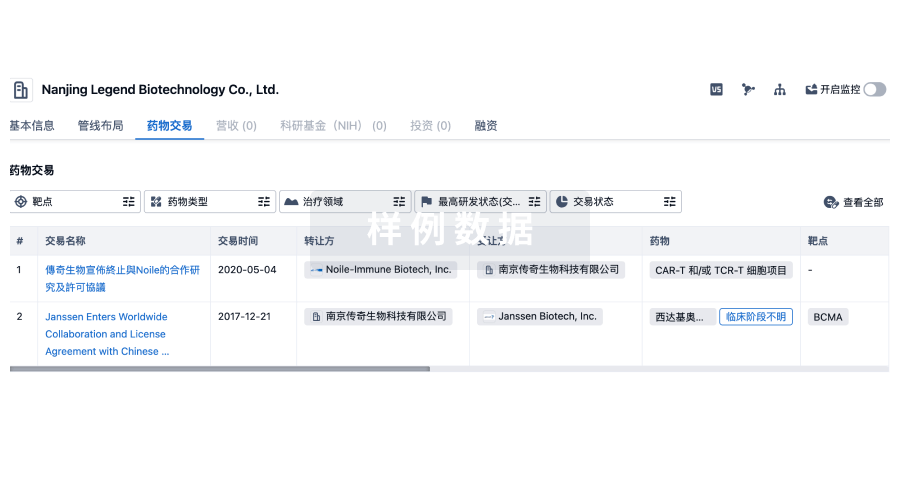
100 项与 襄阳市中医医院(襄阳市中医药研究所) 相关的药物交易
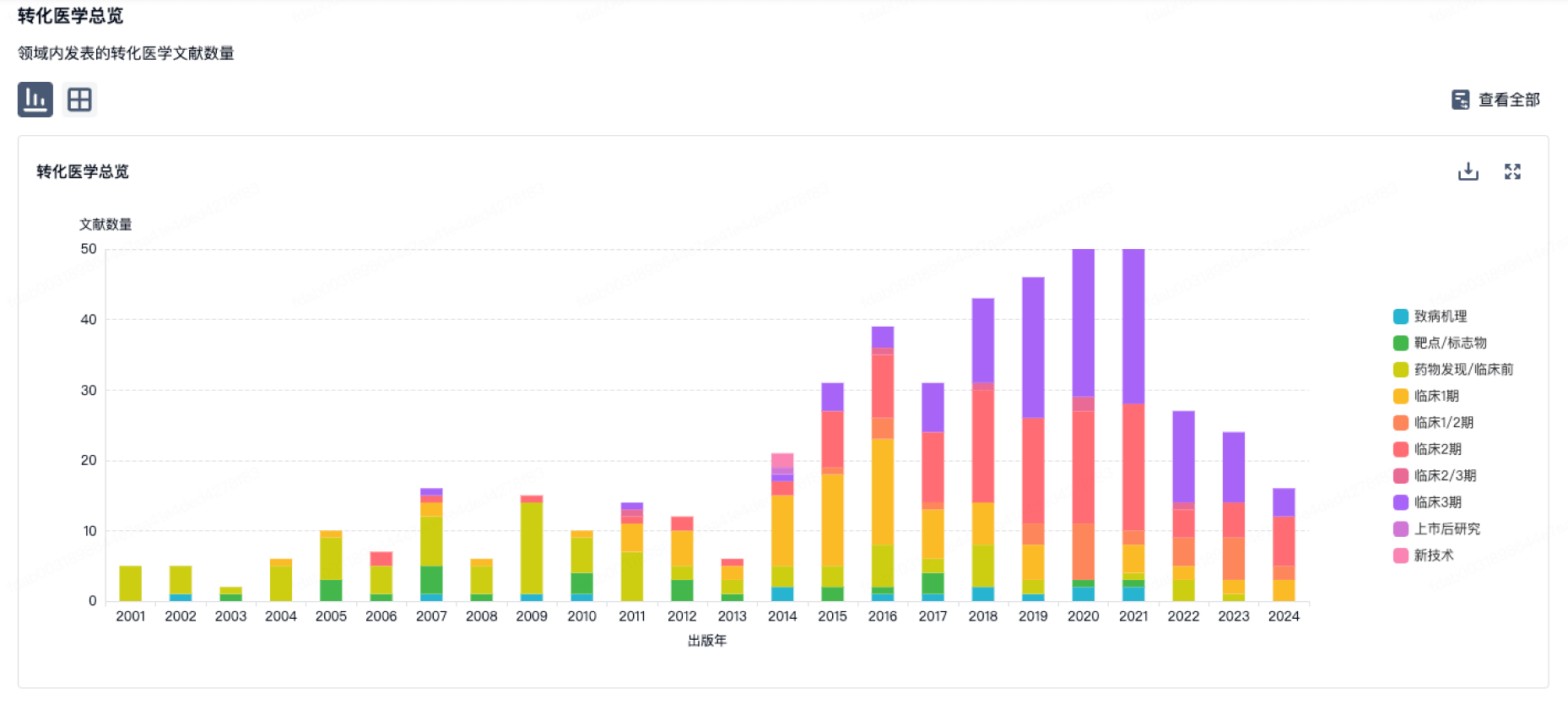
100 项与 襄阳市中医医院(襄阳市中医药研究所) 相关的转化医学