预约演示
更新于:2026-03-08

Kwangwoon University
更新于:2026-03-08
概览
关联
KCT0011573
Efficacy of Pulsed Electromagnetic Field–Based Physical Therapy on Skin and Muscle Relaxation and Blood Flow Improvement
KCT0011567
Nutritional Regulation of Brown Adipose Tissue, Muscle, and Inflammation Related Exerkines Induced by Resistance Exercise and Essential Amino Acid Intake: Effects Across the Female Life Course
KCT0011447
Comprehensive analysis of the correlation between pilot fatigue and flight safety.
100 项与 Kwangwoon University 相关的临床结果
登录后查看更多信息
登录后查看更多信息
2026-07-01Bioactive Materials
Microwave thermal supercharging therapy enables selective tumor ablation via low-power radio frequency-responsive nanotopographies
Article
作者: Tan, Longfei ; Wang, Qingzhou ; Meng, Xianwei ; Guo, Wenna ; Ren, Xiangling ; Ma, Limin ; Shin, Young-Kee ; Kim, Nam-Young ; Fang, Laiping ; Jiang, Guihua ; Kim, Eun-Seong ; Fu, Changhui ; Wu, Qiong ; Chen, Zengzhen ; Hang, Lifeng
The lack of accuracy and penetration significantly hinder the clinical use of microwave (MW) thermotherapy. To address this issue, we propose a microwave thermal supercharging system (MTSS) featuring a miniature meta surface grid waveguide aperture antenna and MW-chaperone GaMOF-Co/Ni nanotopographies (GCN NTs) as MW absorbing materials. The meta surface grid waveguide aperture antenna, designed with filled meta surfaces, offers a reduced size, constrained MW beams, and focused energy for precise tumor MW thermotherapy. The MW-chaperone GCN NTs with multiple heterogeneous interfaces and magnetic structures were developed to enhance the dielectric and magnetic loss characteristics and improve MW absorption at medical frequencies (>90 %). Enhancing MW energy delivery to boost thermal conversion efficiency through meta surface grid waveguide aperture antenna innovation is analogous to increasing the air pressure in an engine's intake manifold. This system significantly improved the effectiveness of MW thermotherapy, achieving a 93 % inhibition and 100 % survival in vivo under clinically simulated deep-tissue conditions. By transforming microwave fields into programmable, tissue-specific therapeutic heat, this MTSS serves as a modular and device-compatible platform that redefines noninvasive oncology as a precision, energy-directed strategy with scalable clinical potential.
2026-03-01Integrative Medicine Research
Identification of auricular acupoints using a convolutional neural network
Article
作者: Yoon, Da-Eun ; Kim, Youngseok ; Chae, Younbyoung ; Kim, Junsuk ; Lee, In-Seon
Background:
The accurate identification of acupoints is an essential task in acupuncture therapy. Recent advancements in artificial intelligence (AI) have led to the exploration of automated landmark detection systems, which may provide more accurate and reliable acupoint detection. This study investigated the efficiency of an AI model in predicting the shenmen, lung, and mouth auricular acupoints and compared its performance to placements made by a practitioner of traditional Korean medicine.
Methods:
Ear images from 39 individuals were captured from three different angles. The mask region-based convolutional neural network (Mask R-CNN) model was utilized to isolate the ear region, followed by landmark detection using a CNN model trained on resized images to predict three auricular acupoints. Model reliability was enhanced by treating each acupoint as a separate prediction coordinate. Acupoint distribution was also estimated using a kernel density estimation method.
Results:
Centroids of auricular acupoints predicted by the CNN model showed deviations of < 3 pixels from traditional placements by the practitioner. Kernel density estimation showed that CNN predictions led to narrower acupoint distributions compared with those placed by the practitioner, suggesting higher consistency in CNN model predictions across different images.
Conclusions:
The AI-driven approach showed significant potential in improving both the accuracy and consistency of auricular acupoint identification. These findings support the integration of AI into acupuncture practice as a reliable tool for enhancing clinical accuracy and precision of acupoint location.
2026-02-01ULTRASONICS SONOCHEMISTRY
Sonocatalytic degradation of bisphenol A in aqueous solution: A review
Article
作者: Jang, Min ; Jun, Byung-Moon ; Park, Chang Min ; Yang, Narae ; Shin, Hyunjin ; Kim, Hak-Hyeon ; Yoon, Yeomin ; An, Sujin
Owing to the expansion of the manufacturing industry, bisphenol A (BPA) is being discharged into aquatic environments, posing a global concern. Numerous studies have recognized the adverse effects of BPA exposure on ecosystems and humans. Therefore, advanced remediation technologies are gaining increasing attention. Beyond the achievements of conventional water treatment processes, sonocatalysis provides several benefits, including effectiveness under ambient conditions, promising mineralization efficiency, and compatibility with nanostructured or hybrid catalysts. This review presents progress and developments made over the past ten years in the field of sonocatalysis related to BPA. Focusing mainly on BPA sonodegradation mechanisms, the effects of solution chemistry (e.g., pH, temperature, naturally occurring ions, natural organic matter, and scavengers), ultrasonication parameters (e.g., ultrasonic frequency, power, and operation mode), and the physicochemical properties of BPA (e.g., pKa, hydrophobicity, and molecular configuration) were evaluated. Overall, sonocatalysis demonstrated competent BPA degradation, whereas hybrid systems (e.g., O3, sono-Fenton, and ultraviolet/visible light irradiation) enhanced radical utilization. Finally, we discuss the current limitations and potential areas for future research, with the aim of guiding subsequent investigations towards practical applications.
100 项与 Kwangwoon University 相关的药物交易
登录后查看更多信息
100 项与 Kwangwoon University 相关的转化医学
登录后查看更多信息
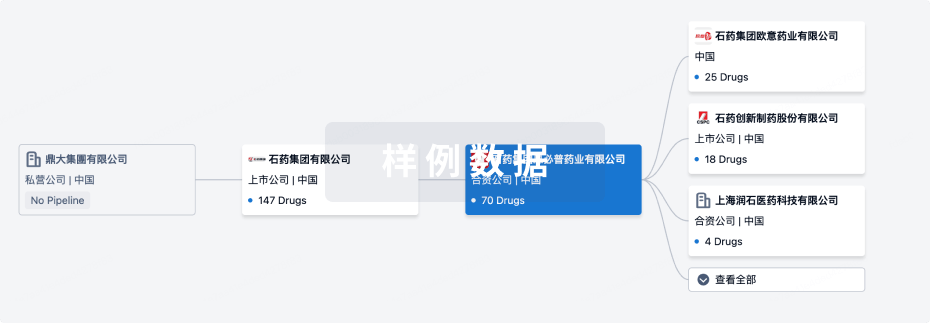
组织架构
使用我们的机构树数据加速您的研究。
登录
或
管线布局
2026年09月22日管线快照
无数据报导
登录后保持更新
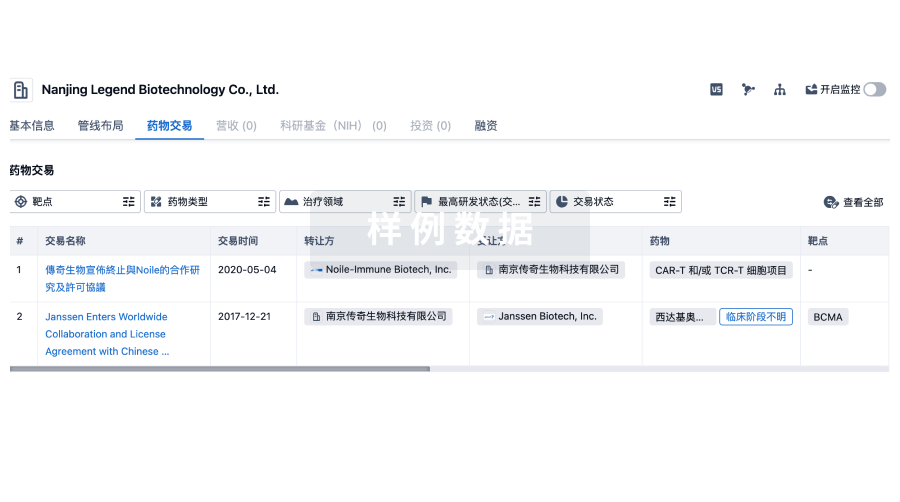
药物交易
使用我们的药物交易数据加速您的研究。
登录
或
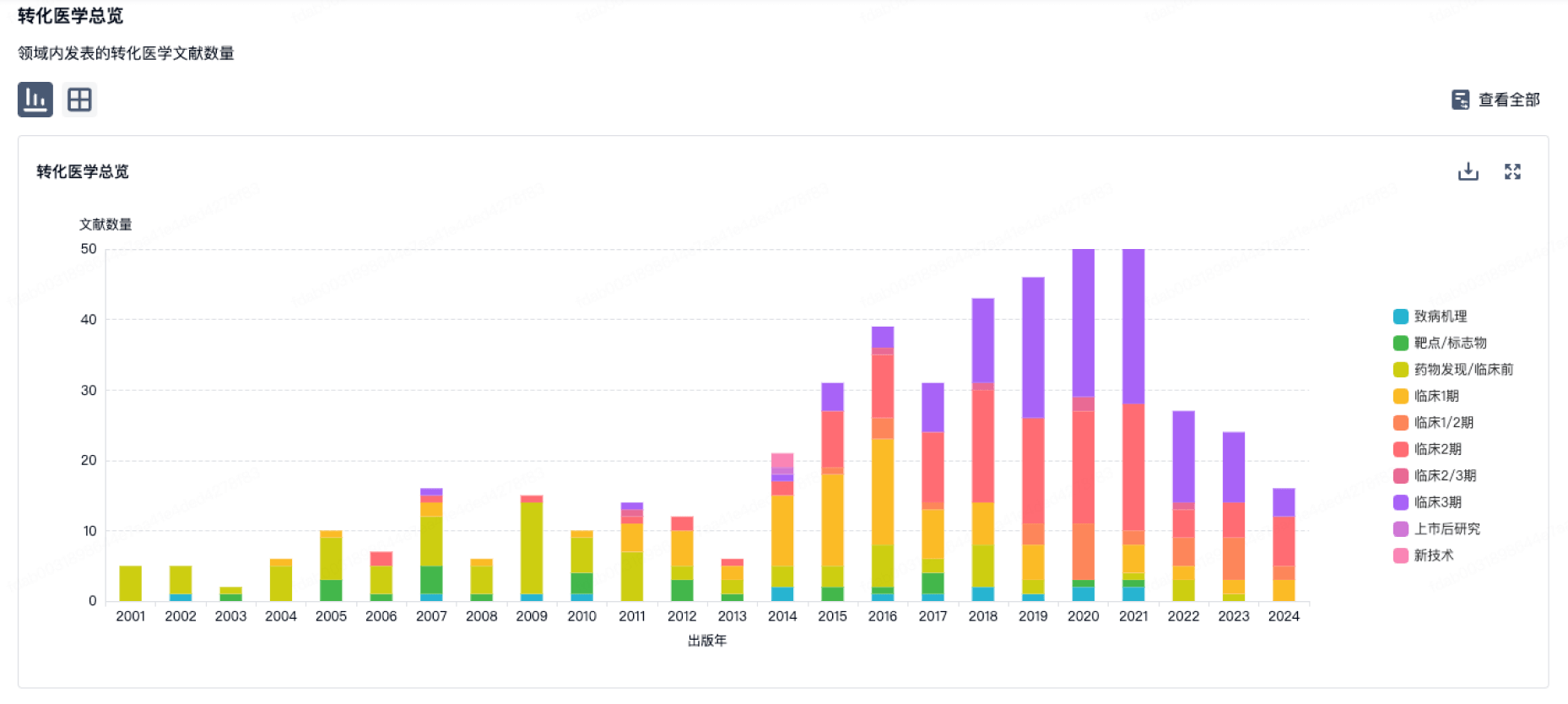
转化医学
使用我们的转化医学数据加速您的研究。
登录
或
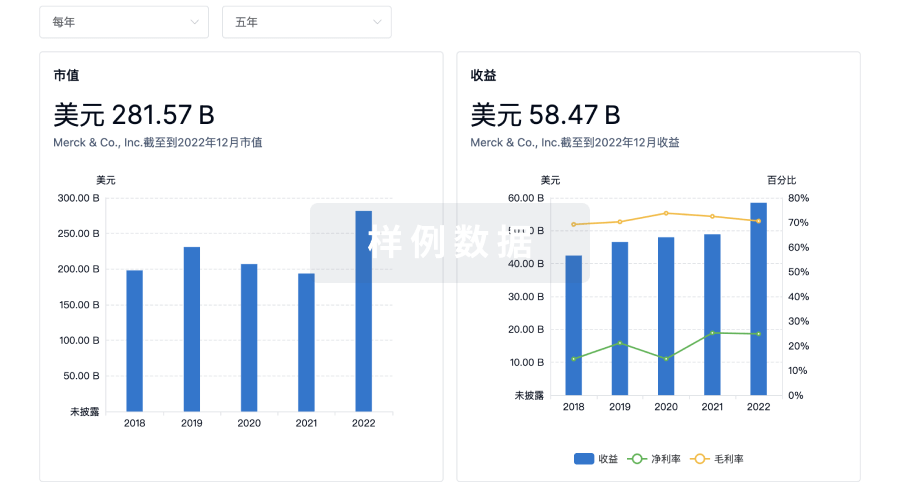
营收
使用 Synapse 探索超过 36 万个组织的财务状况。
登录
或
科研基金(NIH)
访问超过 200 万项资助和基金信息,以提升您的研究之旅。
登录
或
投资
深入了解从初创企业到成熟企业的最新公司投资动态。
登录
或
融资
发掘融资趋势以验证和推进您的投资机会。
登录
或
提出任何生物医药研究问题
让每一步生物医药决策都精准制胜
基于十亿级生物数据与全球情报的精准 AI,赋能早期药物发现
立即开始免费试用!
智慧芽新药情报库是智慧芽专为生命科学人士构建的基于AI的创新药情报平台,助您全方位提升您的研发与决策效率。
立即接入生物医药数据包
智慧芽新药库数据也通过智慧芽开放平台,以MCP或API服务形式对外开放。立即使用我们的MCP服务定制您的LLM智能体。
生物序列数据库
生物药研发创新
免费使用
化学结构数据库
小分子化药研发创新
免费使用