预约演示
更新于:2026-11-04

Beijing Dr. Plant Biotechnology Co., Ltd.
更新于:2026-11-04
概览
标签
肿瘤
其他疾病
小分子化药
疾病领域得分
一眼洞穿机构专注的疾病领域

暂无数据
技术平台
公司药物应用最多的技术
暂无数据
靶点
公司最常开发的靶点
暂无数据
| 疾病领域 | 数量 |
|---|---|
| 肿瘤 | 1 |
| 排名前五的药物类型 | 数量 |
|---|---|
| 小分子化药 | 1 |
| 排名前五的靶点 | 数量 |
|---|---|
| ENPP3(核苷酸内焦磷酸酶/磷酸二酯酶家族成员-3) | 1 |
关联
1
项与 北京植物医生生物科技有限公司 相关的药物CN122608499
专利挖掘靶点 |
作用机制- |
在研机构 |
原研机构 |
非在研适应症- |
最高研发阶段药物发现 |
首次获批国家/地区- |
首次获批日期- |
100 项与 北京植物医生生物科技有限公司 相关的临床结果
登录后查看更多信息
0 项与 北京植物医生生物科技有限公司 相关的专利(医药)
登录后查看更多信息
1
项与 北京植物医生生物科技有限公司 相关的文献(医药)2026-07-01·FITOTERAPIA
Bioactivity-guided isolation of cytotoxic constituents from the resin of Aquilaria sinensis
Article
作者: Li, Hong-Mei ; Nong, Xue-Xiang ; Duan, Xiao-Yan ; Yang, Jun ; Li, Xing-Yu ; Zhao, Yu-Han ; Wang, Yue-Hu ; He, Rui ; Luo, Ji-Feng ; Yang, Xue-Fei ; Tian, Shan-Li ; Yang, Ying-Li
Eight undescribed metabolites (1-8), including three sesquiterpenoids (1-3) and five 2-(2-phenylethyl)chromones (4-8), and 28 known compounds (8-35) were isolated by bioassay-guided fractionation of A. sinensis extract. Their structures were elucidated by analyses of NMR and MS data, as well as single-crystal X-ray diffraction and ECD calculations. All the isolated compounds were systematically evaluated cytotoxic and anti-inflammatory activity. Four compounds including one eudesmane-type sesquiterpenoid (-)-(5R,7R,10R)-12,15-dioxo-α-selinene (9) and three 5,6:7,8-diepoxy-2-(2-phenylethyl)-5,6,7,8-tetrahydrochromones, namely (5R,6R,7R,8R)-oxidoagarochromone A (11), (5S,6S,7S,8S)-oxidoagarochromone B (12), and (5S,6S,7S,8S)-oxidoagarochromone C (13), were the most cytotoxic against eleven cancer cell lines (HL-60, K562, A549, MDA-MB-231, SW480, HepG2, HCT116, Caco2, SK-OV-3, MG-63, and U251), with IC50 values of 0.18-6.35 μM. Moreover, compounds 9 (IC50 = 0.19 μM), 11 (IC50 = 0.60 μM), and 12 (IC50 = 1.01 μM), and (5R,6S,7S,8S)-7,8-dihydroxy-5,6-epoxy-2-[2-(4-methoxyphenyl)ethyl]-5,6,7,8-tetrahydrochrome (16; IC50 = 3.55 μM) exhibited the strongest inhibition of the NO production. The absolute configurations of compounds 11-13 were determined by X-ray diffraction for the first time. These dual anticancer/anti-inflammatory compounds (9, 11, and 12) may serve as promising candidates for future mechanistic and in vivo studies.
2
项与 北京植物医生生物科技有限公司 相关的新闻(医药)2026-05-07
在消费者对美妆科技、成分、功效追求达到极致的当下,具有抗衰老、修护、美白等功效的中高端化妆品的需求不断扩大,这一趋势进一步推动全球美妆市场对高端活性原料的需求出现显性增长。作为高端活性原料中的代表——多肽类成分因其明确的生物机制和温和的特性,正成为功效护肤市场的明星成分之一。根据弗若斯特沙利文《中国化妆品原料行业独立市场研究报告》数据,全球化妆品多肽原料市场规模由2019年的8.7亿美元增至2024年的15.4亿美元,年复合增长率12.1%,预计2025年达到17.6亿美元,到2029年达到30.8亿美元。在中国化妆品市场,多肽原料市场规模由2019年的11.2亿元增长至2024年的21.7亿元,年复合增长率达14.1%。机构预测,其2029年市场规模有望达到46.7亿元,同时,多肽类抗衰领域的渗透率仍低于其他主流抗衰成分。国家药品监督管理局数据显示,截至2025年7月31日,将“肽”作为产品名称关键词备案的化妆品数量已经达到63510个,其中仍在有效期内的产品25727个。2022年到2025年新增相关产品备案数量也呈上升趋势。在极高的增长速度之下,多肽类成分仍具有极大的潜力市场空间,而中国原料企业正在定义这个高增长红海赛道的未来。
近五年来,随着化妆品新规放开了国内原料创新的限制,以维琪科技为代表的中国原料品牌逐步显露了在多肽创新研发领域的技术竞争力,陆续开发了多种结构创新多肽原料,且已经获得市场认可。根据弗若斯特沙利文的研究报告,截至2025年7月,维琪科技以6.6%份额位列中国化妆品多肽原料行业第一。 在这背后,是一次中国美妆原料企业在高端活性原料赛道,从一路跟随到引领创新的艰难逆袭。众所周知,中国美妆活性原料行业起步较晚,本身与海外市场存在一定技术和应用代差,尤其在活性多肽原料领域,行业的话语权长期掌握在Croda、Lubrizol和ProCyte等国际原料巨头手中。且在多肽的基础研究方面已经拥有近百年的历史,在氨基酸序列的筛选、新型多肽产品的开发、功效实现、产品应用等方面具有更强的技术与资源优势。
与此同时,由于多肽种类多样、功能多样,多肽原料领域的竞争,并不能照搬其他功效成分的赶超逻辑:先用低价占领市场份额,然后通过市场反哺研发,实现技术领先。而是自始至终在成分和功效的创新上实现领先。这也意味着,多肽原料赛道从来都是一场集高科技、高资金、长周期和强监管于一体的“多维竞赛”,几乎没有捷径可走,且必须赢在金字塔尖。在过去,国内多肽化妆品原料公司通常从仿制肽起步,即参照国外公司公开的产品氨基酸序列实现1:1还原。而当前,国内也只有少部分原料企业已经能够从仿制多肽转向自研创新。据《FBeauty未来迹》了解,维琪科技已经成为多肽原料行业的“创新驱动引擎”。
具体表现在新原料备案层面,维琪科技在2021年推出了国内首个备案的化妆品活性肽新原料,此后相继完成了寡肽-215、烟酰四肽-30、咖啡酰六肽-9、乙酰基六肽-95酰胺等创新新原料的备案。2025年7月,维琪科技备案的Erasin0003成为新规后首批纳入《已使用化妆品原料目录(2021年版)》Ⅱ的新原料。
目前,维琪科技拥有 21个获批备案新原料,其中16个为肽类新原料,其新原料备案获批数量位居第一。同时,该公司已申请150多项与多肽原料相关的专利。这意味着,在多肽这一极为注重创新性的原料赛道中,维琪科技已经成为整个行业的领跑选手之一。
同时,维琪科技首创以“活性多肽”为核心功效的多肽护肤体系,形成抗衰、修护、祛皱、美白、舒缓、消痘、防脱、保湿等10余种多肽护肤方案。
雄厚的科研实力和不断的科研创新,也让维琪科技在多肽原料市场成为重要的一极。《FBeauty未来迹》了解到,维琪科技已经服务了100+国内、国际品牌商,并成功进入科丝美诗、莹特丽、韩国科玛等国际化妆品制造商的供应商体系,成为多肽原料的核心供应商。其中咖啡酰六肽-9是国内第一款被国际知名品牌采用作为其核心单品主要功效成分的创新多肽新原料。
值得注意的是,维琪科技已经和丸美、凌博士、迪仕艾普、丝域养发、植物医生、樊文花、欧诗漫、野兽代码、溪木源、HBN、珀莱雅等国内知名品牌或新锐品牌建立了直接或间接的合作关系,深度赋能这些企业的核心原料的技术创新。技术领先让维琪科技这样的创新企业在多肽这一高阶赛场里,站到行业的前列:持续为全球化妆品行业开发多款经典活性肽原料,并作为中坚力量引领中国多肽企业实现了反向突围。
众所周知,在一个尖端行业实现赶超,从来不是一件“一蹴而就”的事情,尤其在多肽原料领域,企业必须时刻保持创新的活力,固化自身保持领先和超越的能力。事实上,国内原料企业生产的多肽化妆品原料在纯度、含量、品质上不亚于进口原料,但创新能力相对不足,因为复刻多肽原料只需要相对基础的工业能力,并在工艺层面不断改良。但保持持续的创新和领先,考验的远不只是生产工艺,更需要在整个多肽原料科研体系和工业体系的多维度领先。具体表现为,在多肽的研究布局上,除了需要不断发现创新结构外,也要深入研究结构背后的作用功效和通路靶点。为此,维琪科技打造了网络药理学技术平台和CADD/AIDD技术创新平台双平台驱动的创新体系,实现多肽库的高通量构建与靶向设计。以网络药理学技术平台为基础,维琪科技构建了“成分-靶点-通路”的复杂网络,充分理解复杂的活性成分,为作用于多靶点的多肽的研发,提供了系统性的科学方法。并通过“干-湿结合”的模式,为成分的功效和安全性提供了完整的科学证据链,让多肽成分的筛选从 “大海捞针”变为“精准制导”。同时,AIDD人工智能技术依托 AI 算法对海量生物数据进行深度挖掘与分析,精准锁定抗衰、美白、舒缓、控油、保湿等全方位的护肤方向相关潜在功效靶点,并对其结构与功能特性进行预测。而CADD平台可以通过基于靶点的分子设计、基于配体的分子设计等手段,寻找先导化合物。
可以说,两大平台能够从微观角度,先找到关键功效靶点“锁”(最佳靶点/结合位点),然后寻找并筛选匹配的“钥”(关键活性分子),最终筛选并优化得到创新多肽。两者的协同之下,实现“高通量筛选→精准设计→快速验证”的研发闭环。值得注意的是,维琪科技的网络药理学平台、CADD/AIDD技术创新平台,是一套更具独创性、针对性的AI算法体系,能够更贴近美妆需求,实现多肽原料的开发和创新性应用。而两大平台协同,可以更有效地推动多肽分子的筛选与挖掘。
据了解,维琪科技运用该技术开发的具有即时舒缓作用的“乙酰基六肽-95 酰胺”和 具有高效紧致作用的“乙酰基六肽-97 酰胺”均为全球创新结构,在各自的细分领域填补市场空白。 值得注意的是,透皮性能、靶向递送能力和成分活性保持也是多肽成分的一大技术关隘。在这一领域,维琪科技引入前沿药物研发技术——PDC技术引领经典成分再升级。相较于传统的原料递送体系,PDC(多肽药物偶联)技术具有更强的靶向性,能够精准设计偶联点位,实现多肽成分的精准制导。同时PDC的分子量仅为1-10kDa,小巧的体积能大幅提升多肽成分的透皮能力,解决经典成分的刺激性、稳定性等应用难题。
维琪科技研发团队依托长期积累的实验数据和技术,配合高通量体外功效模型筛选和评价,开发了多款全球创新结构PDC多肽分子,帮助品牌核心功效心智成分实现创新迭代与超越,其中咖啡酰六肽-9(咖啡肽),烟酰四肽-30(烟酰肽)等成分已经成为市场主流品牌的核心成分。
在领先的工艺、基础研究和应用创新背后,维琪科技对多肽成分长期坚持与大力投入。
据悉,维琪科技建设了稳定、专业的创新研发团队,研发团队规模超过80人,其中核心技术人员均具备多年多肽领域或护肤品领域研发经验。同时,维琪科技一直保持高比例的研发投入,以此确保技术创新性。在这样的投入和坚持之下,维琪科技取得“活性多肽化合物的设计、筛选及开发应用”科学技术成果,经中科合创(北京)科技成果评价中心评价认为达到国际先进水平。
对于多肽原料企业而言,保持当下和未来的长期领先,必须时刻掌握最前沿的技术,这并不局限于技术层面的领先,更是一场体系化的长期胜利。《FBeauty未来迹》注意到,维琪科技同样在改变自身的产业生态位,超越传统的原料供应商,成为品牌方的“创新合作伙伴”,为企业提供从概念到落地的全链路解决方案。在多肽原料赛道,维琪不仅销售原料,更从研发阶段就为客户提供定制化解决方案,从“产品供应商”跃升为“价值合伙人”。据了解,基于长期的行业耕耘和以直销为主的销售模式,维琪科技打造了一支极具市场敏锐度、深谙客户需求、以科学知识为根基的服务团队。通过长期高强度研发投入积累的知识、数据、评价模型等能够为客户提供更加契合需求的整体解决方案。除了提供原料产品本身,还提供原料组合搭建、配方支持、卖点提炼等附加服务,不仅使得新原料取得良好的市场推广效果。此外,维琪科技通过为客户打造专属原料或“独家”原料配方,满足客户对其成品功效性成分独特性与稀缺性的需求,增强与客户的合作黏性,并通过ODM成品服务,进一步降低客户成本,提升开发效率。
这种与用户深度绑定、深度共创,并对客户商业效率负责的服务模型,也在进一步拓宽维琪的商业价值。根据维琪科技2025年财报,2025年公司营收达到2.75亿元,同比增长11.17%。与此同时,维琪科技已经成长为多肽原料行业关键技术的破局者和未来创新方向的定义者,并成为多肽原料行业的价值创造者。例如在多肽原料的结构创新领域,维琪科技已经具备复杂环肽的定向合成技术,在环肽这一具有市场创新价值的新品类一路领跑。
据了解,肽环化是通过从肽分子中去除暴露的C端和N端,使肽对水解酶不敏感,使其在性能和稳定性上得到大幅提升并展现出更强的稳定性、透皮吸收性与靶向生物活性。同时,因为其结构的创新性,使这一原料在众多线性肽中“鹤立鸡群”,使其成本极具市场辨识度和差异性。维琪深入分析目标多肽的序列结构与空间构型,确定环肽合成的合理起始位点与环合位点,通过液相合成困难序列的短肽片段,结合固相合成工艺,高效获得目标环肽分子,其代表成果环四肽-24氨基环己烷甲酸酯已经获批备案。相比传统的线性肽直接环合工艺,维琪科技的工艺创新,能够提供更高的生产效率、产品收率与纯度、降低生产成本。在此基础上,该公司开发了阿基环肽、太子参环八肽、芋螺环肽、RGD环肽-5等多种环肽成分,并建立了“超级环肽库”。
值得注意的是,此前国内市场对“芋螺环肽”的应用长期处于灰色地带,而维琪科技于2023年4月4日成功备案“芋螺环肽”,通过清晰的结构、透明的功效机理,让芋螺环肽成为一款极具市场价值的创新原料。这些超前布局,能够让客户品牌在已有环肽市场基础上,实现进一步差异化,加速抢占市场先机。站在多肽行业视角,维琪科技也在进一步加速环肽整体市场的渗透,并不断提升环肽这一新兴类别的商业价值。
在这样的基础之下,维琪科技也在不断拓宽市场的边界,将目光瞄向全球市场。据了解,维琪科技的长远发展目标是成为一家全球化的原料品牌。事实上,维琪科技已经大力布局海外市场,不断完善国内外营销网络体系,已在中国香港、美国等地区设立了经营主体,客户遍及俄罗斯、印度、泰国、土耳其等主要国家或地区。不仅如此,维琪科技在规范认证方面也提前做好了全球布局。目前,维琪科技已建立对标原料药标准的生产与质量管理体系,同时通过了美国FDA GMPC认证、欧盟化妆品原料规范(EFfCI)认证、ISO22716认证等多项行业规范认证。同时,维琪科技已申请10多项PCT专利,并已经进入美国、欧洲、韩国、俄罗斯、巴西等市场,向全球市场推广源自中国的创新原料。 与此同时,在全球多种关键原料“绿色化”“可持续化”的当下,维琪科技也早已做好了技术布局。据了解,PFAS(全氟和多氟烷基物质)作为永久性化学品,在化妆品中被广泛应用,但其持久性也带来了严重的环境和健康隐患,已经引起各国监管部门的高度重视,欧盟多国已经开始立法对PFAS进行严管和限用。在企业层面,欧莱雅自2018年起启动PFAS淘汰计划,截至2024年底已完成99%以上产品的无PFAS配方转型。作为PFAS子类(超短链全氟烷基酸),TFA(三氟乙酸)广泛应用于固相多肽合成(SPPS)工艺中的脱保护与切割步骤,但随着全球PFAS法规加速收紧,TFA的残留问题已从工艺内部管理问题转变为供应链合规的前置条件——品牌方开始要求供应商提供“从合成工艺源头剔除PFAS”的证明。这也意味着,多肽生产领域的无氟化是未来的必然趋势。而维琪科技早已实现了棕榈酰五肽-4、乙酰基六肽-8等数十款经典产品的“PFAS-free绿色多肽”生产,100%符合REACH注册与FDA相关标准。不难看出,维琪科技早已通过前瞻性的技术改良与创新,在法规强制前已完成绿色转型,并不满足于“被规范”,而是将更绿色可持续发展作为战略级ESG承诺和竞争壁垒来实现全球化的布局。作为多肽原料行业的“定义者”,维琪科技的成长轨迹,正是中国多肽原料产业从低处攀登直至顶峰的一道靓丽缩影。它用一项项结构专利、一次次工艺突破和一份份国际认证证明:在美妆科技的“金字塔尖”,中国企业不仅能够站稳脚跟,更能以创新为矛、以体系为盾,重新划定赛道规则。当全球化妆品行业的目光越来越聚焦于“中国芯”的力量,将“中国创造”的种子播撒到更广阔的市场。这不仅是企业自身的跃迁,更是一场关于科技自信的生动叙事——在多肽活性原料的星辰大海中,中国的创新者,正在成为不可或缺的领航员。
本文为FBeauty未来迹原创作品,未经书面授权许可,不得转载或通过技术抓取用于AI训练。
作者/陈龙
编辑/吴思馨
排版/桂玉茜
2023-02-16
2022年10月1日起,行政相对人可登录网上办事大厅的法定代表人空间查看电子证照,按照法人空间内相关提示自行打印。序号受理编号产品名称注册人注册证号批准日期备注1GHZTZ2200540芭缇森清透隔离防晒霜 SPF35广州赛薇生物科技有限公司国妆特字202305122023-02-10/2GHZTZ2200541芭缇森多重美白隔离防晒霜 SPF50+广州赛薇生物科技有限公司国妆特字202305082023-02-10/3GHZTZ2200631樊文花舒润倍护防晒乳广州樊文花化妆品有限公司国妆特字202305022023-02-10/4GHZTZ2200632樊文花水漾清透防晒乳广州樊文花化妆品有限公司国妆特字202305052023-02-10/5GHZTZ2200774梦芮美白贵妇膏广州佳多丽化妆品有限公司国妆特字202304052023-02-10/6GHZTZ2200775京薇美白贵妇膏广州佳多丽化妆品有限公司国妆特字202303902023-02-10/7GHZTZ2200867DR PLANT冰感轻透防晒泡泡北京植物医生生物科技有限公司国妆特字202304082023-02-10/8GHZTZ2200884恺岚朵染发乳(棕黑)广州恺岚朵生物科技有限公司国妆特字202303972023-02-10/9GHZTZ2200886莉兹美白遮瑕粉底液(象牙白)广州艾都化妆品有限公司国妆特字202305292023-02-10/10GHZTZ2200887莉兹美白遮瑕粉底液(自然白)广州艾都化妆品有限公司国妆特字202305252023-02-10/11GHZTZ2200890EKB美白遮瑕粉底液(自然白)广州艾都化妆品有限公司国妆特字202305232023-02-10/12GHZTZ2200893莉兹美白莹润无瑕气垫霜(象牙白)广州艾都化妆品有限公司国妆特字202305282023-02-10/13GHZTZ2200894莉兹美白莹润无瑕气垫霜(自然白)广州艾都化妆品有限公司国妆特字202305302023-02-10/14GHZTZ2200895莉兹美白修颜隔离霜(绿色)广州艾都化妆品有限公司国妆特字202305272023-02-10/15GHZTZ2200896莉兹美白修颜隔离霜(紫色)广州艾都化妆品有限公司国妆特字202305152023-02-10/16GHZTZ2200898EKB美白遮瑕粉底液(象牙白)广州艾都化妆品有限公司国妆特字202305192023-02-10/17GHZTZ2200914兆一染发膏(06)兆一生物科技(广东)有限公司国妆特字202305172023-02-10/18GHZTZ2200915兆一染发膏(03)兆一生物科技(广东)有限公司国妆特字202305242023-02-10/19GHZTZ2200916兆一染发膏(02)兆一生物科技(广东)有限公司国妆特字202305222023-02-10/20GHZTZ2200917俏能染发膏自然黑广东俏能生物科技有限公司国妆特字202304072023-02-10/21GHZTZ2200921Farger染发膏 深灰蓝色广州市发歌精细化工有限公司国妆特字202303922023-02-10/22GHZTZ2200933HANLEES韩莉诗美白防晒霜SPF50+PA+++科诗美(广州)生物科技有限公司国妆特字202304002023-02-10/23GHZTZ2200934JJDD简简单单美白防晒霜SPF50+PA+++科诗美(广州)生物科技有限公司国妆特字202304682023-02-10/24GHZTZ2200935sedell诗黛尔美白防晒霜SPF50PA+++科诗美(广州)生物科技有限公司国妆特字202304672023-02-10/25GHZTZ2200942植草秀尊享染发霜(3.0)浙江章华保健美发实业有限公司国妆特字202304692023-02-10/26GHZTZ2200947水·贝娜臻白焕采面霜科丝美诗(中国)化妆品有限公司国妆特字202305092023-02-10/27GHZTZ2200948水·贝娜臻白焕采乳液科丝美诗(中国)化妆品有限公司国妆特字202305112023-02-10/28GHZTZ2200956水·贝娜臻白焕采精华液科丝美诗(中国)化妆品有限公司国妆特字202305032023-02-10/29GHZTZ2200958BYPF褪色粉广州博逸生物有限公司国妆特字202304032023-02-10/30GHZTZ2200971溪木源多维光护水漾轻透防晒液诺德溯源(广州)生物科技有限公司国妆特字202304712023-02-10/31GHZTZ2200974宝士兰隔离防晒乳广东花神生物医药有限公司国妆特字202303952023-02-10/32GHZTZ2200979水·贝娜臻白焕采化妆水科丝美诗(中国)化妆品有限公司国妆特字202304992023-02-10/33GHZTZ2200982美嘉分染发啫喱(自然黑)中山市泛华精细化学品有限公司国妆特字202304662023-02-10/34GHZTZ2200984兆一染发膏(04)兆一生物科技(广东)有限公司国妆特字202305142023-02-10/35GHZTZ2200986兆一染发膏(05)兆一生物科技(广东)有限公司国妆特字202305312023-02-10/36GHZTZ2200987鑫姿芳香染发膏 6-38广州市鑫姿化妆品有限公司国妆特字202305002023-02-10/37GHZTZ2200988七味堂染发膏(酒红色)广州七味堂药业有限公司国妆特字202304012023-02-10/38GHZTZ2200989兆一染发膏(07)兆一生物科技(广东)有限公司国妆特字202305202023-02-10/39GHZTZ2200992碧颜春美肌防晒乳广州金颜药业有限公司国妆特字202304042023-02-10/40GHZTZ2201056优比护烟酰胺美白淡斑霜深圳市琉璃光生物科技有限公司国妆特字202304702023-02-10/41GHZTZ2201057TREECHADA 水润美白防晒喷雾SPF50+PA+++广东倩芬化妆品实业有限公司国妆特字202304092023-02-10/42GHZTZ2201063百花黑泡泡染发乳(自然黑)广州市茗凯化妆品有限公司国妆特字202303912023-02-10/43GHZTZ2201068鑫理想护染啫喱液(植物护理型)(酒红)广州市鑫理想化妆品有限公司国妆特字202305012023-02-10/44GHZTZ2201080鑫理想泡泡护染液(植物护理型)(棕色)广州市鑫理想化妆品有限公司国妆特字202305062023-02-10/45GHZTZ2201081鑫理想护染啫喱液(植物护理型)(葡萄紫)广州市鑫理想化妆品有限公司国妆特字202305042023-02-10/46GHZTZ2201090Orange Light 防晒喷雾无锡市伙伴日化科技有限公司国妆特字202304652023-02-10/47GHZTZ2201114艾尚肌美白眼霜广东合臣生物科技有限公司国妆特字202305162023-02-10/48GHZTZ2201115艾尚肌美白身体乳广东合臣生物科技有限公司国妆特字202305212023-02-10/49GHZTZ2201117艾尚肌美白霜广东合臣生物科技有限公司国妆特字202305132023-02-10/50GHZTZ2201150发木兰黑发露(2.0)广州御采堂科技有限公司国妆特字202305102023-02-10/51GHZTZ2201151发木兰漂浅霜广州御采堂科技有限公司国妆特字202305072023-02-10/52GHZTZ2201261SJR清凉沁爽防晒霜 SPF50+ PA+++广州美兮生物科技有限公司国妆特字202303982023-02-10/53GHZTZ2201262水凝皙防晒素颜霜广州美兮生物科技有限公司国妆特字202303942023-02-10/54GHZTZ2201334江小黑染发霜(自然黑)广州市帝润医药生物科技有限公司国妆特字202303932023-02-10/55GHZTZ2201335圣发黑发膏(自然黑)广州市帝润医药生物科技有限公司国妆特字202303962023-02-10/56GHZTZ2201342TJE防晒隔离霜SPF50+PA+++广州市合盛化妆品有限公司国妆特字202303992023-02-10/57GHZTZ2201347兰可欣清透水感高倍防晒喷雾SPF50+ PA+++广州艾柔生物科技有限公司国妆特字202304022023-02-10/58GHZTZ2201351莉兹美白防晒隔离霜(绿色)广州艾都化妆品有限公司国妆特字202305262023-02-10/59GHZTZ2201352莉兹美白防晒隔离霜(紫色)广州艾都化妆品有限公司国妆特字202305182023-02-10/60GHZTZ2201355ZMESIYUAN-染发啫喱(自然黑)广州中媄化妆品有限公司国妆特字202304062023-02-10/61GHZTZ2201895纽西之谜多重防护美白防晒隔离喷雾SPF50+ PA++++清远市立道精细化工有限公司国妆特字202305522023-02-10/62GHZTZ2202053俪缇染发霜014佛山瀚俪生物科技有限公司国妆特字202305582023-02-10/63GHZTZ2202058俪缇染发霜011佛山瀚俪生物科技有限公司国妆特字202305572023-02-10/64GHZTZ2202059俪缇染发霜009佛山瀚俪生物科技有限公司国妆特字202305492023-02-10/65GHZTZ2202060俪缇染发霜007佛山瀚俪生物科技有限公司国妆特字202305602023-02-10/66GHZTZ2202061俪缇染发霜015佛山瀚俪生物科技有限公司国妆特字202305552023-02-10/67GHZTZ2202062俪缇染发霜010佛山瀚俪生物科技有限公司国妆特字202305512023-02-10/68GHZTZ2202063俪缇染发霜016佛山瀚俪生物科技有限公司国妆特字202305532023-02-10/69GHZTZ2202072俪缇染发霜013佛山瀚俪生物科技有限公司国妆特字202305542023-02-10/70GHZTZ2202073俪缇染发霜008佛山瀚俪生物科技有限公司国妆特字202305592023-02-10/71GHZTZ2202074俪缇染发霜012佛山瀚俪生物科技有限公司国妆特字202305562023-02-10/72GHZTZ2202304俪丝伴染发乳(0.66)广东优博日化用品有限公司国妆特字202305452023-02-10/73GHZTZ2202305俪丝伴染发乳(3.0)广东优博日化用品有限公司国妆特字202305462023-02-10/74GHZTZ2202306俪丝伴染发乳(0.77)广东优博日化用品有限公司国妆特字202305392023-02-10/75GHZTZ2202307俪丝伴染发乳(0.15)广东优博日化用品有限公司国妆特字202305342023-02-10/76GHZTZ2202308俪丝伴染发乳(0.16)广东优博日化用品有限公司国妆特字202305472023-02-10/77GHZTZ2202309俪丝伴染发乳(0.17)广东优博日化用品有限公司国妆特字202305422023-02-10/78GHZTZ2202310俪丝伴染发乳(0.88)广东优博日化用品有限公司国妆特字202305482023-02-10/79GHZTZ2202311俪丝伴染发乳(0.13)广东优博日化用品有限公司国妆特字202305412023-02-10/80GHZTZ2202312俪丝伴染发乳(0.11)广东优博日化用品有限公司国妆特字202305362023-02-10/81GHZTZ2202313乐威丝染发膏(330)广东优博日化用品有限公司国妆特字202305432023-02-10/82GHZTZ2202314乐威丝染发膏(0.72)广东优博日化用品有限公司国妆特字202305402023-02-10/83GHZTZ2202316乐威丝染发膏(0.10)广东优博日化用品有限公司国妆特字202305322023-02-10/84GHZTZ2202317乐威丝染发膏(0.71)广东优博日化用品有限公司国妆特字202305372023-02-10/85GHZTZ2202338浅草川美白防晒喷雾 SPF30 PA+++广州融汇化妆品有限公司国妆特字202305502023-02-10/86GHZTZ2202350乐威丝染发膏(0.55)广东优博日化用品有限公司国妆特字202305332023-02-10/87GHZTZ2202351乐威丝染发膏(0.31)广东优博日化用品有限公司国妆特字202305442023-02-10/88GHZTZ2202352俪丝伴染发乳(0.22)广东优博日化用品有限公司国妆特字202305382023-02-10/89GHZTZ2202597芈蕊光蕴清盈隔离防晒蜜SPF50+ PA+++科丝美诗(中国)化妆品有限公司国妆特字202305352023-02-10/90GHZTZ2202711芭米龙染发膏亚麻雾紫灰色广东芭米龙化妆品有限公司国妆特字202302172023-02-10/91GHZTZ2202712芭米龙染发膏亚麻摩卡棕色广东芭米龙化妆品有限公司国妆特字202303232023-02-10/92GHZTZ2202713芭米龙染发膏浅绿灰色广东芭米龙化妆品有限公司国妆特字202303112023-02-10/93GHZTZ2202714芭米龙染发膏亚麻绿灰色广东芭米龙化妆品有限公司国妆特字202303272023-02-10/94GHZTZ2202715芭米龙染发膏亚麻米兰灰色广东芭米龙化妆品有限公司国妆特字202303182023-02-10/95GHZTZ2202716Beloved Queen拾光鎏金蕴能祛斑精华液浙江美美与共化妆品科技有限公司国妆特字202303892023-02-10/96GHZTZ2202718REC芮客沁透焕颜防晒气垫霜SPF50+ PA++++科玛化妆品(无锡)有限公司国妆特字202304232023-02-10/97GHZTZ2202724恩贝氏水感美白精华液上海晴美化妆品有限公司国妆特字202303882023-02-10/98GHZTZ2202725雪非雪新颜清爽防晒霜新生活集团(中国)有限公司国妆特字202303862023-02-10/99GHZTZ2202735润本水感防晒乳润本生物技术股份有限公司国妆特字202302112023-02-10/100GHZTZ2202736羹草祛斑美白精华水广州首漾医药生物科技有限公司国妆特字202304482023-02-10/101GHZTZ2202737羹果祛斑精华液广州首漾医药生物科技有限公司国妆特字202304472023-02-10/102GHZTZ2202738花开八度焕颜祛斑美白霜广州首漾医药生物科技有限公司国妆特字202304512023-02-10/103GHZTZ2202739花开八度玉颜美白防晒摇摇乳SPF30PA++广州首漾医药生物科技有限公司国妆特字202304492023-02-10/104GHZTZ2202747利威丝染发霜(植物滋润型)11/12中山佳丽日用化妆品有限公司国妆特字202302952023-02-10/105GHZTZ2202748利威丝染发霜(植物滋润型)11/86中山佳丽日用化妆品有限公司国妆特字202302822023-02-10/106GHZTZ2202749利威丝染发霜(植物滋润型)11/18中山佳丽日用化妆品有限公司国妆特字202302912023-02-10/107GHZTZ2202750利威丝染发霜(植物滋润型)9/NB中山佳丽日用化妆品有限公司国妆特字202302352023-02-10/108GHZTZ2202751利威丝染发霜(植物滋润型)9/CB中山佳丽日用化妆品有限公司国妆特字202302422023-02-10/109GHZTZ2202752利威丝染发霜(植物滋润型)9/01中山佳丽日用化妆品有限公司国妆特字202302512023-02-10/110GHZTZ2202753利威丝染发霜(植物滋润型)9/27中山佳丽日用化妆品有限公司国妆特字202302332023-02-10/111GHZTZ2202754利威丝染发霜(植物滋润型)9/30中山佳丽日用化妆品有限公司国妆特字202302472023-02-10/112GHZTZ2202755利威丝染发霜(植物滋润型)9/40中山佳丽日用化妆品有限公司国妆特字202302482023-02-10/113GHZTZ2202756利威丝染发霜(植物滋润型)9/21中山佳丽日用化妆品有限公司国妆特字202302312023-02-10/114GHZTZ2202757利威丝染发霜(植物滋润型)9/61中山佳丽日用化妆品有限公司国妆特字202302432023-02-10/115GHZTZ2202758利威丝染发霜(植物滋润型)9/76中山佳丽日用化妆品有限公司国妆特字202302392023-02-10/116GHZTZ2202759利威丝染发霜(植物滋润型)9/16中山佳丽日用化妆品有限公司国妆特字202302282023-02-10/117GHZTZ2202760利威丝染发霜(植物滋润型)9/17中山佳丽日用化妆品有限公司国妆特字202302292023-02-10/118GHZTZ2202761利威丝染发霜(植物滋润型)9/18中山佳丽日用化妆品有限公司国妆特字202302462023-02-10/119GHZTZ2202762利威丝染发霜(植物滋润型)5/30中山佳丽日用化妆品有限公司国妆特字202302562023-02-10/120GHZTZ2202763利威丝染发霜(植物滋润型)5/74中山佳丽日用化妆品有限公司国妆特字202302702023-02-10/121GHZTZ2202764利威丝染发霜(植物滋润型)0/86中山佳丽日用化妆品有限公司国妆特字202302792023-02-10/122GHZTZ2202765利威丝染发霜(植物滋润型)4/NB中山佳丽日用化妆品有限公司国妆特字202302832023-02-10/123GHZTZ2202766利威丝染发霜(植物滋润型)0/20中山佳丽日用化妆品有限公司国妆特字202303012023-02-10/124GHZTZ2202767利威丝染发霜(植物滋润型)3/NB中山佳丽日用化妆品有限公司国妆特字202302842023-02-10/125GHZTZ2202768利威丝染发霜(植物滋润型)6/17中山佳丽日用化妆品有限公司国妆特字202302752023-02-10/126GHZTZ2202769利威丝染发霜(植物滋润型)6/12中山佳丽日用化妆品有限公司国妆特字202302652023-02-10/127GHZTZ2202770利威丝染发霜(植物滋润型)5/NB中山佳丽日用化妆品有限公司国妆特字202302762023-02-10/128GHZTZ2202771利威丝染发霜(植物滋润型)5/CB中山佳丽日用化妆品有限公司国妆特字202302542023-02-10/129GHZTZ2202772利威丝染发霜(植物滋润型)5/27中山佳丽日用化妆品有限公司国妆特字202302582023-02-10/130GHZTZ2202773利威丝染发霜(植物滋润型)0/40中山佳丽日用化妆品有限公司国妆特字202302852023-02-10/131GHZTZ2202774利威丝染发霜(植物滋润型)7/NB中山佳丽日用化妆品有限公司国妆特字202302442023-02-10/132GHZTZ2202775利威丝染发霜(植物滋润型)7/01中山佳丽日用化妆品有限公司国妆特字202302642023-02-10/133GHZTZ2202776利威丝染发霜(植物滋润型)7/27中山佳丽日用化妆品有限公司国妆特字202302382023-02-10/134GHZTZ2202777利威丝染发霜(植物滋润型)7/30中山佳丽日用化妆品有限公司国妆特字202302502023-02-10/135GHZTZ2202778利威丝染发霜(植物滋润型)7/40中山佳丽日用化妆品有限公司国妆特字202302362023-02-10/136GHZTZ2202779利威丝染发霜(植物滋润型)7/61中山佳丽日用化妆品有限公司国妆特字202302372023-02-10/137GHZTZ2202780利威丝染发霜(植物滋润型)7/13中山佳丽日用化妆品有限公司国妆特字202302722023-02-10/138GHZTZ2202781利威丝染发霜(植物滋润型)7/16中山佳丽日用化妆品有限公司国妆特字202302612023-02-10/139GHZTZ2202782利威丝染发霜(植物滋润型)7/17中山佳丽日用化妆品有限公司国妆特字202302672023-02-10/140GHZTZ2202783利威丝染发霜(植物滋润型)7/18中山佳丽日用化妆品有限公司国妆特字202302552023-02-10/141GHZTZ2202784利威丝染发霜(植物滋润型)6/NB中山佳丽日用化妆品有限公司国妆特字202302602023-02-10/142GHZTZ2202785利威丝染发霜(植物滋润型)6/CB中山佳丽日用化妆品有限公司国妆特字202302692023-02-10/143GHZTZ2202786利威丝染发霜(植物滋润型)6/01中山佳丽日用化妆品有限公司国妆特字202302632023-02-10/144GHZTZ2202787利威丝染发霜(植物滋润型)6/16中山佳丽日用化妆品有限公司国妆特字202302572023-02-10/145GHZTZ2202788利威丝染发霜(植物滋润型)6/40中山佳丽日用化妆品有限公司国妆特字202302782023-02-10/146GHZTZ2202789利威丝染发霜(植物滋润型)6/74中山佳丽日用化妆品有限公司国妆特字202302712023-02-10/147GHZTZ2202790利威丝染发霜(植物滋润型)6/18中山佳丽日用化妆品有限公司国妆特字202302592023-02-10/148GHZTZ2202791利威丝染发霜(植物滋润型)6/86中山佳丽日用化妆品有限公司国妆特字202302682023-02-10/149GHZTZ2202792利威丝染发霜(植物滋润型)5/01中山佳丽日用化妆品有限公司国妆特字202302622023-02-10/150GHZTZ2202793利威丝染发霜(植物滋润型)5/40中山佳丽日用化妆品有限公司国妆特字202302662023-02-10/151GHZTZ2202794利威丝染发霜(植物滋润型)11/NB中山佳丽日用化妆品有限公司国妆特字202302812023-02-10/152GHZTZ2202795利威丝染发霜(植物滋润型)0/77中山佳丽日用化妆品有限公司国妆特字202302942023-02-10/153GHZTZ2202796利威丝染发霜(植物滋润型)7/86中山佳丽日用化妆品有限公司国妆特字202302302023-02-10/154GHZTZ2202797利威丝染发霜(植物滋润型)0/50中山佳丽日用化妆品有限公司国妆特字202303022023-02-10/155GHZTZ2202798利威丝染发霜(植物滋润型)6/27中山佳丽日用化妆品有限公司国妆特字202302732023-02-10/156GHZTZ2202799利威丝染发霜(植物滋润型)6/30中山佳丽日用化妆品有限公司国妆特字202302742023-02-10/157GHZTZ2202800利威丝染发霜(植物滋润型)0/06中山佳丽日用化妆品有限公司国妆特字202302992023-02-10/158GHZTZ2202801利威丝染发霜(植物滋润型)7/CB中山佳丽日用化妆品有限公司国妆特字202302322023-02-10/159GHZTZ2202802利威丝染发霜(植物滋润型)7/74中山佳丽日用化妆品有限公司国妆特字202302402023-02-10/160GHZTZ2202803利威丝染发霜(植物滋润型)7/21中山佳丽日用化妆品有限公司国妆特字202302492023-02-10/161GHZTZ2202804利威丝染发霜(植物滋润型)7/76中山佳丽日用化妆品有限公司国妆特字202302522023-02-10/162GHZTZ2202805利威丝染发霜(植物滋润型)7/12中山佳丽日用化妆品有限公司国妆特字202302772023-02-10/163GHZTZ2202806利威丝染发霜(植物滋润型)11/16中山佳丽日用化妆品有限公司国妆特字202303032023-02-10/164GHZTZ2202807利威丝染发霜(植物滋润型)11/17中山佳丽日用化妆品有限公司国妆特字202302932023-02-10/165GHZTZ2202808利威丝染发霜(植物滋润型)0/01中山佳丽日用化妆品有限公司国妆特字202302872023-02-10/166GHZTZ2202809利威丝染发霜(植物滋润型)9/74中山佳丽日用化妆品有限公司国妆特字202302452023-02-10/167GHZTZ2202810利威丝染发霜(植物滋润型)9/13中山佳丽日用化妆品有限公司国妆特字202302342023-02-10/168GHZTZ2202811利威丝染发霜(植物滋润型)9/12中山佳丽日用化妆品有限公司国妆特字202302532023-02-10/169GHZTZ2202812利威丝染发霜(植物滋润型)9/86中山佳丽日用化妆品有限公司国妆特字202302412023-02-10/170GHZTZ2202813利威丝染发霜(植物滋润型)11/CB中山佳丽日用化妆品有限公司国妆特字202302962023-02-10/171GHZTZ2202814利威丝染发霜(植物滋润型)11/01中山佳丽日用化妆品有限公司国妆特字202302972023-02-10/172GHZTZ2202815利威丝染发霜(植物滋润型)11/27中山佳丽日用化妆品有限公司国妆特字202302882023-02-10/173GHZTZ2202816利威丝染发霜(植物滋润型)11/30中山佳丽日用化妆品有限公司国妆特字202302982023-02-10/174GHZTZ2202817利威丝染发霜(植物滋润型)11/40中山佳丽日用化妆品有限公司国妆特字202302892023-02-10/175GHZTZ2202818利威丝染发霜(植物滋润型)11/74中山佳丽日用化妆品有限公司国妆特字202302922023-02-10/176GHZTZ2202819利威丝染发霜(植物滋润型)11/21中山佳丽日用化妆品有限公司国妆特字202302862023-02-10/177GHZTZ2202820利威丝染发霜(植物滋润型)11/61中山佳丽日用化妆品有限公司国妆特字202302902023-02-10/178GHZTZ2202821利威丝染发霜(植物滋润型)11/76中山佳丽日用化妆品有限公司国妆特字202303002023-02-10/179GHZTZ2202822利威丝染发霜(植物滋润型)11/13中山佳丽日用化妆品有限公司国妆特字202302802023-02-10/180GHZTZ2202834XDGα-熊果苷美白精华液广州栋方生物科技股份有限公司国妆特字202304622023-02-10/181GHZTZ2202835XDGα-熊果苷美白精萃乳广州栋方生物科技股份有限公司国妆特字202304642023-02-10/182GHZTZ2202839芭米龙染发膏深灰棕色广东芭米龙化妆品有限公司国妆特字202303312023-02-10/183GHZTZ2202840芭米龙调亮褪浅膏广东芭米龙化妆品有限公司国妆特字202303172023-02-10/184GHZTZ2202841芭米龙染发膏深褐色广东芭米龙化妆品有限公司国妆特字202303202023-02-10/185GHZTZ2202845科玮多重防晒霜SPF30PA++广东科玮生物技术股份有限公司国妆特字202302042023-02-10/186GHZTZ2202852理性美学 烈日防晒水凝乳嗨囤化妆品(上海)有限公司国妆特字202302062023-02-10/187GHZTZ2202854C咖清透隔离防晒乳 SPF50+ PA++++科玛化妆品(无锡)有限公司国妆特字202304172023-02-10/188GHZTZ2202859资生堂悦薇智感紧塑焕白精华液s资生堂化妆品制造有限公司国妆特字202302092023-02-10/189GHZTZ2202860资生堂光透耀白祛斑焕颜精华液s资生堂化妆品制造有限公司国妆特字202302102023-02-10/190GHZTZ2202861XDGα-熊果苷美白精萃水广州栋方生物科技股份有限公司国妆特字202304632023-02-10/191GHZTZ2202862凯肤丽美白祛斑面膜广东蕾琪化妆品有限公司国妆特字202302152023-02-10/192GHZTZ2202863今斑堂祛斑亮白肌底液今斑堂(深圳)问题性皮肤研究中心有限公司国妆特字202304132023-02-10/193GHZTZ2202874今斑堂祛斑美白焕肤液今斑堂(深圳)问题性皮肤研究中心有限公司国妆特字202304142023-02-10/194GHZTZ2202879冰姿水晶防晒喷雾SPF50 PA+++广州融汇化妆品有限公司国妆特字202302072023-02-10/195GHZTZ2202881炫姿彩烫发膏广东索菲雅生物科技有限公司国妆特字202304452023-02-10/196GHZTZ2202893mithy美白祛斑精华液汕头市靓美化妆品有限公司国妆特字202303742023-02-10/197GHZTZ2202894mithy美白祛斑霜汕头市靓美化妆品有限公司国妆特字202303832023-02-10/198GHZTZ2202895妳尊靓肤祛斑美白水汕头市佳宝丽化妆品有限公司国妆特字202303702023-02-10/199GHZTZ2202896妳尊靓肤祛斑美白霜汕头市佳宝丽化妆品有限公司国妆特字202303642023-02-10/200GHZTZ2202897妳尊靓肤祛斑美白乳汕头市佳宝丽化妆品有限公司国妆特字202303752023-02-10/201GHZTZ2202904百年扁氏 黑功夫染发焗油膏(摩卡巧克力色)东艾(北京)科技有限公司国妆特字202302272023-02-10/202GHZTZ2202905百年扁氏 黑功夫染发啫喱(自然黑色)东艾(北京)科技有限公司国妆特字202302242023-02-10/203GHZTZ2202906百年扁氏 黑功夫染发焗油膏(自然棕黑色)东艾(北京)科技有限公司国妆特字202302232023-02-10/204GHZTZ2202907百年扁氏 黑功夫染发焗油膏(黑茶栗棕色)东艾(北京)科技有限公司国妆特字202302222023-02-10/205GHZTZ2202912NNBIS漂粉广州市申强实业有限公司国妆特字202302132023-02-10/206GHZTZ2202913林盾烫发膏广州市鸿格化妆品有限公司国妆特字202304462023-02-10/207GHZTZ2202918姬雪晴美白祛斑霜广州耐博生物科技有限公司国妆特字202302082023-02-10/208GHZTZ2202925奕元堂防晒乳广州奕华生物科技有限公司国妆特字202304332023-02-10/209GHZTZ2202930高丽·谷水莹清透防晒霜 SPF50+PA+++科丝美诗(中国)化妆品有限公司国妆特字202303842023-02-10/210GHZTZ2202931蔓之研水感温和防晒霜SPF40 PA++科丝美诗(中国)化妆品有限公司国妆特字202303802023-02-10/211GHZTZ2202934KUK美白养肤妆前乳广州英迈化妆品有限公司国妆特字202302052023-02-10/212GHZTZ2202935欧莱婷盈润防晒隔离乳SPF50PA+++广州市传祺天然化妆品制造有限公司国妆特字202302122023-02-10/213GHZTZ2202946芭米龙染发膏亚麻灰棕色广东芭米龙化妆品有限公司国妆特字202303282023-02-10/214GHZTZ2202947米多兰烫发乳广东芭米龙化妆品有限公司国妆特字202302252023-02-10/215GHZTZ2202948LIGUI丽柜染发膏(栗褐色)广州发彩化妆品有限公司国妆特字202304942023-02-10/216GHZTZ2202949LIGUI丽柜染发膏(梦幻星空色)广州发彩化妆品有限公司国妆特字202304902023-02-10/217GHZTZ2202950LIGUI丽柜染发膏(桃木棕色)广州发彩化妆品有限公司国妆特字202304732023-02-10/218GHZTZ2202953HOLYCARE海伦碧儿美白隔离乳东阳市佳人日化有限公司国妆特字202304582023-02-10/219GHZTZ2202954NEWFACE新面孔美白素颜霜东阳市佳人日化有限公司国妆特字202304592023-02-10/220GHZTZ2202955淳匠黑发霜(自然黑色)广州迪诗柔生物科技有限公司国妆特字202302142023-02-10/221GHZTZ2202957LIGUI丽柜染发膏(浅棕亚麻色)广州发彩化妆品有限公司国妆特字202304792023-02-10/222GHZTZ2202958LIGUI丽柜染发膏(太空蓝灰色)广州发彩化妆品有限公司国妆特字202304842023-02-10/223GHZTZ2202959LIGUI丽柜染发膏(青灰色)广州发彩化妆品有限公司国妆特字202304922023-02-10/224GHZTZ2202960LIGUI丽柜染发膏(褪浅膏)广州发彩化妆品有限公司国妆特字202304912023-02-10/225GHZTZ2202961LIGUI丽柜染发膏(黑色)广州发彩化妆品有限公司国妆特字202304722023-02-10/226GHZTZ2202962LIGUI丽柜染发膏(梦幻紫灰色)广州发彩化妆品有限公司国妆特字202304762023-02-10/227GHZTZ2202963LIGUI丽柜染发膏(雾灰色)广州发彩化妆品有限公司国妆特字202304832023-02-10/228GHZTZ2202964LIGUI丽柜染发膏(铅笔灰色)广州发彩化妆品有限公司国妆特字202304892023-02-10/229GHZTZ2202965LIGUI丽柜染发膏(亚麻灰色)广州发彩化妆品有限公司国妆特字202304752023-02-10/230GHZTZ2202966LIGUI丽柜染发膏(橙色)广州发彩化妆品有限公司国妆特字202304872023-02-10/231GHZTZ2202967LIGUI丽柜染发膏(铜棕色)广州发彩化妆品有限公司国妆特字202304822023-02-10/232GHZTZ2202968LIGUI丽柜染发膏(绚丽红色)广州发彩化妆品有限公司国妆特字202304782023-02-10/233GHZTZ2202969LIGUI丽柜染发膏(酒红色)广州发彩化妆品有限公司国妆特字202304972023-02-10/234GHZTZ2202970LIGUI丽柜染发膏(棕红色)广州发彩化妆品有限公司国妆特字202304982023-02-10/235GHZTZ2202971LIGUI丽柜染发膏(闷青金色)广州发彩化妆品有限公司国妆特字202304742023-02-10/236GHZTZ2202972LIGUI丽柜染发膏(绿色)广州发彩化妆品有限公司国妆特字202304772023-02-10/237GHZTZ2202973LIGUI丽柜染发膏(香槟金色)广州发彩化妆品有限公司国妆特字202304882023-02-10/238GHZTZ2202974LIGUI丽柜染发膏(绚丽黄色)广州发彩化妆品有限公司国妆特字202304962023-02-10/239GHZTZ2202975LIGUI丽柜染发膏(棕铜色)广州发彩化妆品有限公司国妆特字202304932023-02-10/240GHZTZ2202976LIGUI丽柜染发膏(炫棕色)广州发彩化妆品有限公司国妆特字202304952023-02-10/241GHZTZ2202977LIGUI丽柜染发膏(蓝色)广州发彩化妆品有限公司国妆特字202304812023-02-10/242GHZTZ2202978LIGUI丽柜染发膏(亚麻棕褐色)广州发彩化妆品有限公司国妆特字202304862023-02-10/243GHZTZ2202979LIGUI丽柜染发膏(摩卡棕色)广州发彩化妆品有限公司国妆特字202304802023-02-10/244GHZTZ2202980LIGUI丽柜染发膏(迷雾紫灰色)广州发彩化妆品有限公司国妆特字202304852023-02-10/245GHZTZ2202981蓝朵纷彩烫(曲、直)发乳广州高优化妆品有限公司国妆特字202303382023-02-10/246GHZTZ2202983欧束菲美白祛斑贵妇膏广东名女人化妆品有限公司国妆特字202304562023-02-10/247GHZTZ2202985婷美小屋美白祛斑精华液广州市娇兰化妆品有限公司国妆特字202303392023-02-10/248GHZTZ2202986MINISO水漾清透防晒乳SPF50+ PA+++广州奥蓓斯化妆品有限公司国妆特字202303412023-02-10/249GHZTZ2202987ICE LOVE水感莹亮防晒喷雾SPF50 PA+++广东俏美人化妆品实业有限公司国妆特字202303322023-02-10/250GHZTZ2203005姬芮清爽舒润防晒慕斯科玛化妆品(无锡)有限公司国妆特字202305702023-02-10/251GHZTZ2203007相宜本草唐专研多重防晒霜科玛化妆品(无锡)有限公司国妆特字202304252023-02-10/252GHZTZ2203008蜜丝婷水润美白防护防晒乳科玛化妆品(无锡)有限公司国妆特字202304192023-02-10/253GHZTZ2203012蜜丝婷水感轻透莹白防晒喷雾中山市天图精细化工有限公司国妆特字202303712023-02-10/254GHZTZ2203014焕清丝染发膏5.75章华化妆品科技有限公司国妆特字202303682023-02-10/255GHZTZ2203015果纯晶品染发霜3.0章华化妆品科技有限公司国妆特字202303732023-02-10/256GHZTZ2203016缇妃染发霜7.77(植物调理型)章华化妆品科技有限公司国妆特字202303692023-02-10/257GHZTZ2203017缇妃染发霜3.0(植物调理型)章华化妆品科技有限公司国妆特字202303792023-02-10/258GHZTZ2203018缇妃染发霜3.77(植物调理型)章华化妆品科技有限公司国妆特字202303672023-02-10/259GHZTZ2203019缇妃染发霜5.75(植物调理型)章华化妆品科技有限公司国妆特字202303762023-02-10/260GHZTZ2203020果纯晶品染发霜5.75章华化妆品科技有限公司国妆特字202303812023-02-10/261GHZTZ2203021果纯晶品染发霜5.77章华化妆品科技有限公司国妆特字202303662023-02-10/262GHZTZ2203022果纯晶品染发霜7.77章华化妆品科技有限公司国妆特字202303822023-02-10/263GHZTZ2203024果纯晶品染发霜3.77章华化妆品科技有限公司国妆特字202303852023-02-10/264GHZTZ2203026樱素美白祛斑面膜广东泰美康医疗科技有限公司国妆特字202303452023-02-10/265GHZTZ2203030林盾烫发霜广州市鸿格化妆品有限公司国妆特字202304412023-02-10/266GHZTZ2203032芭米龙染发膏雾蓝色广东芭米龙化妆品有限公司国妆特字202303152023-02-10/267GHZTZ2203033芭米龙染发膏自然黑色广东芭米龙化妆品有限公司国妆特字202302212023-02-10/268GHZTZ2203034芭米龙染发膏深紫灰色广东芭米龙化妆品有限公司国妆特字202303212023-02-10/269GHZTZ2203035芭米龙染发膏浅棕米灰色广东芭米龙化妆品有限公司国妆特字202303192023-02-10/270GHZTZ2203036芭米龙染发膏青绿色广东芭米龙化妆品有限公司国妆特字202303162023-02-10/271GHZTZ2203037柏大泡泡染发慕斯2.8广东柏大化妆品有限公司国妆特字202302182023-02-10/272GHZTZ2203040GZQM(曲、直)烫发膏广东俏梦生物科技有限公司国妆特字202303352023-02-10/273GHZTZ2203041芭米龙染发膏炫红色广东芭米龙化妆品有限公司国妆特字202303132023-02-10/274GHZTZ2203042芭米龙染发膏深灰色广东芭米龙化妆品有限公司国妆特字202303222023-02-10/275GHZTZ2203043芭米龙染发膏深雾紫灰色广东芭米龙化妆品有限公司国妆特字202303092023-02-10/276GHZTZ2203044景红达啫喱塑型烫(热敷型)广州市景红达精细化工有限公司国妆特字202304572023-02-10/277GHZTZ2203047斑之钥祛斑美白净颜液深圳市翌芙莱化妆品有限公司国妆特字202303722023-02-10/278GHZTZ2203048植花季速黑染发霜3BL章华化妆品科技有限公司国妆特字202303772023-02-10/279GHZTZ2203049焕清丝染发膏3.77章华化妆品科技有限公司国妆特字202303782023-02-10/280GHZTZ2203050焕清丝染发膏3.0章华化妆品科技有限公司国妆特字202303652023-02-10/281GHZTZ2203051柏大泡泡染发慕斯2.0广东柏大化妆品有限公司国妆特字202302262023-02-10/282GHZTZ2203052柏大泡泡染发慕斯5.66广东柏大化妆品有限公司国妆特字202302192023-02-10/283GHZTZ2203053柏大泡泡染发慕斯4.0广东柏大化妆品有限公司国妆特字202302162023-02-10/284GHZTZ2203055Beloved Queen清透水漾倍护防晒霜SPF50+ PA+++浙江美美与共化妆品科技有限公司国妆特字202303872023-02-10/285GHZTZ220305793/4轻薄蓓护防晒露SPF50+ PA+++广州市小谭科技有限公司国妆特字202304352023-02-10/286GHZTZ2203059莱菲思密集焕白淡斑面膜诺斯贝尔化妆品股份有限公司国妆特字202303372023-02-10/287GHZTZ2203061BVOG清爽防晒乳广州永九美生物科技有限公司国妆特字202304362023-02-10/288GHZTZ2203062VOGYJM隔离防晒霜广州永九美生物科技有限公司国妆特字202304502023-02-10/289GHZTZ2203065四季物语美白持妆蜜粉饼(象牙白)广州无限美化妆品有限公司国妆特字202304392023-02-10/290GHZTZ2203067四季物语美白持妆精华气垫霜(01象牙白)广州无限美化妆品有限公司国妆特字202304432023-02-10/291GHZTZ2203068四季物语美白持妆精华气垫霜(02自然白)广州无限美化妆品有限公司国妆特字202304342023-02-10/292GHZTZ2203069四季物语美白无暇精华粉底霜(象牙白)广州无限美化妆品有限公司国妆特字202304312023-02-10/293GHZTZ2203070富顶自然黑染发剂苏州元美科技有限公司国妆特字202303402023-02-10/294GHZTZ2203071FulQun芙清清透水感防晒乳北京安德普泰医疗科技有限公司国妆特字202303422023-02-10/295GHZTZ2203072焕清丝染发膏5.77章华化妆品科技有限公司国妆特字202303512023-02-10/296GHZTZ2203073缇妃染发霜5.77(植物调理型)章华化妆品科技有限公司国妆特字202303502023-02-10/297GHZTZ2203076仁和祛痘美白精华液广东美思康宸药业股份有限公司国妆特字202304542023-02-10/298GHZTZ2203077仁和美白抗皱精华液广东美思康宸药业股份有限公司国妆特字202304602023-02-10/299GHZTZ2203079露伊儿婴儿水润防晒乳SPF30/PA++深圳市雪芙妮化妆品有限公司国妆特字202303042023-02-10/300GHZTZ2203080仁和美白透亮颈膜广东美思康宸药业股份有限公司国妆特字202304532023-02-10/301GHZTZ2203086OCEANHUT美白隔离粉底液广州雅升生物科技有限公司国妆特字202305692023-02-10/302GHZTZ2203090至上优品美白菁纯霜广州雅升生物科技有限公司国妆特字202305712023-02-10/303GHZTZ2203095HIH美白隔离霜广东乐裕生物科技有限公司国妆特字202304422023-02-10/304GHZTZ2203096HIH美白乳广东乐裕生物科技有限公司国妆特字202304402023-02-10/305GHZTZ2203097HIH美白霜广东乐裕生物科技有限公司国妆特字202304372023-02-10/306GHZTZ2203098HIH美白身体乳广东乐裕生物科技有限公司国妆特字202304382023-02-10/307GHZTZ2203115美硕之言美白霜纯沅(佛山)医药生物科技有限公司国妆特字202303332023-02-10/308GHZTZ2203117秀薇妍伊焕颜倍护防晒霜科玛化妆品(无锡)有限公司国妆特字202304242023-02-10/309GHZTZ2203121KAIXUAN染发膏(暖棕)广东凯亿生物科技有限公司国妆特字202303082023-02-10/310GHZTZ2203122KAIXUAN染发膏(金黄色)广东凯亿生物科技有限公司国妆特字202303122023-02-10/311GHZTZ2203124KAIXUAN染发膏(蓝色)广东凯亿生物科技有限公司国妆特字202303242023-02-10/312GHZTZ2203125KAIXUAN染发膏(红色)广东凯亿生物科技有限公司国妆特字202303262023-02-10/313GHZTZ2203126KAIXUAN染发膏(紫色)广东凯亿生物科技有限公司国妆特字202303102023-02-10/314GHZTZ2203127KAIXUAN染发膏(绿色)广东凯亿生物科技有限公司国妆特字202303072023-02-10/315GHZTZ2203128KAIXUAN泡泡润黑露广东凯亿生物科技有限公司国妆特字202303302023-02-10/316GHZTZ2203135仁和美白爽肤水广东美思康宸药业股份有限公司国妆特字202304522023-02-10/317GHZTZ2203136中山茜丽染发膏铜褐色中山茜丽化妆品有限公司国妆特字202303492023-02-10/318GHZTZ2203137中山茜丽染发膏迷雾灰色中山茜丽化妆品有限公司国妆特字202303622023-02-10/319GHZTZ2203139炫姿彩染发膏(金黄色)广东索菲雅生物科技有限公司国妆特字202304442023-02-10/320GHZTZ2203140炫姿彩染发膏(璀璨酒红色)广东索菲雅生物科技有限公司国妆特字202304302023-02-10/321GHZTZ2203150闪钻温莱影黑发露(自然黑)广州雨琪生物科技发展有限公司国妆特字202304112023-02-10/322GHZTZ2203151闪钻温莱影炫彩染发膏(棕黑色)广州雨琪生物科技发展有限公司国妆特字202304162023-02-10/323GHZTZ2203152闪钻温莱影炫彩染发膏(巧克力色)广州雨琪生物科技发展有限公司国妆特字202304292023-02-10/324GHZTZ2203153闪钻温莱影炫彩染发膏(栗子色)广州雨琪生物科技发展有限公司国妆特字202304102023-02-10/325GHZTZ2203170薇诗澜清透隔离防晒乳广州她她生物科技有限公司国妆特字202303342023-02-10/326GHZTZ2203171KAIXUAN染发膏(棕黑)广东凯亿生物科技有限公司国妆特字202303252023-02-10/327GHZTZ2203172KAIXUAN染发膏(橙色)广东凯亿生物科技有限公司国妆特字202303142023-02-10/328GHZTZ2203173KAIXUAN染发膏(灰色)广东凯亿生物科技有限公司国妆特字202303292023-02-10/329GHZTZ2203174李士冰爽水感防晒喷雾恒冠湄颜健康产业(广州)有限公司国妆特字202303442023-02-10/330GHZTZ2203180秀妍雪柔光焕白防晒气垫CC霜SPF50+ PA+++广州市瑞芬化妆品有限公司国妆特字202304322023-02-10/331GHZTZ2203181雪润清祛斑精华液国妆(广州)科技有限公司国妆特字202304202023-02-10/332GHZTZ2203182曲中周美白祛斑精华液国妆(广州)科技有限公司国妆特字202304152023-02-10/333GHZTZ2203183施华蔻专业去黄洗发水汉高股份有限公司国妆特字202303362023-02-10/334GHZTZ2203185碧缇欣亲妍薄透美白防晒乳SPF50+PA+++皓雨(广州)化妆品制造有限公司国妆特字202304272023-02-10/335GHZTZ2203186cheefri智护晶润美白防晒乳SPF50 PA+++皓雨(广州)化妆品制造有限公司国妆特字202304282023-02-10/336GHZTZ2203190Nebe防脱固发精华液安德普泰(天津)医疗科技有限公司国妆特字202303432023-02-10/337GHZTZ2203195杰士派缤纷染发膏-烟灰蓝色中山佳丽日用化妆品有限公司国妆特字202302202023-02-10/338GHZTZ2203196植碧泉美白嫩肤霜广州市伊亿莉化妆品有限公司国妆特字202304612023-02-10/339GHZTZ2203197植碧泉双效美白隔离霜广州市伊亿莉化妆品有限公司国妆特字202304552023-02-10/340GHZTZ2203198曲中周美白祛斑面膜国妆(广州)科技有限公司国妆特字202304182023-02-10/341GHZTZ2203199雪润清美白嫩肤面膜国妆(广州)科技有限公司国妆特字202304262023-02-10/342GHZTZ2203200曲中周美白祛斑靓肤水国妆(广州)科技有限公司国妆特字202304122023-02-10/343GHZTZ2203201曲中周美白祛斑靓肤乳国妆(广州)科技有限公司国妆特字202304212023-02-10/344GHZTZ2203202雪润清祛斑霜国妆(广州)科技有限公司国妆特字202304222023-02-10/345GHZTZ2203203汉淇HANQI染发膏(绿色)广州市邦妮精细化工有限公司国妆特字202303062023-02-10/346GHZTZ2203205汉淇HANQI染发膏(亚麻色)广州市邦妮精细化工有限公司国妆特字202303052023-02-10/347GHZTZ2203207真彩染发膏(绚丽黄色)广州发彩化妆品有限公司国妆特字202305662023-02-10/348GHZTZ2203208真彩染发膏(绚丽红色)广州发彩化妆品有限公司国妆特字202305612023-02-10/349GHZTZ2203209真彩染发膏(炫蓝色)广州发彩化妆品有限公司国妆特字202305672023-02-10/350GHZTZ2203210真彩染发膏(炫棕色)广州发彩化妆品有限公司国妆特字202305652023-02-10/351GHZTZ2203211真彩染发膏(褪浅膏)广州发彩化妆品有限公司国妆特字202305622023-02-10/352GHZTZ2203212真彩染发膏(黑色)广州发彩化妆品有限公司国妆特字202305642023-02-10/353GHZTZ2203213真彩染发膏(雾灰色)广州发彩化妆品有限公司国妆特字202305682023-02-10/354GHZTZ2203214真彩染发膏(炫绿色)广州发彩化妆品有限公司国妆特字202305632023-02-10/355GHZTZ2203215兰瑟冰摇隔离防晒乳 SPF50+PA++++汕头市万邦化妆品有限公司国妆特字202303482023-02-10/356GHZTZ2203227果纯晶品染发霜6.71章华化妆品科技有限公司国妆特字202303562023-02-10/357GHZTZ2203228果纯晶品染发霜5.72章华化妆品科技有限公司国妆特字202303532023-02-10/358GHZTZ2203229果纯晶品染发霜5.6章华化妆品科技有限公司国妆特字202303462023-02-10/359GHZTZ2203230果纯晶品染发霜6.75章华化妆品科技有限公司国妆特字202303592023-02-10/360GHZTZ2203231缇妃染发霜6.71(植物调理型)章华化妆品科技有限公司国妆特字202303602023-02-10/361GHZTZ2203232缇妃染发霜5.72(植物调理型)章华化妆品科技有限公司国妆特字202303542023-02-10/362GHZTZ2203233缇妃染发霜6.75(植物调理型)章华化妆品科技有限公司国妆特字202303632023-02-10/363GHZTZ2203234焕清丝染发膏5.72章华化妆品科技有限公司国妆特字202303522023-02-10/364GHZTZ2203235焕清丝染发膏6.71章华化妆品科技有限公司国妆特字202303472023-02-10/365GHZTZ2203236焕清丝染发膏6.75章华化妆品科技有限公司国妆特字202303582023-02-10/366GHZTZ2203237章华汉草卡古染发霜6.75章华化妆品科技有限公司国妆特字202303612023-02-10/367GHZTZ2203238章华汉草卡古染发霜5.72章华化妆品科技有限公司国妆特字202303572023-02-10/368GHZTZ2203239章华汉草卡古染发霜6.71章华化妆品科技有限公司国妆特字202303552023-02-10/
申请上市
100 项与 北京植物医生生物科技有限公司 相关的药物交易
登录后查看更多信息
100 项与 北京植物医生生物科技有限公司 相关的转化医学
登录后查看更多信息
组织架构
使用我们的机构树数据加速您的研究。
登录
或
管线布局
2026年11月22日管线快照
管线布局中药物为当前组织机构及其子机构作为药物机构进行统计,早期临床1期并入临床1期,临床1/2期并入临床2期,临床2/3期并入临床3期
药物发现
1
登录后查看更多信息
当前项目
| 药物(靶点) | 适应症 | 全球最高研发状态 |
|---|---|---|
CN122608499 ( ENPP3 )专利挖掘 | 炎症 更多 | 药物发现 |
登录后查看更多信息
药物交易
使用我们的药物交易数据加速您的研究。
登录
或
转化医学
使用我们的转化医学数据加速您的研究。
登录
或
营收
使用 Synapse 探索超过 36 万个组织的财务状况。
登录
或
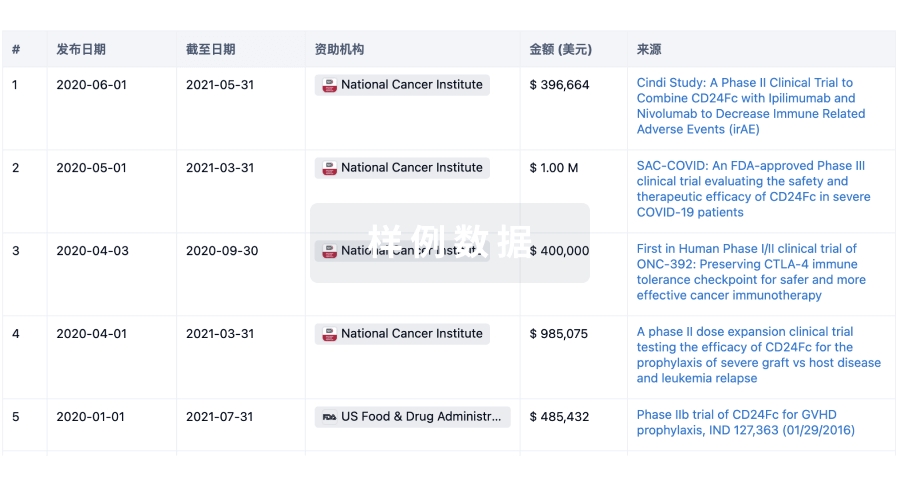
科研基金(NIH)
访问超过 200 万项资助和基金信息,以提升您的研究之旅。
登录
或
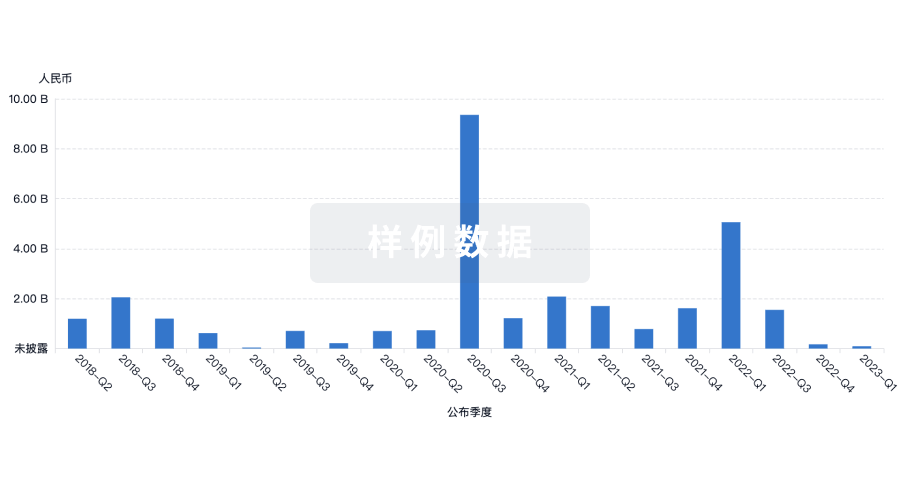
投资
深入了解从初创企业到成熟企业的最新公司投资动态。
登录
或
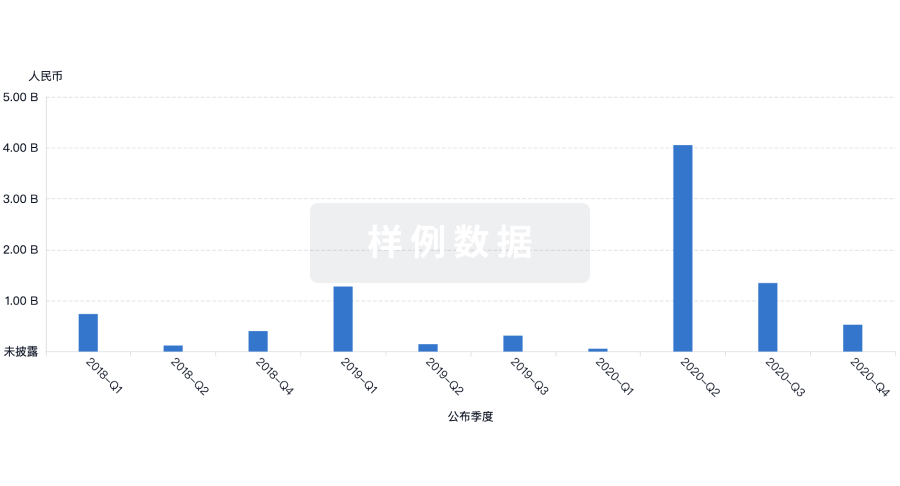
融资
发掘融资趋势以验证和推进您的投资机会。
登录
或
提出任何生物医药研究问题
让每一步生物医药决策都精准制胜
基于十亿级生物数据与全球情报的精准 AI,赋能早期药物发现
立即开始免费试用!
智慧芽新药情报库是智慧芽专为生命科学人士构建的基于AI的创新药情报平台,助您全方位提升您的研发与决策效率。
立即接入生物医药数据包
智慧芽新药库数据也通过智慧芽开放平台,以MCP或API服务形式对外开放。立即使用我们的MCP服务定制您的LLM智能体。
生物序列数据库
生物药研发创新
免费使用
化学结构数据库
小分子化药研发创新
免费使用