预约演示
更新于:2026-09-27

Virbac SA
更新于:2026-09-27
概览
关联
100 项与 Virbac SA 相关的临床结果
登录后查看更多信息
0 项与 Virbac SA 相关的专利(医药)
登录后查看更多信息
59
项与 Virbac SA 相关的文献(医药)2025-07-01·JOURNAL OF VETERINARY PHARMACOLOGY AND THERAPEUTICS
Pharmacokinetic–Pharmacodynamic Cutoff Values for Doxycycline in Pigs to Support the Establishment of Clinical Breakpoints for Antimicrobial Susceptibility Testing
Article
作者: Ferran, Aude A. ; del Castillo, Jérôme R. E. ; Lees, Peter ; Pelligand, Ludovic ; Toutain, Pierre‐Louis ; Croubels, Siska ; Roques, Béatrice B. ; Bousquet, Eric ; Bousquet‐Melou, Alain
ABSTRACT:
This meta‐analysis provides a population model of doxycycline (DOXY) disposition in pigs for computation of PK/PD cutoff values corresponding to differing modalities of DOXY administration orally in pigs. This analysis enables establishment of specific clinical breakpoints for the development of antimicrobial susceptibility testing of DOXY in pigs. The meta‐analysis of 380 data sets, totaling 3295 plasma concentrations obtained from 300 pigs weighing 8.5–101 kg, was performed using a non‐linear mixed effect model. The plasma clearance for a typical 50 kg BW pig was estimated to be 0.259 L/kg/h with a corresponding plasma half‐life of 7.33 h. The bioavailability of DOXY administered in feed under field conditions was estimated to be 50%, with a large between‐subject variability of 84.8%. The bioavailability of DOXY in solution in drinking water was significantly lower (30.7%) but much less variable, with a between‐subject variability of 34.3%. Several dosing schedules (5 to 20 mg/kg per day) for two administration modalities (drinking water vs. food) were simulated to calculate the corresponding PK/PD cutoffs. The highest PK/PD cutoff of 0.50 mg/L was obtained for DOXY administered in feed at 20 mg/kg BW.
2025-05-01·JOURNAL OF VETERINARY DENTISTRY
Effectiveness of Dental Homecare Protocols in Unscaled Dogs
Article
作者: Michał Jank ; Celine S. Nicolas ; Jerzy Gawor ; Colin E. Harvey
Many dental homecare products are marketed, several of which have been evaluated using a “clean tooth” protocol (the teeth are scaled at the start of the trial). The efficacy of dental products in dogs that have not had their teeth professionally cleaned (“dirty tooth model”) has been studied far less often. Some dogs for which professional dental cleaning is indicated will not have their teeth cleaned because of anesthetic risk or for other reasons. In this study, 6 dental homecare products were evaluated against a negative control group; none of the dogs received professional dental cleaning at the start of the study. The home care protocols tested were: brushing every other day using a toothpaste, feeding a dental chew once daily (VF), adding a water additive in the water daily (AQ), brushing once a week + VF daily, brushing once a week + AQ daily, VF + AQ daily. Dental deposits (plaque and calculus) and periodontal health were assessed on awake dogs, before and after receiving the assigned homecare regimen for 8 weeks. Results were compared with an untreated control group. Dental deposits were reduced by regular mechanical action (brushing or VF daily). Periodontal health status was improved when AQ daily was combined with either brushing once a week or VF daily. Two scoring techniques useful for determining a recommendation from a veterinarian to commence home oral hygiene or recommend dental scaling as a necessary first step are described.
2025-03-04·NEW ZEALAND VETERINARY JOURNAL
Effect of a pre-calving injectable trace mineral supplement on white blood cell function in seasonally calving pastoral dairy cows
Article
作者: Bates, AJ ; Fitzpatrick, C ; Wells, M ; Laven, RA
AIMS:
To investigate the effect of injection of trace mineral supplement (TMS) 14-28 days before calving on white blood cell count (WBCC) and function, serum antioxidant capacity (SAC) and reactive oxygen species (ROS) in pasture-fed cattle after calving.
METHODS:
On each of two South Island, seasonally calving, pastoral dairy farms,1 month before dry-off, a random sample of 150 multiparous cows predicted to calve within 7 days of the herd's planned start of calving (PSC) were stratified on individual somatic cell count, age, breed and expected calving date. On each farm, 14-24 days before PSC, 60 selected cows were randomly assigned for TMS (Zn, Mn, Se, Cu) injection, and 60 were controls. All 240 cows were contemporaneously injected with hydroxocobalamin, and controls with Se. Blood samples were collected pre-injection and 3, 12 and 40 days after calving. Phagocytic activity, count and proportion of neutrophils, lymphocytes and monocytes, WBCC, ROS, SAC were measured. Plasma concentrations of Se, Cu and glutathione peroxidase (GPx) were monitored from a random subset of animals. Differences attributable to TMS were estimated using mixed-multivariable Bayesian analysis, expressed as mean and highest density interval (HDI).
RESULTS:
Three and 40 days after calving, TMS-treated cows had 0.36 (90% HDI = 0.00-0.77) x 109 and 0.25 (90% HDI = 0.00-0.55) x 109 fewer neutrophils/L. Neutrophils comprised 6 (90% HDI = 0-11)% and 4 (90% HDI = 0-8)% less of the WBCC, and the neutrophil count was 14 (90% HDI = 0-27)% and 9 (90% HDI = 0-18)% less than controls. However, 3 days after calving, there were 7 (95% HDI = 2-12)% more cells phagocytosing and 2,900 (95% HDI = 2,600-3,200) more bacteria ingested/cell. Twelve and 40 days after calving, TMS-treated cows had 0.65 (95% HDI = 0.17-1.17) x 109 and 0.28 (95% HDI = 0.00-0.59) x 109 more lymphocytes/L. Lymphocytes comprised 10 (95% HDI = 3-18)% and 5 (95% HDI = 0-9)% more of the WBCC, and the lymphocyte count was 30 (95% HDI = 11-51)% and 9 (95% HDI = 0-9)% more than controls. There were no meaningful differences in ROS, SAC, ROS/SAC, other white blood cells, or WBCC. Plasma Cu, Se and GPx concentrations were above recommended thresholds.
CONCLUSIONS:
Pre-calving TMS injection was associated with differences in white blood cell population and function that may reduce the risk of disease.
ABBREVIATIONS:
BHOB: Beta-hydroxybutyrate; GPx: Glutathione peroxidase; HDI: Highest density interval; MESF: Molecules of equivalent soluble fluorophore; OSi: Oxidative stress index; PSC: Planned start of calving; ROPE: Region of probable equivalence; ROS: Reactive oxygen species; SAC: Serum antioxidant capacity; THI: Temperature humidity index; TMS: Trace mineral supplement; WAIC: Widely applicable information criterion; WBCC: White blood cell count.
49
项与 Virbac SA 相关的新闻(医药)2026-08-21
医药专栏
明明满地都是刚需,为什么宠物连片像样的药都等不到?
不是技术造不出,是供需两头都没接上
2023年6月,上海铁路运输法院一审宣判:一名女子因制售含GS-441524的猫传腹药,获刑15年、罚金4000万元,弟弟作为从犯获刑8年,涉案销售金额8000余万元。
GS-441524,抗新冠药物瑞德西韦的活性代谢物,脂疗猫传染性腹膜炎具有一定的疗效,国内尚未获批上市。
讽刺的是,她卖的那个分子,恰恰是能救回致死率95%以上猫传腹的特效成分,在美国、英国、荷兰、澳大利亚早已合法配制。一个救命药,在国内长期只有黑市。这不像一桩孤立的犯罪,更像整条宠物药供需链断裂的剖面。
01
两条赛道:兽药从来不等于宠物药
兽药和宠物药,常被当成一回事,其实是两条逻辑完全不同的赛道。畜牧兽药盯的是食品安全,残留限量、休药期是注册里最硬的指标,逻辑是高用量、低单价、薄利多销;宠物药盯的是宠物福利与消费者安全,单价高、标准贴近人用药、品牌忠诚而价格不敏感。两者不是程度差别,是监管与商业逻辑的根本分叉。
正因宠物药单价高、标准又贴近人用药,手里有人药工艺的化药企业,自然想把技术平移过来、分这块蓝海——这是最顺的一层想象。
价值正在快速倒向伴侣动物这一侧。2026年,伴侣动物已占全球兽药市场的61.3%,超过了经济动物。
可这条更高价值的赛道,国内的科研与人才体系、能开展宠物临床试验的机构都严重不足;受伦理约束,猫狗的靶点和临床研究更难推进。公开的测算显示,一款宠物一类创新药研发周期长达6至8年、成本超过1亿元,欧美头部企业平均每三到五年才推出一款新药。
可「技术平移」的想象,撞上的是一条还没建好的供给地基——化药企业有工艺,却没有为伴侣动物配套的临床试验、人才与伦理通道。
02
从疫苗驱虫到减重绝育:宠物药的需求落差
钱先往哪流,得把账看明白。当下宠物药最稳的两块营收是疫苗和驱虫——两者合计占市场规模四成以上,驱虫药已是第一大品类。它们对应最刚性、最高频的两件事:打疫苗、定期驱虫,几乎每只宠物都逃不掉。
宠物真实的临床需求,远不止驱虫和疫苗。减重、绝育、镇静,是正在显形的小渴求,可它们每一个,都是细分里的细分。
减重:GLP-1的蓝海,还在路上
减重是一块正在醒来的市场:海外研究显示猫的肥胖率已升至56%、狗达60%,胰岛素类降糖药物已有产品在国外上市,而GLP-1类方案在涌动。
Okava的OKV-119已在猫身上启动MEOW-1临床试验,Elanco在研的犬用GLP-1预计2026至2027年获FDA批准;但FDA至今未批任何宠用GLP-1,人药off-label用在猫狗身上风险不小。
辉瑞的Dirlotapide早在2007年获批、却因呕吐腹泻等反应在2010年前后自愿撤市。
药物绝育:可逆方案,远未成熟
药物绝育也在路上。Virbac的可逆植入剂Suprelorin(deslorelin)2008年即在欧洲上市、国内也上市多年,但疗效和持续效果都不稳定,且只能作用于公犬;但免疫避孕类如GonaCon等仍无FDA或EMA批准,非手术绝育整体远未成熟。
镇静防应激:刚需高频,刚破合规空白
镇静防应激是高频需求。兽医长期靠加巴喷丁(就诊前1至2小时)缓解猫的运输与就诊应激,处方量很大却始终停在off-label;直到2024至2025年,FDA才批准普瑞巴林口服溶液(商品名Bonqat),成为首个用于猫运输及就诊相关急性焦虑的获批药物。
而在国内,这类需求长期靠人药转用,或使用猫费洛蒙喷雾等日用品,尚无专门获批的宠物合规品类。
需求都真实存在,可减重、绝育、镇静每一块都是小池塘——它们撑不起一条动辄上亿投入的产线。
人用药兽用:口子刚开一条缝
需求在尖叫,合规供给却慢,这逼出了现实里的过渡方案:把人用药直接拿来兽用。这条口子,刚开了一条缝。
开得最明显的是执法端。2022年起,河北、上海、新疆等多地陆续把「宠物诊疗机构将人用药用于伴侣动物」列入轻微违法免罚清单;2024年底上海进一步明确,用于伴侣动物且符合条件的可不予处罚,2025年已有宠物医院因无对应兽药、积极救治而免罚的实例。
另一头是研发端。2023年底农业农村部发布《宠物临床急需使用的人用药品目录(61种)》,覆盖抗感染、心血管、内分泌、急救、化疗等类别,直接列清单鼓励企业把这些人用药转去研发宠物药。
03
算一笔账:临床需求为什么抵不过研发投入
把需求换算成体量,真正的瓶颈就清楚了。2025年城镇犬猫1.26亿只,其中猫7289万只、狗5343万只,盘子看着大,可一种病的患者池分完就薄了;减重、绝育、镇静更是细分里的细分。
一款宠物一类创新药要6至8年、烧掉超过1亿元,全球头部平均每三到五年才出一款——需求分散、单品天花板低,企业投入一条产线的回报被拉得很长。
更致命的是支付端。2025年国内宠物保险市场规模30亿至35亿元、同比增长超40%,可整体渗透率只有1%至3%,远低于欧美20%至30%、日韩5%至10%的成熟水平。需求再多,主人的钱包接不住,临床的渴求就变不成付费处方。没有保险把风险池做厚,单只宠物的用药天花板就卡在自费能力上。
供给端一条产线要上亿、熬六七年,需求端却散成小池塘、还隔着一层薄保险——这笔账,临床需求长期抵不过研发投入。
04
猫版「药神」案,最刺眼的一刀
胡虹艳案是这条断裂带最清晰的剖面。2019年起,她把GS-441524加入套用批文的清瘟败毒片里,制成「传腹康」卖给猫传腹患猫;2021年4月被刑拘,2023年6月30日上海铁路运输法院一审:有期徒刑15年、罚金4000万元。
弟弟作为从犯获刑8年,涉案销售金额8000余万元,上下游20多名企业负责人与个人被采取刑事强制措施。
矛盾卡在供给一端。GS-441524对猫传腹治愈率超过80%,海外多国已合法配制,国内却长期没有合规新药——专利握在吉利德手里,由于该分子与瑞德西韦高度相似,吉利德担心猫的研究干扰其人类药物FDA审批程序,只公开了分子式、始终未授权任何兽药企业。
临床极度渴求、专利壁垒、监管空白,三股力拧在一起,在国内长期逼出了黑市。
需求在尖叫,供给在沉默——这道裂缝不是某个人违法造成的,是合规供给长期缺位后,市场自己长出的野路子。
转机却出现在一个冷门国家。2026年4月,老挝农林部批准GS-441524口服药NeoFipronis(普诺德西韦/Pronidesivir)上市,成为全球首款正规获批的猫传腹口服药,把这款药从黑市推到了台面。耐人寻味的是,迈出这步的既不是美国,也不是中国。
05
人用药走过的路
人用药在发展阶段似曾相识。早年专利悬崖下,仿制游走在灰色地带;支付端(医保)未立,患者自费能力直接决定用药天花板;医患信息极度不对称,企业研发投入与回报长期错配。人药是经历集采、医保谈判、一致性评价、处方管理这一整套秩序建设,才把混沌慢慢拧成规则。
宠物药今天正处在一个「前集采」的混沌期:没有统一的疗效与质量标准,处方笔分散在成千上万家宠物医院手里,支付几乎全靠自费。历史不会重复细节,但节奏相似——每一个成熟药品市场,都要先补上秩序,再来谈繁荣。
人药走过的坑,宠物药一个都绕不掉:质量标尺、支付网络、信息透明,三样是同一个量级的基础工程。
06
全面铺开还差三块要件:保险、定价权、信息公开
人用药靠质量标尺、支付网络、信息透明三块基础工程立住市场;落到宠物药,距离真正铺开还差同量级的三块基础设施。
其一保险:把临床需求转成付费能力,Trupanion的成熟模式靠打通医院数据、实时直付做精准定价;国内保险企业与宠物医院合作浅、拿不到真实诊疗数据、骗保带来的额外赔付成本占比超过20%、部分渠道赔付率突破100%,低价获客的恶性循环还没破。
其二定价权:处方笔攥在宠物医院手里,却高度分散、缺乏统一诊疗与定价标准,过度医疗时有发生。
其三信息公开:诊疗规范、药品信息、价格标准透明,才能压住医患之间的信息不对称。三块不齐,需求再旺也只是散点,成不了规模处方。
技术能造出药,可药要有人付得起、有人开得出、有人看得懂——供需两头接上,蓝海才真属于这门生意。
07
前瞻:未来半年到一年
集采继续把人用药企往宠物这边推,可洼地的逻辑已经变了——不是谁先平移技术谁赢,是谁先看懂供需谁活。猫传腹合规药一两年内有望上市,多家企业已申报新兽药;可即便上市,需求能否接成规模处方,仍看保险与定价这两条腿。
低价获客的宠物险会往价值定价走,鼻纹识别、数字身份证在压降骗保;非手术绝育、宠用GLP-1还走在临床长跑里。能留下的,是既懂供给(制药)又懂需求端(支付、渠道、信息)的那批,而不是只把工厂搬过来的那批。
最稳的洼地也会长出红海,而这一轮胜出的门票,是供需两端同时转起来的能力。
技术能平移,产能能溢出,可宠物药真正的护城河不在工厂,在供需两头同时转起来的能力——看懂这张网,才拿得到这张门票。
闲想
人用药企盯上宠物,图的从来不是增量,是逃离集采的定价权。可定价权不在工厂里,在宠物医院的处方笔、在主人钱包、在看不见的信息黑箱里。药造得出、保险接得住、价格说得清,三件齐了,蓝海才落地。
参考资料
· 中国兽药产业全景透视、chinamedglobal(2025–2026)
· 宠物创新药研发周期与成本 — 李红良等公开访谈、行业测算(2025)
· 宠物减重GLP-1)— 辉瑞相关报道、petcalorie(2025)
· 宠物药物绝育— Virbac官网、Animals综述(2025)
·FDA批准普瑞巴林(Bonqat)— 兽医临床文献(2024–2026)
· 猫版「药神」案一审— 南方周末、三联生活周刊、网易(2023)
· GS-441524 — 吉利德、FDA、老挝农林部批准NeoFipronis(2026.4)、中国新闻周刊(2019–2025)
· 《2026年中国宠物行业白皮书》、每日经济新闻(2025)
2026-06-02
2021年以来,跨国动保公司在犬猫创新药上的签约节奏持续加快,2024—2025年尤其密集。Ceva拿走了MabGenesis的犬用抗体全球独家许可,Virbac紧随其后签下另一笔,MSD Animal Health和Nippon Soda先后进来。Jenga Biosciences一年之内分别从Ankyra和伟杰信拿到两项犬用免疫疗法的独家许可。礼蓝把格格巫的礼舒替尼签到中国区之后,同年就拿到了一类新兽药证书。
这不是一两笔偶发交易。2021年9月至2026年4月,公开可追踪的犬猫创新药相关授权与许可交易至少有18笔(见文末清单),覆盖抗体生物药、基因疗法、细胞与干细胞疗法、治疗性疫苗、细胞因子免疫治疗等方向,买方包括Zoetis、Boehringer Ingelheim、Ceva、MSD、Virbac、礼蓝等。
宠物创新药过去几年不缺故事。缺的是另一种验证——不是实验室数据,而是有没有人愿意拿走权利:签下独家option、区域商业化权、全球开发许可,或者直接收购。
现在开始有了。但拿走权利和做出产品之间,还隔着很远的路。
一、先拿权利,再看数据
这批交易有一个高度一致的行为模式。
跨国动保公司不等产品成熟。它们在发现阶段甚至平台阶段就介入,用合作、option、独家许可等方式先把权利锁住,后续视数据推进再决定是加码还是收购。Zoetis 2022年与PetMedix做犬猫单抗发现合作,拿的是独家option,后来收购了 PetMedix。Boehringer 2023年与Saiba签下治疗性疫苗的独家许可,2024年完成并购。Boehringer 2021年就和Invetx合作犬猫单抗开发,Invetx后来被Dechra收购。
模式很清楚:许可合作是价值确认的第一步。在少数成熟案例里,合作之后进一步走向了收购。前期投入不大,但权利先占住。
这也是为什么不能简单用“签约金额”来评估这些交易的分量。宠物创新药的峰值销售额远低于人药,前期对价普遍不高,真正的价值藏在后续的里程碑付款、版税分成和收购溢价里。对创新方来说,拿到一笔授权合作,证明的不是“你的产品值多少钱”,而是“你的资产进入了跨国动保的开发体系”。
二、抗体为什么是最密集的方向
18笔交易里,抗体和PD-1相关的占了一半以上。
原因不复杂。犬猫不能直接用人的单抗——物种间免疫原性差异意味着人源抗体在犬猫体内可能被当异物清除或引发免疫反应。宠物单抗必须走物种特异性路线,要么从犬/猫自身免疫库筛选,要么通过工程化平台做物种适配。这个门槛把供给端收窄了:专门做犬猫抗体发现的平台型公司很少,而需求端在持续增长——Librela和 Solensia已经完成了兽医和宠物主人对单抗疗法的初步市场教育,犬猫慢病、疼痛、皮肤、肿瘤等方向的生物药需求被打开了。供需缺口之下,能持续产出候选物的平台型公司就成了被反复选择的标的。
MabGenesis是最直接的例子。这家日本公司自2022年以来先后与Boehringer Ingelheim、Ceva、MSD Animal Health、Virbac、Nippon Soda建立合作或许可关系,交易类型从早期发现合作逐步演进到option行权和独家全球许可,物种从犬拓展到猫。它不靠某一个候选物讲故事,而是围绕犬/猫特异性抗体发现平台持续派生资产,由不同的动保公司按需拿走权利。
五家跨国公司反复选同一个平台,说明犬猫物种特异性抗体的供给稀缺性是真实的,不是概念。
基因疗法、细胞疗法、治疗性疫苗在交易清单里也有出现,但案例少且普遍偏早期。Rejuvenate Bio的犬二尖瓣病基因疗法和犬骨关节炎基因疗法分别在2022年和 2024年签约,但都还在临床前。Xintela与EQGen的干细胞疗法合作是少数披露了具体对价的案例(40万美元定金 + 100万美元许可费 + 300万美元股权 + 低双位数版税),但产品仍处于GMP工艺开发阶段。Scout Bio获得了宾大基因疗法项目的动物健康领域独家权利,多个犬用管线在推进,但尚未有注册性临床结果。这些方向不缺想象空间,缺的是可签约的成熟资产——生产成本、质量体系、长期安全性、监管路径的确定性,每一项都还在消化中。
三、中国的两个样本
格格巫与礼蓝的合作围绕礼舒替尼展开。这是一款JAK抑制剂,适应症为犬瘙痒症。2024年初,格格巫将中国大陆、香港和澳门的开发与商业化权益独家授权给礼蓝中国。同年10月,农业农村部批准礼舒替尼为一类新兽药。2025年,礼蓝以“夫速宁”品牌完成全国上市。条款未公开。
伟杰信与Jenga Biosciences走的是另一条线。2025年12月,Jenga获得伟杰信开发的犬特异性anti-PD-1单抗在中国以外市场的独家许可,用于犬肿瘤的开发与商业化。公开信息显示该候选物已在24只犬中完成pilot clinical study,里程碑付款最高可达1亿美元。
两个案例放在一起,最直接的观察是它们之间的距离。在这18笔交易中,格格巫—礼蓝是唯一走完“签约—获批—上市”闭环的。从签约到全国上市不到两年。伟杰信—Jenga方向性很强——犬实体瘤尤其是黑色素瘤、肥大细胞瘤等瘤种长期缺乏有效免疫治疗选择,从人药向宠物转译的逻辑也最清晰——但距离注册和商业化还有相当长的路。
资产类型也不同。格格巫输出的是成熟靶点小分子,授的是区域商业化权;伟杰信输出的是物种特异性抗体,授的是中国以外全球独家开发与商业化权。前者更接近“本土原研 + 跨国渠道”的落地合作,后者更接近“亚洲生物工程能力向海外专病开发方输出”。
这两个案例说明中国宠物创新药有了被签约验证的样本。但样本量是两个。
四、看不见的那一半
以上所有讨论都有一个前提:我们只能看到被公开的部分。
18笔交易中,绝大多数只披露了“upfront + milestones + royalties”的付款结构,不披露具体金额。能够量化前期对价的只有Xintela—EQGen一笔,伟杰信—Jenga 披露了里程碑上限(1亿美元)但没有公开首付款,其余全部只见结构不见数字。公开材料能告诉你“谁和谁签了”“权利怎么切的”“签约时什么阶段”,但几乎不能告诉你“值多少钱”。
这不是整理遗漏,而是这个市场本身的信息透明度限制。宠物创新药BD市场的披露程度远低于人药。交易金额不公开、里程碑拆分不公开、版税区间不公开是常态而非例外。任何基于公开信息的“年度交易总额”,都只能视为最低可见值。
所以在这个领域,读交易结构比读交易金额有用得多。谁给了全球独家、谁只给了区域权利、签约时资产处于什么阶段、合作方是选择option模式还是一次性买断——这些信息比一个未经证实的headline number更能说明问题。
五、签约之后看什么
18 笔交易中,多数仍停留在发现合作或早期许可阶段,走到注册或商业化的极少。接下来值得追踪的不是又签了几笔新交易,而是已签交易中有多少能走到下一步——进入正式注册性临床、拿到监管批件、或者触发后续收购。
还有一个动向值得留意,虽然它不在这18笔交易的口径之内。2025年12月,辉瑞与复星医药旗下药友制药签订全球独家许可协议,获得口服小分子GLP-1受体激动剂 YP05002的全球权益。首付款1.5亿美元,另有最高19.35亿美元的开发与销售里程碑付款。协议原文写明,许可领域覆盖“人类、动物所有适应症的治疗、诊断及预防”。人药BD交易在许可条款中一并覆盖兽用权利,在行业实务中并非孤例——但辉瑞的情况仍有几分值得注意:它在2013年已经剥离了全部动保业务,自身没有动物健康板块,同期又以约100亿美元收购Metsera布局注射用GLP-1。两笔交易放在一起看,辉瑞至少在代谢/肥胖方向同时补强了口服与注射两类资产,且YP05002的许可条款明确覆盖了兽用领域。“写进许可范围”和“真正打算开发”之间当然可以隔很远,但口服GLP-1在犬猫肥胖/代谢方向的应用前景,已经被纳入了大药企的权利保护视野。
签约是验证的入口,不是验证的结果。
附:2021 年以来全球犬猫创新药授权与许可交易清单(公开信息)
日期
授权方
被授权方
资产类型
签约时阶段
地域
2021.09
Invetx
Boehringer Ingelheim
犬猫单抗生物药
发现/临床前
未披露
2021.11
Vetigenics
Merck Animal Health
犬用治疗性抗体(CANIBODY 平台)
发现阶段
未披露
2021.12
宾大基因疗法项目
Scout Bio
AAV 递送平台/宠物基因疗法
平台/多项目
动物健康领域独家
2022.01
PetMedix
Zoetis
犬猫专属单抗
发现阶段
未披露
2022.01
MabGenesis
Boehringer Ingelheim
犬用单抗
发现阶段
未披露
2022.06
Rejuvenate Bio
Phibro Animal Health
犬二尖瓣病基因疗法
临床前
未披露
2023.06
Saiba Animal Health
Boehringer Ingelheim
宠物慢病治疗性疫苗
临床前
未披露
2024年初
格格巫
礼蓝中国
礼舒替尼/JAK 抑制剂/犬瘙痒症
同年获批
中国大陆、港澳
2024.02
Rejuvenate Bio
未披露(领先动保公司)
犬骨关节炎基因疗法
临床前
未披露
2024.03
Ankyra Therapeutics
Jenga Biosciences
犬 IL-12 锚定免疫疗法
临床前
全球独家
2024.06
MabGenesis
Ceva
犬病治疗性抗体
研究合作后入许可
全球独家
2025.01
Absci
Invetx
HLE 半衰期延长平台
平台/发现
犬为先
2025.02
MabGenesis
MSD Animal Health
伴侣动物治疗性单抗
发现阶段
未披露
2025.04
MabGenesis
Virbac
犬病治疗性抗体
发现后入许可
未披露
2025.04
Xintela
EQGen Biomedical
动物干细胞产品
GMP 工艺开发
全球
2025.09
MabGenesis
Nippon Soda
犬猫治疗性单抗
发现阶段
未披露
2025.12
伟杰信
Jenga Biosciences
犬用 anti-PD-1 单抗
已完成 pilot 临床
中国以外独家
2026.04
MabGenesis
Nippon Soda
猫炎症性疾病治疗性抗体
研究合作后入许可
未披露
注:绝大多数交易未公开具体金额。已披露对价的案例包括 Xintela—EQGen(前期定金 + 许可费 + 股权 + 版税)和伟杰信—Jenga(里程碑最高 1 亿美元)。其余交易仅披露"upfront + milestones + royalties"结构。Xintela—EQGen 协议的主场景为马关节疾病,但明确覆盖犬等其他动物的肌骨适应症,故纳入本清单。上表按签约日期排列,来源为各公司官方新闻稿、监管网站及投资者关系公告。
2026-05-26
DELRAY BEACH, Fla., May 26, 2026 /PRNewswire/ -- According to MarketsandMarkets™, the
Veterinary PoC Diagnostics Market is projected to grow from about USD 1.19 billion in 2026 to USD 1.72 billion by 2031, at a CAGR of 7.7%.
Browse through 420 market data tables and 65 figures spread across 450 pages and the in-depth TOC on the 'Veterinary PoC Diagnostics Market - Global Forecast to 2031'
Veterinary PoC Diagnostics Market Size & Forecast:
Market Size Available for Years: 2025–2031
2026 Market Size: USD 1.19 billion
2031 Projected Market Size: USD 1.72 billion
CAGR (2026–2031): 7.7%
Veterinary PoC Diagnostics Market Trends & Insights:
By product, the consumables segment accounted for a larger market share of 88.0% in 2025.
By technology, the immunodiagnostics segment dominated the market with 84.7% share in 2025.
By animal type, the companion animals segment accounted for a share of 72.5% in 2025.
Asia Pacific is estimated to register the highest CAGR of 9.0% in the veterinary PoC diagnostics market during the forecast period.
Download PDF Brochure @
The market for veterinary PoC diagnostics is emerging in a slow and steady manner, driven by the need for rapid, on-site disease detection and immediate treatment decisions. Several new technologies, such as lateral flow assays, portable molecular diagnostics platforms, handheld analyzers, and microfluidics-based systems, have made it possible to perform rapid, sensitive, and accurate diagnostics at a point-of-care setting. Significant advancements in biosensors, assay chemistries, and isothermal amplification technologies are improving the speed, accuracy, and reliability of detecting infectious and metabolic diseases in companion and livestock animals.
One significant source of growth on the product level in the veterinary PoC diagnostics market is innovation. Major veterinary diagnostics players are in the process of developing innovative next-generation PoC platforms providing advancements such as multiplex testing. These solutions offer advantages such as reduced turnaround time, simplified workflows, and minimal sample preparation, all while providing high levels of diagnostic accuracy and reproducibility. There is a clear trend toward easy-to-use, portable systems with increased connectivity to provide rapid reporting of real-time data for clinical use and disease monitoring.
By product, consumables segment accounted for largest market share in 2025.
In the veterinary PoC diagnostics market, the consumables segment accounted for the largest market share in 2025. This dominance is primarily because they are required for every test performed, creating continuous and repeat demand. Products such as test kits, cartridges, strips, and reagents are used across routine screening, infectious disease testing, and monitoring, leading to high usage volumes compared to one-time instrument purchases. The growing adoption of in-clinic testing, increasing focus on preventive care, and expanding testing frequency in both companion and livestock animals further drive consumable demand, making them the primary revenue-generating segment in the market.
Request Sample Pages@
By technology, molecular diagnostics segment to record highest CAGR during forecast period.
The molecular diagnostics segment is expected to record the highest CAGR during the forecast period due to its high sensitivity, specificity, and ability to detect pathogens at an early stage, even at low concentrations. The increasing need for accurate and rapid detection of infectious and zoonotic diseases is driving the adoption of portable PCR and isothermal amplification technologies in veterinary settings. Advancements in miniaturization, cartridge-based systems, and simplified workflows are making molecular testing more accessible at the point of care. Additionally, the growing focus on precise disease identification, outbreak control, and improved treatment outcomes is further accelerating the demand for molecular PoC diagnostics.
North America accounted for largest market share in 2025.
In 2025, North America accounted for the largest share of the veterinary PoC diagnostics market. This is mainly because of the highly developed veterinary healthcare infrastructure, a significant increase in the use of rapid diagnostics, and the prominent presence of diagnostic companies. The popularity of PoC testing in farm locations and clinics is due to the soaring adoption of animal ownership and high pet expenditure. In addition, favorable regulatory frameworks, strong awareness of early disease detection, and the need for quick clinical decision-making further drive the extensive use of point-of-care diagnostic solutions across the region.
Inquire Before Buying@
Top Companies in Veterinary PoC Diagnostics Market:
The Top Companies in Veterinary PoC Diagnostics Market include IDEXX Laboratories, Inc. (US), Zoetis Services LLC (US), Antech Diagnostics, Inc. (US), Thermo Fisher Scientific Inc. (US), Virbac (France), bioMérieux (France), Neogen Corporation (US), INDICAL BIOSCIENCE GmbH (Germany), FUJIFILM Corporation (Japan), Enalees (France), EUROLyser Diagnostica GmbH (Austria), Bio-Rad Laboratories, Inc. (US), BioNote (South Korea), Shenzhen Mindray Animal Medical Technology Co., LTD. (China), and Woodley Equipment Company Ltd (UK), among others.
Browse Adjacent Markets:
Medical Devices Market Research
Reports & Consulting
Related Reports:
Veterinary Diagnostics Market
- Global Forecast to 2030
Veterinary Infectious Disease Diagnostics Market
- Global Forecast to 2030
Veterinary Imaging Market
- Global Forecast to 2031
Companion Animal Diagnostic Market
- Global Forecast to 2031
Veterinary Reference Laboratory Market
- Global Forecast to 2030
About MarketsandMarkets™
MarketsandMarkets™ has been recognized as one of America's Best Management Consulting Firms by Forbes, as per their recent report.
MarketsandMarkets™ is a blue ocean alternative in growth consulting and program management, leveraging a man-machine offering to drive supernormal growth for progressive organizations in the B2B space. With the widest lens on emerging technologies, we are proficient in co-creating supernormal growth for clients across the globe.
Today, 80% of Fortune 2000 companies rely on MarketsandMarkets, and 90 of the top 100 companies in each sector trust us to accelerate their revenue growth. With a global clientele of over 13,000 organizations, we help businesses thrive in a disruptive ecosystem.
The B2B economy is witnessing the emergence of $25 trillion in new revenue streams that are replacing existing ones within this decade. We work with clients on growth programs, helping them monetize this $25 trillion opportunity through our service lines – TAM Expansion, Go-to-Market (GTM) Strategy to Execution, Market Share Gain, Account Enablement, and Thought Leadership Marketing.
Built on the 'GIVE Growth' principle, we collaborate with several Forbes Global 2000 B2B companies to keep them future-ready. Our insights and strategies are powered by industry experts, cutting-edge AI, and our Market Intelligence Cloud, KnowledgeStore™, which integrates research and provides ecosystem-wide visibility into revenue shifts.
MarketsandMarkets™ SalesPlay is an AI-driven Revenue Intelligence Co-Pilot designed to help revenue teams prioritize the right accounts, identify critical changes early, and surface opportunities ahead of demand, so pipeline builds naturally and deals close with greater consistency.
To find out more, visit ™.com or follow us on Twitter, LinkedIn and Facebook.
Contact:
Mr. Rohan Salgarkar
MarketsandMarkets™ INC.
1615 South Congress Ave.
Suite 103, Delray Beach, FL 33445
USA: +1-888-600-6441
Email: [email protected]
Visit Our Website:
Logo:
SOURCE MarketsandMarkets
21%
more press release views with
Request a Demo
诊断试剂
100 项与 Virbac SA 相关的药物交易
登录后查看更多信息
100 项与 Virbac SA 相关的转化医学
登录后查看更多信息
组织架构
使用我们的机构树数据加速您的研究。
登录
或
管线布局
2026年09月27日管线快照
管线布局中药物为当前组织机构及其子机构作为药物机构进行统计,早期临床1期并入临床1期,临床1/2期并入临床2期,临床2/3期并入临床3期
其他
3
登录后查看更多信息
当前项目
| 药物(靶点) | 适应症 | 全球最高研发状态 |
|---|---|---|
Vaneprim ( TGM2 ) | 细菌感染 更多 | 终止 |
Triptosine ( 5-HT receptor ) | 酗酒 更多 | 无进展 |
克伐他汀 ( HMGCR ) | 高脂血症 更多 | 无进展 |
登录后查看更多信息
药物交易
使用我们的药物交易数据加速您的研究。
登录
或
转化医学
使用我们的转化医学数据加速您的研究。
登录
或
营收
使用 Synapse 探索超过 36 万个组织的财务状况。
登录
或
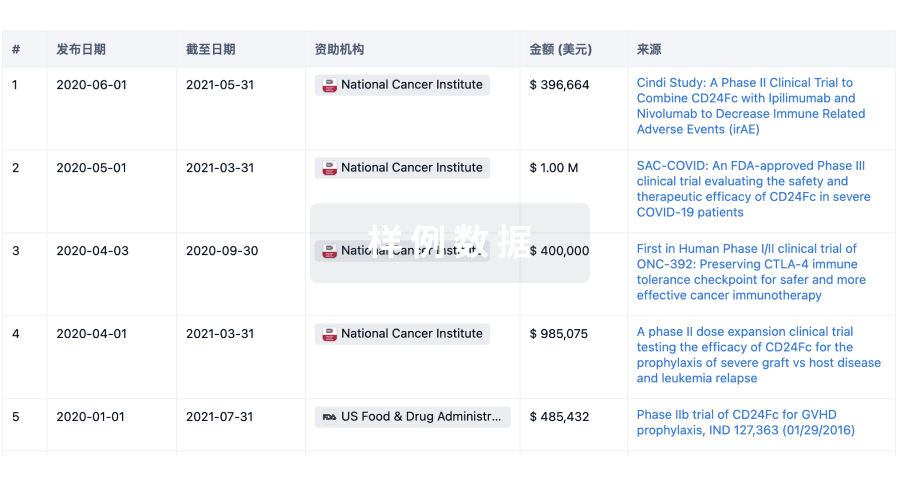
科研基金(NIH)
访问超过 200 万项资助和基金信息,以提升您的研究之旅。
登录
或
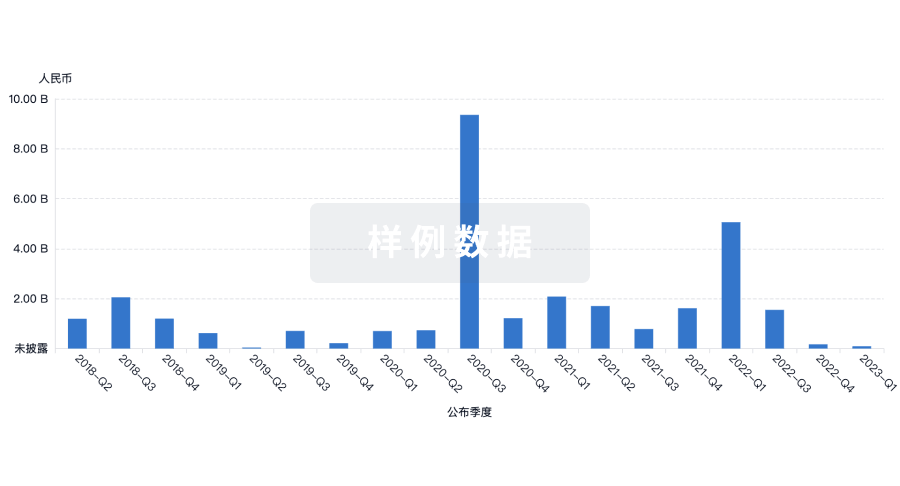
投资
深入了解从初创企业到成熟企业的最新公司投资动态。
登录
或
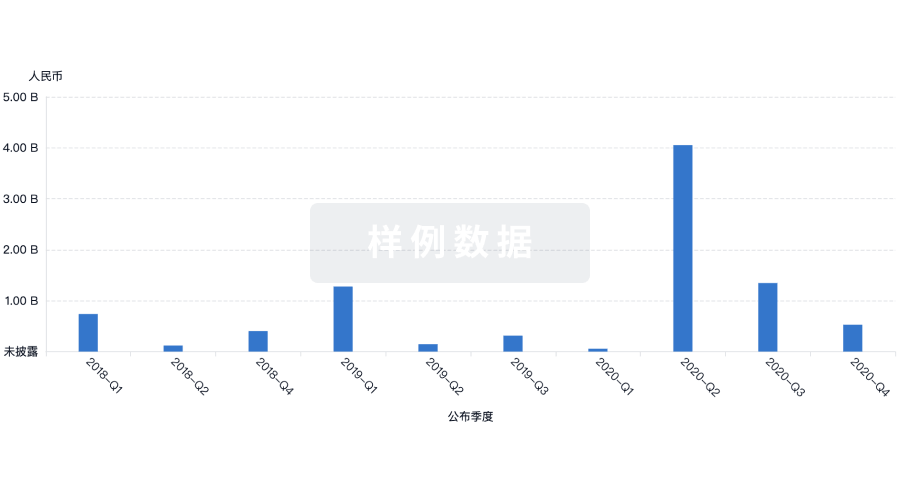
融资
发掘融资趋势以验证和推进您的投资机会。
登录
或
提出任何生物医药研究问题
让每一步生物医药决策都精准制胜
基于十亿级生物数据与全球情报的精准 AI,赋能早期药物发现
立即开始免费试用!
智慧芽新药情报库是智慧芽专为生命科学人士构建的基于AI的创新药情报平台,助您全方位提升您的研发与决策效率。
立即接入生物医药数据包
智慧芽新药库数据也通过智慧芽开放平台,以MCP或API服务形式对外开放。立即使用我们的MCP服务定制您的LLM智能体。
生物序列数据库
生物药研发创新
免费使用
化学结构数据库
小分子化药研发创新
免费使用