预约演示
更新于:2026-09-18

BT Bidco, Inc.
更新于:2026-09-18
概览
标签
消化系统疾病
免疫系统疾病
内分泌与代谢疾病
小分子化药
生物类似药
单克隆抗体
疾病领域得分
一眼洞穿机构专注的疾病领域

技术平台
公司药物应用最多的技术
靶点
公司最常开发的靶点
关联
靶点 |
作用机制 |
在研机构 |
原研机构 |
在研适应症 |
非在研适应症 |
最高研发阶段 |
首次获批国家/地区 |
首次获批日期 |
靶点 |
作用机制 |
在研机构 |
原研机构 |
在研适应症 |
非在研适应症 |
最高研发阶段 |
首次获批国家/地区 |
首次获批日期 |
NCT06275464
A Phase 1, 2-Part, Randomized, Double-Blind, Placebo Controlled Study to Investigate the Safety, Tolerability, Pharmacokinetics, and Pharmacodynamics of BT-600 Single and Multiple Ascending Oral Doses in Healthy Adult Subjects
100 项与 BT Bidco, Inc. 相关的临床结果
登录后查看更多信息
登录后查看更多信息
2022-06-01IEEE transactions on bio-medical engineering2区 · 工程技术
A Novel Capsule-Delivered Enteric Drug-Injection Device for Delivery of Systemic Biologics: A Pilot Study in a Porcine Model
2区 · 工程技术
Article
作者: Wankum, Ben ; Jones, Ryan ; Mau, Musharrat Mustaree ; Sarker, Sunandita ; Terry, Benjamin ; Perey, Trevor ; Shimizu, Jeff
Innovative swallowable capsule technologies such as drug-loaded, dissolvable microneedles, mucoadhesive patches, and various microdevices present unique drug-carrying capabilities to overcome challenges regarding oral delivery of biologics. Here, we report a swallowable capsule for intestinal drug delivery (SCIDD) with the potential of directly injecting biological therapeutics into the insensate small intestine wall. The design, optimization, and validation of the SCIDD's primary subsystems were performed both ex-vivo and in-vivo. The assembled capsule was further tested in vivo to validate the actuation sequence and showed a 70% (n = 17) success rate in an animal model. Additionally, a drug delivery study indicated systemic uptake of adalimumab via SCIDD compared with luminal delivery in the small intestine. The pilot study presented here establishes that the novel platform could be used to orally deliver systemic biologics.
2022-05-01Journal of pharmaceutical and biomedical analysis3区 · 医学
Analytical validation of a novel panel of biomarkers for a test for preeclampsia
3区 · 医学
Article
作者: Oberoi, Pankaj ; Del Mastro, Richard ; Mazloom, Amin R ; Bahrami-Samani, Emad ; Giacobone, Camille ; Abbasi, Mohammad ; Benn, Maleah ; Hendershot, Jenna M ; Fortier, Laura
Preeclampsia is a serious condition responsible for much pregnancy-related morbidity and mortality. Diagnosis of preeclampsia is difficult due to the non-specific and subjective nature of symptoms of the disease. To reduce the subjective decision making and management of preeclampsia, we identified a panel of biomarkers representing multiple and different pathogenic pathways implicated in the etiology of preeclampsia, and developed a test referred to as Preecludia™. An algorithm based on eight biomarkers (cluster of differentiation 274 (CD274), decorin, endoglin, fibroblast growth factor-21 (FGF21), soluble fms-related tyrosine kinase 1 (sFlt-1), kidney injury molecule-1 (KIM-1), free placental growth factor (PlGF), and total PlGF) and gestational age at the time of sample collection was constructed to rule out preeclampsia in women presenting with signs and symptoms of preeclampsia. The analytical performance of each of the individual biomarker assays that comprise the Preecludia™ test was evaluated. Herein we report the test's precision, analytical range, analytical sensitivity, parallelism, linearity, interference, analytical specificity, analytical accuracy, and stability. The data indicate that these biomarker assays exhibit a high level of inter-run precision of less than 15%, with minimal interference.
2022-01-01GENETICS IN MEDICINE1区 · 医学
Stankiewicz-Isidor syndrome: expanding the clinical and molecular phenotype
1区 · 医学
Article
作者: Barth, Magalie ; Mayr, Johannes ; Metcalfe, Kay A ; Isidor, Bertrand ; Bézieau, Stéphane ; van Bever, Yolande ; Camby, Caroline ; Goodenberger, McKinsey L ; Besnard, Thomas ; Bourgeois, Dominique ; Scurr, Ingrid ; Strong, Alanna ; Thauvin-Robinet, Christel ; Deb, Wallid ; Bupp, Caleb ; Vignard, Virginie ; Mendelssohn, Bryce A ; Piton, Amélie ; Briceño, Ignacio ; Gerard, Amanda ; Warren, Kathryn ; Kearney, Hutton M ; Baujat, Geneviève ; Brehm, Anja ; Küry, Sébastien ; Cogne, Benjamin ; Rosenfeld, Jill A ; Bader, Ingrid ; Kennedy, Joanna ; Bonneau, Dominique ; Colin, Estelle ; Diderich, Karin E M ; Gómez, Alberto ; Hurst, Anna ; Vincent, Marie ; Szczaluba, Krzysztof ; Cope, Heidi ; Ebstein, Frédéric ; Bruel, Ange-Line ; Stankiewicz, PaweƗ ; Rudy, Natasha L ; Ranells, Judith D ; Bacino, Carlos A ; Jiang, Yong-Hui ; Dahan, Karin ; Blackburn, Patrick R ; Conrad, Solène ; Ploski, Rafal ; Alembik, Yves ; de Saint Martin, Anne ; Krüger, Elke
PURPOSE:
Haploinsufficiency of PSMD12 has been reported in individuals with neurodevelopmental phenotypes, including developmental delay/intellectual disability (DD/ID), facial dysmorphism, and congenital malformations, defined as Stankiewicz-Isidor syndrome (STISS). Investigations showed that pathogenic variants in PSMD12 perturb intracellular protein homeostasis. Our objective was to further explore the clinical and molecular phenotypic spectrum of STISS.
METHODS:
We report 24 additional unrelated patients with STISS with various truncating single nucleotide variants or copy-number variant deletions involving PSMD12. We explore disease etiology by assessing patient cells and CRISPR/Cas9-engineered cell clones for various cellular pathways and inflammatory status.
RESULTS:
The expressivity of most clinical features in STISS is highly variable. In addition to previously reported DD/ID, speech delay, cardiac and renal anomalies, we also confirmed preaxial hand abnormalities as a feature of this syndrome. Of note, 2 patients also showed chilblains resembling signs observed in interferonopathy. Remarkably, our data show that STISS patient cells exhibit a profound remodeling of the mTORC1 and mitophagy pathways with an induction of type I interferon-stimulated genes.
CONCLUSION:
We refine the phenotype of STISS and show that it can be clinically recognizable and biochemically diagnosed by a type I interferon gene signature.
2026-01-26
放射疗法临床3期
100 项与 BT Bidco, Inc. 相关的药物交易
登录后查看更多信息
100 项与 BT Bidco, Inc. 相关的转化医学
登录后查看更多信息
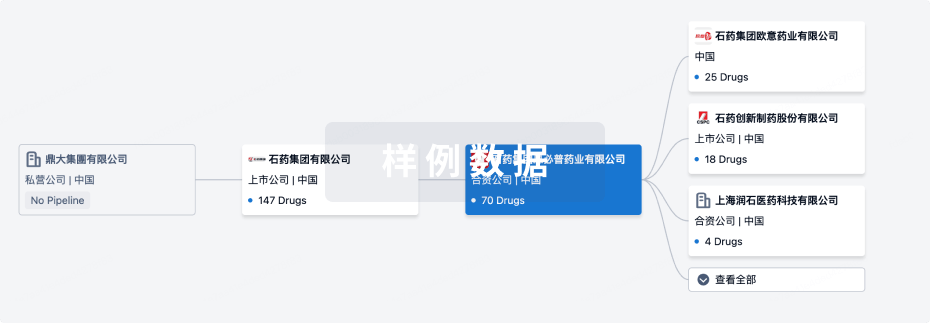
组织架构
使用我们的机构树数据加速您的研究。
登录
或
管线布局
2026年10月27日管线快照
管线布局中药物为当前组织机构及其子机构作为药物机构进行统计,早期临床1期并入临床1期,临床1/2期并入临床2期,临床2/3期并入临床3期
临床前
2
2
其他
登录后查看更多信息
当前项目
登录后查看更多信息
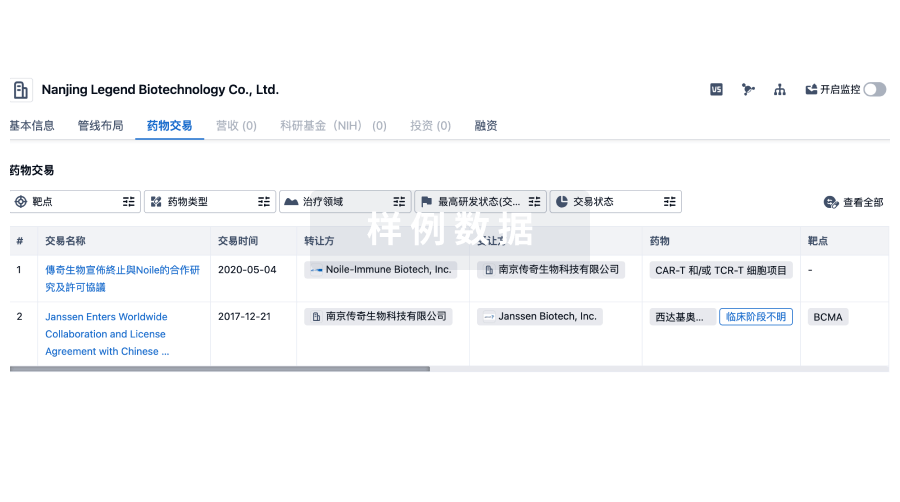
药物交易
使用我们的药物交易数据加速您的研究。
登录
或
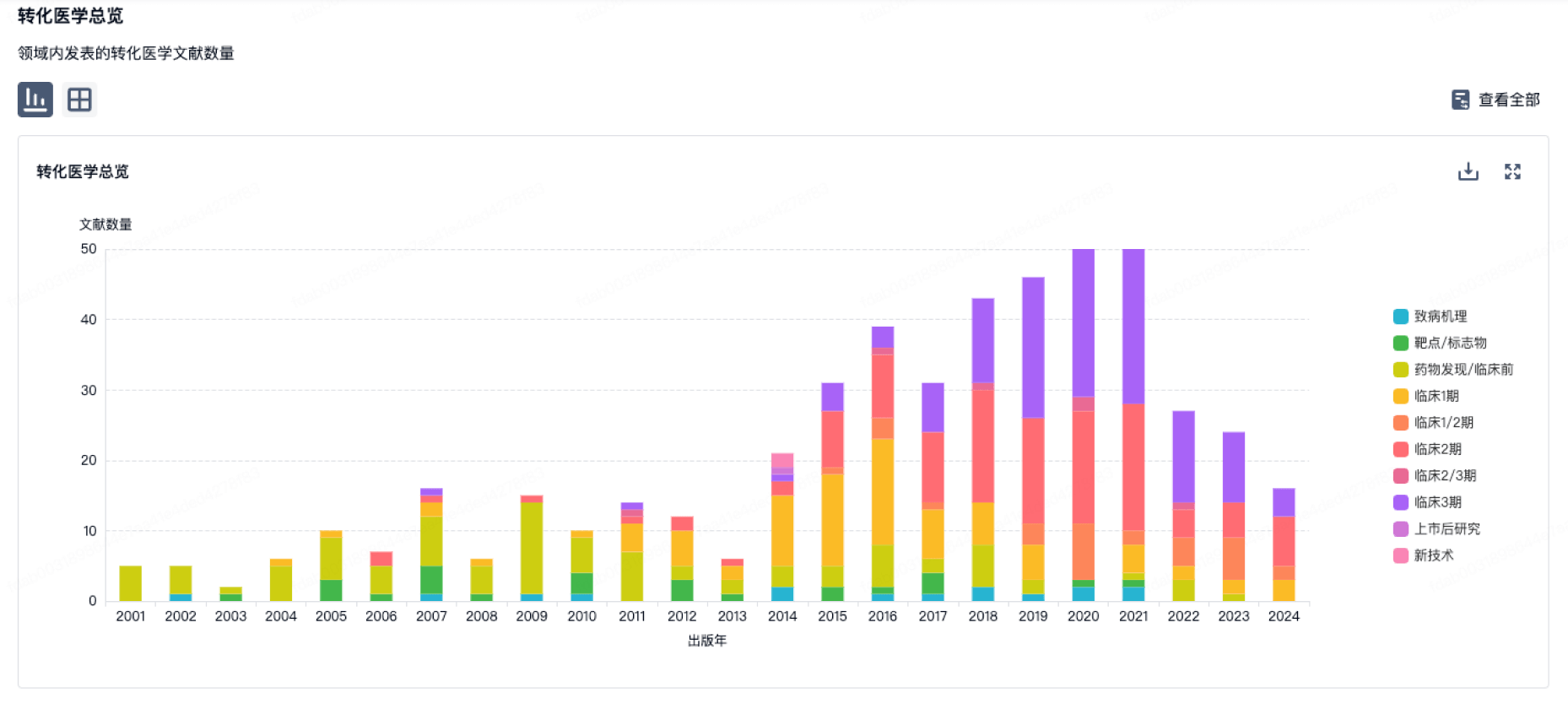
转化医学
使用我们的转化医学数据加速您的研究。
登录
或
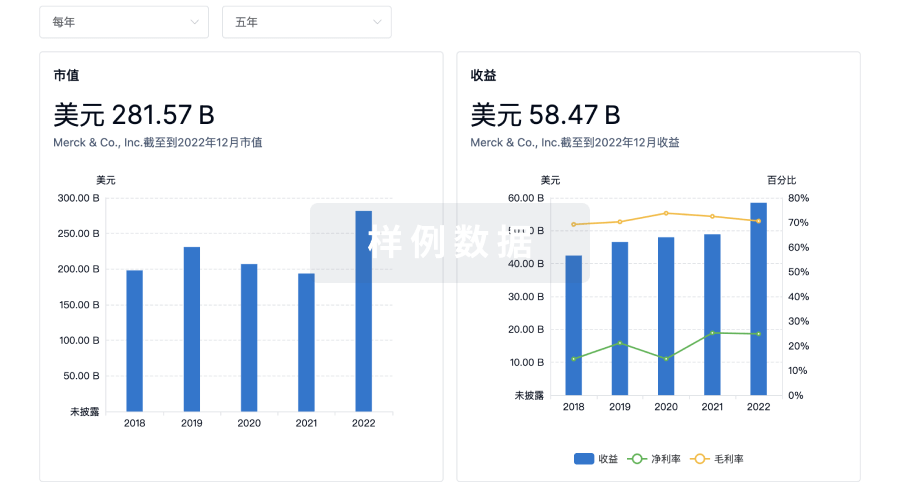
营收
使用 Synapse 探索超过 36 万个组织的财务状况。
登录
或
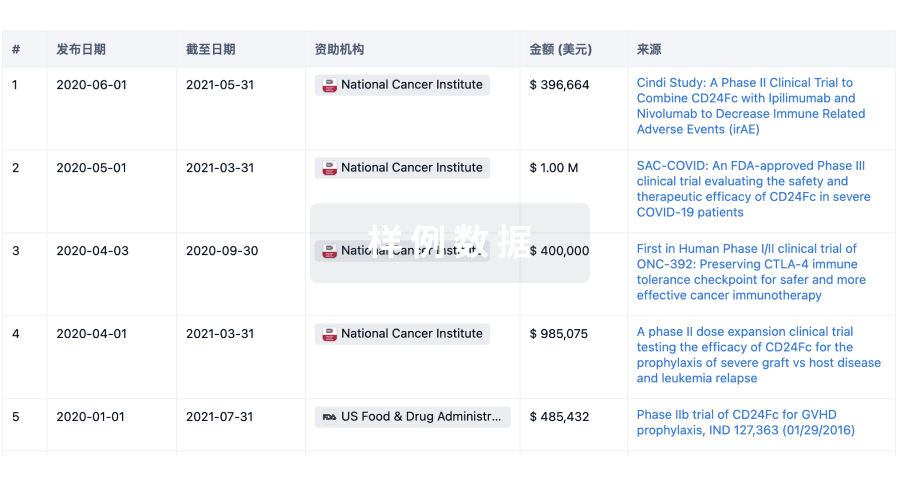
科研基金(NIH)
访问超过 200 万项资助和基金信息,以提升您的研究之旅。
登录
或
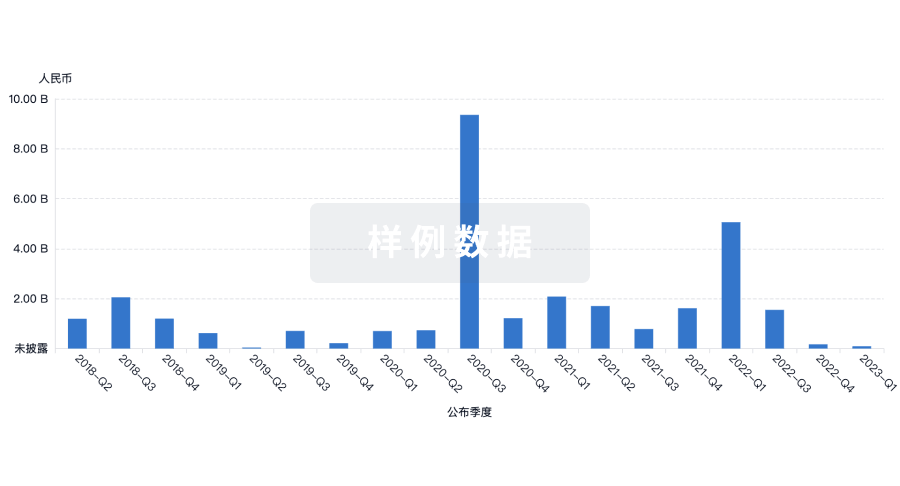
投资
深入了解从初创企业到成熟企业的最新公司投资动态。
登录
或
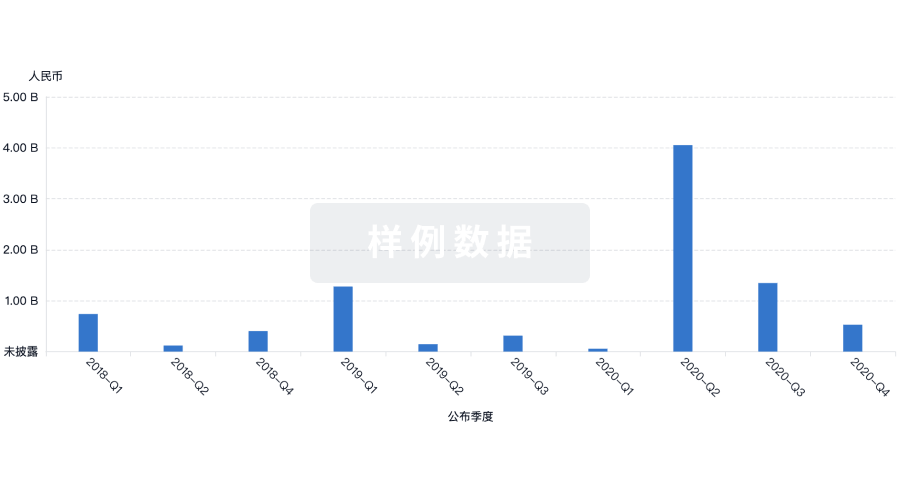
融资
发掘融资趋势以验证和推进您的投资机会。
登录
或
提出任何生物医药研究问题
让每一步生物医药决策都精准制胜
基于十亿级生物数据与全球情报的精准 AI,赋能早期药物发现
立即开始免费试用!
智慧芽新药情报库是智慧芽专为生命科学人士构建的基于AI的创新药情报平台,助您全方位提升您的研发与决策效率。
立即接入生物医药数据包
智慧芽新药库数据也通过智慧芽开放平台,以MCP或API服务形式对外开放。立即使用我们的MCP服务定制您的LLM智能体。
生物序列数据库
生物药研发创新
免费使用
化学结构数据库
小分子化药研发创新
免费使用