预约演示
更新于:2026-09-06

SGS SA
更新于:2026-09-06
概览
关联
NCT07774000
Randomized, Placebo-controlled Clinical Study for the Evaluation and the Comparison of the Dose-response Efficacy of 4 Cosmetic Investigational Products (3 Active, 1 Placebo; 1 Tested Investigational Product Per Subject), After Repeated Applications for 12 Weeks, Under Normal Conditions of Use, in Female Adult Subjects

NCT06807021
Post-operative Topical Administration of Fibrosis Inhibiting Compound FS2 in a Double- Blind, Randomized, Vehicle-controlled Study Evaluating the Safety and Mitigation of Cutaneous Scarring in Skin Graft and Donor Sites in Burn Patients

NCT07583407
A Randomized, Double-Blind, 3-Period Crossover, Pharmacokinetic Study in Healthy Adults to Compare Combined Kava and Kratom Supplementation With Kava or Kratom Alone Under Fasted Conditions

100 项与 SGS SA 相关的临床结果
登录后查看更多信息
登录后查看更多信息
2026-09-01STAR protocols
LOTR-Seq: A protocol for large-scale simultaneous single-cell long-read genotyping of transcripts
Article
作者: Collins, Paul ; Haldar, Rohit ; Cooper, Leanne ; Quiatchon, Jenny ; Grabek, Julian ; Fitzpatrick, Nadine ; Lane, Steven W ; Bywater, Megan J ; Straube, Jasmin
Single-cell RNA sequencing enables analysis of intra-tumoral transcriptional heterogeneity but has limited coverage of mutational hotspots. Here, we present LOTR-Seq, a protocol combining short-read whole-transcriptome analysis with long-read genotyping. We describe steps for hematopoietic stem cell isolation from human bone marrow samples, generation of full-length single-cell barcoded cDNA, target enrichment, and long-read sequencing for variant calling. For complete details on the use and execution of this protocol, please refer to Grabek et al.1.
2026-08-01MATURITAS
Neurokinin pathway botanical antagonist for menopausal vasomotor symptoms: A randomized, double-blind, placebo-controlled study
Article
作者: Rubio, Jevaneeh ; Doyle, Audra Lisa ; Lederman, Samuel ; Recker, Stephanie ; VanDusseldorp, Trisha ; Minkin, Mary Jane ; Lin, Lois Xinjie
OBJECTIVE:
Vasomotor symptoms (VMS) are a prevalent and disruptive manifestation of menopause, and many women prefer nonhormonal, nonpharmacologic treatment options. This study evaluated the efficacy of a patented multi-ingredient botanical neurokinin inhibitor (BNI) on VMS and other patient-reported outcome measures.
STUDY DESIGN:
A randomized, double-blind, placebo-controlled trial was performed in menopausal women with 5 or more moderate to severe hot flashes daily. Participants were enrolled from community medical practices in the United States and randomized to BNI or placebo for 12 weeks. BNI is a novel formulation of plant extracts that attenuates neurokinin receptor signaling in vivo.
MAIN OUTCOME MEASURES:
Primary endpoints were changes in daily VMS frequency and score on the Hot Flash Related Daily Interference Scale (HFRDIS). Secondary endpoints included changes in Menopause-Specific Quality of Life (MENQOL) and Pittsburgh Sleep Quality Index (PSQI). Serum estrogen and liver function were assessed in a subgroup of patients.
RESULTS:
Of 74 randomized participants, 68 completed the trial (BNI, n = 32; placebo, n = 36). BNI supplementation reduced VMS frequency by 2.2 hot flashes per day more than placebo (p = 0.003), corresponding to a 47.7% relative decrease. HFRDIS was improved in the BNI group (p = 0.037), with significant reduction on all subscales. No significant differences were observed in global menopause symptoms (MENQOL) or sleep quality (PSQI). No changes in serum estradiol or liver function abnormalities were detected. BNI was well tolerated, with no difference in adverse events between groups.
CONCLUSION:
A combination of botanically derived neurokinin inhibitors produces significant and sustained relief of vasomotor symptoms in menopausal women.
CLINICALTRIALS:
gov registration: NCT05813067.
2026-07-01Plant Communications
Satellite DNA-targeted CRISPR–Cas9-mediated editing enables chromosome truncation and elimination in wheat
Article
作者: Heckmann, Stefan ; Barth, Luisa ; Houben, Andreas ; Qi, Zengjun ; Xia, Yating ; Plieske, Jörg ; Chen, Jianyong ; Tamilselvan-Nattar-Amutha, Suriya ; Liu, Taoran ; Gnad, Heike

100 项与 SGS SA 相关的药物交易
登录后查看更多信息
100 项与 SGS SA 相关的转化医学
登录后查看更多信息
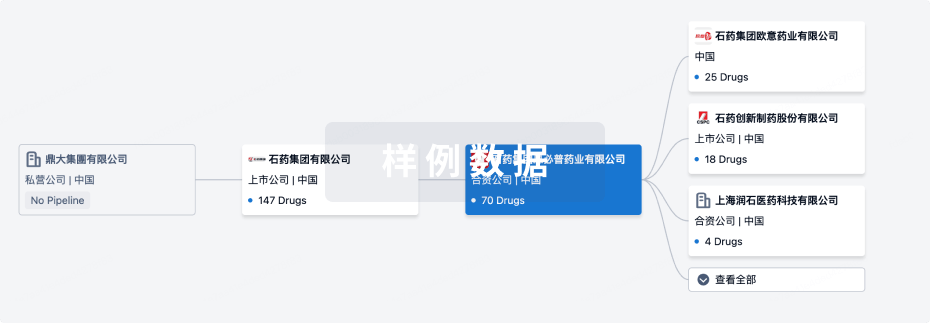
组织架构
使用我们的机构树数据加速您的研究。
登录
或
管线布局
2026年09月24日管线快照
管线布局中药物为当前组织机构及其子机构作为药物机构进行统计,早期临床1期并入临床1期,临床1/2期并入临床2期,临床2/3期并入临床3期
其他
1
登录后查看更多信息
当前项目
登录后查看更多信息
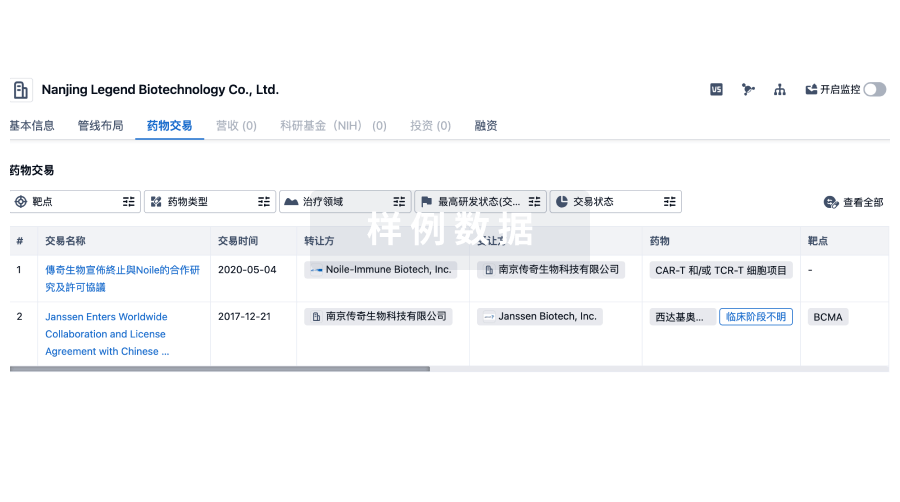
药物交易
使用我们的药物交易数据加速您的研究。
登录
或
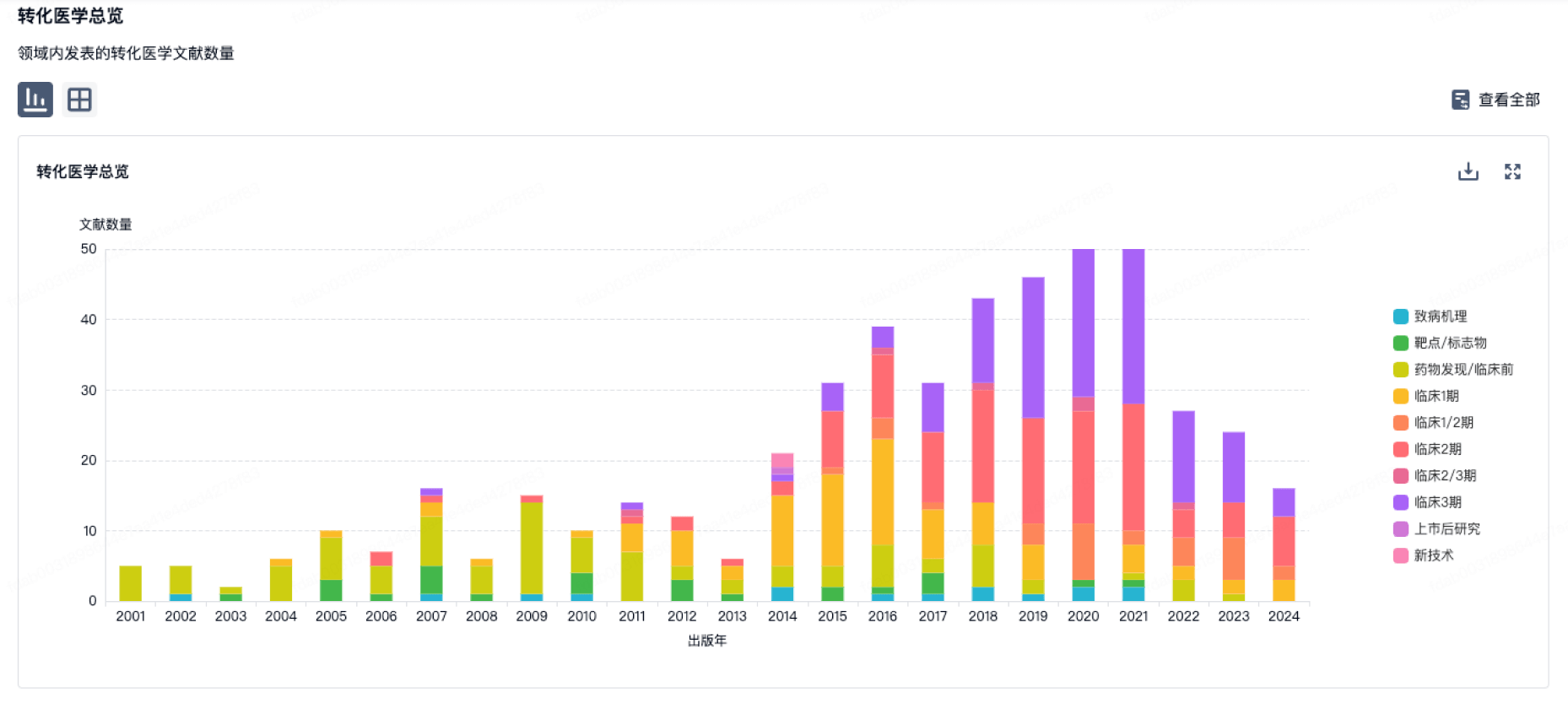
转化医学
使用我们的转化医学数据加速您的研究。
登录
或
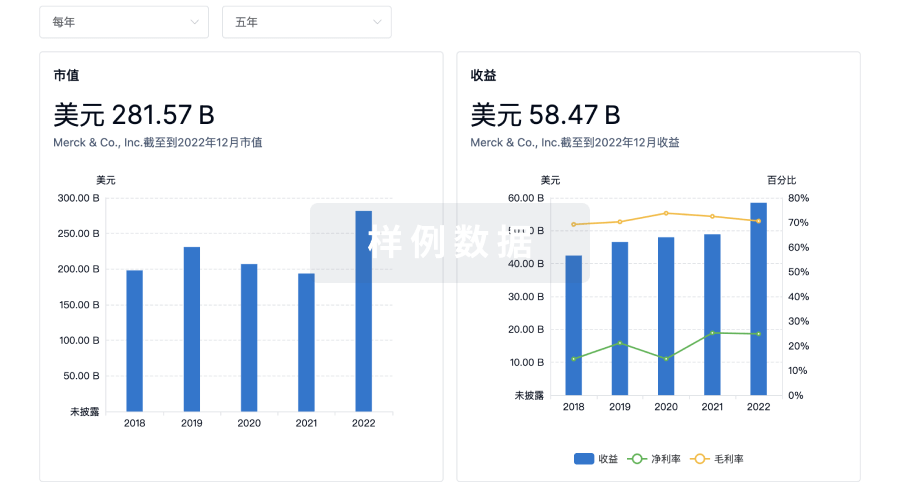
营收
使用 Synapse 探索超过 36 万个组织的财务状况。
登录
或
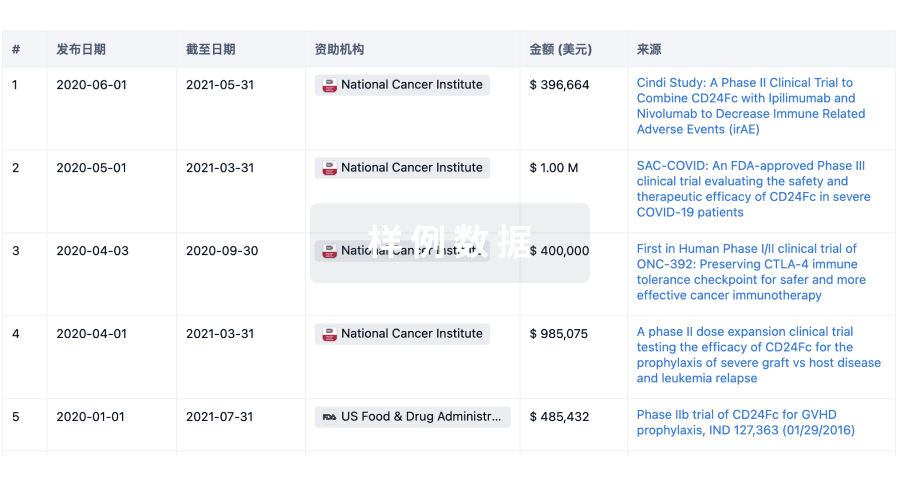
科研基金(NIH)
访问超过 200 万项资助和基金信息,以提升您的研究之旅。
登录
或
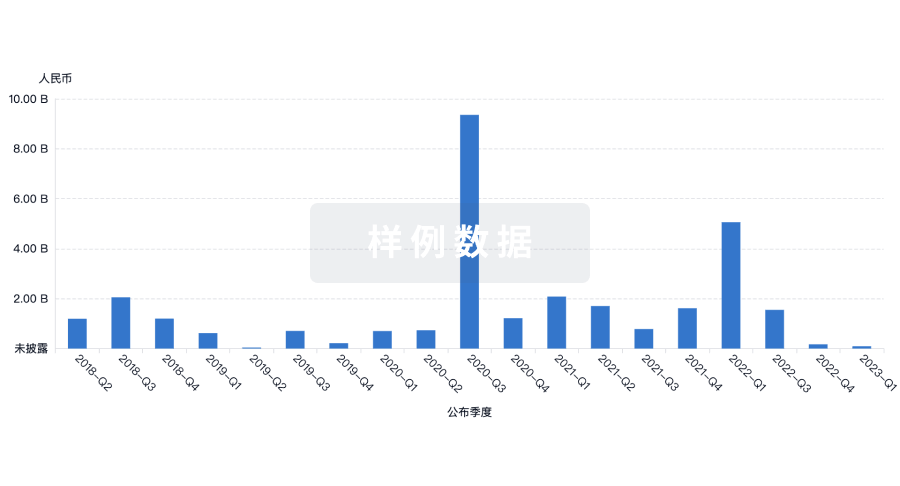
投资
深入了解从初创企业到成熟企业的最新公司投资动态。
登录
或
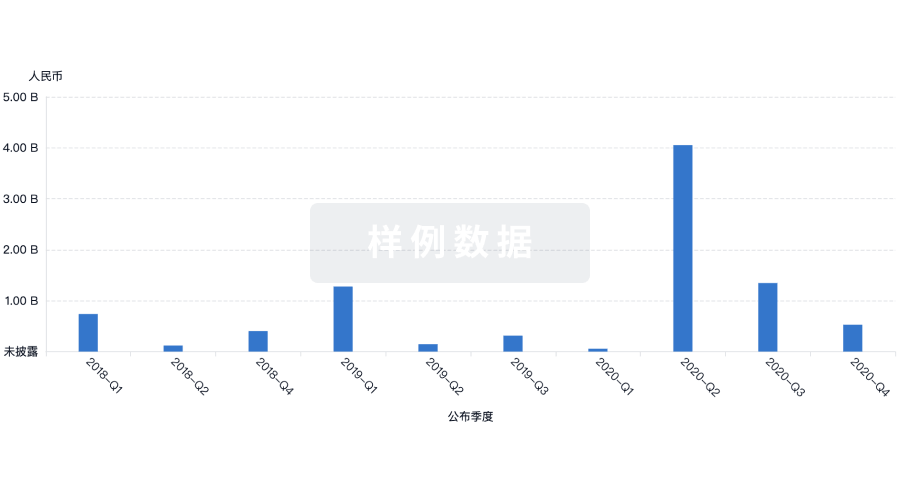
融资
发掘融资趋势以验证和推进您的投资机会。
登录
或
提出任何生物医药研究问题
让每一步生物医药决策都精准制胜
基于十亿级生物数据与全球情报的精准 AI,赋能早期药物发现
立即开始免费试用!
智慧芽新药情报库是智慧芽专为生命科学人士构建的基于AI的创新药情报平台,助您全方位提升您的研发与决策效率。
立即接入生物医药数据包
智慧芽新药库数据也通过智慧芽开放平台,以MCP或API服务形式对外开放。立即使用我们的MCP服务定制您的LLM智能体。
生物序列数据库
生物药研发创新
免费使用
化学结构数据库
小分子化药研发创新
免费使用