预约演示
更新于:2025-12-09

Hochschule Trier
更新于:2025-12-09
概览
关联
DRKS00032913
Effects of serious health games on fine motor skills of people with Parkinson's disease . A randomized controlled pilot study.
DRKS00032828
Effects on a back quiz-app on self-efficacy of people with low-back pain aged 55+
DRKS00030666
Comparison of the effectiveness of a medium-frequency versus a low-frequency electrical stimulation protocol for wrist extension in stroke patients with arm paresis in terms of efficiency, perceived discomfort, and muscular fatigue
100 项与 Hochschule Trier 相关的临床结果
登录后查看更多信息
登录后查看更多信息
2026-01-01GAIT & POSTURE
Increased backpack weight might lead to increased trunk stiffness during walking in primary school aged children: A pilot study
Article
作者: Simmer, Julia ; Zinnen, Christoph ; Schmid, Stefan ; Mueller, Steffen ; Mueller, Juliane
BACKGROUND:
Backpacks are essential in the daily lives of children. Carrying a heavy backpack affects trunk posture during standing. It remains unclear, whether this effect is also observed during gait.
RESEARCH QUESTION:
How do different backpack weights affect trunk kinematics during walking in children?
METHODS:
Sixteen children stood and walked on a 5 m walkway with a custom load-carrying-system simulating unloaded and loaded backpacks (10 %;20 %;30 % of body mass (BM). A marker-based 3D motion analysis system captured whole-body kinematics (Rizzoli model). During walking, the primary outcomes were the maximum ranges of motion (RoM;[°]) of thoracic and lumbar trunk segmental angles in three planes. During standing, the average angles over 5 s were measured in three planes. Secondary measures included stride length, stride time, and velocity during walking. The children's own backpacks' weights were measured and expressed as a percentage of body mass. Statistical analysis was performed using repeated-measures ANOVA (α=0.05) and Tukey-Kramer post hoc test.
RESULTS:
The average weight of the children's own backpack was 15.4 ± 7.4 %BM. For the experimental conditions, the average weights added to the load-carrying system were 3.3 ± 0.8 kg (10 %BM), 6.5 ± 1.7 kg (20 %BM), and 9.8 ± 2.5 kg (30 %BM). During standing, the average trunk flexion angles (sagittal plane) of the lumbar trunk segment significantly increased with increased backpack weight (p = 0.002). During walking, no changes in sagittal plane RoM but significant decreases in lumbar and thoracic transversal and frontal plane RoM (p < 0.001), stride length (p = 0.047) and velocity (p = 0.041) were observed with additional weight. No significant differences were observed for stride time between the conditions.
SIGNIFICANCE:
Added backpack weight led to a more flexed trunk posture during standing and reduced transversal and frontal plane trunk movement, stride length, and gait velocity during walking. These adjustments likely compensate for the dorsally displaced center of mass and minimize energy expenditure by reducing trunk-backpack-angular momentum during walking.
2025-11-01Brazilian Journal of Physical Therapy
Perceptions and beliefs of physical therapists regarding the mechanisms of manual therapy
Article
作者: Luedtke, Kerstin ; Szikszay, Tibor M ; Ludes, Carine S ; Adamczyk, Wacław M ; Carvalho, Gabriela F ; Karstens, Sven ; Jung, Andres ; Scharbach, Rachel
BACKGROUND:
Manual therapy (MT) is a widely utilized approach for managing musculoskeletal pain and functional disorders, particularly through joint mobilizations. Traditionally explained by immediate biomechanical processes, a paradigm shift has occurred in the last few decades, recognizing neurophysiological mechanisms as crucial contributors.
OBJECTIVES:
To evaluate whether this shift is also reflected by clinicians, this study explores the beliefs and perceptions of physical therapists regarding the mechanisms underlying MT through an online survey design. The focus was if dominantly peripheral biomechanical model or a neurophysiological explanatory model prevails.
METHODS:
The study involved a national cross-sectional survey of 569 physical therapists, average age 36.5y (9.7), and 58 % female. Based on a fictitious case scenario, participants rated on a scale from 0 % to 100 %, the involvement of anatomical structures and physiological mechanisms and provided additional suggestions.
RESULTS:
The majority of responders attributed significant involvement to the brain (75 %), myofascial structures (71 %), peripheral nervous system (68 %), and cervical joints (60 %). Mechanisms such as endogenous pain modulation (73 %), placebo effects (72 %), muscle activity (68 %), and neuromuscular responses (62 %) were commonly endorsed. The data indicated that socio-demographic and work-related characteristics are weakly associated to specific beliefs, emphasizing the complex nature of these perspectives. The findings underscore the diversity in physical therapists' beliefs and highlight the importance of understanding the mechanisms, as they significantly contribute to the perceived effectiveness of MT.
CONCLUSION:
This study provides valuable insights into the current landscape of beliefs among German physical therapists, contributing to the ongoing dialogue between basic research and clinical practice in MT.
2025-11-01CORTEX
Arithmetic fact retrieval deficits in chronic stroke – A deficit of relearning?
Article
作者: Karnath, H-O ; Jung, S ; Smaczny, S ; Willmes, K ; Klein, E
In acute stroke patients, arithmetic fact retrieval deficits have been observed due to disrupted white matter connections within a left-hemispheric network centered around the angular gyrus and middle temporal gyrus (Smaczny et al., 2023). However, it remains unclear which specific structural disconnections also hinder successful remediation in the chronic stage of stroke. In this study, 92 patients were examined to determine which impairments continue to affect multiplication performance even in the chronic phase after a first-time unilateral left-hemispheric stroke. Our results revealed a strong association between impaired multiplication performance and the disconnection of left long-term memory (para)hippocampal areas from left frontal and right parietal regions. Thus, unlike previous findings in the acute stroke phase, our results in the chronic phase emphasize the importance of (para)hippocampal regions for successful multiplication performance. We suggest that the affected areas and connections in chronic patients with persistent multiplication problems not only indicate areas that are crucial for the relearning of arithmetic facts, but also those crucial for the learning of arithmetic facts in general. More generally, we suggest that the acquisition of arithmetic facts depends on structural integrity of a network centered around the left (para)hippocampus, while the retrieval of consolidated arithmetic facts from memory relies on the integrity of a left-hemispheric network involving angular gyrus and middle temporal gyrus.
100 项与 Hochschule Trier 相关的药物交易
登录后查看更多信息
100 项与 Hochschule Trier 相关的转化医学
登录后查看更多信息
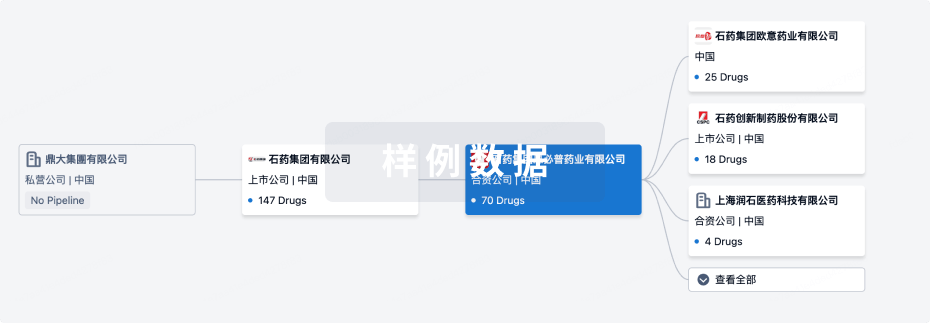
组织架构
使用我们的机构树数据加速您的研究。
登录
或
管线布局
2026年09月15日管线快照
无数据报导
登录后保持更新
药物交易
使用我们的药物交易数据加速您的研究。
登录
或

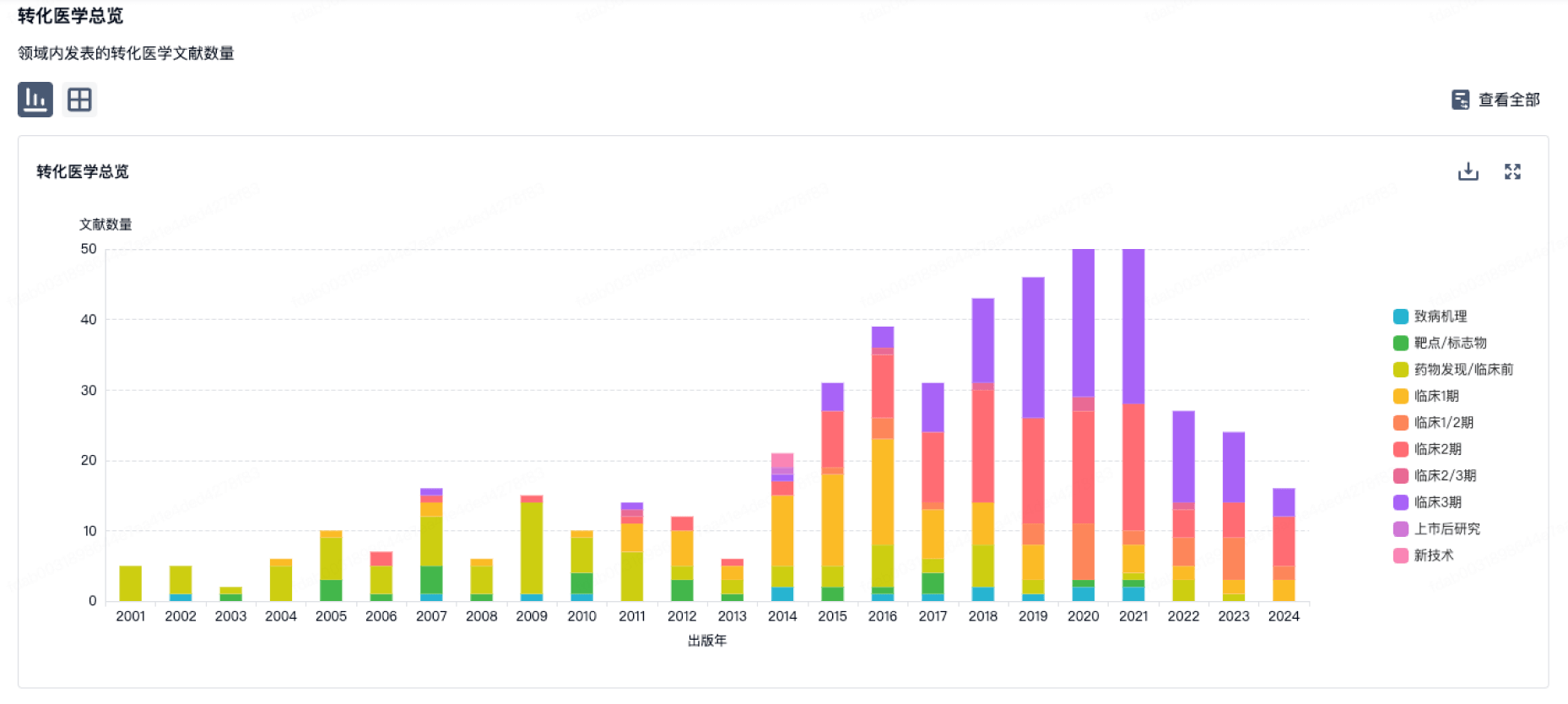
转化医学
使用我们的转化医学数据加速您的研究。
登录
或
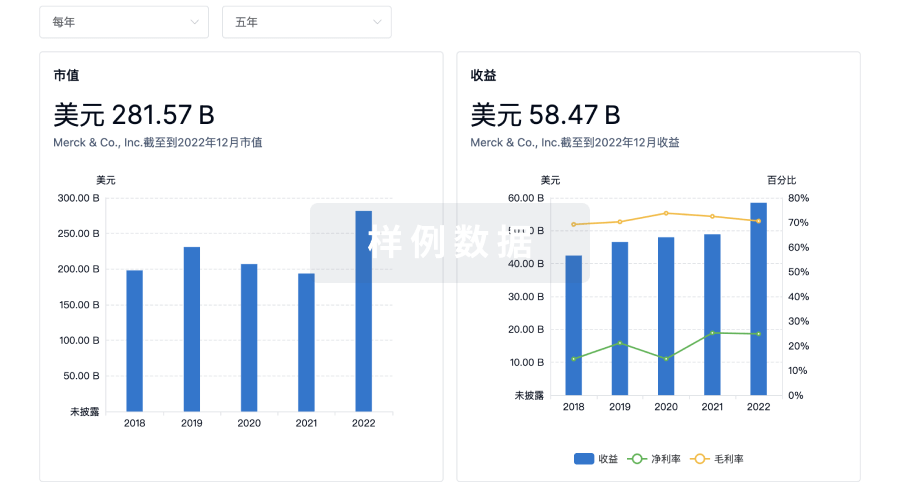
营收
使用 Synapse 探索超过 36 万个组织的财务状况。
登录
或
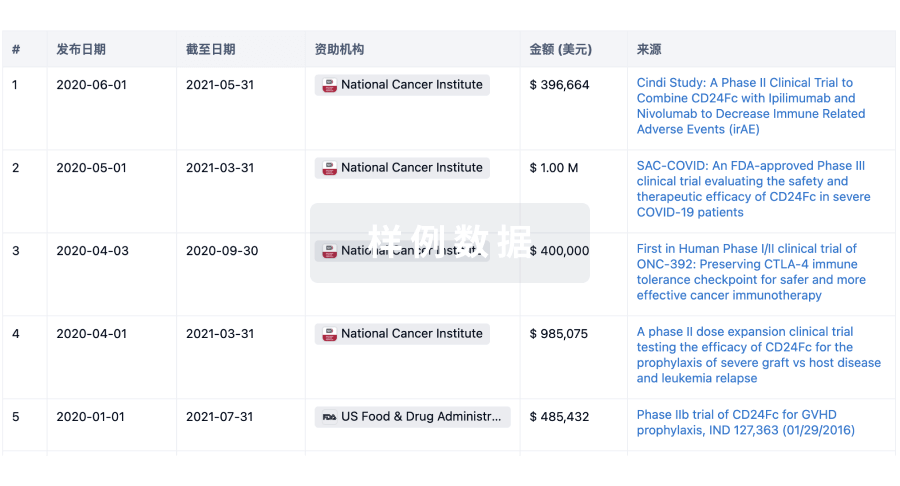
科研基金(NIH)
访问超过 200 万项资助和基金信息,以提升您的研究之旅。
登录
或
投资
深入了解从初创企业到成熟企业的最新公司投资动态。
登录
或
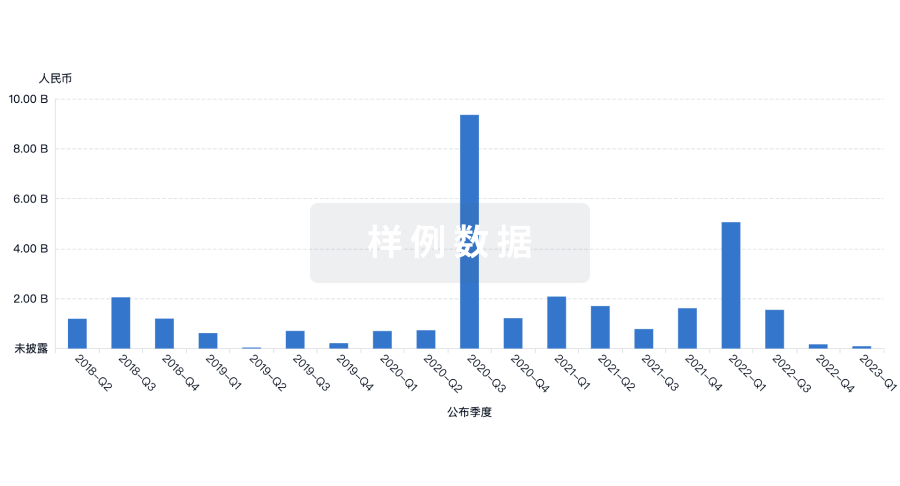
融资
发掘融资趋势以验证和推进您的投资机会。
登录
或
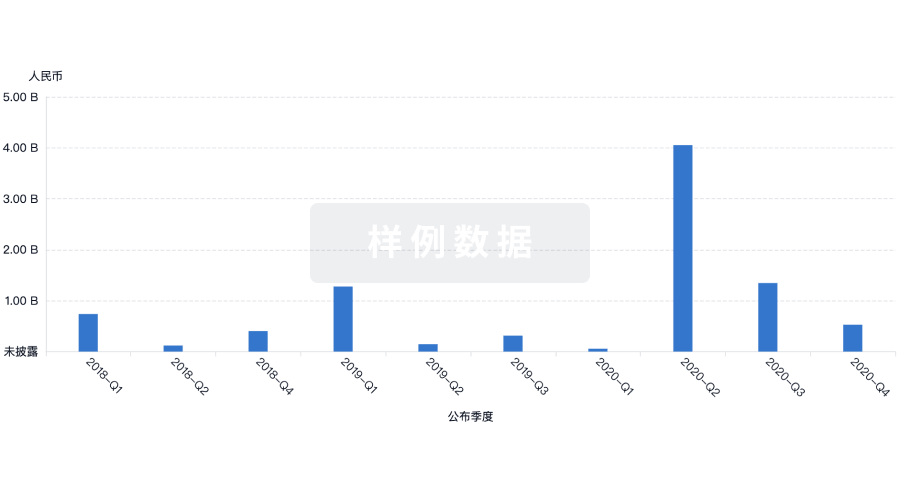
提出任何生物医药研究问题
让每一步生物医药决策都精准制胜
基于十亿级生物数据与全球情报的精准 AI,赋能早期药物发现
立即开始免费试用!
智慧芽新药情报库是智慧芽专为生命科学人士构建的基于AI的创新药情报平台,助您全方位提升您的研发与决策效率。
立即接入生物医药数据包
智慧芽新药库数据也通过智慧芽开放平台,以MCP或API服务形式对外开放。立即使用我们的MCP服务定制您的LLM智能体。
生物序列数据库
生物药研发创新
免费使用
化学结构数据库
小分子化药研发创新
免费使用