预约演示
更新于:2026-08-22

Walter Reed National Military Medical Center
更新于:2026-08-22
概览
关联
NCT07704762
A Randomized, Double-Blind, Active-Controlled, Clinical Trial of the Safety, Efficacy, and Durability of MDMA-Assisted Therapy for Military Service Members With Posttraumatic Stress Disorder

NCT07151417
Adjunctive Use of Corticosteroid in Periarticular Injections in Primary Total Knee Arthroplasty
NCT06994988
Multi-modal Smart Band-Aid for AI-based Quantification of Pain

100 项与 Walter Reed National Military Medical Center 相关的临床结果
登录后查看更多信息
登录后查看更多信息
2026-08-01DM DISEASE-A-MONTH
Monkeypox (mpox) vaccine
Article
作者: Decker, Catherine F ; Graf, Patrick J
2026-08-01QUALITY OF LIFE RESEARCH
Overview of the limb injury measurement battery for quality of life (LIMB-QOL)
Article
作者: Choi, Seung W ; Boulton, Aaron J ; Sherer, Mark ; Tulsky, David S ; Zafonte, Ross ; Childers, W Lee ; Kingsbury, Trevor ; Kalpakjian, Claire ; Tyner, Callie E ; Bartlett, Susan ; Kisala, Pamela A ; Slotkin, Jerry ; Tintle, Scott ; Dearth, Christopher L
Abstract:
Purpose:
The Limb Injury Measurement Battery for Quality of Life (LIMB-QOL) was developed to comprehensively assess patient reported outcomes (PRO) for research and clinical use with individuals who have sustained major extremity trauma and limb loss.
Methods:
A mixed-methods approach was used that included qualitative focus groups with civilians, service members, and clinicians as well as quantitative PRO data collection with individuals with a history of major traumatic limb injury or limb-loss due to such trauma or sudden-onset illness. Individuals with dysvascular and other chronic disease causes were excluded. Qualitative data were collected via focus groups (
n
= 56 individuals with major extremity trauma;
n
= 34 clinicians) and cognitive debriefing interviews (
n
= 41 individuals with major extremity trauma). Quantitative data were obtained through structured phone interviews with a large sample representing the target limb trauma and limb loss population (
n
= 603). Newly developed item banks were calibrated using graded response model item response theory analysis.
Results:
LIMB-QOL includes 25 measurement scales including 10 new, targeted item banks developed with and for individuals with major limb trauma and 15 existing PRO item banks measuring salient physical, emotional, and social aspects of health-related QOL. Computer adaptive tests and short forms were programmed into the Assessment Center application programming interface and are now available through REDCap and other platforms.
Conclusion:
LIMB-QOL provides a comprehensive and standardized system of PRO assessments for individuals with amputation or limb preservation due to sudden-onset limb injury. Research and clinical applications are discussed.
2026-07-01MILITARY MEDICINE
It’s About Time: An Evaluation of Parental Leave Within Military Graduate Medical Education
Article
作者: Martin, Paolo C ; Drumm, Caitlin M ; Dworak, Theodora C ; Abuhamdeh, Sami A ; Wyatt, Tasha R ; Schulz, Elizabeth V
Abstract:
Introduction:
Time plays a crucial role in how trainees experience pregnancy and parental leave within graduate medical education (GME). Prior research mainly highlights the negative impact of time-related factors on trainee experience. However, a recent qualitative analysis within military GME challenged this antagonistic view of time, rather highlighting how it can be optimized to facilitate trainee personal and professional success. To date, there has been no formal quantitative analysis of how trainees manage time related to parental leave within military GME. As such, we investigated the impact of 12 to 18 weeks of parental leave on trainee parents’ experiences within military GME programs.
Materials and Methods:
We utilized a voluntary, anonymous web-based survey to query trainee parents, non-parent peers, faculty physicians, program directors, and associate program directors within U.S. military GME programs. The survey covered personal decision-making regarding parenthood within medical training as well as perceptions of parental leave policy and impact on training experience and career outcomes. Appropriate statistical analyses were utilized to summarize participant demographics and assess for differences between groups. Content analysis was utilized to assess open-ended responses.
Results:
The survey was fully or partially completed by 211 respondents from 24 different medical or surgical training programs across the Military Health System. There were similar numbers of male and female respondents who became parents during medical training, (35.3% vs. 32.3%, P = .77). Fifty-three percent of birth parents took 10 weeks or longer of parental leave while 50% of non-birth parents took 1 to 3 weeks of leave. Only 10% of birth parent trainees and about one-third of non-birth parent trainees would prefer a 6-week leave duration, the current minimum mandated within civilian programs. Birth parents were more likely to utilize an extension in training (45.2% vs. 8.3%, P = .00). Approximately one-third of all parents planned to, or did, utilize fewer weeks of parental leave than their program’s allotment, most commonly (81.8%) because of a desire to graduate from training on time. Both birth and non-birth parents most commonly reported “no impact” of parental leave on the quality of their medical education. However, trainee parents did report more negative impact of an extension in training on career advancement when compared to non-parent peers, faculty, or program leadership.
Conclusions:
This study demonstrates that parental leave durations of 10 weeks or greater have been successfully incorporated into military GME programs. Trainees commonly prefer durations of parental leave in-line with current Department of Defense policy, with minimal perceived effect on quality of medical education. However, challenges persist regarding training interruptions, extensions in training and military-specific impact of training graduation delays.
100 项与 Walter Reed National Military Medical Center 相关的药物交易
登录后查看更多信息
100 项与 Walter Reed National Military Medical Center 相关的转化医学
登录后查看更多信息
组织架构
使用我们的机构树数据加速您的研究。
登录
或
管线布局
2026年10月20日管线快照
管线布局中药物为当前组织机构及其子机构作为药物机构进行统计,早期临床1期并入临床1期,临床1/2期并入临床2期,临床2/3期并入临床3期
其他
1
登录后查看更多信息
当前项目
登录后查看更多信息
药物交易
使用我们的药物交易数据加速您的研究。
登录
或
转化医学
使用我们的转化医学数据加速您的研究。
登录
或
营收
使用 Synapse 探索超过 36 万个组织的财务状况。
登录
或
科研基金(NIH)
访问超过 200 万项资助和基金信息,以提升您的研究之旅。
登录
或
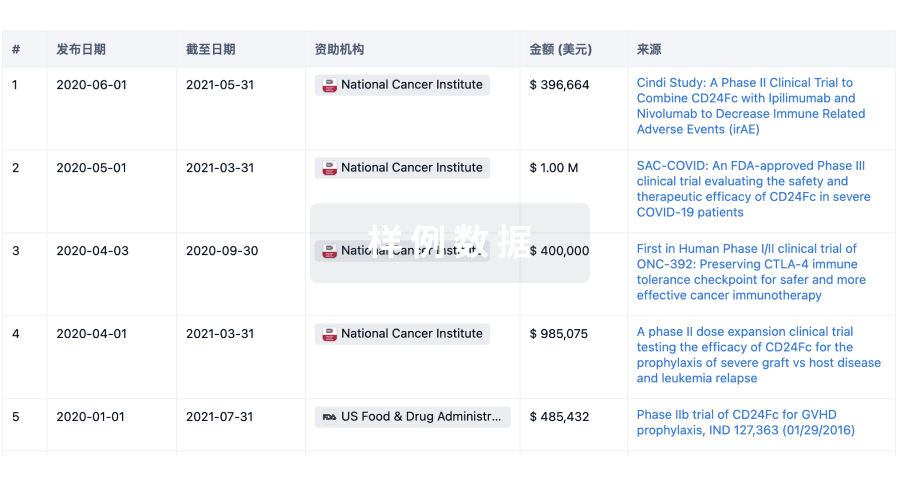
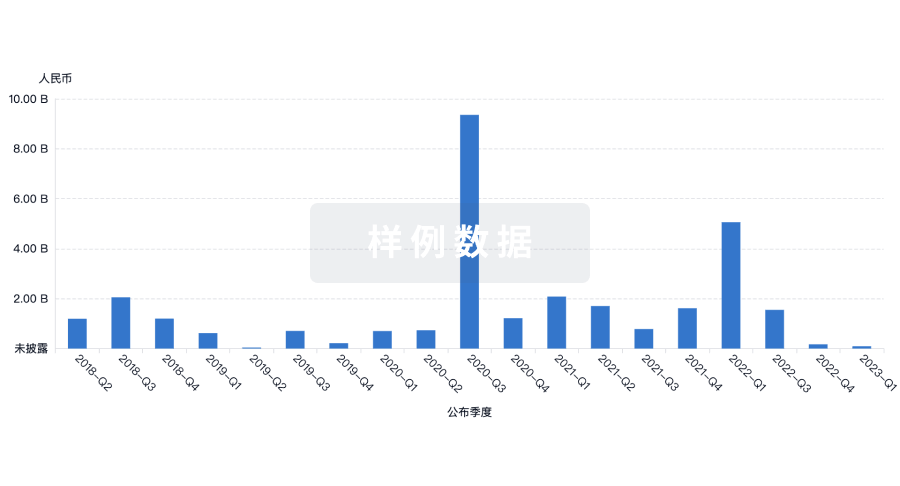
投资
深入了解从初创企业到成熟企业的最新公司投资动态。
登录
或
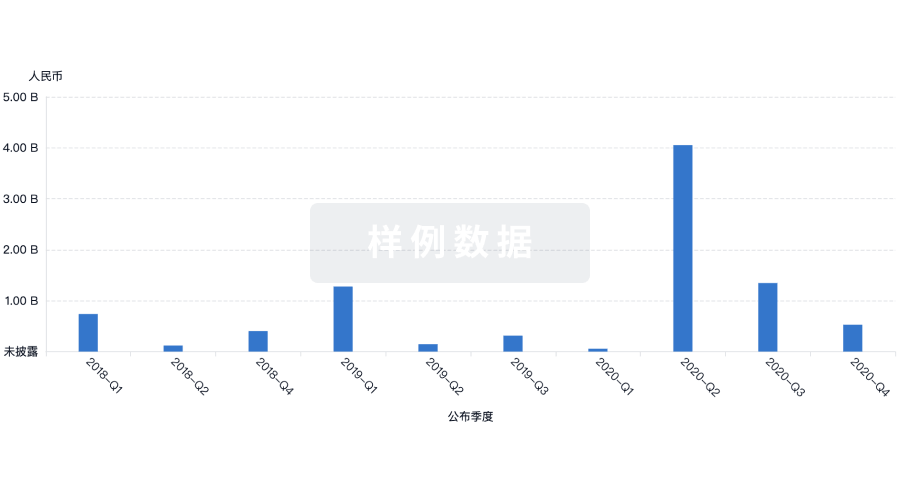
融资
发掘融资趋势以验证和推进您的投资机会。
登录
或
提出任何生物医药研究问题
让每一步生物医药决策都精准制胜
基于十亿级生物数据与全球情报的精准 AI,赋能早期药物发现
立即开始免费试用!
智慧芽新药情报库是智慧芽专为生命科学人士构建的基于AI的创新药情报平台,助您全方位提升您的研发与决策效率。
立即接入生物医药数据包
智慧芽新药库数据也通过智慧芽开放平台,以MCP或API服务形式对外开放。立即使用我们的MCP服务定制您的LLM智能体。
生物序列数据库
生物药研发创新
免费使用
化学结构数据库
小分子化药研发创新
免费使用