预约演示
更新于:2025-12-10

概览
关联
NCT05689177
Humoral Immunity Study After a Booster Dose of Soberana Plus (FINLAY-FR-1A) Vaccine Against COVID-19 (Republic of Cuba)
NCT05335213
Urinary Tract Infections in Cirrhosis
NCT05306119
Developing a Method of Rehabilitation for Patients After Myocardial Revascularization Combined With Low Back Pain and Criteria for Evaluating Its Effectiveness
100 项与 Gomel State Medical University 相关的临床结果
登录后查看更多信息
登录后查看更多信息
2025-09-15Cureus Journal of Medical Science
Impact of Previous Coronary Artery Bypass Grafting on Clinical Outcomes in Patients With Acute Myocardial Infarction: A Systematic Review and Meta-Analysis
Review
作者: Ali, Neelum ; Alsarkhi, Loiy Naser ; Wei, Calvin R ; Lokesh, Mullapudi ; Ahzam, Rana M ; Aqel, Yousef ; Postoev, Anastasia ; Gillani, Iman
This systematic review and meta-analysis examined the impact of previous coronary artery bypass grafting (CABG) on clinical outcomes in patients presenting with acute myocardial infarction (AMI). A comprehensive literature search was conducted across PubMed/MEDLINE, Embase, Cochrane Central Register of Controlled Trials (CENTRAL), and Web of Science from January 2010 to August 2025, following Preferred Reporting Items for Systematic Reviews and Meta-Analyses (PRISMA) guidelines. Observational studies comparing outcomes between patients with AMI with and without prior CABG history were included. Two independent reviewers performed study selection, data extraction, and quality assessment using the Newcastle-Ottawa Scale (NOS). Statistical analyses employed random-effects models using RevMan 5.4 (The Nordic Cochrane Centre, Copenhagen, Denmark) and R software (R Foundation for Statistical Computing, Vienna, Austria). Nine studies comprising patients with ST-segment elevation myocardial infarction (STEMI) and non-ST-segment elevation myocardial infarction (NSTEMI) were included in the final analysis. The pooled analysis demonstrated that previous CABG history was not significantly associated with all-cause mortality in the overall AMI population (relative risk (RR): 1.06, 95% confidence interval (CI): 0.97-1.16), although considerable heterogeneity was observed (I² = 87%). Subgroup analysis revealed that patients with STEMI with prior CABG had a 16% higher mortality risk compared to CABG-naïve patients (RR: 1.16, 95% CI: 1.12-1.20), while patients with NSTEMI showed a non-significant 6% increase (RR: 1.06, 95% CI: 0.95-1.19). No significant difference was found in major adverse cardiac events (MACE) between groups (RR: 0.98, 95% CI: 0.85-1.12). Meta-regression identified age, hypertension prevalence, and CABG prevalence as significant contributors to between-study heterogeneity. These findings suggest that prior CABG may confer increased mortality risk specifically in patients with STEMI, although limited study numbers in subgroup analyses warrant cautious interpretation and highlight the need for larger targeted investigations.
2025-09-11CLINICAL MICROBIOLOGY REVIEWS
Narrative review on bacteria-derived metabolites in the pathogenesis of ulcerative colitis
Review
作者: Miftakhova, R. R. ; Abdulkhakov, S. R. ; Arslan, L. A. ; Doludin, Y. V. ; Gabdoulkhakova, A. G. ; Rizvanov, A. A. ; Tambovtseva, R. S. ; Stoma, I. O. ; Grigoryeva, T. A.
SUMMARY:
The pathogenesis of ulcerative colitis (UC) is heterogeneous; the causes are considered to be external factors such as stress, infections, antibiotics, and other medications, diet, and intrinsic factors such as genetic predisposition. The aim of this narrative review is to analyze data on intestinal flora and bacteria-derived metabolites in inflammatory bowel diseases and ulcerative colitis in particular. The main focus is on proteolytic, saccharolytic, mucin-degrading, and bile acid-metabolizing bacteria. What types of metabolites are beneficial for intestinal integrity and the patient’s health? How can dietary preferences trigger disease and cause complications? What kind of changes in the microbiome promote the disease? We consider what targets/receptors metabolites act on and their physiological role. The knowledge accumulated over the past years on the gut metagenome, metabolome, and signaling mechanisms may allow, in the future, modulating the composition of the intestinal microbiome and suppressing the growth of pathogenic flora without the use of antibiotics, but due to pro- and prebiotics, products of bacterial metabolism, including quorum sensing molecules.
2025-07-20Cureus Journal of Medical Science
Efficacy of Tranexamic Acid in Reducing Blood Loss During Burn Surgery: A Systematic Review and Meta-Analysis of Randomized Controlled Trials
Review
作者: Hirani, Shamsha ; Lokesh, Mullapudi
Burn injuries remain a major global health challenge, with surgical interventions often requiring blood transfusions due to substantial intraoperative bleeding. Tranexamic acid (TXA), an antifibrinolytic agent, has demonstrated efficacy in reducing perioperative blood loss across various surgical specialties, but evidence in burn surgery remains limited and inconsistent. This systematic review and meta-analysis aimed to evaluate the hemostatic efficacy of TXA in burn patients undergoing surgical procedures. A comprehensive literature search was conducted across PubMed, Embase, Web of Science, and Cochrane Central Register of Controlled Trials (CENTRAL) databases from the inception of databases to June 2025. Randomized controlled trials comparing TXA to placebo or no intervention in burn patients undergoing surgical procedures were included. Data extraction focused on intraoperative blood loss, hemoglobin changes, and hematocrit changes. Quality assessment was performed using the Cochrane Risk of Bias 2.0 tool, and meta-analyses were conducted using random-effects models. Four randomized controlled trials encompassing 264 participants were included, with 130 patients receiving TXA and 134 controls. The pooled analysis demonstrated that TXA significantly reduced intraoperative blood loss with a mean difference of -181.60 mL (95% CI: -267.34 to -95.86; p < 0.0001). TXA was also associated with significantly smaller declines in hemoglobin levels compared to controls (mean difference: -1.02 g/dL; 95% CI: -1.39 to -0.65; p < 0.00001). These findings suggest that TXA provides meaningful hemostatic benefits in burn surgery, although larger multicenter trials are needed to validate these results and assess long-term safety outcomes.
100 项与 Gomel State Medical University 相关的药物交易
登录后查看更多信息
100 项与 Gomel State Medical University 相关的转化医学
登录后查看更多信息
组织架构
使用我们的机构树数据加速您的研究。
登录
或
管线布局
2026年10月16日管线快照
无数据报导
登录后保持更新
药物交易
使用我们的药物交易数据加速您的研究。
登录
或
转化医学
使用我们的转化医学数据加速您的研究。
登录
或
营收
使用 Synapse 探索超过 36 万个组织的财务状况。
登录
或
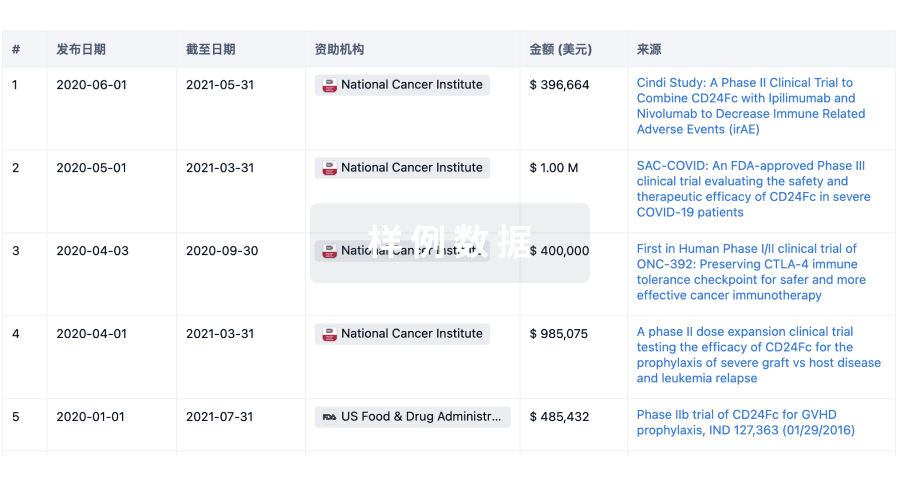
科研基金(NIH)
访问超过 200 万项资助和基金信息,以提升您的研究之旅。
登录
或
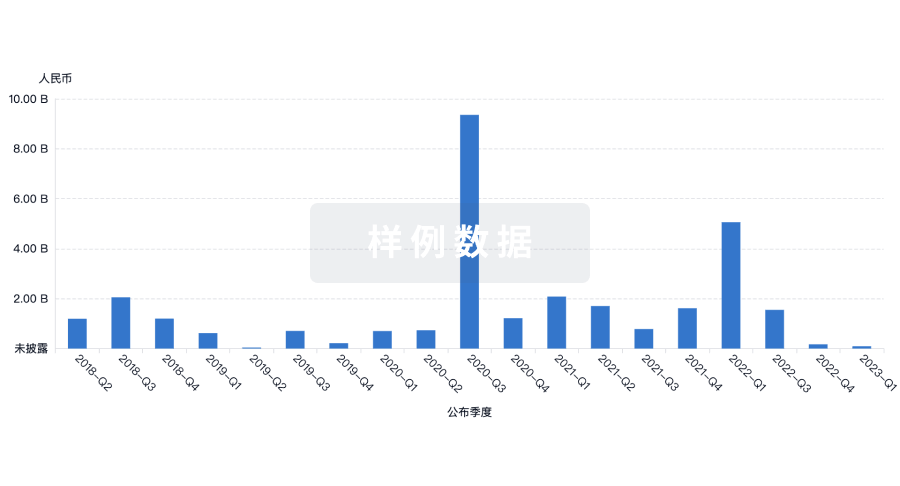
投资
深入了解从初创企业到成熟企业的最新公司投资动态。
登录
或
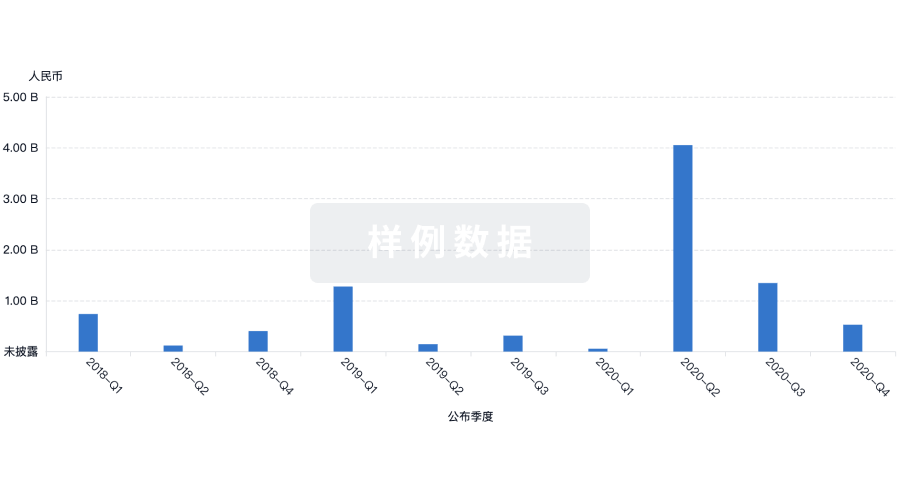
融资
发掘融资趋势以验证和推进您的投资机会。
登录
或
提出任何生物医药研究问题
让每一步生物医药决策都精准制胜
基于十亿级生物数据与全球情报的精准 AI,赋能早期药物发现
立即开始免费试用!
智慧芽新药情报库是智慧芽专为生命科学人士构建的基于AI的创新药情报平台,助您全方位提升您的研发与决策效率。
立即接入生物医药数据包
智慧芽新药库数据也通过智慧芽开放平台,以MCP或API服务形式对外开放。立即使用我们的MCP服务定制您的LLM智能体。
生物序列数据库
生物药研发创新
免费使用
化学结构数据库
小分子化药研发创新
免费使用