预约演示
更新于:2026-07-25

Linyi University
更新于:2026-07-25
概览
标签
消化系统疾病
肿瘤
其他疾病
小分子化药
偶联药物
疾病领域得分
一眼洞穿机构专注的疾病领域

暂无数据
技术平台
公司药物应用最多的技术
暂无数据
靶点
公司最常开发的靶点
暂无数据
| 排名前五的药物类型 | 数量 |
|---|---|
| 偶联药物 | 2 |
| 小分子化药 | 1 |
| 排名前五的靶点 | 数量 |
|---|---|
| GlyT1 x SLC7A11 x STAT3 x UGT1A1 x c-Myc | 1 |
关联
3
项与 临沂大学 相关的药物1
项与 临沂大学 相关的临床试验ChiCTR1900025559
Acute metabolic responses induced by cereals pancakes in healthy subjects: a randomized, crossover trial
开始日期2019-08-30 |
申办/合作机构 |
100 项与 临沂大学 相关的临床结果
登录后查看更多信息
0 项与 临沂大学 相关的专利(医药)
登录后查看更多信息
2,199
项与 临沂大学 相关的文献(医药)2026-10-01·MOLECULAR PHYLOGENETICS AND EVOLUTION
Comparative phylogeography of three Cletus species pairs reveals shared responses to quaternary environmental change
Article
作者: Zhang, Haiguang ; Dong, Xue ; Zhu, Xiuxiu ; Bu, Wenjun ; Tang, Zechen ; An, Jianmei ; Zhang, Yao
Understanding how co-distributed species respond to shared environmental histories is a central question in evolutionary biology. Although comparative phylogeography has advanced rapidly in vertebrates, insects-despite comprising most terrestrial biodiversity-remain underrepresented. Here, we conducted a comparative phylogeographic study of three closely related phytophagous insect species pairs in the genus Cletus (Heteroptera: Coreidae) distributed across eastern Asia. Using genome-wide SNPs generated by ddRAD-seq, we integrated coalescent-based demographic modeling, ecological niche modeling, and full-likelihood Bayesian tests to explore patterns of divergence and demographic history. Our results revealed strong phylogeographic structure in all three species pairs, with genetic clusters largely partitioned along a north-south axis. Demographic modeling supported initial divergence during the Early Pleistocene followed by recent secondary contact during Late Pleistocene climatic oscillations. Bayesian model choice identified a single synchronous divergence event among all three lineages, indicating a shared response to Quaternary climatic changes. Species distribution modeling and Stairway Plot analyses further revealed asymmetrical demographic histories between northern and southern species, with northern taxa showing glacial contractions followed by recent expansion. Additionally, isolation-by-distance (IBD) was consistently detected across all lineages, whereas isolation-by-environment (IBE) was significant only in lineage I. Together, these findings suggest that historical climatic change was associated with parallel diversification and lineage-specific traits also contributed to differences in demographic responses. This study advances our understanding of insect diversification in eastern Asia and highlights the value of comparative genomic approaches for resolving complex evolutionary histories.
2026-09-01·NEURAL NETWORKS
Bipartite and H∞ bipartite synchronization for multiweighted coupled fractional-order delayed reaction-diffusion neural networks
Article
作者: Huang, Tingwen ; Li, Ya-Nan ; Ren, Shun-Yan ; Wang, Jin-Liang
In this paper, two types of multiweighted coupled fractional-order delayed reaction-diffusion neural networks (MCFDRNN) with and without external disturbances under signed graph are introduced, which generalize the existing coupled fractional-order reaction-diffusion networks models. Several bipartite and H∞ bipartite synchronization conditions for these two MCFDRNN are given on the basis of some important lemmas and matrix theory, which can not be acquired by utilizing the method and technique used in coupled reaction-diffusion neural networks. Finally, the derived criteria are validated by exploiting a numerical example.
2026-08-01·JOURNAL OF CHROMATOGRAPHY A
A deep eutectic solvent-assisted green synthesis of advanced three-dimensional covalent organic framework based stationary phase for dual-mode liquid chromatography
Article
作者: Long, Haoyu ; Chen, Wei ; Tang, Sheng ; Zhang, Yuefei ; Fang, Ni ; Du, Huili ; Liu, Yanjuan
Two-dimensional covalent organic frameworks (2D COFs) are widely used as stationary phases in liquid chromatography, yet their simple pore structures often mandate surface modifications to attain the necessary separation selectivity. In contrast, three-dimensional COFs (3D COFs) feature customizable hierarchical channel systems with complex pore structures, high specific surface areas, and spatially diversified active sites, enabling superior separation selectivity and enhanced column efficiency. Furthermore, their rigid frameworks prevent structural collapse of stationary phase, offering unique advantages for advanced separations. Therefore, the development of innovative 3D COF@silica stationary phase represents a promising strategy that leverages the established benefits of silica supports while incorporating the tunable porosity and functionality of 3D COFs. This work presents an eco-friendly deep eutectic solvent-mediated synthesis of an imine-linked 3D-Azo-TFPM-COF@silica stationary phase, which eliminates hazardous solvents and reduces reaction time. The synthesized material demonstrated excellent chromatographic performance in separating polar compounds and positional isomers. Meanwhile, the 3D-Azo-TFPM-COF@silica column was applied to cosmetic analysis for quantifying nicotinamide content in commercial whitening essences with high accuracy (recovery: 95.82-102.92%) and good precision (RSD < 0.4%). This work presents a straightforward and green synthetic approach for 3D COF based stationary phases, broadening their application in chromatographic separations and demonstrating their potential for advanced analytical techniques.
17
项与 临沂大学 相关的新闻(医药)2026-07-02
·基因帮
由中国噬菌体研究联盟等单位指导,上海医药行业协会、复旦大学上海医学院、复旦大学附属中山医院、上海市免疫学研究所联合主办,复旦大学噬菌体研究所承办的2026年第九届中国噬菌体治疗大会暨中国噬菌体研究联盟年会,将于2026年6月23-27日在上海隆重召开。
大会汇聚了来自全国各地的临床医学专家、基础研究学者和产业界代表,围绕创新药与生物医学新技术、大样本临床汇总分析、One Health、铜绿假单胞菌临床治疗、细菌-噬菌体互作机制、噬菌体治疗前沿基建以及交叉前沿研究等七大主题展开了深入交流与探讨。从标准化体系建设到工程化噬菌体改造,从大规模临床数据到基础分子机制,从人医临床到兽用产品开发,本次大会全面展示了中国噬菌体治疗领域的最新进展与未来方向。基因帮团队全程参会学习,现将各议题精彩内容梳理如下,与各位共享,共同为噬菌体及感染防治事业添砖加瓦。
1
议题一:创新药与生物医学新技术
本议题从三个递进维度勾勒出"从传统抗菌药物到非传统生物制剂"的演进脉络:黄海辉教授从全球抗感染药物研发格局出发,指出传统抗菌药物面临的瓶颈;童贻刚教授聚焦噬菌体治疗的核心挑战与技术突破;李劲松教授则从法律法规与标准化视角,为这一新兴疗法的产业化路径提供制度保障。三者共同回答了 "新型抗菌策略从何而来、如何规范发展" 这一核心问题。
复旦大学附属华山医院黄海辉教授从全球抗感染药物研发格局出发,系统介绍了WHO 2024年细菌类重点病原体目录(BPPL)中CRO作为关键优先级病原体的全球威胁。近十年新细菌药研发虽呈"回暖"态势,但创新药研发整体仍较缓慢,口服制剂尤为缺乏。他梳理了2014-2025年间新型抗CRO药物的五大研发类别,并特别强调非传统生物制剂正稳步发展,噬菌体治疗、抗体疗法等在应对多重耐药菌感染方面展现出独特潜力。
北京化工大学童贻刚教授首先系统分析了当前噬菌体治疗面临的三大核心挑战:一是疗效问题,包括噬菌体特异性与宿主范围窄、细菌生物膜/荚膜/芽孢等物理屏障、细菌不同生理状态以及细菌复杂的免疫耐受机制(CRISPR-Cas、RM、BREX、Abi等);二是体外与体内的巨大差异,人体免疫系统对噬菌体的清除干扰以及噬菌体PK/PD(药代动力学/药效学)研究不足;三是体内细菌复杂性及组织结构屏障(如血脑屏障、黏膜屏障)的阻碍,此外还涉及溶原性噬菌体的潜在危害、细菌内毒素引发的炎症反应以及非GMP生产条件导致的质量不稳定等问题。针对上述挑战,童教授团队从"快速合成" 与 "高效改造" 两个维度提出了技术解决方案。在合成方面,开发了基于Cell-Free TXTL系统的噬菌体快速低成本合成技术,结合Gibson组装和HC-GGA方法,实现了phiX174等噬菌体的高效合成;在改造方面,通过敲除整合酶基因(int)和维持溶源状态的关键阻遏物c1蛋白,成功将溶原性噬菌体转化为裂解性噬菌体,实验验证表明改造后的噬菌体裂解能力显著增强,且噬菌体鸡尾酒策略能够有效阻止抗性菌株的产生。
原军事科学院军事医学研究院李劲松教授从法律法规与标准化视角出发,强调《生物安全法》中"应对微生物耐药"与噬菌体治疗直接相关。他指出2026年4月中共中央政治局会议释放的"标准化红利"为生物医学新技术发展提供了重大政策机遇,并从标准与法规、专利、科技、产业、贸易等多维度构建了标准体系协同关系网络,强调标准化是生物医学新技术从实验室走向临床、从研究走向产业的核心桥梁。
2
议题二:大样本临床汇总分析专场
本专场聚焦噬菌体治疗从 "个案探索" 到 "规模化临床" 的关键跨越,累计报告了超过500例临床数据,从"大规模有效吗"、"如何规范地做"、"特殊人群能做吗"三个角度系统回答了核心问题。共性发现令人振奋:细菌清除率普遍在70%以上、临床改善率超过80%,且安全性良好。如果说朱同玉教授用海量数据证明了 "大规模有效",那么卢洪洲教授则从GMP生产与备案指引层面回答了 "如何规范地做",而王亚文教授聚焦器官移植后免疫抑制患者这一特殊场景,证明噬菌体治疗同样适用于 "最难治的人群"。
复旦大学上海医学院朱同玉教授系统报告了400余例噬菌体治疗大样本临床数据。患者年龄跨度4-96岁,涵盖呼吸系统等多部位感染,目标菌以鲍曼不动杆菌(41.53%)、肺炎克雷伯菌(26.23%)和铜绿假单胞菌(23.50%)为主。数据证实噬菌体治疗具有良好的安全性与有效性:细菌清除率最高达72.4%,临床改善率最高达95.8%,严重不良反应发生率低。面对噬菌体耐受难题,团队创新性提出NEPT(Next-Evolution Phage Typing)技术,通过体外模拟耐受并筛选一线+二线噬菌体,有效延长了噬菌体的临床效用周期。此外,团队构建了覆盖临床流行CRAB、CRKP和CRPA菌株型的"最小噬菌体库"(鲍曼不动杆菌34株、肺炎克雷伯菌50株、铜绿假单胞菌42株),并推出虚拟配型服务,将噬菌体最短交付时间从传统的2-7天缩短至2小时,KAPS精准配型成功率达76.47%-94.44%,为危重症患者的紧急救治提供了关键技术支持。团队还积极推动噬菌体治疗审批政策突破,818号令作为噬菌体治疗领域首个国家级指南及转化配套文件,为行业规范化发展奠定了政策基础。
深圳市第三人民医院卢洪洲教授分享了深圳三院在超级细菌噬菌体精准治疗方面的系统性实践经验。作为国家感染性疾病临床医学研究中心及分中心网络的核心单位,深圳三院已建成符合GMP标准的噬菌体制剂洁净生产车间和自动化噬菌体制剂制备系统,实现了从噬菌体筛选到临床制剂的全流程标准化生产。团队构建了6条在研产品管线,涵盖铜绿假单胞菌、嗜麦芽窄食单胞菌、鲍曼不动杆菌、肺炎克雷伯菌、非结核分枝杆菌及大肠杆菌等临床重要耐药菌。基础研究方面,团队揭示了"备用"尾丝蛋白突变可拓宽噬菌体宿主谱的机制,以及细菌噬菌体抗性系统的协同防御作用,为工程噬菌体改造提供了理论依据。临床实践中,个体化噬菌体治疗有效率高于85%,且未引起肝肾功能损伤,证实了噬菌体治疗的安全性。卢教授还介绍了2026年4月发布的《噬菌体治疗新技术临床研究备案指引》第1版,该文件从机构人员、制备质控、非临床研究、临床研究到伦理合规等方面系统规范了噬菌体临床研究的实施路径,为全国噬菌体治疗的规范化开展提供了重要参考。
西安交通大学第一附属医院王亚文教授报告了从移植患者免疫抑制下的易感困境到噬菌体治疗泛耐药细菌的百例临床研究成果。作为我国器官移植领域的先行者,团队成功实施了首例肝移植术后耐药菌感染及西部首例肾移植术后泛耐药铜绿假单胞菌感染的噬菌体治疗,开创了移植后复杂感染救治的新途径。团队建立了完善的噬菌体快速诊疗平台,涵盖噬菌体资源库建设(筛选、纯化、鉴定、质控、保藏)、耐药菌噬菌体配型(院内临床应用配型成功率超过95%)、多学科会诊及伦理审查等全流程体系。已完成的14例挽救性治疗显示:安全性良好,100%患者未出现与噬菌体相关的严重不良反应;目标微生物清除率达78.6%,临床获益明显者占71.4%。在正式的临床试验中,已完成42例可评估病例,结果显示:细菌根除率71.4%,临床改善率83.3%,1月内复发率仅13.3%,其中78.6%来自重症病房。不同细菌类型中,鲍曼不动杆菌转阴率达90.1%、临床改善率100%;不同感染部位中,肺部感染雾化吸入治疗的临床改善率达85.7%。团队严格遵循《噬菌体治疗中国专家建议》规范给药,建立了涵盖雾化吸入、膀胱灌注、手术涂抹/冲洗、脓腔灌注等多途径的精准给药体系。通过与创噬纪公司的深度合作,团队构建了"建库→检出→配型→质检→治疗→监测→评估"的闭环管理模式,为噬菌体治疗的标准化临床推广提供了可复制的实践范本。
3
议题三:One Health专场
本议题从临床转化、院内防控、全球治理、生态学风险到纳米技术赋能,构建了 "从病床到生态、从临床到政策" 的One Health全景。马迎飞研究员以50例临床数据验证了个性化与固定配方制剂的双轨路径;高晓东教授系统梳理了MDRO院内防控的 "筛查-隔离-去定植" 全链条策略;朱泳璋教授通过全球193国数据揭示了AMR治理的政策效果滞后期与核心驱动力;阮楚晋从生态学角度警示了噬菌体干预的 "双刃剑" 效应;王洛凯则将噬菌体与纳米酶融合,构建了兼具杀菌与降耐药基因的"纳米机器人";共同展示了噬菌体研究在 "人-动物-环境-政策" 全链条中的多元角色。
中国科学院深圳先进技术研究院马迎飞研究员系统汇报了团队在噬菌体治疗领域的临床研究进展与固定配方制剂研发成果。在个性化治疗方面,团队累计入组50例患者,临床改善率达80.0%,细菌清除率46.0%,不良反应率仅6.0%;45例肺部感染中,鲍曼不动杆菌与铜绿假单胞菌的治疗效果均获验证,完成了华南首例噬菌体治疗CRAB肺部感染及铜绿假单胞菌合并脓胸等典型案例。在固定配方制剂方面,团队针对慢性肺部铜绿假单胞菌感染研发出SPCP-PA01,完成7例小规模临床,临床改善率100%,细菌清除率42.8%,未见不良反应,并发现黏液型菌株需2-3轮治疗、普通型1-2轮即可清除、炎症指标随疗程逐步恢复、抗生素敏感性在治疗过程中重现等关键规律。针对ICU多重耐药鲍曼不动杆菌急性感染,团队建立了KL2型特异性分子鉴定与噬菌体制备标准化流程,实现从 "临时寻找" 到ICU快速响应固定配方工具箱的转变,典型案例显示患者治疗39天后肺部病变显著吸收并痊愈出院。
复旦大学附属中山医院高晓东教授系统阐述了MDRO医院感染防控的"筛查-隔离-去定植"全链条策略。基于CHINET监测数据,CRE、MRSA等耐药菌已成为严峻的公共卫生挑战,主动筛查是识别无症状定植患者、阻断传播的关键手段。高教授详细介绍了WHO、CDC及中华医学会等指南推荐的筛查对象、时机和检测方法,并强调筛查必须与接触隔离、环境消毒和手卫生联动。在去定植策略方面,他对比了鼻腔(莫匹罗星)、皮肤(氯己定擦浴)、口腔/消化道(选择性口咽/消化道去污染)、粪便移植(FMT)及噬菌体治疗等多种方法的适用场景与证据等级。他指出,目前国际指南多不推荐对CRE常规去定植,但中山医院已开展噬菌体鸡尾酒用于CRE肠道去定植的探索性实践,并取得初步成效。此外,他还分享了环境清洁消毒及噬菌体-益生菌联合环境消毒的最新研究进展。
上海交通大学医学院朱泳璋教授围绕AMR全球治理展开演讲。他首先介绍了AMR的严峻形势及全球行动计划(GAP)和国家行动计划(NAP)的实施背景,随后重点阐述了团队构建的全球全健康指数(GOHI-AMR)评估体系。通过对2017-2022年193个国家数据的系统分析,研究发现NAP实施对AMR流行存在延迟但可衡量的政策影响,耐药率改善通常在政策采纳后第4-5年出现显著效应,其中多部门合作与AMU监测是最关键的驱动因素。他还介绍了课题组在全球、上海和崇明三个层面开展的AMR溢出机制与One Health防控研究框架。AMR全球治理需要长期投入,政策效果存在4-5年滞后期,多部门协同与监测体系是改善耐药率的核心驱动力,而中国在该领域的实施表现已位居全球前列。
厦门大学海洋与地球学院阮楚晋副教授揭示了噬菌体捕食与抗生素耐药性传播之间的重要关联。研究发现,噬菌体在生物膜中捕食时主要攻击微菌落边缘的细胞,这一选择性捕食行为会减缓不同菌株之间的空间去混合,从而增加供体菌与受体菌之间的接触机会,促进质粒编码的抗生素耐药基因在细菌间传播。该研究通过大肠杆菌菌落生长实验结合计算建模,提供了噬菌体捕食促进抗生素耐药性传播的直接实验证据和理论解释。这一发现对噬菌体治疗具有重要启示:传统观点认为噬菌体治疗不会促进抗生素耐药性传播,但该研究表明,噬菌体治疗可能通过调控微生物群落的空间组织结构,在无抗生素选择压力的情况下,反而促进耐药性的传播。这意味着在开发噬菌体治疗策略时,需要综合考虑噬菌体对群落空间组织的影响及其可能带来的耐药传播风险,为噬菌体治疗的安全性和有效性评估提供了新的思考维度。
山东第一医科大学王洛凯副教授报告了一种新型噬菌体-纳米酶杂化 "纳米机器人",用于耐药菌及耐药基因的高效防控。研究团队将多价噬菌体N4与钯(Pd)纳米酶偶联构建N4@Pd纳米机器人,兼具 "靶向生物膜裂解耐药菌" 和 "强化杀菌效应并降解耐药基因" 的双重功能。该纳米机器人通过噬菌体特异性吸附靶向大肠杆菌生物膜,利用其弱酸偏好性适应生物膜微环境;同时Pd纳米酶在H₂O₂存在下产生活性氧,实现耐药基因(ARGs)的高效降解。实验表明,N4@Pd能够同步破坏生物膜结构、杀灭抗生素耐药菌(ARB)并降解耐药基因。转录组学进一步揭示其抗菌机制涉及细菌代谢、信号调控及结构维持系统的崩溃,包括膜损伤、脂质过氧化、DNA损伤及翻译劫持等过程。
4
议题四:铜绿假单胞菌和案例专场
本专场以铜绿假单胞菌为线索,从循证医学证据、慢性感染管理、新型递送技术、免疫障碍、耐药耐受机制到儿童特殊人群,呈现了从 "行不行" 到 "怎么用" 的完整治疗链条。如果说乐率副教授的RCT回答了 "噬菌体治疗行不行",那么李梦哲副教授的慢性感染研究回答了 "慢性场景下怎么用",石慧教授的微针技术回答了 "怎么递送到感染部位",杨航教授的抗体研究揭示了 "什么会阻碍疗效",钟秋教授的耐受机制回答了 "遇到耐药菌株怎么办",闫慧源医师的儿童案例则展示了 "特殊人群也能做";共同构建了一个从证据到应用、从基础到临床的铜绿假单胞菌噬菌体治疗全景图。
中国人民解放军陆军军医大学乐率副教授指出,全球虽已发表115篇噬菌体临床治疗案例SCI论文,但缺乏高等级循证医学证据,尤其是随机对照试验(RCT)极为稀缺。中国虽在ChiCTR注册了8项噬菌体治疗RCT,但尚未产生高质量RCT论文,因此亟需开展规范化的噬菌体RCT。其团队针对铜绿假单胞菌开展了国内首个随机、对照、双盲的噬菌体治疗临床试验:从约100株铜绿假单胞菌中筛选出4株宿主谱互补的噬菌体,组成广谱鸡尾酒制剂CPD-PA01(覆盖单中心90%以上菌株),采用噬菌体+抗生素联合用药设计。截止2026年5月31日已入组48例,安全性良好,第3天清除铜绿假单胞菌的速度显著更快,有望帮助患者更早进行植皮手术。该RCT充分证明了噬菌体的安全性,有效性仍在评估中。
北京化工大学李梦哲副教授围绕慢性呼吸道铜绿假单胞菌感染展开。团队从全国11个城市筛选93株裂解性噬菌体,覆盖14个Clusters,对211株铜绿假单胞菌的裂解谱达98.10%。在个性化配型阶段,针对囊性纤维化及支气管扩张症合并铜绿假单胞菌感染患者开展治疗,发现感染阶段是影响疗效的重要因素,噬菌体治疗对呼吸道微生态具有个体化重塑作用,不会破坏菌群平衡。为突破配型耗时瓶颈,团队开发了靶向临床优势病原菌的固定配方噬菌体鸡尾酒制剂,覆盖≥80% ICU临床来源耐药菌,核心工作库超过200株噬菌体,在33例慢性感染患者中显示出多方面疗效。
西南大学石慧教授团队开发了负载噬菌体的超声触发压电催化微针,用于治疗铜绿假单胞菌感染伤口。以羊毛提取的角蛋白构建多孔支架制备微针,负载的噬菌体对生物被膜具有显著抑制(39.64%)和清除(66.17%)效果。小鼠感染模型显示,该微针7天内显著促进伤口愈合,恢复表皮结构和胶原纤维排列,生物安全性良好。该策略将压电材料的物理抗菌效应与噬菌体的生物靶向治疗相结合,通过超声触发产生活性氧协同杀菌,为耐药菌感染提供了新的解决方案。
中国科学院武汉病毒研究所杨航教授系统揭示了中和抗体导致噬菌体治疗失败的双重作用机制:一是直接中和——抗体靶向噬菌体尾部结构蛋白,阻断其对宿主菌的吸附并抑制DNA注射;二是免疫清除——抗体诱导噬菌体发生凝集,促进吞噬细胞清除。即使通过进化筛选获得能逃逸直接中和的噬菌体变体,仍无法逃避抗体加速的吞噬清除。该研究为理解噬菌体治疗中的宿主免疫障碍提供了新视角,也为开发 "双逃逸突变体" 提供了理论基础。
中国人民解放军陆军特色医学中心钟秋教授聚焦棕色铜绿假单胞菌的双重耐受机制:一是 "外部物理屏障" ——LPS大片段缺失阻断噬菌体吸附;二是 "内部生化清除" ——休眠细菌通过ROS介导的氧化应激降解噬菌体基因组。基于该模型,团队合成改造噬菌体构建了裂解能力增强的鸡尾酒Syn-PAC-1,已成功应用于临床:一名70岁糖尿病足患者经14天治疗后创面细菌计数显著下降,感染得到有效控制。
复旦大学附属儿科医院闫慧源医师分享了两例儿童噬菌体治疗案例。第一例为9月龄患儿,自20日龄起反复肺炎伴XDR-AB合并XDR-KP感染,经噬菌体雾化治疗后痰培养转阴、好转出院,粪便样本中检测到噬菌体基因,证实噬菌体成功进入肠道发挥作用。第二例为2月龄肝移植术后患儿,出现CRKP(KPC+)爆发感染,在多种抗生素基础上进行噬菌体多部位给药,展示了噬菌体在复杂移植术后感染中的联合应用策略。
5
议题五:细菌-噬菌体互作机制
本议题围绕 "细菌如何防御,噬菌体如何反制" 这一核心问题,从CRISPR-Cas系统、逆转录酶、核酸酶、蛋白酶到相分离,多层次揭示了这场分子层面的军备竞赛。王艳丽研究员系统阐述了噬菌体Acr蛋白对抗CRISPR-Cas的精密策略;刘亮教授报告了噬菌体编码小RNA抑制Cas9的机制;贾宁教授揭示了逆转录酶介导的 "分子诱饵" 防御范式;朱斌教授介绍了无模板DNA聚合酶DRT4的独特生化机制;陈美容博士证明了蛋白酶模块在细菌免疫中的进化保守性;袁帅研究员首次揭示了相分离在噬菌体转录时序调控中的关键作用;从不同角度共同描绘了一幅 "矛与盾" 持续演化的分子图景。
中国科学院生物物理研究所王艳丽研究员系统阐述了噬菌体Acr蛋白对抗CRISPR-Cas免疫系统的精密策略。在I型CRISPR-Cas系统中,AcrIF25通过解离Csy复合物来抑制其功能;多种Acr蛋白还可通过不同机制阻断靶DNA结合。在II型CRISPR-Cas系统(以Cas9为代表)中,AcrIIC2阻断sgRNA结合,AcrIIC4嵌入结构域缝隙限制R-loop形成,AcrIIC3则将两个Cas9分子锁定形成 "双面夹心" 结构,抑制核酸酶催化活性。这些研究揭示了噬菌体通过多样且精密的分子策略对抗细菌免疫系统的演化智慧,为优化噬菌体治疗策略和开发新型基因编辑工具提供了重要理论基础。
厦门大学刘亮教授围绕CRISPR-Cas系统的机制研究与转化应用展开。首先,团队发现噬菌体编码的小RNA可通过模拟嵌合引导RNA来抑制CRISPR-Cas9的活性,并在此基础上开发了基于Cas9和Cas12反式切割活性的分子诊断平台,已成功应用于Mpox假病毒和SARS-CoV-2基因组的快速检测。其次,团队最新发现了CRISPR-Cas12h系统(Type V-H),该系统是RNA引导的DNA靶向系统,能够阻止噬菌体入侵并可通过沉默基因表达实现防御功能;Cas12h碱基编辑器可在多个靶点实现高效的A-to-G碱基替换,且其分子诊断工具具有优异的高盐耐受性,可应用于极端环境下的核酸检测。该系统的发现拓展了CRISPR工具箱,在噬菌体防御、核酸检测和碱基编辑等领域展现出广阔前景。
南方科技大学贾宁教授聚焦细菌逆转录酶介导的抗病毒免疫新机制。他此前发现的DRT9系统揭示了噬菌体感染导致dATP升高,激活DRT9以非编码RNA为模板逆转录合成poly(A)单链cDNA,随后SSB蛋白结合该cDNA形成 "分子诱饵" 阻断噬菌体复制(被Nature Reviews Microbiology亮点报道)。在此基础上,他介绍了最新的DRT2系统——通过噬菌体NrdAB蛋白介导的dGTP升高和SSAP/SSB蛋白直接结合DRT2两种独立信号感知入侵,激活逆转录酶产生双链DNA,进而翻译出Neo蛋白,Neo蛋白直接结合并破坏宿主细胞膜,导致膜去极化和细胞生长停滞,从而阻止噬菌体传播。这一发现提出了 "RNA模板化的neo基因创建" 概念,揭示了逆转录酶在细菌免疫中的全新作用范式。
华中科技大学朱斌教授梳理了噬菌体编码的核酸酶家族,将其划分为参与中心法则的酶(如T7 RNA聚合酶、T4 DNA连接酶等经典工具酶)和参与免疫防御的酶(如限制性内切酶、CRISPR/Cas系统、Gabiija系统等)。他重点介绍了一类新型酶——DRT4(蛋白质引物无模板末端转移酶),该酶能够形成蛋白质-DNA共价加合物并在无模板条件下催化DNA聚合反应,揭示了噬菌体在核酸代谢层面的独特生化机制。他提出的 "噬菌体抗性机制模型" 阐释了噬菌体如何通过这类核酸酶应对宿主免疫压力,并展望了DRT4在DNA合成技术中的潜力,包括开发DNA外切功能变体、实现无需引物的超长DNA从头合成,为合成生物学和基因治疗领域提供新型工具酶资源。
中国药科大学陈美容博士的报告揭示了细菌与噬菌体之间持续进行的 "军备竞赛"。细菌进化出了多层次防御机制:第一层防线包括阻止噬菌体吸附、限制-修饰系统以及CRISPR-Cas等靶向核酸的免疫系统;当防线被突破后,细菌会启动 "流产感染"(Abi)机制——通过程序性细胞死亡来阻断噬菌体传播。报告重点揭示了蛋白酶介导的免疫机制在细菌中的普遍存在与进化保守性。通过大规模生物信息学分析,证明了Trypsin-MBL模块在不同细菌免疫系统中广泛存在且高度共进化(rho = 0.677),不仅存在于经典的Hachiman、Argonaute等系统中,还在ABC-3C等新型免疫系统中出现,构成了细菌免疫网络中一个高度保守的核心调控节点。这一研究为理解细菌抗噬菌体免疫的分子进化提供了全新视角。
中国科学院武汉病毒研究所袁帅研究员揭示了相分离在噬菌体转录时序调控中的关键作用。SP01噬菌体通过σ因子的逐级替换依次表达早期、中期和晚期基因。研究团队发现,使用1,6-己二醇破坏液-液相分离(LLPS)后,SP01噬菌体传播被显著抑制,低MOI条件下几乎完全阻断感染。进一步分析表明,相分离破坏选择性抑制中期和晚期基因转录,而早期基因转录基本不受影响。系统分析发现仅有Gp25.1、Gp27和Gp44含有与相分离相关的特征序列,这些早期蛋白可能通过相分离形成生物分子凝聚体来调控噬菌体基因表达的时序转换。该研究为理解噬菌体感染机制提供了新的分子视角。
6
议题六:噬菌体治疗前沿基建
本议题聚焦噬菌体治疗产业化的 "基础设施" 建设,从基因组编辑、鸡尾酒理性设计、受体蛋白模块化、口腔微生态到AI赋能,展示了从工具开发到平台建设的完整技术矩阵。王海龙教授开发了SMART噬菌体基因组编辑技术,为工程噬菌体构建提供了 "底盘";张兴林教授创新了PIRA-PhaCo算法,让鸡尾酒设计从经验试错走向理性计算;荆世松博士建立了RBP模块化重编程体系,实现了宿主谱的可编程切换;朱宇豪博士揭示了口腔三方共生机制,为噬菌体在口腔感染中的应用提供了新思路;于童通过微重力训练加速噬菌体进化,构建了荧光工程噬菌体与解毒工程噬菌体;张月博士则引入AI平台DeepLysin与肽聚糖组学,发现宽谱裂解酶LLysSA9;共同构成了噬菌体治疗从 "基础研究" 到 "临床转化" 之间的关键技术桥梁。
山东大学王海龙教授介绍了其团队开发的SMART噬菌体基因组编辑技术。该技术将T7噬菌体基因组拆分为10个片段克隆到BAC载体中,通过Gibson、RecET和ExoCET等组装拯救技术实现多位点同步无痕修饰,成功构建出基因组精简9.8%的T7-B底盘噬菌体(36kb),有效解决了野生型噬菌体无法容纳3kb以上外源基因的问题。团队系统分析了底盘噬菌体8个不同位点的外源基因表达强度,将金黄色葡萄球菌裂解酶、无乳链球菌裂解酶等插入高表达位点,构建出能同时裂解大肠杆菌、金黄色葡萄球菌和链球菌的 "超级工程噬菌体",展现出治疗多细菌复合感染的巨大潜力。此外,团队还以益生菌为出发菌株构建了噬菌体安全生产底盘宿主,实现了多种噬菌体的高效安全生产。
临沂大学张兴林教授针对耐万古霉素屎肠球菌(VREfm)感染,开展了噬菌体鸡尾酒理性设计研究。团队建立了包含80株噬菌体和168株宿主菌的大规模Efm噬菌体资源库,通过绘制噬菌体-宿主互作图谱揭示了Efm噬菌体主要以肠球菌多糖抗原(EPA)为受体,并发现噬菌体间易发生交叉抗性。在此基础上,团队创新性地开发了基于成对相互作用模型和宿主范围的噬菌体鸡尾酒理性设计算法(PIRA-PhaCo),该算法通过量化噬菌体间的协同效应,同时优化广谱性和抗交叉抗性,突破了传统鸡尾酒设计依赖经验试错的局限。体外和体内实验验证表明,基于PIRA-PhaCo设计的噬菌体鸡尾酒在控制VREfm感染方面展现出优异效果,为噬菌体疗法从经验性应用走向理性设计提供了重要技术工具。
中国科学院微生物研究所荆世松博士围绕 "基于受体结合蛋白(RBP)挖掘与模块化组装的可编程肺炎克雷伯菌噬菌体构建" 展开。团队从数据库序列中解析RBP与KL型的靶向规律,筛选出47个候选RBP(41个成功表达),覆盖174株测试菌株和88种KL型,构建了较完整的RBP-KL元件库,并将部分RBP靶向范围拓展至32个KL型。在底盘噬菌体改造方面,以RCIP0109为底盘,通过替换不同来源的RBP模块实现了宿主谱定向切换,成功构建了靶向KL25和KL64型菌株的工程化噬菌体。研究还利用RBP1/RBP2的保守接口实现了不同来源RBP的兼容组装,并通过宿主异源表达策略构建出多价"伪型"噬菌体群体,在不直接修改基因组的前提下安全扩展宿主范围。该研究建立了从RBP资源挖掘到底盘噬菌体模块化重编程的完整技术体系。
中国人民解放军陆军军医大学朱宇豪博士聚焦口腔微生物群中的三方互作系统——溶齿放线菌(XH001)、超微寄生菌TM7x和裂解性噬菌体LC001。团队发现,在长期共生突变菌株中,转录因子phcR发生Q39H点突变,导致其与CWP合成基因簇启动子结合亲和力降低,下调细胞壁多糖合成。这一改变同时降低了噬菌体LC001和寄生菌TM7x对宿主菌的吸附能力,赋予宿主部分噬菌体抗性,但突变株的口腔定植能力也明显降低。这种 "妥协性突变" 恰恰促进了三者在口腔环境中的长期共存。小鼠模型显示,该突变株诱导的牙周炎症状较野生型显著缓解,噬菌体LC001治疗也展现出对野生型XH001诱导牙周炎的良好疗效。该研究为噬菌体疗法在口腔感染中的应用提供了新思路。
山东理工大学于童博士系统介绍了噬菌体工程化改造的两大方向:防控细菌生物被膜和提升杀菌效率。在生物被膜防控方面,团队以胞外DNA(eDNA)为靶点,利用中国涡虫来源的DNase II家族酶导入噬菌体,构建了能够降解eDNA、破坏生物被膜结构的工程噬菌体,相关成果已完成1000万元技术转化。在提升杀菌效率方面,针对CRE、3GC、QR全耐药大肠杆菌,团队采用微重力训练作为"进化加速器",获得了更优秀的底盘噬菌体,并进一步构建出荧光工程噬菌体与解毒工程噬菌体,实现裂解依赖性表达与释放。斑马鱼感染模型证实,这些工程噬菌体能够伴随检测、指导用药时机,显著减轻炎症反应且防止细菌反弹。
香港理工大学张月博士介绍了AI平台DeepLysin与肽聚糖组学技术。团队建立了基于生物信息学和人工智能的高效裂解酶挖掘系统DeepLysin,成功发现裂解谱极宽的新型裂解酶LLysSA9。该酶不仅能裂解葡萄球菌属,还能跨越种属屏障裂解链球菌属和肠球菌属,MIC90仅2~4 μg/mL,杀菌效率极高(<1分钟完全杀菌),在感染小鼠模型中均展现出显著疗效。通过肽聚糖组学分析,团队发现LLysSA9特异性切割肽聚糖中的D-Ala-X肽键,靶向多种细菌共有的"双糖四肽"核心结构,该切割模块高度保守,不易诱导耐药性,为开发新一代抗感染治疗策略提供了重要理论基础。
7
议题七:噬菌体交叉前沿研究
本议题从肠道演化、兽用防御系统和生物探针等独特视角,展示了噬菌体研究在跨领域中的创新应用。汤芳教授探究了噬菌体在肠道环境中的适应性演化规律;陶攀教授揭示了HXS防御系统在人兽范式中的双重角色;周昕教授则利用M13噬菌体构建了超灵敏抗原检测体系。这些研究虽然主题各异,但共同指向一个趋势:噬菌体不再仅仅是"抗菌工具",其独特的生物学特性正在被挖掘为跨越多个领域的通用技术平台。
中国药科大学汤芳教授探究了噬菌体在肠道环境中的适应性演化规律。以T4类噬菌体Φ33为对象,研究发现肠道传代后wac基因发生突变,导致wac蛋白与尾丝蛋白gp35亲和力下降,长尾纤维伸展,显著增强了噬菌体对肠道细胞和宿主菌的黏附能力。肠道黏蛋白(mucin)是驱动该突变的关键环境因素。研究还考察了与Φ33相似性达96.82%的噬菌体PSD2001,发现其出现了gp35平行突变,同样降低了gp35与wac的亲和力,导致相同表型。这一平行发现提示,噬菌体通过尾纤维结构变化增强肠道黏附的演化策略具有普适性,为优化肠道噬菌体治疗提供了重要理论依据。
华中农业大学陶攀教授探讨了HXS抗噬菌体防御系统的双重角色。他指出人用噬菌体走"特异定制模式",而兽用噬菌体必须满足 "普适药剂模式"(超广谱、极致性价比),但噬菌体裂解谱过窄是核心难题。团队发现的新型广谱抗噬菌体防御系统HXS,在112株大肠杆菌中110株具备该能力。HXS系统由HxsD、HxsB、HxsC、HxsA四个基因组成,通过抑制噬菌体DNA注入发挥防御作用,T7噬菌体可通过突变gp15和gp16逃逸该防御。陶攀教授的研究不仅揭示了HXS作为噬菌体治疗障碍的分子机制,也指出其在噬菌体污染防控中的潜在应用价值——既可成为治疗需要克服的屏障,也可作为防控噬菌体污染的 "盾牌",对推动兽用噬菌体产品从实验室走向产业化应用具有重要意义。
河北医科大学第一医院周昕教授利用M13噬菌体构建了超灵敏抗原检测体系。M13噬菌体天然具有展示外源蛋白(如抗体)的能力,可特异性识别并结合目标抗原;其衣壳蛋白富含碱性氨基酸残基,可通过多种化学修饰方式灵活偶联功能分子。研究进一步将噬菌体与金纳米颗粒(GNPs)结合,利用噬菌体自组装形成纳米颗粒的特性,构建超灵敏的抗原检测体系。金纳米颗粒具有强表面等离子体共振效应,能够显著增强检测信号。该技术融合了噬菌体展示、化学修饰和纳米材料的优势,为疾病标志物的高灵敏检测提供了新的策略和工具。
7
学习与感悟
感谢第九届中国噬菌体治疗大会给予基因帮本次宝贵的学习机会。纵观全场报告,我们深切感受到中国噬菌体治疗领域正在经历从 "可行性验证" 到 "高级别循证医学证据" 的历史性跨越:随机对照双盲临床试验启动、多个百例级大样本临床数据发布、《噬菌体治疗新技术临床研究备案指引》正式发布、标准化体系建设加速推进——这一切都标志着中国噬菌体治疗正在步入规范化、产业化的快车道。
与此同时,合成生物学、人工智能、纳米技术等交叉学科的深度融入,正在为噬菌体治疗注入全新的创新动力,这些前沿探索让我们对未来充满期待。
基因帮将继续深耕病毒组与噬菌体研究领域,以专业的技术服务和创新的解决方案,参与中国噬菌体治疗事业新征程。
THE END
如您有任何需求,欢迎咨询在
线客服,基因帮竭诚为您服务
邮箱 | support@genebang.com
官网 | https://www.genebang.com/
技术支持 | 028-85516984/18030528473
客服电话 | 028-84122383/18010625562
2026-06-30
感受全球血管外科最新脉动,助力医学科普知识更新迭代。
汉江月湖桥(汉阳方向)
全球血管外科疾病治疗最新进展:从指南革新到技术突破的系统性梳理与深度解读(专业版之后附大众科普版)前言
进入21世纪的第三个十年,血管外科领域正经历着一场深刻且多维的范式变革。主动脉和外周动脉疾病(Peripheral Arterial Disease, PAD)作为全身性动脉粥样硬化的不同表现形式,共同构成了全球致死致残的首要病因。据估计,主动脉疾病累及全球1%至3%的普通人群,而在60岁以上且合并心血管危险因素的米国人群中,下肢PAD的患病率高达20%。这些患者发生主要心血管不良事件(MACE)和主要肢体不良事件(MALE)的风险较非PAD人群高出4至5倍,构成了沉重的公共卫生负担。
然而,长期以来,这两类疾病的诊疗被分割在不同的指南框架内,这种“管状视野”不仅割裂了泛血管管理的整体性,也在一定程度上阻碍了临床实践的同质化。2024年8月,欧洲心脏病学会(ESC)发布的重磅指南,历史性地将《外周动脉疾病管理指南》与《主动脉疾病管理指南》合二为一,这不仅是一个文件层面的整合,更象征着“泛血管”理念在顶层设计上的正式确立与落地。该指南新增推荐133条,更新推荐33条,其内容覆盖了从筛查、药物治疗目标、血运重建策略选择到特殊人群管理的全链条,为临床实践提供了全新的循证框架。正如Kothari等人在《心胸与血管麻醉杂志》上发表的围术期亮点综述中所指出的,这份指南为包括麻醉科医师在内的围术期医师提供了至关重要的推荐意见,涵盖从术前评估、术中监测到术后管理的全过程。
从诊断到治疗,采用一种全面的多学科方法处理外周动脉和主动脉疾病。
CV—— 心血管(cardiovascular)CVRFs—— 心血管危险因素(cardiovascular risk factors)MACE—— 主要不良心血管事件(major adverse cardiac event)MALE—— 主要不良肢体事件(major adverse limb event)PAAD—— 外周动脉和主动脉疾病(peripheral arterial and aortic diseases)QoL—— 生活质量(quality of life)
与此同时,大西洋彼岸的米国心脏病学会(ACC)与米国心脏协会(AHA)也在持续更新其指南体系,例如2022年的主动脉疾病指南和2024年的下肢PAD指南。Kiefer和Augoustides在其社论中精辟地指出,欧美两大指南体系在大西洋两岸共同构建了一个相互印证、互为补充的现代血管疾病管理框架,为围术期实践提供了坚实的循证基础。然而,指南的更新仅仅是冰山露出水面的部分。真正驱动这一领域变革的,是基础科学、药物研发、器械创新和人工智能(AI)技术的深度融合与突破。从针对脂蛋白(a) [Lp(a)] 的RNA干扰疗法所展现的惊人效力,到主动脉弓部“禁区”内原位开窗分支重建技术的产品化,再到机器学习模型在预测患者结局方面超越传统统计学方法的惊艳表现,血管外科正以前所未有的速度从以开放手术为主导的传统模式,向精准化、微创化、智能化、体系化的现代模式转型。
本文旨在为临床医师、临床型研究生及转化医学研究者,系统梳理2024至2025年间血管外科领域的关键进展。我们不仅将深入解读里程碑式的指南更新,更将从技术革新、药物研发的前沿、发病机制的新认知以及AI的应用等多个维度,进行一次全景式、深层次的批判性评述。
1. 外周动脉与主动脉的评估与筛查:从体格检查到多模态影像
1.1 临床评估与实验室检查:筛查的基石2024年ESC指南强调,对疑似外周动脉和主动脉疾病患者的全面评估,始于详尽的病史采集和体格检查,这仍然是早期发现疾病的基石。某些体格检查发现本身就预示着显著升高的心血管风险。例如,颈动脉听诊闻及杂音以及双上肢收缩压(SBP)存在显著差异,均与远期心血管事件风险增加密切相关。实验室检查在风险分层中同样不可或缺,完整的血脂谱、糖化血红蛋白(HbA1c)、肾功能评估以及炎症标志物(如C反应蛋白、红细胞沉降率)的检测,为综合判断患者的动脉粥样硬化负荷和代谢状态提供了关键信息。踝臂指数(ABI)被确立为PAD筛查和诊断的一线无创检查(I类推荐),ABI ≤0.90即可确认PAD的诊断。
1.2 主动脉影像学评估:精准量化是决策的先决条件主动脉的影像学评估是实现精准治疗的前提。2024年ESC指南对此进行了前所未有的详细规范。经胸超声心动图(TTE)被推荐为胸主动脉疾病初始评估的首选方法(I类推荐),而计算机断层扫描(CT)和心血管磁共振(CMR)则因其卓越的空间分辨率和三维重建能力,成为详细的解剖学绘图和手术规划的首选工具。
在测量方法学上,指南给出了极为具体的指导。超声心动图应于舒张末期采用“前缘对前缘”(leading-to-leading edge)策略进行测量,该方法的测量值与CT和CMR的“内缘对內缘”(inner-to-inner edge)测量结果相关性最佳,从而确保了不同影像模态之间的一致性和可比性。然而,一个关键的细节是,当主动脉壁存在增厚因素——如粥样斑块、附壁血栓、壁内血肿(IMH)、主动脉炎或夹层时——必须同时报告“外缘对外缘”(outer-to-outer edge)的测量值,以全面反映血管的真实病理状态,避免低估病变严重程度。CMR因其无电离辐射的优势,被推荐用于胸主动脉疾病的长期慢性随访(I类推荐),尤其适用于需反复影像学评估的年轻患者。
单纯依赖绝对直径可能忽略个体体型差异,导致治疗决策的偏差。因此,指南强调了使用索引化指标进行个体化评估的重要性。年龄、性别和体表面积(BSA)是决定正常主动脉尺寸的关键因素,因此采用Z值(尤其在体重或年龄处于极端范围的患者中)或BSA索引化的直径来评估主动脉扩张更为精确。除此之外,其他索引化方法还包括主动脉高度指数(AHI)和主动脉横截面积与身高的比值。尤其值得关注的是,主动脉长度——定义为从主动脉瓣环至头臂干(无名动脉)开口的距离——作为一项新兴的重要参数被纳入评估体系。Wu等人的里程碑式研究揭示,当升主动脉长度超过11 cm时,即便其直径尚未达到传统的手术阈值,发生主动脉不良事件(夹层或破裂)的风险也已显著增高,这突出了长期以来被忽视的“长度维度”在风险预测中的独立价值。
为确保评估的精准性,指南强调应使用相同的影像学技术和测量方法,并通过并排比较(side-by-side comparison)来评判主动脉直径的动态变化(I类推荐)。当超声心动图发现主动脉直径变化≥3 mm时,应遵循上述“同方法、并排比较”的原则,考虑进行CT或CMR以确认测量结果(IIa类推荐)。此外,在选择影像模态时,还需充分考虑患者的肾功能、妊娠状态、年龄及对比剂过敏史,以选择最优化的检查方案,最小化医源性风险(I类推荐)。
1.3 筛查策略的演变与人群风险异质性PAD影响着全球超过2亿人口,其早期识别是预防MACE和MALE的基石。2024年ESC指南在筛查策略上摒弃了“一刀切”的模式,转向更为精准的风险分层。对于年龄≥65岁且合并心血管危险因素的人群,指南给予ABI或趾臂指数(TBI)作为一线筛查工具IIa类推荐。同时,指南鼓励对任何年龄≥65岁的患者在常规诊疗中进行机会性筛查,因为慢性PAD患者的心血管风险显著升高,而早期诊断和有效治疗可以预防心血管疾病的发生。
指南特别强调的临床痛点是,对于糖尿病和慢性肾脏病(CKD)患者,即便ABI处于正常范围(0.91-1.39),也不能排除具有血流动力学意义的PAD。其机制在于,这些患者普遍存在血管中膜钙化(Mönckeberg硬化),导致血管壁僵硬、可压缩性差,从而产生ABI假性正常化(通常>1.40)的现象。此时,TBI(阈值≤0.70)因足趾动脉极少受累于中膜钙化,成为了更可靠的诊断工具。这一细节的提醒,旨在敦促临床医师超越检验数字,结合病理生理背景进行综合判断。
在腹主动脉瘤(AAA)筛查领域,2024年ESC指南在延续既往推荐的基础上,进一步细化和拓展了筛查人群。指南推荐对年龄>65岁且有吸烟史的男性进行常规超声筛查(I类推荐),并对AAA患者的一级亲属(年龄>50岁)进行筛查(I类推荐)。此外,指南引入了“机会性筛查”的扩展概念:对于PAD患者,以及在接受TTE检查的年龄>65岁的男性和>75岁的女性(即使无其他危险因素),均应考虑同时进行AAA的机会性筛查(IIa类推荐)。
值得深入探讨的是,基于人群的真实世界数据正在挑战传统上以男性为中心的AAA筛查策略。Shehab等人利用以色列全国性数据库,对70,149名接受超声筛查的个体进行分析,揭示了AAA患病率及风险因素的性别差异。研究显示,尽管女性总体患病率(3.2%)低于男性(9.5%),但在高龄(>75岁,OR 2.22)、吸烟(OR 3.08)和高CHA₂DS₂-VASc评分(>4分,OR 3.27)的女性亚组中,这些危险因素与AAA的关联强度甚至超过了男性。这些发现强烈提示,在女性中基于风险分层的选择性筛查可能比普适性筛查更具成本效益,一刀切地忽视女性AAA风险是不恰当的。
对于无症状颈动脉狭窄,由于其在一般人群中的患病率较低,指南仅建议进行高度选择性的筛查,且筛查的目的应定位于预防心血管事件,而不仅仅是筛选出适合干预的患者。患病率最高的群体是年龄>60岁且合并至少四项心血管危险因素(如高脂血症、高血压、吸烟史、糖尿病和肥胖等)的患者,以及接受血液透析的患者。
2. 最佳药物治疗:泛血管风险管理的核心支柱
2024年ESC指南将最佳药物治疗(Optimal Medical Treatment, OMT)提升至前所未有的战略高度,推荐所有外周动脉和主动脉疾病患者均应接受以药物治疗为核心、结合生活方式干预的综合管理方案。
2.1 生活方式干预生活方式干预是OMT的基石。指南推荐采纳地中海饮食模式(以高摄入豆类、坚果、水果和蔬菜为特征),已有充分证据表明其能降低胆固醇和血压水平。规律的有氧运动训练可改善功能储备和步行距离,被推荐为症状性PAD患者的一线治疗手段之一(I类推荐)。然而,对于合并溃疡的CLTI患者,运动训练不适用,以便于机械应力卸载和优先伤口愈合。吸烟是血管疾病最强的可改变危险因素,戒烟是一级推荐(I类推荐)。关于电子烟,指南明确指出其可作为戒烟过程中的过渡性辅助工具,但不建议长期使用。
2.2 药物治疗药物治疗直接针对动脉粥样硬化的病理生理机制,以降低心血管风险为核心目标。这些推荐涵盖了抗栓、降压、降脂和血糖管理四大支柱,并设定了前所未有的严格目标。
在抗栓治疗方面,单药抗血小板治疗(SAPT,阿司匹林75-100 mg/日或氯吡格雷75 mg/日)是症状性PAD患者长期二级预防的基石(I,A类)。对于血运重建术后或存在高缺血风险(如合并多血管床病变、既往心肌梗死)的患者,低剂量利伐沙班(2.5 mg每日两次)联合阿司匹林100 mg/日的双通道抑制方案(dual pathway inhibition, DPI)被提升为应考虑的选项(IIa类)。这一推荐主要源于COMPASS和VOYAGER PAD等里程碑试验,它们证实了DPI在降低MACE和MALE方面的显著获益,但需在启动联合治疗前审慎评估出血风险。
在降压治疗方面,指南推荐将SBP目标设定在120-129 mmHg(I,A类),这一区间明显低于既往的<140/90 mmHg。血管紧张素转换酶抑制剂(ACEI)或血管紧张素受体阻滞剂(ARB)因其超越降压之外的血管保护作用,被推荐为一线药物(IIa类)。这一推荐借鉴了ONTARGET等大型临床试验的证据,即肾素-血管紧张素-醛固酮系统(RAAS)的过度激活在血管重塑和动脉粥样硬化进展中扮演核心角色。必要时可联合使用利尿剂、β受体阻滞剂或钙通道阻滞剂(CCB)以实现血压达标。对于高龄或体弱的患者,指南则提出了更个体化、更宽松的目标,体现了在严格要求与临床安全间的平衡智慧。
在降脂治疗方面,指南进行了历史性的目标调整。对于外周动脉和主动脉疾病患者,LDL-C目标值被收紧至<1.4 mmol/L(55 mg/dL),并强制要求较基线降幅超过50%(I,A类)。他汀类药物是降脂治疗的基石,其不仅通过降低LDL-C发挥抗动脉粥样硬化作用,其多效性——包括改善内皮功能、抗炎、稳定斑块——也被证实能降低AAA的生长速率和破裂风险。当单用他汀无法达标时,指南推荐联合使用依折麦布或PCSK9抑制剂(均为I,A类推荐)。
在血糖管理方面,对于合并2型糖尿病的患者,推荐将HbA1c目标控制在<7%以内,但应根据患者的合并症、预期寿命和偏好进行个体化调整。更重要的是,基于心血管结局试验的明确证据,钠-葡萄糖协同转运蛋白2(SGLT2)抑制剂和胰高血糖素样肽-1(GLP-1)受体激动剂因其超越降糖之外的心血管获益,被推荐为首选的降糖药物(I,A类)。
表1 2024 ESC指南最佳药物治疗推荐详览
治疗领域
靶标与核心推荐(推荐等级)
代表药物举例抗栓治疗
预防缺血事件;症状性PAD采用SAPT(I, A);高缺血风险或血运重建后考虑DPI方案:利伐沙班2.5mg Bid + 阿司匹林100mg/日(IIa)
阿司匹林、氯吡格雷、利伐沙班降压治疗
SBP目标120-129 mmHg(I, A);一线药物为ACEI或ARB(IIa);必要时联合利尿剂、β受体阻滞剂或CCB
赖诺普利、雷米普利、氯沙坦、缬沙坦、氨氯地平、美托洛尔降脂治疗
LDL-C <55 mg/dL且降幅≥50%(I, A);他汀为一线,未达标则联合依折麦布或PCSK9抑制剂(I, A)
阿托伐他汀、瑞舒伐他汀、依折麦布、依洛尤单抗、阿利西尤单抗血糖管理
HbA1c <7%(个体化调整);SGLT2i或GLP-1 RA因其心血管获益优先选用(I, A)
恩格列净、达格列净、利拉鲁肽、司美格鲁肽
3. 外周动脉疾病管理:从分类到血运重建的全流程
PAD的临床表现谱系广泛,从无症状到严重的CLTI。2024年ESC指南对不同临床亚型的诊断标准和治疗策略进行了系统性的梳理。
3.1 PAD的临床分类与诊断标准下肢PAD可通过Rutherford和Fontaine分类系统进行严重程度分层。在简化血流动力学标准中,ABI ≤0.90和TBI ≤0.70是确认PAD存在的基本阈值。当患者出现缺血性静息痛、持续≥2周不愈合的下肢伤口或坏疽时,应考虑CLTI的诊断。此时,血流动力学标准进一步扩展为更严格的阈值:踝动脉压<50 mmHg、趾动脉压<30 mmHg,以及经皮氧分压(TcPO₂)<30 mmHg。这些参数不仅用于诊断,也可用于评估肢体的灌注状态和预测伤口愈合潜力。
双功能超声(DUS)是确认PAD病变的一线影像学方法。对于存在主髂动脉或复杂的多节段病变的症状性患者,需采用CT血管成像(CTA)和/或磁共振血管成像(MRA)进行全面的解剖学评估,为血运重建方案的制定提供依据。CLTI患者常合并膝下动脉受累,数字减影血管造影(DSA)对这些远端小血管的评估优于无创影像学检查。值得注意的是,对于拟行经导管主动脉瓣植入术(TAVI)的患者,推荐常规筛查髂股动脉,以预防因入路血管病变导致的并发症。此外,对于合并心房颤动的PAD患者,推荐使用维生素K拮抗剂或直接口服抗凝药进行抗凝治疗。
3.2 各亚型的治疗策略OMT是下肢PAD治疗的基石。对于无症状PAD患者,不推荐进行血运重建(III类推荐),管理重点在于OMT、运动训练和伤口护理。对于症状性PAD(间歇性跛行)患者,推荐先进行为期3个月的严格OMT联合监督下的运动训练,并评估PAD相关的生活质量变化。若3个月后症状仍显著影响生活质量,则可做出血运重建决策(I类推荐)。对于主髂动脉和股腘动脉病变,腔内治疗应被考虑为首选的血运重建方式(IIa类)。若存在可用的自体大隐静脉且患者外科手术风险低(预期围术期死亡率<5%、2年生存率>50%),则可考虑开放旁路手术。此外,在同期干预中,对膝下动脉存在显著血流受损的短段病变,腔内治疗应作为一线方案。
对于CLTI,血运重建的紧迫性毋庸置疑。指南给予“尽快进行”的I类推荐,并强调应由多学科团队共同评估腔内与开放手术的优劣。对于膝下动脉的旁路手术,自体静脉是首选的移植物材料。若患者不具备任何可行的血运重建方案,可考虑转诊接受脊髓电刺激植入术以缓解顽固性疼痛。最终,当坏死组织无法控制或血运重建失败时,截肢术是控制感染和挽救生命的必要手段。
3.3 急性肢体缺血急性肢体缺血(ALI)是血管外科的急症范畴,其病理生理核心在于骨骼肌和神经对缺血的耐受时间窗极窄(4-6小时)。ALI可继发于PAD的急性进展,也可由心源性栓塞、创伤或高凝状态所致。
当怀疑ALI时,血管外科团队应立即进行紧急评估以判断肢体存活能力,包括评估症状持续时间以及感觉和运动功能缺损的程度,用于进行严重程度分级。DUS是一线影像学检查,CTA和MRA则可用于血管外、功能性和形态学评估。只要不延误确定性治疗,影像学检查应尽可能用于指导手术规划。
在初始药物治疗方面,包括充分的疼痛控制、使用肝素进行抗凝治疗以及液体复苏,并需特别关注和处理酸中毒、高钾血症等代谢紊乱。血运重建的紧急性取决于肢体缺血的严重程度。在无严重神经功能缺损的情况下,推荐在完成初始影像学检查后的数小时内进行紧急血运重建。血运重建方法包括经皮导管介入技术(如导管接触性溶栓、机械取栓和血栓抽吸术)以及外科取栓、旁路移植或修补术。截肢是当神经损伤被判定为不可逆时的最后选择。指南特别强调,在血运重建术后必须密切监测骨筋膜室综合征的发生,尤其是对于缺血时间较长的患者(I类推荐)。
3.4 肾动脉与肠系膜动脉疾病除了下肢PAD,2024年ESC指南对其他外周动脉疾病也进行了详细阐述。肾动脉狭窄(RAS)最常见的原因是动脉粥样硬化,可表现为肾功能不全、肾血管性高血压和一过性肺水肿。DUS是评估RAS的一线影像学检查,CTA和MRA可用于确诊。当存在血流动力学显著的双侧RAS(>70%),或纤维肌性发育不良所致的RAS合并高血压和/或肾功能不全时,应考虑血运重建。腔内治疗(球囊成形术或支架植入术)是主要的血运重建方式,支架植入术后推荐至少1个月的双联抗血小板治疗(DAPT)。
在肠系膜动脉疾病方面,急性肠系膜缺血是血管外科的急症之一,表现为急性腹痛、恶心呕吐,需要高度的临床警惕性,CTA是关键的诊断工具。对于肠系膜上动脉的急性栓塞,应立即通过腔内途径进行血运重建。慢性肠系膜缺血则表现为慢性餐后腹痛、恐食和体重下降,一旦诊断明确且有症状,应考虑血运重建,且腔内治疗因其低创伤性而优先于开放手术。
4. 血运重建策略的精细化:从解剖位置到功能评估
4.1 主髂动脉闭塞性疾病:开放手术角色的重塑在主髂动脉闭塞性疾病(AIOD)领域,腔内治疗的浪潮汹涌澎湃。Bhandari等人利用米国外科学院国家外科质量改进计划(NSQIP)数据库2016至2022年的数据分析,为主髂动脉开放旁路手术量的急剧下滑提供了量化证据。研究发现,主-双股动脉旁路移植术(AOFBG)的年手术量急剧萎缩,而解剖外途径的腋-双股动脉旁路移植术(AXFBG)的下滑则相对温和。深入分析患者特征发现,接受AXFBG的患者年龄更大(68.3岁 vs 61.5岁)、合并症负担更重(如心衰、慢性阻塞性肺疾病、透析依赖的比例更高)。这清晰地表明,在腔内治疗作为一线方案的当下,AOFBG作为曾经的“金标准”,其角色正在被重新定义:适用于年轻、低风险且不适合腔内治疗的广泛病变患者;而AXFBG则仍是那些因解剖或生理原因无法耐受经腹手术的高龄、高危患者的备选方案。这种差异化选择,反映了临床医师在开放手术内部根据患者风险状态进行再分层的一种实用主义策略。
然而,开放手术的长期价值在复杂病变中仍不容忽视。对于TASC II C型和D型AIOD,特别是当合并股总动脉分叉处病变时,一期处理髂动脉和股总动脉的策略显示出优势。Reinert等人通过单中心回顾性研究,比较了髂股动脉内膜剥脱联合髂动脉支架植入(IFE+S)与单纯髂动脉支架(ISA)的疗效。三年随访结果显示,IFE+S组的初期通畅率显著优于ISA组(85.1% vs 55.6%,HR 3.96)。更有力的证据是,ISA组中有高达35.7%的患者在三年内因缺血症状进展需要再次接受股动脉内膜剥脱术。这一数据强有力地说明,忽视流出道(股总动脉及其分叉)病变的“点状治疗”策略,其支架通畅率和症状改善率将大打折扣。因此,为获得更持久的疗效,对复杂的多节段病变进行“一站式”复合(hybrid)血运重建,可能是更优的选择。
4.2 CLTI与BEST-CLI试验的实践指导对于慢性肢体威胁性缺血(CLTI),血运重建的紧迫性毋庸置疑,指南给予“尽快进行”的I类推荐。血运重建方式的选择是另一个关键决策节点。BEST-CLI试验的结果深刻影响了这一领域的实践。对于有可用的、高质量大隐静脉(GSV)且外科手术风险可接受(预期围术期死亡率<5%,2年生存率>50%)的CLTI患者,以GSV为移植物的开放旁路手术在降低MALE和再干预率方面,优于腔内治疗。反之,对于没有合适静脉移植物或手术风险高的患者,腔内治疗则成为合理的首选。这一基于移植物可获得性和风险分层的决策框架,是CLTI治疗个体化的一大进步。
5. 主动脉疾病:步入“全腔内时代”与“主动脉器官”新认知
5.1 主动脉粥样硬化:隐匿的栓塞源与规范化管理主动脉粥样硬化是主动脉最常见的病变形式,发病率可高达51%。其不仅反映了全身的动脉粥样硬化负荷,本身更是重要的栓塞来源,尤其是脑卒中。指南推荐使用经食道超声心动图(TEE)或CTA/CMR进行精确评估,并依据斑块厚度及是否含有活动性或溃疡性成分,将其分为5级:1级(正常,厚度<2 mm),2级(轻度增厚,厚度≥2至<3 mm),3级(中度粥样斑块,厚度≥3至<4 mm),4级(重度粥样斑块,厚度≥4 mm),5级(复杂斑块,任何厚度≥2 mm且伴有活动性或溃疡性成分)。4级和5级主动脉粥样硬化与隐源性卒中及外周栓塞事件密切相关。
在管理上,对于检出4级或5级主动脉粥样硬化但无栓塞事件的患者,应考虑使用他汀类药物和单药抗血小板治疗(SAPT)进行一级预防(IIa类),但不推荐常规使用抗凝或双联抗血小板治疗(III类)。一旦发生过栓塞事件,则必须立即启动以强化降脂和SAPT为核心的二级预防(I类)。这一清晰的分级与管理路径,为“主动脉器官”的评估增添了实质性内容。
5.2 主动脉瘤:干预阈值的精细化与术式选择的多元化2024年ESC指南与2022年ACC/AHA指南共同为主动脉疾病的标准化管理提供了框架。Kothari等人在其综述中制作了详细的对比表格,系统比较了两大指南体系在升主动脉瘤、主动脉弓部瘤、胸腹主动脉瘤(TAAA)和AAA管理上的异同。ESC指南的一大哲学贡献在于,正式赋予了主动脉“器官”(the aortic organ)的地位。这一概念上的跃升,旨在强调主动脉不仅仅是血液的被动通道,而是一个具有复杂生物学行为、与全身各系统相互作用的活性器官,其病理状态需被整体化考量。
在主动脉的定义上,指南提出了更为精确的术语规范。传统上,当主动脉直径超过正常均值的2个标准差时为“扩张”,超过1.5倍均值为“动脉瘤”。然而,升主动脉或主动脉根部的扩张可能在未达到这些传统截断值时就已面临并发症风险——男性<40 mm、女性<36 mm的主动脉根部直径即可能存在临床意义的扩张。当以BSA索引化时,升主动脉>22 mm/m²或降主动脉>16 mm/m²即达到扩张标准。鉴于患者可能在达到正式“动脉瘤”标准前就已需要干预,2024年ESC指南推荐使用“显著主动脉扩张”这一术语,并同时标注其绝对直径或索引化直径,以更准确地指导临床决策。
在胸主动脉瘤的干预阈值上,ESC指南展现出了基于表型和病因的精细化调整。对于三叶式主动脉瓣(TAV)患者,主动脉根部或升主动脉瘤的手术指征仍主要设定在直径≥55 mm(I类推荐)。但指南引入了一个关键的安全边际概念:主动脉夹层风险在直径52-53 mm时已达到临界点,因此对于低手术风险的患者,可以在直径≥52 mm时考虑预防性手术(IIa类),或在因TAV疾病接受手术时,若升主动脉直径≥45 mm,可同期行升主动脉置换(IIa类)。
对于二叶式主动脉瓣(BAV)相关主动脉病变,指南首次提出了基于形态学的分型:根部型(Valsalva窦为主)、升主动脉型(管状升主动脉为主)和扩展型(两者均受累)。这一分型的临床价值在于直接驱动了差异化的手术阈值:对于根部型,因其更高的夹层风险和更早的发病年龄,指南给出了新的I类推荐,即在主动脉窦部直径达到50 mm时即可考虑手术。而对于升主动脉型,其阈值则与TAV患者保持一致(≥55 mm)。此外,若主动脉直径超过50 mm,同时合并年龄<50岁、升主动脉长度>11 cm、年增长率>3 mm、难治性高血压或计划行非主动脉瓣心脏手术等危险因素,也应考虑早期干预。因主动脉瓣手术而行手术时,若主动脉根部或升主动脉直径≥45 mm,也应同期考虑主动脉手术(IIa类)。
对于主动脉弓部瘤,开放手术适用于有症状的低-中危患者(I类推荐)或无症状但直径≥55 mm的低危患者(IIa类)。在行升主动脉手术时,若近端主动脉弓直径≥50 mm,推荐同期行半弓置换(IIa类);若≥45 mm且在有经验的中心进行,也可考虑(IIb类)。杂交或全腔内技术则可为高危患者提供替代选择(IIb类)。
对于降主动脉瘤,当直径≥55 mm时推荐进行择期修复,且当解剖条件合适时,胸主动脉腔内修复术(TEVAR)优先于开放手术(均为I类推荐)。若手术计划覆盖左锁骨下动脉(LSCA),推荐进行预防性LSCA血运重建,以降低脊髓缺血和卒中的风险(I类推荐)。虽然TEVAR在术后第一年的生存率和较低的脊髓缺血发生率方面具有优势,但开放手术在远期生存率方面表现更优,因此对于预期寿命>2年且解剖不适合TEVAR的特定患者,仍可考虑开放手术(IIa类)。
胸腹主动脉瘤(TAAA)的修复是主动脉外科中技术最为复杂的领域,通常采用改良的Crawford分型进行分区和风险分层。指南推荐在直径≥60 mm时进行修复(I类),或在直径≥55 mm且合并高危特征、在有丰富经验的中心由极低手术风险的患者中考虑修复(IIa类)。虽然尚无研究直接比较开放与腔内修复,但对于退行性TAAA且解剖条件合适的患者,在有经验的中心可考虑全腔内入路(IIa类)。
在腹主动脉瘤(AAA)修复中,腔内修复(EVAR)的地位被进一步巩固。择期EVAR的围术期死亡率已从开放手术的2%-5%降至1%以下,因此指南推荐在解剖条件合适时,EVAR应被视为择期病例的首选术式(IIa类)。在破裂性AAA(rAAA)中,EVAR更是被列为I类推荐的一线疗法。尽管AAA修复术后早期死亡的最主要原因是冠状动脉疾病,但对于心脏症状稳定的患者,术前进行冠状动脉血运重建并不能改善预后,因此不予推荐(III类)。关于内漏管理的推荐同样简洁而坚定:一旦发生使动脉瘤囊暴露于系统血压下的I型或III型内漏,必须进行再干预(I类)。术后需定期进行影像学随访以监测内漏的发生,随访频率取决于动脉瘤的部位和移植物密封的充分性。
3D医学动画:腹主动脉瘤腔内修复术(EVAR)
表2 2024 ESC与2022 ACC/AHA指南在主动脉疾病管理上的关键推荐对比
临床问题
2024 ESC指南核心推荐
2022 ACC/AHA指南核心推荐TAV合并升主动脉瘤手术阈值
≥55 mm(I);低风险者可≥52 mm(IIa);同期AVR时≥45 mm(IIa)
低风险者手术阈值更低,为≥50 mm(IIa),其余相似BAV主动脉根部型手术阈值
根部型为≥50 mm(I);升主动脉型为≥55 mm
未针对主动脉表型设定具体阈值推荐TAAA修复阈值
≥60 mm(I);≥55 mm(有高危特征+极低手术风险+有经验中心)(IIa);解剖合适的退行性TAAA可考虑腔内修复(IIa)
相似;对有高危特征的<55 mm者可考虑修复(IIa);腔内修复为IIb类推荐急性B型主动脉夹层
复杂型:TEVAR推荐为一线治疗(I);无并发症但高危者:亚急性期TEVAR(IIa)
复杂型推荐TEVAR,但推荐等级为IIa,低于ESC的I类推荐TAAD心率控制目标
SBP <120 mmHg且HR ≤60 bpm(I)
SBP <120 mmHg且HR 60-80 bpm(I)
5.3 急性主动脉综合征:分类系统的演进与TEVAR的主导地位急性主动脉综合征(AAS)是累及主动脉壁一层或多层的致死性急症,其管理在2024年ESC指南中得到了系统性的更新,尤其是在分类系统和干预指征上。
主动脉夹层是最常见的AAS类型,占80%-90%的病例,其本质是内膜与中膜的分离,形成真腔和假腔。除传统的Stanford分型外,指南融入了近年来发展的精细化分型系统。2020年血管外科学会(SVS)和胸外科医师学会(STS)提出的基于12个主动脉分区的解剖学描述,为腔内治疗的精准定位提供了标准化语言。同年提出的TEM(Type-Entry-Malperfusion)分类系统,通过标注原发破口位置(Entry tear,E)和有无灌注不良(Malperfusion,M),为临床决策提供了远超Stanford分型的信息量。此外,宾夕法尼亚大学提出的Penn分类,将A型夹层患者的术前灌注状态分为四个等级:Class a(无灌注不良)、Class b(局部缺血,即分支血管灌注不良导致器官特异性缺血)、Class c(全身性缺血,表现为休克、心包填塞或心脏骤停)、Class b+c(局部与全身缺血并存)。该分类已被证实能有效预测死亡率,并与TEM分类相辅相成,共同构成了解读灌注不良严重性的有力工具。AAS还可按时间进行分类:超急性(<24小时)、急性(1-14天)、亚急性(15-90天)和慢性(>90天)。术中经食道超声心动图(TEE)被推荐用于指导AAS患者的围术期管理(I类推荐)。
在A型主动脉夹层(TAAD)的初步管理中,抗搏动治疗(anti-impulse therapy)是立即启动的I类推荐,目标是将SBP迅速降至<120 mmHg、心率降至≤60次/分。值得注意的是,ESC指南将心率目标从2022年ACC/AHA指南推荐的60-80次/分,进一步下调至≤60次/分,这反映了对左心室射血力量(dP/dt)在夹层传播中作用的更深刻理解。静脉β受体阻滞剂(如艾司洛尔、拉贝洛尔)是一线选择,因其兼具降压和负性肌力作用,同时充分的疼痛控制也至关重要。由于单纯药物治疗在最初48小时内每小时的死亡率高达1%-2%,且远期预后极差,因此不论患者年龄和病例复杂度,均推荐立即进行手术干预(I类)。然而,若将患者从低容量的中心转运至高容量的外科中心不会造成显著的手术延误,则应考虑转诊(IIa类)。对于保守治疗的患者,可在24小时后将静脉药物交叉转换为口服药物(I类)。若并发肠系膜缺血,采用经皮肠系膜血运重建优先策略或主动脉手术优先策略均属合理(IIa类)。
对于B型主动脉夹层(TBAD),抗搏动治疗的目标与TAAD一致。无并发症的TBAD可以药物治疗为主。但对于合并灌注不良、主动脉周围血肿、难治性疼痛、高血压或破裂的复杂性TBAD,必须进行紧急修复,TEVAR被推荐为一线疗法(I类),其推荐等级之明确,较2022年ACC/AHA指南(IIa类)和2014年ESC主动脉指南更为强烈。此外,对于存在高危影像学特征的无并发症TBAD,在亚急性期行TEVAR以促进主动脉重塑、预防远期动脉瘤形成,亦获得了IIa类推荐。
慢性TBAD在2022年ACC/AHA指南中未获专门推荐,但2024年ESC指南给出了明确的干预阈值和治疗策略:在手术风险合理的患者中,当降主动脉直径≥60 mm时推荐治疗(I类);在低手术风险患者中,可考虑在≥55 mm时进行干预(IIa类)。尽管TEVAR的再干预率较高,但其早期并发症和死亡率低于开放手术,对于解剖条件合适的患者仍是首选方案。
5.4 其他急性主动脉综合征壁内血肿(IMH)占AAS病例的5%-25%,由中膜内出血而无内膜破口所致。尽管高达34%的病例可出现部分或完全消退,但IMH仍可进展为主动脉夹层或破裂,其管理策略与TAAD相似。指南推荐所有患者均接受抗搏动治疗,A型IMH推荐紧急(而非急诊)手术干预,无并发症的B型IMH推荐初始药物治疗(均为I类推荐)。对于复杂B型IMH(I类)或合并高危影像特征的无并发症B型IMH(IIa类),TEVAR是推荐的治疗方式。
穿透性动脉粥样硬化性溃疡(PAU)占AAS病例的2%-7%,发生于粥样斑块侵蚀穿透内弹力层进入中膜时。患者通常年龄较大,合并多种心血管危险因素,并可能经历较长的无症状期。A型和B型PAU的管理推荐与相应类型的IMH一致。
主动脉溃疡与壁内血肿
创伤性主动脉损伤是由快速减速(如高速机动车事故或高处坠落)导致的主动脉部分或完全性撕裂。损伤严重程度从1级(内膜撕裂)和2级(IMH)到3级(假性动脉瘤)和4级(破裂)不等。所有创伤性主动脉损伤均推荐抗搏动治疗。对于1级和2级损伤,推荐初始药物治疗(IIa类);对于3级和4级损伤,推荐手术修复(I类),且在可行的情况下,TEVAR优先于开放手术。
5.5 TEVAR对左心室功能的潜在影响在享受TEVAR带来的微创获益同时,其对心脏功能的远期影响也逐渐成为研究焦点。Şahin等人的研究发现,接受TEVAR治疗的患者术后左心室整体纵向应变(LVGLS)显著下降(p<0.001),且这一下降与术后平均动脉压的升高呈强正相关(ρ=0.555, p=0.017)。这一现象的潜在机制在于,植入的覆膜支架改变了主动脉的Windkessel功能,即其弹性和缓冲能力,导致左心室后负荷增加。LVGLS是检测亚临床左心室收缩功能损害的敏感指标。这一发现为临床提了个醒:TEVAR术后的长期管理中,不仅需要关注主动脉重塑和内漏,还应系统监测心脏结构和功能的变化,尤其是在患有高血压等基础心脏疾病的患者中。
6. 颈动脉疾病血运重建:技术革新改写治疗范式
在系统性梳理了主动脉疾病的重大进展后,我们将视角转向同样由动脉粥样硬化驱动的另一重要领域——颈动脉疾病,其血运重建策略正经历着深刻的技术变革。颈动脉粥样硬化性疾病占所有缺血性卒中的20%,在40-54岁的无症状人群中,约有三分之一可在超声检查中发现颈动脉粥样硬化的证据。
颈动脉超声(DUS)仍是一线诊断工具,狭窄程度评估遵循北美症状性颈动脉内膜剥脱试验(NASCET)标准,将狭窄分为轻度(0%-49%)、中度(50%-69%)、重度(70%-99%)和完全闭塞。症状性颈动脉狭窄定义为在过去6个月内发生过同侧的短暂性脑缺血发作或缺血性卒中。
在血运重建方式的选择上,颈动脉内膜剥脱术(CEA)作为历经数十载验证的“金标准”术式,其地位依然稳固。对于症状性颈动脉狭窄>50%且围术期卒中/死亡风险<6%的患者,血运重建是推荐的(IIa类)。CEA是首选方法,且应在症状出现后14天内进行。颈动脉支架植入术(CAS)通过经股动脉途径提供了一种微创替代方案,尤其适用于CEA高风险患者(如高位分叉、对侧喉返神经麻痹、颈部放疗史或既往CEA后再狭窄)。然而,真正的范式革新在于经颈动脉血运重建术(TCAR)的崛起。TCAR于2015年获得FDA批准,通过颈部小切口直接暴露颈总动脉,在建立血管鞘后,利用一套独特的血流逆转系统,在支架植入前及植入过程中,将可能脱落的栓子从颈动脉逆向引流至股静脉,从而提供了一种“主动”的脑保护。多项基于真实世界注册研究(如VQI-TCAR监测项目)的数据显示,TCAR术后住院期间的卒中/死亡率显著低于经股动脉CAS,并已展现出与CEA相当甚至更优的安全性。这一创新技术正通过其创伤更小、脑保护更确切的优势,逐步改写颈动脉狭窄治疗的格局。
在药物管理上,对于症状性颈动脉狭窄患者,在血运重建前推荐阿司匹林联合氯吡格雷的DAPT至少21天。颈动脉支架植入术后推荐DAPT至少1个月。在血运重建后,可转为长期的SAPT(阿司匹林或氯吡格雷)治疗(I类)。对于未接受血运重建的症状性患者,推荐DAPT至少21天,之后转为长期SAPT。
7. 脂蛋白(a) [Lp(a)]:从独立风险因子到可干预靶点
Lp(a)作为动脉粥样硬化性心血管疾病(ASCVD)的独立且具有因果关联的风险因子,其临床重要性正以前所未有的态势凸显。Lp(a)是一种类似LDL的颗粒,由载脂蛋白(a) [apo(a)] 通过二硫键与载脂蛋白B-100(apoB-100)共价结合而成。其致动脉粥样硬化、促炎及促血栓形成的多重病理生理机制,使其与早发冠心病、心肌梗死、主动脉瓣狭窄和PAD的关联强度远超传统认知。一个关键的认识是,Lp(a)水平主要由LPA基因的遗传多态性决定,终生基本稳定,传统降脂药物(他汀、依折麦布)对其影响甚微,甚至可能引起矛盾的升高。
当前,针对Lp(a)的靶向治疗研发已进入爆发期,技术平台涵盖了反义寡核苷酸(ASO)、小干扰RNA(siRNA)、口服小分子乃至CRISPR基因编辑。
ASO药物:Pelacarsen是目前研发进度最快的药物之一,它通过与Apo(a) mRNA结合,诱导其降解,从而阻断Apo(a)蛋白的合成。II期临床试验显示其可将Lp(a)水平降低约80%,目前正在进行大型III期心血管硬终点试验(HORIZON)。
GalNAc-siRNA药物:这是一类将N-乙酰半乳糖胺(GalNAc)与siRNA偶联的药物,通过皮下注射即可实现肝脏靶向递送,高效沉默LPA基因表达。Olpasiran的OCEAN(a)-DOSE II期试验已证实其显著且持续的Lp(a)降低效果,III期OCEAN(a)-Outcomes试验正在进行。更令人瞩目的是Lepodisiran,其II期ALPACA试验数据显示,单次注射即可使Lp(a)降幅超过90%,且效果可维持长达一年以上,展现了强大的效力和持久性。Zerlasiran也是同类药物,采用了每24周给药一次的更长间隔。
口服小分子与CETP抑制剂:Muvalaplin是首个口服小分子Lp(a)抑制剂,通过阻断Apo(a)与ApoB-100的初始结合步骤来抑制Lp(a)颗粒的组装,其III期临床试验(NCT07157774)正在进行中。此外,新一代CETP抑制剂Obicetrapib在降低LDL-C的同时,也显示出显著降低Lp(a)的潜力,目前也已进入III期临床开发阶段。
尽管目前尚无已完成的心血管硬终点临床试验证实降低Lp(a)能带来额外获益,但这些疗法的强大降幅和良好的安全性,已然引发了临床实践的前置性变革。越来越多的国际专家共识和区域性指南推荐将Lp(a)纳入高危人群的常规心血管风险评估。当前的管理策略聚焦于,在确诊Lp(a)升高的患者中,对其他所有可改变的危险因素(特别是LDL-C、apoB和血压)进行近乎严苛的控制。同时,即便在新型药物时代,脂蛋白分离置换术(Lipoprotein Apheresis)作为一种直接的物理清除方法,对于纯合子家族性高胆固醇血症(HoFH)或合并极高Lp(a)水平且已发生心血管事件的患者,仍然是降低心血管风险的安全且有效的手段。
表3 主要Lp(a)靶向治疗药物关键特征一览
药物
技术平台与给药方式
关键临床特征与研发阶段Pelacarsen
反义寡核苷酸 (ASO);皮下注射
II期试验显示降低Lp(a)约80%;大型III期心血管硬终点试验 (HORIZON) 正在进行中Olpasiran
GalNAc-siRNA;皮下注射
OCEAN(a)-DOSE II期试验证实其显著、持续的Lp(a)降低效果;III期OCEAN(a)-Outcomes试验正在进行Lepodisiran
GalNAc-siRNA;皮下注射
II期ALPACA试验显示,单次注射后Lp(a)降幅>90%,效果持续一年以上;III期试验正在规划中Muvalaplin
口服小分子;每日口服
首个口服抑制剂,阻断Apo(a)与ApoB-100结合;III期试验正评估其心血管终点获益Obicetrapib
口服小分子(CETP抑制剂);每日口服
在显著降低LDL-C的同时降低Lp(a);III期临床开发中
8. 人工智能与多模态数据:重塑临床决策与预测模型
以人工智能(AI)和机器学习(ML)为代表的数字技术,正在从风险预测、影像分析、手术规划等多个层面切入血管外科。
在风险预测领域,传统Cox比例风险模型因依赖于线性假设和比例风险假定,在捕捉复杂的非线性关系方面存在局限性。ML模型则在此方面展现了巨大潜力。Goffart等人的研究是一个典型范例,他们使用2,366例症状性PAD患者的队列数据,比较了多种ML模型与传统Cox模型在预测“无截肢生存”这一复合终点上的表现。结果显示,非线性Cox模型(NLCH)在校准度(综合Brier评分最低,为0.095)上表现最佳,并识别出疾病状态(CLTI vs. 跛行)、糖尿病和药物治疗为最主要预测因子。该研究还开发了将关键预测因子整合的用户界面原型,这为未来开发床旁决策支持工具迈出了重要一步。另一项利用NSQIP数据库对6,601例主髂动脉腔内修复术患者进行分析的研究中,XGBoost模型预测术后30天MALE或死亡的AUC达到了惊人的0.94,远远超越逻辑回归模型的0.74,生动展示了ML在处理高维度、复杂变量交互时的强大能力。
这些模型的临床转化,关键在于从“回顾性验证”走向“前瞻性评估”。VASCUL-AID研究正是这一方向的开拓者。这项大规模国际多中心计划,旨在通过整合来自欧洲6个中心的数千名AAA和PAD患者的电子健康记录、影像学(CTA/MRA)、蛋白质组学和基因组学数据,开发能够预测个体患者疾病进展的、值得信赖的AI工具。其前瞻性队列(VASCUL-AID-PRO)将对1,100名患者进行长达四年的随访,旨在将模型从“概念验证”推向“临床可用”。
在影像和计算模型方面,影像组学(Radiomics)通过从标准医学影像(如CTA)中高通量地提取海量人眼无法识别的定量特征(如纹理、形状、灰度强度),为AI模型提供了更丰富的数据维度。在股腘动脉慢性完全闭塞(CTO)病变的治疗中,整合影像组学特征与临床变量,已被证实能显著提高对导丝通过成功率的预测性能。此外,基于降阶模型(如本征正交分解,POD)和神经网络的混合模型,能在一秒内完成传统计算流体动力学(CFD)需数小时才能完成的患者特异性血管壁剪切应力(WSS)预测,计算速度提升了10⁴倍。这种快速血流动力学评估能力,为在常规临床工作流程中进行即时、精准的血流储备功能评估和介入规划开辟了全新的可能性。
9. 疾病机制的新维度:神经免疫交互与表观遗传调控
在发病机制层面,两个新兴领域正在为血管疾病的诊疗打开全新的视野。
神经-免疫交互:传统观点将动脉粥样硬化和动脉瘤视为纯粹的炎症性疾病,但近年来的研究揭示了外周神经系统作为关键调节者的角色。实验证据表明,交感神经纤维可深入动脉壁,其释放的去甲肾上腺素不仅能调节血管张力,还能直接作用于巨噬细胞和血管平滑肌细胞,促进炎症因子释放和基质金属蛋白酶(MMP)活性,从而驱动动脉瘤的进展和增加斑块的不稳定性。Guo等人的综述系统总结了这一领域:在动脉瘤组织中发现交感神经支配密度增加;在动物模型中,通过交感神经切除术或药物性β受体阻滞剂抑制肾上腺素能信号,可显著减轻疾病严重程度。更深层次的是,动脉三级淋巴器官(ATLOs)作为外膜中的免疫枢纽,已被发现受来自中枢和外周神经系统的纤维调控,形成了一个“神经-免疫-血管”三方对话的界面。这一发现提示,靶向神经通路的调控(如交感神经抑制、迷走神经刺激)可能为治疗血管炎症和重塑提供一种全新的疾病修饰疗法。
表观遗传调控:对于糖尿病这一导致PAD和预后不良的核心危险因素,其影响远超高血糖本身。Mohammed等人的研究揭示了高血糖“代谢记忆”效应的一个新机制:高血糖环境通过上调组蛋白甲基转移酶SETD7,增加组蛋白H3K4me1修饰水平,进而导致染色质开放,促进抗血管生成基因Semaphorin-3G(SEMA3G)的持续转录。SEMA3G的过表达会损害内皮细胞的血管生成能力。这项研究的关键转化价值在于,使用SETD7的特异性小分子抑制剂R-PFI-2,能够在糖尿病小鼠后肢缺血模型中有效恢复血流灌注,并纠正来源于糖尿病患者的内皮细胞的血管生成缺陷。SETD7/SEMA3G信号轴因此被确立为糖尿病PAD一个极具潜力的“可成药”表观遗传新靶点,为未来药物治疗提供了全新的作用位点。
10. 特殊人群与共病管理:整合性心血管管理的体现
10.1 PAD对经导管主动脉瓣置换术(TAVR)预后的深远影响PAD在拟行TAVR的重度主动脉瓣狭窄(AS)患者中极为普遍,是两者共享病理生理基础的体现。Faure等人对904例TAVR患者的分析,将PAD对预后的独立影响进行了清晰的量化。研究显示,PAD患病率高达23.5%。更为重要的是,合并PAD患者的5年生存率显著低于无PAD者(40.0% vs 52.7%, aHR 1.31)。一个极具临床启示意义的发现是,在无冠心病的患者中,单纯PAD患者的死亡风险不仅显著增高(aHR 1.50),而且其生存率甚至低于单纯冠心病(无PAD)的患者(aHR 1.49)。这一令人意外的发现强有力地表明,PAD不仅仅是冠心病的“等危症”,在AS患者群体中,其预后权重甚至可能更重。因此,在TAVR术前评估时,应将PAD视为一个独立的核心风险变量,而非仅仅是选择血管入路时的技术考量。评估工具如Hostile Score等可以量化髂股动脉的复杂性,辅助制定最佳的入路策略。
10.2 遗传性胸主动脉疾病(HTAD)的管理HTAD是一组导致胸主动脉瘤或夹层的遗传异质性疾病,精准管理高度依赖于分子诊断和基因特异性风险分层。鉴于其罕见性和复杂性,疑诊遗传性主动脉疾病的患者应在具有评估患者及其一级亲属专长的专业中心进行评估。对于高度怀疑存在潜在遗传缺陷但尚未找到致病基因的患者,应考虑在3-5年后重新进行遗传学评估。
对于Marfan综合征,TTE监测建议在主动脉根部直径<45 mm时至少每年一次,若≥45 mm则应更频繁地复查(I类)。推荐使用最大耐受剂量的β受体阻滞剂和ARB以减缓主动脉扩张速率(IIa类)。预防性主动脉根部手术的指征为窦部直径≥50 mm,若合并主动脉夹层家族史、快速扩张(>3 mm/年)、重度主动脉瓣或二尖瓣反流或计划妊娠等危险因素,可在45-50 mm时考虑手术。对于希望妊娠且主动脉直径已达40-45 mm的女性,可考虑预防性主动脉根部置换术,这充分体现了对妊娠期主动脉夹层风险增加达8倍的审慎应对。β受体阻滞剂推荐用于妊娠期。患者还应每3-5年接受外周血管和胸腹主动脉影像学检查,CMR因可减少辐射暴露而优先于CT。
对于Loeys-Dietz综合征,由于其血管灾难事件发生得更早、血管直径更小,手术阈值必须更为激进。应每6-12个月进行TTE复查,每1-3年进行动脉影像学检查。手术干预通常在主动脉根部直径>45 mm时考虑,若合并高危特征或特定的遗传变异类型,可在>40 mm时即考虑干预。
对于血管型Ehlers-Danlos综合征,应考虑使用celiprolol进行药物治疗,但尚无明确的主动脉直径干预阈值。妊娠对于此类患者存在致命的动脉和子宫并发症风险。对于Turner综合征,因其身材矮小,评估时应使用主动脉大小指数和主动脉高度指数,当AHI ≥23 mm/m时,可考虑对有意妊娠的女性行预防性主动脉根部手术。对于主动脉缩窄,推荐终身每3-5年进行一次CMR或CT随访,当存在由上下肢显著压差驱动的体循环高血压时,即为修复指征,支架植入是首选方式。
表4 主要遗传性及先天性主动脉疾病的监测与干预策略
疾病
影像学监测方案
关键手术指征与药物治疗Marfan综合征
主动脉根<45mm:TTE每年一次;≥45mm:更频繁;每3-5年行胸腹主动脉CMR/CT
手术:窦部≥50mm(I);高危因素时45-50mm;备孕且40-45mm可考虑预防性手术。药物:最大耐受量β受体阻滞剂+ARBLoeys-Dietz综合征
TTE每6-12月;动脉影像(CMR/CT)每1-3年
手术:主动脉根部>45mm;高危特征或特定基因变异时>40mm即可考虑Turner综合征
依据基线主动脉尺寸和风险特征;需使用ASI和AHI评估
手术:备孕女性AHI ≥23 mm/m时考虑预防性主动脉根部手术主动脉缩窄
终身每3-5年行CMR或CT随访
修复指征:存在由上下肢显著压差驱动的体循环高血压;支架植入优先于外科手术
11. 转化挑战与未来方向
尽管血管外科领域取得了令人振奋的进展,但从科学发现到常规临床实践的转化鸿沟依然巨大。第一,指南指导的药物治疗(GDMT)在高危PAD人群中的实施率严重不足,原因涉及医师认知、患者依从性、医疗体系支付政策等多重障碍。第二,腔内技术的长期耐久性仍是“阿喀琉斯之踵”,尤其对于年轻、预期寿命长的患者,如何权衡微创的短期获益与潜在的远期再干预风险,仍需更多高质量的超长随访数据。第三,AI预测模型面临可重复性、泛化性和“黑箱”问题的严峻挑战,绝大多数模型仍停留在单中心回顾性开发的阶段,缺乏严格的前瞻性外部验证,离真正成为可靠的临床决策支持工具尚有距离。第四,针对Lp(a)的新药,其高昂的成本和需等待中的硬终点试验结果,将是决定其最终能否改变公共卫生格局的决定性因素。此外,随着经导管深静脉动脉化(transcatheter arterialization of deep veins)等新型术式的出现,对于无血运重建选择的CLTI患者,未来的管理推荐或将进一步调整。
面向未来,血管外科的发展将沿着以下几个轴心纵深推进:(1)深度精准化:从基因-蛋白-代谢-影像的多组学维度,构建个体化的疾病易感、进展和治疗反应模型;(2)极限微创化:不断突破腔内治疗的解剖禁区,实现全主动脉(从瓣膜到髂动脉)的微创修复,并为高危患者提供区域麻醉(如胸段硬膜外麻醉)等替代方案以降低心脏应激;(3)全程智能化:开发和前瞻性验证可解释的AI模型,将其无缝嵌入诊疗流程,实现从智能筛查、自动化测量、风险预警到手术导航的全周期管理;(4)体系化整合:打破学科壁垒,以“泛血管”理念为核心,构建心-脑-周围血管一体化的综合管理体系,并加强围术期多学科团队协作,确保指南导向的药物治疗在手术室和重症监护室中得到贯彻。
表5 人工智能在血管外科的典型应用场景
应用场景
研究方法学与数据来源
关键性能发现PAD患者无截肢生存预测
在2,366例症状性PAD患者队列中,比较多种机器学习与Cox生存模型
非线性Cox (NLCH) 模型校准度最佳(综合Brier评分 0.095),优于传统Cox模型主髂动脉腔内修复术后MALE/死亡预测
基于NSQIP数据库6,601例主髂动脉腔内血运重建患者,比较XGBoost与逻辑回归模型
XGBoost模型预测性能极高 (AUROC 0.94),远优于逻辑回归模型 (AUROC 0.74)AAA/PAD多模态疾病进展预测
VASCUL-AID国际多中心回顾性与前瞻性研究,整合临床、影像、蛋白组与基因组数据
旨在开发并前瞻性验证一个值得信赖的、可预测个体化疾病进展的AI工具
大众科普版血管健康的“全景图”:从指南看血管疾病防治新趋势引言
您可能不知道,我们身体里有一套长达数万公里的“生命管道”——血管系统。当这套管道因老化、不良生活习惯或遗传因素而出现堵塞、扩张甚至撕裂时,就会引发一系列严重疾病,统称为血管疾病。它们包括我们常听说的“腿梗”(外周动脉疾病)、“动脉瘤”(血管壁像气球一样鼓起来)以及“颈动脉斑块”导致的中风等。
据统计,全球约有1%至3%的普通人患有主动脉疾病,而据米国调查数据,在60岁以上、有心血管病危险因素的人群中,下肢动脉疾病的患病率高达20%。这些患者发生心梗、中风和腿部严重缺血的风险,是没有血管病的人的4到5倍。
过去,医生们往往“头痛医头,脚痛医脚”,将主动脉疾病和外周动脉疾病分开来看待。但事实上,它们本质上是同一种疾病——动脉粥样硬化——在不同部位的表现。2024年8月,欧洲心脏病学会(ESC)发布了一份里程碑式的全新指南,历史性地将这两个领域的管理合二为一,提出了一套从预防、筛查、药物治疗到手术干预的“全景式”管理方案。
从诊断到治疗,采用一种全面的多学科方法处理外周动脉和主动脉疾病。
CV—— 心血管(cardiovascular)CVRFs—— 心血管危险因素(cardiovascular risk factors)MACE—— 主要不良心血管事件(major adverse cardiac event)MALE—— 主要不良肢体事件(major adverse limb event)PAAD—— 外周动脉和主动脉疾病(peripheral arterial and aortic diseases)QoL—— 生活质量(quality of life)
同时,米国心脏协会也在持续更新其指南。更重要的是,除了指南的更新,药物研发、微创手术技术和人工智能等领域正发生着革命性的突破。今天,我们就以此为蓝本,用通俗的语言,带您全面了解血管疾病防治的最新进展,看看现代医学如何守护我们的“生命管道”。
1. 早发现:从“一体检”到精准筛查
对于血管疾病,早期发现至关重要。很多时候,血管堵了50%以上,人可能还毫无感觉。因此,主动筛查成了第一道防线。
1.1 简单有效的“血管血压计”——踝臂指数(ABI)除了常规的血压、血脂、血糖检查,医生现在特别重视一种叫“踝臂指数”(ABI)的检查。它就像给腿部和手臂的血管同时量血压,然后算一个比值。如果脚踝的血压低于手臂血压的90%(即ABI ≤0.90),就强烈提示腿部血管存在堵塞。对于65岁以上、有吸烟、糖尿病或高血压等危险因素的人群,指南建议可以考虑用ABI或更精确的趾臂指数(TBI)进行筛查。
这里要特别提醒糖尿病患者:由于血管钙化,即使腿部血管堵塞严重,常规的ABI值也可能显示为“正常”。这种情况下,测量脚趾血压的TBI就更准确。这告诉我们,体检数字正常,不代表万事大吉。
1.2 给“生命主干道”做体检——主动脉瘤筛查主动脉是人体最粗的动脉,从心脏出发,贯穿胸腔和腹腔。它一旦像气球一样膨出形成“主动脉瘤”,就如同体内埋下一颗“不定时炸弹”,破裂后死亡率极高。指南明确推荐,65岁以上、有吸烟史的男性,应进行一次腹部大血管的超声检查来筛查腹主动脉瘤。如果一级亲属(父母、子女、兄弟姐妹)中有人得过此病,那么本人从50岁起就应该开始筛查。对于65岁以上男性和75岁以上女性,即便没有危险因素,在做心脏彩超时,也可以顺便“多看一眼”腹主动脉,这叫“机会性筛查”,非常便捷。
表1:血管疾病重点筛查建议
筛查目标疾病
重点人群
主要筛查方法下肢动脉疾病
≥65岁且有吸烟、糖尿病、高血压等危险因素者
踝臂指数(ABI)测量,相当于给腿部血管量血压腹主动脉瘤
≥65岁吸烟男性;一级亲属患病者(≥50岁)
腹部大血管超声检查,无创、无辐射颈动脉狭窄
≥60岁且合并多种危险因素者(如高血压、高血脂、吸烟、糖尿病等);长期透析患者
颈动脉超声检查,评估血管狭窄程度
2. 基础治疗:生活与药物的“组合拳”
一旦确诊血管疾病,无论是哪个部位的,治疗的基础都是一套严格的生活方式改善和药物管理方案。
2.1 生活方式四大支柱
饮食:多采用地中海饮食模式,多吃蔬菜、水果、豆类、坚果和全谷物。
运动:在医生指导下进行规律的有氧运动,如步行,对改善下肢缺血的症状非常有效。但如果脚上已有难以愈合的伤口,则需暂停运动,专心伤口护理。
戒烟:这是硬性要求。血管疾病的恶化,吸烟是最主要的推手之一。电子烟只能作为临时过渡,不建议长期使用。
2.2 药物治疗的“新目标”2024年的新指南在用药上提出了比以往更严格、更全面的要求,目标是最大限度地降低心梗、中风和截肢的风险。
降脂:“坏胆固醇”(低密度脂蛋白胆固醇,LDL-C)的目标被大幅下调至55毫克/分升(约1.4毫摩尔/升)以下,并且要求比治疗前降低超过50%。这意味着,几乎所有患者都需要长期服用他汀类药物,很多人还需要联合使用依折麦布或更强效的降脂针剂(PCSK9抑制剂)。
降压:对于大多数患者,血压的控制目标更严格了,建议将收缩压(高压)维持在120-129毫米汞柱。首选“普利”或“沙坦”类降压药,它们在降压之外,对血管有额外的保护作用。
抗栓:为了防止血管内形成血栓,多数有症状的患者需要长期服用一种抗血小板药,如阿司匹林(每日75-100毫克)或氯吡格雷。对于发生过心梗或刚做完血管手术的极高风险患者,医生可能会考虑使用低剂量利伐沙班联合阿司匹林的“双通道”方案,以更有效地预防事件,但需要仔细评估出血风险。
降糖:对于合并糖尿病的患者,糖化血红蛋白目标仍为小于7%。但更重要的变化是,新版指南优先推荐使用SGLT2抑制剂(如达格列净、恩格列净)和GLP-1受体激动剂(如利拉鲁肽、司美格鲁肽)这两类新型降糖药,因为它们有明确的心血管保护作用,能显著降低心衰和血管事件风险。
表2:2024 ESC指南药物治疗核心目标通俗解读
治疗领域
主要目标(通俗解释)
常用药物举例降血脂
把“坏胆固醇”降到<55 mg/dL,且降幅要超过50%
阿托伐他汀、瑞舒伐他汀;不达标可加用依折麦布或打降脂针(依洛尤单抗等)降血压
高压(收缩压)控制在120-129 mmHg,更严格
赖诺普利、氯沙坦等;必要时联合氨氯地平等防血栓
常规用阿司匹林或氯吡格雷一种药;极高风险者考虑阿司匹林+低剂量利伐沙班
阿司匹林、氯吡格雷、利伐沙班降血糖
糖化血红蛋白<7%,优先使用有心肾保护作用的新型降糖药
达格列净、恩格列净(口服);利拉鲁肽、司美格鲁肽(注射)
3. 打通血管:从“开刀”到“针孔”的微创革命
当血管堵塞到一定程度,仅靠药物无法缓解症状时,就需要进行“血运重建”,也就是通过手术方式开通血管。
3.1 根据“堵塞程度”的分层治疗
无症状或轻微跛行:此时不急于做手术。首选方案是严格坚持上述药物治疗和运动锻炼至少3个月。
严重跛行影响生活:如果3个月后走几百米就腿疼,生活质量很差,可以考虑做介入治疗。目前,通过大腿根部或手臂上扎一个针孔,送入球囊和支架撑开血管的“腔内治疗”,已成为大腿和盆腔部位血管病变的首选方法。
腿脚出现静息痛、溃疡或坏疽(“腿梗”终末期):这种情况叫“慢性肢体威胁性缺血”(CLTI),非常危急,面临截肢风险,需要尽快进行血管开通。医生会根据病变位置、堵塞长度以及患者自身可用于搭桥的健康静脉情况,综合判断是采用微创介入,还是取一段自己的大隐静脉进行“搭桥”手术。
3.2 “杂交”手术的智慧对于特别复杂的病变,比如盆腔和腹股沟的血管同时严重堵塞,医生可能会采用“杂交”手术。例如,通过手术切除腹股沟处堵塞的斑块,同时向上方的盆腔血管放入支架。研究显示,这种一期处理的方法,3年后血管通畅率能达到85.1%,远高于单纯放支架的55.6%。这给复杂病变患者带来了更持久的疗效。
3.3 急性腿梗:与时间赛跑如果腿部血管被血栓突然堵死,出现急性疼痛、发凉、麻木,必须在4-6小时内紧急就医。医生会尽快通过导管溶栓、机械取栓或外科手术取出血栓,挽救肢体。术后还要警惕一种叫做“骨筋膜室综合征”的严重并发症。
3.4 其他血管的狭窄:肾动脉与肠系膜动脉除了腿,动脉粥样硬化还会影响肾脏和肠道血管。肾动脉狭窄可导致顽固性高血压和肾衰竭,可以通过放支架扩张。肠道动脉的急慢性堵塞则会引起致命性腹痛,需要及时诊断和开通血管。
4. 主动脉疾病:微创技术进入“全腔内时代”
主动脉疾病的治疗,是近年来进步最快的领域之一。主动脉瘤和主动脉夹层的治疗,已全面进入“微创时代”。
4.1 腹腔动脉瘤(AAA):撑起一把“生命伞”对于腹主动脉瘤,传统的开腹手术需要打开肚子,切除膨大的血管并换上人工血管,创伤巨大。而现在的首选方法是“腔内修复术”(EVAR),即从大腿根部的动脉穿刺,将一个带支架的“人造血管”输送到动脉瘤位置,将其隔绝,血流从支架内通过,动脉瘤囊便被隔离不再受血流冲击。这种方法创伤小、恢复快,住院期间的死亡风险从开腹手术的2%-5%显著降低至1%以下。即便动脉瘤已经破裂,也应首选EVAR进行抢救。
4.2 主动脉夹层:微创封堵“撕裂口”主动脉夹层是比动脉瘤更凶险的急症,主动脉的内膜撕裂,血液冲入管壁形成假腔,极易破裂。对于累及胸主动脉的B型夹层,只要出现并发症或破裂风险高,首选治疗不再是开放手术,而是“胸主动脉腔内修复术”(TEVAR)。医生通过微创技术,将一枚覆膜支架精准地放置在撕裂口处,封堵住破口,让血液重新沿真腔流动。这正是“全腔内时代”的标志。
表3:主动脉急症的类型与核心处理原则
疾病类型
通俗解释
主要治疗方式A型主动脉夹层
紧贴心脏的升主动脉撕裂,极度凶险,48小时内死亡率每小时增加1%-2%
必须立即开胸手术,置换撕裂的血管段B型主动脉夹层
胸腔降主动脉及以下撕裂,根据有无并发症区分
无并发症:强力降压和止痛,保守治疗;有并发症:紧急行微创TEVAR手术封堵破口腹主动脉瘤破裂
腹腔内最大的动脉像气球一样吹破,大量失血
第一时间行微创EVAR手术,若解剖合适,优先度高于开放手术
4.3 颈动脉狭窄:逆转血流的“护脑”新技术颈动脉是向大脑供血的主要通道,它的狭窄是导致缺血性中风的重要原因。除了传统的开刀剥除斑块(CEA)和从大腿穿刺放支架(CAS),一项名为“经颈动脉血运重建术(TCAR)”的新技术已在国际上推广应用。医生在颈部做一个小切口,在血液流经颈动脉时,利用一个特殊装置将血流暂时逆转,把可能脱落的斑块碎片吸走,然后安全地放置支架。这种方法就像给大脑装了一个“过滤器”,能极大降低手术中发生中风的概率。
5. 前沿突破:新药、AI与更深层的病因探索
5.1 坏胆固醇中的“头号恶人”——脂蛋白(a) [Lp(a)]您可能熟悉“坏胆固醇”(LDL-C),但它的一个“亲戚”——脂蛋白(a),简称Lp(a),危害更大。它的水平主要由遗传决定,饮食和运动对它影响很小,传统降脂药也几乎拿它没办法。高水平的Lp(a)会直接导致心梗、中风和主动脉瓣狭窄。目前,一批革命性的新药正在研发中:
“基因沉默”疗法:通过注射一种叫“小干扰RNA”的药物(如Lepodisiran),可以直接在肝脏“关掉”生产Lp(a)的基因,打一针效果就能维持一年,降幅超过90%。
口服药:Muvalaplin是首个口服的Lp(a)抑制剂,可以阻断Lp(a)的组装。
这些疗法给遗传性高Lp(a)的患者带来了曙光,但目前仍在进行大规模临床试验,以证实其能否最终降低心梗和中风事件。
表4:针对脂蛋白(a)的“未来新药”概览
药物名称
治疗方式
特点与进展Lepodisiran
皮下注射,每年一到两次
单次注射可使Lp(a)降低90%以上,效果持续一年;正在进行大型III期试验Pelacarsen
皮下注射,每月一次
可将Lp(a)降低约80%;正在进行全球最大规模的心血管结局试验Muvalaplin
口服,每日一次
全球首个口服Lp(a)抑制剂,正在III期试验中验证其预防心脑血管事件的效果Obicetrapib
口服,每日一次
在强力降低“坏胆固醇”的同时,也能显著降低Lp(a);正在III期开发中
5.2 人工智能:血管外科的“超级大脑”人工智能(AI)正渗透到血管疾病的诊疗中。通过分析成千上万患者的病历和影像数据,AI模型能比传统预测方法更精准地判断一个患者未来发生截肢或死亡的风险。例如,一个名为XGBoost的模型在预测术后风险时,其预测精准度(AUC,衡量模型区分能力的核心指标,达到0.94)远远高于传统方法。此外,AI还可以在几秒钟内完成传统需要数小时的血流动力学计算,帮助医生规划最佳手术方案。
5.3 神经、免疫与血管的“对话”科学家们还发现,动脉里发生的事远不止是胆固醇堆积。我们血管外周的神经会释放信号,加剧炎症,推动动脉瘤的生长。而糖尿病患者的细胞里,一种叫“表观遗传”的标记,会让血管生成能力持续受损,导致伤口不愈合。针对这些新靶点,未来的药物可能不仅仅是降脂,还能通过调节神经、改写细胞“记忆”来治疗血管病。
6. 结语:更精准、更微创、更主动的未来
从2024年整合性的新指南,到血脂血压目标的全面收紧,从微创腔内技术的全面主导,到Lp(a)靶向药物和人工智能的崛起,我们可以清晰地看到,血管疾病的防治已进入一个全新的时代。
这个时代的核心理念是:不再将血管视为孤立的管道,而是将其作为一个与全身各系统密切相关的“器官”来看待,进行整体化、个性化的全生命周期管理。
对于公众而言,了解这些进展意味着能更好地配合医生,主动进行筛查,严格管理生活,并理解不断涌现的新技术和新疗法。未来,随着更多科研成果转化为临床实践,我们有望看到一个由智能预警、精准干预和微创修复共同守护血管健康的美好图景。
丽强、禹杰、雲飛、游雲、德富、国富、玉成、
聖石、传奇、Lyu (武汉协和).
Wuhan Union Hospital
2026-05-24
感受全球血管外科最新脉动,助力医学科普知识更新迭代。
洪湖市夏日的花海
蜗牛“糖密码”破解抗凝百年困局:
CCG如何精准瓦解凝血加速器iFXase,实现“只抗栓、不出血”的安全革命(专业版之后附科普版)
来自陆生蜗牛 C. cicatricosa的生物活性分子鉴定出一种化合物,该化合物能够预防病理性血栓形成,同时保留正常的止血和伤口愈合功能。
一、研究背景与领域概览:抗凝治疗的世纪之困与解偶联新希望
血栓性疾病,包括静脉血栓栓塞症、心肌梗死和缺血性脑卒中,共同构成了全球范围内最主要的疾病负担与死亡原因。据《Circulation》发布的权威心脏病与卒中统计报告,静脉血栓栓塞症是仅次于心肌梗死和脑卒中的第三大常见血管性疾病,在米国等西方国家,其年发病率估计为每10万人中100至200例,是导致重大疾病负担和死亡的重要原因。放眼全球,心血管疾病导致的死亡约占所有非传染性疾病死亡人数的50%,其中血栓形成是绝大多数心血管事件的最终病理通路。因此,安全有效的抗凝治疗成为现代医学的基石之一。
然而,抗凝治疗的发展史是一部不断在“疗效”与“安全”之间寻求平衡的史诗。以维生素K拮抗剂华法林为代表的传统口服抗凝药,虽疗效确切,但存在治疗窗狭窄、药代动力学不可预测、受食物和药物相互作用影响显著等固有缺陷,需要频繁的实验室监测与剂量调整,给患者和医疗系统带来了沉重负担。过去二十年中,直接口服抗凝药的问世是抗凝领域的革命性进步。这类药物通过直接、特异性地抑制凝血瀑布中的单一蛋白酶,即凝血酶或凝血因子Xa,实现了药效学的可预测性,从而摆脱了常规凝血监测的桎梏。一项项里程碑式的大型III期临床试验相继证实,在非瓣膜性房颤患者的卒中预防以及静脉血栓栓塞症的治疗与二级预防中,直接口服抗凝药在疗效上不劣于甚或优于华法林,同时显著降低了颅内出血等最致命性出血并发症的风险。
然而,看似完美的解决方案背后,一个根本性矛盾并未被根除,只是被缓解。这个矛盾在于,无论华法林还是直接口服抗凝药,其作用靶点——凝血因子Xa和凝血酶——均位于凝血级联反应的“共同通路”上。这条通路不仅是病理状态下纤维蛋白血栓得以大量生成和扩展的最终执行者,更是生理状态下,当血管发生破损时,机体快速形成坚固的纤维蛋白-血小板止血栓、封堵破口以防止失血的关键环节。因此,对共同通路的任何有效抑制,都不可避免地伴随着固有的、剂量依赖性的出血风险。临床实践中,直接口服抗凝药相关的消化道出血、临床相关的非大出血事件等发生率依然不容忽视,而对于高龄、肾功能不全、低体重或需要联合抗血小板治疗等高出血风险人群,临床医师的处方决策依然面临严峻挑战。这一现实催生了一个核心科学命题:能否在凝血瀑布中找到一个新的干预靶点,其在病理性血栓形成中扮演关键角色,而在生理性止血中相对“冗余”?换言之,能否“解偶联”血栓形成与止血过程,从而获得一种继承直接口服抗凝药优点但出血风险更低的新一代抗凝药物?
对这一问题的回答,将研究者们的目光引向了凝血启动的上游——内源性凝血途径,也即接触激活途径。基于经典的瀑布模型和现代细胞为基础的凝血模型,凝血过程被视为一个由低水平启动、经级联放大、最终爆发的过程。当血管内皮完整性破坏,暴露于血流的组织因子会与外源性途径的凝血因子VIIa结合,形成组织因子-FVIIa复合物,即外源性X酶复合物,从而启动微量凝血酶(凝血因子IIa)的生成。这微量的凝血酶如同“火花”,在活化血小板的同时,也反馈激活关键的放大辅因子凝血因子VIII与V,从而在活化的血小板表面高效组装内源性X酶复合物(iFXase)和凝血酶原酶复合物(FVa-FXa),使凝血酶的生成量呈指数级放大,最终催化纤维蛋白原转化为不可溶的纤维蛋白多聚体,形成牢固的血栓。而在另一种病理情境下,例如当血液淤滞、血管内皮激活或血流中出现了带负电的异物表面、细胞外核酸、微颗粒或炎症因子时,血浆中的接触系统(因子XII、前激肽释放酶、高分子量激肽原)可被直接激活。活化的因子XIIa继而激活因子XI,启动内源性途径,经过级联反应同样最终汇集到iFXase和凝血酶原酶这个共同节点。
大量遗传流行病学和动物模型实验的证据汇聚成一股强大的指向:与外源性途径和共同途径截然不同,内源性途径因子,特别是因子XII、因子XI和因子IX,在病理性血栓形成中的贡献远大于其在生理性止血中的作用。1 先天缺乏因子XII的患者不仅不会异常出血,反而可能获得某种血栓保护。2 重度缺乏因子XI的血友病C患者,其出血表型也远较血友病A(FVIII缺乏)或B(FIX缺乏)轻微,多为创伤或手术相关的迟发性出血,自发性出血罕见。3 与之形成鲜明对照的是,外源性途径因子VII的缺乏可导致严重出血,而共同通路因子X、V、II的严重缺乏则常与生命不相容。因此,将iFXase(FIXa-FVIIIa复合物)这一内源性途径中最后也是限速的酶复合物,确立为潜在的“安全抗栓”靶标,具备了坚实的循证医学基础。
正是在此宏阔的学术背景与迫切的临床需求交汇点上,来自中国科学院昆明植物研究所 Mingyi Wu 研究员团队的这项研究,于2026年3月18日(当地时间)在线发表在《ACS Central Science》上,以前所未有的化学结构和精巧的作用机制,为我们带来了全新的启示与极具潜力的候选分子——蜗牛源半乳糖化糖胺聚糖CCG。该研究发现近日引发外媒关注。
《ACS Central Science》. 2026年3月18日; 12(4): 446–456.
一种蜗牛源半乳糖化糖胺聚糖通过破坏FIXa–FVIIIa复合物生成抑制血栓形成而不影响止血
Lisha Lin †, Debing Pu †, Nanyu Xiong †,‡, Dong Meng †,∥, Zhongtang Li ⊥, Xi Gong †,‡, Ya Li †, Jiangyan Chen †, Jiang Li †, Lian Yang †, Chuang Xiao g, Chan Zhang #, Xudong Dong #, Mingyi Wu †,‡,§,*
作者信息
†中国科学院昆明植物研究所,植物化学与天然药物国家重点实验室,昆明 650201,中国‡沈阳药科大学中药学院,沈阳 117004,中国§中国科学院大学,北京 100049,中国∥大理大学药学院,大理 671003,中国⊥北京大学药学院,天然药物及仿生药物国家重点实验室,北京 100191,中国#云南省第一人民医院,昆明理工大学附属医院,昆明 650032,中国g昆明医科大学药学院暨云南省天然药物药理学重点实验室,昆明 650500,中国
Lisha Lin为第一作者;*Mingyi Wu为通讯作者。
“我们比较了来自三种蜗牛的糖胺聚糖的抗凝活性,”Lisha Lin 博士说。他们最初研究了来自 C. cicatricosa、Achatina fulica和 Helix lucorum的多糖——均为结构相似的硫酸化糖胺聚糖。“然而,我们发现只有来自[C. cicatricosa]的CCG展现出抗凝活性,而其他蜗牛多糖则没有。”
二、研究核心内容与结果发现:系统归纳与深化
该研究是一篇从天然产物化学、分析化学到体内药效学、药理学及结构生物学机制验证的完整且严谨的学术作品。其核心发现和论证过程可以凝练为“结构新、活性奇、机制绝、应用广”四个层面。
1. CCG的发现与独特化学结构:一种前所未见的“糖密码”
研究者从分布于特定生境的陆生蜗牛 Camaena cicatricose的腹足软体组织中,通过蛋白酶水解、季铵盐沉淀、离子交换色谱等一系列经典的糖胺聚糖纯化手段,提取、分离出一种结构均一的多糖,并将其命名为CCG。最终的纯化收率为1.06%。高效凝胶渗透色谱呈现出一个对称的单峰,紫外光谱在260-280纳米处无吸收,排除了蛋白质和核酸的污染,证明其为高纯度的单一组分多糖。其重均分子量(Mw)被测定为32.6 kDa,属于中等分子量的糖胺聚糖。
随后的化学组成与光谱分析揭示,CCG拥有一个极其复杂的、此前未被报道过的一级结构,其核心骨架虽是肝素样的葡萄糖醛酸/艾杜糖醛酸-葡糖胺交替连接,但其精细结构特征与传统肝素判若云泥。其一,单糖组成上,除了构成主链的葡萄糖醛酸、N-乙酰葡糖胺和艾杜糖醛酸外,通过完全酸水解后的1-苯基-3-甲基-5-吡唑啉酮柱前衍生高效液相色谱分析,明确鉴定出半乳糖的存在。经温和酸水解动力学实验,半乳糖被优先释放,而主链骨架得以保留,这无可辩驳地证明了半乳糖是以侧链的形式,通过糖苷键挂载在主链上的。进一步的甲基化分析-气相色谱-质谱联用技术鉴定出末端半乳糖、1,4-连接的GlcNAc、1,4-连接的GlcA/IdoA,以及关键的1,3,4-连接的GlcNAc。这最后一种连接方式正是分支点的特征,确证了半乳糖侧链通过α-(1→3)糖苷键连接在GlcNAc残基的C-3位上。其二,其硫酸化模式极为独特。通过电导滴定法测定其硫酸基与羧基的摩尔比为1:1.29,元素分析显示其总硫含量约为13.5%,远低于典型肝素的约25%。二维核磁共振波谱(DEPT、HSQC)的精细分析发现,与肝素中葡糖胺的C-6位普遍被磺酸基占据不同,CCG中该位置的信号极弱,表明其C-6位基本未被硫酸化。与之相对,其IdoA的H-3信号较肝素中显著移向低场,表明IdoA的C-3位是关键的硫酸化位点之一。综合运用¹H, ¹³C, DEPT, HSQC, COSY, HMBC, ROESY等一系列一维和二维核磁共振技术,特别是通过HMBC和ROESY谱图上的关键远程碳-氢相关和空间氢-氢相关信号,研究团队最终成功解析并归属了CCG的五糖重复单元中8种可能的单糖残基信号,并推导出其主要的连接序列。
最终确定的CCG主要重复单元结构为:{→4)-β-D-GlcA-(1→4)-[α-D-Gal-(1→3)]-α-D-GlcNAc-(1→4)-α-L-IdoA(R1)-(1→4)-α-D-GlcN(R2)-(1→}n其中,R1 代表 2-O-磺酸基-3-O-磺酸基 或 2-O-磺酸基;R2 代表 2-O-磺酸基、2-O-磺酸基-3-O-磺酸基 或 2-N-乙酰基。这种带有特定半乳糖侧链、独特的艾杜糖醛酸C-3位硫酸化以及葡糖胺C-6位非硫酸化等结构特征的序列,在已知的糖胺聚糖家族中是绝无仅有的,构成了一种全新的“糖密码”。
表格1. CCG与经典抗凝药的理化及结构特征系统性对比
对比维度与特征参数
蜗牛半乳糖化糖胺聚糖 (CCG)
普通肝素 (UFH) 及依诺肝素 (低分子肝素) 的特征及对比意义来源、分子量与构型
陆生蜗牛 C. cicatricose腹足;重均分子量32.6 kDa,呈单一对称色谱峰。
UFH来自猪/牛肠黏膜,均重
~15 kDa;依诺肝素经化学解聚,均重~4.5 kDa。CCG较高的均一性为其机制研究提供了优势,且其物种来源与进化路径完全不同。主链核心与侧链特征
主链为[-GlcA/IdoA-GlcN-]n的二糖重复单元。决定性结构差异在于,大量GlcNAc残基的C-3位通过α-(1→3)糖苷键连接独特的D-半乳糖侧链。
主链同为[-GlcA/IdoA-GlcN-]n。主链上无任何中性糖侧链修饰。半乳糖侧链是赋予CCG独特空间构象与表面电荷分布,从而决定其选择性iFXase抑制活性的关键化学元件。硫酸化模式与含量
总体硫酸化程度低(~13.5%)。关键特征:IdoA的C-3位是主要硫酸化位点;GlcN的C-6位几乎完全未被硫酸化;GlcN的N-位为乙酰基或磺酸基。
总体硫酸化程度高(~25%)。关键特征:GlcN的N-位与C-6位高度硫酸化;IdoA的C-2位为主要硫酸化位点,C-3位无硫酸化。CCG“节俭”的硫酸化模式使其天然缺失了高亲和力结合AT所必需的核心五糖序列。
2. 选择性抗凝与低出血风险的药效学特征:体内外证据的完美契合
CCG的药理学行为与此前任何多糖类抗凝剂迥然不同,其特征可归纳为“内源性途径的高度选择性抑制”。在体外采用人血浆进行的标准凝血筛选中,CCG剂量依赖性地延长了反映内源性途径功能的活化部分凝血活酶时间,其使APTT值翻倍的有效浓度(EC₂.₀×)为95.7微克/毫升。然而,即便在极高浓度下,反映外源性途径的凝血酶原时间和反映共同途径纤维蛋白原转化为纤维蛋白的凝血酶时间均未见显著延长。这一甄别实验清楚地将CCG的作用边界划在了内源性途径。在人全血的动态凝血与血栓弹力图分析中,50微克/毫升的CCG即可显著延长凝血反应时间R值,并降低代表血凝块聚合速率的α角和代表血凝块最大强度的MA值,从功能上直观展现了其抗凝与抗栓潜力。
这些体外发现完美地转化到了体内。在大鼠下腔静脉结扎诱导的深静脉血栓形成这一经典的静脉血栓模型中,CCG于结扎前单次皮下注射给药,即表现出强大且剂量依赖性的血栓抑制作用。与溶媒对照组大鼠深静脉内形成长达平均8.2毫米、湿重25.3毫克、干重18.0毫克的固体血栓相比,5毫克/千克的CCG可将血栓干重显著减少约34%至11.8毫克;10毫克/千克的CCG可实现约70%的抑制率(血栓干重5.5毫克);而20毫克/千克的高剂量CCG几乎实现了对血栓形成的完全阻断,残留的血栓干重仅为0.3毫克,近乎无形。与之形成鲜明对比的是,虽然等效抗栓剂量下的普通肝素(1.25毫克/千克)和依诺肝素(0.8毫克/千克)也能有效抑制血栓形成,但其抗栓效应伴随着凝血功能的全面抑制,即不仅APTT延长,其PT和TT也显著延长。更重要的是,研究人员将各组大鼠的APTT延长值与血栓重量进行线性回归分析,发现了一个极具价值的强正相关关系(R² > 0.98)。这无可辩驳地证明,CCG在体内的抗栓效果正是由其对内源性途径的抑制所驱动,而APTT可作为其药效动力学的精准替代指标。
本研究中最为关键的发现来自对出血风险的安全性评估。研究者设计了一个严苛的模型:采用经体表面积换算、相当于大鼠5倍抗栓有效剂量的超高剂量,即70毫克/千克的CCG,与等效高倍剂量的肝素类(普通肝素8.75毫克/千克;依诺肝素5.6毫克/千克;商品化肝素钠8.75毫克/千克)直接比较,在标准的小鼠断尾出血模型中测定出血量。结果报告显示,在相同的5倍等效抗栓高剂量下,肝素处理组(普通肝素、依诺肝素和肝素钠)均导致出血量呈现3至5倍的显著增加(P < 0.001),而接受了超大剂量CCG的小鼠,其出血量与生理盐水对照组相比,无统计学差异(P > 0.05)。这一结果以最清晰、最直接的方式证实,CCG在远超有效抗栓剂量的宽大范围内,不损害基本的止血功能,从而在哺乳动物活体中成功地实现了“抗栓”与“止血”的“解偶联”。
此外,该疗效与安全性优势被进一步拓展至更复杂的临床相关模型。在大鼠动-静脉旁路分流血栓模型中,血流经外部硅胶管从动脉流向静脉,管内放置的丝线上形成的“混合血栓”更接近动脉高剪切力环境下的血栓病理。CCG(10毫克/千克)依然能显著抑制丝线上血栓的形成(血栓干重从11.5毫克降至8.6毫克,抑制率约25%),效果与5毫克/千克的肝素或依诺肝素相当。在另一个模拟脓毒症相关免疫血栓形成的模型中,即通过腹腔注射内毒素脂多糖预处理,再行下腔静脉结扎6小时的“二次打击”小鼠模型,脂多糖使对照组小鼠的血栓发生率从37.5%急剧上升到66.7%,并显著增大了血栓的尺寸。在此模型中,CCG 10毫克/千克的治疗不仅使血栓发生率锐减至9.1%,其形成的血栓尺寸也显著小于模型组,其保护效果甚至优于1毫克/千克的普通肝素。尤为重要的是,脂多糖处理使小鼠血浆中的炎症因子白细胞介素-6和肿瘤坏死因子-α水平急剧升高,但CCG治疗对此并没有显著影响。这明确地揭示,CCG在感染相关血栓形成中的保护作用,主要是通过其精准的抗凝机制来实现的,而非依赖于广谱的抗炎效应,其作用机制高度专一。
表格2. CCG的体内外抗凝、抗栓药效学与出血风险特征的多维总结
药效学参数与动物模型
CCG处理组的量化结果与特征
肝素类对照组(UFH、依诺肝素等)的量化结果及对比结论体外血浆凝血实验(人血浆)
选择性、剂量依赖性地延长APTT,APTT加倍浓度EC₂.₀×为95.7 μg/mL;而对PT与TT均无明显影响。
UFH等剂量依赖性地同时显著延长APTT、PT和TT,无途径选择性。确证CCG是内源性途径的高度选择性抑制剂,不干扰外源及共同通路。大鼠深静脉血栓(DVT)模型强效且剂量依赖性的抗栓活性
:20 mg/kg剂量下实现近乎完全的血栓抑制(血栓干重0.3 mg)。其抗栓活性与血浆APTT延长值呈高度正线性相关 (R²>0.98)。
UFH、依诺肝素抗栓活性强,但其APTT、PT、TT均延长。CCG的抗栓疗效与内源性途径抑制间有直接因果与量化关系,APTT可作为其药效监测的理想替代指标。小鼠断尾出血模型(安全性核心评估)
在5倍于等效抗栓剂量的超高剂量(70 mg/kg)下,小鼠断尾出血量与生理盐水对照组相比,无统计学差异 (P>0.05)。
在5倍等效抗栓的超高剂量下,所有肝素处理组(UFH、依诺肝素等)均导致出血量增加3-5倍,与对照组存在极显著差异 (P<0.001)。CCG在活体动物中成功实现了“抗栓”与“止血”的解偶联,展示了宽大治疗安全窗。内毒素增强DVT模型(复合/免疫血栓模型)10 mg/kg CCG
极显著地将升高的血栓发生率从66.7%降至9.1%,并减小血栓尺寸。对LPS激发的IL-6、TNF-α升高无显著抑制。1 mg/kg UFH
可有效抑制血栓形成,但效果弱于10 mg/kg CCG组。CCG对感染/炎症相关血栓同样有效,且保护作用源于其精准的抗凝效应,而非泛化的抗炎活性。
3. 新颖的AT非依赖性、iFXase选择性抑制机制:分子层面的精确打击
解开CCG独特药理学特征背后机制的过程,是一项科学逻辑的严密演绎。CCG不含肝素核心五糖结构的发现直接引导出一个假设:它可能不通过AT发挥作用。这一假设在严格的酶学实验中得到完美证实。在纯化体系中加入生理浓度的AT,CCG对凝血因子Xa和凝血酶的半数抑制浓度(IC₅₀)均大于5000纳克/毫升,证明其基本无活性。而对于内源性途径的限速酶复合物iFXase(由纯化的FIXa、FVIIIa、磷脂和钙离子重构),CCG展现出了极强的、直接抑制活性,其IC₅₀值仅为25.8纳克/毫升,且这一抑制完全不需要AT的参与。这种靶点选择性是惊人的。对比之下,普通肝素和依诺肝素在AT存在下,对FXa和FIIa的IC₅₀值均低于100纳克/毫升,表现出无差别的强力抑制;即便是主要依赖AT抑制FXa、对FIIa作用较弱的肝素,其对iFXase的直接抑制活性也远弱于CCG。
随后的研究像剥洋葱一样,层层深入至蛋白-蛋白互作层面,以揭示CCG如何抑制iFXase。首先,生化实验显示,CCG对FIXa单独作用于小分子生色底物的活性无任何影响,排除了抑制FIXa活性中心的可能性。其次,对FVIIIa辅因子本身稳定性的检测发现,CCG仅轻微加速了不稳定的FVIIIa的失活速率(一阶衰变常数从0.123 min⁻¹至0.134 min⁻¹),这远不足以解释其强大的iFXase抑制效应。那么,问题必然出在FIXa与FVIIIa的组装上。研究者通过固定FVIIIa浓度、梯度增加FIXa浓度的方式测定iFXase活性,并拟合出结合的表观亲和力常数(KD(app)),直观地证明了这一设想。在无CCG时,FIXa与FVIIIa高效组装,KD(app)为14.6 nM;而加入CCG后,二者的结合被显著削弱,其KD(app)值陡增至55.4 nM。这说明CCG的作用模式并非“灭活”任何一个组件,而是作为一个高分子“干扰剂”,破坏了两者之间精准的蛋白-蛋白识别界面,导致高效复合体无法形成。
生物膜干涉技术更直接地确定了CCG发挥作用的分子“锚点”。将生物素化的CCG固化于探针表面,可以检测到其与FIXa的快速结合与缓慢解离信号,拟合出一个极高的亲和力常数,KD值低至4.6 × 10⁻⁸ M。而在相同条件下,未检测到CCG与FVIIIa或AT的任何结合信号。与此形成对照,肝素不仅能与AT结合(KD=8.8×10⁻⁸ M),也能与FIXa结合(KD=1.8×10⁻⁸ M),从而解释了肝素为何能在AT的介导下,同时对多种凝血因子产生抑制作用,其作用模式是“多点开花”,而CCG则是“精确制导”。
最后,研究者借助分子模拟对接技术,为这一机制画上了原子层面的句号。他们以FIXa与RNA适配体抑制剂DTRI-177的共晶结构(PDB ID: 8EPK)为模板,将解析出的CCG五糖单元模型对接到FIXa的催化结构域上。结果显示,五糖单元完美地嵌入到催化域背面一个由Lys126、Lys132、Lys230和Arg233等碱性氨基酸构成的沟槽状“外部位点”中,计算机打分函数给出了极低且理想的结合能(-8.42)。模型中,CCG分子上的羧基和磺酸基团与这些精氨酸/赖氨酸的侧链胍基/氨基形成了致密的氢键网络和盐桥。这一结合位点,恰好位于FIXa与FVIIIa相互作用界面的附近或别构相关区域,其被占据后可有效通过空间位阻或诱导别构效应,阻碍FVIIIa的结合。
此外,对药源性安全隐患的前瞻性评估表明,与曾在2008年造成临床惨重后果的过硫酸化软骨素硫酸盐等带负电多糖污染物不同,CCG在高达48微克/毫升的宽泛浓度范围内,均未表现出对血浆接触系统的激活作用(即不诱导FXIIa激肽释放酶的产生),也不诱导人血小板聚集。这些数据与其作用机制的纯净性高度一致,展现了其作为一个安全候选药物的优秀潜质。
表格3. CCG的精准作用机制——对iFXase(FIXa-FVIIIa)复合物的选择性破坏
机制探索的层次与实验方法
CCG处理下的关键发现与定量数据
肝素/依诺肝素对照组的关键发现及揭示的深层逻辑对凝血因子的AT-依赖性抑制谱 (纯化体系+AT)高度选择性
:对iFXase活性有强效抑制 (IC₅₀=25.8 ng/mL),不依赖AT。而对FXa, FIIa, FIXa, FXIa, FXIIa单酶活性几乎无抑制 (IC₅₀均>5000 ng/mL)。
UFH等非选择性广泛抑制,依赖AT强力抑制FXa, FIIa, FIXa等多因子。揭示了CCG能规避对共同通路(止血核心)干扰的根本机制,是真正意义上的“单靶点”抗凝剂。对iFXase复合物的抑制模式(蛋白互作分析)
与FIXa高亲和力结合(KD=4.6×10⁻⁸ M);不与FVIIIa、AT结合。通过将FIXa-FVIIIa的表观亲和力常数从14.6 nM 削弱至55.4 nM,从而破坏复合体组装。
肝素与FIXa和AT均有结合。CCG是一种“促解离”或“组装干扰剂”,能在保留FIXa基础酶活的前提下精确阻断其病理性放大功能。分子对接与模拟(结构生物学分析)
基于FIXa与RNA适配体DTRI-177的共晶结构(8EPK),CCG五糖单元以极佳结合能 (-8.42)结合于FIXa催化域的碱性“外部位点”,与Lys126, Lys132, Lys230, Arg233等形成稳定互作,位于FIXa-FVIIIa作用界面附近。
经典肝素五糖则与AT结合并变构激活后者。CCG的原子水平机制为其后续基于结构的理性优化和化学修饰指明了精确坐标。脱靶效应与潜在风险评估高安全性
:在高达48 μg/mL浓度下不激活接触系统(无促炎激肽风险),不诱导人血小板聚集。
临床浓度的肝素有轻度激活作用;OSCS污染物曾因强烈激活接触系统导致临床严重副作用。CCG作为“干净”候选药物,其接触系统安全性或与C-6位低硫酸化有关。
原文图7. CCG在血栓性疾病中的作用机制与活性示意图
该图以凝血级联瀑布为背景,系统阐释了CCG的独特作用模式。在血管损伤或炎症等病理条件下,内源性凝血途径被激活,经FXIIa–FXIa–FIXa级联传递,最终在活化血小板表面组装形成由FIXa与FVIIIa构成的iFXase酶复合物。作为内源性途径的限速酶,iFXase负责高效激活FX为FXa,继而驱动凝血酶爆发和纤维蛋白血栓形成。该图的核心信息在于揭示CCG选择性结合于FIXa催化结构域的碱性外部位点,通过空间位阻或别构效应干扰FVIIIa与FIXa的识别与组装,从而阻断iFXase复合物的形成,从源头抑制血栓扩增。与此同时,由组织因子(TF)启动的外源性止血通路以及不依赖iFXase的基础凝血功能得以完整保留,从而在分子层面实现了“解偶联”抗栓效能与出血风险的安全机制。
三、研究结果的深度多维解析与未来评述
Lisha Lin等人的这项研究,不仅是发现了一枚新的活性天然产物,更是提供了一套新颖、完整且逻辑自洽的抗凝解决方案,其价值需要在更广阔的科学与临床背景下审视。
1. 凝血生物学机制维度:部分抑制与完全缺失的悖论及其生物学合理性
CCG靶向iFXase却表现出低出血风险,这一现象初看似乎与血友病的出血表型相悖。对此深入剖析,便能窥见其精妙。重度血友病A(FVIII缺乏)或血友病B(FIX缺乏),均为X染色体连锁隐性遗传病,其致病机制是相应的凝血因子活性通常低于正常水平的1%,即近乎完全的功能缺失。这使得由微量组织因子-FVIIa复合物启动的、依赖微环境内FIX激活并进一步组装iFXase进行扩增的凝血过程被彻底阻断,无法产生足量的凝血酶来稳固止血栓,导致关节、肌肉等深部组织的自发性及创伤后难治性出血。
而CCG的作用模式截然不同。它并不消除FIXa的分子存在及其基础催化能力,而是通过变构/位阻效应,削弱其与辅因子FVIIIa的高效组装效率。这一“部分功能抑制”的状态,可能恰好将iFXase的整体活性压低于形成闭塞性病理性大血栓所需的“阀值”之下,但同时,由TF-FVIIa途径直接产生的那一小部分初始凝血酶,以及残余的、未被完全阻断的FIXa-FVIIIa复合体活性,足以在血管破损局部形成一个虽然可能不大、但结构足以封堵破损的初步止血栓。也就是说,止血仅需要一个“最小有效剂量”的凝血酶爆发的“火苗”,而血栓形成则需要一个被iFXase持续、强力放大出的“烈焰”。CCG所做的,是抑制了“烈焰”的生成,但保留了“火苗”。这种“量变引起质变”的干预策略,使得其在产生抗栓效益的同时,止血功能得以保全,这与重度血友病“全或无”的病理状态有着本质不同。这一解释也与FXI抑制剂领域观察到的现象一致:FXI抑制能抗栓且基本不出血,而FXI完全缺乏(血友病C)则主要表现为创伤后出血,自发流血罕见。CCG靶向的FIX位于FXI下游,其理论上更接近凝血爆发的核心,但其独特的抑制模式(促解离 vs 酶灭活)可能是其安全性更优的根本原因。
2. 从天然产物到先导药物:与同类抑制剂的横向比较及CCG的独特定位
CCG并非首个被发现能选择性抑制iFXase的天然产物。来自海参的岩藻糖基化糖胺聚糖及其解聚衍生物,是目前该领域在转化研究方面推进最快的天然产物之一,已有低分子量衍生物dHG-5进入临床试验阶段。同CCG一样,海参岩藻糖基化糖胺聚糖类抑制剂也以一种AT非依赖的方式,通过结合FIXa的外部位点来发挥作用。然而,两者在化学结构上却代表了iFXase抑制剂的两大独立化学型。岩藻糖基化糖胺聚糖的核心结构是硫酸软骨素样的主链,带有独特的岩藻糖侧链,其特殊的硫酸化模式是其活性的关键。而CCG是首个被发现具有肝素样主链、但带有半乳糖侧链且以IdoA C-3位硫酸化为特征的iFXase抑制剂。这种结构上的巨大差异提示我们,FIXa催化结构域上的那个碱性“外部位点”可能是一个具有高度结构可塑性的“药效口袋”,能够通过不同的分子表面拓扑和电荷分布来接纳不同的负电性多糖配体。
这种结构的多样性为药物发现带来了诸多好处。其一,CCG提供了一种全新的化学骨架,其药代动力学特性、组织分布、潜在的脱靶效应和免疫原性可能与岩藻糖基化糖胺聚糖类分子完全不同,为临床医师提供了更多样化的选择。其二,将CCG与岩藻糖基化糖胺聚糖进行深入的构效关系比较研究,将极大地促进我们对iFXase“糖密码”的解读,有助于未来通过理性设计,合成出活性更强、选择性更高、结构更均一的杂合或模拟分子。其三,本研究团队还做了一个非常关键的内对照:他们比较了来自 A. fulica和 H. lucorum的另外两种蜗牛糖胺聚糖,它们的结构也具有负电性和一定硫酸化,但唯独CCG具备半乳糖支链和独特的硫酸化特征,也唯独CCG展现出抗凝与抗栓活性。这一内部比较,无懈可击地证明了CCG活性所依赖的结构特异性,排除了非特异性负电荷效应的干扰,极大地提升了其作为药物靶点进行开发的科学价值。
3. 临床转化路线图:潜在的应用场景与必须跨越的鸿沟
CCG的临床前数据为它描绘了极具吸引力的转化蓝图。其宽大的治疗窗使其可能成为存在出血高风险患者群体的理想抗凝选择。例如,用于接受大关节置换手术后的静脉血栓栓塞症预防,该场景要求强效抗栓的同时必须将术后出血风险降至最低。再如,对于高龄、肾功能减退、低体重或伴有胃肠道肿瘤的房颤患者,长期使用华法林或直接口服抗凝药常因出血风险而投鼠忌器,CCG提供的安全性余量或可改变这类患者的治疗决策。其在动-静脉分流和内毒素血症模型中的有效性,甚至暗示了在心肺转流、血液透析等体外循环装置中,以及在重症感染导致的弥散性血管内凝血倾向患者中潜在的预防价值。
然而,要将这些蓝图变为现实,必须正视从先导化合物到临床药物之间存在的巨大鸿沟。首先,天然来源的多糖是微观不均一的。尽管CCG具备相对均一的分子量,但其硫酸化模式在各个糖链之间仍可能存在细微差异。这就需要进行极为苛刻的质量控制,或者发展出可控的体外化学酶法合成或半合成策略,以获得结构绝对确定的、符合人用药品注册技术要求国际协调会(ICH)标准的原料药。其次,作为一种大分子的生物药物,其免疫原性风险必须被仔细评估。尽管动物实验中未报告急性过敏反应,但长期给药后产生抗药抗体从而影响疗效或导致免疫复合物疾病的风险是真实存在的,需要在大动物模型上进行长期毒理学研究来排查。再次,药代动力学特性需要详细阐明。CCG的分子量决定了它将以注射给药,其血浆蛋白结合率、器官分布特征、代谢途径(是否被内皮网状系统摄取或被肝素酶等降解)以及最终的清除半衰期,都将决定其未来的给药频率和临床应用场景。最后,也是最具挑战性的一点,是如何在临床试验中证明其相对于现有标准治疗的优势。这将是一项需要纳入大量高风险患者、并以临床相关的出血事件(包括大出血和临床相关非大出血的复合终点)为主要终点的、昂贵且漫长的优效性临床试验。CCG必须在保持不劣于直接口服抗凝药的抗栓疗效的同时,显著降低出血事件的发生率,才能真正确立其临床地位。
4. 总结论与展望
Lisha Lin, Debing Pu, Nanyu Xiong 及 Mingyi Wu 研究员等中国团队的这项研究,是天然产物化学与现代凝血生物学完美结合的典范。他们不仅发现了一个带有独特半乳糖侧链的全新结构糖胺聚糖CCG,更重要的是,以严密的科学逻辑,层层递进地揭示了其“靶向FIXa、破坏iFXase复合体组装”这一优雅、精准且安全的抗凝机制。在抗凝治疗近百年苦苦追寻“解偶联”新策略的大背景下,这项研究提供了从全新化学空间中找到的前所未有的自然解决方案。CCG已然成为靶向iFXase这一新兴抗栓靶点家族中一名极具分量的新成员,其价值不仅在于提供了潜在的候选药物分子,更在于它为我们打开了理解凝血调控另一扇精妙的窗户。尽管前路漫漫,挑战重重,但这项基石性发现所闪耀的科学光芒,无疑将照亮并激励着基础研究者与药物开发者在这个充满希望的方向上继续披荆斩棘,为最终惠及无数受血栓与出血双重风险所困的患者而不懈努力。
科普版
从蜗牛黏液中寻找“完美”抗凝药:一种只防血栓、不增出血风险的天然分子
来自陆生蜗牛 C. cicatricosa的生物活性分子鉴定出一种化合物,该化合物能够预防病理性血栓形成,同时保留正常的止血和伤口愈合功能。
引言:抗凝治疗的百年难题
在我们的身体里,血液凝固是一把双刃剑。当血管受伤时,它能迅速形成血凝块(血栓)堵住破口,防止失血过多,这是维持生命的“生理性止血”。然而,当血液在不该凝固的时候凝固,比如在深部静脉、心房或动脉中形成异常血栓,就会引发心肌梗死、脑卒中或肺栓塞等致命性疾病。
为了预防和治疗这些血栓性疾病,全球数以百万计的人需要长期服用抗凝药,如华法林、肝素以及新一代的利伐沙班、达比加群等。这些药物通过抑制血液中关键的“凝血因子”来防止血栓形成,但它们有一个共同的、让医生和患者都头疼的副作用:出血风险增加。因为它们抑制的凝血因子,既是病理性血栓所依赖的,也是生理性止血所必需的。这就好比为了阻止纵火犯,把整个消防队都关了起来。
因此,科学界一直在寻找一种能够“解偶联”血栓与止血的“理想抗凝药”——它只阻止有害的血管内血栓,而不干扰正常的伤口止血。2026年,一项发表在《ACS Central Science》上的研究带来了激动人心的新希望:中国科学家从一种不起眼的陆生蜗牛身上,发现了一种天然分子,它在动物实验中实现了这种精准的“只抗栓、不增出血”的效果。该研究发现近日引发外媒关注。
一、一个意外的发现:蜗牛“密码”
故事的主角是一种名为 Camaena cicatricose的陆生蜗牛。中国科学院昆明植物研究所的 Mingyi Wu 研究员团队,在系统筛选软体动物中的生物活性分子时,从这种蜗牛体内提取出一种以前从未见过的糖类分子,并将其命名为CCG。
在显微镜下,CCG是一条由许多糖单元串成的长链,化学上属于“糖胺聚糖”。它的骨架和我们熟知的抗凝药“肝素”有几分相似,但仔细一看,却完全不同。首先,CCG的主链上“挂”着许多独特的半乳糖侧链,就像一根藤蔓上长出了许多小果子。其次,它身上的“硫酸基团”(一种带负电的化学装饰)的分布模式非常独特,总体上比肝素“清淡”得多,硫酸含量约为13.5%,远低于肝素的约25%。尤其是在某些关键位置几乎完全没有修饰。正是这种前所未见的“糖密码”,赋予了CCG神奇的生物学功能。
二、令人惊喜的药效:精准抗栓,安全止血
研究人员在体外实验中发现,CCG能够显著延长人血浆的“活化部分凝血活酶时间”(APTT,一项反映内源性凝血通路功能的指标),但对“凝血酶原时间”(PT)和“凝血酶时间”(TT)几乎没有影响。通俗地讲,它只关了凝血系统中“内源性”那条容易异常激活的通路,而完全保留了“外源性”和“共同”这两条对止血至关重要的通路。
这一选择性在动物模型中得到了完美验证。在大鼠深静脉血栓模型中,CCG展现出了强大的剂量依赖性抗栓效果:5毫克/千克的剂量就能抑制约三分之一的血栓形成,10毫克/千克时抑制率达到约70%,而20毫克/千克的高剂量几乎让血栓完全消失。与此同时,在另一项模拟感染相关血栓的实验(内毒素增强的深静脉血栓模型)中,CCG同样能显著减少血栓的发生和大小,10毫克/千克剂量将血栓发生率从66.7%大幅降低至9.1%。
最关键的突破来自安全性测试。在经典的“小鼠断尾出血模型”中,研究者给小鼠注射了相当于有效抗栓剂量5倍的CCG(70毫克/千克),然后剪断尾巴尖端测量出血量。结果令人震惊:注射了超大剂量CCG的小鼠,其出血量与注射生理盐水的对照组完全相当,没有任何统计学差异。而注射了同样高倍数抗栓剂量的肝素、依诺肝素的小鼠,出血量则飙升至3到5倍。这清晰而直接地证明,CCG拥有一个非常宽广的“安全窗”。
为了更清晰地展示这一核心优势,我们可以将CCG与经典抗凝药肝素在几个关键实验中的表现进行对比。
表格1. CCG与肝素类药物的药效与安全性对比
对比项目
CCG的表现及其意义
肝素/依诺肝素的表现及其意义作用方式
只延长APTT,不影响PT和TT。这意味着它只作用于“内源性”凝血通路,为精准打击留下空间。
同时延长APTT、PT和TT。这意味着它无差别地抑制所有凝血通路,无法区分“有害”与“有益”的血栓形成。抗深静脉血栓效果
高剂量(20 mg/kg)几乎完全抑制血栓形成,抗栓效果同样强大,但凝血功能未受全面抑制。
等效剂量下同样有效,但伴随着APTT、PT、TT的全面延长,表明整个凝血系统被广泛抑制。超大剂量下出血风险
注射5倍抗栓剂量(70 mg/kg)后,出血量与正常小鼠无差别。成功“解偶联”了抗栓与出血,拥有宽大的安全范围。
注射5倍抗栓剂量后,出血量增加3到5倍。表明其抗栓与出血风险紧密相连,安全窗窄。对炎症相关血栓的作用
显著降低血栓发生率(从66.7%降至9.1%)和大小,但不影响炎症因子水平。说明它通过纯抗凝机制发挥作用,效果专一且可预测。
也有效,但效果弱于CCG(1 mg/kg肝素的保护作用不及10 mg/kg CCG),且同样存在出血风险增加的问题。
三、揭秘背后的“精确制导”机制
CCG是如何做到这种精准打击的?答案在于它独特的“攻击”目标。
我们的凝血过程像一个逐级放大的瀑布。其中,“内源性凝血通路”是血栓在病理状态下不断扩增的关键环路,而这条环路中一个名为“内源性十酶复合物”(iFXase)的酶复合物,是由凝血因子IXa(FIXa)和凝血因子VIIIa(FVIIIa)这两个蛋白组装而成的“加速器”,被公认为控制血栓形成的“限速阀”。
研究团队通过一系列精密的生化实验揭开谜底:CCG就像一个“智能干扰弹”,它不直接抑制任何凝血酶的活性中心,也不依赖人体自身的抗凝蛋白——抗凝血酶(AT,肝素正是通过它起效)。相反,CCG会高亲和力地紧紧“抓住”FIXa蛋白表面一个特定的“外部位点”。一旦CCG与FIXa结合,就像一个楔子卡进了齿轮,阻碍了FIXa与其搭档FVIIIa的顺利组装,使得高效的iFXase复合物无法形成,从而掐断了病理性血栓被急剧放大的导火索。而FIXa本身的基础功能,以及外源性止血通路,依然完好。
这好比一个繁忙的消防站。肝素的做法是降低全城的水压,虽然能灭火,但也让日常用水变得困难。而CCG的做法,是精准定位并拆除那条连接在非法纵火点上的增压泵,但不影响居民和合法消防队的正常供水系统。
原文图7. CCG在血栓性疾病中的作用机制与活性示意图
该图以凝血级联瀑布为背景,系统阐释了CCG的独特作用模式。在血管损伤或炎症等病理条件下,内源性凝血途径被激活,经FXIIa–FXIa–FIXa级联传递,最终在活化血小板表面组装形成由FIXa与FVIIIa构成的iFXase酶复合物。作为内源性途径的限速酶,iFXase负责高效激活FX为FXa,继而驱动凝血酶爆发和纤维蛋白血栓形成。该图的核心信息在于揭示CCG选择性结合于FIXa催化结构域的碱性外部位点,通过空间位阻或别构效应干扰FVIIIa与FIXa的识别与组装,从而阻断iFXase复合物的形成,从源头抑制血栓扩增。与此同时,由组织因子(TF)启动的外源性止血通路以及不依赖iFXase的基础凝血功能得以完整保留,从而在分子层面实现了“解偶联”抗栓效能与出血风险的安全机制。
表格2. CCG与肝素作用机制的差异
对比维度
蜗牛源分子CCG
肝素攻击目标
只针对iFXase复合物(FIXa-FVIIIa组装体)这一个点
通过AT,同时攻击多个凝血因子(多点开花)结合对象
只与FIXa高亲和力结合,不与抗凝血酶AT结合
同时与AT和FIXa结合干扰方式
破坏FIXa与FVIIIa的组装,但不“杀死”FIXa
增强AT对多种凝血因子的灭活作用潜在副作用
不激活引起炎症和低血压的接触系统,不诱导血小板聚集
有一定程度的接触系统激活效应;类似污染物曾引发严重临床事故
四、从蜗牛到未来药房:光明前景与现实挑战
这项研究的价值不言而喻。CCG这种天然分子,为开发新一代“只防血栓、不增出血”的抗凝药提供了一个前所未有的理想模板。想象一下,对于那些需要长期抗凝但又极易出血的老年房颤患者、肾功能不全者,或经历过骨科大手术的病人,CCG可能提供前所未有的安全性。
不仅如此,CCG的出现还为科学家们打开了一扇新的窗户。它与之前从海参中发现的另一类抗凝分子(岩藻糖基化糖胺聚糖及其衍生物,如已进入临床试验的dHG-5)虽然都能靶向iFXase,但化学结构截然不同。这暗示着,iFXase上那个关键“药效口袋”可能具有很高的可塑性,可以被不同结构的分子钥匙开启,这将激励更多结构多样的新药研发。
然而,要将这一蜗牛身上的发现转化为药品,还有很长的路要走。首先是生产问题,天然提取的分子难免存在微小的结构差异,需要发展先进的生物合成技术来获得绝对均一的药用品。其次是安全性,作为一种大分子,长期注射后是否会引起免疫反应,还需在大动物和人身上进行严格的长期试验。最后是终极考验——大规模临床试验,它必须在数千名患者中证明,自己在抗栓效果不亚于现有最佳药物的同时,能显著降低出血事件,才能真正改变临床实践。
五、结语
从热带雨林中的一只蜗牛,到充满希望的下一代抗凝药候选分子,Lisha Lin, Debing Pu, Nanyu Xiong 及 Mingyi Wu 研究员等科学家的这项发现,是自然界馈赠与人类智慧完美结合的又一典范。它再次告诉我们,那些看似不起眼的生物,体内可能蕴藏着解决人类重大医学难题的密码。尽管前路漫漫,但这项扎实的研究,已然为全球数以亿计在血栓与出血风险间艰难平衡的患者,点亮了一盏充满希望的前行之灯。
雲飛、游雲、德富、国富、玉成、聖石、丽强、
禹杰、传奇、Lyu (武汉协和).
Wuhan Union Hospital
100 项与 临沂大学 相关的药物交易
登录后查看更多信息
100 项与 临沂大学 相关的转化医学
登录后查看更多信息
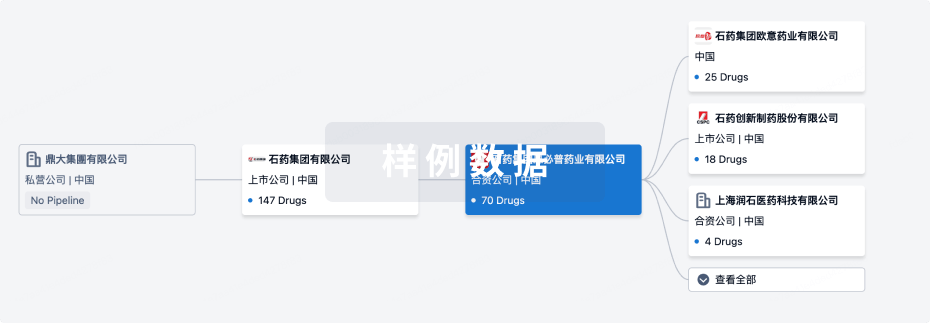
组织架构
使用我们的机构树数据加速您的研究。
登录
或
管线布局
2026年09月21日管线快照
管线布局中药物为当前组织机构及其子机构作为药物机构进行统计,早期临床1期并入临床1期,临床1/2期并入临床2期,临床2/3期并入临床3期
临床前
3
5
其他
登录后查看更多信息
当前项目
| 药物(靶点) | 适应症 | 全球最高研发状态 |
|---|---|---|
Corylin ( GlyT1 x SLC7A11 x STAT3 x UGT1A1 x c-Myc ) | 肝病 更多 | 临床前 |
Compound 6i1(Linyi University) | 结直肠癌 更多 | 临床前 |
Compound 6i2(Linyi University) | 结直肠癌 更多 | 临床前 |
Doxorubicin-EVs-RCT(Linyi University) | 肿瘤 更多 | 终止 |
GB2630834 专利挖掘 | 高尿酸血症 更多 | 终止 |
登录后查看更多信息
药物交易
使用我们的药物交易数据加速您的研究。
登录
或
转化医学
使用我们的转化医学数据加速您的研究。
登录
或
营收
使用 Synapse 探索超过 36 万个组织的财务状况。
登录
或
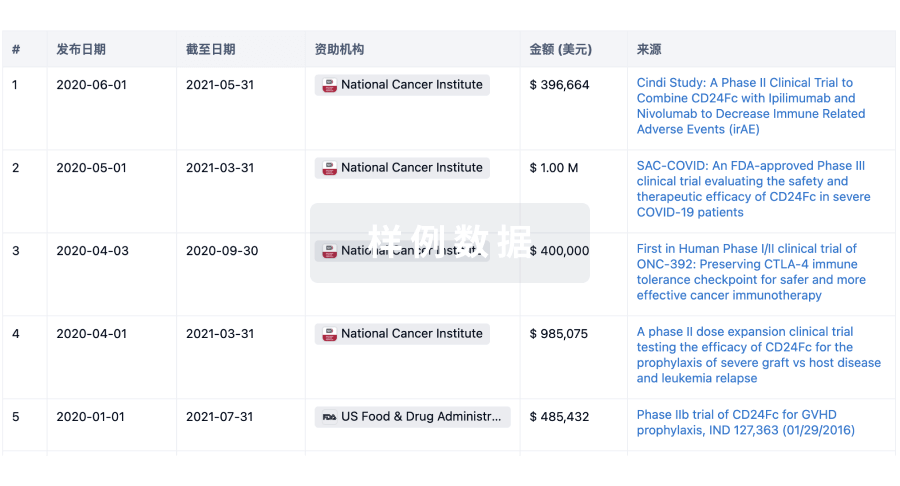
科研基金(NIH)
访问超过 200 万项资助和基金信息,以提升您的研究之旅。
登录
或
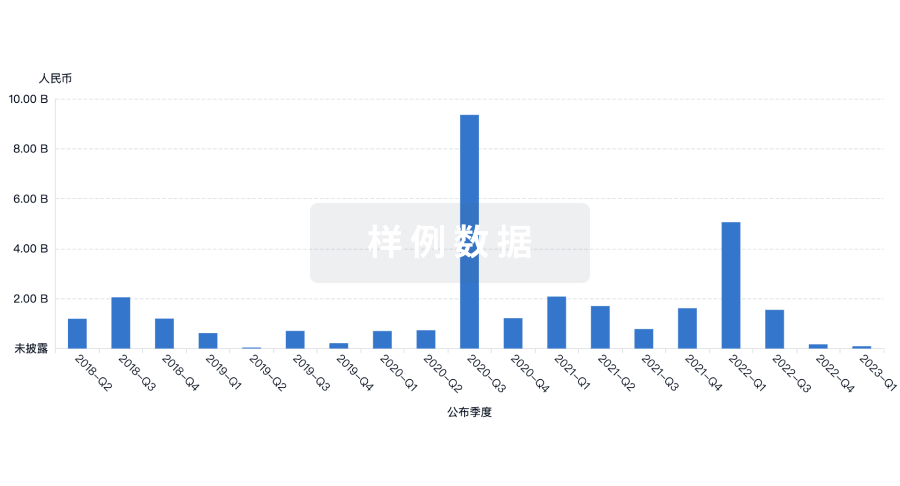
投资
深入了解从初创企业到成熟企业的最新公司投资动态。
登录
或
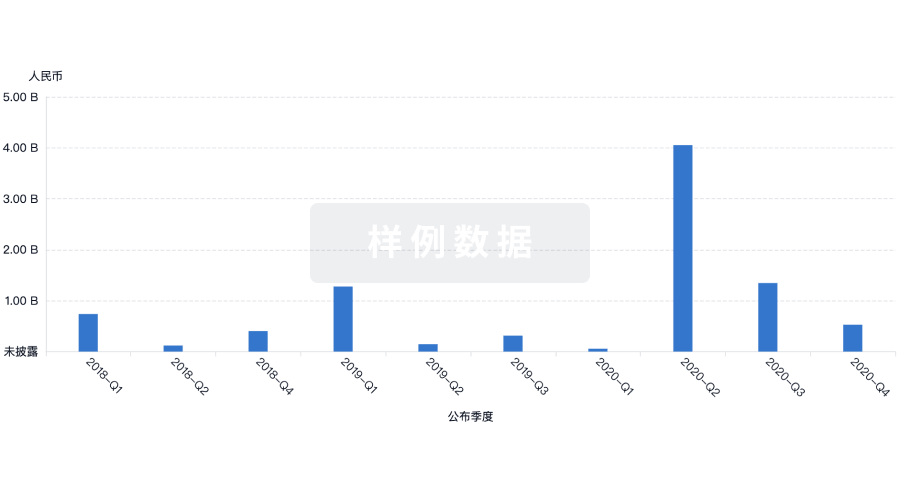
融资
发掘融资趋势以验证和推进您的投资机会。
登录
或
提出任何生物医药研究问题
让每一步生物医药决策都精准制胜
基于十亿级生物数据与全球情报的精准 AI,赋能早期药物发现
立即开始免费试用!
智慧芽新药情报库是智慧芽专为生命科学人士构建的基于AI的创新药情报平台,助您全方位提升您的研发与决策效率。
立即接入生物医药数据包
智慧芽新药库数据也通过智慧芽开放平台,以MCP或API服务形式对外开放。立即使用我们的MCP服务定制您的LLM智能体。
生物序列数据库
生物药研发创新
免费使用
化学结构数据库
小分子化药研发创新
免费使用