预约演示
更新于:2025-12-06

MRC Cognition & Brain Sciences Unit
更新于:2025-12-06
概览
关联
ISRCTN14329613
Protocol for a randomized controlled trial investigating an intervention to boost decentering in response to distressing mental experiences during adolescence: The Decentering in Adolescence Study (DECADES)
ISRCTN11489327
Investigating the effects of home based working memory vs selective attention training on cognitive functions and self-reported everyday functioning in individuals with chronic brain lesions - an exploratory proof of concept study.
100 项与 MRC Cognition & Brain Sciences Unit 相关的临床结果
登录后查看更多信息
登录后查看更多信息
2025-11-01JOURNAL OF EARLY ADOLESCENCE
The Relationship between Perceived Friendship Quality and Self-Judgements in Adolescent Girls from London
Article
作者: Blakemore, Sarah-Jayne ; Kuyken, Willem ; Dalgleish, Tim ; Janaarthanan, Kaushalya ; Piera Pi-Sunyer, Blanca ; Ratcliffe, Katy ; Evans, Jessica ; Ahmed, Saz
Understanding ourselves within our peer environment is an important component of self-development during adolescence, the period of life between the onset of puberty and adulthood (between ages 10 and 24 years). We used a self-appraisal paradigm to investigate cross-sectionally the relationship between perceived friendship quality and self-judgements in adolescent girls. One hundred and sixty-three girls (9–15 years), recruited from London, United Kingdom, rated how well a set of positive and negative adjectives described themselves, or a chosen familiar other. Participants also completed a self-report friendship quality questionnaire. Higher perceived friendship quality predicted lower negative self-judgements and higher positive self-judgements. These relationships did not change across the age range tested, but there was an overall decrease in positivity effect (higher positive judgements compared to negative judgements) with age. These findings highlight the importance of investigating how different components of peer relationships are related to self-concept development in adolescence.
2025-11-01TRENDS IN NEUROSCIENCES
Apathy as a failure of active inference
Review
作者: Williams, Rebecca S ; Rowe, James B
Apathy is a common symptom across a wide range of neurodegenerative and psychiatric conditions, characterised by a loss of goal-directed action. It is associated with faster rates of cognitive and functional decline, poor prognosis, and high caregiver burden. Effective treatments remain elusive. In this article, we propose that apathy is not merely the result of actions becoming undesirable due to insufficient reward or an inflated sense of cost. Instead, actions become unnecessary due to a loss of prior precision on action outcomes in the context of the 'Bayesian brain'. We outline the theoretical background and current evidence to support this framework and propose testable hypotheses regarding the behaviour, neuroanatomy, and neuropharmacology of apathy.
2025-08-01JASA Express Letters
A comparison of electrophysiological measures for characterizing the cochlear-implant electrode-neuron interface
Article
作者: Sismono, Fergio ; Goehring, Tobias ; Guérit, François ; Carlyon, Robert P. ; Garcia, Charlotte ; Arzounian, Dorothée
The health of the auditory nerve is a key factor for hearing outcomes in cochlear-implant patients. Many electrophysiological markers of auditory-neural health have been proposed, with varying predictive power and independence from non-neural factors. The “Failure Index” (FI), the ratio between stimulation current level and response magnitude of the electrically-evoked compound action potential (eCAP) was compared to the Panoramic eCAP method. Both methods predicted localized areas of reduced neural responsiveness in a group of human cochlear-implant users, but the FI showed a greater dependence on a non-neural factor, namely, the distances between the cochlear-implant electrodes and the auditory nerves.
100 项与 MRC Cognition & Brain Sciences Unit 相关的药物交易
登录后查看更多信息
100 项与 MRC Cognition & Brain Sciences Unit 相关的转化医学
登录后查看更多信息
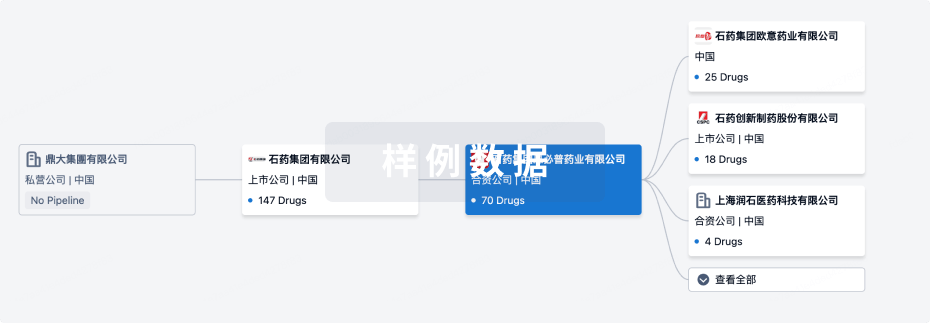
组织架构
使用我们的机构树数据加速您的研究。
登录
或
管线布局
2026年02月08日管线快照
无数据报导
登录后保持更新
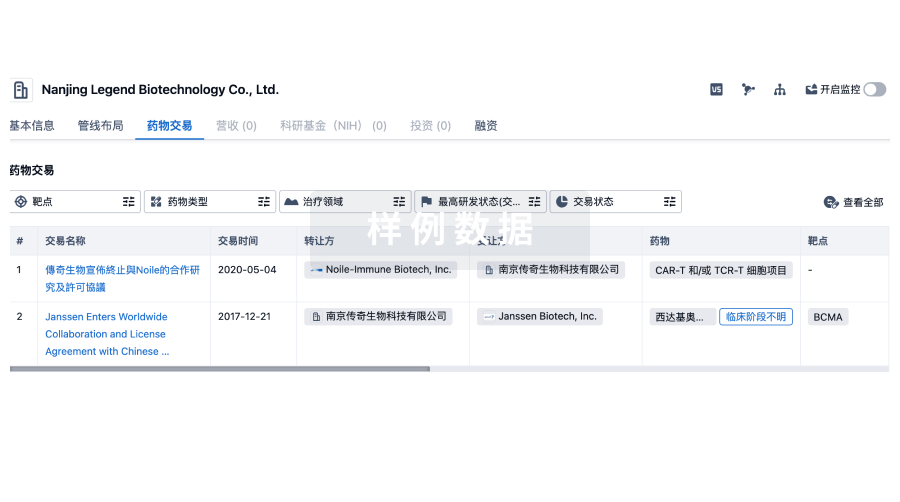
药物交易
使用我们的药物交易数据加速您的研究。
登录
或
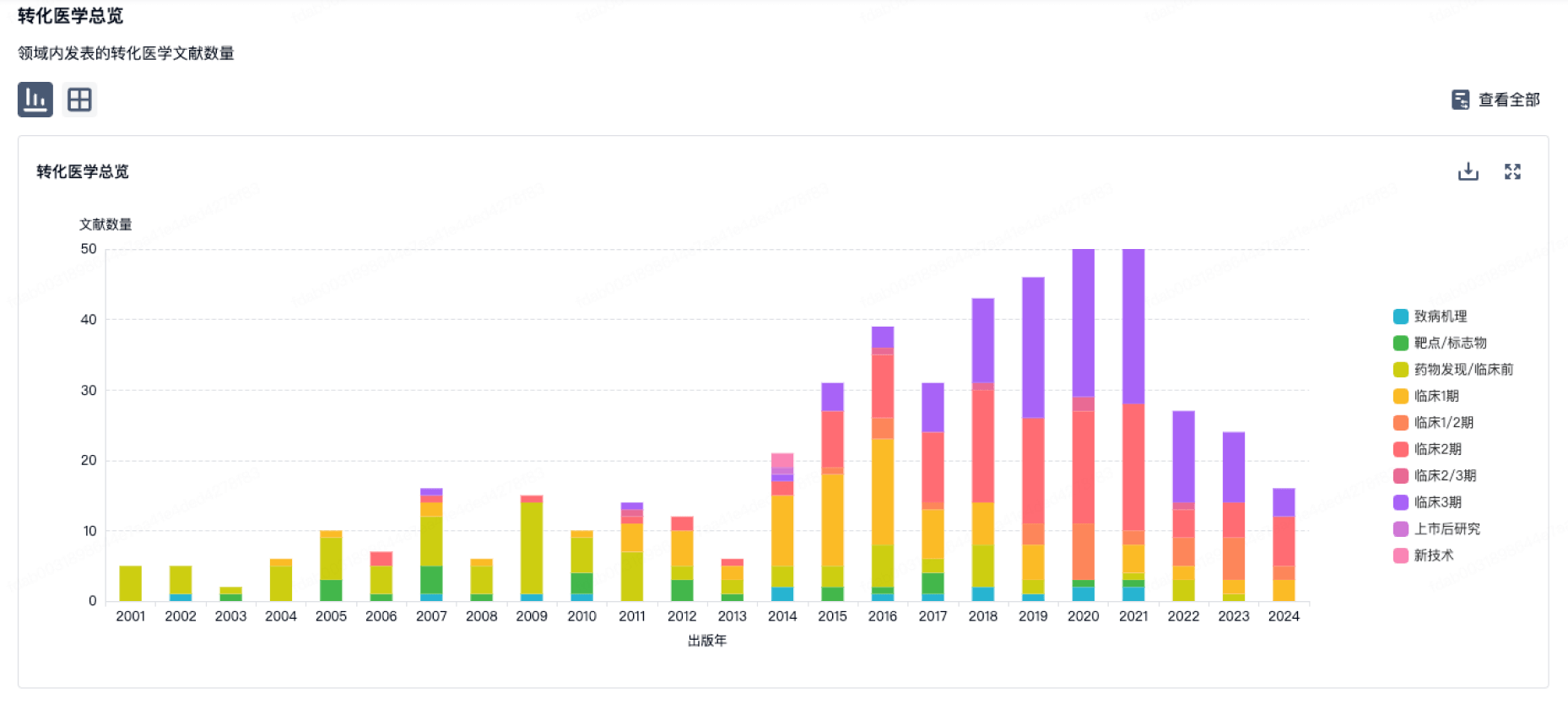
转化医学
使用我们的转化医学数据加速您的研究。
登录
或
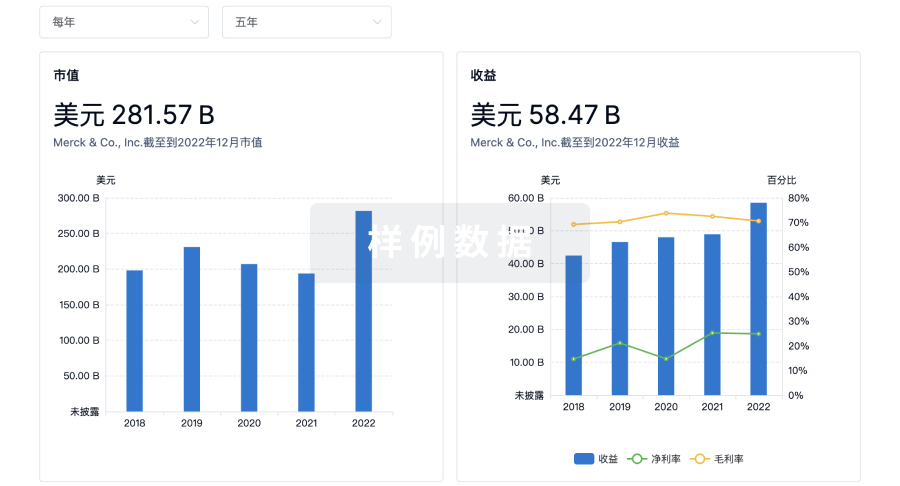
营收
使用 Synapse 探索超过 36 万个组织的财务状况。
登录
或
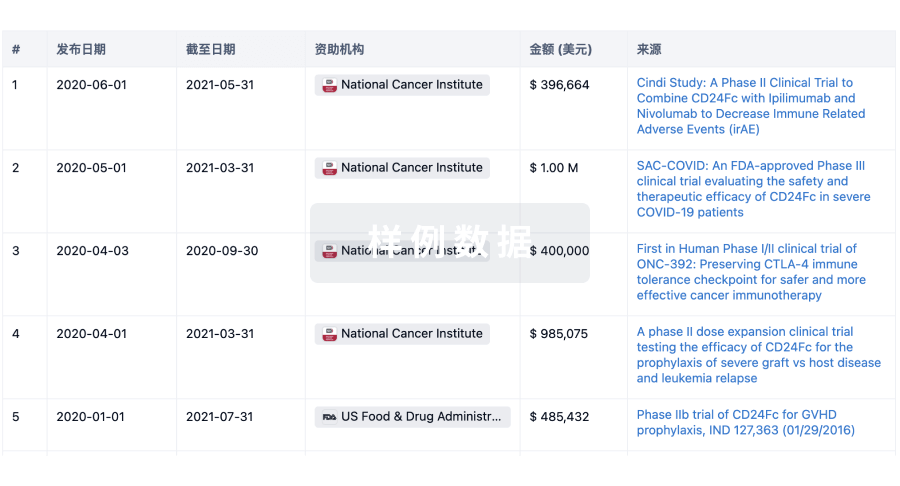
科研基金(NIH)
访问超过 200 万项资助和基金信息,以提升您的研究之旅。
登录
或
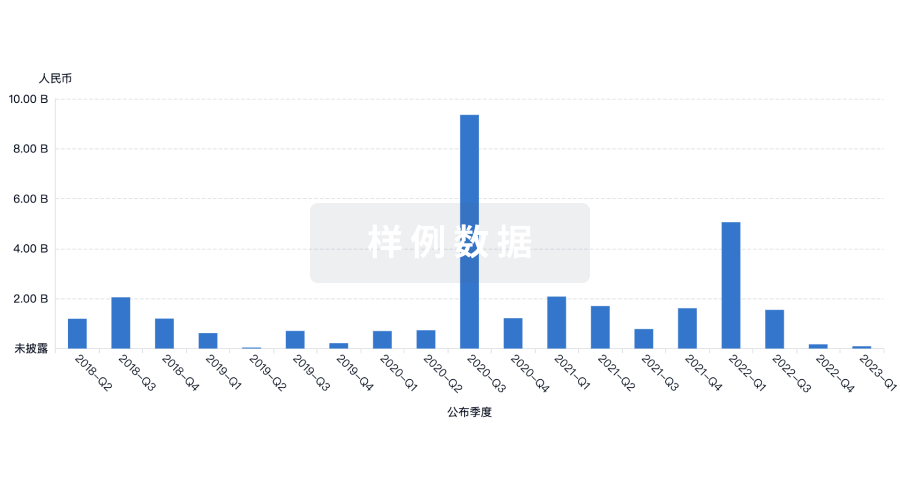
投资
深入了解从初创企业到成熟企业的最新公司投资动态。
登录
或
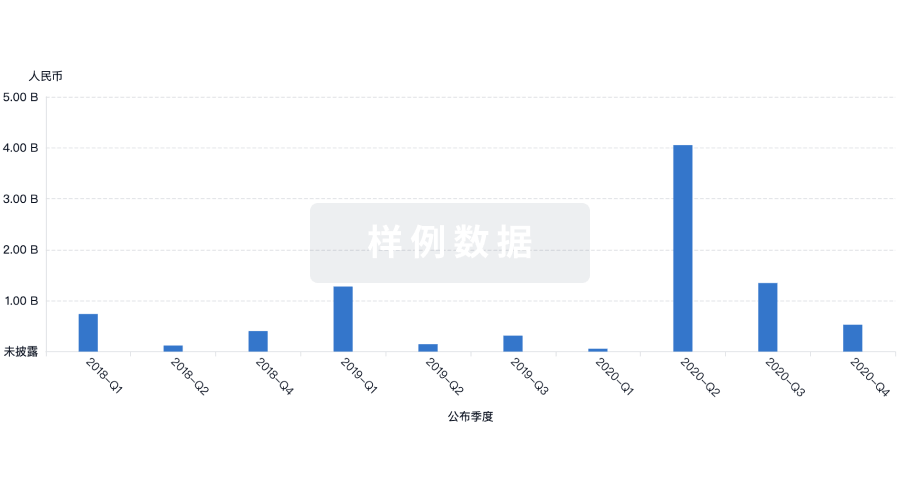
融资
发掘融资趋势以验证和推进您的投资机会。
登录
或
生物医药百科问答
全新生物医药AI Agent 覆盖科研全链路,让突破性发现快人一步
立即开始免费试用!
智慧芽新药情报库是智慧芽专为生命科学人士构建的基于AI的创新药情报平台,助您全方位提升您的研发与决策效率。
立即开始数据试用!
智慧芽新药库数据也通过智慧芽数据服务平台,以API或者数据包形式对外开放,助您更加充分利用智慧芽新药情报信息。
生物序列数据库
生物药研发创新
免费使用
化学结构数据库
小分子化药研发创新
免费使用