预约演示
更新于:2025-12-08

Steno Diabetes Center Copenhagen
更新于:2025-12-08
概览
关联
CTIS2023-509118-12-00
Sotagliflozin for the treatment of post-bariatric hypoglycaemia: The ONSIDE study
NCT07262788
A Feasibility Study of Optimal Non-Pharmacological Lifestyle Modifications in People With Type 2 Diabetes (ON LiMiT)
CTIS2023-507449-27-01
A biomarker-targeted clinical trial to optimize treatment for patients with chronic kidney disease
100 项与 Steno Diabetes Center Copenhagen 相关的临床结果
登录后查看更多信息
登录后查看更多信息
2026-01-01Lancet Regional Health-Europe
Brand-specific influenza vaccine effectiveness in three Nordic countries during the 2024–2025 season: a target trial emulation study based on registry data
Article
作者: Hviid, Anders ; Faksova, Kristyna ; Biering-Sørensen, Tor ; Leino, Tuija ; Thiesson, Emilia Myrup ; Ljung, Rickard ; Poukka, Eero ; Pihlström, Nicklas ; Baum, Ulrike
Background:
Seasonal influenza causes substantial morbidity and mortality in older adults. While vaccination is recommended in Nordic countries for individuals aged ≥65 years, brand-specific effectiveness estimates are scarce but essential for regulatory decision-making. We evaluated brand-specific effectiveness of seasonal influenza vaccines against laboratory-confirmed influenza-related outcomes in Denmark, Finland, and one Swedish region during the 2024/2025 season.
Methods:
We conducted a nationwide cohort study using target trial emulation and linked health registries. Individuals aged ≥65 years were matched 1:1, comparing seasonal influenza vaccine recipients to non-recipients. Cumulative incidences of laboratory-confirmed influenza A and B, influenza-related hospitalisation, and death were assessed at 18 weeks post-immunisation. Vaccine effectiveness (VE) was calculated as 1 minus the risk ratio.
Findings:
A total of 1,164,686 matched pairs were included (mean age 75.4 years, standard deviation 7.3). Overall VE against influenza-related hospitalisation was 46.8% (95% CI 40.8-52.9), with risk differences of -21.3 (-28.9 to -13.8) and -99.3 (-119.6 to -79.1) in Finland and Denmark, respectively, per 100,000 vaccinated individuals. Brand-specific VE was 63.4% (38.1-88.7) for Efluelda Tetra (split virion-high dose), 48.2% (40.8-55.6) for Fluad Tetra (subunit standard-dose adjuvanted), 43.6% (23.7-63.6) for Vaxigrip Tetra (split virion standard-dose), and 30.6% (-7.8 to 69.1) for Influvac Tetra (subunit standard-dose). VE waned by -6.5 percentage points (-10.5 to -2.5) every 3 weeks.
Interpretation:
Seasonal influenza vaccines moderately reduced the risk of severe outcomes in older adults. Efluelda Tetra and Fluad Tetra appeared to offer favourable protection in their respective target groups, supporting their use in the 2025/2026 season. Annual monitoring using Nordic registries is crucial for informing evidence-based vaccination strategies and regulatory decisions.
Funding:
European Medicines Agency.
2026-01-01GUT
Mucosal transcriptomic landscape along the small and large intestines in individuals with and without type 2 diabetes
Article
作者: Gilliam-Vigh, Hannah ; Lund, Asger Bach ; Vilsbøll, Tina ; Jensen, Benjamin Anderschou Holbech ; Knop, Filip Krag ; Rigbolt, Kristoffer ; Ellegaard, Anne Marie ; Madsen, Martin Rønn
Background:
A detailed mapping of functional differences among intestinal regions in healthy individuals remains incomplete. Identifying regional alterations in individuals with type 2 diabetes (T2D) could enhance our understanding of disease-related intestinal changes.
Objective:
To characterise the transcriptomic landscape along the entire intestinal tract in healthy individuals and those with T2D, and to create a publicly accessible database for future research.
Design:
In this observational study, mucosal biopsies were obtained from 16 sites along the intestinal tract through anterograde and retrograde double-balloon endoscopy in 12 individuals with T2D and 12 normoglycaemic matched healthy individuals. Full transcriptomic analysis was performed. Genes with significantly different expressions between intestinal regions were analysed in terms of their biological mechanisms in healthy individuals, while regional expression profiles were compared between individuals with and without T2D.
Results:
In healthy individuals, distinct gene clusters in the small and large intestines were associated with processes including immune response, mitochondrial activity and metabolism of organic substances. Individuals with T2D exhibited alterations in immune system activity and barrier permeability in the ileocaecal region and the large intestine.
Conclusion:
Our study offers a detailed mapping of the transcriptomic landscape in the human intestinal tract, demonstrating regionalised gene expression profiles tied to critical biological processes. Notable alterations in immune system activity in the large intestine were observed in individuals with T2D. The publicly available database generated from this study (
https://rnaseq.gubra.dk/
) provides a valuable resource for exploring the mucosal transcriptome along the human intestinal tract.
Trial registration number:
NCT03044860
2025-12-01EMERGENCY MEDICINE JOURNAL
Quantitative evaluation of patients’ digital capability evaluated in an emergency department setting: a cross-sectional study
Article
作者: Juul Larsen, Jesper ; Andersen Schmidt, Thomas ; Seemann, Helle ; Bundsgaard Andersen, Louise ; Rosenmai, Gry ; Marsaa, Kristoffer
Objectives:
The main aim of the study was (1) to assess digital literacy among acutely admitted patients in an ED, (2) to provide quantitative data relating to the ‘inverse information law’. We hypothesised that a large proportion of acutely admitted patients are digitally incapable, and there is a link between age, frailty, hospital admittances and digital incapability.
Design:
This study is a single-centre, cross-sectional, prospective case-controlled questionnaire study. Clinical Frailty Scale (CFS), gender and age were collected from the patients’ electronic medical reports. Information regarding smartphone usage, ability to access public mail/communication, educational level, living situation and number of admittances the last year were patient-reported bedside. Subsequently, ability to use a digital platform was tested.
Setting:
A secondary care ED in Denmark, with a high level of broadband penetration, allows easy digital access.
Participants:
A total of 588 patients were assessed for eligibility, hereof 468 patients were included. Inclusion criteria were age above 18 years, admitted for treatment of an internal medicine or surgical problem, triaged non-emergent in a stable condition, informed oral and written consent.
Main outcome measures:
The proportions of acutely admitted patients who were digitally capable versus incapable whether there is a link between age, frailty, hospital admittances and digital incapability.
Results:
Among patients included, 57% (n=265) had high digital literacy, while 43% (n=203) had low literacy Δ%=14. The high digital capability group was significantly younger by 23% (15.3, 20.5) p<0.001 and had lower CFS than the low digital capability group 2.3 versus 4.2 (1.7, 2.3) p<0.001. The low digital capability group had 1.6-fold more admittances the previous year (0.5, 1.2) p<0.001.
Conclusions:
The proportion of digitally illiterate patients is high (43%), and they are older, frailer and have more hospital admittances and less high education than digitally literate patients. There is a significant digital divide that needs to be considered in health care.
100 项与 Steno Diabetes Center Copenhagen 相关的药物交易
登录后查看更多信息
100 项与 Steno Diabetes Center Copenhagen 相关的转化医学
登录后查看更多信息
组织架构
使用我们的机构树数据加速您的研究。
登录
或
管线布局
2026年10月16日管线快照
无数据报导
登录后保持更新
药物交易
使用我们的药物交易数据加速您的研究。
登录
或
转化医学
使用我们的转化医学数据加速您的研究。
登录
或
营收
使用 Synapse 探索超过 36 万个组织的财务状况。
登录
或
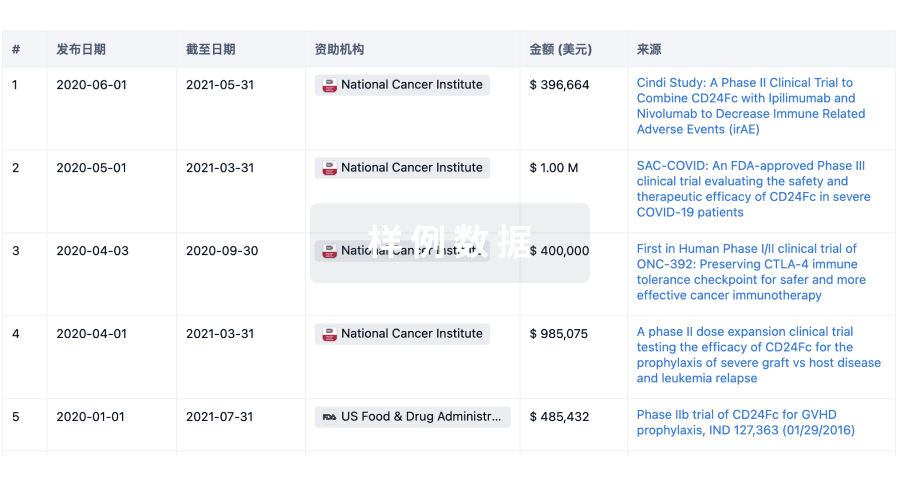
科研基金(NIH)
访问超过 200 万项资助和基金信息,以提升您的研究之旅。
登录
或
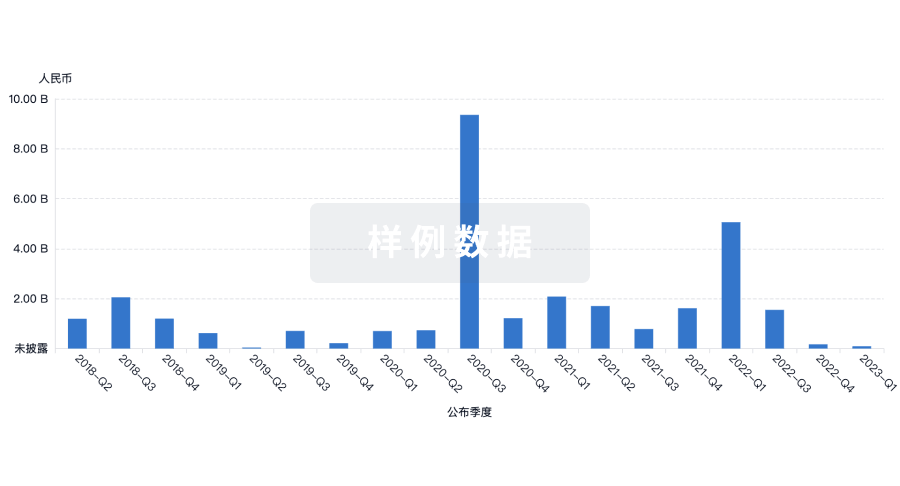
投资
深入了解从初创企业到成熟企业的最新公司投资动态。
登录
或
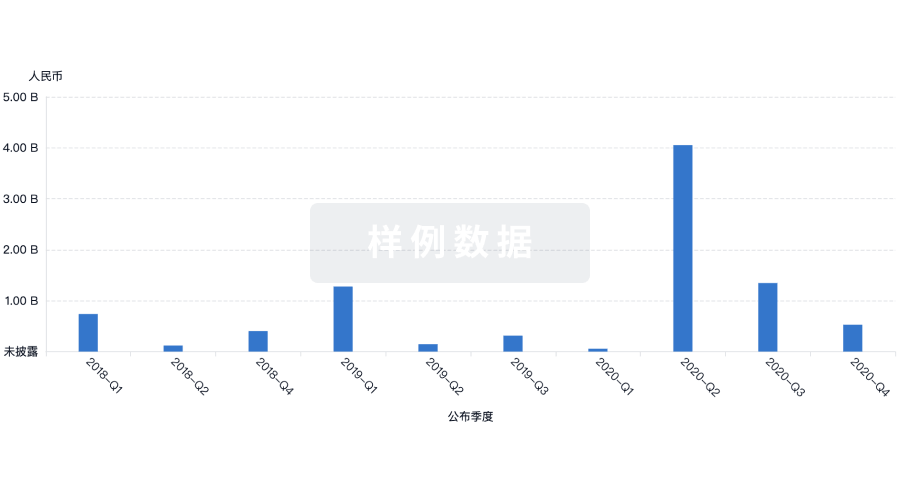
融资
发掘融资趋势以验证和推进您的投资机会。
登录
或
提出任何生物医药研究问题
让每一步生物医药决策都精准制胜
基于十亿级生物数据与全球情报的精准 AI,赋能早期药物发现
立即开始免费试用!
智慧芽新药情报库是智慧芽专为生命科学人士构建的基于AI的创新药情报平台,助您全方位提升您的研发与决策效率。
立即接入生物医药数据包
智慧芽新药库数据也通过智慧芽开放平台,以MCP或API服务形式对外开放。立即使用我们的MCP服务定制您的LLM智能体。
生物序列数据库
生物药研发创新
免费使用
化学结构数据库
小分子化药研发创新
免费使用