预约演示
更新于:2025-12-06
Batterjee Medical College
更新于:2025-12-06
概览
关联
NCT07002736
The Impact of Balance Training on Functional Performance and Fall Risk in Community-Dwelling Older Adults Following Recovery From COVID-19"

NCT06856473
Effects of Dry Needling on Spasticity and Functional Ability in Children With Cerebral Palsy
NCT06990581
Effect of Core Exercises on Trunk Stability and Balance
100 项与 Batterjee Medical College 相关的临床结果
登录后查看更多信息
登录后查看更多信息
2026-02-01COMPUTATIONAL BIOLOGY AND CHEMISTRY
In silico identification of a prognostic gene signature and virtual screening for hepatocellular carcinoma
Article
作者: Abdel-Daim, Mohamed M ; Bufarwa, Salah W ; Altalhi, Rawan ; Bibi, Shabana ; Aslam, M Kashif ; Albadrani, Ghadeer M ; Fatima, Shanzay ; Amin, Ayesha ; Sayed, Amany A ; Belaidi, Mustapha ; Zahid, Sadia
Hepatocellular carcinoma (HCC) remains one of the leading causes of cancer-related deaths globally, with limited treatment options and a poor prognosis. The identification of reliable prognostic biomarkers and novel therapeutic candidates is essential for improving patient outcomes. This study employed an integrative bioinformatics and molecular simulation approach to uncover key gene signatures and explore potential plant-based therapeutics for HCC. Gene expression profiles from the GEO dataset GSE121248 were analyzed using R-based statistical tools to identify differentially expressed genes (DEGs). Key hub genes were selected through protein-protein interaction network analysis and functional enrichment. Three hub genesCOL1A1, NQO1, and FOS-were identified, and their expression was validated using the TCGA, GEPIA, and HPA databases. Notably, COL1A1 and NQO1 were upregulated in tumor tissues and associated with poor survival outcomes, while FOS was downregulated. To identify therapeutic candidates, bioactive compounds from Astragalus membranaceus were screened using ADMET profiling. Selected compounds were docked with the hub proteins, and molecular dynamics simulations, MM/GBSA binding energy calculations, and quantum chemical descriptors were employed to evaluate stability and reactivity. Among the candidates, isorhamnetin demonstrated strong and stable binding to all three hub targets, suggesting its potential as a multi-target inhibitor for HCC therapy. These findings provide new insights into HCC pathogenesis and propose isorhamnetin as a promising natural compound for further experimental validation.
2026-01-01FITOTERAPIA
Radicicol - A multifaceted natural product with promising anticancer and anti-inflammatory activities: Insights into its mechanisms and therapeutic perspectives
Review
作者: Elsammani, Tasnim O ; Abdallah, Hossam M ; Mohamed, Gamal A ; Ibrahim, Sabrin R M ; Abdulaal, Ola Marwan ; Omar, Abdelsattar M ; Mohamed, Hagar M
Radicicol (RAD) is a 14-membered resorcylic acid lactone biosynthesized mainly by fungi, originally known as an antifungal antibiotic and later as a potent Hsp90 (heat shock protein 90) inhibitor with diverse bioactivities. The current work aimed to provide a comprehensive review of RAD, including its pharmacological activities and mechanisms of action, as well as its sources, biosynthesis, isolation, and characterization. RAD possessed potent anticancer activity mediated by high-affinity inhibition of Hsp90. By disrupting the stability of oncogenic client proteins such as Raf-1, HER2, and Akt, RAD modulated key signaling pathways, induced apoptosis, and suppressed tumor progression. It also augmented the efficacy of chemotherapeutics and radiotherapy and targeted additional enzymes like ATP citrate lyase and topoisomerase II. Additionally, it demonstrated notable anti-inflammatory, anti-obesity, antiparasitic, antifungal, and antiviral capacities. These findings highlight RAD's significance as a multifunctional therapeutic scaffold for treating cancer and other disorders.
2025-12-31ANNALS OF MEDICINE
Managing cognitive impairment in patients with chronic obstructive pulmonary disease (COPD) in Saudi Arabia: what are the current practices?
Article
作者: Alahmari, Mushabbab A. ; Alshehri, Faisal A. ; Alrashed, Khalid ; Alrajeh, Ahmed M. ; Mesbah, Ataa F. ; Algarni, Saleh S. ; Alahmadi, Fahad H. ; Alqahtani, Jaber S. ; Siraj, Rayan A. ; Alhasani, Rehab ; Alyami, Mohammed M. ; Alghamdi, Abdulrhman S. ; Sabir, Nawaf E. ; Alghamdi, Saeed M. ; Alruwaili, Abdullah ; Alanazi, Turki M. ; Aldhahir, Abdulelah M. ; Alqarni, Abdullah A. ; Alsindi, Tawah H. ; Alshammari, Talal
OBJECTIVE:
Cognitive impairment is a common comorbidity, yet overlooked, in patients with chronic obstructive pulmonary disease (COPD). However, little is known about the current practice and perceptions of physicians on recognising and managing cognitive impairment in patients with COPD in Saudi Arabia. This study aimed to investigate current practices and perceptions of physicians in Saudi Arabia regarding the recognition and management of cognitive impairment in COPD patients.
METHODS:
An online cross-sectional questionnaire was distributed between March and October 2023 to physicians in Saudi Arabia. The collected responses were analysed using descriptive statistics.
RESULTS:
A total of 808 physicians completed the online survey. Of whom, only 19% indicated receiving adequate training for managing cognitive impairment. Although the vast majority of physicians reported that cognitive impairment leads to underestimation of COPD severity (85%) and interferes with self-management (85%), only 11% agreed on the important role of screening. In addition, only half of the study participants aimed to identify possible cognitive impairment, with only 4% screening for cognitive impairment during patients' assessment. The overall confidence level in recognising and managing cognitive impairment was relatively low. The most common barriers contributing to the suboptimal management of cognitive impairment in COPD were poor training (62%), the absence of standardised procedures (63%) and limited knowledge (58%) about cognitive impairment in COPD.
CONCLUSION:
The current practice of recognising and managing cognitive impairment in Saudi Arabia is suboptimal. This is likely to be attributed to inadequate training, the absence of standardised procedures, and limited knowledge about cognitive impairment in COPD. Healthcare systems should provide more training and implement a holistic approach to detect and manage cognitive impairment during patients' visits.
100 项与 Batterjee Medical College 相关的药物交易
登录后查看更多信息
100 项与 Batterjee Medical College 相关的转化医学
登录后查看更多信息
组织架构
使用我们的机构树数据加速您的研究。
登录
或
管线布局
2026年02月08日管线快照
无数据报导
登录后保持更新
药物交易
使用我们的药物交易数据加速您的研究。
登录
或
转化医学
使用我们的转化医学数据加速您的研究。
登录
或
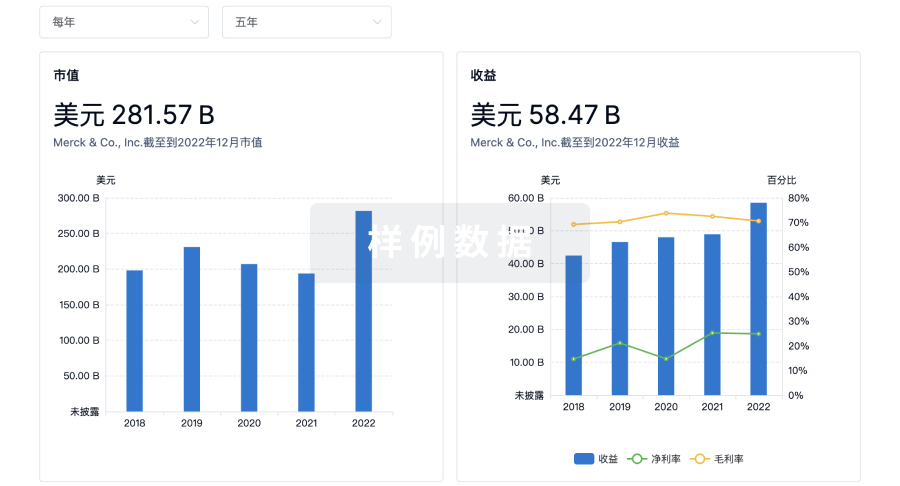
营收
使用 Synapse 探索超过 36 万个组织的财务状况。
登录
或
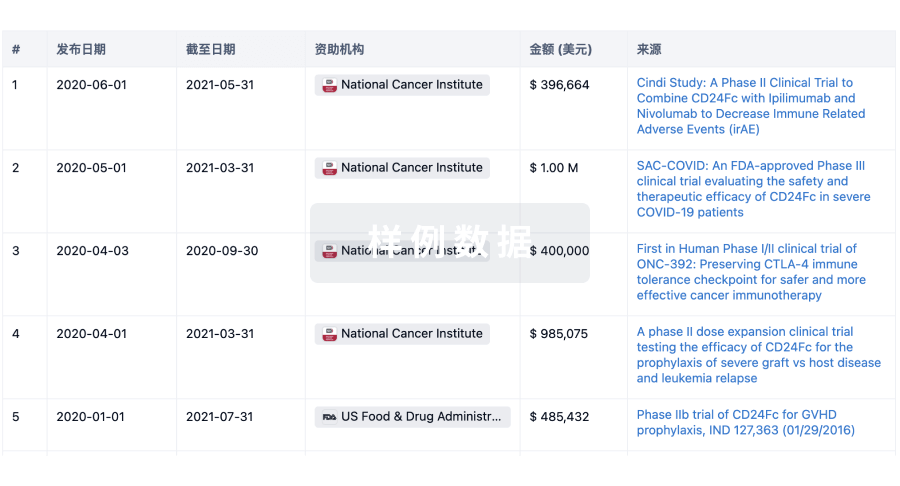
科研基金(NIH)
访问超过 200 万项资助和基金信息,以提升您的研究之旅。
登录
或
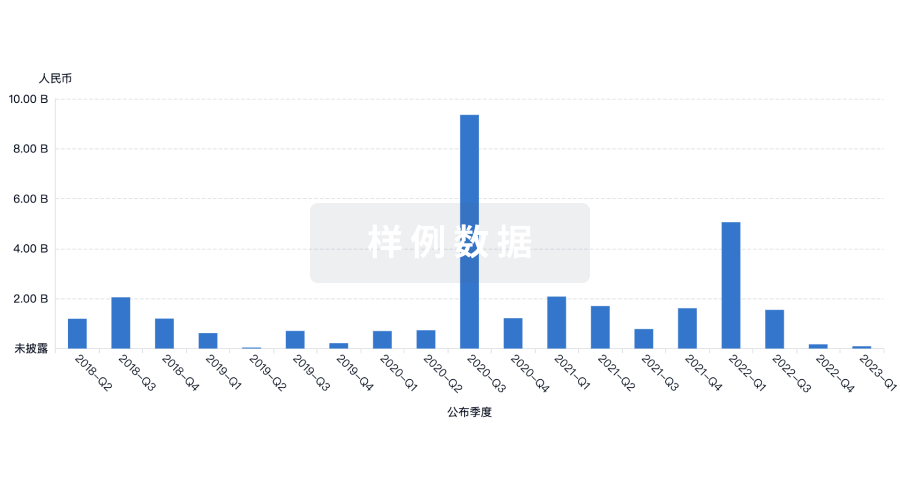
投资
深入了解从初创企业到成熟企业的最新公司投资动态。
登录
或
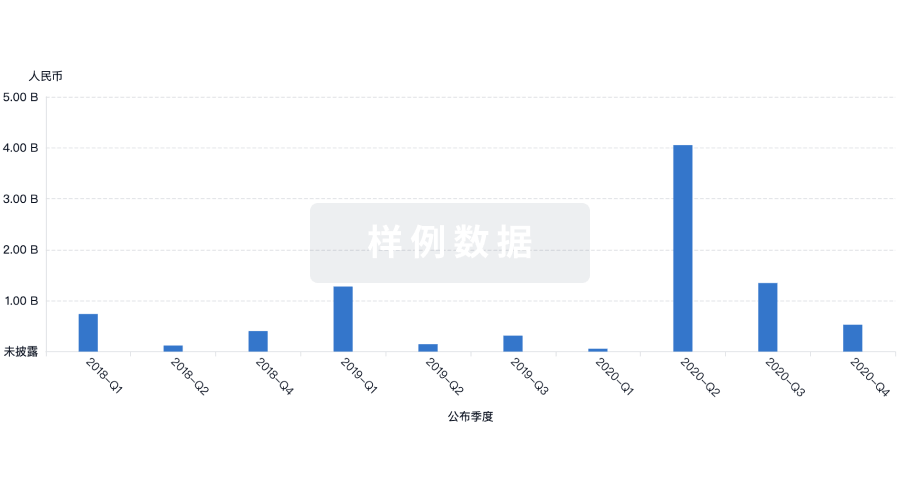
融资
发掘融资趋势以验证和推进您的投资机会。
登录
或
生物医药百科问答
全新生物医药AI Agent 覆盖科研全链路,让突破性发现快人一步
立即开始免费试用!
智慧芽新药情报库是智慧芽专为生命科学人士构建的基于AI的创新药情报平台,助您全方位提升您的研发与决策效率。
立即开始数据试用!
智慧芽新药库数据也通过智慧芽数据服务平台,以API或者数据包形式对外开放,助您更加充分利用智慧芽新药情报信息。
生物序列数据库
生物药研发创新
免费使用
化学结构数据库
小分子化药研发创新
免费使用