Menopur And Rekovelle Combination Study Version 2.0
The goal of this clinical trial is to evaluate the safety and effectiveness of a personalized ovarian stimulation regimen in women aged 18 to 40 undergoing in vitro fertilization (IVF). The main question it aims to answer is:
- Does personalizing the starting doses of follitropin delta (REKOVELLE) and HP-hMG (MENOPUR) based on both age and body lead to similar results as anti-Müllerian hormone (AMH) and weight based dosing ?
Researchers will compare the new dosing regimen to the MARCS study results to see if this new approach leads to similar outcomes
Participants will:
* Receive ovarian stimulation using a personalized dose of REKOVELLE aND MENOPUR based on age and weight
* Be monitored through ultrasound imaging and blood tests to measure estradiol (E2) levels
* Undergo standard IVF procedures including egg retrieval and embryo assessment
Outcomes From Secondary Ovulation Induction Following Failed Oocyte Pick-up IVF Cycles
Studies reported various risk factors for inadequate ovulation induction such as body mass index, low ovarian reserve, low baseline FSH and LH, and previous use of contraception or agonist.
The flexibility to use human chorionic gonadotropin (hCG) or gonadotropin-releasing hormone agonist (GnRHa) in ovulation induction for antagonist protocol or progestin primed ovarian stimulation (PPOS) is an advantage helping fertility doctors to decrease the risk of ovarian hyperstimulation syndrome. However, luteinizing hormone (LH) levels <15UI/L and progesterone ≤11.13nmol/L eight to twelve hours post GnRHa trigger were highly correlated to failed oocyte pickup (FOP).
Rescue hCG have been found to increase favorable outcomes in patients with FOP. The presence of false FOP could be due pharmaceutical reasons and human error. Genuine FOP could be due to intrinsic ovarian pathology.
The FOP is defined as the absence of oocytes after ovarian stimulation and follicular aspiration. It is an uncomfortable situation for the patient and medical team to deal with due to the apparent expectations of favorable results.
Ovulation induction could be via GnRHa, HCG, or both in antagonist protocol and PPOS protocol. Long or short agonist protocol could be triggered only via HCG.
Ovulation Trigger With Less Than 3 Follicles in Stimulated In-vitro Fertilization (IVF) Cycles
Poor responders in in-vitro fertilization (IVF) cycles represent a major challenge for fertility specialists. Although poor responders tend to have sub-optimal fertility treatment outcomes, many of these patients wish to attempt at least one IVF cycle. Traditionally, IVF cycles producing less than 3 to 4 mature follicles (measuring at least 14 mm) have either been cancelled or converted to intra-uterine insemination (IUI) due to the low pregnancy rates associated with these cycles. The minimal number of follicles required to proceed with egg collection is based on clinical experience, having been determined by weighing the probability of implantation and pregnancy versus the risk of not obtaining quality oocytes or reaching embryo transfer when fewer mature follicles are present. This retrospective quality control study aims to compare pregnancy rates in IVF cycles producing 3 follicles measuring 14 mm and more on trigger day, versus 2 or fewer follicles.
100 项与 Clinique Ovo, Inc. 相关的临床结果
0 项与 Clinique Ovo, Inc. 相关的专利(医药)
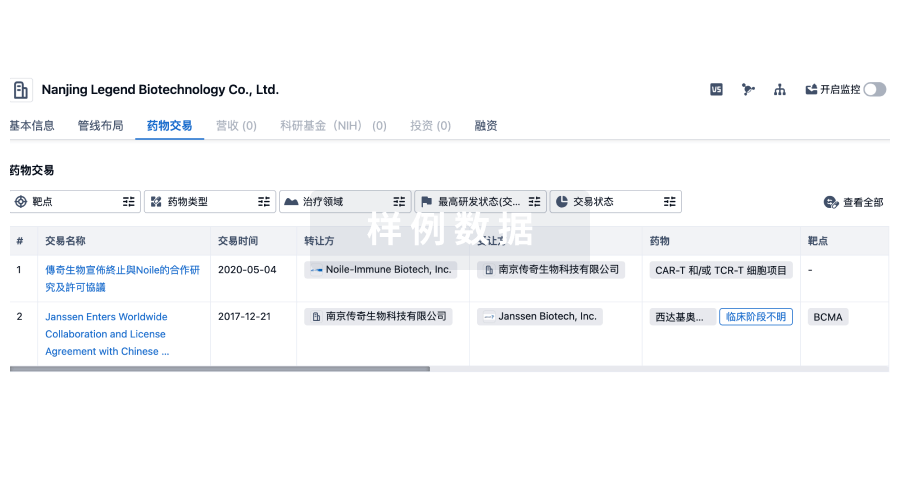
100 项与 Clinique Ovo, Inc. 相关的药物交易
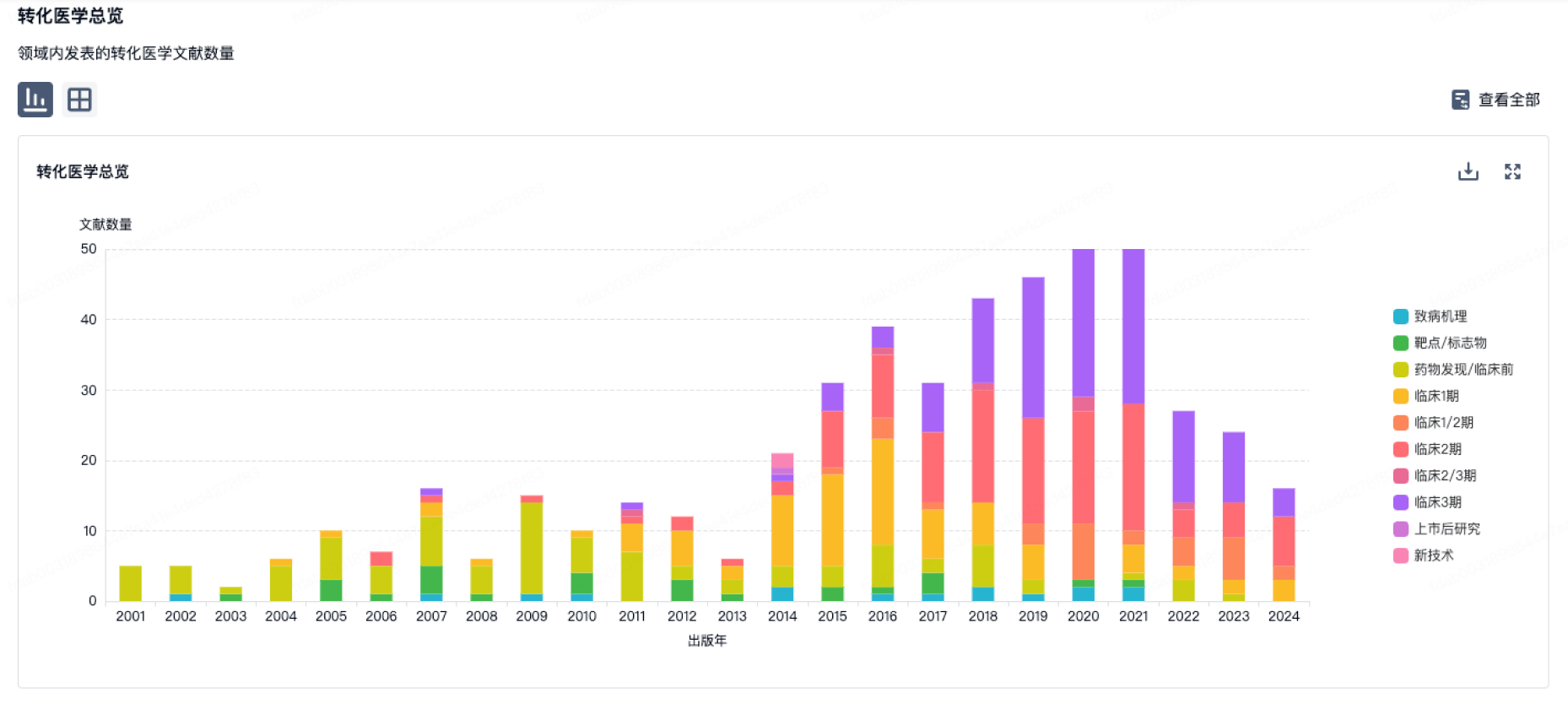
100 项与 Clinique Ovo, Inc. 相关的转化医学