预约演示
更新于:2025-05-07
Konyang University Hospital
更新于:2025-05-07
概览
关联
KCT0009829
Effect of opioid-free anesthesia on postoperative nausea and vomiting in patients undergoing breast surgery: a randomized controlled trial
KCT0008845
The effects of perineural dexamethasone as a adjunct to ropivacaine fascia iliaca block for hip fracture surgery; A Randomized Controlled Trial
KCT0008773
Comparison of the effects of sugammadex recommended dose (2mg/kg) and fixed dose of 200mg on the reversal of moderate neuromuscular block and recovery profile in adult patients
100 项与 Konyang University Hospital 相关的临床结果
登录后查看更多信息
登录后查看更多信息
2025-12-31Virulence
Restriction of mitochondrial oxidation of glutamine or fatty acids enhances intracellular growth of
Mycobacterium abscessus
in macrophages
Article
作者: Park, Hwan-Woo ; Kim, Ho Won ; Lee, Young Ik ; Kim, Jong-Seok ; Yoon, Hoe Sun ; Lee, Ji Won ; Lee, Sung Ki ; Whang, Jake
2025-08-01The Knee
Bidirectional barbed polydioxanone filament insertion in vastus medialis oblique muscle for knee osteoarthritis improvement
Article
作者: Choi, Sung-Woo ; Kim, Chang-Hyun ; Nam, Mi-Ae ; Lee, Dong-Woo ; Lee, Kang-San ; Kim, Hyoung-Ye ; Lee, Byung-Ryul ; Kwon, Sai-Won ; Oh, Byung-Hak
2025-06-01Psychiatry Research
Efficacy of digital therapeutic applications for cognitive training among older adults with mild cognitive impairment or dementia: A systematic review and network meta-analysis of randomized controlled trials
Review
作者: Rhee, Taeho Greg ; Lee, Yeo Wool ; Jeong, Hye Su ; Shim, Sung Ryul
2024-04-02

100 项与 Konyang University Hospital 相关的药物交易
登录后查看更多信息
100 项与 Konyang University Hospital 相关的转化医学
登录后查看更多信息
组织架构
使用我们的机构树数据加速您的研究。
登录
或
管线布局
2026年10月26日管线快照
无数据报导
登录后保持更新
药物交易
使用我们的药物交易数据加速您的研究。
登录
或
转化医学
使用我们的转化医学数据加速您的研究。
登录
或
营收
使用 Synapse 探索超过 36 万个组织的财务状况。
登录
或
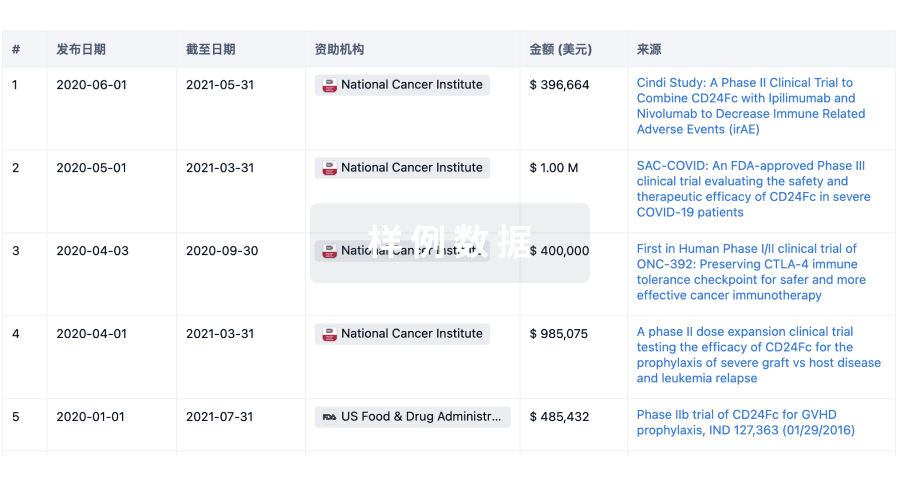
科研基金(NIH)
访问超过 200 万项资助和基金信息,以提升您的研究之旅。
登录
或
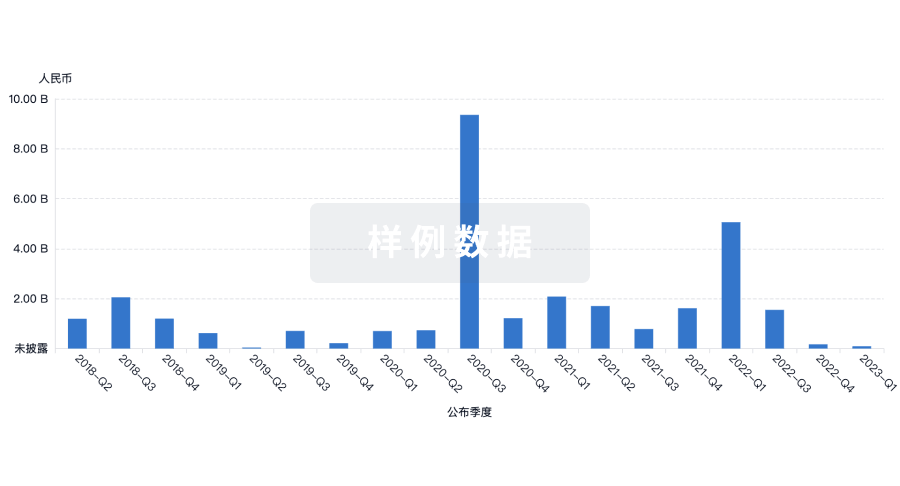
投资
深入了解从初创企业到成熟企业的最新公司投资动态。
登录
或
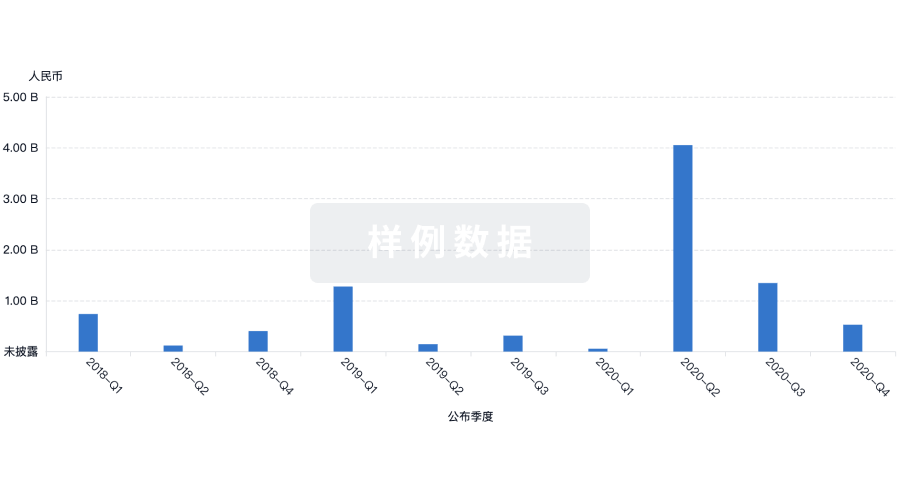
融资
发掘融资趋势以验证和推进您的投资机会。
登录
或
提出任何生物医药研究问题
让每一步生物医药决策都精准制胜
基于十亿级生物数据与全球情报的精准 AI,赋能早期药物发现
立即开始免费试用!
智慧芽新药情报库是智慧芽专为生命科学人士构建的基于AI的创新药情报平台,助您全方位提升您的研发与决策效率。
立即接入生物医药数据包
智慧芽新药库数据也通过智慧芽开放平台,以MCP或API服务形式对外开放。立即使用我们的MCP服务定制您的LLM智能体。
生物序列数据库
生物药研发创新
免费使用
化学结构数据库
小分子化药研发创新
免费使用