预约演示
更新于:2026-03-08

Universidad de Castilla-La Mancha
更新于:2026-03-08
概览
关联
NCT07405385
Cardiotoxicity Assessment and Reduction Through Exercise in BREAST Cancer
NCT05122325
Vibration and Transcutaneous Tibial Nerve Stimulation As a Treatment for Sexual Dysfunction in Women with Spinal Cord Injury: a Randomized Clinical Trial
NCT07419035
Efficacy of Bipolar Radiofrequency for Genitourinary Syndrome of Menopause in Postmenopausal Women: A Randomized, Sham-Controlled Clinical Trial
100 项与 Universidad de Castilla-La Mancha 相关的临床结果
登录后查看更多信息
登录后查看更多信息
2026-12-01Journal of Sport and Health Science
Low relative sit-to-stand power is associated with history of falls and fractures, prospective hospitalization, and all-cause mortality in older adults from the Toledo study for healthy aging
Article
作者: Alcazar, Julian ; Ara, Ignacio ; Alfaro-Acha, Ana ; Alegre, Luis M ; Garcia-Garcia, Francisco J ; Baltasar-Fernandez, Ivan ; Quiñonez-Bareiro, Fabio A ; Garcia-Aguirre, Mikel ; Rodriguez-Mañas, Leocadio
BACKGROUND:
Low relative sit-to-stand (STS) power has emerged as a critical predictor of adverse health outcomes, such as frailty and disability, in older adults. However, its impact on falls, fractures, hospitalizations, and all-cause mortality remains unclear. Therefore, this longitudinal study aimed to investigate the potential associations between low relative STS power and these adverse health outcomes in older adults.
METHODS:
A total of 1876 older adults (aged ≥65 years, 56.4% women) were included from the Toledo Study for Healthy Aging. Relative STS power was assessed using the 30-s STS test and the Alcazar equation. Participants were categorized as having low relative STS power based on previously established cut-off points (2.53 W/kg for men and 2.01 W/kg for women). Falls and fractures (hip and all-type) within the previous year were recorded. Hospitalizations and all-cause mortality were obtained during a follow-up of 6.8 ± 3.1 years (mean ± SD; median = 7.8 years; interquartile range: 3.9-10.1 years) and 9.7 ± 3.5 years (median = 10.9 years; interquartile range: 8.2-12.5 years), respectively. Generalized linear mixed models, binary logistic regression, and proportional hazards regression adjusted for age, educational level, and comorbidities were used.
RESULTS:
In men, low relative STS power was significantly associated with an increased likelihood of history of falls (odds ratio (OR) = 1.73, 95% confidence interval (95%CI): 1.08-2.75, p = 0.022) and all-type fractures (OR = 1.86, 95%CI:1.21-2.84, p = 0.004) in the previous year. In women, low relative STS power was associated with a higher probability of hip fractures within the previous year (OR = 3.25, 95%CI: 1.07-9.86, p = 0.038). Low relative STS power predicted hospitalizations in women (hazard ratio (HR) = 1.29, 95%CI: 1.06-1.58, p = 0.012) and longer hospital stays in both men (p = 0.020) and women (p = 0.033). Low relative STS power significantly increased all-cause mortality in both men (HR = 1.57, 95%CI: 1.26-1.97, p < 0.001) and women (HR = 2.04, 95%CI: 1.51-2.74, p < 0.001).
CONCLUSION:
Low relative STS power was associated with history of hip fractures in women, whereas in men it was associated with history of falls and all-type fractures. Low relative STS power predicted hospitalizations in women but not in men. In both men and women, low relative STS power was associated with longer hospital stays and increased risk of all-cause mortality.
2026-03-01COMPLEMENTARY THERAPIES IN MEDICINE
Animal-assisted therapy in patients with psychotic disorders: A systematic review and meta-analysis
Review
作者: Peral-Martínez, Fernando ; Herráiz-Garrote, Sandra ; Pérez-Moreno, Ana ; Jiménez-López, Estela ; Peraile-Huerta, Ana María ; Mesas, Arthur Eumann ; Díaz-Goñi, Valentina ; Bizzozero-Peroni, Bruno ; Martins-de-Passos, Tomás Olivo
OBJECTIVES:
To synthesize the available evidence on the effects of animal-assisted therapy on core symptom dimensions (including positive, negative, and general symptoms), specific symptom domains (including depression, anhedonia, anxiety, stress) and cognitive functioning in patients with psychotic spectrum disorders.
METHODS:
A systematic review and meta-analysis were conducted in accordance with the PRISMA and Cochrane Handbook for Systematic Reviews of Interventions guidelines. The PubMed, Cochrane Library, Web of Science and PsycINFO databases were searched from inception to June 2025 with no language restrictions. Experimental follow-up studies implementing animal-assisted therapy in patients with psychotic disorders were included. Pooled standardized mean differences (SMDs) with 95 % confidence intervals (CIs) were estimated using a random effects model. Heterogeneity was assessed with the I² statistic.
RESULTS:
A total of 12 studies (10 randomized controlled trials, a quasi-experimental controlled trial and a pre-post study) involving 408 patients (mean age range: 37.0-55.3 years; 32.6 % women) were included. Compared with control conditions, patients receiving animal-assisted therapy (predominantly dog-assisted) showed significantly greater pre-post improvements in negative symptoms (SMD = -0.51, 95 % CI: -0.95, -0.07; I2 = 45.2 %; n = 6). No significant effects were found for positive symptoms (SMD = -0.68, 95 % CI: -1.68, 0.32; I2 = 83.8 %; n = 6) or general symptoms (SMD = -0.08, 95 % CI: -0.86, 0.69; I2 = 72.5 %; n = 4). Sensitivity analyses restricted to dog-assisted interventions yielded similar effect estimates. Anxiety symptoms showed reductions but could not be synthesized quantitatively.
CONCLUSION:
Animal-assisted therapy may help alleviate symptoms in patients with psychotic disorders, particularly by reducing negative symptoms. Further randomized controlled trials are needed to confirm these findings and clarify their clinical significance.
2026-03-01Australasian Emergency Care
Perspectives of postgraduate emergency health sciences students and clinical educators on prehospital clinical placements: A qualitative study
Article
作者: López-Picazo, Rosario Pilar ; Juliá-Sanchís, Rocío ; Moratalla-Cebrián, María Leopolda ; Esteve-Ríos, Antonio ; García-Aracil, Noelia ; García-Sanjuán, Sofía
BACKGROUND:
Postgraduate education in health sciences requires practical and interprofessional training. In prehospital emergency medical services, clinical educators play a key role in integrating theoretical and practical knowledge. However, there is a gap in the literature regarding the perceptions of both clinical educators and postgraduate students on out-of-hospital clinical placements METHODS: a descriptive phenomenological approach was used. Semi-structured interviews were conducted with 14 students and 12 clinical educators in the field of prehospital emergency medicine. The interviews were analysed using the Colaizzi method.
RESULTS:
Four main themes were identified: the challenges faced at the start of prehospital emergency clinical placements; the heterogeneity of teaching methods used by clinical educators; students' attitudes and levels of preparedness for the prehospital environment; and the development of technical and non-technical skills.
CONCLUSIONS:
This study highlights the importance of a standardised initial orientation to help students integrate into this environment and to align their expectations. It also emphasises the need to standardise teaching practices, provide support for students' insecurities, and ensure that students have a proactive attitude and a broad knowledge base to help them adapt. Finally, it emphasises the importance of students learning both technical and non-technical skills.

100 项与 Universidad de Castilla-La Mancha 相关的药物交易
登录后查看更多信息
100 项与 Universidad de Castilla-La Mancha 相关的转化医学
登录后查看更多信息
组织架构
使用我们的机构树数据加速您的研究。
登录
或
管线布局
2026年10月05日管线快照
无数据报导
登录后保持更新
药物交易
使用我们的药物交易数据加速您的研究。
登录
或
转化医学
使用我们的转化医学数据加速您的研究。
登录
或
营收
使用 Synapse 探索超过 36 万个组织的财务状况。
登录
或
科研基金(NIH)
访问超过 200 万项资助和基金信息,以提升您的研究之旅。
登录
或
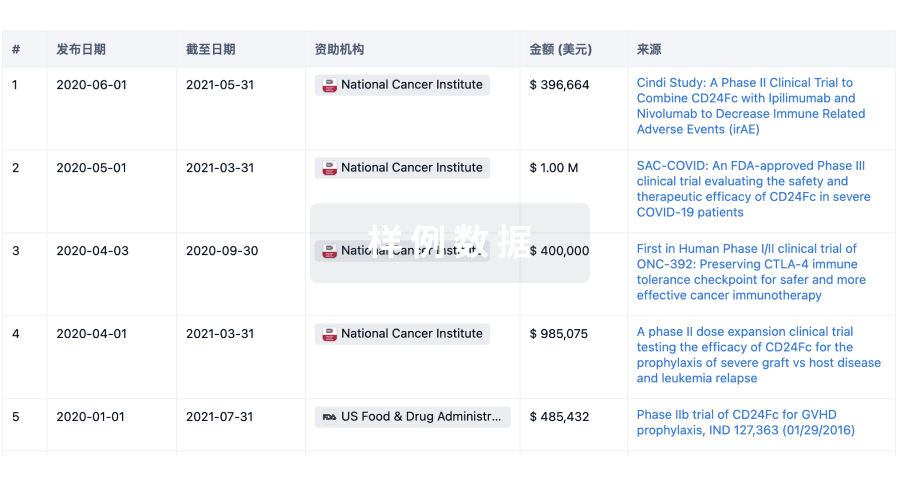
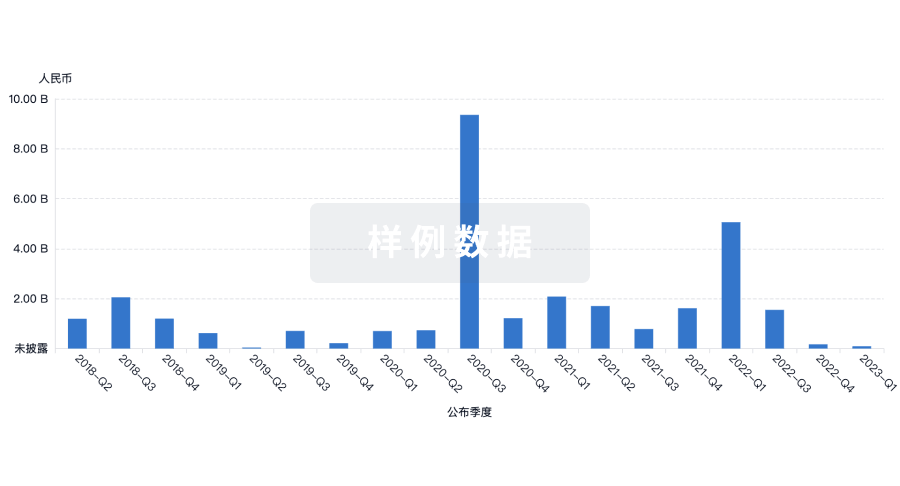
投资
深入了解从初创企业到成熟企业的最新公司投资动态。
登录
或
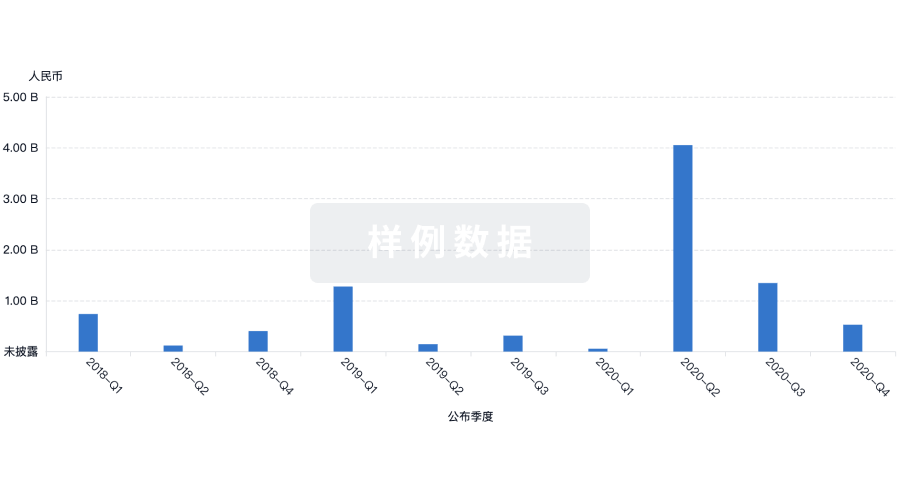
融资
发掘融资趋势以验证和推进您的投资机会。
登录
或
提出任何生物医药研究问题
让每一步生物医药决策都精准制胜
基于十亿级生物数据与全球情报的精准 AI,赋能早期药物发现
立即开始免费试用!
智慧芽新药情报库是智慧芽专为生命科学人士构建的基于AI的创新药情报平台,助您全方位提升您的研发与决策效率。
立即接入生物医药数据包
智慧芽新药库数据也通过智慧芽开放平台,以MCP或API服务形式对外开放。立即使用我们的MCP服务定制您的LLM智能体。
生物序列数据库
生物药研发创新
免费使用
化学结构数据库
小分子化药研发创新
免费使用