预约演示
更新于:2026-03-08

Aroa Biosurgery Ltd.
更新于:2026-03-08
概览
关联
NCT07385313
Randomized Prospective Evaluation of Ovine Forestomach Matrix (OFM) and NPWT to Accelerate Tissue Coverage Over Exposed Structures
ACTRN12623000505606
Pilot Evaluation of the ENIVO System in Simple Unilateral Mastectomy
NCT06035536
A Multi-Center, Randomized Controlled Clinical Investigation Evaluating Wound Closure With Symphony™ Versus Standard of Care in the Treatment of Non-Healing Diabetic Foot Ulcers
100 项与 Aroa Biosurgery Ltd. 相关的临床结果
登录后查看更多信息
登录后查看更多信息
2025-12-24Journal of Surgical Case Reports
Functional soft tissue regeneration involving extremity tendons using ovine forestomach matrix grafts
Article
作者: Naphade, Sandeep ; Young, Adam ; Bosque, Brandon A
Abstract:
Soft tissue defects with exposed tendons present unique challenges in surgical reconstruction, as tendons are vulnerable to desiccation, infection, and necrosis. We present a single-center, retrospective case series of 10 patients with exposed tendons who underwent surgical reconstruction with ovine forestomach matrix (OFM) grafts. Medical records were reviewed to establish patient demographics, co-morbidities, injury characteristics, and post-operative outcomes. OFM grafts were applied for staged reconstruction, for closure via secondary intention, as implants with primary closure or fasciocutaneous flaps, and as a circumferential tendon-protective layer. The median time to granulation tissue coverage was 3 weeks (IQR: 2, 4), and to full epithelialization 4 weeks (IQR: 1, 6). The median follow-up period was 29 weeks (IQR: 6, 61). Long-term assessments evaluated tissue pliability and active range of motion. Overall, OFM provided good surgical utility, promoting rapid coverage, wound closure, and favorable functional outcomes in complex tendon exposure cases.
2025-11-13Cureus Journal of Medical Science
Ovine Forestomach Matrix Graft Reduces Surgical Dehiscence in Fasciocutaneous Flap-Based Closure of Pilonidal Disease: A Comparative Study
Article
作者: Barnajian, Moshe ; Young, Adam ; Frampton, Christopher ; La, Kristina ; Simon, Jessica ; Nasseri, Yosef ; Oka, Kimberly ; Ma, Rachel
Background Fasciocutaneous flap advancement is a newer alternative surgical approach in pilonidal sinus disease (PSD). This comparative study aimed to assess whether the use of an ovine forestomach matrix (OFM) graft implanted beneath a fasciocutaneous flap closure could minimize dehiscence complications in PSD. Methods PSD patients who received OFM and a fasciocutaneous flap were prospectively enrolled. Findings were compared to retrospective data from control patients who did not receive an OFM graft. Study outcomes were time to heal, incidence of dehiscence, and scar cosmesis. A within-study cost-utility analysis estimated costs and quality-adjusted life-years (QALYs). Results A total of 46 patients who received a flap advancement and OFM graft were compared to 48 retrospective control patients who were treated with flap advancement alone. No difference in median healing time was found in the OFM group (8.0 (IQR: 4.2, 15.8) weeks) compared to the control group (8.0 (IQR: 6.0, 15.2) weeks) (p=0.79). The incidence of dehiscence was significantly less in the OFM group (18%) versus the control group (46%) (p=0.005). The probability of dehiscence in the control group was 3.2 times greater compared to the OFM group. In a cost-utility analysis, the OFM group dominated the control group, with higher QALYs (0.24 vs. 0.23) and lower costs ($4,157 vs. $4,219). Conclusions The use of OFM graft with a fasciocutaneous flap resulted in a significantly lower incidence of dehiscence and potentially higher quality-of-life and cost savings, while maintaining a midline incision with favorable cosmesis.
2025-11-01Advances in Skin & Wound Care
A Composite Dermal Matrix Comprising Ovine Forestomach Matrix and Hyaluronic Acid in the Treatment of Chronic Wounds Secondary to Calciphylaxis: A Case Series and Literature Review
Review
作者: Le, Lai ; Khalaf, Basil Z. ; Ribeiro Silva, Leticia ; Young, Dennis Adam ; Bosque, Brandon A.
OBJECTIVE::
To evaluate the efficacy and safety of composite ovine forestomach matrix and hyaluronic acid (OFM-HA) graft in facilitating tissue regeneration in atypical wounds secondary to calciphylaxis.
METHODS::
This retrospective case series included 3 patients with a total of 4 wounds (n = 4) who were diagnosed with wounds secondary to calciphylaxis in an outpatient setting. All wounds were treated with surgical debridement and a composite OFM-HA graft. Healing progress was monitored, and the total time to wound closure was assessed.
RESULTS::
All 4 wounds in the study achieved 100% wound healing, with a 12-week incidence of closure of 75%. The mean wound area at the time of OFM-HA treatment was 28.6 ± 26.9 cm
2
, with a mean depth of 0.2 ± 0.1 cm. The mean time to wound closure was 43.5 ± 37.0 days and all patients experienced a marked reduction in pain. No adverse events were reported, and all wounds remained healed after achieving 100% closure at final follow-up.
CONCLUSIONS::
Ovine forestomach matrix and hyaluronic acid, in combination with wound bed preparation, were found to be safe and effective treatments for wounds associated with calciphylaxis; they may reduce the time to wound closure compared with traditional wound care and reduce complications associated with calciphylaxis-related wounds.
100 项与 Aroa Biosurgery Ltd. 相关的药物交易
登录后查看更多信息
100 项与 Aroa Biosurgery Ltd. 相关的转化医学
登录后查看更多信息
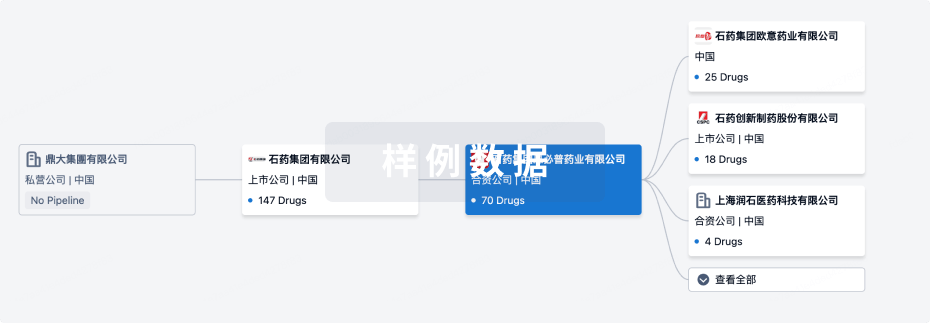
组织架构
使用我们的机构树数据加速您的研究。
登录
或
管线布局
2026年04月01日管线快照
无数据报导
登录后保持更新
药物交易
使用我们的药物交易数据加速您的研究。
登录
或

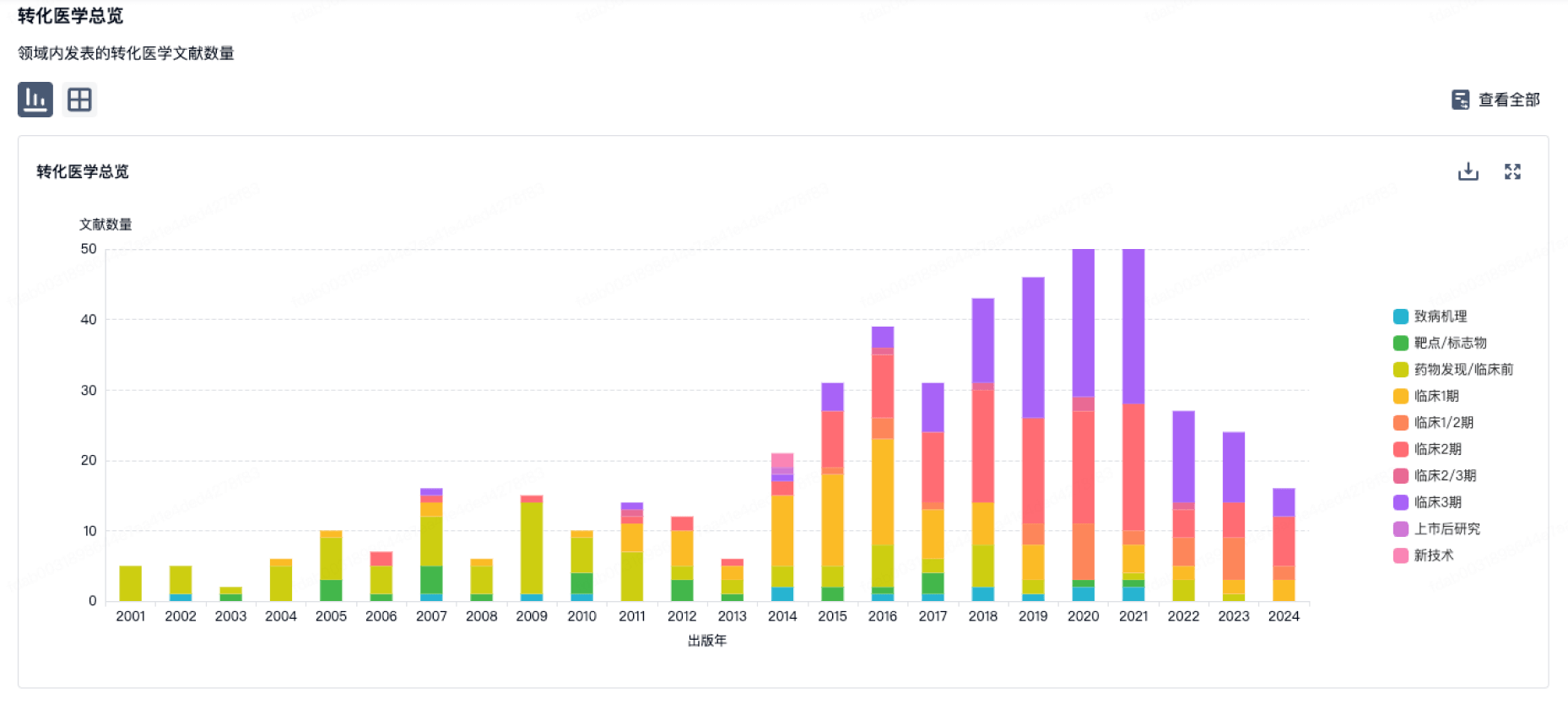
转化医学
使用我们的转化医学数据加速您的研究。
登录
或
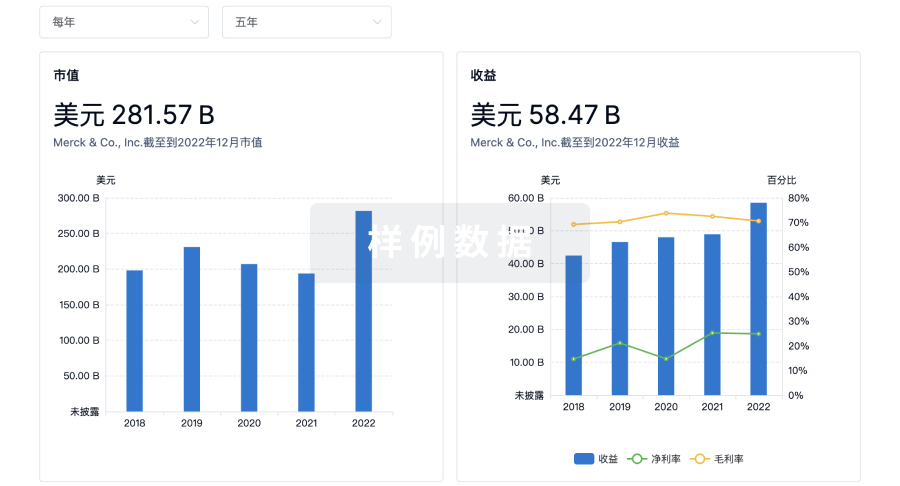
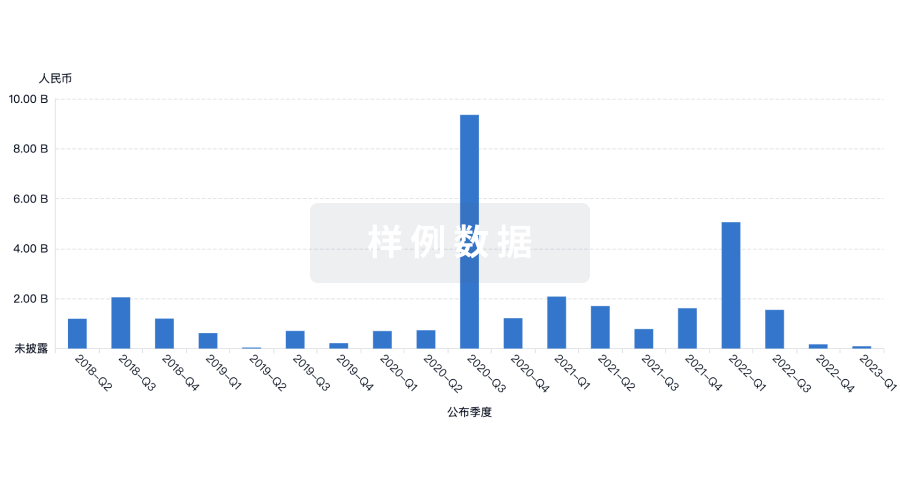
营收
使用 Synapse 探索超过 36 万个组织的财务状况。
登录
或
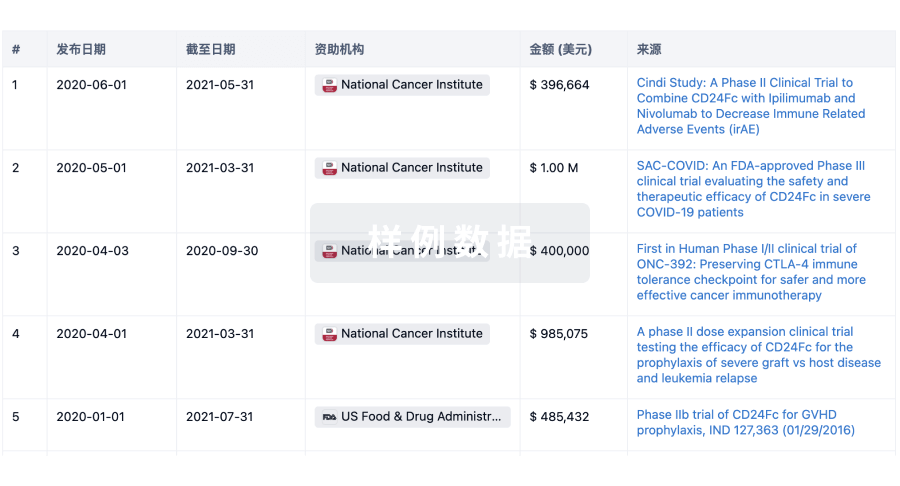
科研基金(NIH)
访问超过 200 万项资助和基金信息,以提升您的研究之旅。
登录
或
投资
深入了解从初创企业到成熟企业的最新公司投资动态。
登录
或
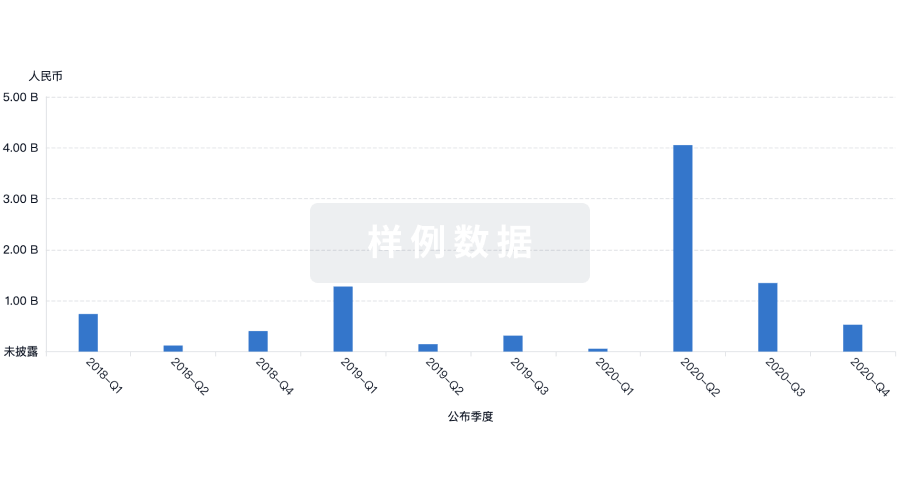
融资
发掘融资趋势以验证和推进您的投资机会。
登录
或
生物医药百科问答
全新生物医药AI Agent 覆盖科研全链路,让突破性发现快人一步
立即开始免费试用!
智慧芽新药情报库是智慧芽专为生命科学人士构建的基于AI的创新药情报平台,助您全方位提升您的研发与决策效率。
立即开始数据试用!
智慧芽新药库数据也通过智慧芽数据服务平台,以API或者数据包形式对外开放,助您更加充分利用智慧芽新药情报信息。
生物序列数据库
生物药研发创新
免费使用
化学结构数据库
小分子化药研发创新
免费使用