预约演示
更新于:2025-05-07

University of Gujrat
更新于:2025-05-07
概览
关联
NCT06772974
Comparison of Tablet Ginger Versus Tablet Doxylamine Succinate in Control of Nausea and Vomiting in Pregnancy
NCT06001021
The Effectiveness of Psychopharmacological Intervention Versus Cognitive Behavioural Couple Therapy and Their Combination in Perinatal Distressed Couples: A Randomized Clinical Trial
NCT04978974
Stress, Coping Strategies and Quality of Life Among Patients With Chronic Conditions: Implications of Stress Management Program
100 项与 University of Gujrat 相关的临床结果
登录后查看更多信息
登录后查看更多信息
2025-08-01Fuel
Enhanced electrochemical performance of MoP2-based supercapacitor electrodes through doping with transition, post-transition, and rare earth metals
作者: Shabbir, Mir Rehman ; Maraj, Mudassar ; Li, Xiuhong ; Li, Nian ; Ali, Sarmad ; Ali, Faisal ; Bhalli, Ali Haider ; Naseer, Muhammad Hamza ; Wang, Zhenyang
2025-08-01Materials Science and Engineering: B
Mo-ions doping impact on structural modifications and electrochemical performance of Mo-Co(OH)2 dandelion nanostructures
作者: Qurat-ul-Aain ; Nabi, Ghulam ; Nadeem, Ahmed ; Ahmad, Khuram Shahzad ; Ahmed, Hammad ; Hammad, Ali ; Ali, Wajid
2025-07-01Inorganic Chemistry Communications
Optimized charge carrier in rational design of WO3/Bi2O3 composites: A mechanistic study for degradation of methyl red dye and phenol
作者: Faheem, Mohammad ; Warad, Ismail ; Tabassum, Huma ; Almeer, Rafa ; Basit, Abdul ; Afsheen, Sumera ; Ashfaq, Zain ; Iqbal, Tahir
100 项与 University of Gujrat 相关的药物交易
登录后查看更多信息
100 项与 University of Gujrat 相关的转化医学
登录后查看更多信息
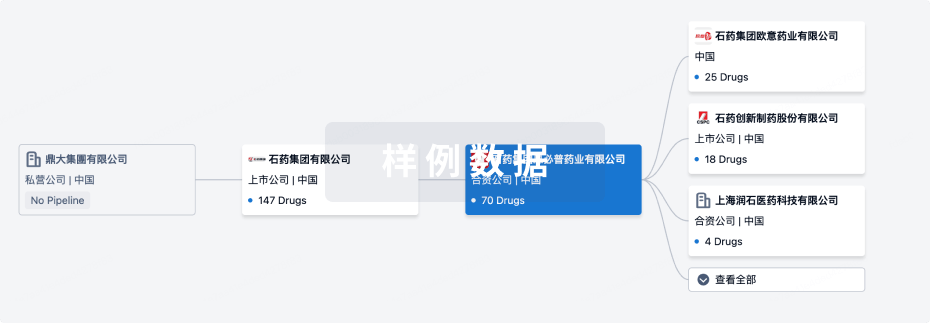
组织架构
使用我们的机构树数据加速您的研究。
登录
或
管线布局
2026年09月20日管线快照
无数据报导
登录后保持更新
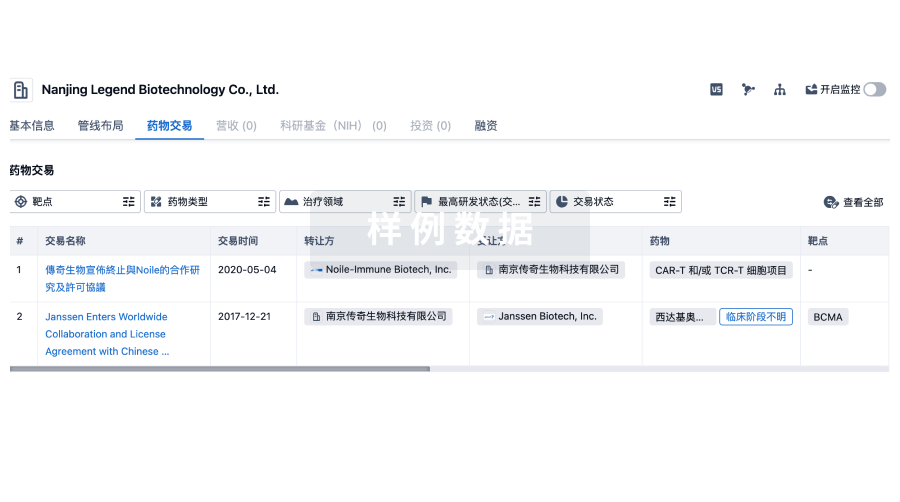
药物交易
使用我们的药物交易数据加速您的研究。
登录
或
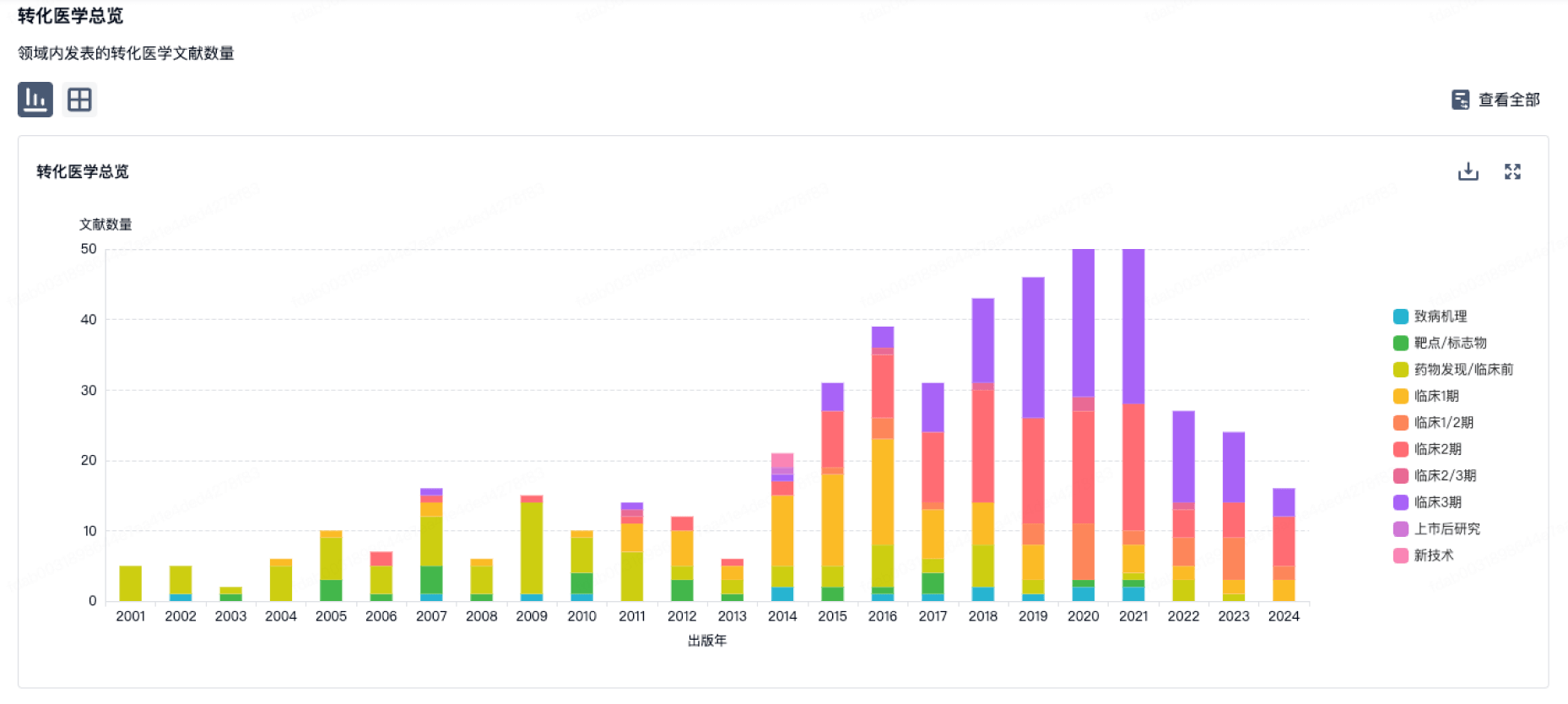
转化医学
使用我们的转化医学数据加速您的研究。
登录
或
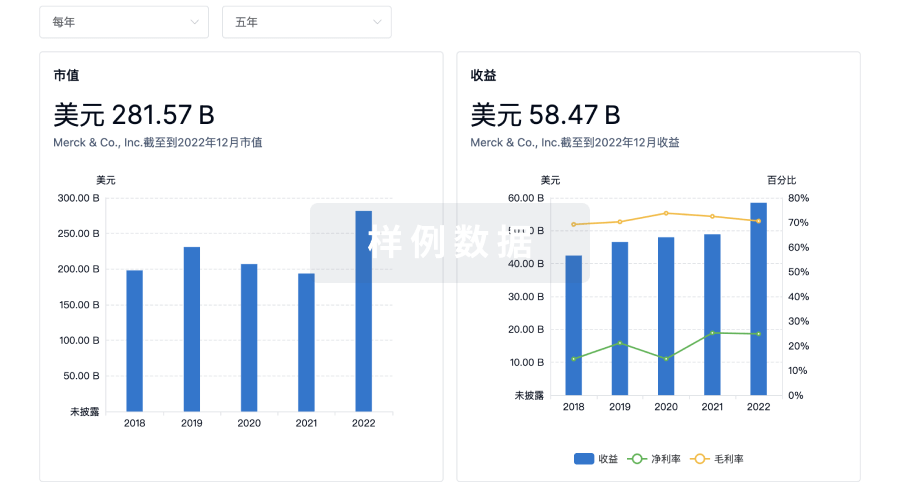
营收
使用 Synapse 探索超过 36 万个组织的财务状况。
登录
或
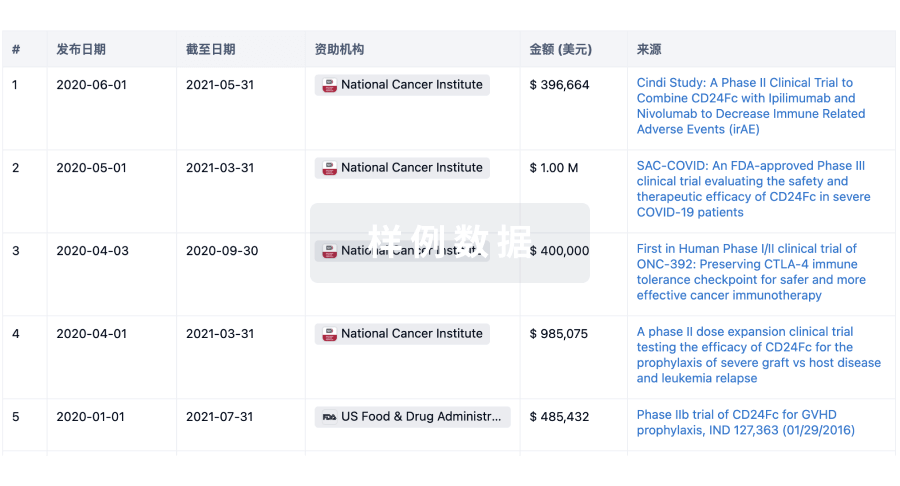
科研基金(NIH)
访问超过 200 万项资助和基金信息,以提升您的研究之旅。
登录
或
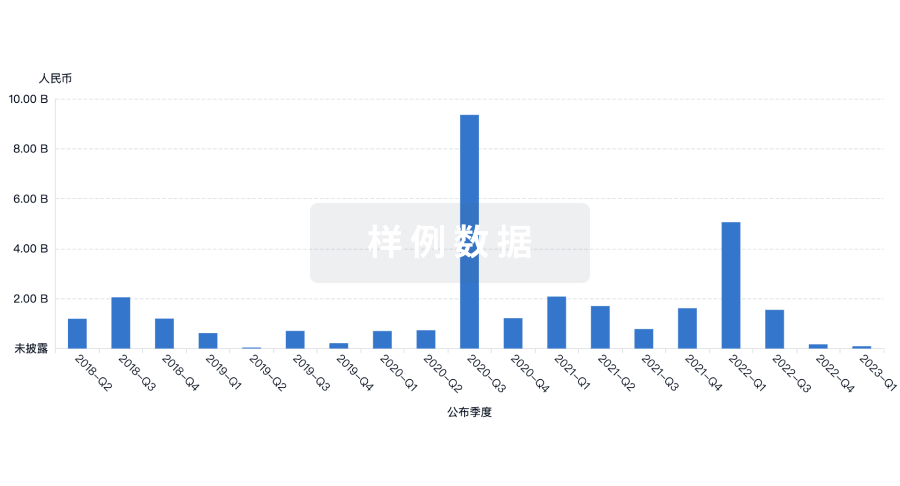
投资
深入了解从初创企业到成熟企业的最新公司投资动态。
登录
或
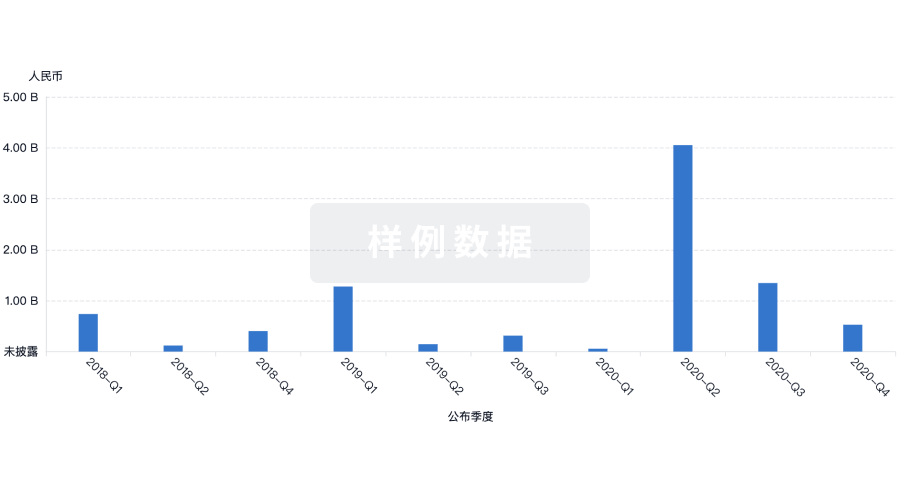
融资
发掘融资趋势以验证和推进您的投资机会。
登录
或
提出任何生物医药研究问题
让每一步生物医药决策都精准制胜
基于十亿级生物数据与全球情报的精准 AI,赋能早期药物发现
立即开始免费试用!
智慧芽新药情报库是智慧芽专为生命科学人士构建的基于AI的创新药情报平台,助您全方位提升您的研发与决策效率。
立即接入生物医药数据包
智慧芽新药库数据也通过智慧芽开放平台,以MCP或API服务形式对外开放。立即使用我们的MCP服务定制您的LLM智能体。
生物序列数据库
生物药研发创新
免费使用
化学结构数据库
小分子化药研发创新
免费使用