预约演示
更新于:2025-12-07

Faculty of Engineering, Lund University
更新于:2025-12-07
概览
关联
ISRCTN10569363
Effects of 4 months static standing compared to 4 months dynamic supported standing among non-ambulatory children and young people with cerebral palsy
ISRCTN45745600
Physiological responses from static and dynamic supported standing among non-ambulatory children with cerebral palsy: a pilot study
100 项与 Faculty of Engineering, Lund University 相关的临床结果
登录后查看更多信息
登录后查看更多信息
2025-12-01Child psychiatry and human development
In Search of Conceptual Clarity About the
Structure of Psychopathic Traits in Children: A Network-Based Proposal
Article
作者: López-Romero, Laura ; Romero, Estrella ; Cervin, Matti ; Andershed, Henrik
Abstract:
Psychopathic traits in childhood have been revealed as potential
identifiers of risk, being predictive of later forms of behavioral maladjustment. Yet,
it is still under debate how psychopathic traits in children should be best
conceptualized and which are the core dimensions for construct definition and
prediction. The present study aims to examine the structure of psychopathic traits in
childhood, and its predictive value, by using a combination of traditional factor
analysis and more recent network-based methods. Data on psychopathic traits, as measured
by the
Child Problematic Traits Inventory
(CPTI),
were collected in a large sample of children (n = 2454; 48.2% girls), aged 3 to 6 at the
onset of the study (
M
age = 4.26; SD = 0.91), who were
followed-up one and two years later using parent- and teacher-reports. Results showed
that psychopathic traits measured via CPTI are best conceptualized as five latent
factors encompassing
grandiosity
,
deceitfulness
,
callousness
,
impulsivity
and
need of stimulation
, a result that converged across
informants and time. Callousness and grandiosity emerged as central traits using network
analysis of parent-reports, while deceitfulness was most central using teacher-reports.
Finally, callousness, impulsivity and deceitfulness emerged as the best predictors of
concurrent, prospective and stable conduct problems. These results provide a refined
structure of psychopathic traits in children that better accounts for the core elements
of the construct. Additional theoretical and practical implications will be discussed in
terms of assessment, diagnostic classification and tailored
prevention/intervention.
2025-02-01Biomass Conversion and Biorefinery
Purification of lipid oil using ion exchange resins
作者: Abdelaziz, Omar Y. ; Hulteberg, Christian P. ; Tunaa, Per ; Langschwager, Fanny ; Selimi, Jon
Abstract:
Oil upgrading technologies for fuel production from second-generation feedstocks require pretreatments, such as the removal of ash metals in crude oil, to improve the catalytic performance in the process. The aim of this work was to purify lipid crude oil, derived from black soldier fly larvae (BSFL), from calcium by dry washing using ion exchange resins. Commercially available ion exchange resins suitable for organic liquids, namely GF 202 and Amberlyst 15DRY (AL 15), were selected for the purification experiments. The lipid material dissolved in nonanoic acid in different concentrations of mixtures was passed through a resin-filled plug-flow reactor at 50 °C and 75 °C with a liquid hourly space velocity (LHSV) of 4 h−1. The oil samples were analyzed for calcium using inductively coupled plasma-optical emission spectrometry, while the resin surfaces were examined by scanning electron microscopy. AL 15 showed a better overall performance and led to a case where over 99% of calcium was removed.Graphical abstract
2024-12-06Accountability in research
Research funders play an important role in fostering research integrity and responsible internationalization in a multipolar world
Article
作者: Shih, Tommy
2024-09-10
100 项与 Faculty of Engineering, Lund University 相关的药物交易
登录后查看更多信息
100 项与 Faculty of Engineering, Lund University 相关的转化医学
登录后查看更多信息
组织架构
使用我们的机构树数据加速您的研究。
登录
或
管线布局
2026年02月08日管线快照
无数据报导
登录后保持更新
药物交易
使用我们的药物交易数据加速您的研究。
登录
或
转化医学
使用我们的转化医学数据加速您的研究。
登录
或
营收
使用 Synapse 探索超过 36 万个组织的财务状况。
登录
或
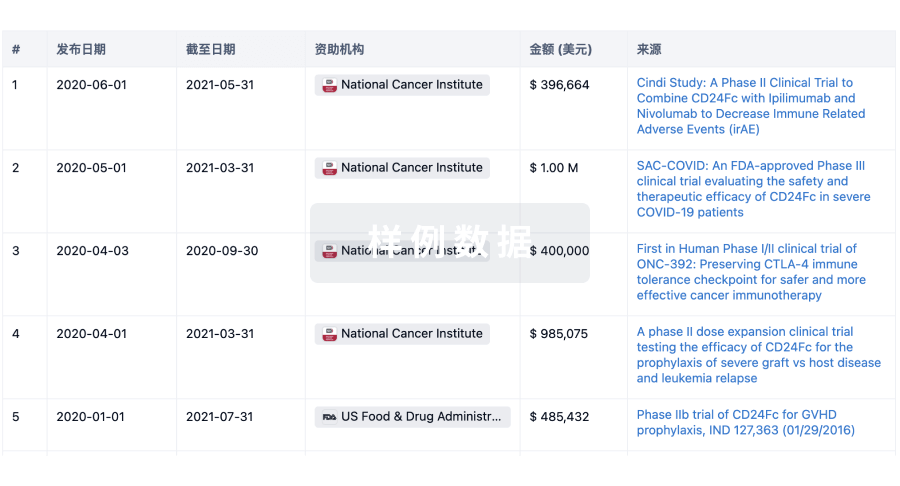
科研基金(NIH)
访问超过 200 万项资助和基金信息,以提升您的研究之旅。
登录
或
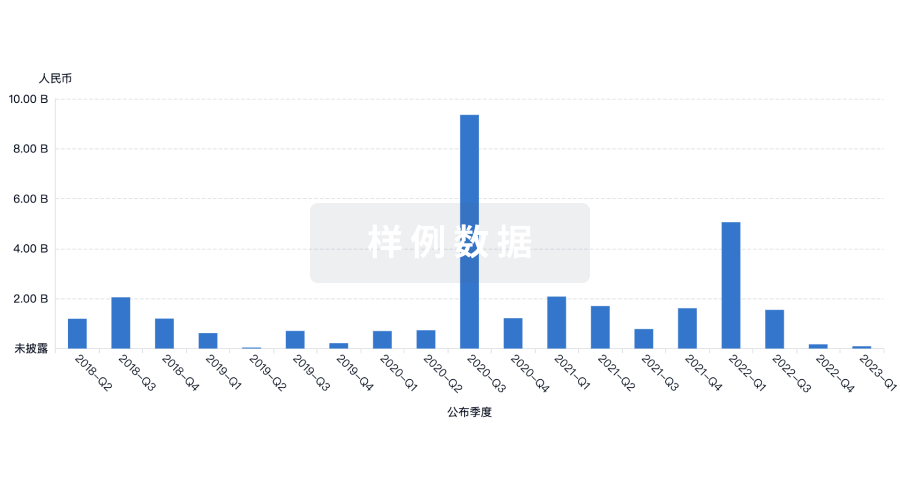
投资
深入了解从初创企业到成熟企业的最新公司投资动态。
登录
或
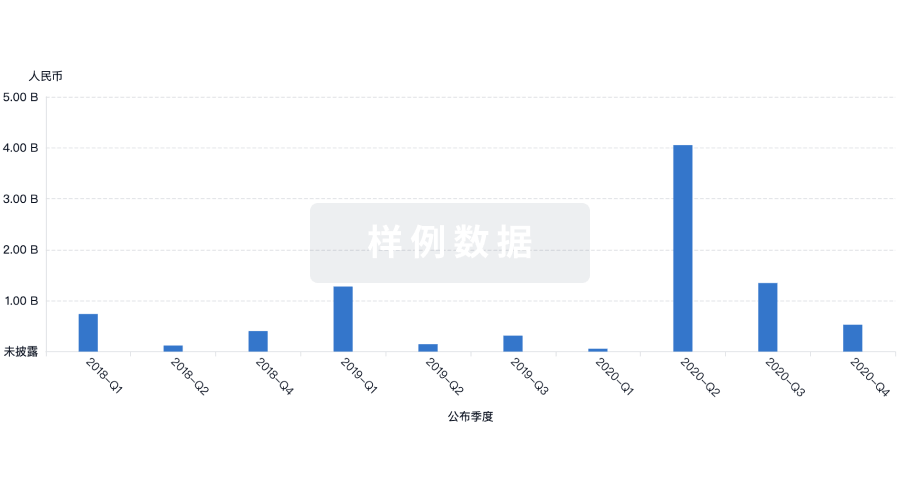
融资
发掘融资趋势以验证和推进您的投资机会。
登录
或
生物医药百科问答
全新生物医药AI Agent 覆盖科研全链路,让突破性发现快人一步
立即开始免费试用!
智慧芽新药情报库是智慧芽专为生命科学人士构建的基于AI的创新药情报平台,助您全方位提升您的研发与决策效率。
立即开始数据试用!
智慧芽新药库数据也通过智慧芽数据服务平台,以API或者数据包形式对外开放,助您更加充分利用智慧芽新药情报信息。
生物序列数据库
生物药研发创新
免费使用
化学结构数据库
小分子化药研发创新
免费使用