预约演示
更新于:2026-06-09
Prolacta Bioscience, Inc.
更新于:2026-06-09
概览
关联
NCT06102213
A Randomized, Open-Label, Multicenter, Phase 2a Study To Evaluate The Safety And Efficacy of PBCLN-010 In Combination With PBCLN-014 in Participants Receiving Allogeneic Hematopoietic Cell Transplantation (Allo-HCT)
NCT05141903
Dietary Study of a Complex Oligosaccharide With and Without a Probiotic Following Antibiotic Treatment in Healthy Volunteers
NCT04413994
Effects of an Exclusive Human-milk Diet in Preterm NEOnates on Early VASCular Aging Risk Factors (NEOVASC)
100 项与 Prolacta Bioscience, Inc. 相关的临床结果
登录后查看更多信息
登录后查看更多信息
2016-04-01Breastfeeding medicine : the official journal of the Academy of Breastfeeding Medicine4区 · 医学
Premature Infants 750–1,250 g Birth Weight Supplemented with a Novel Human Milk-Derived Cream Are Discharged Sooner
4区 · 医学
Article
作者: Lee, Martin L. ; Bergner, Erynn M. ; Rechtman, David J. ; Blanco, Cynthia L. ; Abrams, Steven A. ; Hair, Amy B. ; Moreira, Alvaro G. ; Hawthorne, Keli M.
Abstract:
Objective::
Infants may benefit from early nutritional intervention to decrease hospital stay. To evaluate the effects of adding a human milk (HM)-derived cream (Cream) product to a standard feeding regimen in preterm infants.
Materials and Methods::
In a prospective multicenter randomized study, infants with birth weights 750–1,250 g were assigned to a Control or Cream group. The Control group received a standard feeding regimen consisting of mother's own milk or donor HM with donor HM-derived fortifier. The Cream group received the standard feeding regimen along with an additional HM-derived cream supplement when the HM they received was <20 kcal/oz. Primary outcomes of this secondary analysis included comorbidities, length of stay (LOS), and postmenstrual age (PMA) at discharge.
Results::
We enrolled 75 infants (Control
n
= 37, Cream
n
= 38) with gestational age 27.7 ± 1.8 weeks and birth weight 973 ± 145 g (mean ± SD). After adjusting for gestational age, birth weight, and presence of bronchopulmonary dysplasia (BPD), the Cream group had a decreased PMA at discharge (39.9 ± 4.8 versus 38.2 ± 2.7 weeks,
p
= 0.03) and LOS (86 ± 39 versus 74 ± 22 days,
p
= 0.05). For 21 infants with BPD, these values trended toward significance for PMA at discharge (44.2 ± 6.1 versus 41.3 ± 2.7 weeks,
p
= 0.08) and LOS (121 ± 49 versus 104 ± 23 days,
p
= 0.08).
Conclusions::
Very preterm infants who received an HM-derived cream supplement were discharged earlier. Infants with BPD may have benefited the most.
2013-12-01The Journal of pediatrics2区 · 医学
Randomized Trial of Exclusive Human Milk versus Preterm Formula Diets in Extremely Premature Infants
2区 · 医学
Article
作者: Cynthia L. Blanco ; Ursula Kiechl-Kohlendorfer ; Sandra Sullivan ; Steven Abrams ; Elizabeth A. Cristofalo ; Martin L. Lee ; Golde Dudell ; Alan Lucas ; Richard J. Schanler ; David J. Rechtman ; Rudolf Trawoeger
OBJECTIVE:
To compare the duration of parenteral nutrition, growth, and morbidity in extremely premature infants fed exclusive diets of either bovine milk-based preterm formula (BOV) or donor human milk and human milk-based human milk fortifier (HUM), in a randomized trial of formula vs human milk.
STUDY DESIGN:
Multicenter randomized controlled trial. The authors studied extremely preterm infants whose mothers did not provide their milk. Infants were fed either BOV or an exclusive human milk diet of pasteurized donor human milk and HUM. The major outcome was duration of parenteral nutrition. Secondary outcomes were growth, respiratory support, and necrotizing enterocolitis (NEC).
RESULTS:
Birth weight (983 vs 996 g) and gestational age (27.5 vs 27.7 wk), in BOV and HUM, respectively, were similar. There was a significant difference in median parenteral nutrition days: 36 vs 27, in BOV vs HUM, respectively (P = .04). The incidence of NEC in BOV was 21% (5 cases) vs 3% in HUM (1 case), P = .08; surgical NEC was significantly higher in BOV (4 cases) than HUM (0 cases), P = .04.
CONCLUSIONS:
In extremely preterm infants given exclusive diets of preterm formula vs human milk, there was a significantly greater duration of parenteral nutrition and higher rate of surgical NEC in infants receiving preterm formula. This trial supports the use of an exclusive human milk diet to nourish extremely preterm infants in the neonatal intensive care unit.
2007-03-01Breastfeeding medicine : the official journal of the Academy of Breastfeeding Medicine4区 · 医学
Antimicrobial and Antiviral Effect of High-Temperature Short-Time (HTST) Pasteurization Applied to Human Milk
4区 · 医学
Article
作者: Lee, Martin L. ; Rechtman, David J. ; Engelenberg, Frank A.C. Van ; Terpstra, Fokke G. ; Berg, Hijlkeline ; Hoeij, Klaske Van ; Wout, Angelica B. Van't
In the United States, concerns over the transmission of infectious diseases have led to donor human milk generally being subjected to pasteurization prior to distribution and use. The standard method used by North American milk banks is Holder pasteurization (63 degrees C for 30 minutes). The authors undertook an experiment to validate the effects of a high-temperature short-time (HTST) pasteurization process (72 degrees C for 16 seconds) on the bioburden of human milk. It was concluded that HTST is effective in the elimination of bacteria as well as of certain important pathogenic viruses.
100 项与 Prolacta Bioscience, Inc. 相关的药物交易
登录后查看更多信息
100 项与 Prolacta Bioscience, Inc. 相关的转化医学
登录后查看更多信息
组织架构
使用我们的机构树数据加速您的研究。
登录
或
管线布局
2026年06月16日管线快照
管线布局中药物为当前组织机构及其子机构作为药物机构进行统计,早期临床1期并入临床1期,临床1/2期并入临床2期,临床2/3期并入临床3期
其他
3
登录后查看更多信息
当前项目
登录后查看更多信息
药物交易
使用我们的药物交易数据加速您的研究。
登录
或
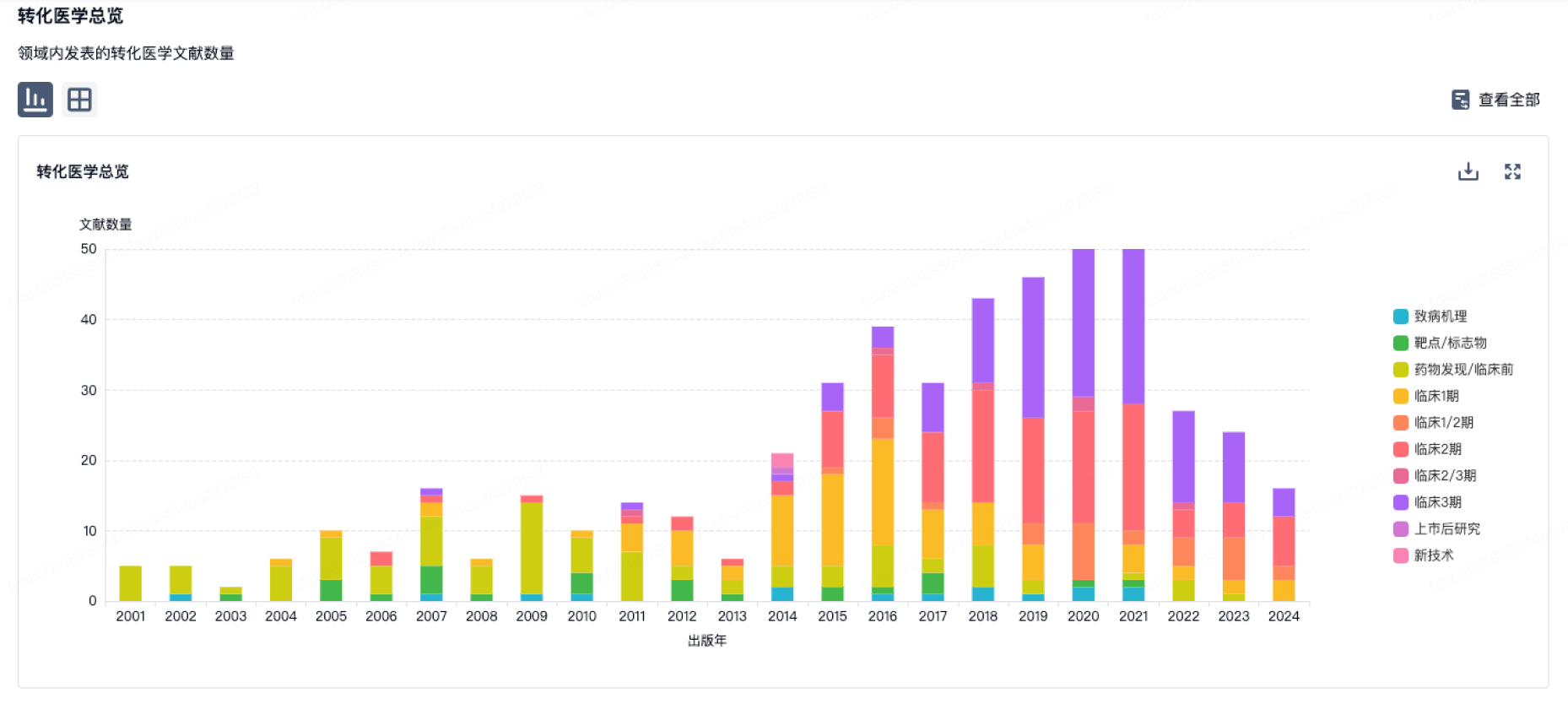
转化医学
使用我们的转化医学数据加速您的研究。
登录
或
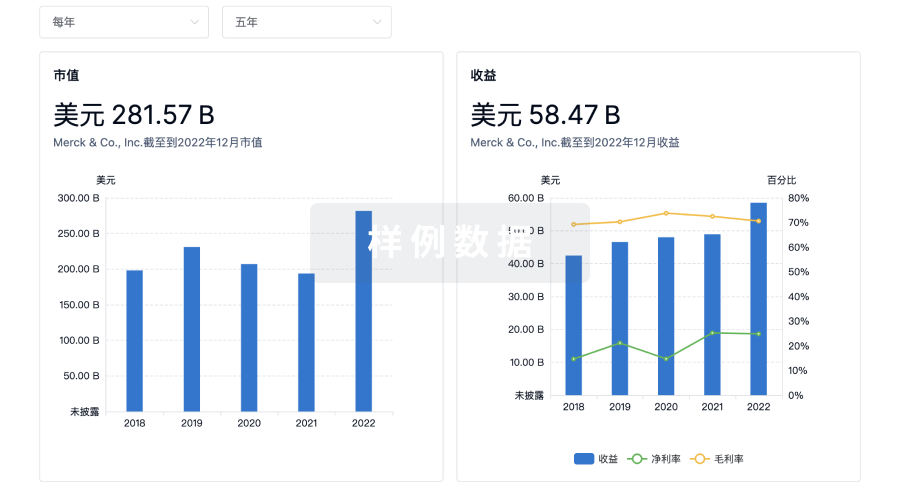
营收
使用 Synapse 探索超过 36 万个组织的财务状况。
登录
或
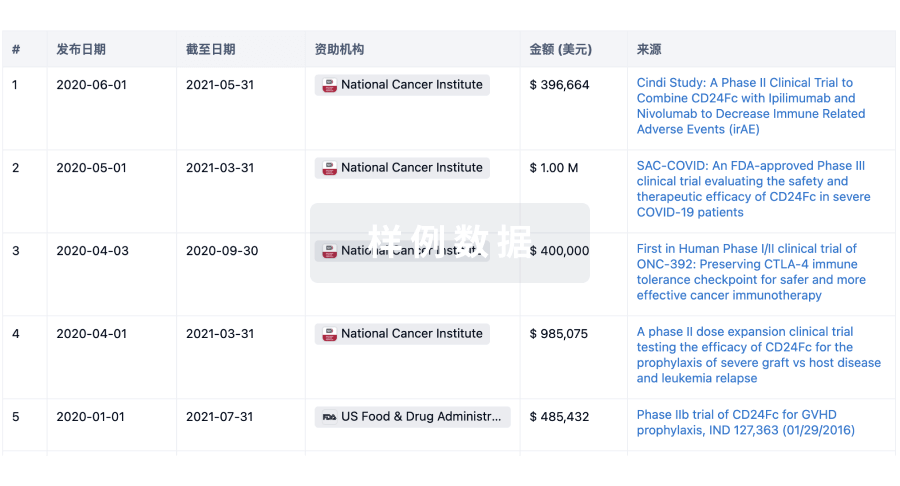
科研基金(NIH)
访问超过 200 万项资助和基金信息,以提升您的研究之旅。
登录
或
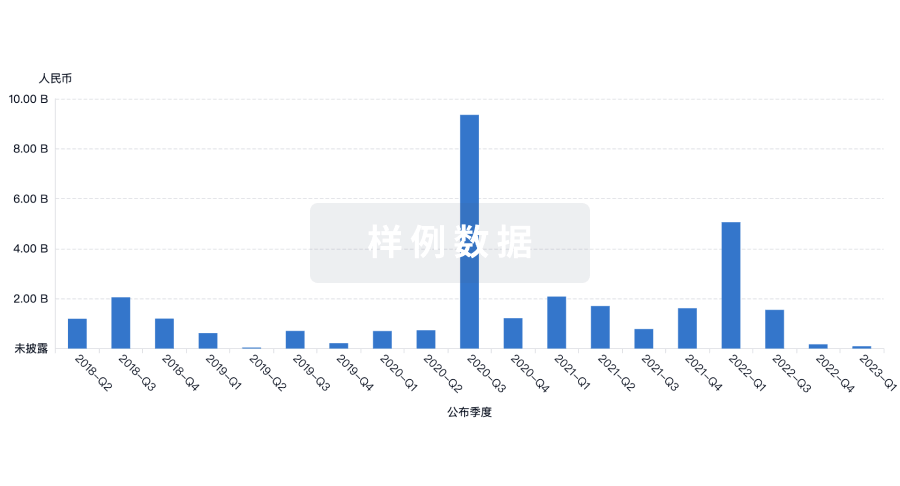
投资
深入了解从初创企业到成熟企业的最新公司投资动态。
登录
或
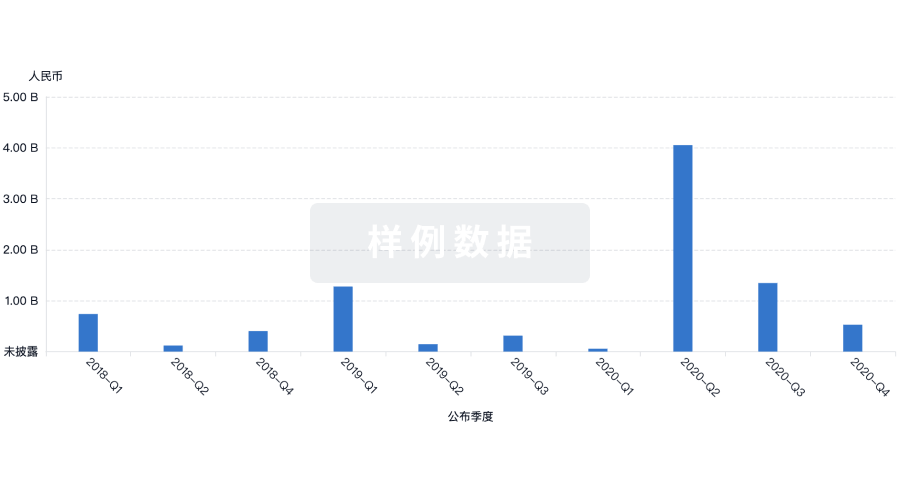
融资
发掘融资趋势以验证和推进您的投资机会。
登录
或
生物医药百科问答
全新生物医药AI Agent 覆盖科研全链路,让突破性发现快人一步
立即开始免费试用!
智慧芽新药情报库是智慧芽专为生命科学人士构建的基于AI的创新药情报平台,助您全方位提升您的研发与决策效率。
立即开始数据试用!
智慧芽新药库数据也通过智慧芽数据服务平台,以API或者数据包形式对外开放,助您更加充分利用智慧芽新药情报信息。
生物序列数据库
生物药研发创新
免费使用
化学结构数据库
小分子化药研发创新
免费使用