预约演示
更新于:2025-12-06

Liaquat National Hospital & Medical College
更新于:2025-12-06
概览
关联
NCT07180095
Intranasal Dexmedetomidine Versus Intranasal Ketamine for Preoperative Sedation in Pediatrics
NCT07234396
Animated Procedure Video Reduces Pain and Anxiety Among Pediatric Patients Undergoing Pin Removal Following Supracondylar Fracture Fixation - A Randomized Controlled Trial
NCT07234370
Distal Radial Fractures in Adult Patients: 4 Weeks Versus 6 Weeks of Cast Immobilization-A Randomized Controlled Trial
100 项与 Liaquat National Hospital & Medical College 相关的临床结果
登录后查看更多信息
登录后查看更多信息
2026-01-01PATHOLOGY RESEARCH AND PRACTICE
Oxidative stress and neuronal alteration: Mitochondrial dysfunction as a key player in intractable epilepsy - a narrative review
Review
作者: Raza, Muhammad Liaquat ; Mehdi, Rukhsar ; Anwar, Insa Binte ; Imam, Mustafa Hussain ; Zehra, Warisha
Drug-resistant epilepsy (DRE) still poses one of the greatest therapeutic challenges, afflicting about one-third of all patients with epilepsy in the world. Despite spectacular advances in the fields of anti-seizure medications and neurostimulation techniques, treatment outcomes in DRE have reached plateau levels, signifying an urgent need for better mechanistic understanding and therapeutic strategies. New evidence increasingly elucidates mitochondrial dysfunction as a lens through which to understand seizure generation, pharmacoresistance, and disease progression. Mitochondria are regulators of ATP production, calcium buffering, and redox homeostasis; disruption of any such pathway will result in neuronal hyperexcitability, oxidative injury, and cell death. Moreover, mitochondrial DNA mutations and heteroplasmy threshold can correlate with seizure onset, seizure severity, and Response to treatment, thus being potential biomarkers for risk stratification. This narrative review surveys both preclinical and clinical evidence for mitochondrial dysfunction in epilepsy, examining oxidative stress pathways, mitophagy, and mitochondrial permeability transition pore opening as key mechanisms of neuronal vulnerability. We subsequently analyze various preclinical models of mitochondrial dysfunction, pointing out their respective strengths and weaknesses. Emerging therapeutic strategies, encompassing pharmacological agents, gene therapy, diet, and natural compounds, are then reviewed, which aim to resolve issues surrounding mitochondrial health on a molecular basis. By straddling the mechanistic and clinical narratives, this work foregrounds mitochondrial-centered approaches as promises for both the diagnostic and therapeutic arsenal in the management of DRE.
2025-11-17CHILD NEUROPSYCHOLOGY
Artificial intelligence as a support to diagnose ADHD: an insight of unorthodox approaches: a scoping review
Review
作者: Zaheer, Amna ; Akhtar, Ahmad
Artificial intelligence (AI) is reshaping the landscape of attention deficit hyperactivity disorder (ADHD) diagnosis through data-driven and technology-enhanced methodologies. This scoping review, conducted in accordance with PRISMA guidelines, systematically analyzed 54 studies published over the past two decades to assess AI's role in ADHD detection and evaluation. The included studies primarily explored AI applications in brain imaging (MRI), brain activity monitoring (EEG and ECG), behavioral assessments, virtual reality-based testing, and motion-tracking sensors. Among the AI technologies examined, machine learning (ML) and deep learning (DL) algorithms demonstrated promising diagnostic accuracy, with performance rates ranging from 70% to 95%. Convolutional neural networks (CNNs) and support vector machines (SVMs) were particularly effective in image and signal analysis, while natural language processing (NLP) models showed potential in behavioral and cognitive assessments. Despite these advancements, challenges such as algorithmic bias, inconsistent data quality, and the need for extensive, diverse datasets remain barriers to widespread clinical integration. Moreover, while AI models enhance speed and precision in ADHD detection, their applicability in treatment monitoring and personalized intervention remains an area for future research. This review underscores the transformative potential of AI in ADHD diagnosis and advocates for a hybrid approach that integrates AI-driven tools with traditional clinical assessments to enhance diagnostic reliability and patient outcomes.
2025-11-01INTERNATIONAL JOURNAL OF CARDIOLOGY
Letter to the Editor: Combination treatment of Sglt2i and Glp-1ra associated with improved cardiovascular outcomes in Type-2 diabetes patients with acute coronary syndrome: A propensity score–matched Cohort study
Letter
作者: Ramsha Azmat ; Sharifi, Asia
100 项与 Liaquat National Hospital & Medical College 相关的药物交易
登录后查看更多信息
100 项与 Liaquat National Hospital & Medical College 相关的转化医学
登录后查看更多信息
组织架构
使用我们的机构树数据加速您的研究。
登录
或
管线布局
2026年10月05日管线快照
无数据报导
登录后保持更新
药物交易
使用我们的药物交易数据加速您的研究。
登录
或
转化医学
使用我们的转化医学数据加速您的研究。
登录
或
营收
使用 Synapse 探索超过 36 万个组织的财务状况。
登录
或
科研基金(NIH)
访问超过 200 万项资助和基金信息,以提升您的研究之旅。
登录
或
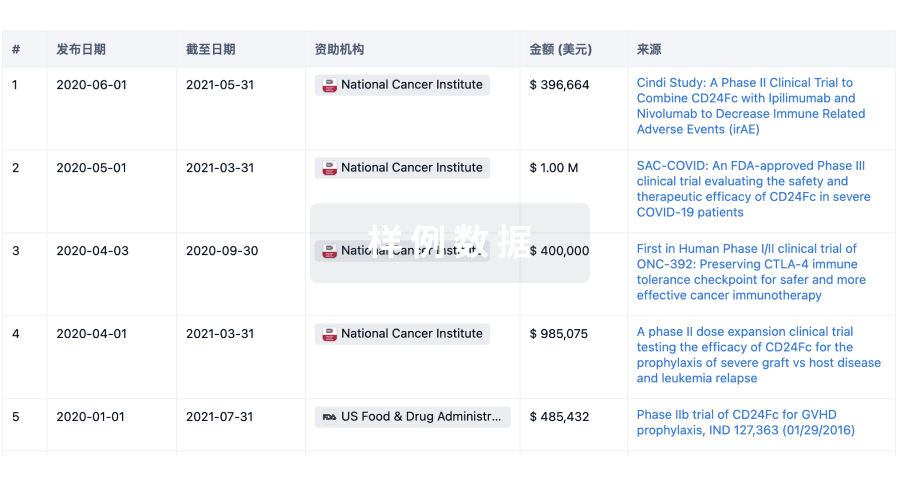
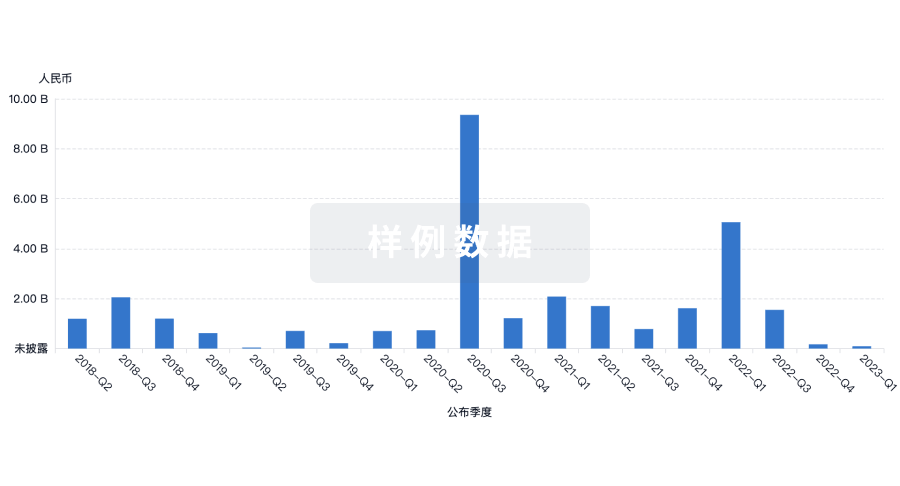
投资
深入了解从初创企业到成熟企业的最新公司投资动态。
登录
或
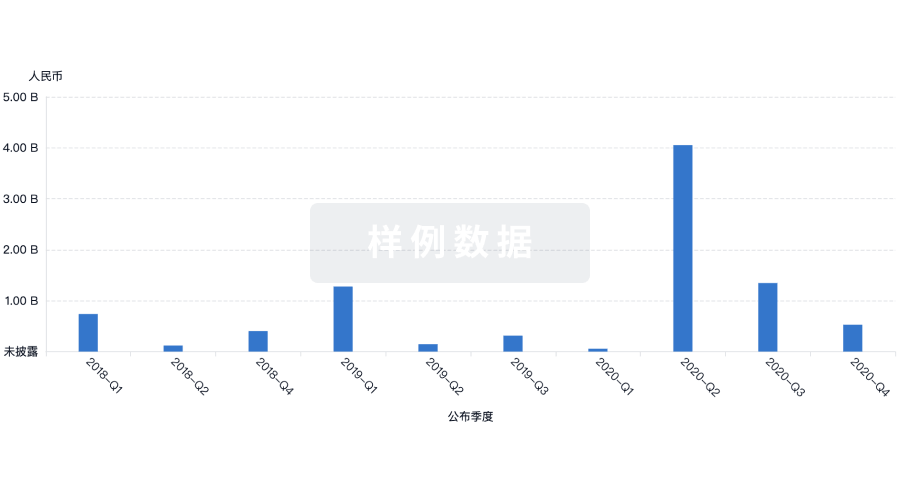
融资
发掘融资趋势以验证和推进您的投资机会。
登录
或
提出任何生物医药研究问题
让每一步生物医药决策都精准制胜
基于十亿级生物数据与全球情报的精准 AI,赋能早期药物发现
立即开始免费试用!
智慧芽新药情报库是智慧芽专为生命科学人士构建的基于AI的创新药情报平台,助您全方位提升您的研发与决策效率。
立即接入生物医药数据包
智慧芽新药库数据也通过智慧芽开放平台,以MCP或API服务形式对外开放。立即使用我们的MCP服务定制您的LLM智能体。
生物序列数据库
生物药研发创新
免费使用
化学结构数据库
小分子化药研发创新
免费使用