预约演示
更新于:2026-04-19

Dr. Ziauddin Hospitals
更新于:2026-04-19
概览
关联
NCT07172100
Effect of Papaya Leaf Extract on Thrombocytopenia in Children With Dengue Fever at a Tertiary Care Center in Karachi
NCT07261995
Comparison of Outcomes of Extracorporeal Shock Wave Lithotripsy Versus Retrograde Intrarenal Surgery in the Management of Renal Calculi Measuring 1 to 2 Centimeters
NCT03499184
Effect of Probiotic Along With Scaling and Root Planing in the Treatment of Chronic Periodontitis
100 项与 Dr. Ziauddin Hospitals 相关的临床结果
登录后查看更多信息
登录后查看更多信息
2025-11-15Bioinformation
Evaluation of neurological outcomes after prolonged sedation among ICU patients: A prospective study in India
Article
作者: Shakil, Hadiya ; Manghi, Hasan Saleem ; Sekar, Kishore
Extended sedation in intensive care settings can produce neurological problems. Hence, this prospective study analyzed the neurological recovery of patients receiving continuous sedation (> 72 hours). Neurological function was evaluated at the time of ICU discharge and at three months to assess for any residual cognitive or functional impairment. Most patients appeared to recover completely and achieve their baseline pre-morbid function although a small number had mild persistent cognitive impairment. The data suggest that with continued vigilance after prolonged sedation greater than 72 hours there are generally no significant long-term neurological implications, which can be useful to render safer sedation methods in critical care medicine.
2025-10-13Cureus Journal of Medical Science
Posterior-Only Approach for the Treatment of Adolescent Idiopathic Scoliosis Using Pedicle Screw Fixation: Our Experience
Article
作者: Baloch, Shahzaib Riaz ; Ata-Ur-Rahman, Syed ; Abid, Eamaan ; Rafi, Mohammad Sohail ; Barri, Raghad M ; Riaz, Durdana ; Hashmi, Imtiaz A
OBJECTIVE:
The study aims to evaluate clinicoradiological outcomes five years post-surgery, emphasizing the mid-term efficacy of posterior spinal instrumentation (PSI) and fusion using a posterior-only approach for the surgical management of adolescent idiopathic scoliosis (AIS).
STUDY DESIGN:
This was a retrospective observational study.
SUMMARY OF BACKGROUND:
AIS is the most prevalent spinal deformity among children. It is a three-dimensional deformity that is characterized by varying sagittal, coronal, and rotational alignment of the spine. For severe (Cobb angle 45° to 59°) and very severe (Cobb angle > 60°), PSI, along with anterior release, was traditionally the preferred method.
METHODS:
This study focuses on a cohort of 225 individuals who fulfilled the inclusion criteria and underwent posterior-only surgery utilizing all pedicle screw constructs for the treatment of AIS from January 2012 to December 2018. Data from the electronic records at Dr. Ziauddin Hospital, Karachi, Pakistan, were extracted to analyze functional and radiographic outcomes up to five years post surgery.
RESULTS:
The majority of our patients were females (162, 72%), with a mean age of 17.5 years for males and 14.9 years for females. The majority of AIS patients in the study were Lenke type 1 (135, 60%). In patients with neutral balance, the sagittal balance significantly improved in 204 (90.7%) at one year and 220 (97.8%) at five years. Our patients' coronal balance at one year after surgery was 216 (96%) and 221 (98.2%) at five years, as opposed to 131 (58.2%) before surgery. The mean immediate corrected angle was 8.71°, the mean one-year postoperative angle was 9.47°, and the mean five-year postoperative angle was 10.87°, compared to a mean of 72.93° preoperatively. The Oswestry Disability Index (ODI) showed significant improvement one year post operation. By five years, no patients had severe disability, but nearly all (219, 97.3%) had mild, occasional back pain. The Spine Research Society Score-22 (SRS-22) outcome measure showed improvement from a mean score of 3.69 to 4.67. The greatest improvement was seen in satisfaction and self-perceived image components.
CONCLUSION:
Our study confirms the efficacy of a posterior-only approach using pedicle screw instrumentation in achieving stable correction of severe and very severe AIS, with minimal reported complications like surgical site infection and a few requiring revision surgery.
2025-10-13Cureus Journal of Medical Science
A Clinical Study on Mobility Outcomes After Surgical Fixation of Intertrochanteric and Shaft Femur Fractures
Article
作者: Bukhari, Syed Ahmad Bilal ; Khalid, Usman Ismail ; Zafar, Kainat
BACKGROUND:
Femoral fractures are a major orthopedic burden with comprehensive implications on both the mobility and health care resources of the patient. Early rate of recovery and functional locomotion is the most significant in its ability to reduce hospitalization and maximize postoperative quality of life after surgical repair. This study was performed to compare early postoperative mobility, complications, and length of stays of intertrochanteric and femur shaft fracture patients undergoing surgery.
METHODS:
The prospective study consisted of 90 adults with isolated intertrochanteric or shaft femur fractures in a tertiary orthopedic unit over 18 months. The patients were assigned into two groups determined by the type of fracture: intertrochanteric fractures (n = 45) were undergoing treatment with dynamic hip screws, and shaft femur (n = 45) with intramedullary nailing. The PROMIS Physical Function (PROMIS-PF) short form and Timed Up-and-Go (TUG) tests were used to evaluate mobility after three and six months of the surgery. Hospital stays and complications were also noted. The statistical analysis was conducted by SPSS (IBM Corp., Armonk, NY, USA) using chi-square, independent t-tests, and the Pearson correlation method. Statistical significance at p < 0.05 was considered significant.
RESULTS:
Ninety patients were taken (45 each group) with a mean age of 63.8 years, where the intertrochanteric group was older (66.1 vs. 61.5 years, p=0.038) but similar in sex and comorbidities. The difference in the mean PROMIS-PF 10a scores between intertrochanteric fracture and shaft fracture was significant after three and six months of follow-up (58.4 vs. 52.7, p=0.003, and 66.3 vs. 60.6, p=0.004). The TUG test results indicated quicker mobility times in the intertrochanteric group after three and six months (p=0.012 and p=0.007, respectively). The rates of complications were not different across the groups (five (11.1%) vs. six (13.3%), p=0.743), mainly postoperative wound infections, transfusion requirements, and delayed union. Intertrochanteric fracture patients spent less time in the hospital compared to shaft fracture patients; 7.2 ± 2.1 versus 9.0 ± 3.4 days (p=0.001).
CONCLUSION:
Better early mobility and reduced hospitalization rates are associated with the surgical fixation of intertrochanteric femur fractures than shaft femur fractures. These findings suggest more specific rehabilitation guidelines and fracture-type-dependent counseling for patients.
100 项与 Dr. Ziauddin Hospitals 相关的药物交易
登录后查看更多信息
100 项与 Dr. Ziauddin Hospitals 相关的转化医学
登录后查看更多信息
组织架构
使用我们的机构树数据加速您的研究。
登录
或
管线布局
2026年10月21日管线快照
无数据报导
登录后保持更新
药物交易
使用我们的药物交易数据加速您的研究。
登录
或
转化医学
使用我们的转化医学数据加速您的研究。
登录
或
营收
使用 Synapse 探索超过 36 万个组织的财务状况。
登录
或
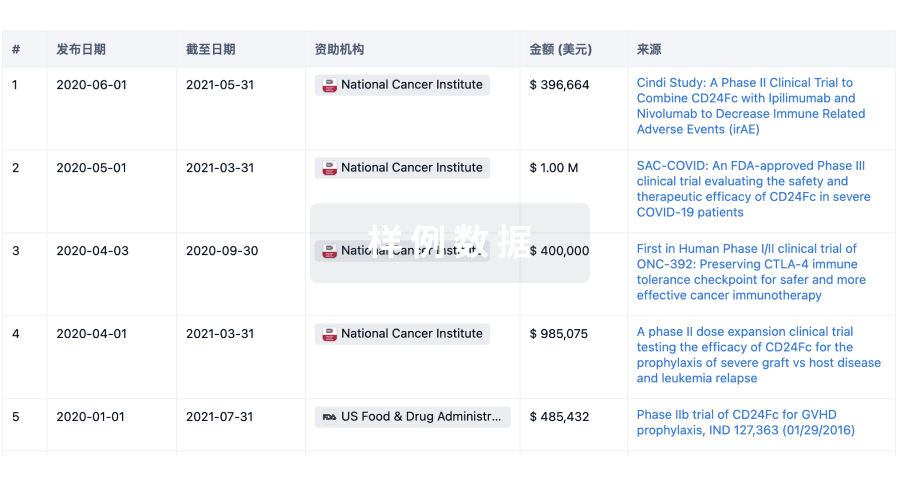
科研基金(NIH)
访问超过 200 万项资助和基金信息,以提升您的研究之旅。
登录
或
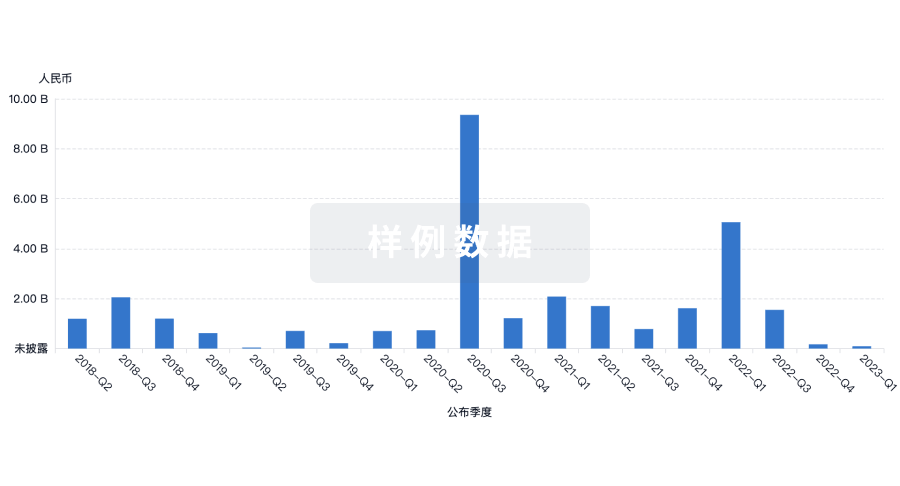
投资
深入了解从初创企业到成熟企业的最新公司投资动态。
登录
或
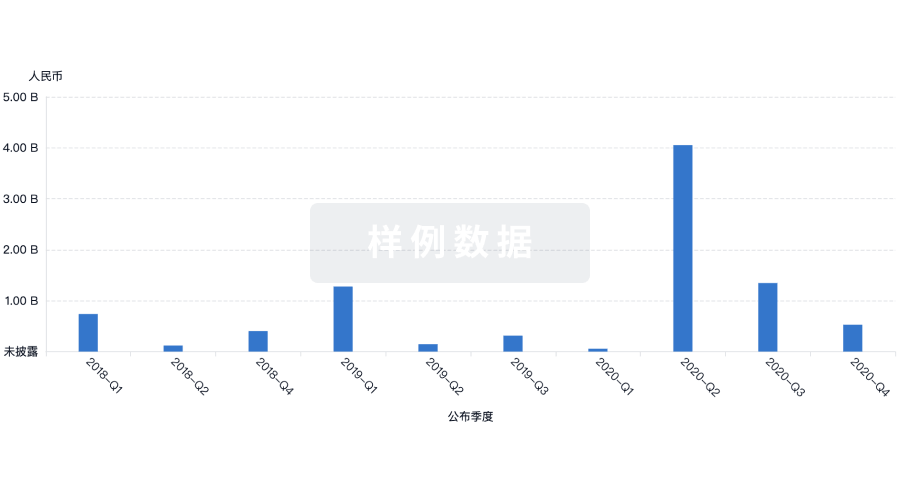
融资
发掘融资趋势以验证和推进您的投资机会。
登录
或
提出任何生物医药研究问题
让每一步生物医药决策都精准制胜
基于十亿级生物数据与全球情报的精准 AI,赋能早期药物发现
立即开始免费试用!
智慧芽新药情报库是智慧芽专为生命科学人士构建的基于AI的创新药情报平台,助您全方位提升您的研发与决策效率。
立即接入生物医药数据包
智慧芽新药库数据也通过智慧芽开放平台,以MCP或API服务形式对外开放。立即使用我们的MCP服务定制您的LLM智能体。
生物序列数据库
生物药研发创新
免费使用
化学结构数据库
小分子化药研发创新
免费使用