预约演示
更新于:2025-05-07
Instituto Cardiovascular De Buenos Aires SA
更新于:2025-05-07
概览
关联
5
项与 Instituto Cardiovascular De Buenos Aires SA 相关的临床试验NCT06166823
Electronic Medical Record Alerts to Optimize Medical Therapy in Heart Failure and Reduced Ejection Fraction in a Low-middle Income Country
OPTIMAL-HF is a pragmatic, cluster randomized, single-blind intervention trial that will be conducted at an outpatient clinic in Argentina. The trial will assess the effectiveness of an individualized-based alert system compared to usual care in improving GDMT optimization at 90 days in patients with HFrEF.
开始日期2024-01-15 |
NCT05972746
Telemonitoring Program With Electronic Alerts to Improve Outcomes in the Vulnerable Phase After Hospitalization for Heart Failure: A Pragmatic Clinical Trial TREAT - Vulnerable HF
This pragmatic clinical trial aims to evaluate the impact of a telemonitoring program with an electronic alert system compared to standard treatment on the perception of self-care in patients after hospitalization for decompensated HF at 3 months post-discharge. And secondarily to evaluate its impact on clinical events, NT-proBNP and efficacy and safety to facilitate the use and titration of the recommended drugs in patients with reduced ejection fraction at 90 days.
开始日期2022-10-07 |
NCT04549701
Inferior Vena CAVA and Lung UltraSound-guided Therapy in Acute Heart Failure: a Randomized Controlled Pilot Trial (CAVAL US-AHF Study)
Between 25% and 30% of patients hospitalized for acute heart failure (AHF) are readmitted within 90 days after discharge. Mostly due to persistent congestion on discharge. However, as the optimal evaluation of decongestion is not clearly defined, it is necessary to implement new tools to identify subclinical congestion to guide treatment.
开始日期2022-03-20 |
100 项与 Instituto Cardiovascular De Buenos Aires SA 相关的临床结果
登录后查看更多信息
0 项与 Instituto Cardiovascular De Buenos Aires SA 相关的专利(医药)
登录后查看更多信息
452
项与 Instituto Cardiovascular De Buenos Aires SA 相关的文献(医药)2025-05-01·Nutrition, Metabolism and Cardiovascular Diseases
Impact of diabetes on epicardial reperfusion and mortality in a contemporary STEMI population undergoing mechanical reperfusion: Insights from the ISACS STEMI COVID 19 registry
Article
作者: Paladino, Roberto ; Milicic, Davor ; Bachini, Juan Pablo ; Oliveira, Dinaldo C ; Casella, Gianni ; Burgadha, Mohammed Abed ; Caiazzo, Gianluca ; Verdoia, Monica ; Galasso, Gennaro ; Cirrincione, Giuseppe ; Antti, Ylitalo ; Rodríguez-Sanchez, Robert ; Jensen, Lisette Okkels ; Ordoñez, Santiago ; Faurie, Benjamin ; Algowhary, Magdy ; Silveira, João António Brum ; Kao, Hsien-Li ; Pereira, Helder ; Moura Joaquim, Rodrigo de ; Arpad, Lux ; Juzar, Dafsah Arifa ; Kala, Petr ; Calmac, Lucian ; De Luca, Giuseppe ; Lee, Michael Kang-Yin ; Lukito, Antonia Anna ; Mert, Kadir Ugur ; D'Uccio, Fortunato Scotto ; Tam, Frankie Chor-Cheung ; Ojeda, Francisco Bosa ; Loh, Poay Huan ; Uguz, Berat ; Roura I Ferrer, Gerard ; Bessonov, Ivan ; Mantis, Christos ; Bakraceski, Nikola ; Díez Gil, José Luis ; Martínez-Luengas, Iñigo Lozano ; Kochiadakis, George ; Bellemain-Appaix, Anne ; Ganyukov, Vladimir ; Forés, Juan Sanchis ; Lung, Aaron Wong Sung ; Kidawa, Michal ; Zimbakov, Zan ; Kedhi, Elvin ; Menichelli, Maurizio ; Versaci, Francesco ; Rodriguez, Alfredo ; Pessah, Gustavo ; Cercek, Miha ; Kanakakis, John ; Becerra-Munoz, Victor M ; Alexopulos, Dimitrios ; Donazzan, Luca ; Fabris, Enrico ; Teles, Rui ; Milewski, Marek ; Dirksen, Maurits ; Suryapranata, Harry ; Zoni, Rodrigo ; Zilio, Filippo ; Uribe, Carlos E ; Lehtola, Heidi ; Vincenzo, Guiducci ; Scheller, Bruno ; Lucia, Marinucci ; Manzo, Stephane ; Moreu, Josè ; Davlouros, Periklis ; Kovarnik, Tomas ; Gabrielli, Gabriele ; Berg, Jurrien Ten ; Kraaijeveld, Adriaan ; Carrillo, Xavier ; Lamelas, Pablo ; Scoccia, Alessandra ; Parodi, Guido ; Rios, Xacobe Flores ; Rocha, Alex ; Özkan, Alev Arat ; von Birgelen, Clemens ; Savonitto, Stefano ; Vignali, Luigi ; Cortese, Giuliana ; Nardin, Matteo ; Quadros, Alexandre ; Yamac, Aylin Hatice ; Flavien, Vincent ; Gutierrez Barrios, Alejandro
2025-05-01·Current Problems in Cardiology
Identifying low-risk in patients with worsening heart failure with short hospital stay: A comparison of risk scores in predicting 30-day risk events
Review
作者: Baro Vila, Rocío Consuelo ; Ballari, Franco Nicolás ; Malano, Damian ; Burgos, Lucrecia María ; Diez, Mirta ; de Bortoli, María Antonella ; Arias, Ramiro
2025-04-16·Current Vascular Pharmacology
Validation of the Zwolle Risk Score in STEMI Patients Undergoing Primary PCI: Insights from the ISCAS-STEMI COVID-19 Registry
Article
作者: Gutierrez Barrios, Alexandro ; Kedhi, Elvin ; Bessonov, Ivan ; Davlouros, Periklis ; Pessah, Gustavo ; Donazzan, Luca ; Quadros, Alexandre ; Roura i Ferrer, Gerard ; Parodi, Guido ; Zimbakov, Zan ; Rodriguez, Alfredo ; Marinucci, Lucia ; Nardin, Matteo ; Gabrielli, Gabriele ; Kochiadakis, George ; Ordonez, Santiago ; Bosa Ojeda, Francisco ; flores rios, Xacobe ; Kanakakis, John ; Kraaijeveld, Adriaan ; Wong Sung Lung, Aaron ; Faurie, Benjamin ; Cercek, Miha ; Fabris, Enrico ; Alexopulos, Dimitrios ; Calmac, Lucian ; Carillo, Xavier ; Versaci, Francesco ; Moreu, Jose ; Menichelli, Maurizio ; Arpad, Lux ; Antti, Ylitalo ; Cirrincione, Giuseppe ; Casella, Gianni ; Rocha, Alex ; Algowhary, Magdy ; Kidawa, Michal ; Díez Gil, José Luis ; Huan LOH, Poay ; Arat Ozkan, Alev ; Bakraceski, Nikola ; C. Oliveira, Dinaldo ; Chor-Cheung Tam, Frankie ; Kao, Hsien-Li ; Vincent, Flavien ; Savonitto, Stefano ; De Luca, Giuseppe ; Uguz, Berat ; Vignali, Luigi ; Kovarnik, Tomas ; Manzo-Silbermann, Stephane ; Mantis, Christos ; Cortese, Giuliana ; T Dirksen, Maurits ; Miličić, Davor ; Lamelas, Pablo ; Di Uccio, Fortunato Scotto ; Lehtola, Heidi ; Lukito, Antonia Anna ; Ugur Mert, Kadir ; Zoni, Rodrigo ; Kala, Petr ; Boccalatte, Marco ; Brum Silveira, Joao Antonio ; Malewski, Marek ; Zilio, Filippo ; Lozano Martínez-Luengas, Inigo ; E Uribe, Carlos ; ten Berg, Jurrien ; Sanchis Fores, Juan ; Kang-yin Lee, Michael ; Saint Joy, Veauthyelau ; Galasso, Gennaro ; Teles, Rui ; Scoccia, Alessandra ; Suryapranata, Harry ; Manuel Becerra-Munoz, Victor ; Paladino, Roberto ; Bachini, Jaun Pablo ; Scheller, Bruno ; de Moura Joaquim, Rodrigo ; Caiazzo, Gianluca ; Burgadha, Mohammed Abed ; Hatice Yamac, Aylin ; Verdoia, Monica ; Arifa Juzar, Dafsah ; Ganyukov, Vladimir ; Pereira, Hélder ; Guiducci, Vincenzo ; Jensen, Lisette Okkels ; Von Birgelen, Clemens ; Arellano-Serrano, Carlos
1
项与 Instituto Cardiovascular De Buenos Aires SA 相关的新闻(医药)2023-07-13
·美通社
华盛顿
2023年7月14日
/美通社/——根据世界卫生组织 (WHO) 和联合国粮食及农业组织 (FAO) 今天(星期四)联合发布的一项明确的新研究结果,添加阿斯巴甜的食品和饮料是安全的
粮农组织/世卫组织食品添加剂联合专家委员会 (JECFA) 审查了数十年的高质量证据和现实世界中的消费数据,设定了阿斯巴甜的每日可接受摄入量 (ADI),只要摄入量低于每日可接受摄入量,一个人一生中每天可以安全食用它。
ICBA执行主任Kate Loatman对世卫组织和粮农组织的研究结果表示赞赏,并评论道:
"全球领先健康和食品安全专家的这一明确结论再次证实了阿斯巴甜是安全的。 世卫组织和粮农组织这一具有里程碑意义、经过严格审查的研究结果,进一步让设法控制糖和热量的摄入的消费者确信阿斯巴甜是安全的。
JECFA的这项综合结论,即阿斯巴甜是安全的,是建立在四十多年来的大量科学证据,以及90多个国家食品安全当局明确证实它的安全性的基础上。"
Loatman女士针对国际癌症研究机构 (IARC) 在6月29日首次公开的一个观点 补充道:
"非食品安全机构的国际癌症研究机构,基于其自己认为"有限"和"不充分"的证据,现在正式承认阿斯巴甜的危害并不比芦荟和数百种其他同类物质造成的危害更大。
虽然国际癌症研究机构披露的观点可能不必要地让消费者对猜测感到困惑,但国际癌症研究机构
遵从
粮农组织/世卫组织食品添加剂联合专家委员会(此委员会重申阿斯巴甜是安全的)的观点,认为他们是全面评估阿斯巴甜的安全性的适当全球权威机构。"
关于国
际饮料协会理事会: ICBA是成立于1995年的国际非政府组织,代表全球非酒精饮料行业的利益。 ICBA成员包括国家和地区饮料协会以及国际饮料公司,这些公司在逾200个国家和地区生产、分销和销售各种非酒精气泡饮料和非充气饮料,包括软性饮料、运动饮料、能量饮料、瓶装水、加味水和\/或强化水、即饮茶和咖啡、100%水果或蔬菜汁、花蜜和果汁饮料以及乳制品饮料。 如需了解更多信息,请访问:
https:\/\/www.icba-net.org\/
放射疗法
100 项与 Instituto Cardiovascular De Buenos Aires SA 相关的药物交易
登录后查看更多信息
100 项与 Instituto Cardiovascular De Buenos Aires SA 相关的转化医学
登录后查看更多信息
组织架构
使用我们的机构树数据加速您的研究。
登录
或
管线布局
2026年10月10日管线快照
无数据报导
登录后保持更新
药物交易
使用我们的药物交易数据加速您的研究。
登录
或
转化医学
使用我们的转化医学数据加速您的研究。
登录
或
营收
使用 Synapse 探索超过 36 万个组织的财务状况。
登录
或
科研基金(NIH)
访问超过 200 万项资助和基金信息,以提升您的研究之旅。
登录
或
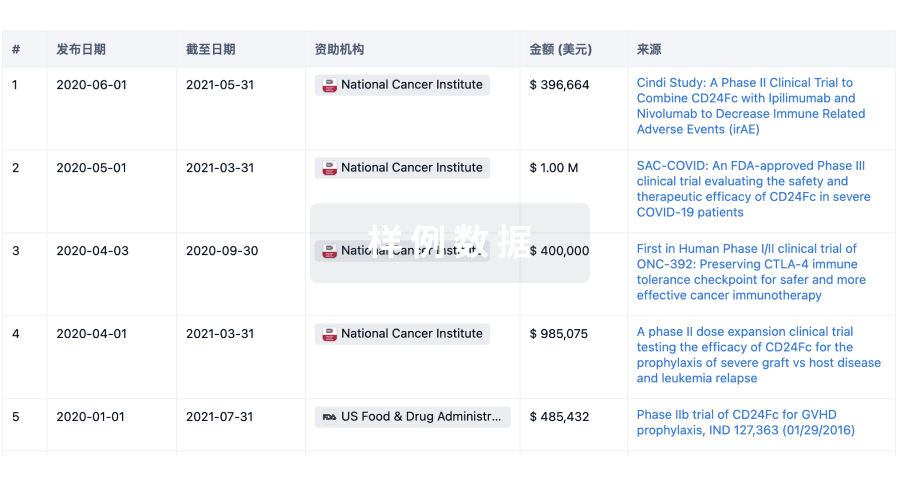
投资
深入了解从初创企业到成熟企业的最新公司投资动态。
登录
或
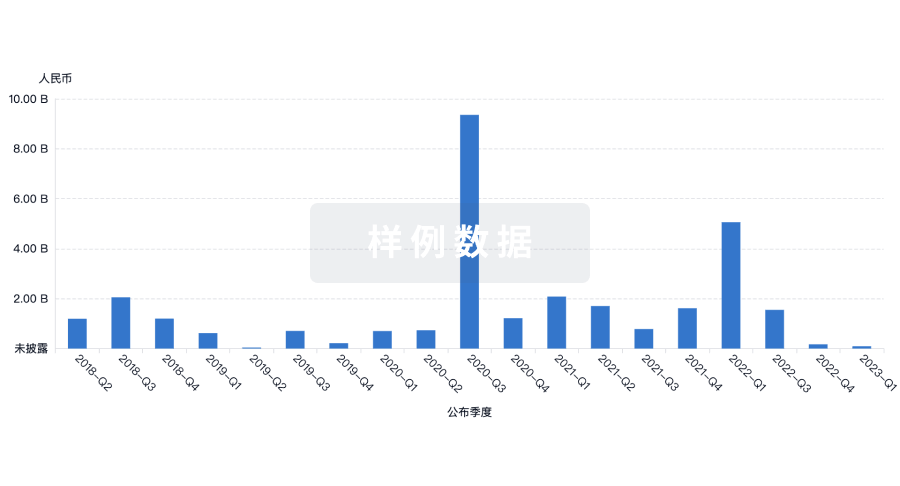
融资
发掘融资趋势以验证和推进您的投资机会。
登录
或
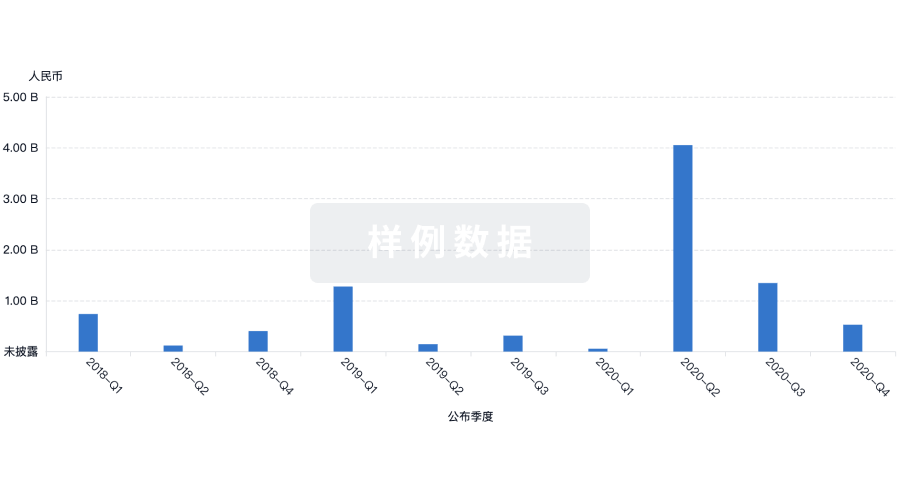
提出任何生物医药研究问题
让每一步生物医药决策都精准制胜
基于十亿级生物数据与全球情报的精准 AI,赋能早期药物发现
立即开始免费试用!
智慧芽新药情报库是智慧芽专为生命科学人士构建的基于AI的创新药情报平台,助您全方位提升您的研发与决策效率。
立即接入生物医药数据包
智慧芽新药库数据也通过智慧芽开放平台,以MCP或API服务形式对外开放。立即使用我们的MCP服务定制您的LLM智能体。
生物序列数据库
生物药研发创新
免费使用
化学结构数据库
小分子化药研发创新
免费使用