预约演示
更新于:2026-05-12

University of Delaware
更新于:2026-05-12
概览
关联
NCT07420218
Impact of FSH and Estradiol on Sympathetic Function in Menopausal Women
NCT07450118
Nested Pilot Study Comparing Two Treatments to Reduce Type 2 Diabetes Risk in At-Risk Delawareans
NCT07536217
Developmental Pilot of Support Groups for Caregivers of Children With DLD
100 项与 University of Delaware 相关的临床结果
登录后查看更多信息
登录后查看更多信息
2026-08-01Journal of substance use and addiction treatment
Racial and ethnic differences in medications for opioid use disorder and overdose in 11 state Medicaid programs from 2016 to 2020
Article
作者: Tang, Lu ; Marks, Sarah ; Gifford, Katie ; Barnes, Andrew ; Gordon, Adam J ; Kim, Joo Yeon ; Essien, Utibe R ; Talbert, Jeffery ; Chang, Chung-Chou H ; Tossone, Krystel ; Mack, Aimee ; Hammerslag, Lindsey ; Cunningham, Peter ; Wilson, J Deanna ; Burns, Marguerite ; Cole, Evan S ; Roberts, Eric ; Allen, Lindsay ; Kennedy, Susan ; Mohamoud, Shamis ; Junker, Stefanie ; Donohue, Julie M ; Ware, Orrin ; Clark, Sarah ; Austin, Anna ; Wang, Bill ; Fry, Carrie ; Idala, David ; Ahrens, Katherine
INTRODUCTION:
Access to medications for opioid use disorder (MOUD) varies across racial and ethnic groups. As the largest payer for MOUD, Medicaid has potential to ensure access for all enrollees. We aimed to quantify recent trends and state variation in MOUD use by race and ethnicity in Medicaid.
METHODS:
Using a distributed research network, we conducted a cross-sectional study of 11 states' Medicaid data from 2016 to 2020. Among enrollees diagnosed with opioid use disorder (OUD), we measured the percent receiving MOUD (overall; and methadone, buprenorphine, naltrexone, separately), continuity of MOUD for ≥180 days, and claims-based overdose event rates. We estimated logistic regression models in each state with fixed effects for year, race/ethnicity, and year and race/ethnicity interaction terms to examine changes in demographic differences in outcomes over time, adjusting for patient characteristics. We pooled estimates using random effects meta-analyses.
RESULTS:
Of the 542,414 enrollees with OUD in 2020, 430,891 (79.4%) were non-Hispanic white, 77,952 (14.4%) were non-Hispanic Black, 17,094 (3.2%) were Hispanic, and 16,477 (3.0%) had other race or ethnicity. MOUD use increased among enrollees in all racial and ethnic groups over time. The share of non-Hispanic white enrollees diagnosed with OUD receiving MOUD increased from 52.3% to 68.8% from 2016 to 2020 while the percent of non-Hispanic Black enrollees receiving MOUD from 37.2% to 49.7% during that period. Differences were widest for buprenorphine versus methadone or naltrexone. In adjusted analyses, Hispanic and Non-Hispanic Black enrollees were less likely to receive MOUD (adjusted odds ratios (AOR) = 0.67 [95 CI 0.49-0.91] and AOR = 0.41 [95 CI 0.33-0.52], respectively) compared to non-Hispanic white enrollees in 2016. Differences in receipt of MOUD did not change from 2016 to 2020. Non-Hispanic Black enrollees were less likely to have continuous MOUD relative to non-Hispanic white enrollees (AOR = 0.68 [95 CI 0.61-0.77)]. Overdose events peaked in 2017 for all racial and ethnic groups and were highest for Hispanic enrollees in 2020.
CONCLUSION:
MOUD increased among all racial and ethnic groups in 11 state Medicaid programs from 2016 to 2020. Yet, racial and ethnic differences in MOUD persisted, especially for buprenorphine. Our findings can inform Medicaid efforts to improve access to MOUD for all enrollees affected by OUD.
2026-06-01JOURNAL OF ANXIETY DISORDERS
The role of gender and child sexual abuse history in treatment response in two treatments for posttraumatic stress disorder
Article
作者: Shayani, Danielle R ; Brown, Stephanie E ; Hayes, Adele M ; Sloan, Denise M
OBJECTIVE:
This study tested whether a reported history of child sexual abuse (CSA) differentially affected treatment outcomes in men and women receiving written exposure therapy (WET) and cognitive processing therapy (CPT) for posttraumatic stress disorder (PTSD).
METHOD:
Participants were treatment-seeking men (n = 66) and women (n = 60) with a primary diagnosis of PTSD randomized to either WET or CPT. Approximately half of the sample (n = 60) reported a history of CSA. Masked evaluators assessed participants' PTSD symptoms and remission status at baseline and 6, 12, and 24 weeks after the first treatment session using the Clinician-Administered PTSD Scale for DSM-5 (CAPS-5). An intent-to-treat linear mixed-effects model tested the association of the interaction between gender, CSA, treatment group, and time with PTSD symptom scores at 24-weeks after the first treatment session. Stratified chi-square tests of independence for each treatment group also examined the association between gender and CSA history with PTSD remission status at 24 weeks.
RESULTS:
The linear mixed effects model revealed a significant interaction between gender, history of CSA, treatment group, and time (B = 1.29, t[158] = 2.33, p = .021). Follow-up multiple comparison t-tests showed that women without a history of CSA randomized to CPT experienced greater reductions in PTSD symptoms than all other groups. No other statistically significant differences were observed between groups. Additionally, a larger proportion of women without CSA experienced PTSD remission at 24 weeks than women with a history of CSA (χ²(1, n = 24) = 4.00, p = .046). This pattern was not observed in WET.
CONCLUSION:
These findings imply a potentially meaningful difference in treatment response in women with and without CSA history receiving CPT for PTSD.
2026-05-01CHILD MALTREATMENT
Polyvictimization Profiles and Variations in Youth Mental Health Symptoms: A Person-Centered Approach
Article
作者: Hall, Kayla E. ; Adams, Zack ; Chapman, Jason E. ; Perhamus, Gretchen R. ; Bernard, Donte ; Amaya, Stephanie ; Siciliano, Rachel E. ; Korom, Marta ; Danielson, Carla Kmett ; Bounoa, Nadia
Polyvictimization, exposure to multiple potentially traumatic events (PTEs), is prevalent and has profound mental health implications. Investigating the patterns and impact of co-occurring PTEs during childhood is essential to design and deliver tailored clinical services. This study included a diverse community sample of 326 youth (ages 7–16). Latent class analysis (LCA) of DSM-5 posttraumatic stress disorder (PTSD) criterion A events was conducted to identify PTE classes. Classes were further characterized using race-related, peer, and dating victimization, and psychopathology symptoms (PTSD, anxiety, depression). Three classes emerged: (1)
low trauma
, (2)
interpersonal and community violence (IPV/CV)
, and (3)
emotional abuse, neglect, and interpersonal violence in familial relationships (EA/N/IPVFam)
. Demographics, total PTEs, age at first exposure, race-related events, PTSD, anxiety, and depression symptoms varied across classes, indicating functional significance of identified profiles. Results underscore the importance of considering PTE profiles and person-centered approaches to understand and address trauma-related sequelae in youth.
100 项与 University of Delaware 相关的药物交易
登录后查看更多信息
100 项与 University of Delaware 相关的转化医学
登录后查看更多信息
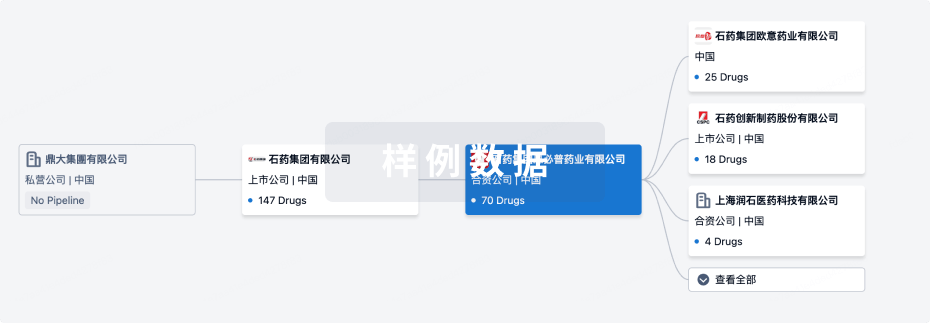
组织架构
使用我们的机构树数据加速您的研究。
登录
或
管线布局
2026年10月19日管线快照
管线布局中药物为当前组织机构及其子机构作为药物机构进行统计,早期临床1期并入临床1期,临床1/2期并入临床2期,临床2/3期并入临床3期
其他
1
登录后查看更多信息
当前项目
登录后查看更多信息
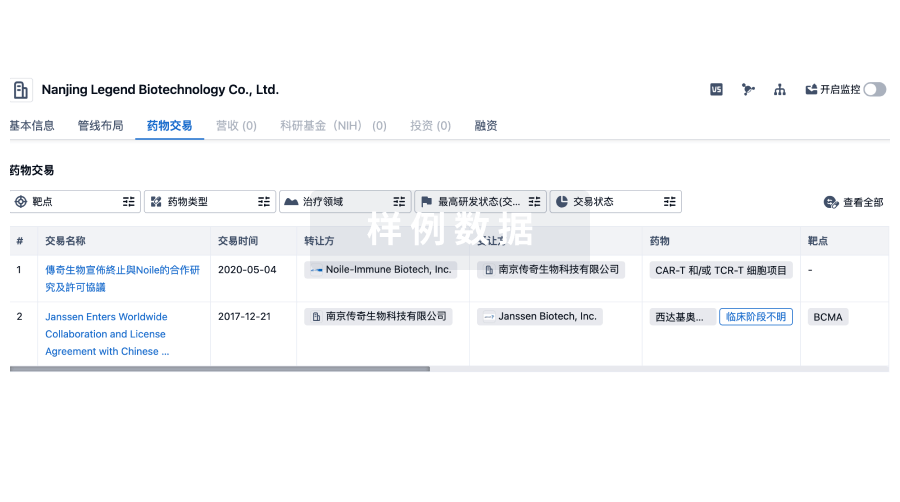
药物交易
使用我们的药物交易数据加速您的研究。
登录
或
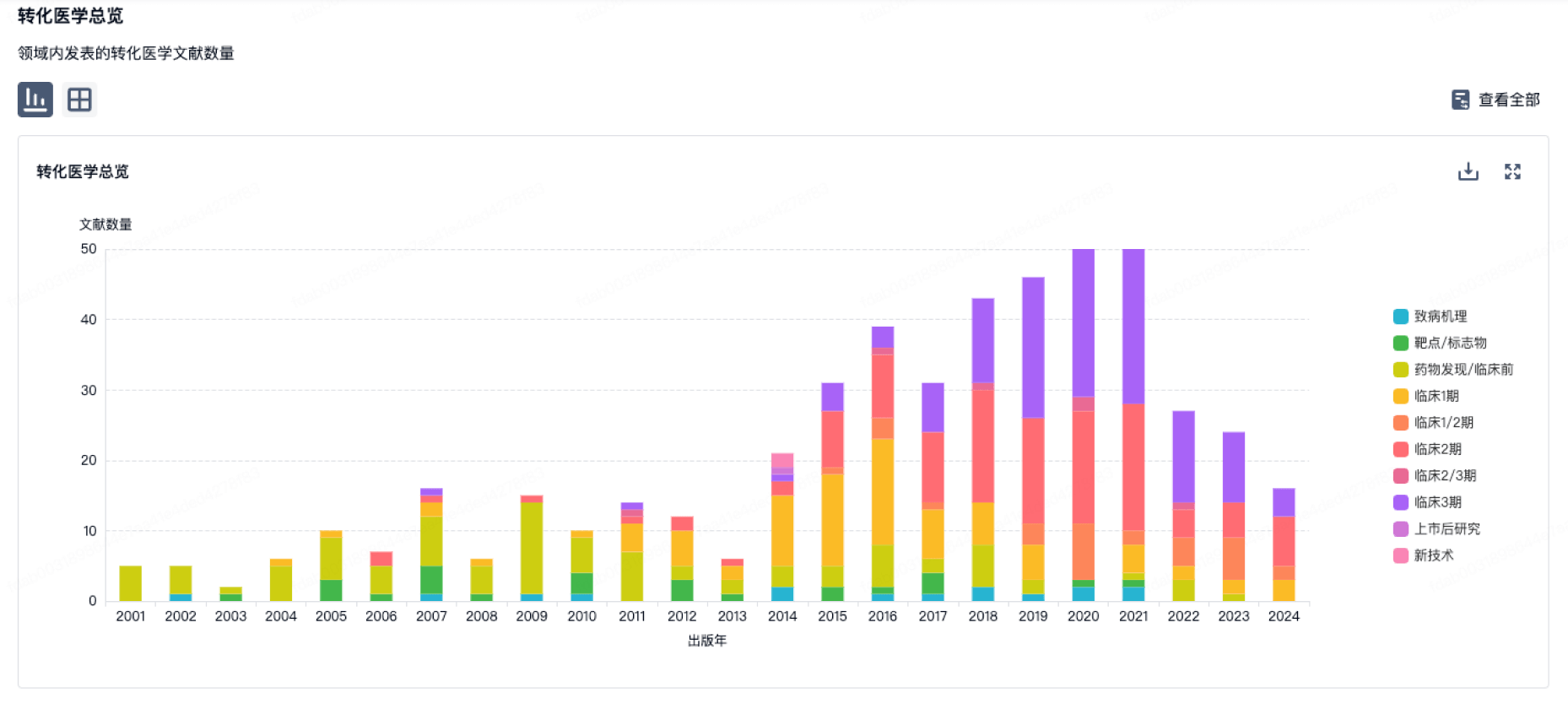
转化医学
使用我们的转化医学数据加速您的研究。
登录
或
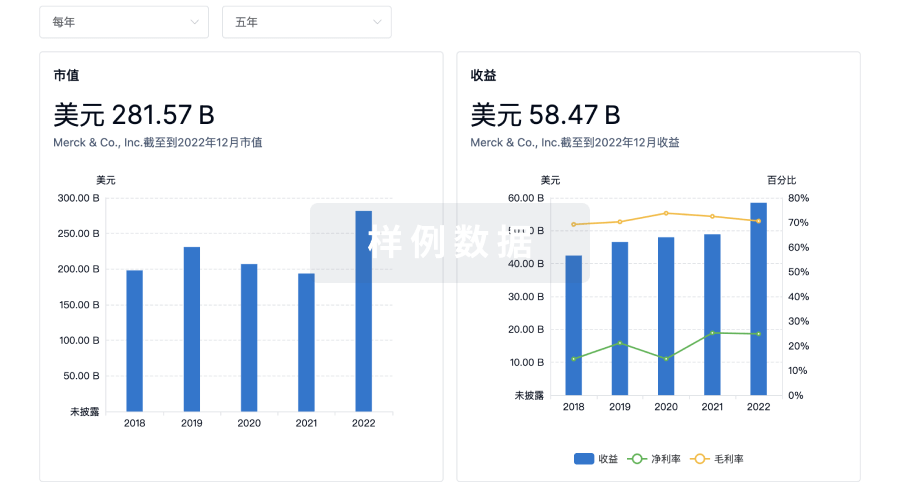
营收
使用 Synapse 探索超过 36 万个组织的财务状况。
登录
或
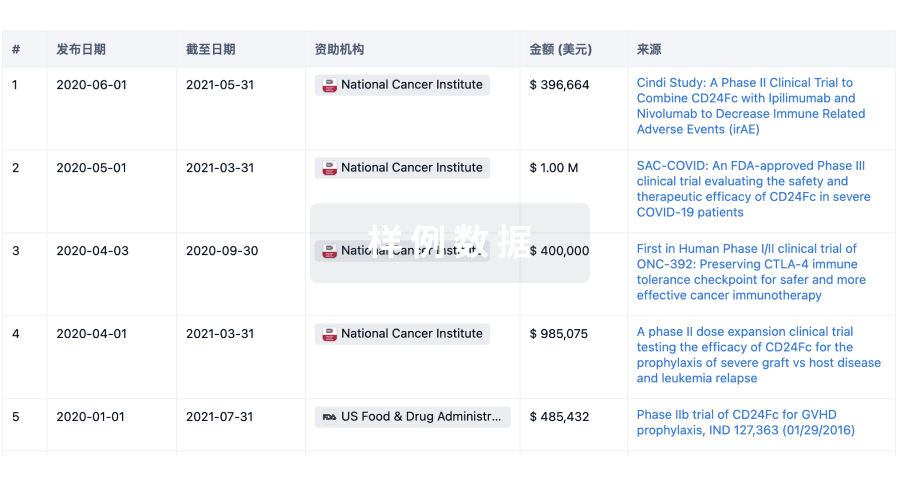
科研基金(NIH)
访问超过 200 万项资助和基金信息,以提升您的研究之旅。
登录
或
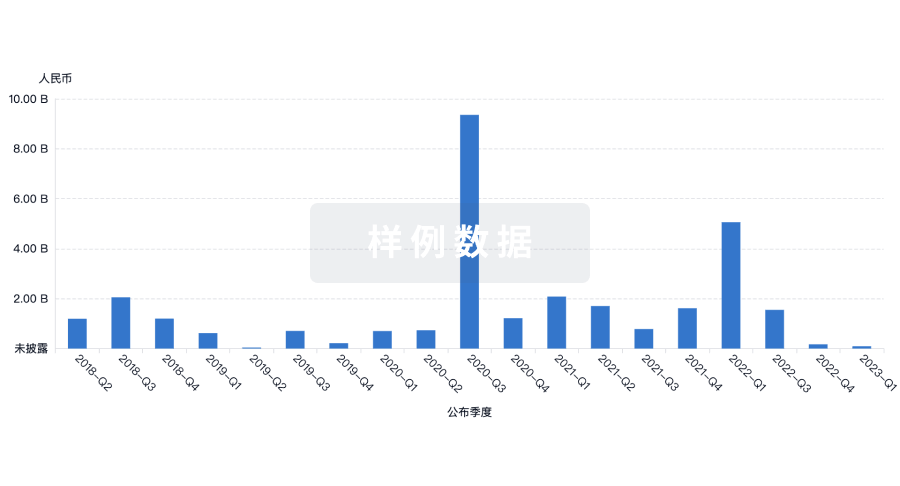
投资
深入了解从初创企业到成熟企业的最新公司投资动态。
登录
或
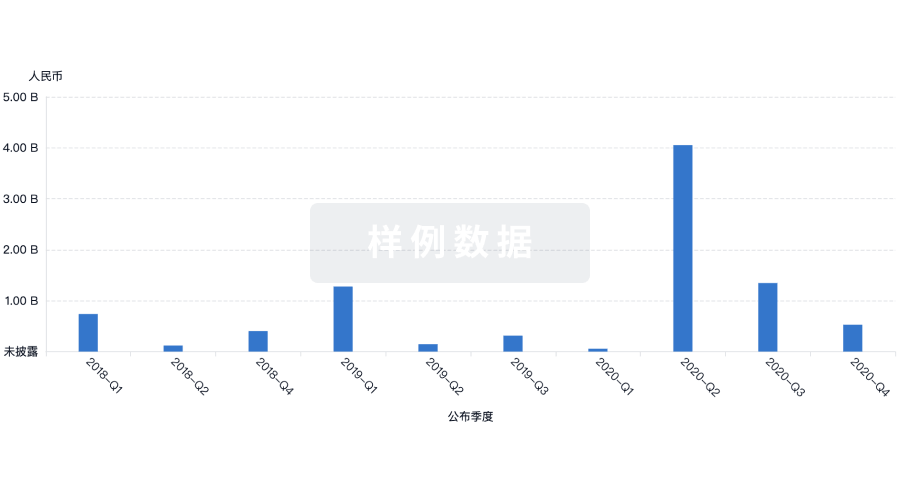
融资
发掘融资趋势以验证和推进您的投资机会。
登录
或
提出任何生物医药研究问题
让每一步生物医药决策都精准制胜
基于十亿级生物数据与全球情报的精准 AI,赋能早期药物发现
立即开始免费试用!
智慧芽新药情报库是智慧芽专为生命科学人士构建的基于AI的创新药情报平台,助您全方位提升您的研发与决策效率。
立即接入生物医药数据包
智慧芽新药库数据也通过智慧芽开放平台,以MCP或API服务形式对外开放。立即使用我们的MCP服务定制您的LLM智能体。
生物序列数据库
生物药研发创新
免费使用
化学结构数据库
小分子化药研发创新
免费使用