预约演示
更新于:2025-12-09

Saveetha Institute of Medical & Technical Sciences
更新于:2025-12-09
概览
标签
肿瘤
皮肤和肌肉骨骼疾病
泌尿生殖系统疾病
小分子化药
化学药
预防性疫苗
疾病领域得分
一眼洞穿机构专注的疾病领域

技术平台
公司药物应用最多的技术
靶点
公司最常开发的靶点
关联
靶点 |
作用机制 |
在研机构 |
原研机构 |
在研适应症 |
非在研适应症 |
最高研发阶段 |
首次获批国家/地区 |
首次获批日期 |
靶点 |
作用机制 |
在研机构 |
原研机构 |
在研适应症 |
非在研适应症 |
最高研发阶段 |
首次获批国家/地区 |
首次获批日期 |
靶点 |
作用机制 |
在研机构 |
原研机构 |
在研适应症 |
非在研适应症 |
最高研发阶段 |
首次获批国家/地区 |
首次获批日期 |
CTRI/2025/10/095870
Comparison of stroke population getting virtual reality rehabilitation versus stroke population getting physical rehabilitation. - STROKE
CTRI/2025/07/090082
Impact of Aerobic exercises and Pilates for Premenstrual syndrome and Quality of life: Insights into Cortisol Dynamics among young Women - NIL
CTRI/2025/07/090054
Effects of micro current therapy and transcutaneous electrical nerve stimulation on menstrual symptoms, quality of life and cortisol levels in primary dysmenorrhea - NIL
100 项与 Saveetha Institute of Medical & Technical Sciences 相关的临床结果
登录后查看更多信息
登录后查看更多信息
2026-12-01Nano-Micro Letters
MXene-Based Wearable Contact Lenses: Integrating Smart Technology into Vision Care
Review
作者: Iravani, Siavash ; Zarepour, Atefeh ; Zarrabi, Ali ; Khosravi, Arezoo
Abstract:
MXene-based smart contact lenses demonstrate a cutting-edge advancement in wearable ophthalmic technology, combining real-time biosensing, therapeutic capabilities, and user comfort in a single platform. These devices take the advantage of the exceptional electrical conductivity, mechanical flexibility, and biocompatibility of two-dimensional MXenes to enable noninvasive, tear-based monitoring of key physiological markers such as intraocular pressure and glucose levels. Recent developments focus on the integration of transparent MXene films into the conventional lens materials, allowing multifunctional performance including photothermal therapy, antimicrobial and anti-inflammation protection, and dehydration resistance. These innovations offer promising strategies for ocular disease management and eye protection. In addition to their multifunctionality, improvements in MXene synthesis and device engineering have enhanced the stability, transparency, and wearability of these lenses. Despite these advances, challenges remain in long-term biostability, scalable production, and integration with wireless communication systems. This review summarizes the current progress, key challenges, and future directions of MXene-based smart contact lenses, highlighting their transformative potential in next-generation digital healthcare and ophthalmic care.
2026-12-01Cognitive Neurodynamics
Real-time driver activity detection using advanced deep learning models
Article
作者: Eid, Mahmoud M A ; Adrita, Saida Tasnim ; Khan, Md Obaydullahn ; Islam, Md Ariful ; Rashed, Ahmed Nabih Zaki ; Al Emran, Md ; Rana, Md Jewel ; Ahmed, Md Ashik
Traffic accidents usually result from driver's inattention, sleepiness, and distraction, posing a substantial danger to worldwide road safety. Advances in computer vision and artificial intelligence (AI) have provided new prospects for designing real-time driver monitoring systems to reduce these dangers. In this paper, we assessed four known deep learning models, MobileNetV2, DenseNet201, NASNetMobile, and VGG19, and offer a unique Hybrid CNN-Transformer architecture reinforced with Efficient Channel Attention (ECA) for multi-class driver activity categorization. The framework defines seven important driving behaviors: Closed Eye, Open Eye, Dangerous Driving, Distracted Driving, Drinking, Yawning, and Safe Driving. Among the baseline models, DenseNet201 (99.40%) and MobileNetV2 (99.31%) achieved the highest validation accuracies. In contrast, the proposed Hybrid CNN-Transformer with ECA attained a near-perfect validation accuracy of 99.72% and further demonstrated flawless generalization with 100% accuracy on the independent test set. Confusion matrix studies further indicate a few misclassifications, verifying the model's high generalization capacity. By merging CNN-based local feature extraction, attention-driven feature refinement, and Transformer-based global context modeling, the system provides both robustness and efficiency. These findings show the practicality of using the suggested technology in real-time intelligent transportation applications, presenting a viable avenue toward reducing traffic accidents and boosting overall road safety.
2026-06-01International Orthodontics
Optimization of the effectiveness of lower canine retraction: A FEM comparison of different attachment systems with no attachments in clear aligners
Article
作者: Chanduka, Muskan ; Subramanian, Aravind Kumar ; Vaiid, Nikhillesh ; Muthuswamy Pandian, Srirengalakshmi
OBJECTIVE:
The objective of this study is to assess the biomechanical efficacy of different attachment systems in facilitating the lower canine retraction using clear aligners by means of a finite element method (FEM) analysis.
METHODS:
A FEM was developed by utilizing intraoral scan data and CBCT data from an 18-year-old female with ideal occlusion. Four experimental groups were assessed: group 1 (unattached), group 2 (single vertical rectangular attachment), group 3 (double vertical rectangular attachments), and group 4 (optimized quarter-ellipsoid attachments). The study evaluated the stress distribution, plastic deformation and displacement of the crown and root during simulated canine retraction.
RESULTS:
Highest bodily translation (85-90%) was observed with optimized attachments (group 4) attaining nearly equal crown and root displacement. Tipping was observed in group 1, less of bodily movement was seen (60-65%) compared to group 2, which demonstrated better physiological translation (70-75%), while group 3 further enhanced efficiency to 75-80%. Group 4 exhibited the most uniform stress distribution, and plastic deformation was minimal (0.01mm), suggesting superior force application and aligner stability.
CONCLUSION:
The efficiency of canine retraction was considerably improved by optimized quarter-ellipsoid attachments, which resulted in minimal stress concentration and deformation. These findings substantiate the use of optimized attachments to improve the results of clear aligner treatment. Further clinical research is advised to verify these findings and investigate alternative attachment designs and materials to optimize aligner therapy.
100 项与 Saveetha Institute of Medical & Technical Sciences 相关的药物交易
登录后查看更多信息
100 项与 Saveetha Institute of Medical & Technical Sciences 相关的转化医学
登录后查看更多信息
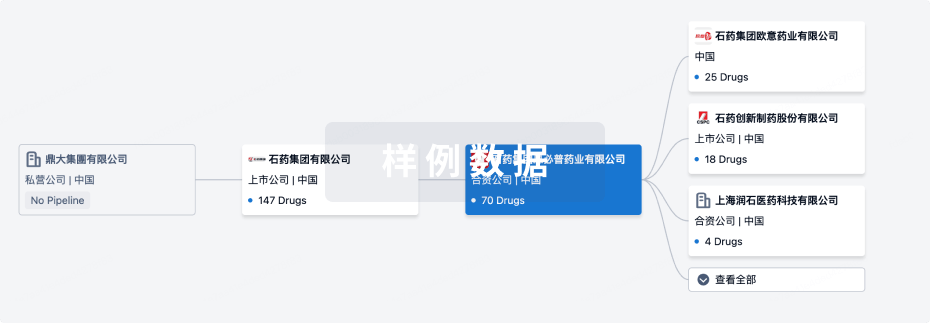
组织架构
使用我们的机构树数据加速您的研究。
登录
或
管线布局
2026年10月16日管线快照
管线布局中药物为当前组织机构及其子机构作为药物机构进行统计,早期临床1期并入临床1期,临床1/2期并入临床2期,临床2/3期并入临床3期
临床前
5
登录后查看更多信息
当前项目
登录后查看更多信息
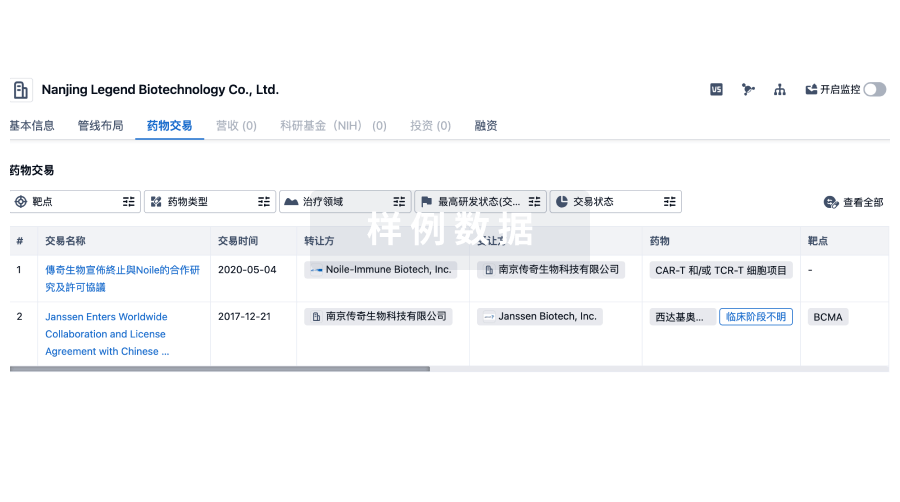
药物交易
使用我们的药物交易数据加速您的研究。
登录
或
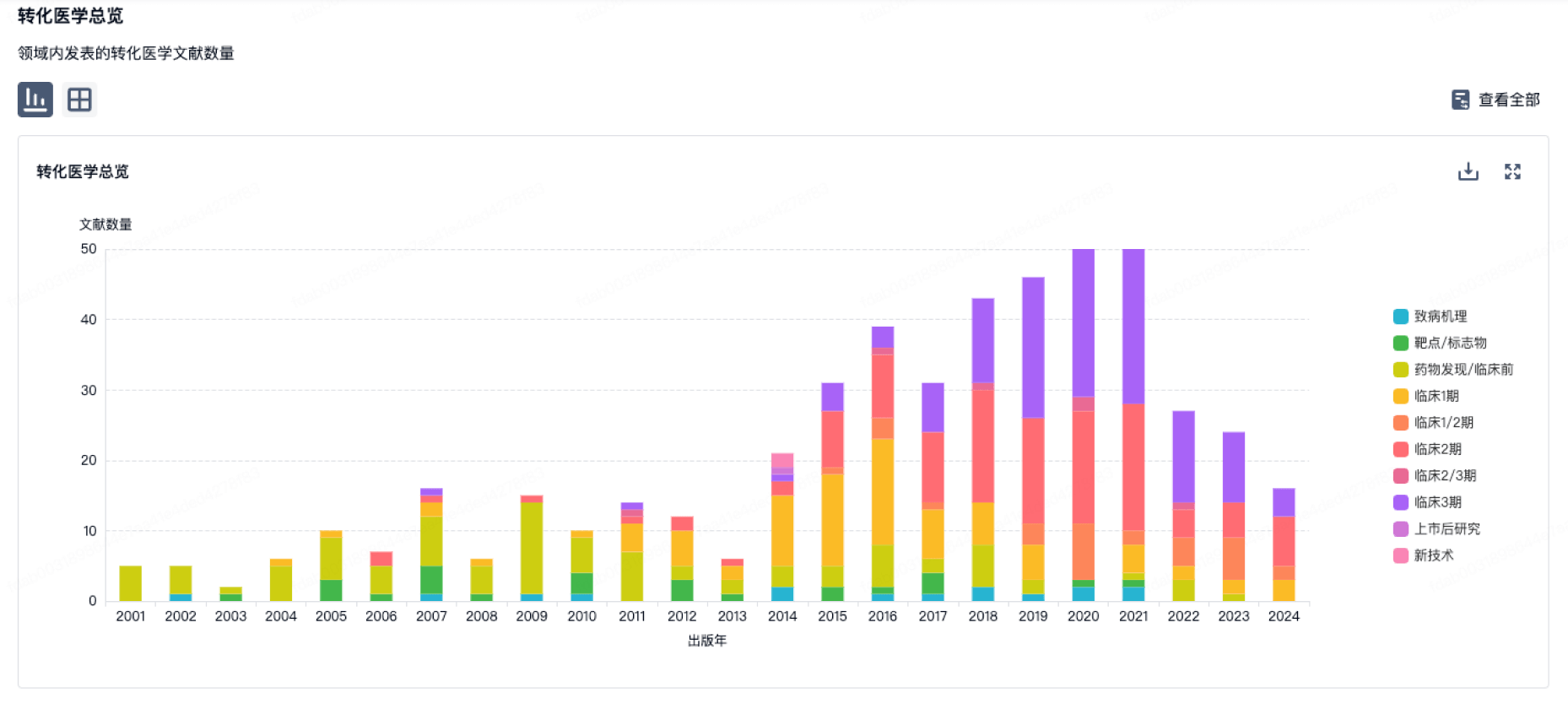
转化医学
使用我们的转化医学数据加速您的研究。
登录
或
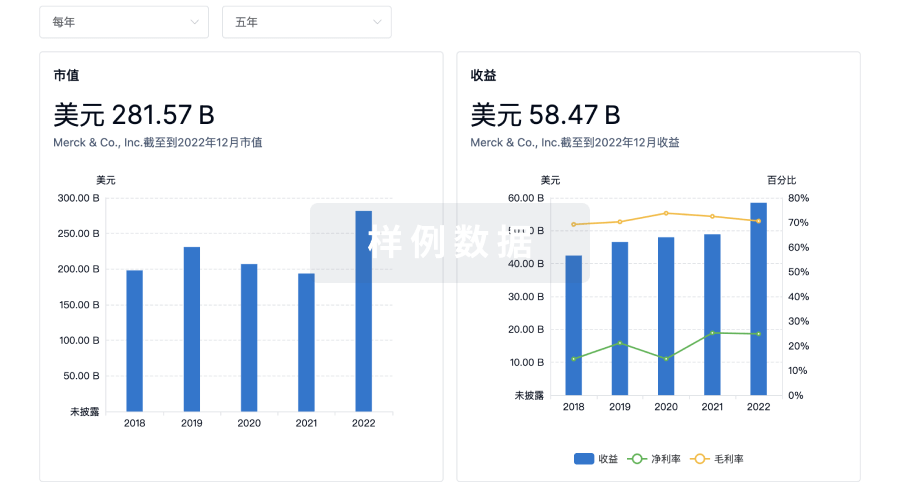
营收
使用 Synapse 探索超过 36 万个组织的财务状况。
登录
或
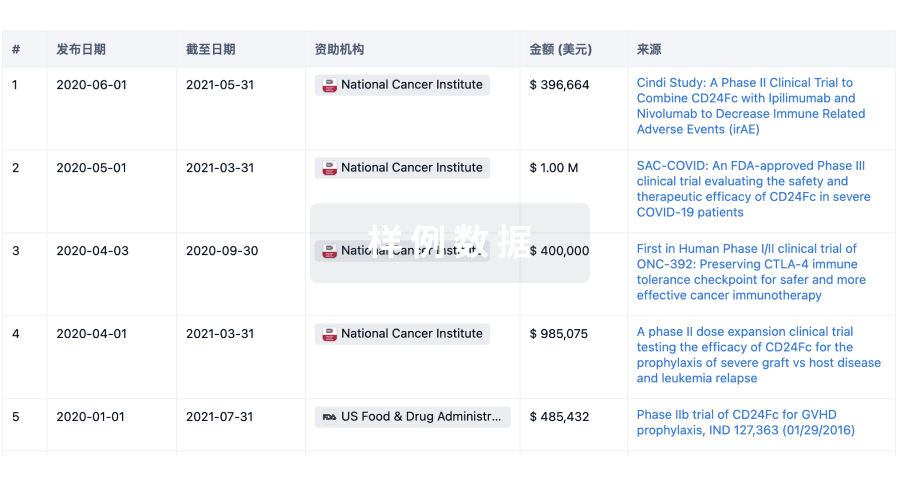
科研基金(NIH)
访问超过 200 万项资助和基金信息,以提升您的研究之旅。
登录
或
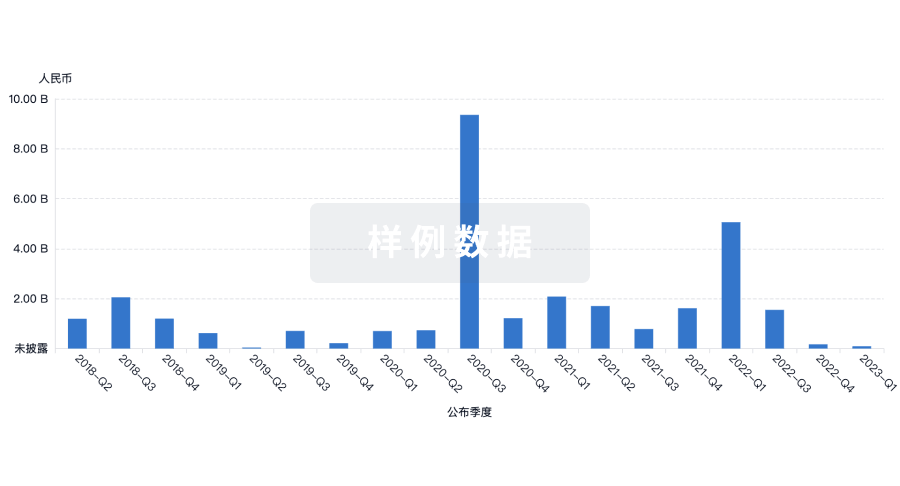
投资
深入了解从初创企业到成熟企业的最新公司投资动态。
登录
或
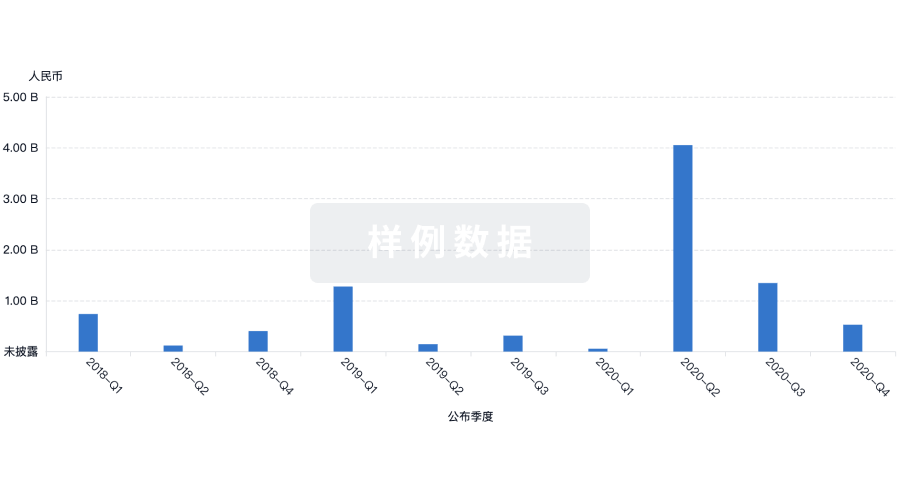
融资
发掘融资趋势以验证和推进您的投资机会。
登录
或
提出任何生物医药研究问题
让每一步生物医药决策都精准制胜
基于十亿级生物数据与全球情报的精准 AI,赋能早期药物发现
立即开始免费试用!
智慧芽新药情报库是智慧芽专为生命科学人士构建的基于AI的创新药情报平台,助您全方位提升您的研发与决策效率。
立即接入生物医药数据包
智慧芽新药库数据也通过智慧芽开放平台,以MCP或API服务形式对外开放。立即使用我们的MCP服务定制您的LLM智能体。
生物序列数据库
生物药研发创新
免费使用
化学结构数据库
小分子化药研发创新
免费使用