预约演示
更新于:2025-05-07
Environmental Medicine Institute
非盈利组织|India
非盈利组织|India
更新于:2025-05-07
概览
关联
1
项与 Environmental Medicine Institute 相关的临床试验ChiCTR2100047631
A population trial of the anti-fatigue effects of Moringa leaf
开始日期2021-06-22 |
100 项与 Environmental Medicine Institute 相关的临床结果
登录后查看更多信息
0 项与 Environmental Medicine Institute 相关的专利(医药)
登录后查看更多信息
661
项与 Environmental Medicine Institute 相关的文献(医药)2025-05-01·Biomolecules & Therapeutics
Erratum to "Morroniside Protects C2C12 Myoblasts from Oxidative Damage Caused by ROS-mediated Mitochondrial Damage and Induction of Endoplasmic Reticulum Stress" [Biomol Ther 32(3), 349-360 (2024)]
Article
作者: Bae, Sung-Jin ; Leem, Sun-Hee ; Choi, Yung Hyun ; Kim, Hyuk Soon ; Bang, EunJin ; Kim, Eunjeong ; Hong, Su Hyun ; Park, Cheol ; Kim, Gi-Young ; Hwangbo, Hyun ; Jung, Youngmi ; Seo, Young Rok ; Hyun, Jin Won
2025-05-01·Social Science & Medicine
Effort-reward imbalance and problem drinking among workers: Differences in gender and the gender composition of industries and main job activities in a prospective cohort study from Sweden
Review
作者: Toivanen, Susanna ; Nyberg, Anna ; Mensah, Aziz ; Wennberg, Peter
2025-04-01·JACC: Advances
Associations Between Metals and Nonmetals in Drinking Water, Cardiovascular Events, and Diet
Article
作者: Sun, Shengzhi ; Lin, Hongbo ; Shui, Liming ; Shen, Peng ; Ma, Junxiong ; Liang, Zhisheng ; Huang, Shuyu ; Su, Mintao ; Chen, Kun ; Zhang, Zhenyu ; Zhou, Qinfeng ; Shi, Hanxu ; Chai, Pengfei ; Zhang, Na ; Yang, Zongming ; Wang, Jianbing
9
项与 Environmental Medicine Institute 相关的新闻(医药)2024-04-25
Researchers have developed a web-based platform that offers an unprecedented view of the human body at the cellular level. The aim is to create an invaluable resource for researchers worldwide to increase knowledge about human health and disease.
Researchers at Karolinska Institutet have developed a web-based platform that offers an unprecedented view of the human body at the cellular level. The aim is to create an invaluable resource for researchers worldwide to increase knowledge about human health and disease. The study is published in Genome Biology.
Simultaneous measurement of numerous biomolecular variables, known as multi-omics, enables deep and comprehensive profiling of human biology. The new Single Cell Atlas (SCA) is based on analyses of thousands of human tissue samples from 125 different adult and fetal tissues. The researchers combined eight cutting-edge omics technologies, including single-cell RNA sequencing, whole-genome sequencing, and spatial transcriptomics to map and localise genes expressed in the tissue.
The platform provides unique insights into individual cell properties and their interactions within tissues. The extensive collection of data is freely accessible through the platform's website.
"The Single Cell Atlas not only saves time and resources but also fosters a collaborative environment for scientists from diverse fields, paving the way for new discoveries and innovations," says the study's first author Lu Pan, researcher at the Institute of Environmental Medicine, Karolinska Institutet, Sweden.
Looking ahead, the team plans to refine the SCA by introducing more detailed analyses and annual updates. These enhancements will fill gaps in tissue representation and expand the sample size, allowing for more precise research.
"The creation of the SCA marks a significant step forward in biomedical research," says the study's last author Xuexin Li, researcher at the Department of Physiology and Pharmacology (previously at the Department of Medical Biochemistry and Biophysics), Karolinska Institutet. "Our goal is to continually enrich the atlas, making it an invaluable resource for understanding human health and disease."
The research was done in collaboration with China Medical University and several other international collaboration partners in The Single Cell Atlas Consortium. The study was financed by Karolinska Institutet and the KI Network Medicine Global Alliance (KI NMA). Coauthor Volker Lauschke is CEO and shareholder of HepaPredict AB, co-founder and shareholder of PersoMedix AB, and discloses consultancy work for Enginzyme AB. The other authors declare that they have no competing interests.
siRNA临床研究
2024-03-06
A research team has examined the link between adverse childhood experiences and the risk of mental health problems later in life. The researchers have found that the risk of suffering from mental illness later in life among those experiencing significant adversity in childhood can be partly explained by factors shared by family members, such as genetics and environment.
A research team has examined the link between adverse childhood experiences and the risk of mental health problems later in life, according to a study in JAMA Psychiatry. The researchers from Karolinska Institutet and University of Iceland have found that the risk of suffering from mental illness later in life among those experiencing significant adversity in childhood can be partly explained by factors shared by family members, such as genetics and environment.
Several previous studies have shown that people who have experienced various types of adverse childhood experiences have a higher risk of suffering from psychiatric illness later in life. Now, a new study from Karolinska Institutet, using a special type of twin research design, can confirm the link, show a clear dose-response relationship and at the same time broaden the picture. The researchers can now show that there are also significant genetic and environmental factors that play a role and contribute to mental illness.
The researchers used three different cohorts of the Swedish Twin Registry, comprising over 25,000 individuals. The twins' responded to a large web-based questionnaire and answered questions about different types of adverse childhood experiences including family violence, emotional abuse or neglect, physical neglect, physical abuse, sexual abuse, rape and hate crime. In addition, information about adult psychiatric disorders was obtained from the Swedish Patient Registry.
"These are of course very difficult questions to answer, but this is the best data source we have access to," says Hilda Björk Daníelsdóttir, a doctoral student at the University of Iceland and visiting doctoral student at the Institute of Environmental Medicine at Karolinska Institutet and the study's first author.
By identifying twin pairs who reported different experiences of abuse while growing up in the same family and then following those who later received a psychiatric diagnosis, the researchers have been able to sort out how much of the increased risk is due to the abuse itself and how much is due to genetics and environment.
"Most previous studies on the mental health effects of childhood adversity have not been able to take these things into account. Now we can show that the increased risk of mental health problems after adverse childhood experiences can be partly explained by factors shared by family members, such as genetic factors or factors in the childhood environment," says Hilda Björk Daníelsdóttir.
She argues that this finding should therefore lead to health care interventions addressing risk factors within the whole family, not just the affected child or children.
The more different types of childhood adversities individuals experienced, the higher the risk was of receiving a psychiatric diagnosis later in life. The researchers can also show that sexual abuse and rape in childhood as well as having experienced three or more types of adversities were the experiences most strongly linked to future mental health problems. This is something that is also important knowledge when treating vulnerable children and their families.
"I hope that our study can raise awareness of childhood circumstances as possible causes of psychiatric disorders in adulthood and how to best address them,' says Hilda Björk Daníelsdóttir.
The research was funded by the European Research Council, the Icelandic Research Center and the EU's Horizon 2020.
2024-01-08
Women with autoimmune disease are more likely to suffer from depression during pregnancy and after childbirth; conversely, women with a history of perinatal depression are at higher risk of developing autoimmune disease, a new study reports.
Women with autoimmune disease are more likely to suffer from depression during pregnancy and after childbirth; conversely, women with a history of perinatal depression are at higher risk of developing autoimmune disease, a new study from Karolinska Institutet published in the journal Molecular Psychiatry reports.
In autoimmune disease, the immune system mistakenly attacks the body's own healthy tissue. Some of the most common autoimmune diseases are gluten intolerance (coeliac disease), autoimmune thyroiditis, rheumatoid arthritis, type 1 diabetes, and multiple sclerosis (MS).
In the present study, researchers used data from the Swedish Medical Birth Register and identified all women who had given birth in Sweden between 2001 and 2013. Out of the resulting group of approximately 815,000 women and 1.3 million pregnancies, just over 55,000 women had been diagnosed with depression during their pregnancy or within a year after delivery.
The researchers then compared the incidence of 41 autoimmune diseases in women with and without perinatal depression, controlling for familial factors such as genes and childhood environment by also including the affected women's sisters.
Strongest association for MS
The results reveal a bidirectional association between perinatal depression and autoimmune thyroiditis, psoriasis, MS, ulcerative colitis, and coeliac disease. Overall, women with autoimmune disease were 30 per cent more likely to suffer perinatal depression. Conversely, women with perinatal depression were 30 per cent more likely to develop a subsequent autoimmune disease.
The association was strongest for the neurological disease MS, for which the risk was double in both directions. It was also strongest in women who had not had a previous psychiatric diagnosis.
"Our study suggests that there's an immunological mechanism behind perinatal depression and that autoimmune diseases should be seen as a risk factor for this kind of depression," says the study's first author Emma Bränn, researcher at the Institute of Environmental Medicine at Karolinska Institutet.
Can have serious consequences
The researchers will now continue to examine the long-term effects of depression during pregnancy and in the first year following childbirth.
"Depression during this sensitive period can have serious consequences for both the mother and the baby," says Dr Bränn. "We hope that our results will help decision-makers to steer funding towards maternal healthcare so that more women can get help and support in time."
Since this was an observational study, no conclusions on causality can be drawn.
The study was financed by Karolinska Institutet, Forte (the Swedish Research Council for Health, Working Life and Welfare), the Swedish Research Councill and the Icelandic Research Fund. The researchers report no conflicts of interest.
临床结果
100 项与 Environmental Medicine Institute 相关的药物交易
登录后查看更多信息
100 项与 Environmental Medicine Institute 相关的转化医学
登录后查看更多信息
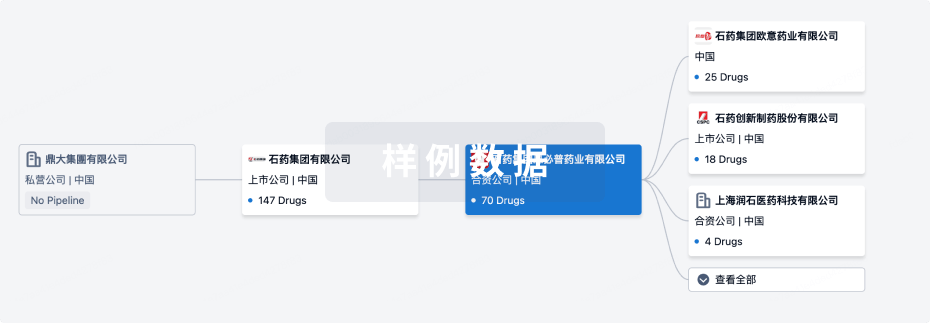
组织架构
使用我们的机构树数据加速您的研究。
登录
或
管线布局
2026年02月09日管线快照
无数据报导
登录后保持更新
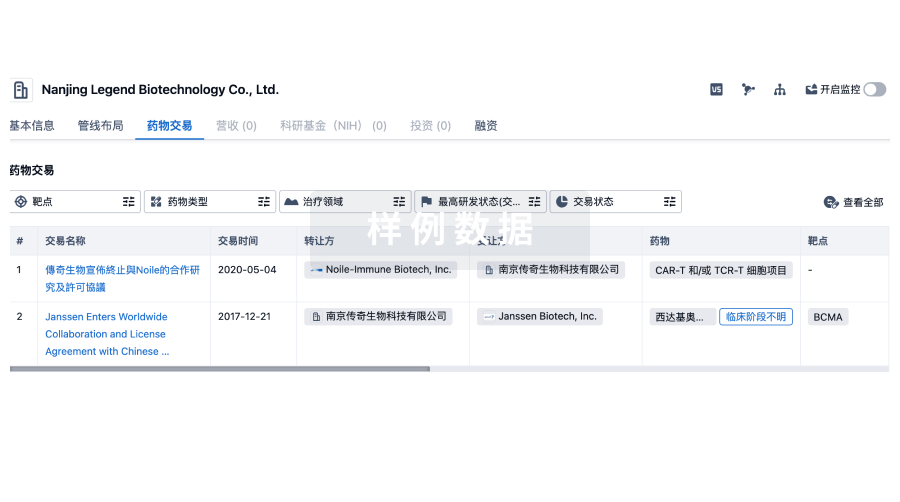
药物交易
使用我们的药物交易数据加速您的研究。
登录
或
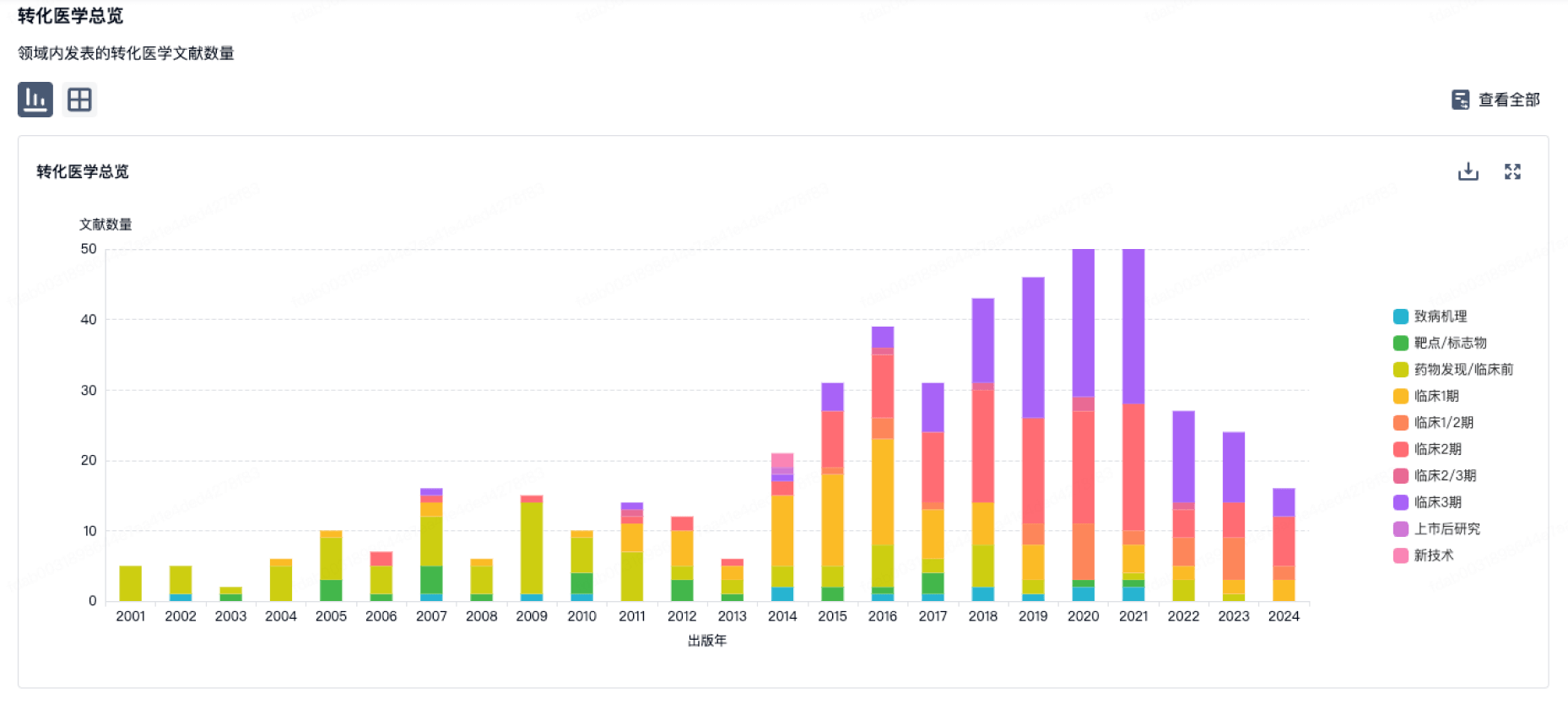
转化医学
使用我们的转化医学数据加速您的研究。
登录
或
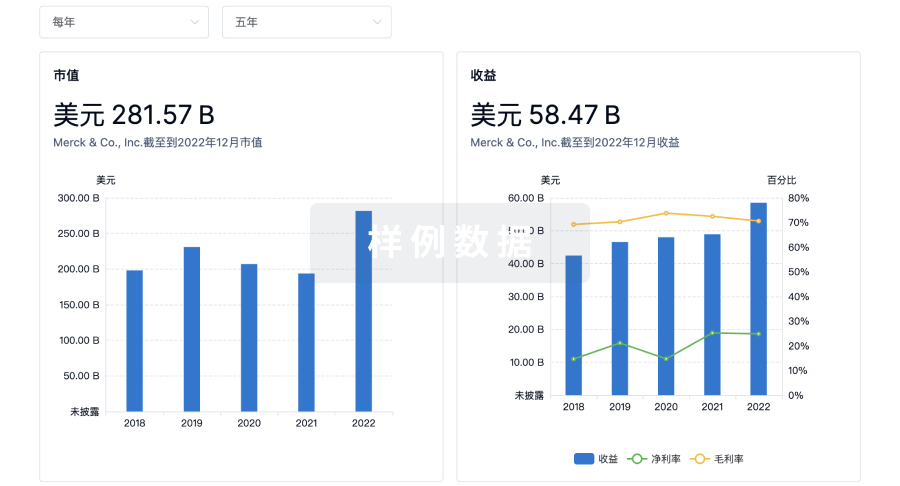
营收
使用 Synapse 探索超过 36 万个组织的财务状况。
登录
或
科研基金(NIH)
访问超过 200 万项资助和基金信息,以提升您的研究之旅。
登录
或
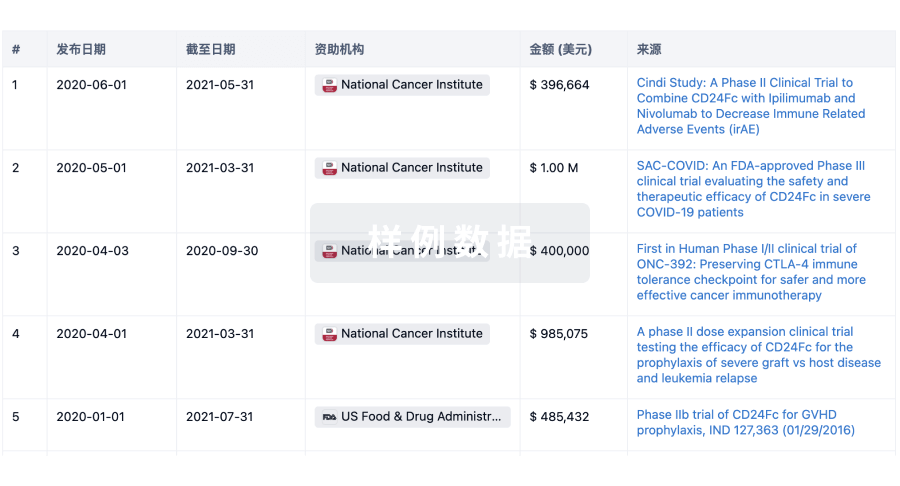
投资
深入了解从初创企业到成熟企业的最新公司投资动态。
登录
或
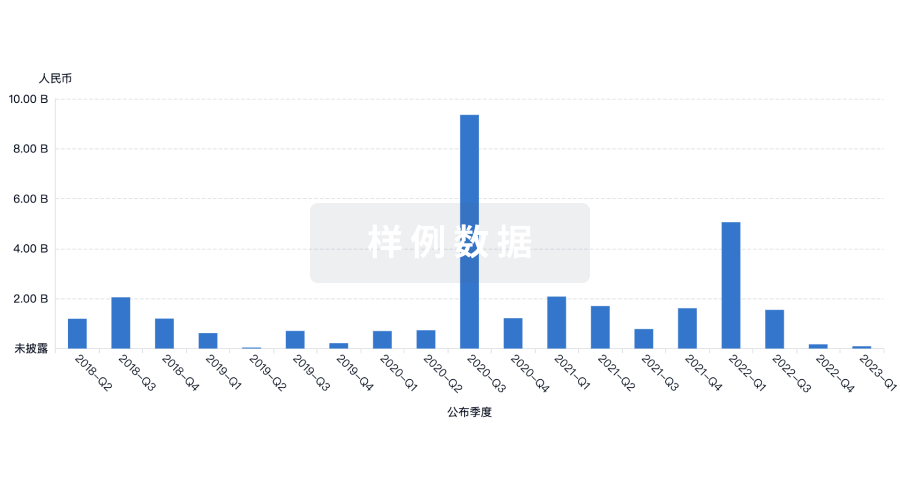
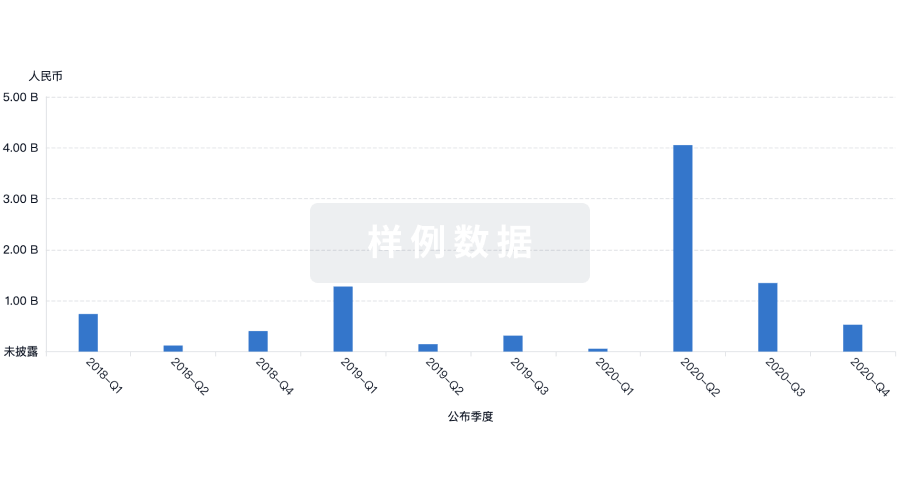
融资
发掘融资趋势以验证和推进您的投资机会。
登录
或
生物医药百科问答
全新生物医药AI Agent 覆盖科研全链路,让突破性发现快人一步
立即开始免费试用!
智慧芽新药情报库是智慧芽专为生命科学人士构建的基于AI的创新药情报平台,助您全方位提升您的研发与决策效率。
立即开始数据试用!
智慧芽新药库数据也通过智慧芽数据服务平台,以API或者数据包形式对外开放,助您更加充分利用智慧芽新药情报信息。
生物序列数据库
生物药研发创新
免费使用
化学结构数据库
小分子化药研发创新
免费使用