预约演示
更新于:2026-03-08

Dongseo University
更新于:2026-03-08
概览
标签
皮肤和肌肉骨骼疾病
免疫系统疾病
中药
疾病领域得分
一眼洞穿机构专注的疾病领域
技术平台
公司药物应用最多的技术
靶点
公司最常开发的靶点

暂无数据
关联
靶点 |
作用机制 |
在研机构 |
原研机构 |
在研适应症 |
非在研适应症 |
最高研发阶段 |
首次获批国家/地区 |
首次获批日期 |

KCT0011298
Effects of concurrent training consisting of resistance and high-intensity interval training in hypoxic conditions on body composition, cardiometabolic risk factor, and cardiorespiratory fitness factors in middle-aged obese women
100 项与 Dongseo University 相关的临床结果
登录后查看更多信息
登录后查看更多信息
2025-12-01Pharmacological Reports
Solcumin™: a functional hybrid particle with potent anti-inflammatory and antioxidant activities and enhanced storage stability
Article
作者: Kim, Dongwon ; Jeong, Jinhee ; Yoon, In-Soo ; Jeong, Jongwook ; Hwang, Sujin ; Jeon, Byoung Seung ; Hwang, Ee Taek ; Lee, Chan Yang ; Lee, Chan Hee
BACKGROUND:
Separation and encapsulation provide a practical and effective strategy for the targeted delivery of bioactive components in formulation technologies. This study aimed to develop an inorganic Pickering-mediated formulation, Solcumin™, for food-derived tetrahydrocurcumin (THC), and to evaluate its long-term storage stability and in vitro bioactivity.
METHODS:
In this study, we investigated the application of inorganic Pickering-mediated techniques to encapsulate food-derived bioactive compounds. Solcumin™ was industrially produced and subjected to physicochemical analysis, stability testing in distilled water over 8 weeks at 25 °C, and in vitro bioactivity assessment, including antioxidant (DPPH, ABTS), cytotoxicity (HDFn cells), and anti-inflammatory (NO, IL-6) assays.
RESULTS:
Solcumin™ contained 11.5% tetrahydrocurcumin (THC) and exhibited excellent stability in distilled water, retaining 85% of its initial THC content after 8 weeks of storage at 25°C, while effectively preventing leaching and oxidation. Furthermore, Solcumin™ demonstrated notable anti-inflammatory activity, inhibiting nitric oxide (NO) production by approximately 89.11% and reducing interleukin-6 (IL-6) expression in a dose-dependent manner. It also exhibited antioxidant activity, as indicated by radical scavenging activity in both 2,2-diphenyl-1-picrylhydrazyl (DPPH) and 2,2'-azinobis-(3-ethylbenzothiazoline-6-sulfonic acid) (ABTS) assays at a concentration of 100 µg/mL.
CONCLUSIONS:
To the best of our knowledge, this is the first study to report the development of biomineralization-based Solcumin™ and evaluate its in vitro bioactivity.
2025-12-01Science of Diabetes Self-Management and Care
Psychometric Properties of the Short-Form Revised Lifestyle Evaluation Scale for Metabolic Syndrome–Korean
Article
作者: Schlenk, Elizabeth A. ; Kim, Chun-Ja ; Kim, Dae Jung ; Kang, Se-Won ; Seo, Shinae
Purpose:
The purpose of the study was to evaluate the validity and reliability of a short-form Revised Lifestyle Evaluation Scale for Metabolic Syndrome (RLES-MS)–Korean.
Methods:
A cross-sectional survey was administered to 211 people with diabetes who were taking medication for metabolic syndrome and attending an outpatient clinic at a university-affiliated hospital in Suwon, Korea. Structured questionnaires were used for the psychometric evaluation. The RLES-MS validity was examined using exploratory factor analysis, and reliability was assessed using Cronbach’s alpha and McDonald’s omega.
Results:
The interitem correlation analyses identified 2 low-correlation items, resulting in a 15-item scale. Factor analysis identified 4 dimensions of the RLES-MS: healthy eating and being active, monitoring and managing target goals, healthy coping, and awareness and taking medication. The 4-factor model explained 58.65% of the total variance. Item 8 (taking medication) scored the highest, and Item 2 (healthy eating) scored the lowest, followed by Item 13 (monitoring and managing the target values). Overall, Cronbach’s alpha and McDonald’s omega were .864 and .866, respectively. The RLES-MS showed significant associations with quality of life (
r
= .426,
P
< .001), self-efficacy (
r
= .530,
P
< .001), depressive symptoms (
r
= −.430,
P
< .001), and A1C (
r
= −.163,
P
= .018).
Conclusions:
The RLES-MS showed good validity and moderate reliability, supporting its clinical use for evaluating lifestyle behaviors in Korean people with diabetes and metabolic syndrome.
2025-11-30Journal of Korean Academy of Nursing
Research ethics and emerging challenges in the era of coexistence with artificial intelligence
作者: Park, Youngrye ; Choi, Heeseung ; Hwang, Youn Sun
100 项与 Dongseo University 相关的药物交易
登录后查看更多信息
100 项与 Dongseo University 相关的转化医学
登录后查看更多信息
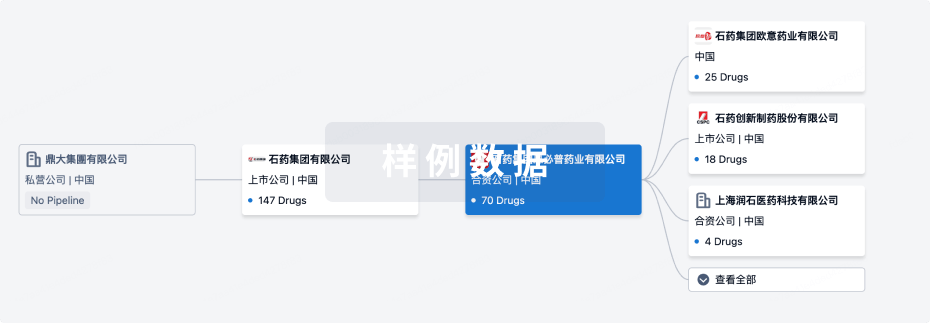
组织架构
使用我们的机构树数据加速您的研究。
登录
或
管线布局
2026年10月03日管线快照
管线布局中药物为当前组织机构及其子机构作为药物机构进行统计,早期临床1期并入临床1期,临床1/2期并入临床2期,临床2/3期并入临床3期
临床前
1
登录后查看更多信息
当前项目
登录后查看更多信息
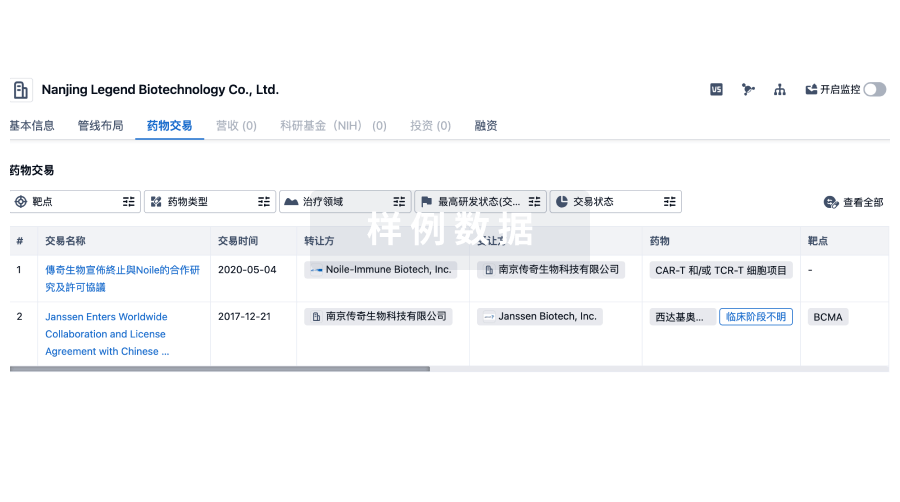
药物交易
使用我们的药物交易数据加速您的研究。
登录
或
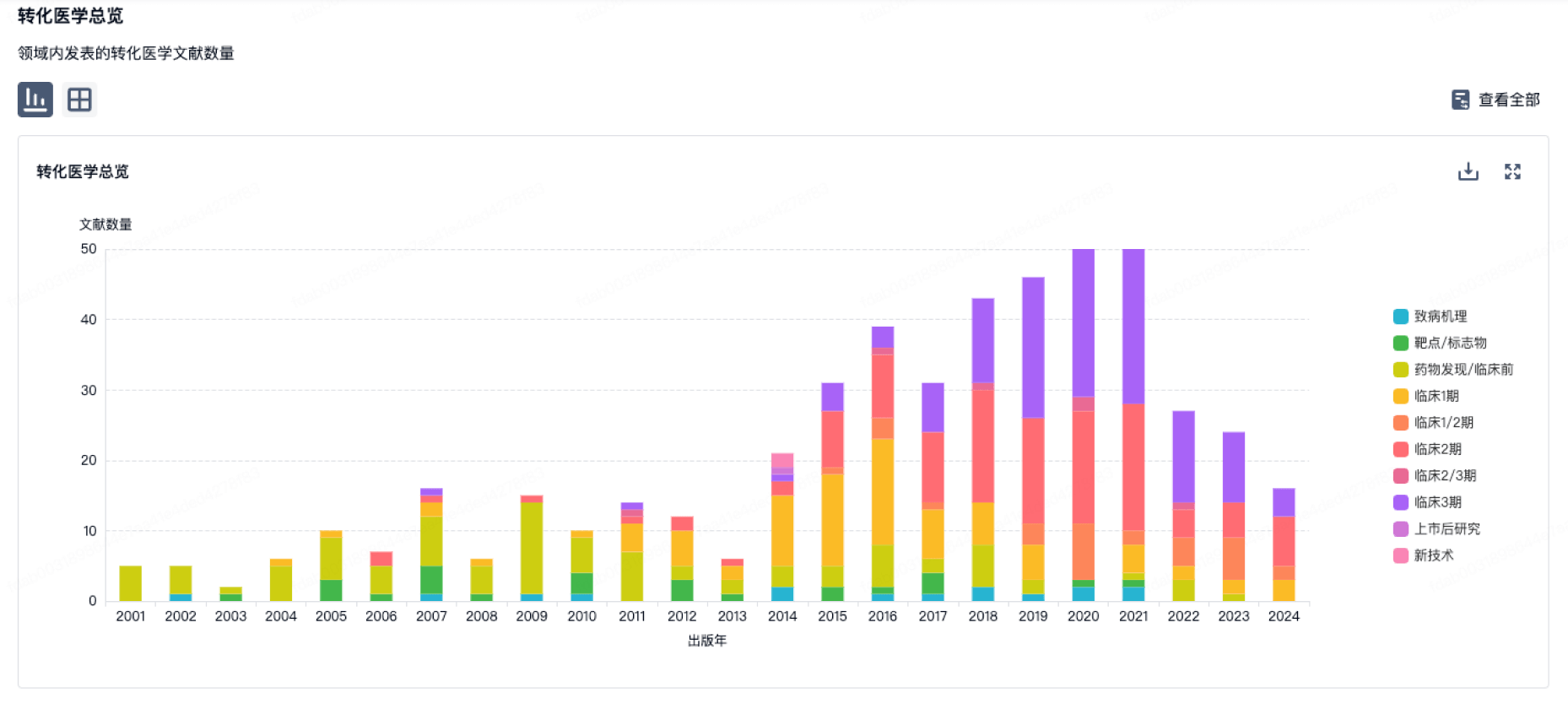
转化医学
使用我们的转化医学数据加速您的研究。
登录
或
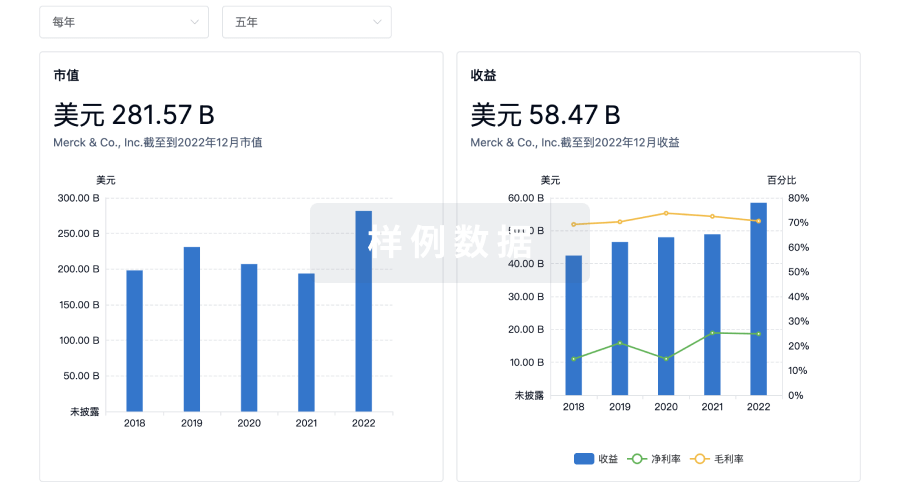
营收
使用 Synapse 探索超过 36 万个组织的财务状况。
登录
或
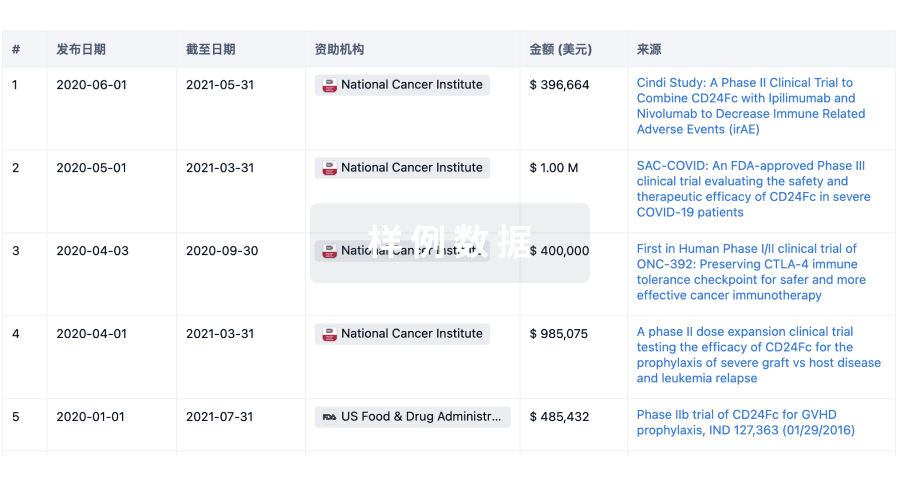
科研基金(NIH)
访问超过 200 万项资助和基金信息,以提升您的研究之旅。
登录
或
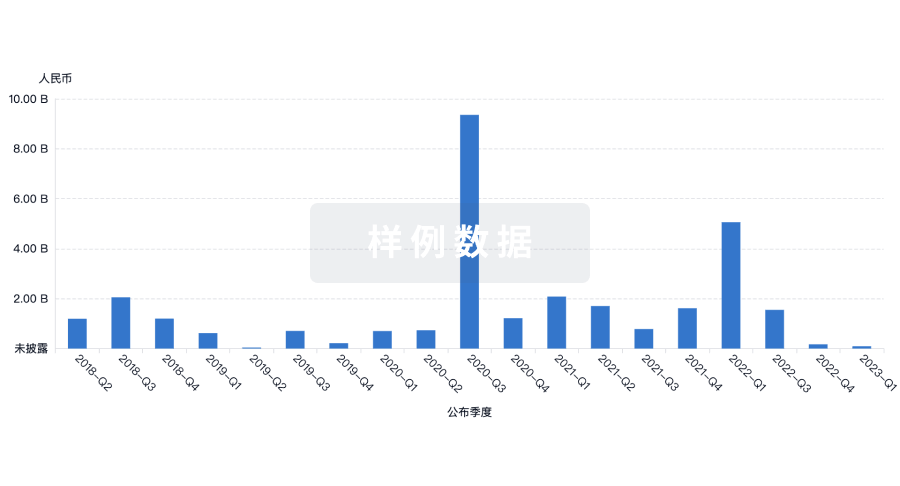
投资
深入了解从初创企业到成熟企业的最新公司投资动态。
登录
或
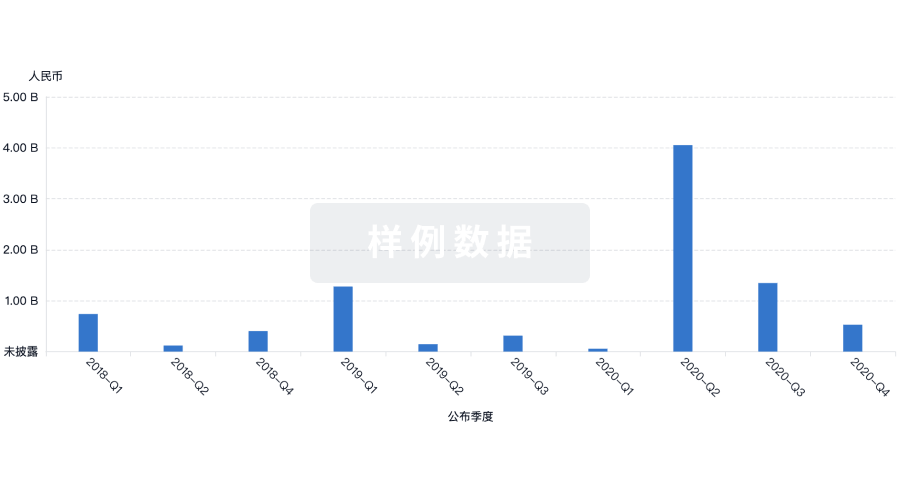
融资
发掘融资趋势以验证和推进您的投资机会。
登录
或
提出任何生物医药研究问题
让每一步生物医药决策都精准制胜
基于十亿级生物数据与全球情报的精准 AI,赋能早期药物发现
立即开始免费试用!
智慧芽新药情报库是智慧芽专为生命科学人士构建的基于AI的创新药情报平台,助您全方位提升您的研发与决策效率。
立即接入生物医药数据包
智慧芽新药库数据也通过智慧芽开放平台,以MCP或API服务形式对外开放。立即使用我们的MCP服务定制您的LLM智能体。
生物序列数据库
生物药研发创新
免费使用
化学结构数据库
小分子化药研发创新
免费使用