预约演示
更新于:2026-08-19

Kanazawa Medical University
更新于:2026-08-19
概览
关联
JPRN-jRCT1041250186
Evaluation of the Efficacy of Adding 2.5mg of Luseogliflozin to Achieve Weight Loss and Improve Glycemic Control in Type 2 Diabetes Cases Where Weight Management Has Plateaued with Tirzepatide (LIFT-T2D Study (Luseogliflozin Intervention For Tirzepatide Plateau in Type 2 Diabetes))
JPRN-jRCT1042250018
The impact of mentor functions in a new self-monitoring blood glucose device and smartphone applications for diet therapy and treatment satisfaction (MAP-DS study)
JPRN-UMIN000057250
Efficacy of active learning-based health education for preventing oral frailty
100 项与 Kanazawa Medical University 相关的临床结果
登录后查看更多信息
登录后查看更多信息
2026-08-01HEARING RESEARCH
Laminar segregation of excitatory and inhibitory projections from the inferior colliculus to the superior colliculus
Article
作者: Hase, Kazuma ; Takahashi, Megumu ; Yamamoto, Ryo ; Takahashi, Katsumasa ; Yamamoto, Mamiko ; Miyajima, Takumi ; Hioki, Hiroyuki ; Saqib, Khaleeq Ahmad ; Ito, Tetsufumi
The superior colliculus (SC) integrates multimodal spatial information to guide orientation behaviors. Visual inputs to superficial layers drive these behaviors through circuits in deeper layers, which also receive input from other sensory modalities. The inferior colliculus (IC), a central midbrain hub of auditory system, provides both VGluT2-expressing excitatory and VGAT/GAD67-expressing inhibitory projections to the SC, but the organization of these projections remains incompletely understood. In this study, we systematically mapped excitatory and inhibitory IC projections to the SC. Cre-dependent viral tracing in VGluT2-Cre and VGAT-Cre mice was used to label excitatory and inhibitory IC axons, respectively. In addition, retrograde tracing combined with fluorescent in situ hybridization for VGluT2 and GAD67 mRNAs was used to identify IC neurons projecting to the superficial SC layers, deeper SC layers, or medial geniculate body (MGB). Both excitatory and inhibitory IC projections innervated superficial and deep SC layers; however, inhibitory projections showed a modest bias toward superficial layers, whereas excitatory projections preferentially targeted deeper layers. Retrograde tracing further revealed that SC-projecting inhibitory neurons were located more frequently in rostral shell subdivisions. The proportion of inhibitory projection neurons was higher for superficial SC than for deep SC and MGB. These findings reveal a structural organization of IC projections to the SC that differs from the classical IC-MGB auditory pathway and suggest a circuit mechanism through which auditory signals may modulate visual processing in the SC.
2026-07-01Transplantation and Cellular Therapy
Posttransplant Chimerism Estimation Using Variant-Specific ddPCR in Inborn Errors of Immunity
Article
作者: Tomomasa, Dan ; Sugimoto, Mayumi ; Takagi, Masatoshi ; Umeda, Katsutsugu ; Azumi, Shohei ; Morio, Tomohiro ; Karakawa, Shuhei ; Nishimura, Akira ; Kamiya, Takahiro ; Takahashi, Shuhei ; Suzuki, Kyogo ; Hirabayashi, Shinsuke ; Nishimura, Madoka ; Matsubayashi, Tadashi ; Wakatsuki, Ryosuke ; Kanegane, Hirokazu ; Isoda, Takeshi ; Watanabe, Ryohei ; Hoshino, Akihiro ; Katayama, Saori ; Sasahara, Yoji ; Miyamoto, Satoshi ; Nishiyama, Yohei ; Ikawa, Yasuhiro
2026-06-07JOURNAL OF IMMUNOLOGY
ER stress amplifies inflammation via a dual mechanism involving IκBζ–XBP1s synergism and Regnase-1 degradation
Article
作者: Hata, Kenji ; Ruengsinpinya, Lerdluck ; Murakami, Tomohiko ; Iwawaki, Takao ; Takahata, Yoshifumi ; Sakihara, Riko ; Nakaminami, Yuri ; Nishimura, Riko
Abstract:
Inflammatory diseases arise from complex interactions between immune signaling and cellular stress. Although endoplasmic reticulum (ER) stress is a key modulator of immunity, the mechanisms by which it promotes inflammatory pathology remain incompletely understood. Notably, ER stress–induced NF-κB activation alone is insufficient to account for robust IL-6 production, thus suggesting the involvement of additional regulators. Using bone marrow–derived macrophages and sepsis model mice, we identified the inducible transcription factor IκBζ as a critical mediator of this response, with ER stress synergizing with TLR signaling to markedly upregulate IκBζ. Mechanistically, ER stress triggered calcium-dependent signaling that led to IκB kinase–mediated degradation of the RNase Regnase-1, likely stabilizing Nfkbiz mRNA and promoting the accumulation of IκBζ, which was found to cooperate with the ER stress factor XBP1s to drive transcription of selected secondary-response genes, particularly Il6 and Nos2. Importantly, this synergy was required for excessive IL-6 production in septic mice, highlighting a gene-specific amplification pathway. Together, these findings identify a dual mechanism in which transcriptional synergy between IκBζ and XBP1s is coupled to posttranscriptional mRNA stabilization via Regnase-1 degradation, thereby linking proteotoxic stress to hyperinflammatory responses. Our results establish ER stress–mediated IκBζ accumulation as a key driver of inflammatory pathogenesis and a potential therapeutic target in ER stress–associated inflammatory disorders.
2025-10-19
临床2期临床结果临床3期
100 项与 Kanazawa Medical University 相关的药物交易
登录后查看更多信息
100 项与 Kanazawa Medical University 相关的转化医学
登录后查看更多信息
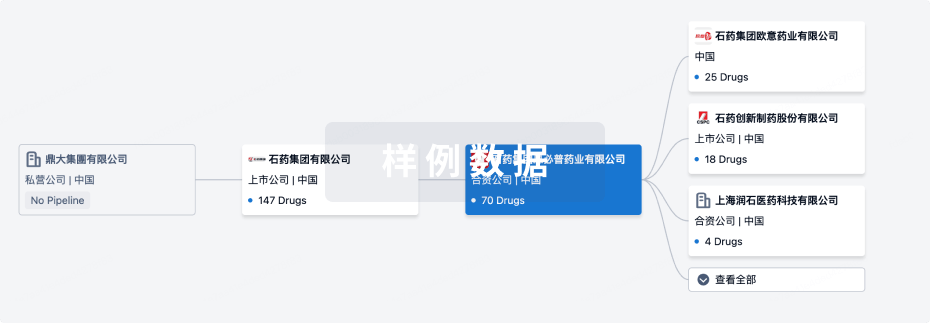
组织架构
使用我们的机构树数据加速您的研究。
登录
或
管线布局
2026年10月10日管线快照
无数据报导
登录后保持更新
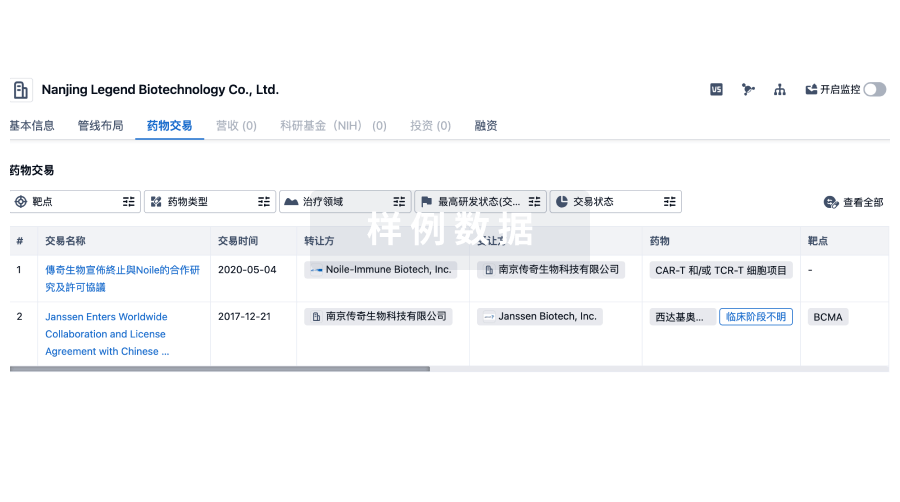
药物交易
使用我们的药物交易数据加速您的研究。
登录
或
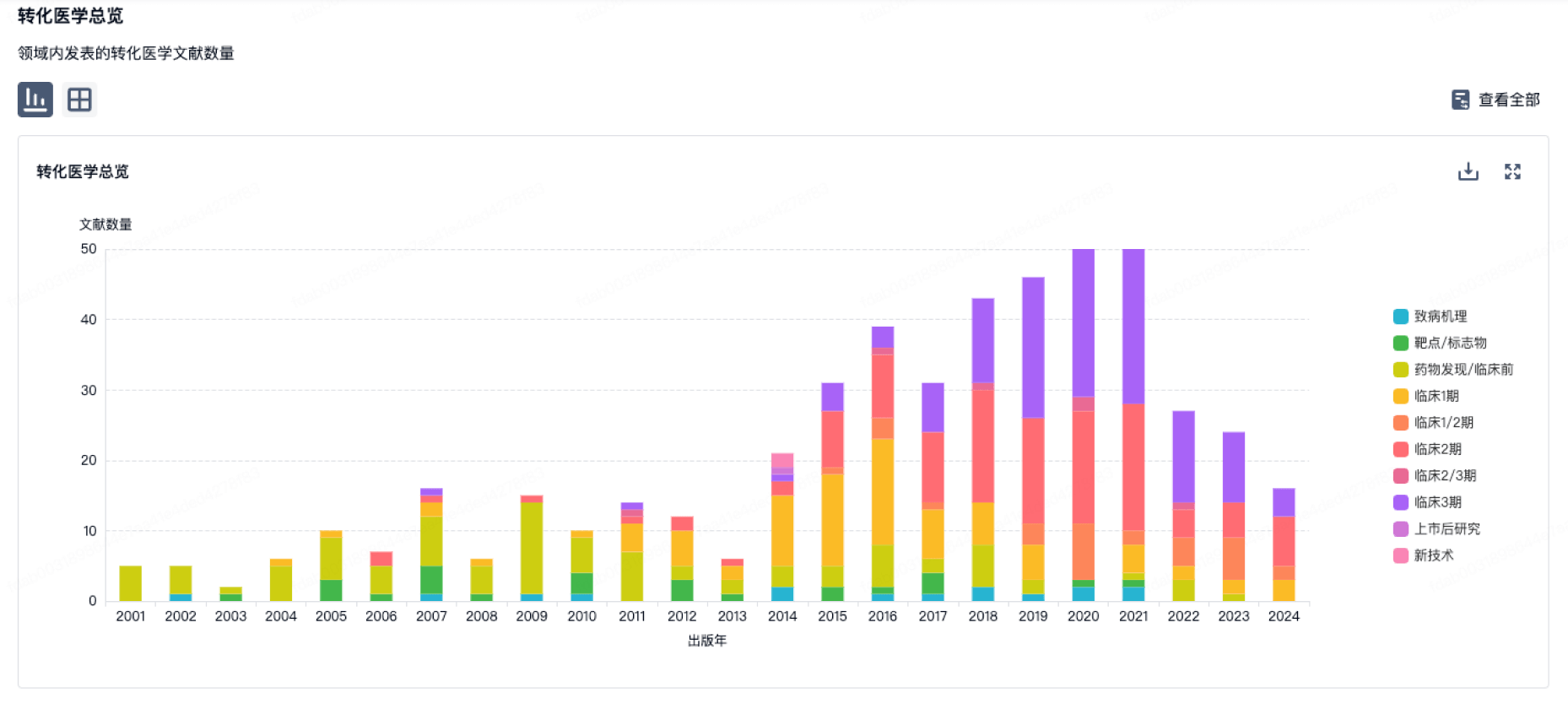
转化医学
使用我们的转化医学数据加速您的研究。
登录
或
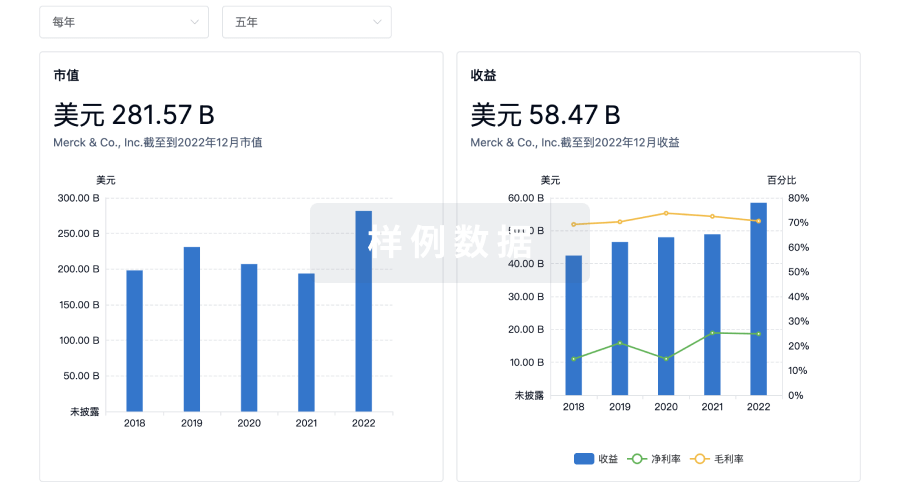
营收
使用 Synapse 探索超过 36 万个组织的财务状况。
登录
或
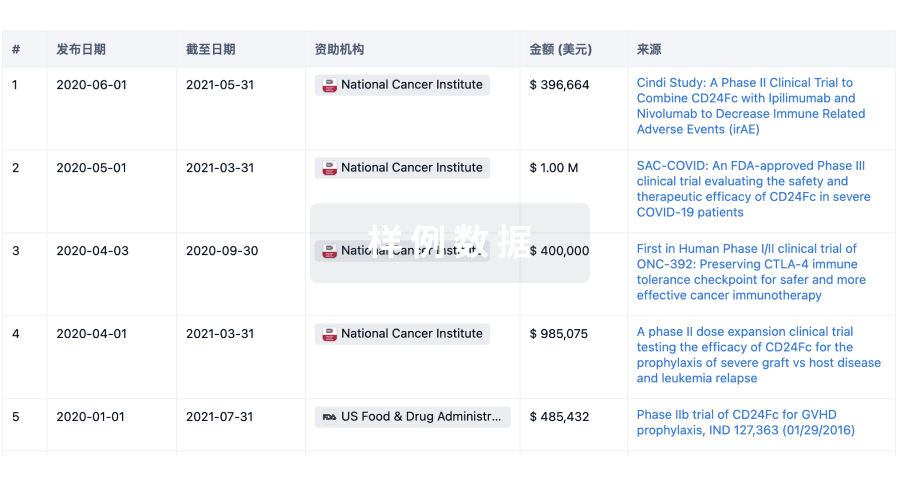
科研基金(NIH)
访问超过 200 万项资助和基金信息,以提升您的研究之旅。
登录
或
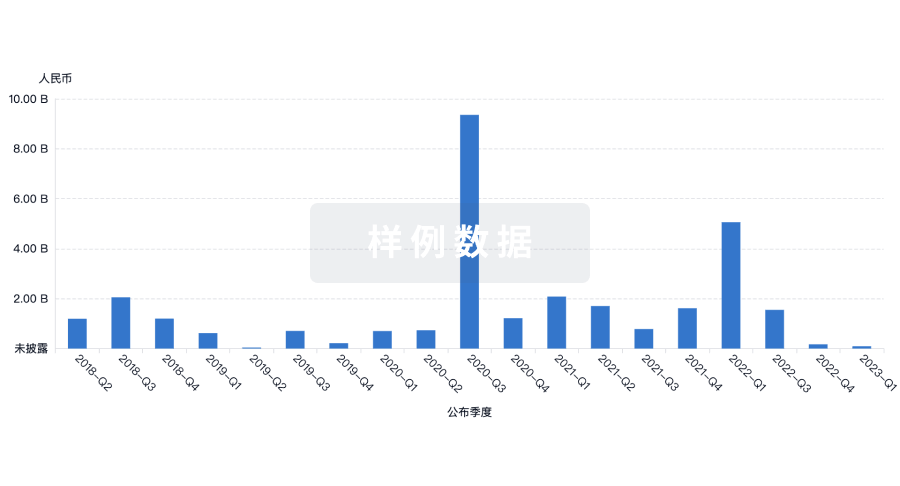
投资
深入了解从初创企业到成熟企业的最新公司投资动态。
登录
或
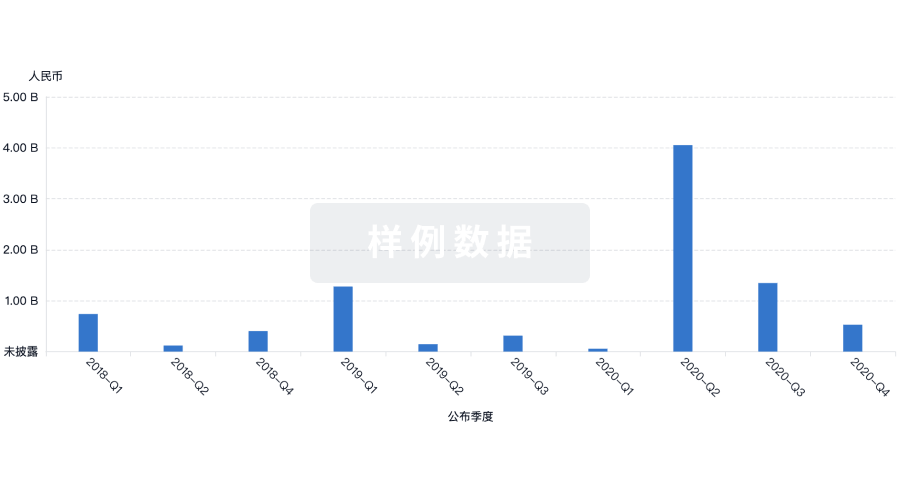
融资
发掘融资趋势以验证和推进您的投资机会。
登录
或
提出任何生物医药研究问题
让每一步生物医药决策都精准制胜
基于十亿级生物数据与全球情报的精准 AI,赋能早期药物发现
立即开始免费试用!
智慧芽新药情报库是智慧芽专为生命科学人士构建的基于AI的创新药情报平台,助您全方位提升您的研发与决策效率。
立即接入生物医药数据包
智慧芽新药库数据也通过智慧芽开放平台,以MCP或API服务形式对外开放。立即使用我们的MCP服务定制您的LLM智能体。
生物序列数据库
生物药研发创新
免费使用
化学结构数据库
小分子化药研发创新
免费使用