预约演示
更新于:2026-03-08

Université de Bretagne Occidentale
更新于:2026-03-08
概览
标签
血液及淋巴系统疾病
ASO
疾病领域得分
一眼洞穿机构专注的疾病领域

技术平台
公司药物应用最多的技术
靶点
公司最常开发的靶点
关联
WO2023209074
专利挖掘靶点 |
作用机制 |
在研机构 |
原研机构 |
在研适应症 |
非在研适应症 |
最高研发阶段 |
首次获批国家/地区 |
首次获批日期 |

100 项与 Université de Bretagne Occidentale 相关的临床结果
登录后查看更多信息
登录后查看更多信息
2026-04-01INTERNATIONAL JOURNAL OF FOOD MICROBIOLOGY
Microbial competitiveness and risk of ochratoxin A in salami: in situ evaluation along maturation
Article
作者: Copetti, Marina Venturini ; Thiollet, Antoine ; Garcia-Cela, Esther ; Gasperini, Alessandra Marcon ; Stefanello, Andrieli ; Landgraf, Dâmaris Cristine
This study investigated interactions and competition between the starter culture Penicillium nalgiovense and the toxigenic fungus Aspergillus westerdijkiae, focusing on their effects on processing parameters and on ochratoxin A (OTA) production on the dry-fermented salami surface during ripening. The influence of Lactococcus lactis, incorporated into the meat matrix, was also assessed. Salami was produced in accordance with official technical standards in a controlled environment. Half of the meat batter was inoculated with L. lactis. Following stuffing, salami was treated with one of three inoculum solutions: (A) P. nalgiovense, (B) P. nalgiovense plus A. westerdijkiae, or (C) A. westerdijkiae alone. Samples ripened for 20 days under industry-standard conditions. At days 0, 4, 8, 12, 16, and 20, pH, water activity, total bacterial counts in the meat, total fungal counts on the casing, and OTA concentrations in both matrices were measured. A. westerdijkiae rapidly colonised and dominated the casing surface by day 4, even in the presence of P. nalgiovense, and reached peak growth between days 8 and 12. OTA concentrations increased significantly after day 12, reaching 69 μg/g in the casing and 16 μg/g in the meat by day 20. Indicating that the surface provides more favorable conditions for toxin production, so removing casing could reduce the exposure to the toxin. The addition of L. lactis accelerated early acidification and temporarily reduced bacterial load but did not significantly affect fungal growth or OTA biosynthesis. These findings demonstrate that, under favorable environmental conditions, toxigenic fungi represent a significant food safety risk during salami ripening. Starter cultures alone are insufficient to prevent mycotoxin contamination in dry-cured meat products.
2026-04-01Anaesthesia Critical Care & Pain Medicine
Clinical practices in hemodynamic management of post-induction hypotension in chronic hypertension: A study of certified registered nurse anesthetists’ strategies
Article
作者: Caillard, Anaïs ; Chapalain, Elisabeth ; Langeron, Olivier ; Ayme, Olivier ; Romuald, Jean-Jacques
INTRODUCTION:
Post-induction hypotension is a common complication in general anesthesia, particularly in patients with chronic hypertension. This study aims to analyze the practices of Certified Registered Nurse Anesthetist (CRNA) in collaboration with anesthesiologists of hemodynamic management in these patients.
METHODOLOGY:
A multicenter quantitative descriptive survey was conducted among CRNAs working in 11 public and private hospitals. A questionnaire was developed to compare the management of two clinical cases: the first involved a hypertensive patient undergoing low-risk surgery, while the second described an older patient with multiple comorbidities undergoing high-risk surgery. The hemodynamic monitoring methods used by CRNAs were evaluated.
RESULTS:
Of the 158 CRNAs who responded (48.2% of 352 surveyed), 85% reported using mean arterial pressure (MAP) as their monitoring target. MAP targets ranged from 75 ± 9 mmHg for the first case to 80 ± 11 mmHg for the second. The study shows that 88% of CRNAs titrate anesthetics (over 70% using depth monitoring), and 70% start norepinephrine before the first induction. These rates rise to 94% and 99% for the second case. Norepinephrine is the first-line treatment for hypotension, while fluid loading comes fourth after Trendelenburg and anesthetic reduction. In the second, pulse wave analysis is most used (53%), followed by oesophageal Doppler (25%). Despite the availability of non-invasive stroke volume monitoring, 35% of CRNAs express interest in its implementation.
CONCLUSION:
These findings highlight a predominant shift among CRNAs toward proactive, vasoactive-centered hemodynamic management.
2026-02-03JAMA-JOURNAL OF THE AMERICAN MEDICAL ASSOCIATION
Age-Adjusted D-Dimer Cutoff Levels to Rule Out Deep Vein Thrombosis
Article
作者: CASTELLUCCI, Lana ; Roy, Pierre-Marie ; WANG, Tzu-Fei ; RIVLIN, Leon ; BLONDON, Marc ; Garnett, Meghan ; DELLUC, Aurélien ; NACIUK, Mary ; DAVIS, Phil ; SCARVELIS, Dimitri ; FUMAGALLI, Riccardo ; Le COAT, Anne ; DUFFETT, Lisa ; Le Gal, Grégoire ; Penaloza, Andrea ; CARRIER, Marc ; DOUPLAT, Marion ; Moustafa, Fares ; KAROVITCH, Alan ; YOUATOU TOWO, Pierre ; SIEGAL, Deborah ; GLAUSER, Frédéric ; WELLS, Philip ; JEANNERET, Christina ; Grenot, Marie Chevallier ; Righini, Marc ; Barco, Stefano ; Couturaud, Francis ; LOPEZ, Raphaelle ; Visser, Shaun ; CODE, Cathy ; MOTTE, Serge ; DUPRIEZ, Florence ; Tagalakis, Vicky ; PASCU CIOBANU, Andrea ; Lang, Eddy ; Aujesky, Drahomir ; Thiruganasambandamoorthy, Venkatesh ; Hulme, Jennifer ; Robert-Ebadi, Helia ; FORGIE, Melissa ; Catella, Judith ; KIMPTON, Miriam ; SHAW, Joseph ; Engelberger, Rolf ; Deroche, Claire ; Plumacker, Alain ; Mazzolai, Lucia ; DEXPERT, Jean-Baptiste ; MANCA, Gina ; Ghuysen, Alexandre ; El Kouri, Dominique ; THOMA, Maximilien ; ABSIL, Lara
Importance:
The age-adjusted D-dimer cutoff (age × 10 µg/L in patients 50 years or older), safely increases the diagnostic yield of D-dimer in patients with suspected pulmonary embolism but has not been validated in patients with suspected leg deep vein thrombosis (DVT).
Objective:
To prospectively validate whether using an age-adjusted D-dimer cutoff allows clinicians to safely rule out DVT.
Design, Setting, and Patients:
Multicenter, multinational prospective management outcome study conducted in 27 centers in Belgium, Canada, France, and Switzerland between January 2015 and October 2022 (last follow-up visit, January 30, 2023) and including outpatients presenting to the emergency department with suspected DVT.
Interventions:
Patients were assessed by a sequential diagnostic strategy based on the assessment of clinical pretest probability by the Wells score, a highly sensitive D-dimer test, and leg compression ultrasonography. Patients in whom DVT was ruled out were followed up for a 3-month period.
Main Outcome and Measure:
The primary outcome was the rate of adjudicated symptomatic venous thromboembolic events during follow-up in patients in whom DVT was ruled out based on a D-dimer value between the conventional cutoff of 500 µg/L and their age-adjusted cutoff.
Results:
A total of 3205 patients were included. Median age was 59 years, and 1737 (54%) were female. DVT prevalence was 14%. Among the 2169 patients with a non-high or unlikely clinical probability, 531 (24.5% [95% CI, 22.7%-26.4%]) had a D-dimer level less than 500 µg/L, and 161 additional patients (7.4% [95% CI, 6.4%-8.6%]) had a D-dimer level between 500 µg/L and their age-adjusted cutoff. No failures were identified in patients with a D-dimer level 500 µg/L or greater but below the age-adjusted cutoff (0% [95% CI, 0%-2.3%]). Among patients 75 years or older, using the age-adjusted cutoff instead of the 500-µg/L cutoff increased the proportion of negative D-dimer from 33 of 379 (8.7% [95% CI, 6.3%-12.0%]) to 99 of 379 (26.1% [95% CI, 22.0%-30.8%]), without any false-negative test results.
Conclusions and Relevance:
The age-adjusted D-dimer cutoff may safely rule out DVT and was associated with a larger number of patients in whom DVT could be effectively ruled out.
Trial Registration:
ClinicalTrials.gov Identifier:
NCT02384135
.
100 项与 Université de Bretagne Occidentale 相关的药物交易
登录后查看更多信息
100 项与 Université de Bretagne Occidentale 相关的转化医学
登录后查看更多信息
组织架构
使用我们的机构树数据加速您的研究。
登录
或
管线布局
2026年10月21日管线快照
管线布局中药物为当前组织机构及其子机构作为药物机构进行统计,早期临床1期并入临床1期,临床1/2期并入临床2期,临床2/3期并入临床3期
药物发现
1
登录后查看更多信息
当前项目
登录后查看更多信息
药物交易
使用我们的药物交易数据加速您的研究。
登录
或
转化医学
使用我们的转化医学数据加速您的研究。
登录
或
营收
使用 Synapse 探索超过 36 万个组织的财务状况。
登录
或
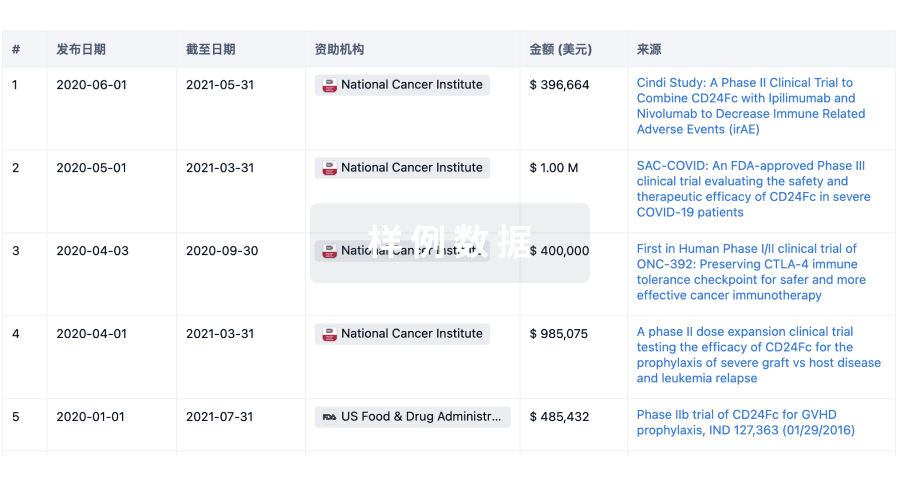
科研基金(NIH)
访问超过 200 万项资助和基金信息,以提升您的研究之旅。
登录
或
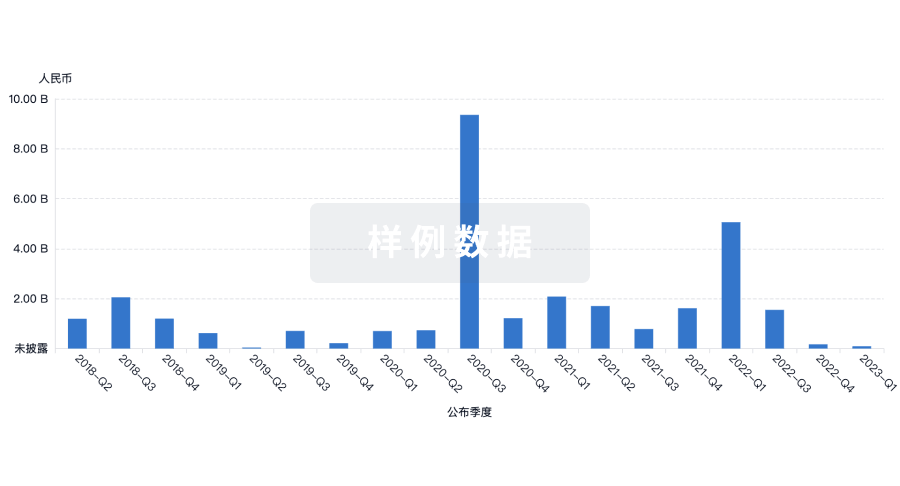
投资
深入了解从初创企业到成熟企业的最新公司投资动态。
登录
或
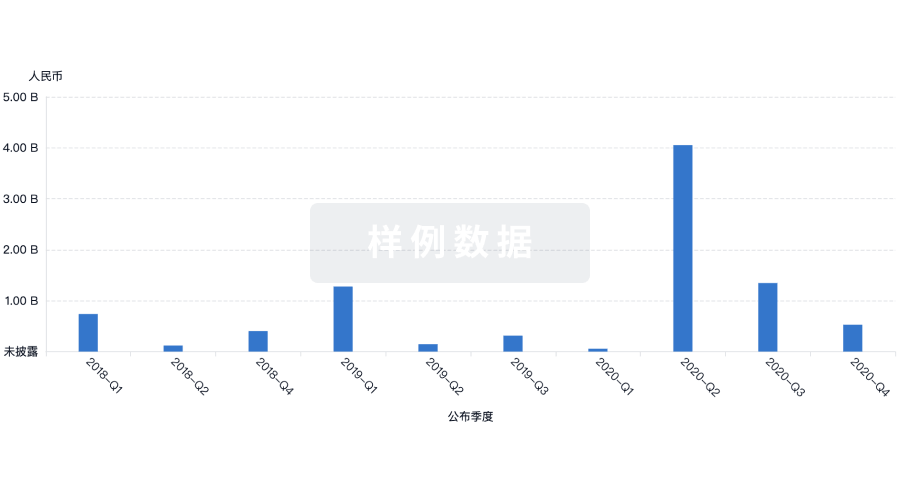
融资
发掘融资趋势以验证和推进您的投资机会。
登录
或
提出任何生物医药研究问题
让每一步生物医药决策都精准制胜
基于十亿级生物数据与全球情报的精准 AI,赋能早期药物发现
立即开始免费试用!
智慧芽新药情报库是智慧芽专为生命科学人士构建的基于AI的创新药情报平台,助您全方位提升您的研发与决策效率。
立即接入生物医药数据包
智慧芽新药库数据也通过智慧芽开放平台,以MCP或API服务形式对外开放。立即使用我们的MCP服务定制您的LLM智能体。
生物序列数据库
生物药研发创新
免费使用
化学结构数据库
小分子化药研发创新
免费使用