预约演示
更新于:2026-11-19

Niox Group Plc
更新于:2026-11-19
概览
关联
NCT06981169
PROPULSION SANTE: Inflammometry to Improve the Diagnostic Trajectory in Situations of Suspected Asthma in Children and Adults

NCT05853809
Clinical Effect of FeNO Measurement for Asthma Treatment in Primary Care: A Real-world Cluster-randomised Controlled Trial

NCT02205723
Smartphone-facilitated Medication Notification for Asthma Control in Pediatric Patients (SNAPP) Pilot Study

100 项与 Niox Group Plc 相关的临床结果
登录后查看更多信息
登录后查看更多信息
2020-01-01Respiration; international review of thoracic diseases
FeNO Variability When Using Different Analyzers at the Joint ATS/ERS Guideline Cutoff
Letter
作者: Bushe, Chris ; Kamada, Alan ; Hafner, Rod
2019-12-02The Journal of asthma : official journal of the Association for the Care of Asthma4区 · 医学
Measurement of FeNO with a portable, electrochemical analyzer using a 6-second exhalation time in 7–10-year-old children with asthma: comparison to a 10-second exhalation
4区 · 医学
Article
作者: MacDonald-Berko, M. ; Jain, Neal ; Rickard, Kathleen
Objective: Fractional exhaled nitric oxide (FeNO) is a valuable tool for assessing Th2 inflammation in children with asthma. Exhalation times of 6 and 10 s meet the current recommendations for assessing FeNO. The 6-s exhalation provides an alternative for 7-10 year olds not able to complete the 10-s exhalation. Methods: We performed a sub-analysis on data from 7-10-year-old children who participated in a previous study which evaluated the agreement of the 6 and 10-s exhalation times in 6-10 year olds with asthma. Agreement between observed FeNO results obtained by both modes was assessed by weighted Deming regression analysis and Bland-Altman plots. Repeatability was also assessed. Results: Repeatability and agreement of the 6 and 10-s exhalations was demonstrated in 7-10 year olds with two measurements in each mode. Mean observed FeNO measurements were 33.59 ppb (SD = 25.804) for 6 s and 32.46 ppb (SD = 25.302) for 10-s exhalation. Paired differences were centered close to 0 ppb (median = 0.50). Conclusions: Children aged 7-10 years can successfully perform FeNO measurements using a portable, electrochemical FeNO analyzer. Measurements from the 6 and 10-s exhalations were repeatable and consistent with a high degree of agreement between one another. Thus, in young children successful FeNO measurements can be obtained in either the 6-s or 10-s mode, providing physicians valuable information on airway inflammation to aid in the diagnosis and treatment of asthma.
2019-03-01Annals of allergy, asthma & immunology : official publication of the American College of Allergy, Asthma, & Immunology
Measurement of exhaled nitric oxide in young children
Letter
作者: Wasserman, Richard L ; Jain, Neal ; Anolik, Robert ; MacDonald-Berko, Margot ; Rickard, Kathleen ; La Force, Craig
Fractional exhaled nitric oxide (FeNO) is a direct marker of type 2 airway inflammation and aids in the diagnosis of asthma.1Taylor D.R. Using biomarkers in the assessment of airways disease.J Allergy Clin Immunol. 2011; 128: 927-934Abstract Full Text Full Text PDF PubMed Scopus (40) Google Scholar, 2Petsky H.L. Kew K.M. Chang A.B. Exhaled nitric oxide levels to guide treatment for children with asthma.Cochrane Database Syst Rev. 2016; 11: CD011439PubMed Google Scholar FeNO is reproducible and easy to use in the clinic setting.3Dinakar C. Exhaled nitric oxide in pediatric asthma.Curr Allergy Asthma Rep. 2009; 9: 30-37Crossref PubMed Scopus (11) Google Scholar, 4Pijnenburg M.W. Merkus P.J. NO kidding: exhaled nitric oxide fraction in preschool children.Eur Respir J. 2015; 45: 30-32Crossref PubMed Scopus (4) Google Scholar, 5Ratnawati R. Thomas P.S. Exhaled nitric oxide in paediatric asthma.Chron Respir Dis. 2005; 2: 163-174Crossref PubMed Scopus (11) Google Scholar The FeNO measurement technique is often easier for younger children to master than spirometry6Hanson J.R. De Lurgio S.A. Williams D.D. Dinakar C. Office-based exhaled nitric oxide measurement in children 4 years of age and older.Ann Allergy Asthma Immunol. 2013; 11: 358-363Abstract Full Text Full Text PDF Scopus (19) Google Scholar and much less invasive than sputum induction or bronchoscopy.7Brodlie M. McKean M.C. Exhaled nitric oxide in the diagnosis of childhood asthma: a small but important piece of the clinical jigsaw.BMJ. 2009; 339: b5418Crossref PubMed Scopus (1) Google Scholar, 8Covar R.A. Spahn J.D. Martin R.J. et al.Safety and application of induced sputum analysis in childhood asthma.J Allergy Clin Immunol. 2004; 114: 575-582Abstract Full Text Full Text PDF PubMed Scopus (85) Google Scholar We assessed the ability of children 4 to 6 years of age to use a handheld, electrochemical, in vitro diagnostic device for measuring FeNO that operates using a 6-second exhalation mode or a 10-second exhalation mode (NIOX VERO, Circassia Pharmaceuticals Inc, Morrisville, North Carolina) and the degree of agreement between results obtained in each mode. This single-visit, point-of-care, clinical study was conducted at 4 centers across the United States (ClinicalTrials.gov Identifier: NCT02661984). Study participants were children who were considered healthy (ie, without pulmonary disease) or had a physician's diagnosis of asthma. Exclusions included pulmonary disease other than asthma, severe or uncontrolled asthma (defined as ≥2 exacerbations within the last year requiring systemic corticosteroids or ≥1 hospitalizations), acute asthma symptoms that required reliever inhaler use within 4 to 6 hours of FeNO measurements, acute respiratory illness, sinusitis, and inability to safely complete FeNO measurements. FeNO was measured using a single-breath online method.9ATS/ERS Recommendations for standardized procedures for the online and offline measurement of exhaled lower respiratory nitric oxide and nasal nitric oxide, 2005.Am J Respir Crit Care Med. 2005; 171: 912-930Crossref PubMed Scopus (2808) Google Scholar Children were randomized to begin with 2 FeNO attempts using the 6-second mode followed by 2 FeNO attempts using the 10-second mode, or vice versa, until they achieved 2 successful FeNO measurements for both modes (4 successful FeNO measurements). Children used the same device for all measurement attempts and were allowed up to 12 attempts to obtain 2 successful measurements with both modes. The primary objective was the degree of agreement between the 6- and 10-second modes assessed by weighted Deming regression analysis in children aged 4, 5, and 6 years with 2 successful FeNO measurements in both the 6- and 10-second modes (primary analysis population). Secondary end points included descriptive analysis of observed data for both exhalation modes (number of attempts and FeNO results), a comparison of FeNO results obtained with the 6-second mode vs the 10-second mode using a Bland-Altman plot, weighted Deming regression analysis of bias from the fitted regression line, repeatability (measured as the intrasubject SD) for both exhalation modes, and the percentage of children within tolerance limits. A total of 105 children completed 1 FeNO measurement using either mode (n = 20 4-year-olds, 40 5-year-olds, and 45 6-year-oolds) of whom 83 completed 1 FeNO measurement in both modes and 68 completed 2 successful FeNO measurements in both modes (n = 9 4-year-olds, 27 5-year-olds, and 32 6-year-olds). A total of 54 children were unsuccessful in completing any FeNO measurements (n = 28 4-year-olds, 17 5-year-olds, and 9 6-year-olds). The primary analysis population (n = 68) was composed of 51.5% males, 60.3% children with asthma, 72.1% whites, and 51.5% randomized to the 6-second mode followed by 10-second mode. Weighted Deming regression analysis of the first FeNO result for both modes revealed no evidence of systematic bias in measurements between the 2 exhalation modes. The estimated intercept (−0.17) was not significantly different from 0 (P = .76), and the estimated slope (1.02) was not significantly different from 1 (P = .65) (Fig. 1). Analysis of the secondary end points revealed that the ability to successfully complete FeNO measurements, in either mode, increased with age. Observed data indicate that more attempts were necessary to achieve a valid FeNO measurement using the 10-second mode than the 6-second mode. The mean (SD) number of attempts for the 6-second mode was 3.2 (1.28) vs 3.9 (1.9) for the 10-second mode. The overall mean (SD) observed paired difference between modes was 0.4 (3.41) ppb. There was no evidence of systemic bias between modes using the first FeNO result for both modes (P = .74). The mean estimated bias the in predicted 6-second mode from the 10-second mode was 1.03% across the full range of observed 10-second mode results (5-53 ppb). Mean intrasubject SD was slightly lower for the 10-second mode (0.87 ppb) compared with the 6-second mode (1.41 ppb), and this difference was statistically significant overall (P = .02) and only in the 6-year-olds (P = .002). However, this variability was not clinically significant: overall mean (SD) intrasubject difference between modes was 0.54 (1.71) ppb, with a median difference of 0 ppb. At the 35-ppb cutoff, FeNO values were within tolerance limits for 65 of 68 children (95.6%), with an exact CI of 88% to 99%. Children were considered within the tolerance limit if they had a reference value (mean 10-second mode FeNO) less than 35 ppb and an absolute difference (6-second mode minus 10-second mode) less than 10 ppb or if they had an absolute difference less than 20% of the reference value when the reference value was 35 ppb or greater. This study analysis focused on 4- to 6-year-olds with well-controlled asthma who could complete 2 FeNO measurements in both the 6- and 10-second modes. The 4-year-olds were more successful when using the 6-second mode, but because FeNO requires patient cooperation, not as many 4-year-olds could complete measurements as 5-year-olds and 6-year-olds, as exhibited in the small number of 4-year-olds included in this analysis. Future studies should include a larger population of 4-year-olds children, those with more severe or uncontrolled asthma, and a more diverse patient population. This use of the handheld FeNO measuring device with the 6-second mode in 4- to 6-year-olds is consistent with American Thoracic Society/European Respiratory Society recommendations.9ATS/ERS Recommendations for standardized procedures for the online and offline measurement of exhaled lower respiratory nitric oxide and nasal nitric oxide, 2005.Am J Respir Crit Care Med. 2005; 171: 912-930Crossref PubMed Scopus (2808) Google Scholar Although we saw greater variability in the 6-second mode compared with the 10-second mode, analysis of the individual variations revealed that the variability was not clinically significant and was comparable to that seen using the 10-second mode. In addition, the variability was within product specifications for the device and meets later guidelines.10Dweik R.A. Boggs P.B. Erzurum S.C. et al.An official ATS clinical practice guideline: interpretation of exhaled nitric oxide levels (FeNO) for clinical applications.Am J Respir Crit Care Med. 2011; 184: 602-615Crossref PubMed Scopus (1794) Google Scholar Measuring FeNO with the 6-second mode of a handheld measuring device is a feasible option for assessing type 2 asthmatic airway inflammation in children aged 4 to 6 years. Our findings indicate excellent concordance between replicates of FeNO measurements within each exhalation mode. The results of this study are similar to those seen with a previous study11Crater G. Rickard K. Neal J. Successful fractional exhaled nitric oxide measurements with NIOX VERO using 6- and 10-s exhalation modes in children with asthma aged 4–10 years: a randomized study.Pulm Ther. 2017; 3: 139-148Crossref Scopus (3) Google Scholar and demonstrate that the 6-second mode is functionally equivalent to the 10-second mode when using a handheld FeNO measuring device with children at least 4 years old. Circassia Pharmaceuticals Inc provided sponsorship for the study and supported article processing. Editorial assistance during the preparation of the manuscript was provided by Dr Kathryn White of Cathean Ltd medical writing services, and funded by Circassia Pharmaceuticals Inc.
2026-08-26
·今日头条
2026-08-26
100 项与 Niox Group Plc 相关的药物交易
登录后查看更多信息
100 项与 Niox Group Plc 相关的转化医学
登录后查看更多信息
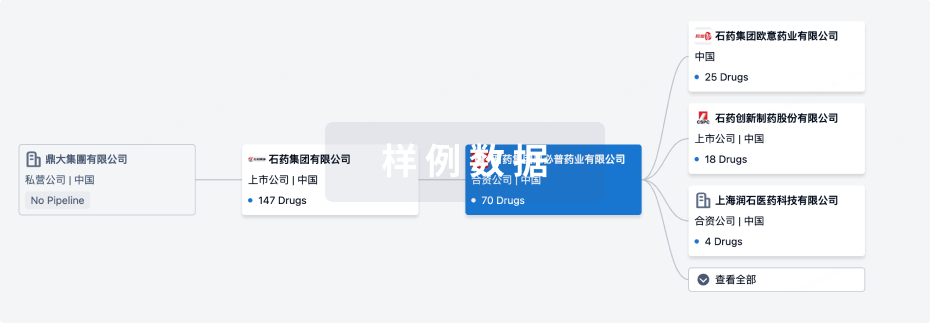
组织架构
使用我们的机构树数据加速您的研究。
登录
或
管线布局
2026年11月20日管线快照
管线布局中药物为当前组织机构及其子机构作为药物机构进行统计,早期临床1期并入临床1期,临床1/2期并入临床2期,临床2/3期并入临床3期
其他
7
登录后查看更多信息
当前项目
登录后查看更多信息
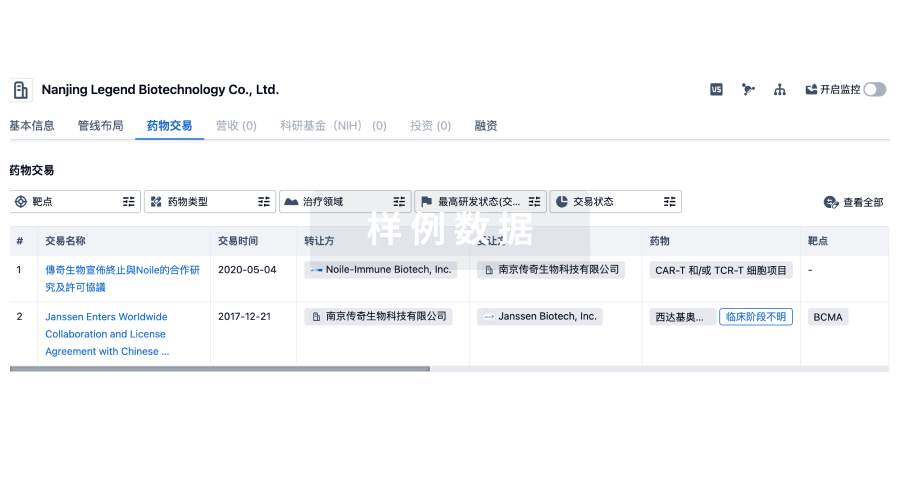
药物交易
使用我们的药物交易数据加速您的研究。
登录
或
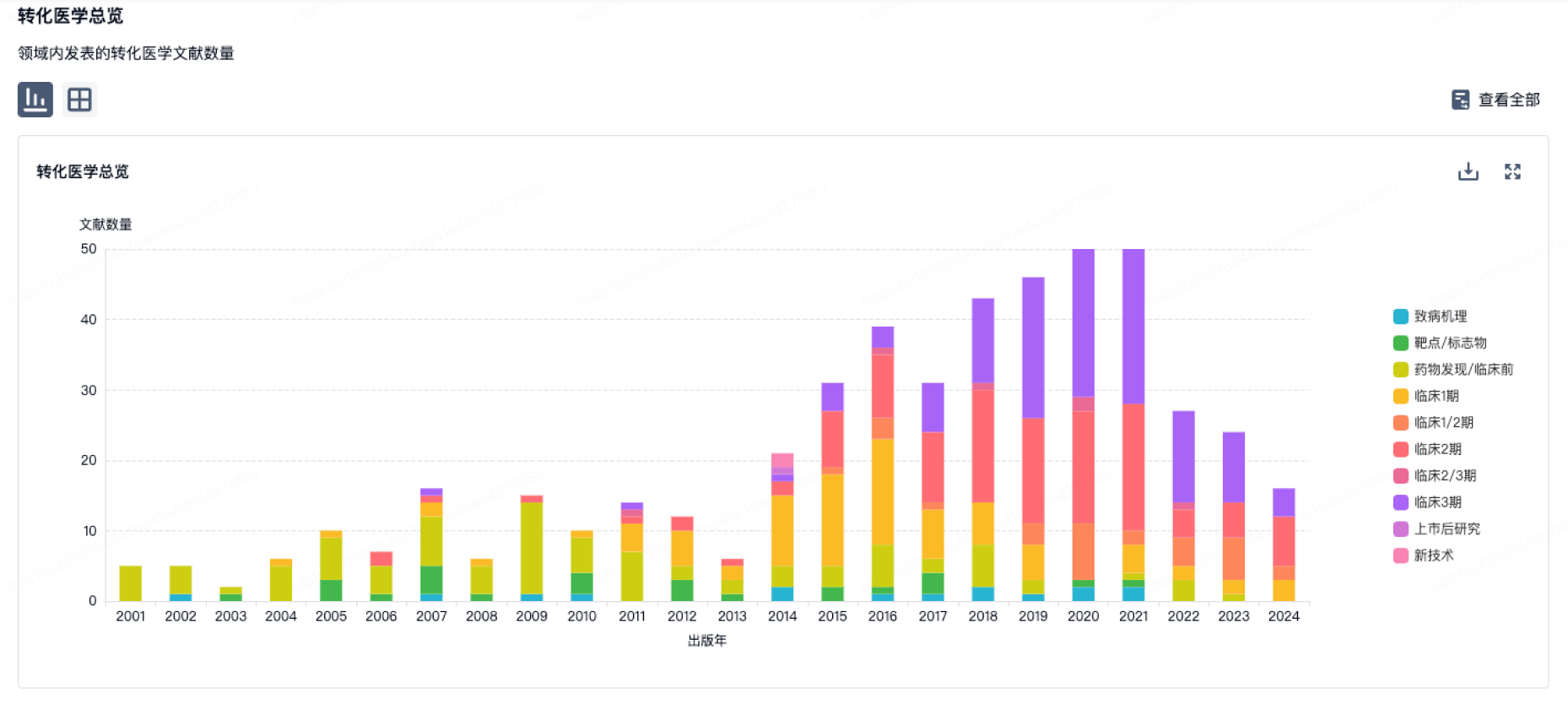
转化医学
使用我们的转化医学数据加速您的研究。
登录
或
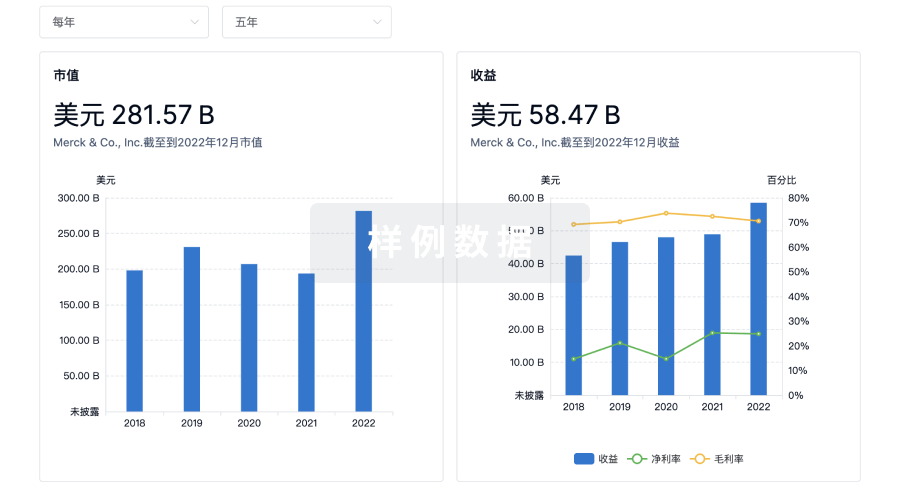
营收
使用 Synapse 探索超过 36 万个组织的财务状况。
登录
或
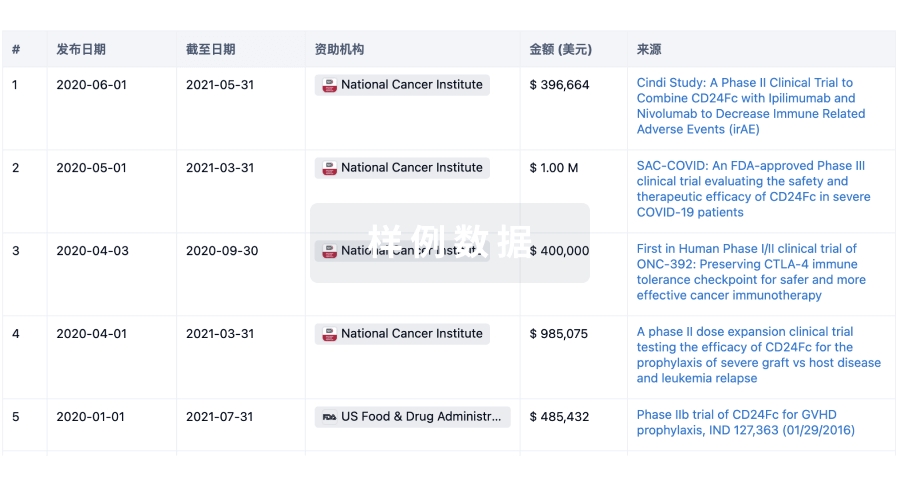
科研基金(NIH)
访问超过 200 万项资助和基金信息,以提升您的研究之旅。
登录
或
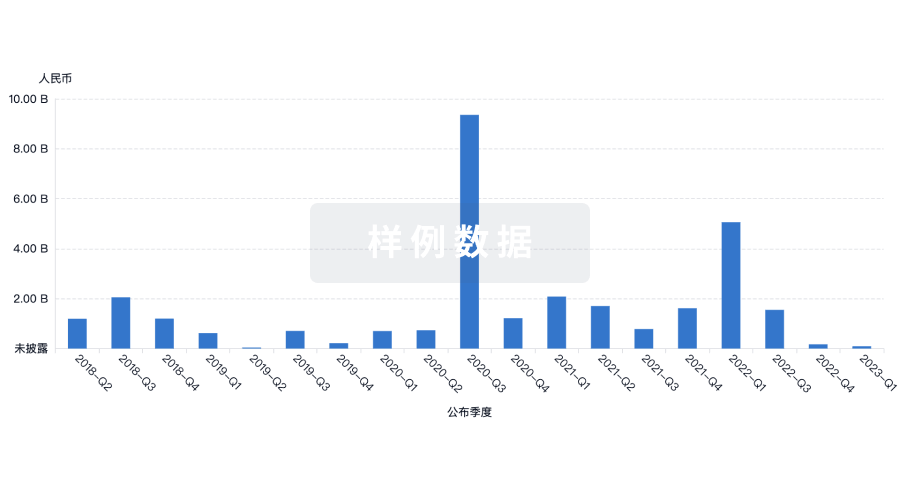
投资
深入了解从初创企业到成熟企业的最新公司投资动态。
登录
或
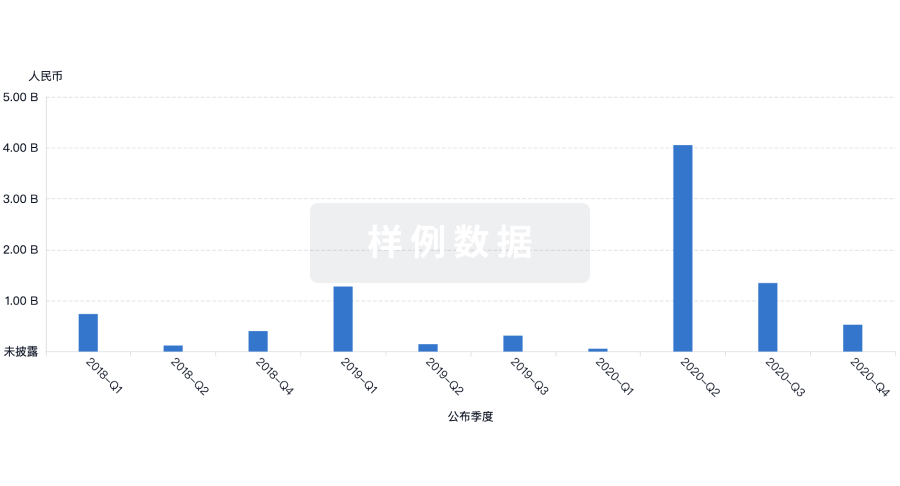
融资
发掘融资趋势以验证和推进您的投资机会。
登录
或
提出任何生物医药研究问题
让每一步生物医药决策都精准制胜
基于十亿级生物数据与全球情报的精准 AI,赋能早期药物发现
立即开始免费试用!
智慧芽新药情报库是智慧芽专为生命科学人士构建的基于AI的创新药情报平台,助您全方位提升您的研发与决策效率。
立即接入生物医药数据包
智慧芽新药库数据也通过智慧芽开放平台,以MCP或API服务形式对外开放。立即使用我们的MCP服务定制您的LLM智能体。
生物序列数据库
生物药研发创新
免费使用
化学结构数据库
小分子化药研发创新
免费使用