预约演示
更新于:2026-06-16

Hubei University
更新于:2026-06-16
概览
标签
肿瘤
神经系统疾病
感染
小分子化药
蛋白类药物
重组蛋白
疾病领域得分
一眼洞穿机构专注的疾病领域

技术平台
公司药物应用最多的技术
靶点
公司最常开发的靶点
关联
靶点 |
作用机制 |
在研机构 |
原研机构 |
在研适应症 |
非在研适应症 |
最高研发阶段 |
首次获批国家/地区 |
首次获批日期 |
靶点 |
作用机制 |
在研机构 |
原研机构 |
在研适应症 |
非在研适应症 |
最高研发阶段 |
首次获批国家/地区 |
首次获批日期 |
靶点 |
作用机制 |
在研机构 |
原研机构 |
在研适应症 |
非在研适应症 |
最高研发阶段 |
首次获批国家/地区 |
首次获批日期 |
100 项与 湖北大学 相关的临床结果
登录后查看更多信息
登录后查看更多信息
2026-12-01Nano-Micro Letters
Regulating Li+ Transport and Interfacial Stability with Zwitterionic COF Protective Layer Towards High-Performance Lithium Metal Batteries
Article
作者: Mei, Tao ; Guo, Zaiping ; Rong, Liya ; Wang, Xianbao ; Han, Yifeng ; Zhang, Chi ; Yao, Hongling ; He, Zhaojun
Abstract:
The sluggish Li
+
migration kinetics and unstable electrode/electrolyte interface severely hinder the commercial application of high-performance lithium metal batteries (LMBs). Herein, an artificial protective layer is constructed using zwitterionic covalent organic framework (Z-COF) simultaneously containing sulfonate and ethidium groups, aiming to facilitate rapid, uniform Li
+
transport and stabilize anode interface. The sulfonate groups with high lithiophilicity provide abundant hopping sites for fast Li
+
diffusion. The ethidium cations immobilize TFSI
−
and solvent molecules by ion–dipole interactions, which accelerate the dissociation of LiTFSI and Li
+
desolvation. Moreover, the monodispersed zwitterionic units coupling with ordered micropore structures in Z-COF create exclusive Li
+
migration channels, modulate homogeneous space charge distribution, kinetically facilitating uniform Li
+
deposition. Experiments and theoretical calculations indicate that C–F and S–N bonds of TFSI
−
exhibit enhanced cleavage susceptibility driven by electrostatic attraction, realizing a LiF/Li
3
N-rich electrolyte/electrode interface. The designed Z-COF protection layer enables Li|Li symmetrical cells stable cycling over 6300 h at 2 mA cm
−2
/2 mAh cm
−2
. The Z-COF@Li|LiFePO
4
(LFP) full cells deliver high-capacity retention of 85.2% after 1000 cycles at 8 C. The assembled Z-COF@Li|LFP pouch cells demonstrate a lifespan of more than 240 cycles. This work provides fresh insights into the practical application of zwitterionic COF in next-generation LMBs.
2026-12-01Nano-Micro Letters
Advances in Surface/Interface Engineering of Under-Water Superaerophobic Electrodes for Hydrogen Evolution Reaction by Manipulating of Bubbles
Review
作者: Guo, Zhiguang ; Zhang, Xian ; Yao, Na ; He, Jun ; Xu, Weilin ; Xie, Shangzhen ; He, Annan ; Chen, Fengxiang
Abstract:
The ever-increasing consumption of fossil fuels has led to environmental crises, which accelerated the quest for sustainable hydrogen energy. Among various production routes, water electrolysis stands out as a promising approach. However, the efficiency of hydrogen evolution reaction is limited by the adhesion of gas bubbles on electrode surfaces, which blocks active sites, increases overpotential, and limits mass transfer. This review highlights the design of micro/nanostructured array electrodes to achieve underwater superaerophobicity, reducing bubble adhesion, facilitating the nucleation and rapid release of ultrasmall bubbles, thereby contributing to reduce in overpotential, faster bubble growth, enhanced mass transport, and improved catalyst stability. We summarize recent advances in fabrication strategies of such electrodes, focusing on micro/nanostructural designs, covering from 0 to 3-dimensional structures. Additionally, the role of hydrophilic gels in optimizing superaerophobicity is discussed. Finally, challenges and future directions are addressed, including bubble dynamics accurate modeling, development of high activity and stability catalysts, intelligent adaptive electrode structure and active bubble regulation, and the integration of artificial intelligence and deep learning for guided electrode design. This review aims to provide a comprehensive perspective on how superaerophobic electrode design address bottlenecks in gas-evolving electrodes, paving the way toward more efficient and economical hydrogen production.
2026-09-01Synthetic and Systems Biotechnology
Engineering ethanologenic bacterium Zymomonas mobilis for economic cellulosic bioethanol production using agro-industrial waste corncob residue
Article
作者: Yi, Haixia ; Tang, Ying ; Geng, Binan ; Yang, Shihui ; Yang, Yongfu ; Zhang, Chenyue ; Du, Jun ; Fei, Qiang
Cellulosic ethanol is an important biofuel derived from lignocellulosic biomass, which has the potential to mitigate environmental pollution and contribute to achieving carbon neutralization for a sustainable circular economy. However, the economic production of cellulosic ethanol is hindered by lack of robust microbial cell factories capable of overcoming the challenges of efficient utilization of C5/C6 sugar mixture and inhibitors in the cellulosic hydrolysate. The ethanologenic bacterium Zymomonas mobilis with excellent industrial characteristics was engineered in this study, which was then applied for bioethanol production at different scales of 5 L, 50 L, and 30 m3 fermentors using the hydrolysate of the agro-industrial waste of corncob residues. The results demonstrated that the recombinant Z. mobilis had a consistent fermentation performance from lab-scale flasks to pilot-scale fermentors up to 30 m3 with the ethanol titer, yield, and productivity above 60 gꞏL-1, 0.47 gꞏg-1, and 3.0 gꞏL-1ꞏh-1, respectively. Techno-economic analysis (TEA) and life cycle assessment (LCA) were performed to evaluate the commercialization potential and environmental impacts of this process. The TEA indicated that the minimum selling price of ethanol with an annual capacity of 16,000 tons ranged from $0.58 kg-1 to $0.79 kg-1 with a 10 % internal rate of return. The LCA suggested that this process could reduce greenhouse gas emissions by 57 % compared to fossil fuels. The consistent performance of recombinant strain of Z. mobilis at different scales and the economic feasibility for cellulosic bioethanol production highlight the potential of Z. mobilis as a suitable cell factory for commercial biomanufacturing of lignocellulosic biochemicals using sustainable agro-industrial feedstocks.
100 项与 湖北大学 相关的药物交易
登录后查看更多信息
100 项与 湖北大学 相关的转化医学
登录后查看更多信息
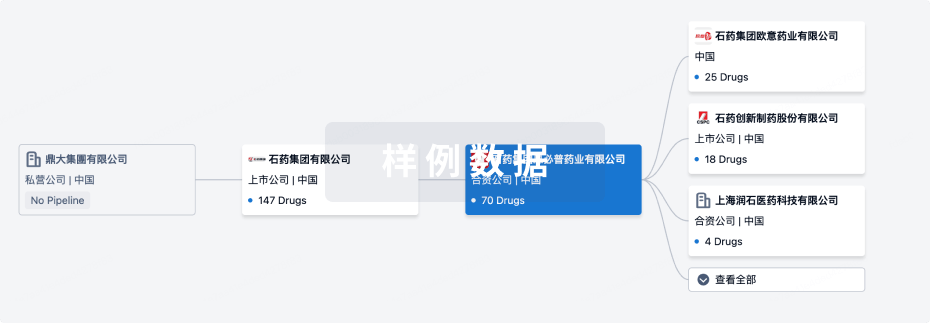
组织架构
使用我们的机构树数据加速您的研究。
登录
或
管线布局
2026年09月13日管线快照
管线布局中药物为当前组织机构及其子机构作为药物机构进行统计,早期临床1期并入临床1期,临床1/2期并入临床2期,临床2/3期并入临床3期
药物发现
5
15
临床前
登录后查看更多信息
当前项目
登录后查看更多信息
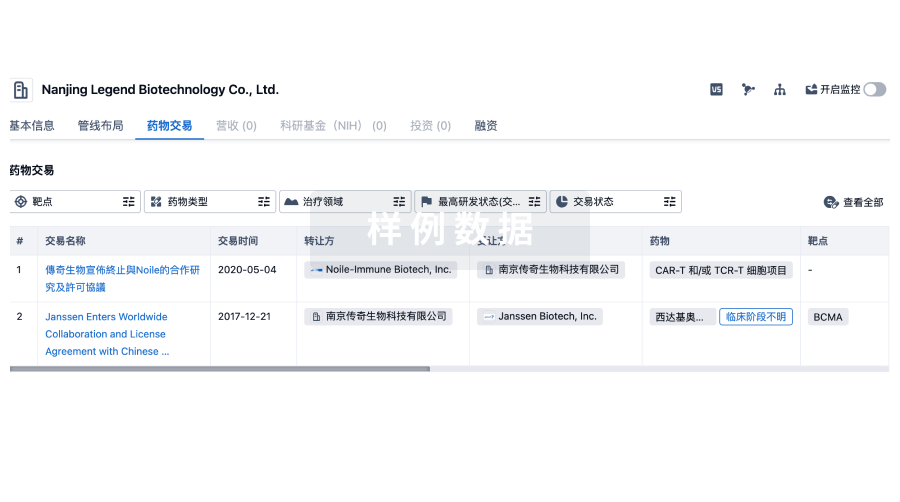
药物交易
使用我们的药物交易数据加速您的研究。
登录
或
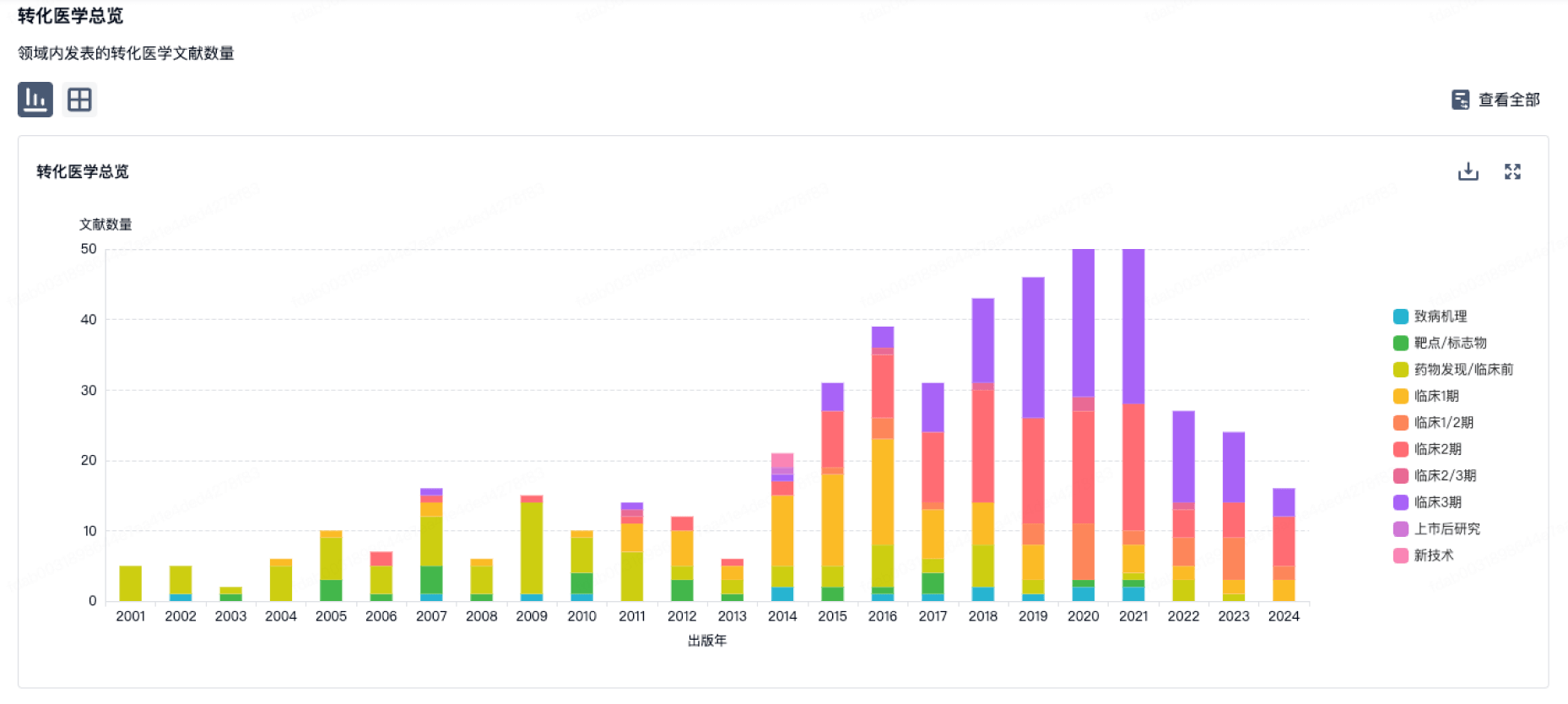
转化医学
使用我们的转化医学数据加速您的研究。
登录
或
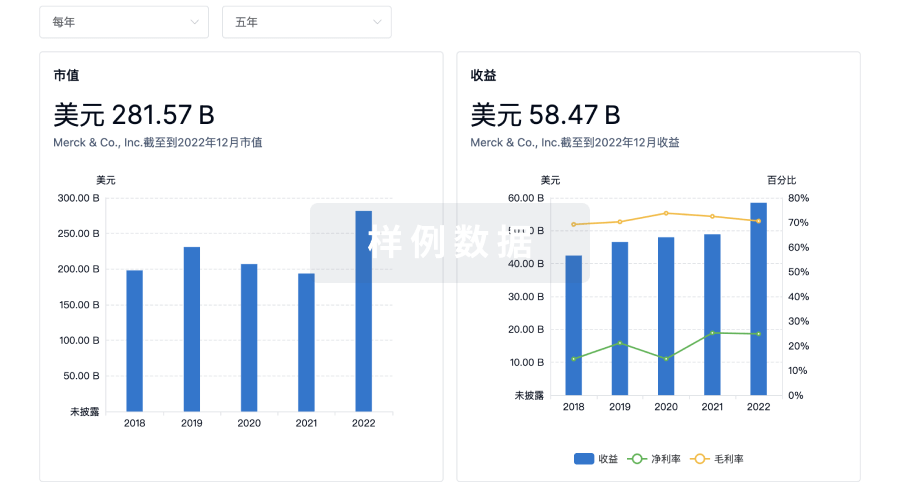
营收
使用 Synapse 探索超过 36 万个组织的财务状况。
登录
或
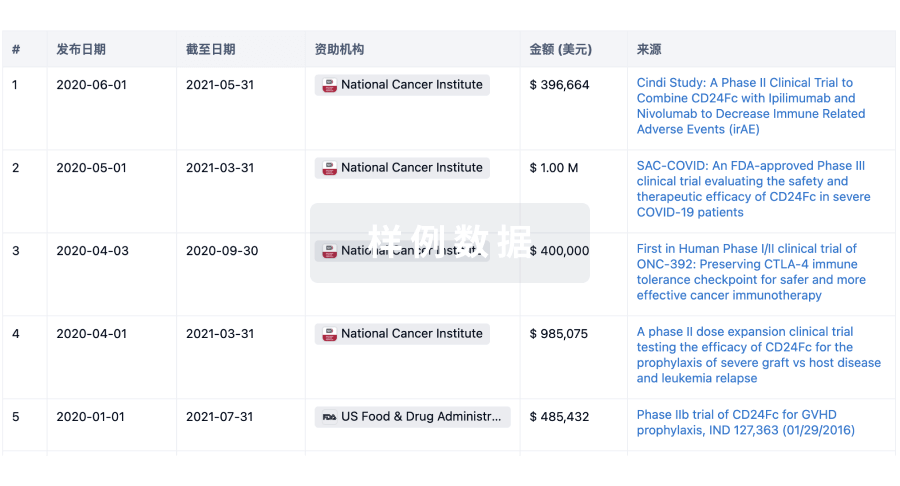
科研基金(NIH)
访问超过 200 万项资助和基金信息,以提升您的研究之旅。
登录
或
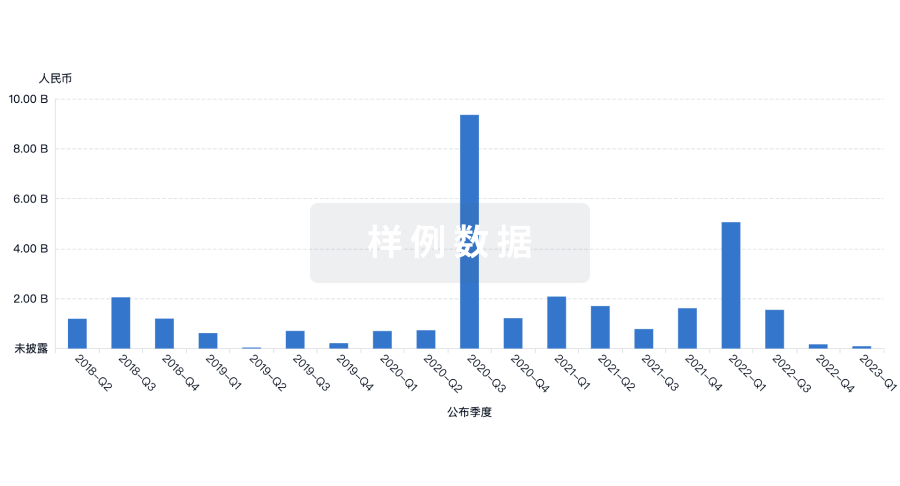
投资
深入了解从初创企业到成熟企业的最新公司投资动态。
登录
或
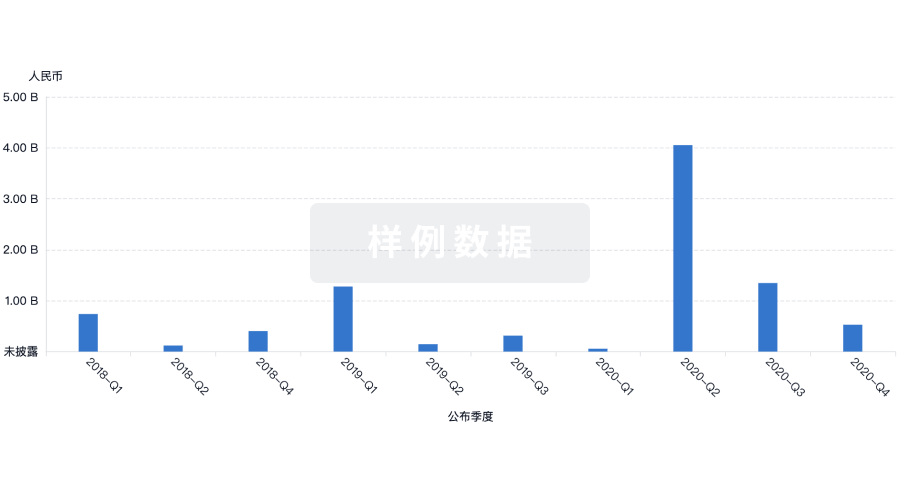
融资
发掘融资趋势以验证和推进您的投资机会。
登录
或
提出任何生物医药研究问题
让每一步生物医药决策都精准制胜
基于十亿级生物数据与全球情报的精准 AI,赋能早期药物发现
立即开始免费试用!
智慧芽新药情报库是智慧芽专为生命科学人士构建的基于AI的创新药情报平台,助您全方位提升您的研发与决策效率。
立即接入生物医药数据包
智慧芽新药库数据也通过智慧芽开放平台,以MCP或API服务形式对外开放。立即使用我们的MCP服务定制您的LLM智能体。
生物序列数据库
生物药研发创新
免费使用
化学结构数据库
小分子化药研发创新
免费使用