预约演示
更新于:2025-08-29
Shenzhen Longgang District Central Hospital
深圳市龙岗中心医院|中国广东省
深圳市龙岗中心医院|中国广东省
更新于:2025-08-29
概览
关联
ChiCTR2500103829
Role of Omega-3 Intervention Targeting the Gut-Bile Acid Axis in Ameliorating Weight Regain Following Cessation of Calorie-Restricted Diet
ChiCTR2500104623
A Study on the Improvement of Sleep Quality in Perimenopausal Women after Laparoscopic Surgery by Stellate Ganglion Block
ChiCTR2400093065
Ameliorating effect and mechanism of probiotic intervention targeting the gut-liver axis on metabolism-related fatty liver disease
100 项与 深圳市龙岗中心医院 相关的临床结果
登录后查看更多信息
登录后查看更多信息
2025-09-01NEURAL NETWORKS
SurvGraph: A hybrid-graph attention network for survival prediction using whole slide pathological images in gastric cancer
Article
作者: Han, Ke ; Duan, Jingxian ; Chai, Ningli ; Li, Zhi-Cheng ; Zhao, Yuanshen ; Li, Longsong ; Yu, Xi ; Liang, Dong
Whole slide pathological images have shown significant potential for patient prognostication. Graph representation learning provides a robust framework for in-depth analysis of whole-slide images to construct predictive models. In this study, we introduce SurvGraph, an innovative graph-based deep learning network designed for gastric cancer survival prediction using whole slide pathological images. SurvGraph employs a hybrid graph construction approach that integrates multiple feature types, including color, texture, and deep learning features extracted from the pathological images to build node representations. SurvGraph utilizes a multi-head attention graph network, which performs survival prediction based on the graph structure. We evaluate the SurvGraph model on a large dataset of 708 gastric cancer patients from three independent cohorts for overall survival prediction. To assess the impact of various feature sets, we examine their performance when used individually and in combination. With five-fold cross-validation, our results demonstrate that the SurvGraph model achieves an average concordance index (C-index) of 0.706 with a standard deviation (SD) of 0.019. The proposed SurvGraph model has also attained a C-index of 0.708 (SD = 0.040) in the external testing set. In addition to baseline comparisons, we conducted a comprehensive benchmarking study comparing SurvGraph against established graph neural network architectures and multiple instance learning-based deep learning frameworks. The results indicate that the SurvGraph model outperforms the compared prediction models, suggesting its potential as a valuable tool for enhancing gastric cancer prognosis estimation.
2025-07-09NANO LETTERS
An Ultrasensitive Wearable Nanosensor for Minimally Invasive Self-Screening of Alzheimer’s Disease
Article
作者: Xu, Tailin ; Liu, Yibiao ; Chang, Chenhao ; Wang, Qiyu ; Liu, Qingzhou ; Liu, Jiayi ; Sun, Xin ; Wu, Xueshen
The rising global prevalence of Alzheimer's disease (AD) has emerged as a critical public health challenge, placing strain on families, communities, and healthcare systems. Despite advances in diagnostic methods, current techniques for early AD detection remain limited, often being invasive, costly, and impractical for regular use. Here, we report a fully integrated wearable nanosensor offering an easily accessible and user-friendly strategy for AD screening. This biosensing platform incorporates a microneedle-based interstitial fluid (ISF) sampling device and an ultrasensitive graphene field-effect transistor (GFET) chip, enabling rapid and precise detection of AD biomarkers. Furthermore, this nanosensor was successfully validated in transgenic murine models, demonstrating reliable differentiation between AD and non-AD mouse groups with high specificity. Overall, this study offers a promising alternative tool to the existing invasive and expensive techniques for the AD preliminary screening, paving the way for drug discovery, early diagnosis, and personalized treatment of AD.
2025-07-01BIOCHIMICA ET BIOPHYSICA ACTA-GENERAL SUBJECTS
LACTB promotes cell differentiation and inhibits cell proliferation in colorectal cancer
Article
作者: Liu, Chao ; Li, Xiaoqing ; Luo, Yang ; Huang, Weiye ; Ma, Lili ; Huang, Guan ; Zhang, Qingling ; Lin, Chun
This study aims at exploring the role of LACTB on colorectal cancer (CRC) cell differentiation. In this study, 143 colorectal cancer tissue samples were collected for analyzing the correlation between LACTB level and clinical information. Another 24 recent cases and adjacent tissues underwent qPCR, Western blot, and immunohistochemistry (IHC) to detect LACTB expression. The differentiation and proliferation of CRC cells were evaluated by AKP levels, E-cadherin expression, cell viability, colony formation, EdU assay, and cell cycle. Subcutaneous models explored LACTB's pro-differentiation effects. The glandular-like structures of tumor were observed by HE staining, immunofluorescence detection of microvilli proteins, and transmission electron microscopy. Our results showed that LACTB expression in colorectal cancer tissues was lower than that in adjacent normal tissues. Higher LACTB expression was correlated with slower tumor progression, better prognosis and higher differentiation degree. Overexpressing LACTB in CRC cells enhanced differentiation markers level (AKP and E-cadherin), while inhibited cell proliferation and colony formation, induced cell cycle arrest. Conversely, LACTB knockdown had an opposite effect. Subcutaneous xenograft tumor model suggested that LACTB overexpression inhibited tumor growth, induced tissue differentiation and glandular-like structures formation. Collectively, our results show that LACTB overexpression promotes cell differentiation and inhibits cell proliferation in CRC cells, which may serve as a therapy target for CRC.
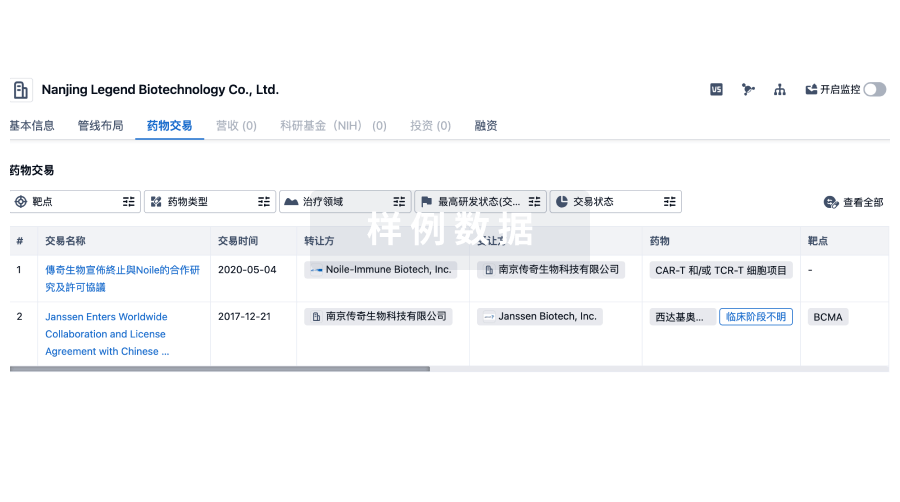
100 项与 深圳市龙岗中心医院 相关的药物交易
登录后查看更多信息
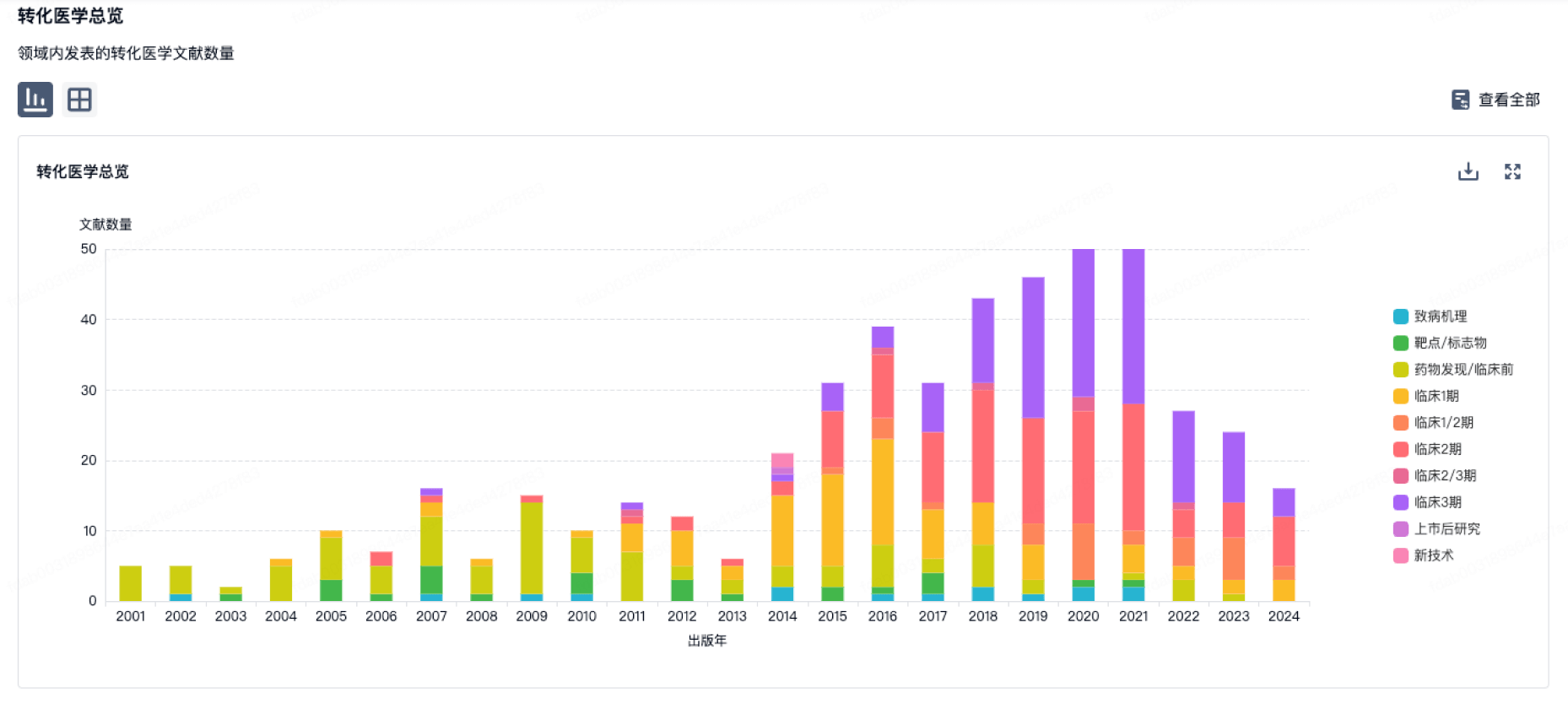
100 项与 深圳市龙岗中心医院 相关的转化医学
登录后查看更多信息
组织架构
使用我们的机构树数据加速您的研究。
登录
或
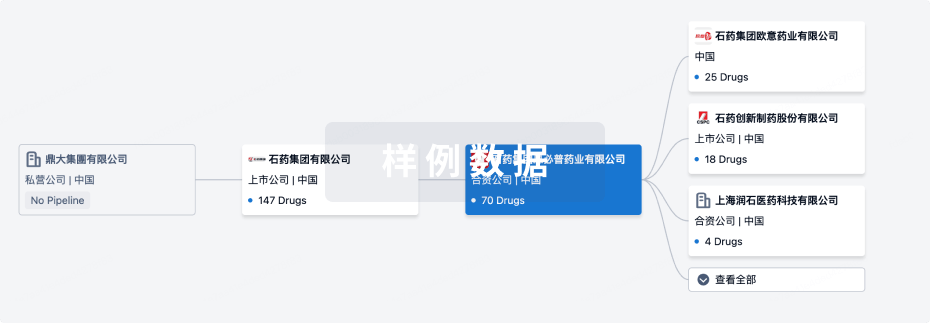
管线布局
2026年10月15日管线快照
管线布局中药物为当前组织机构及其子机构作为药物机构进行统计,早期临床1期并入临床1期,临床1/2期并入临床2期,临床2/3期并入临床3期
其他
1
登录后查看更多信息
当前项目
登录后查看更多信息
药物交易
使用我们的药物交易数据加速您的研究。
登录
或
转化医学
使用我们的转化医学数据加速您的研究。
登录
或
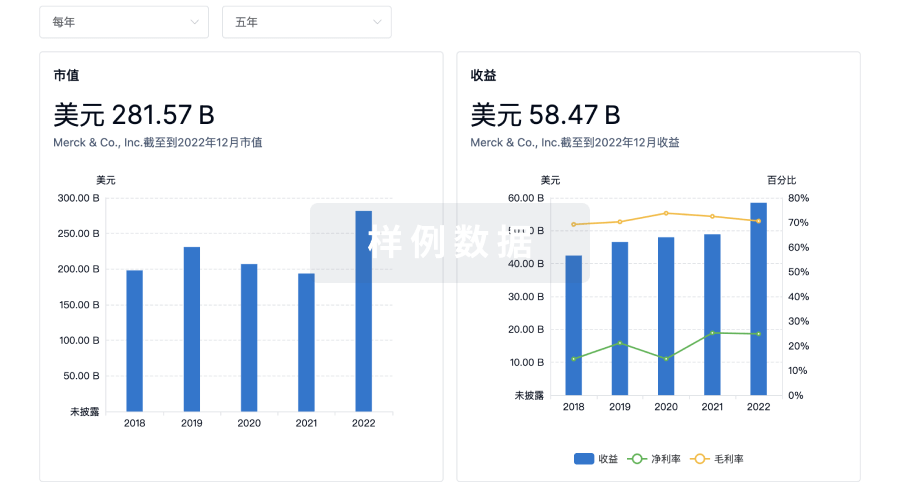
营收
使用 Synapse 探索超过 36 万个组织的财务状况。
登录
或
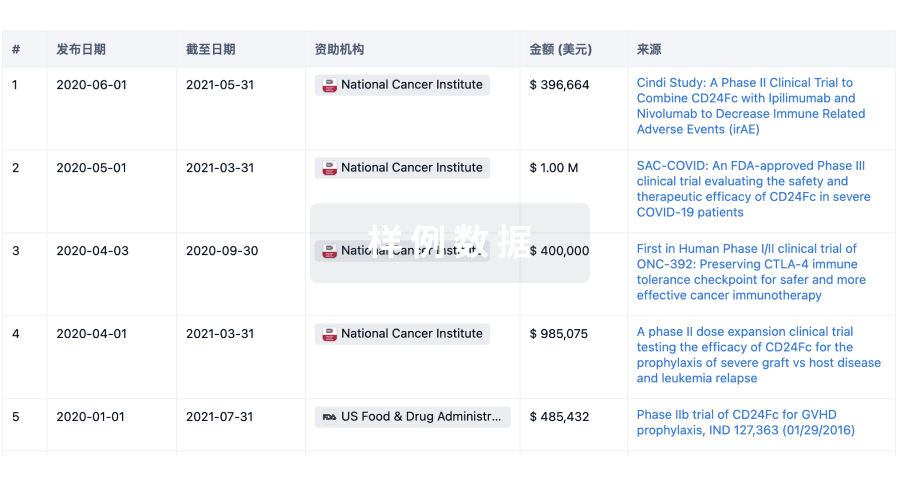
科研基金(NIH)
访问超过 200 万项资助和基金信息,以提升您的研究之旅。
登录
或
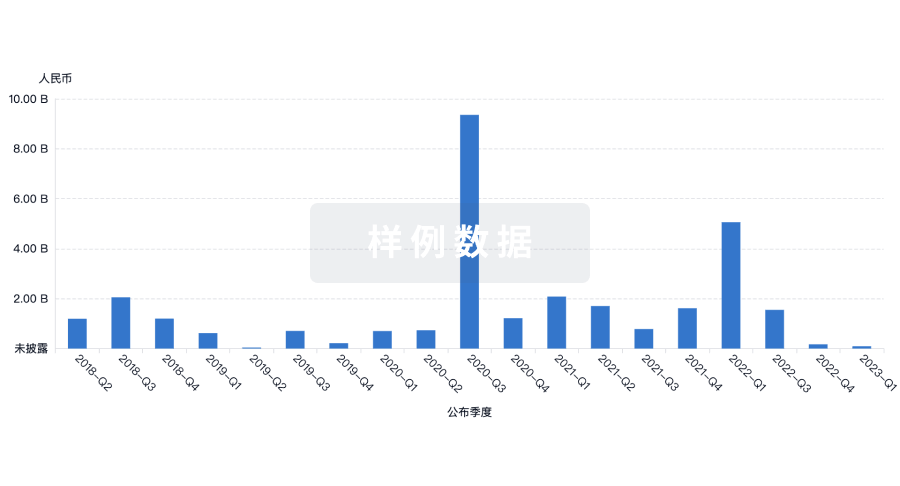
投资
深入了解从初创企业到成熟企业的最新公司投资动态。
登录
或
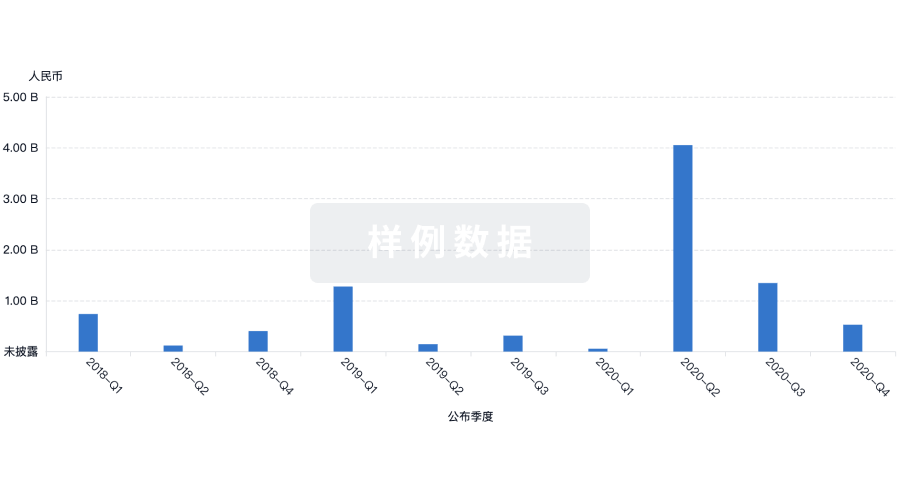
融资
发掘融资趋势以验证和推进您的投资机会。
登录
或
提出任何生物医药研究问题
让每一步生物医药决策都精准制胜
基于十亿级生物数据与全球情报的精准 AI,赋能早期药物发现
立即开始免费试用!
智慧芽新药情报库是智慧芽专为生命科学人士构建的基于AI的创新药情报平台,助您全方位提升您的研发与决策效率。
立即接入生物医药数据包
智慧芽新药库数据也通过智慧芽开放平台,以MCP或API服务形式对外开放。立即使用我们的MCP服务定制您的LLM智能体。
生物序列数据库
生物药研发创新
免费使用
化学结构数据库
小分子化药研发创新
免费使用