预约演示
更新于:2025-05-07
Instituto de Assistência Médica ao Servidor Público Estadual
更新于:2025-05-07
概览
关联
RBR-28swytb
Use of Dexmedetomidine as an adjuvant in Peng Block for hip surgery: randomized clinical study
RBR-6b4zwx3
Effectiveness of Aerobic Training in Chemotherapy-related adverse symptoms during treatment: controlled and randomized trial with economic evaluation

RBR-564y4n
Investigation of muscle weakness, function and quality of life after Intensive Care Unit discharge in survivors of COVID-19
100 项与 Instituto de Assistência Médica ao Servidor Público Estadual 相关的临床结果
登录后查看更多信息
登录后查看更多信息
2025-06-01The Breast
CADONOT: Comparing axillary dissection or not in breast cancer surgery
Review
作者: Madeira, Marcelo ; Rondelo, Sabrina Monteiro ; Soares, Leonardo Ribeiro ; Arakelian, Renata ; Zerwes, Felipe ; Amorim, Andressa Gonçalves ; Millen, Eduardo de Camargo ; Baruel, Patrícia Carvalho ; Ramos, Marcellus do Nascimento Moreira ; Couto, Henrique Lima ; de Freitas Junior, Ruffo ; Cavalcante, Francisco Pimentel ; Brenelli, Fabricio Palermo ; Teixeira, Marina Diógenes ; Mattar, André ; Gebrim, Luiz Henrique ; Facina, Gil ; Leite, Renata Montarroyos ; Antonini, Marcelo ; Real, Juliana Monte ; Frasson, Antônio Luiz ; Okumura, Lucas Miyake ; de Oliveira, Larissa Chrispim
2025-04-01Anais Brasileiros de Dermatologia
Merkel cell carcinoma coexisting with squamous cell carcinoma⋆
Article
作者: de Almeida, Mariana Abdo ; Valente, Neusa Yuriko Sakai ; Barata, Mariangela Cristina Crispino ; Curcelli, Emílio Martins ; Scabello, Bruna Nascimento Arruda
2025-01-16Cureus
Osteosynthesis of Three- and Four-Part Proximal Humerus Fractures in Elderly Patients Using Locking Plates and Synthetic Bone Grafts: A Clinical and Radiographic Evaluation
Article
作者: Tenor Júnior, Antonio Carlos ; Neves, Rafael Segundo Ferreira ; Assunção, Jorge ; Brasil Filho, Rômulo ; Malavolta, Eduardo A ; Gracitelli, Mauro E
100 项与 Instituto de Assistência Médica ao Servidor Público Estadual 相关的药物交易
登录后查看更多信息
100 项与 Instituto de Assistência Médica ao Servidor Público Estadual 相关的转化医学
登录后查看更多信息
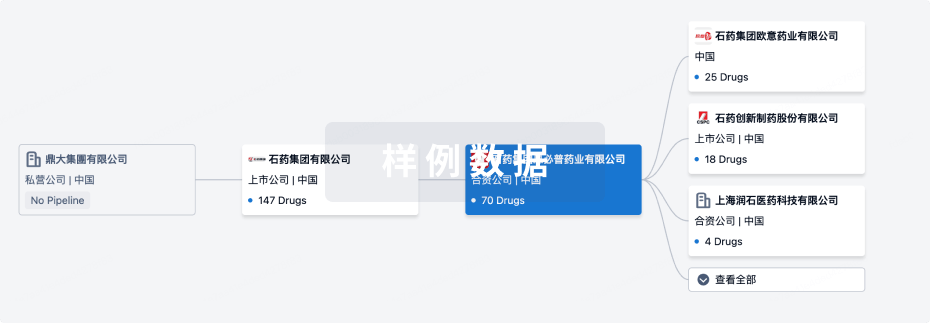
组织架构
使用我们的机构树数据加速您的研究。
登录
或
管线布局
2026年02月08日管线快照
无数据报导
登录后保持更新
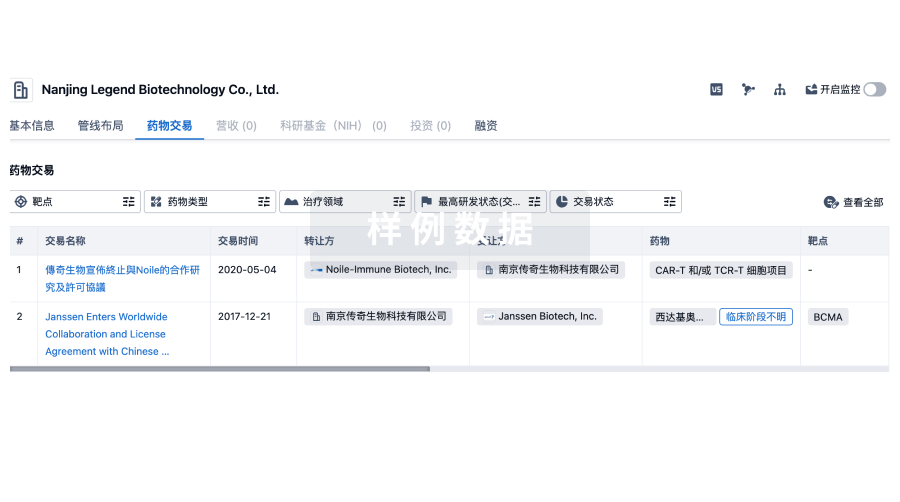
药物交易
使用我们的药物交易数据加速您的研究。
登录
或
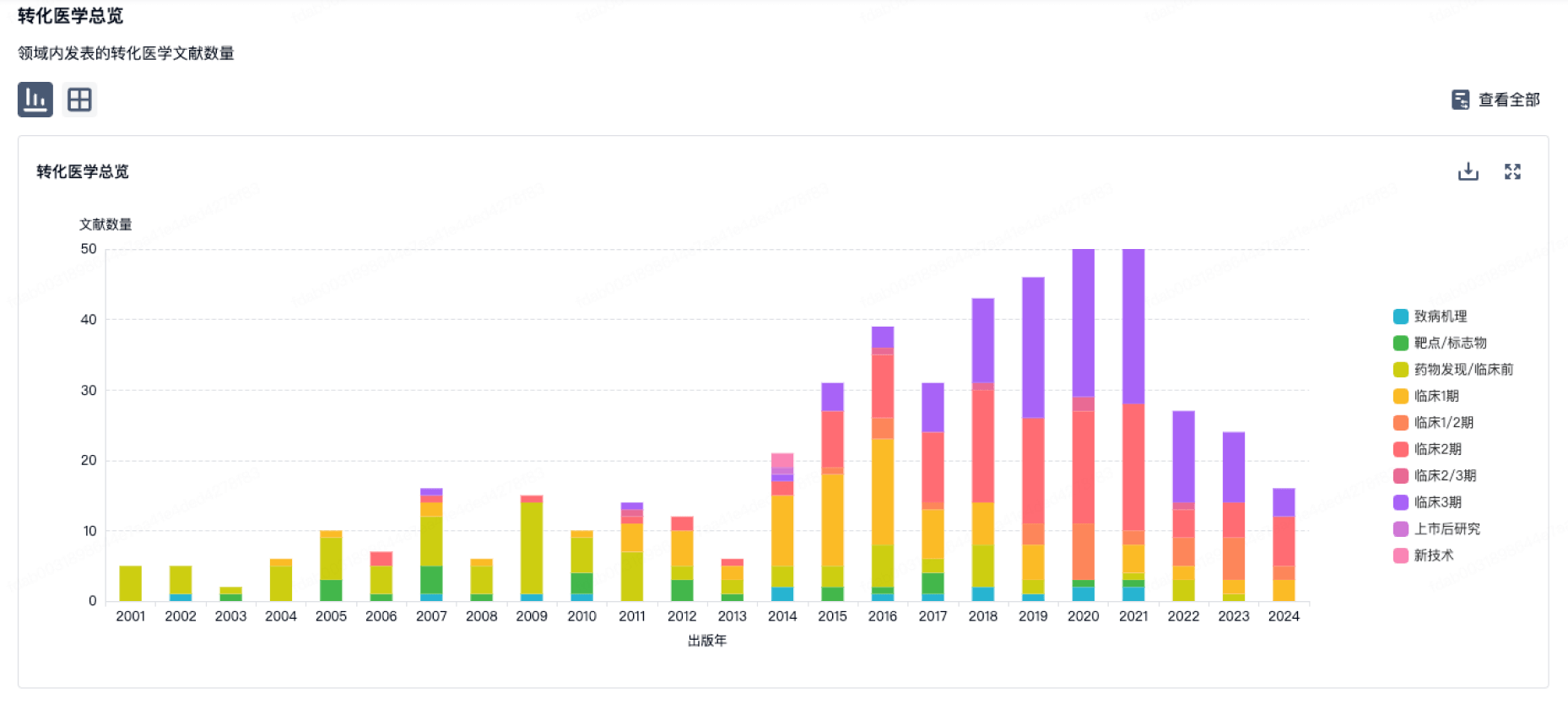
转化医学
使用我们的转化医学数据加速您的研究。
登录
或
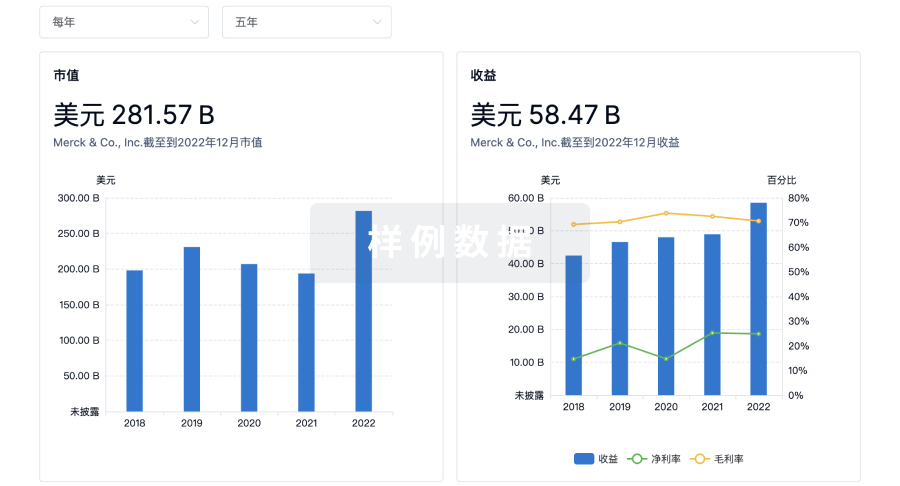
营收
使用 Synapse 探索超过 36 万个组织的财务状况。
登录
或
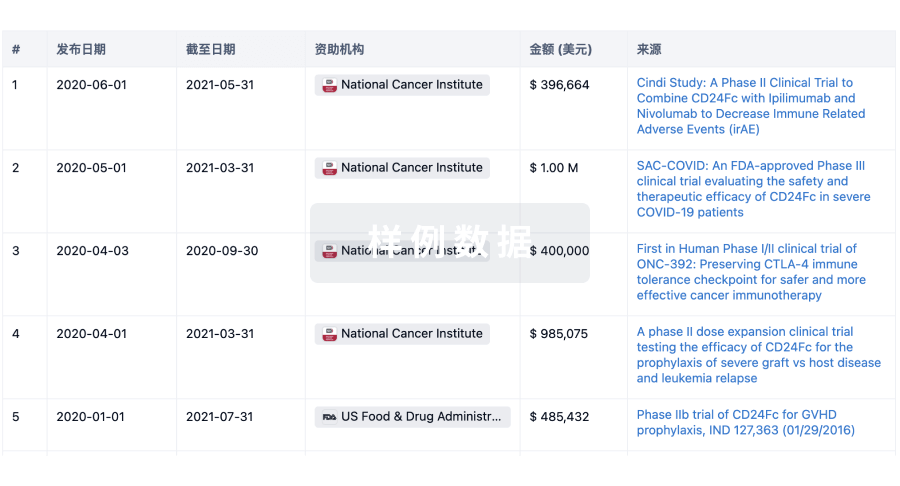
科研基金(NIH)
访问超过 200 万项资助和基金信息,以提升您的研究之旅。
登录
或
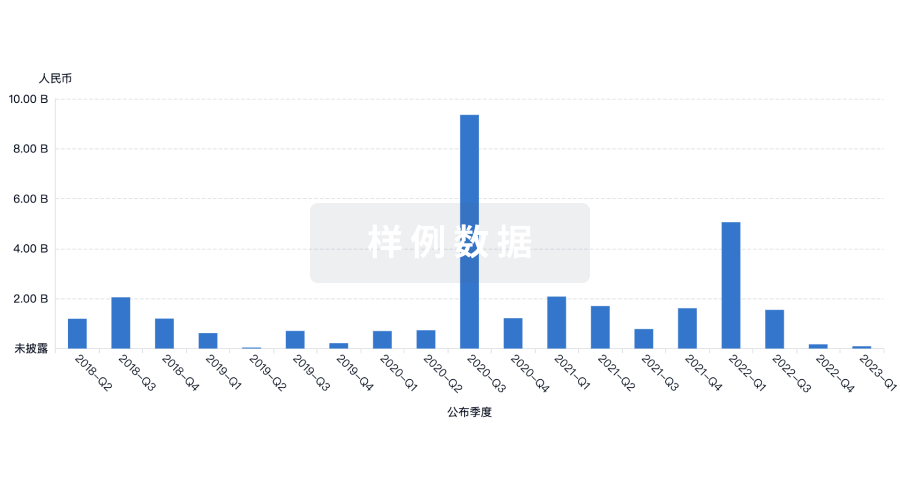
投资
深入了解从初创企业到成熟企业的最新公司投资动态。
登录
或
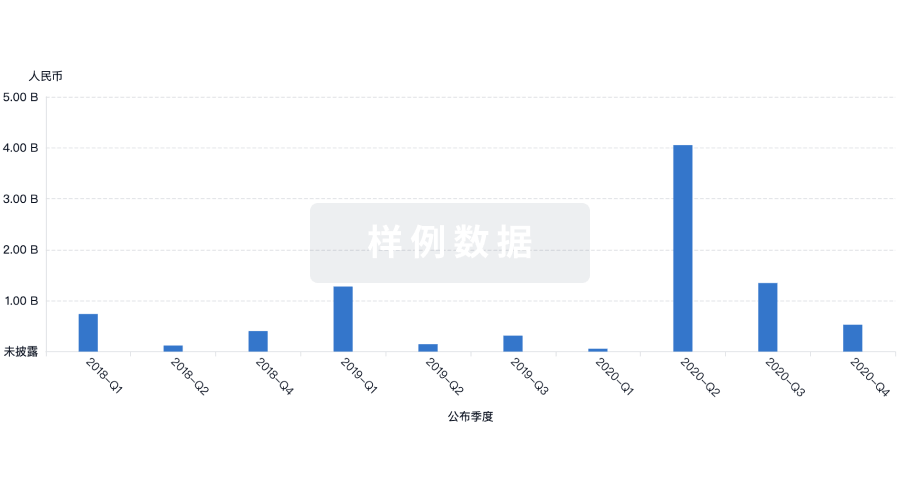
融资
发掘融资趋势以验证和推进您的投资机会。
登录
或
生物医药百科问答
全新生物医药AI Agent 覆盖科研全链路,让突破性发现快人一步
立即开始免费试用!
智慧芽新药情报库是智慧芽专为生命科学人士构建的基于AI的创新药情报平台,助您全方位提升您的研发与决策效率。
立即开始数据试用!
智慧芽新药库数据也通过智慧芽数据服务平台,以API或者数据包形式对外开放,助您更加充分利用智慧芽新药情报信息。
生物序列数据库
生物药研发创新
免费使用
化学结构数据库
小分子化药研发创新
免费使用