预约演示
更新于:2026-03-05

Wuhan Grand Hoyo Co., Ltd.
更新于:2026-03-05
概览
关联
CTR20244426
乙酰半胱氨酸颗粒人体生物等效性研究
100 项与 武汉远大弘元股份有限公司 相关的临床结果
登录后查看更多信息
登录后查看更多信息
2024-12-01Applied microbiology and biotechnology
Engineering the Tat-secretion pathway of Bacillus licheniformis for the secretion of cytoplasmic enzyme arginase
Article
作者: Wang, Yajun ; Zhu, Chengjun ; Liang, Yonglin ; Xing, Panpan ; Pi, Li ; Li, Liang ; Li, Junliang ; Ji, Yi ; Nomura, Christopher T ; Chen, Shouwen ; Wang, Qin
The industrial bacterium Bacillus licheniformis has long been used as a microbial factory for the production of enzymes due to its ability to secrete copious amounts of native extracellular proteins and its generally regarded as safe (GRAS) status. However, most attempts to use B. licheniformis to produce heterologous and cytoplasmic enzymes primarily via the general secretory (Sec) pathway have had limited success. The twin-arginine transport (Tat) pathway offers a promising alternative for the extracellular export of Sec-incompatible proteins because it transports full, correctly folded proteins. However, compared to the Sec pathway, the yields of the Tat pathway have historically been too low for commercial use. To improve the export efficiency of the Tat pathway, we identified the optimal Tat-dependent signal peptides and increased the abundance of the Tat translocases, the signal peptidase (SPase), and the intracellular chaperones. These strategic modifications significantly improved the Tat-dependent secretion of the cytoplasmic enzyme arginase into the culture medium using B. licheniformis. The extracellular enzymatic activity of arginase showed a 5.2-fold increase after these modifications. Moreover, compared to the start strain B. licheniformis 0F3, the production of extracellular GFP was improved by 3.8 times using the strategic modified strain B. licheniformis 0F13, and the extracellular enzymatic activity of SOX had a 1.3-fold increase using the strain B. licheniformis 0F14. This Tat-based production chassis has the potential for enhanced production of Sec-incompatible enzymes, therefore expanding the capability of B. licheniformis as an efficient cellular factory for the production of high-value proteins. KEY POINTS: • Systematic genetic modification of Tat-pathway in B. licheniformis. • Significant enhancement of the secretion capacity of Tat pathway for delivery the cytoplasmic enzyme arginase. • A new platform for efficient extracellular production of Sec-incompatible enzymes.
2016-12-01Carbohydrate polymers1区 · 化学
Hydroxyethyl Pachyman as a novel excipient for sustained-release matrix tablets
1区 · 化学
Article
作者: Liu, Peng ; Hong, Xuechuan ; Zhou, Xiaoju ; Xiao, Yuling ; Wang, Jiong ; Wang, Pengyu ; Liu, Zhi ; Hu, Xianming
This paper addressed the application of hydroxyethyl pachyman (HEP) as a novel matrix for sustained - release tablets, using diclofenac sodium (DS) as a model drug. The studies showed the HEP tablets prepared by wet granulation had much slower drug release as compared to those prepared by direct compression. Meanwhile, increasing the percentage of HEP in the formulations caused a decrease in drug release rates. Moreover, DS release from the HEP tablets was much higher at high pH (6.8) than that at low pH (1.2). Morphology studies proved the HEP tablet formed a continuous gel layer with porous inner structure in the dissolution media. Analysis of DS release profiles revealed that diffusion and matrix erosion occurred in simulated intestinal fluid(SIF, pH=6.8) for all the tablets. The experimental results predict HEP has a potential as a hydrophilic matrix in tablets to prolong drug release.
MOLECULES
Efficient Degradation of Monoacylglycerols by an Engineered Aspergillus oryzae Lipase: Synergistic Effects of sfGFP Fusion and Rational Design
Article
作者: Wang, Yuqing ; Tian, Yuxi ; Rao, Ben ; Sun, Jiazhen ; Wang, Yaping ; Liu, Fang ; Li, Fei ; Liu, Dawei
Monoacylglycerols (MAGs) are significant intermediate byproducts in the hydrolysis of oils and fats. The accumulation of MAGs not only reduces the quality and purity of the final products in biodiesel production and edible oil refining but also poses challenges for downstream separation processes. Therefore, the development of efficient biocatalysts for the specific MAG conversion is of great industrial importance. The lipase from Aspergillus oryzae (AOL) has shown potential for lipid modification; however, the wild-type enzyme (WT) suffers from poor solubility, tendency to aggregate, and low specific activity towards MAGs in aqueous systems, which severely restricts its practical application. In this study, a combinatorial protein engineering strategy was employed to overcome these limitations. We integrated fusion protein technology with rational design to enhance both the functional expression and catalytic efficiency of AOL. Firstly, the superfolder green fluorescent protein (sfGFP) was fused to the N-terminus of AOL. The results indicated that the sfGFP fusion tag significantly improved the solubility and stability of the enzyme, preventing the formation of inclusion bodies. The fusion protein sfGFP-AOL exhibited a MAG conversion rate of approximately 65%, confirming the positive impact of the fusion tag on enzyme developability. To further boost catalytic performance, site-directed mutagenesis was performed based on structural analysis. Among the variants, the mutant sfGFP-Y92Q emerged as the most potent candidate. In the MAG conversion, sfGFP-Y92Q achieved a conversion rate of 98%, which was not only significantly higher than that of sfGFP-AOL but also outperformed the widely used commercial immobilized lipase, Novozym 435 (~54%). Structural modeling and docking analysis revealed that the Y92Q mutation optimized the geometry of the active site. The substitution of Tyrosine with Glutamine at position 92 likely enlarged the substrate-binding pocket and altered the local electrostatic environment, thereby relieving steric hindrance and facilitating the access of the bulky MAG substrate to the catalytic center. In conclusion, this work demonstrates that the synergistic application of sfGFP fusion and rational point mutation (Y92Q) can dramatically transform the catalytic properties of AOL. The engineered sfGFP-Y92Q variant serves as a robust and highly efficient biocatalyst for MAG degradation. Its superior performance compared to commercial standards suggests immense potential for cost-effective applications in the bio-manufacturing of high-purity fatty acids and biodiesel, offering a greener alternative to traditional chemical processes.
100 项与 武汉远大弘元股份有限公司 相关的药物交易
登录后查看更多信息
100 项与 武汉远大弘元股份有限公司 相关的转化医学
登录后查看更多信息
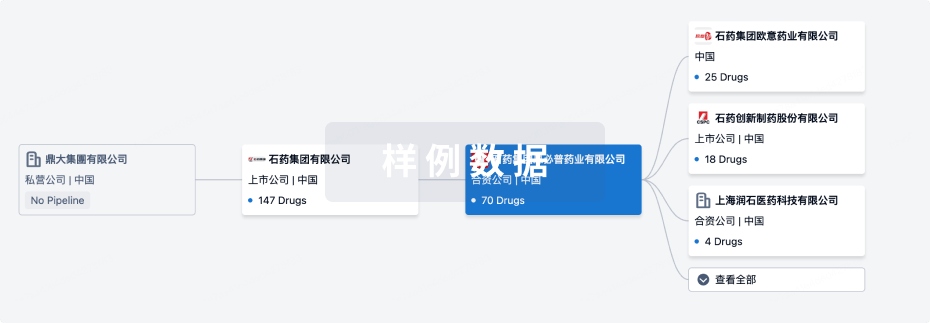
组织架构
使用我们的机构树数据加速您的研究。
登录
或
管线布局
2026年05月20日管线快照
无数据报导
登录后保持更新
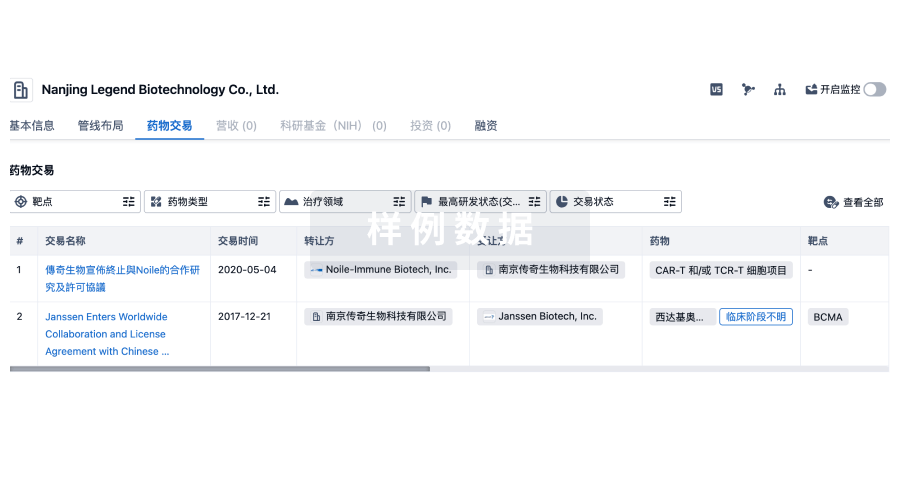
药物交易
使用我们的药物交易数据加速您的研究。
登录
或
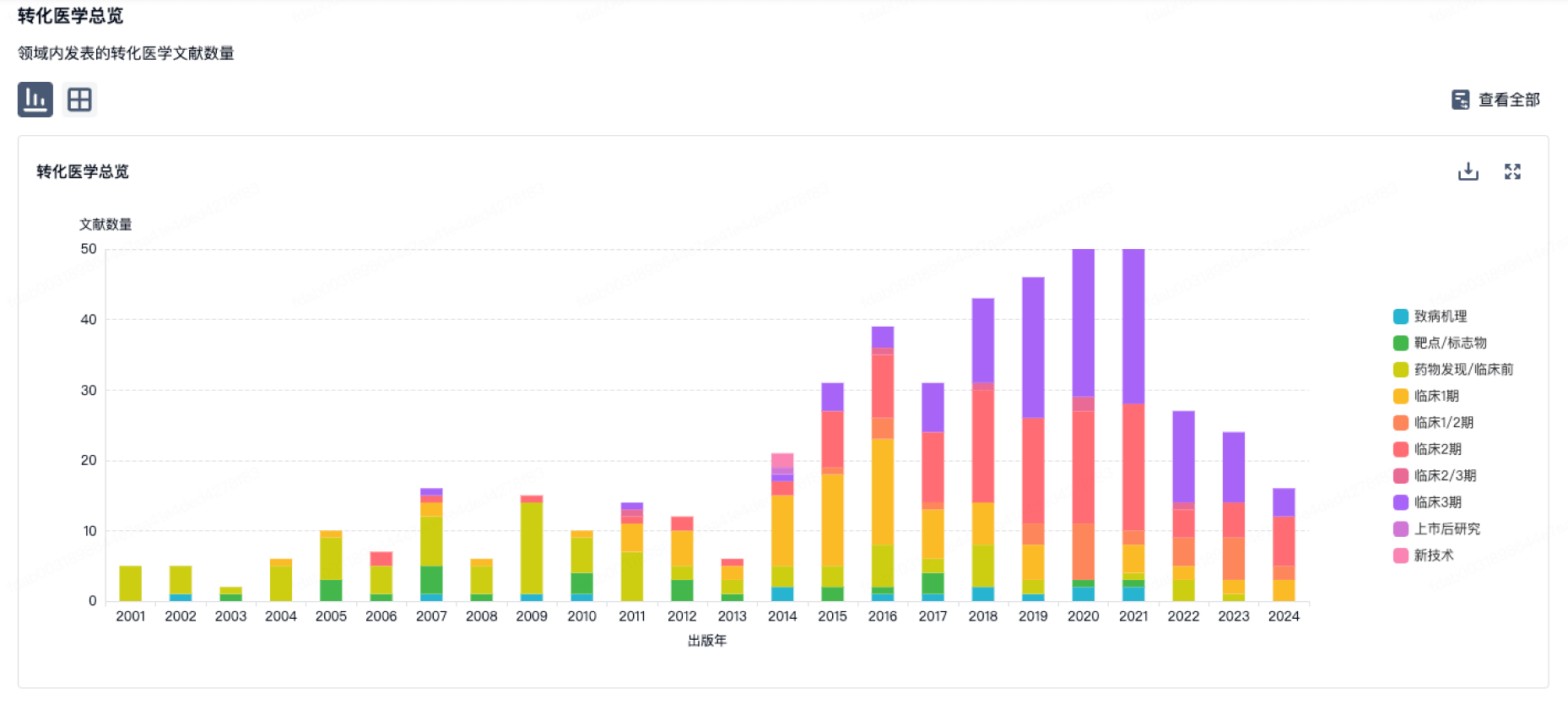
转化医学
使用我们的转化医学数据加速您的研究。
登录
或
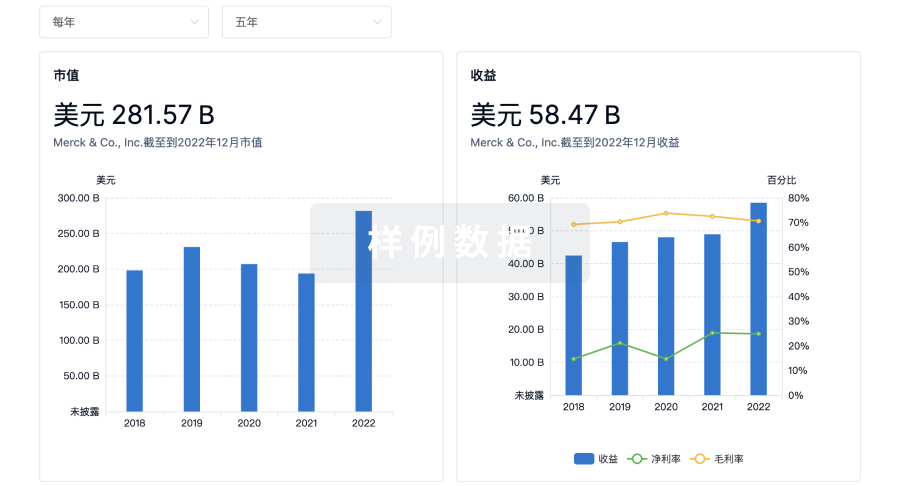
营收
使用 Synapse 探索超过 36 万个组织的财务状况。
登录
或
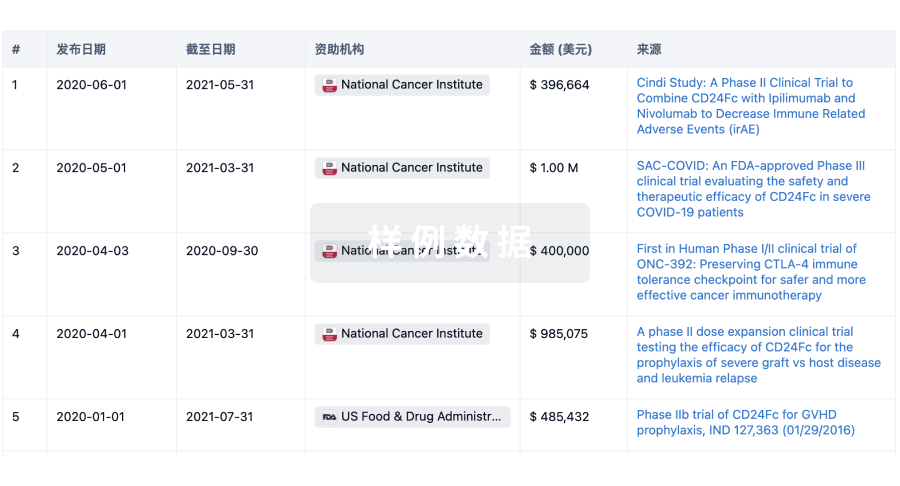
科研基金(NIH)
访问超过 200 万项资助和基金信息,以提升您的研究之旅。
登录
或
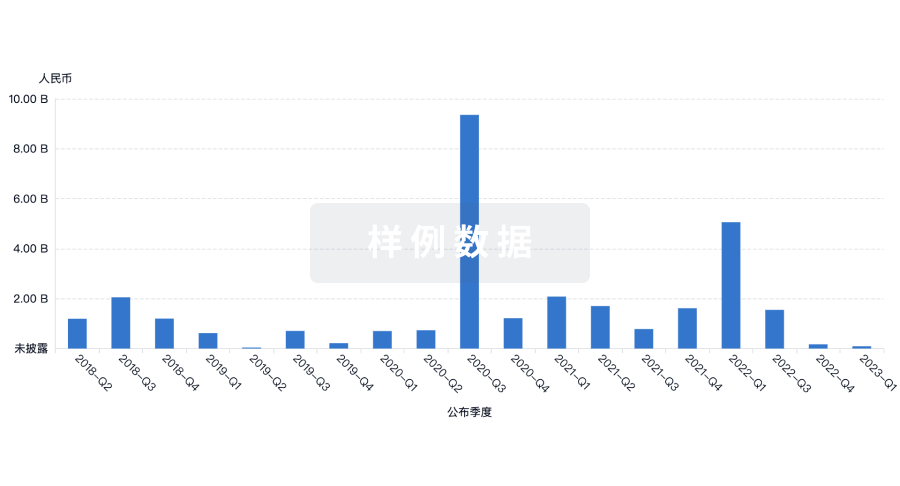
投资
深入了解从初创企业到成熟企业的最新公司投资动态。
登录
或
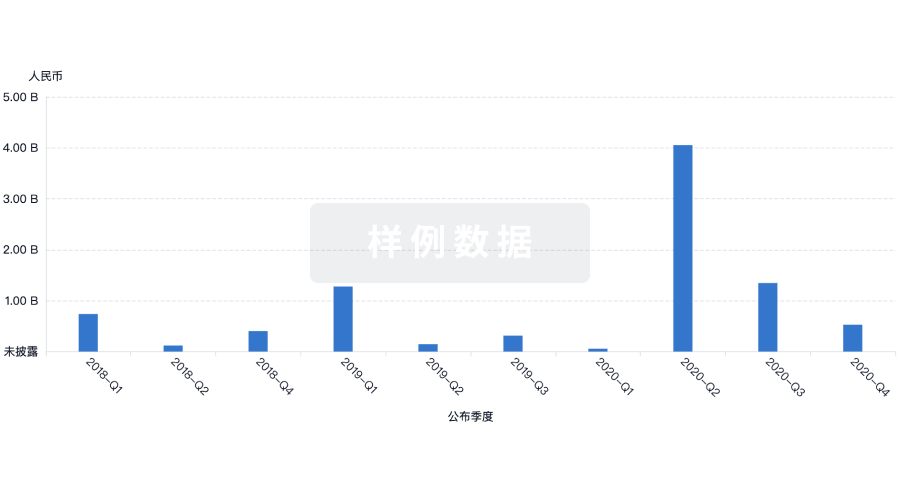
融资
发掘融资趋势以验证和推进您的投资机会。
登录
或
生物医药百科问答
全新生物医药AI Agent 覆盖科研全链路,让突破性发现快人一步
立即开始免费试用!
智慧芽新药情报库是智慧芽专为生命科学人士构建的基于AI的创新药情报平台,助您全方位提升您的研发与决策效率。
立即开始数据试用!
智慧芽新药库数据也通过智慧芽数据服务平台,以API或者数据包形式对外开放,助您更加充分利用智慧芽新药情报信息。
生物序列数据库
生物药研发创新
免费使用
化学结构数据库
小分子化药研发创新
免费使用