预约演示
更新于:2025-12-09

Universidad Autónoma de Baja California Sur
更新于:2025-12-09
概览
关联
NCT07184177
Validation of the Accuracy of Heart Rate Monitors at Resting and Exercise at Maximal Fat Oxidation Rate in Overweight and Obese Young Adults
NCT07091331
Clinical Evaluation of 3D-printed Ceromer Crowns Versus Stainless Steel in Posterior Primary Molars
NCT06553482
Impact of Exercise Training at Maximal Fat Oxidation (FatMax) Intensity on Metabolic and Epigenetic Parameters in Subjects With Excessive Body Mass: Study Protocol of a Randomized Controlled Trial
100 项与 Universidad Autónoma de Baja California Sur 相关的临床结果
登录后查看更多信息
登录后查看更多信息
2025-12-01European Journal of Applied Physiology
Heart rate thresholds as integrative biomarkers: a systems approach to exercise physiology and cardiovascular regulation
Review
作者: Helge, Jørn W ; Ferri-Marini, Carlo ; Carrilho-Candeias, Sofia ; Amaro-Gahete, Francisco J ; Chavez-Guevara, Isaac A
Heart rate (HR) kinetics during exercise reflect complex interactions between cardiovascular, autonomic, and metabolic systems. Yet, traditional assessments, such as maximal HR or HR reserve, fail to capture HR adjustments to metabolic transitions and mechanical signals sent from skeletal muscle, respiratory muscles, and the vascular system. This perspective introduces a novel systems physiology framework for analyzing HR thresholds in synchronization with ventilatory and metabolic transitions. A biphasic regulation model is proposed where Phase 1 is governed by afferent reflex mechanisms (e.g., metaboreflex, baroreflex) driving an exponential HR increase (heart rate inflection point, HRIP), while Phase 2 reflects β₁-adrenergic receptor saturation, leading to a plateau or deflection in HR (heart rate deflection point, HRDP). Using this framework, we propose new analytical strategies to assess threshold agreement and physiological synchronization across bodily systems. Our approach has practical applications in tailored exercise prescriptions and clinical diagnostics. We argue that HR thresholds may reflect activation of the exercise pressor reflex and shifts in sympathetic activity. By moving beyond isolated biomarkers, this model promotes a more integrative and dynamic understanding of exercise physiology.
2025-12-01NUTRITION METABOLISM AND CARDIOVASCULAR DISEASES
Translational biomarkers for integrated cardiovascular disease risk assessment: A multidisciplinary review with applications in precision medicine
Review
作者: Martínez, J Alfredo ; Landecho Acha, Manuel Fortún ; Vidal-Ostos De Lara, Fernando ; Yannakoulia, Mary ; Urbistondo, Diego Martínez ; Hernández, Aitor Hernández ; Gkipalis, Sokratis ; Visioli, Francesco ; Leon, Marta ; Beddar Chaib, F ; Ramos-Lopez, Omar ; Ruiz-Saavedra, Antonio ; Vizmanos, Barbara ; Laparra, Moisés
AIMS:
Cardiovascular disease (CVD) continues to be a leading cause of morbidity and mortality, significantly impacting healthcare systems and individual lives. This pragmatic review focuses on the assessment of CVD utilizing traditional and emerging risk factors that provide a basis for personalized medicine and precision nutrition, highlighting the knowledge and application of these insights for accurate risk diagnosis, individualized interventions, and precise outcome/evaluation prognosis.
DATA SYNTHESIS:
Critical biochemical markers such as lipid metabolism signatures, inflammatory molecules, endocrine mediators, homeostatic signals (including omics data), and lifestyle factors such as unhealthy dietary habits, physical inactivity, smoking, alcohol abuse, along with anthropometric variables and body composition measurements, play a pivotal role in assessing and managing CVD. This progression starts with early vascular and cardiac dysfunctions, advancing to atherosclerosis, and ultimately leading to cardiovascular events. Major adverse cardiovascular events, including myocardial infarction, stroke, and heart failure, highlight the need for effective and accurate risk stratification and objective assessment. Various CVD risk scores, such as the Framingham Risk Score, SCORE, and the Atherosclerotic Cardiovascular Disease Risk Calculator, provide valuable global frameworks for predicting individual risk based on recognized conventional factors. Additionally, omics markers-which encompass genomic, transcriptomic, epigenomic, proteomic, metabolomic, and metagenomic data-offer deeper insights into the molecular mechanisms underlying CVD, alongside novel lipidomic and immunomic determinants.
CONCLUSIONS:
Integrating these various determinants and risk factors through a comprehensive approach is essential for advancing and implementing precision medicine and nutrition in the management of CVD.
2025-11-01BONE
Comparison of in vitro and ex vivo osteogenic efficacy of fucoidans extracted from three brown macroalgae of the Pacific Ocean
Article
作者: Félix, Eréndira Olvera ; Fournier, Pierrick G J ; Beas-Luna, Rodrigo ; Hernández-Garibay, Enrique ; Landeros-Juárez, Jessica S ; Nomura, M ; Juárez, Patricia ; Iduarte-Frias, Brenda
Brown macroalgae possesses bioactive compounds including fucoidan, a sulfated polysaccharide that can affect bone cells based on its origin and composition. This study examined the potential of fucoidan isolated from three macroalgal species - Macrocystis pyrifera, Sargassum muticum, and Undaria pinnatifida - to modulate the bone remodeling process and evaluated their comparative effectiveness. Fucoidans were extracted under acidic media, and chemically and structurally characterized before comparing their bioactivity on bone cells at different stages. Fucoidans moderately decreased the survival of progenitor cells in a concentration-dependent manner, demonstrating their minimal toxicity to the cells. All fucoidans enhanced the mineralization of preosteoblast MC3T3-E1 or mouse bone marrow cells (BMCs), particularly at higher concentrations. While low concentrations of fucoidans stimulated osteoclastogenesis, higher concentrations inhibited osteoclast formation which could be due to a reduction in the RANKL/OPG ratio as indicated by gene expression analysis. Furthermore, in a 3D ex vivo calvaria culture, fucoidans increased the new bone formation area in a concentration-dependent manner. Although all three fucoidans showed comparable bioactivities, the fucoidan from U. pinnatifida was the most effective. We found that fucoidans from marine algae can enhance bone growth and osteoclastogenesis depending on concentration. These findings suggest a dual biological activity in bone remodeling and highlight the need for in vivo studies to confirm their therapeutic potential for bone-loss diseases.
100 项与 Universidad Autónoma de Baja California Sur 相关的药物交易
登录后查看更多信息
100 项与 Universidad Autónoma de Baja California Sur 相关的转化医学
登录后查看更多信息
组织架构
使用我们的机构树数据加速您的研究。
登录
或
管线布局
2026年09月16日管线快照
无数据报导
登录后保持更新
药物交易
使用我们的药物交易数据加速您的研究。
登录
或
转化医学
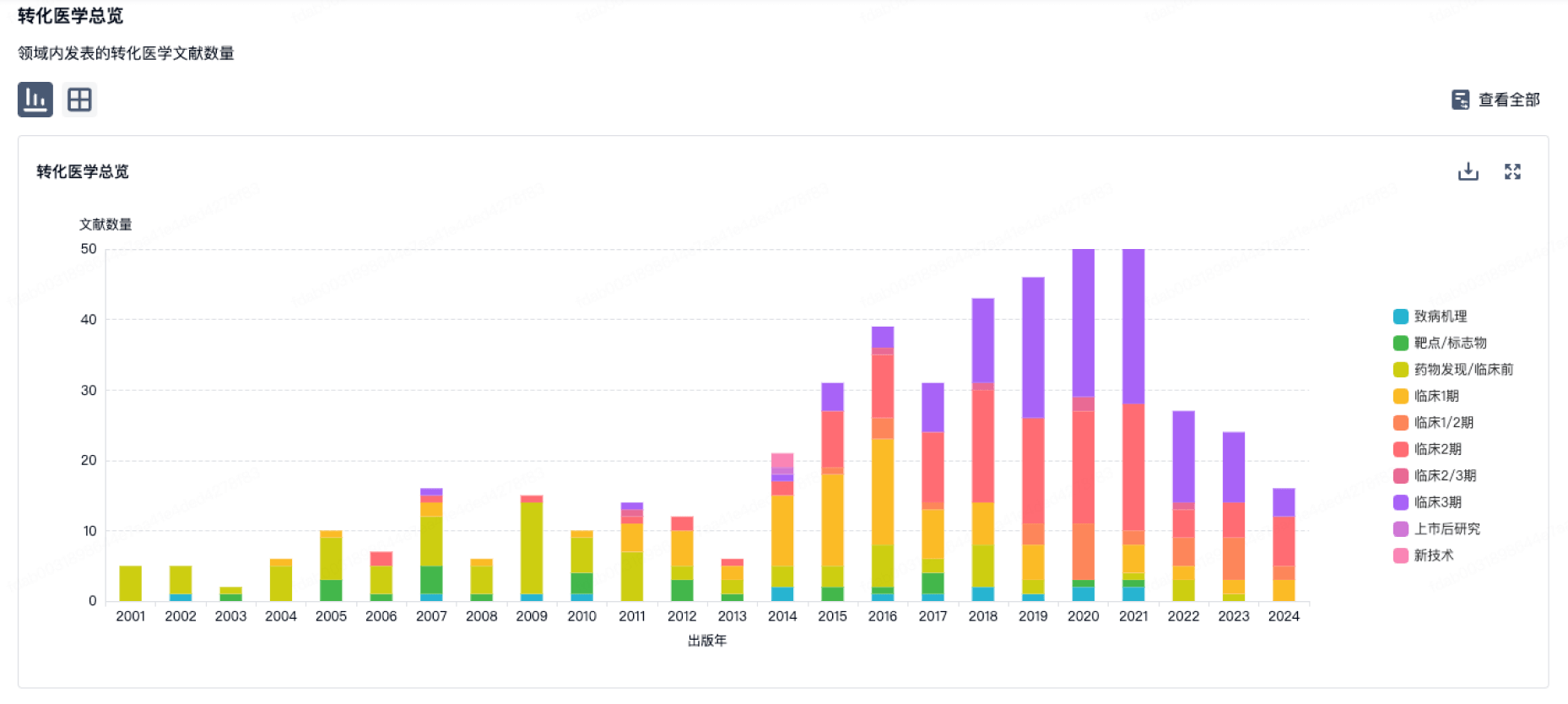
使用我们的转化医学数据加速您的研究。
登录
或
营收
使用 Synapse 探索超过 36 万个组织的财务状况。
登录
或
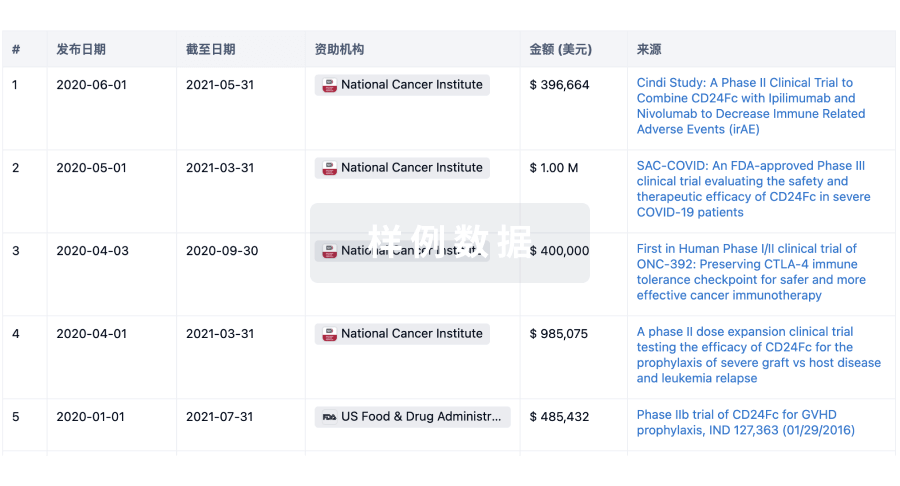
科研基金(NIH)
访问超过 200 万项资助和基金信息,以提升您的研究之旅。
登录
或
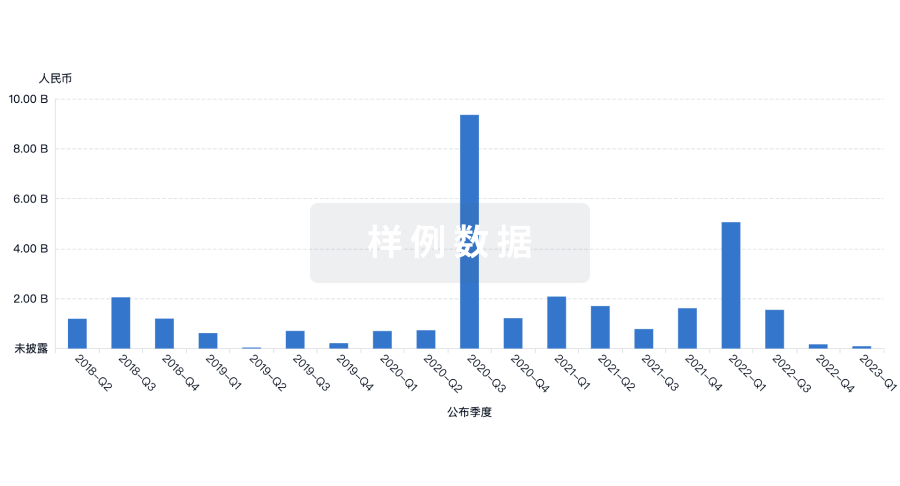
投资
深入了解从初创企业到成熟企业的最新公司投资动态。
登录
或
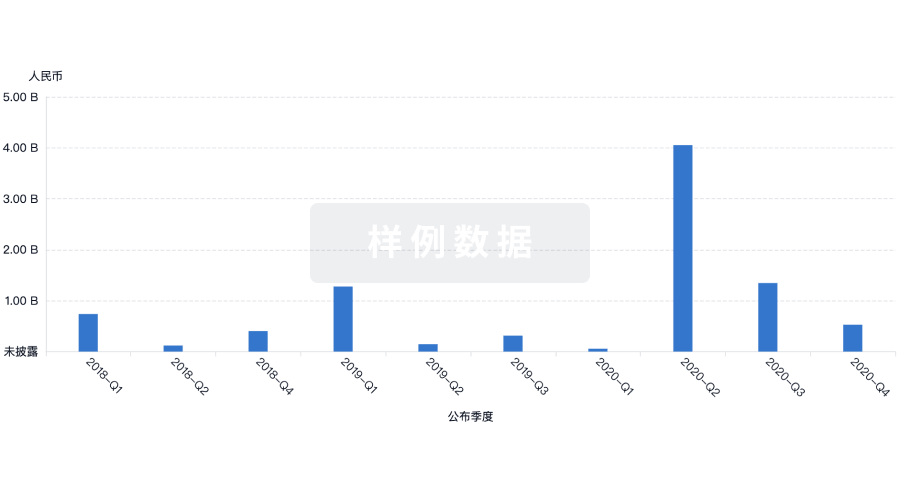
融资
发掘融资趋势以验证和推进您的投资机会。
登录
或
提出任何生物医药研究问题
让每一步生物医药决策都精准制胜
基于十亿级生物数据与全球情报的精准 AI,赋能早期药物发现
立即开始免费试用!
智慧芽新药情报库是智慧芽专为生命科学人士构建的基于AI的创新药情报平台,助您全方位提升您的研发与决策效率。
立即接入生物医药数据包
智慧芽新药库数据也通过智慧芽开放平台,以MCP或API服务形式对外开放。立即使用我们的MCP服务定制您的LLM智能体。
生物序列数据库
生物药研发创新
免费使用
化学结构数据库
小分子化药研发创新
免费使用