预约演示
更新于:2026-03-05

United Lincolnshire Hospitals NHS Trust
更新于:2026-03-05
概览
关联
NCT07424950
Phase 2 Study to Assess the Safety and Efficacy of Bomedemstat (IMG-7289) in Combination With Momelotinib in Patients With Myelofibrosis
NCT03191370
Pragmatic Randomised Controlled Trial Assessing the Use of a Simple Distraction Technique to Reduce Discomfort When Performing Transnasal Fiberoptic Laryngoscopy in the ENT Outpatient Clinic
NCT04057560
Metabolomics in Small Intestinal Bacterial Overgrowth
100 项与 United Lincolnshire Hospitals NHS Trust 相关的临床结果
登录后查看更多信息
登录后查看更多信息
2026-01-17Cureus Journal of Medical Science
Rare Case of Internal Jugular Vein Thrombosis Associated With Squamous Cell Carcinoma of the Posterior Tongue
Article
作者: Zahra, Urooj ; Shah, Awais Altaf ; Okoye, Ibikiri
Internal jugular vein thrombosis (IJVT) is an uncommon but potentially life-threatening condition, arising from diverse risk factors including infection, instrumentation, and malignancy. Although its incidence in head and neck (H&N) cancers remains low, early recognition is essential, as serious complications such as pulmonary embolism, stroke, and superior vena cava obstruction can arise. We report the case of a 77-year-old man with a remote history of treated H&N malignancy, who had a new diagnosis of base-of-tongue squamous cell carcinoma (scc) after he developed a right-sided neck swelling. He showed initial improvement with palliative radiotherapy. He presented again a couple of months later with bilateral facial swelling extending to the right neck, initially treated as facial cellulitis. However, antibiotics proved ineffective, leading us to investigate further. Subsequent contrast-enhanced arterial-phase CT findings were in line with a bland right IJVT, for which anticoagulation was commenced promptly. This case highlights the importance of considering provoked IJVT in patients with H&N SCC who present with persistent neck or facial swelling, even in the absence of other systemic risk factors. Early diagnostic imaging and timely anticoagulation may prevent potentially fatal thromboembolic complications.
2026-01-02Arab Journal of Urology
Prevention of parastomal hernia after ileal conduit using prophylactic mesh: A meta-analysis of randomized controlled trials
Review
作者: Irshid, Baha’ Aldeen Bani ; Ramez, Mohamed ; Mohamed, Tarek ; Deameh, Mohammad Ghassab ; Elhashamy, Hamza
Purpose:
This study aims at assessing the effectiveness of using prophylactic mesh for the prevention of Parastomal hernia (PSH) after cystectomy and ileal conduit.
Methods:
PRISMA statement guidelines were followed. A comprehensive literature search was conducted across PubMed, MEDLINE, Cochrane Library, and Embase databases. The primary outcomes analyzed were operation time, clinical hernia, radiological hernia, and complications classified as greater than or less than 3 on the Clavien-Dindo scale.
Results:
Three RCTs with a total number of 782 patients were included. The occurrence of clinical hernia significantly favored the mesh group, with a risk ratio (RR) of 0.50 (p < 0.002). However, the occurrence of radiological hernia showed no significant difference between groups, with an RR of 0.72 (p = 0.10). The analysis of operation time significantly favored the no mesh group, with a mean difference (MD) of -28.56 minutes (p < 0.002), indicating shorter operation times compared to the mesh group. Regarding complications, no significant differences were observed between the mesh and no mesh groups. For Clavien-Dindo Grade ≥3 complications, the RR was 1.11 (p = 0.42), and for Clavien-Dindo Grade <3 complications, the RR was 1.15 (p = 0.36).
Conclusion:
Prophylactic mesh significantly reduces the incidence of PSH following ileal conduit. However, it does not significantly affect radiological hernia rates or complication rates. Despite longer operation times, its use offers a clear benefit in preventing PSH without substantially increasing complications.
2025-12-01BMJ Case Reports
Disseminated paediatric cystic echinococcosis with pulmonary, hepatic and renal involvement managed medically in a low-resource endemic setting
Article
作者: Arshad, Ainan ; Umair Ahmed, Syed ; Nisar Ahmad, Syed
An early-adolescent girl from a hydatid-endemic region presented with 3 months of intermittent fever, cough with two episodes of haemoptysis, abdominal pain and fatigue. Examination was non-specific apart from right-upper-quadrant tenderness. Serology for
Echinococcus granulosus
was positive. Chest radiography and cross-sectional imaging demonstrated multiple hydatid cysts within both lungs, both hepatic lobes and the left kidney, with internal membranes and the pathognomonic ‘serpent sign’ in one pulmonary cyst. Given multiplicity and distribution across three organs, percutaneous drainage and surgery were deferred. Albendazole (approximately 15 mg/kg/day in two divided doses) was administered for 12 weeks with clinical improvement and planned radiological surveillance. This case illustrates the diagnostic approach to disseminated cystic echinococcosis in children, rational selection of non-operative management when operative risk is high and the public health implications for clinicians practising in non-endemic settings who care for migrant and travelling populations.
100 项与 United Lincolnshire Hospitals NHS Trust 相关的药物交易
登录后查看更多信息
100 项与 United Lincolnshire Hospitals NHS Trust 相关的转化医学
登录后查看更多信息
组织架构
使用我们的机构树数据加速您的研究。
登录
或
管线布局
2026年10月22日管线快照
无数据报导
登录后保持更新
药物交易
使用我们的药物交易数据加速您的研究。
登录
或
转化医学
使用我们的转化医学数据加速您的研究。
登录
或
营收
使用 Synapse 探索超过 36 万个组织的财务状况。
登录
或
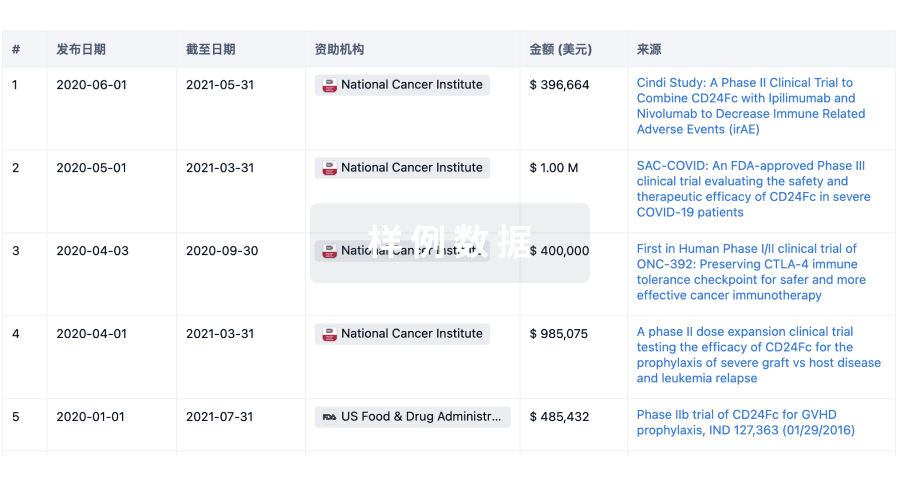
科研基金(NIH)
访问超过 200 万项资助和基金信息,以提升您的研究之旅。
登录
或
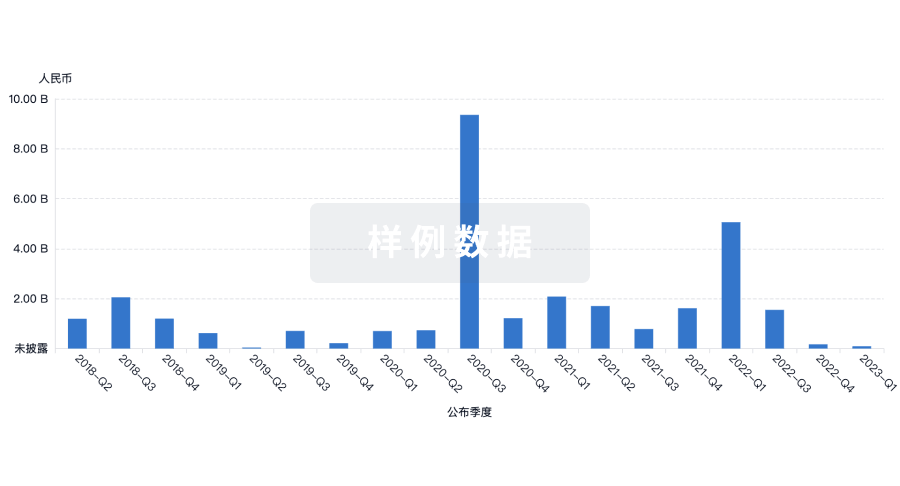
投资
深入了解从初创企业到成熟企业的最新公司投资动态。
登录
或
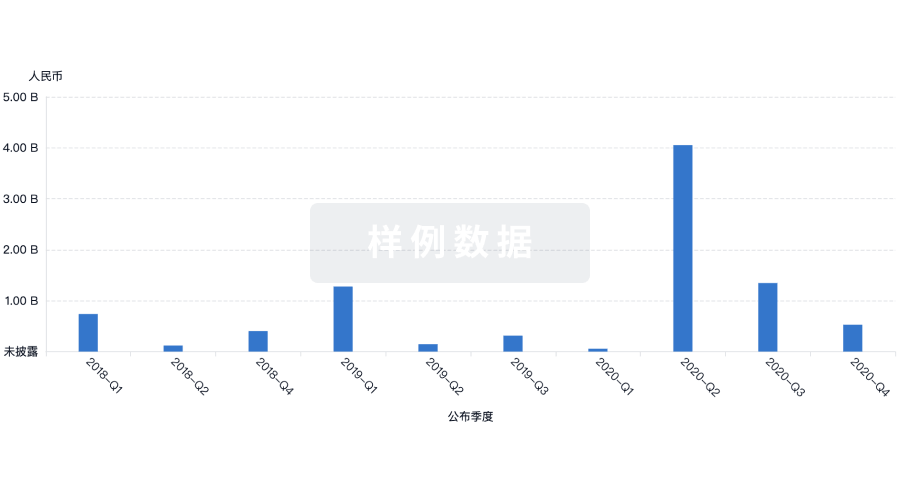
融资
发掘融资趋势以验证和推进您的投资机会。
登录
或
提出任何生物医药研究问题
让每一步生物医药决策都精准制胜
基于十亿级生物数据与全球情报的精准 AI,赋能早期药物发现
立即开始免费试用!
智慧芽新药情报库是智慧芽专为生命科学人士构建的基于AI的创新药情报平台,助您全方位提升您的研发与决策效率。
立即接入生物医药数据包
智慧芽新药库数据也通过智慧芽开放平台,以MCP或API服务形式对外开放。立即使用我们的MCP服务定制您的LLM智能体。
生物序列数据库
生物药研发创新
免费使用
化学结构数据库
小分子化药研发创新
免费使用