预约演示
更新于:2026-03-08

ReCor Medical, Inc.
更新于:2026-03-08
概览
关联
NCT07231757
The Recor Paradise System™ Hypertension Coverage With Evidence Development Study
NCT06297291
The Global Paradise® System US Post Approval Study (US GPS)
NCT05934383
Safety and Efficacy of Ultrasound Renal Denervation in Kidney Transplantation Patients With Uncontrolled Hypertension: the RESTART Study
100 项与 ReCor Medical, Inc. 相关的临床结果
登录后查看更多信息
登录后查看更多信息
2024-03-05Circulation
Patient-Level Pooled Analysis of Endovascular Ultrasound Renal Denervation or a Sham Procedure 6 Months After Medication Escalation: The RADIANCE Clinical Trial Program
Article
BACKGROUND::
The randomized, sham-controlled RADIANCE-HTN (A Study of the Recor Medical Paradise System in Clinical Hypertension) SOLO, RADIANCE-HTN TRIO, and RADIANCE II (A Study of the Recor Medical Paradise System in Stage II Hypertension) trials independently met their primary end point of a greater reduction in daytime ambulatory systolic blood pressure (SBP) 2 months after ultrasound renal denervation (uRDN) in patients with hypertension. To characterize the longer-term effectiveness and safety of uRDN versus sham at 6 months, after the blinded addition of antihypertensive treatments (AHTs), we pooled individual patient data across these 3 similarly designed trials.
METHODS::
Patients with mild to moderate hypertension who were not on AHT or with hypertension resistant to a standardized combination triple AHT were randomized to uRDN (n=293) versus sham (n=213); they were to remain off of added AHT throughout 2 months of follow-up unless specified blood pressure (BP) criteria were exceeded. In each trial, if monthly home BP was ≥135/85 mm Hg from 2 to 5 months, standardized AHT was sequentially added to target home BP <135/85 mm Hg under blinding to initial treatment assignment. Six-month outcomes included baseline- and AHT-adjusted change in daytime ambulatory, home, and office SBP; change in AHT; and safety. Linear mixed regression models using all BP measurements and change in AHT from baseline through 6 months were used.
RESULTS::
Patients (70% men) were 54.1±9.3 years of age with a baseline daytime ambulatory/home/office SBP of 150.5±9.8/151.0±12.4/155.5±14.4 mm Hg, respectively. From 2 to 6 months, BP decreased in both groups with AHT titration, but fewer uRDN patients were prescribed AHT (
P
=0.004), and fewer additional AHT were prescribed to uRDN patients versus sham patients (
P
=0.001). Whereas the unadjusted between-group difference in daytime ambulatory SBP was similar at 6 months, the baseline and medication-adjusted between-group difference at 6 months was −3.0 mm Hg (95% CI, −5.7, −0.2;
P
=0.033), in favor of uRDN+AHT. For home and office SBP, the adjusted between-group differences in favor of uRDN+AHT over 6 months were −5.4 mm Hg (−6.8, −4.0;
P
<0.001) and −5.2 mm Hg (−7.1, −3.3;
P
<0.001), respectively. There was no heterogeneity between trials. Safety outcomes were few and did not differ between groups.
CONCLUSIONS::
This individual patient-data analysis of 506 patients included in the RADIANCE trials demonstrates the maintenance of BP-lowering efficacy of uRDN versus sham at 6 months, with fewer added AHTs.
REGISTRATION::
URL:
https://www.clinicaltrials.gov
; Unique identifiers: NCT02649426 and NCT03614260.
2023-05-01JAMA Cardiology
Patient-Level Pooled Analysis of Ultrasound Renal Denervation in the Sham-Controlled RADIANCE II, RADIANCE-HTN SOLO, and RADIANCE-HTN TRIO Trials
Article
Importance:
Ultrasound renal denervation (uRDN) was shown to lower blood pressure (BP) in patients with uncontrolled hypertension (HTN). Establishing the magnitude and consistency of the uRDN effect across the HTN spectrum is clinically important.
Objective:
To characterize the effectiveness and safety of uRDN vs a sham procedure from individual patient-level pooled data across uRDN trials including either patients with mild to moderate HTN on a background of no medications or with HTN resistant to standardized triple-combination therapy.
Data Sources:
A Study of the ReCor Medical Paradise System in Clinical Hypertension (RADIANCE-HTN SOLO and TRIO) and A Study of the ReCor Medical Paradise System in Stage II Hypertension (RADIANCE II) trials.
Study Selection:
Trials with similar designs, standardized operational implementation (medication standardization and blinding of both patients and physicians to treatment assignment), and follow-up.
Data Extraction and Synthesis:
Pooled analysis using individual patient-level data using linear regression models to compare uRDN with sham across the trials.
Main Outcomes and Measures:
The primary outcome was baseline-adjusted change in 2-month daytime ambulatory systolic BP (dASBP) between groups.
Results:
A total of 506 patients were randomized in the 3 studies (uRDN, 293; sham, 213; mean [SD] age, 54.1 [9.3]; 354 male [70.0%]). After a 1-month medication stabilization period, dASBP was similar between the groups (mean [SD], uRDN, 150.3 [9.2] mm Hg; sham, 150.8 [10.5] mm Hg). At 2 months, dASBP decreased by 8.5 mm Hg to mean (SD) 141.8 (13.8) mm Hg among patients treated with uRDN and by 2.9 mm Hg to 147.9 (14.6) mm Hg among patients treated with a sham procedure (mean difference, −5.9; 95% CI, −8.1 to −3.8 mm Hg; P &lt; .001 in favor of uRDN). BP decreases from baseline with uRDN vs sham were consistent across trials and across BP parameters (office SBP: −10.4 mm Hg vs −3.4 mm Hg; mean difference, −6.4 mm Hg; 95% CI, −9.1 to –3.6 mm Hg; home SBP: −8.4 mm Hg vs −1.4 mm Hg; mean difference, −6.8 mm Hg; 95% CI, −8.7 to −4.9 mm Hg, respectively). The BP reductions with uRDN vs sham were consistent across prespecified subgroups. Independent predictors of a larger BP response to uRDN were higher baseline BP and heart rate and the presence of orthostatic hypertension. No differences in early safety end points were observed between groups.
Conclusions and Relevance:
Results of this patient-level pooled analysis suggest that BP reductions with uRDN were consistent across HTN severity in sham-controlled trials designed with a 2-month primary end point to standardize medications across randomized groups.
Trial Registration:
ClinicalTrials.gov Identifier: NCT02649426 and NCT03614260
2022-07-01JOURNAL OF HUMAN HYPERTENSION
Predictors of blood pressure response to ultrasound renal denervation in the RADIANCE-HTN SOLO study
Article
作者: Sanghvi, Kintur ; Kirtane, Ajay J ; Sharp, Andrew S P ; Schmieder, Roland E ; Pathak, Atul ; Mahfoud, Felix ; Blankestijn, Peter J ; Gosse, Philippe ; Barman, Neil C ; Azizi, Michel ; Basile, Jan ; Daemen, Joost ; Lobo, Melvin D ; Song, Yang ; Weber, Michael A ; Lurz, Philipp ; Mathur, Anthony ; Claude, Lisa ; Rump, Lars C ; Wang, Yale ; Bloch, Michael J ; Saxena, Manish ; Fisher, Naomi D L
Abstract:
The blood pressure (BP) lowering response to renal denervation (RDN) remains variable with about one-third of patients not responding to ultrasound or radiofrequency RDN. Identification of predictors of the BP response to RDN is needed to optimize patient selection for this therapy. This is a post-hoc analysis of the RADIANCE-HTN SOLO study. BP response to RDN was measured by the change in daytime ambulatory systolic blood pressure (dASBP) at 2 months post procedure. Univariate regression was used initially to assess potential predictors of outcome followed by multivariate regression analysis. In the univariate analysis, predictors of response to RDN were higher baseline daytime ambulatory diastolic blood pressure (dADBP), the use of antihypertensive medications at screening, and presence of orthostatic hypertension (OHTN) whilst the presence of untreated accessory arteries was a negative predictor of response. Multivariate analysis determined that dADBP and use of antihypertensive medications were predictors of response to RDN with a trend for OHTN to predict response. Obese females also appeared to be better responders to RDN in an interaction model. RDN is more effective in patients with elevated baseline dADBP and those with OHTN, suggesting increased peripheral vascular resistance secondary to heightened sympathetic tone. These assessments are easy to perform in clinical setting and may help in phenotyping patients who will respond better to RDN.
2025-11-28
基因疗法临床结果临床研究临床1期
100 项与 ReCor Medical, Inc. 相关的药物交易
登录后查看更多信息
100 项与 ReCor Medical, Inc. 相关的转化医学
登录后查看更多信息
组织架构
使用我们的机构树数据加速您的研究。
登录
或
管线布局
2026年05月22日管线快照
无数据报导
登录后保持更新
药物交易
使用我们的药物交易数据加速您的研究。
登录
或
转化医学
使用我们的转化医学数据加速您的研究。
登录
或
营收
使用 Synapse 探索超过 36 万个组织的财务状况。
登录
或
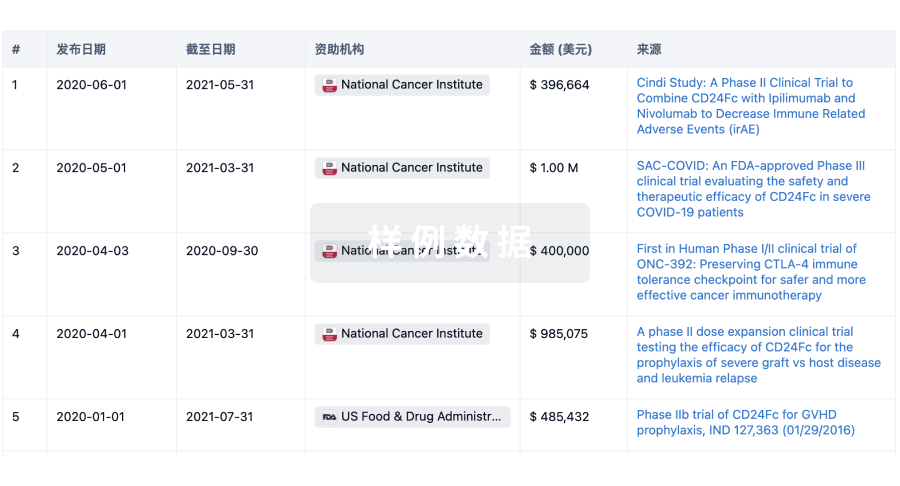
科研基金(NIH)
访问超过 200 万项资助和基金信息,以提升您的研究之旅。
登录
或
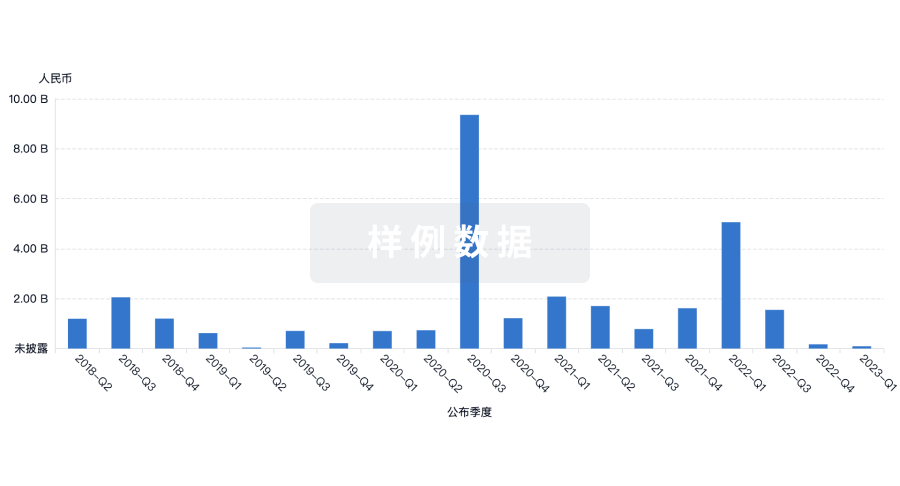
投资
深入了解从初创企业到成熟企业的最新公司投资动态。
登录
或
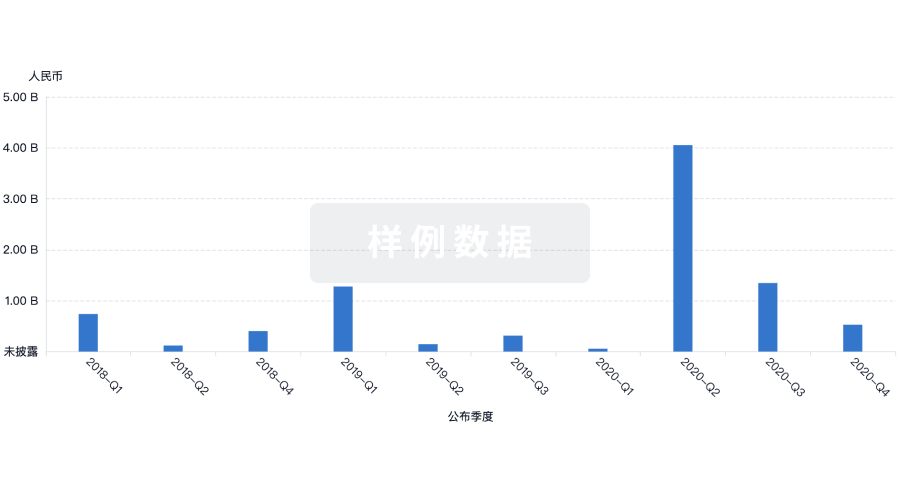
融资
发掘融资趋势以验证和推进您的投资机会。
登录
或
生物医药百科问答
全新生物医药AI Agent 覆盖科研全链路,让突破性发现快人一步
立即开始免费试用!
智慧芽新药情报库是智慧芽专为生命科学人士构建的基于AI的创新药情报平台,助您全方位提升您的研发与决策效率。
立即开始数据试用!
智慧芽新药库数据也通过智慧芽数据服务平台,以API或者数据包形式对外开放,助您更加充分利用智慧芽新药情报信息。
生物序列数据库
生物药研发创新
免费使用
化学结构数据库
小分子化药研发创新
免费使用