预约演示
更新于:2025-05-07
Grupo Español Investigacion Cancer Mama
私营公司|Spain
私营公司|Spain
更新于:2025-05-07
概览
关联
NCT02032277
A Randomized, Placebo-Controlled, Double-Blind, Phase 3 Study Evaluating Safety and Efficacy of the Addition of Veliparib Plus Carboplatin Versus the Addition of Carboplatin to Standard Neoadjuvant Chemotherapy Versus Standard Neoadjuvant Chemotherapy in Subjects With Early Stage Triple Negative Breast Cancer (TNBC)
NCT01899079
Prospective Observational Study to Evaluate the Impact of the Determination of the Intrinsic Subtypes of Breast Cancer by PAM50 NanoString Technology in the Use of Adjuvant Chemotherapy in Women With Breast Cancer, HR+ and Node -.

NCT01484080
Phase I/II Randomized Clinical Trial of Neoadjuvant Paclitaxel Versus BIBF 1120 Priming Followed by BIBF 1120 Plus Paclitaxel in Early HER-2 Negative Breast Cancer With Proteomic and Dynamic Imaging Correlates
100 项与 Grupo Español Investigacion Cancer Mama 相关的临床结果
登录后查看更多信息
登录后查看更多信息
2025-04-01JAMA
Adjuvant Atezolizumab for Early Triple-Negative Breast Cancer
Article
作者: Viale, Giuseppe ; El-abed, Sarra ; Steger, Günther G. ; Gelber, Richard ; Gluz, Oleg ; Perretti, Thomas ; Gal-Yam, Einav Nili ; Jassem, Jacek ; Bailey, Andrew ; Cameron, David A. ; Zimina, Anastasia ; Schmidt, Marcus ; Metzger, Otto ; Bajetta, Emilio ; Higgins, Michaela ; Gonzalez Farre, Xavier ; Shparyk, Yaroslav ; Winer, Eric ; Saji, Shigehira ; Shearer-Kang, Esther ; Jacot, William ; Ben-Baruch, Noa Efrat ; Ohno, Shinji ; Werutsky, Gustavo ; Guerrero Zotano, Angel ; Zarba, Jose ; Munzone, Elisabetta ; Shao, Zhimin ; Chiu, Joanne ; McArthur, Heather ; Molinero, Luciana ; Tseng, Ling-Ming ; Lee, Soo Chin ; Ignatiadis, Michail ; Piccart, Martine ; Dieterich, Max ; Chui, Stephen Y. ; Gomez, Henry ; de Azambuja, Evandro ; Im, Seock-Ah ; Moscetti, Luca
2025-02-01Annals of Oncology
TNBC-DX genomic test in early-stage triple-negative breast cancer treated with neoadjuvant taxane-based therapy
Article
作者: Prat, A. ; Stecklein, S.R. ; Uleer, C ; Grischke, E.-M. ; Paré, L ; Moreno, F ; Uleer, C. ; Hackmann, J ; Prat, A ; Warm, M. ; Gluz, O. ; López-Tarruella, S ; Bohn, U. ; Schumacher, C. ; Bueno-Muiño, C. ; Herrero, B ; Sharma, P ; Kuemmel, S. ; Harbeck, N ; Monte-Millán, M ; Bueno, O. ; Aktas, B. ; Brasó-Maristany, F. ; Kates, R ; Conte, B ; Echavarría, I ; Nitz, U ; Bueno, O ; Vivancos, A. ; Cebollero, M. ; Braun, M. ; Martín, M ; Parker, J.S. ; Villacampa, G ; Gluz, O ; Graeser, M. ; Braun, M ; Christgen, M. ; Villagrasa, P ; López-Tarruella, S. ; Massarrah, T. ; Gómez, H ; Jerez, Y ; Aktas, B ; Cobo, S. ; Bohn, U ; Kolberg-Liedtke, C ; Warm, M ; Grischke, E-M ; Parker, J S ; Conte, B. ; Sanfeliu, E. ; Kreipe, H.H. ; García-Saenz, J Á ; Christgen, M ; Graeser, M ; Eulenburg, C. ; Kates, R. ; Schumacher, C ; Álvarez, E L ; Kreipe, H H ; Harbeck, N. ; Villacampa, G. ; Kolberg-Liedtke, C. ; Nitz, U. ; Jerez, Y. ; Vivancos, A ; García-Saenz, J.Á. ; Perou, C.M. ; Monte-Millán, M. ; Herrero, B. ; Sanfeliu, E ; Bueno-Muiño, C ; Forstbauer, H. ; Cebollero, M ; Moreno, F. ; Wuerstleins, R. ; Paré, L. ; Cobo, S ; Zu Eulenburg, C ; Forstbauer, H ; Wuerstleins, R ; Villagrasa, P. ; Hackmann, J. ; Perou, C M ; Sharma, P. ; Stecklein, S R ; Echavarría, I. ; Brasó-Maristany, F ; Massarrah, T ; Kuemmel, S ; Martín, M. ; Álvarez, E.L. ; Gómez, H.
2024-05-15Clinical Cancer Research
Tumor-Infiltrating Lymphocytes Refine Outcomes in Triple-Negative Breast Cancer Treated with Anthracycline-Free Neoadjuvant Chemotherapy
Article
作者: Cebollero, María ; Massarrah, Tatiana ; O'Dea, Anne P. ; Yoder, Rachel ; Jerez, Yolanda ; Staley, Joshua M. ; Martín, Miguel ; Echavarría, Isabel ; Khan, Qamar J. ; Salgado, Roberto ; Nye, Lauren E. ; López-Tarruella, Sara ; Bueno, Coralia ; Álvarez, Enrique L. ; Stecklein, Shane R. ; García Saenz, José Ángel ; Bueno, Oscar ; Godwin, Andrew K. ; Moreno, Fernando ; Gómez, Henry ; del Monte-Millán, María ; Sharma, Priyanka ; Bohn, Uriel
100 项与 Grupo Español Investigacion Cancer Mama 相关的药物交易
登录后查看更多信息
100 项与 Grupo Español Investigacion Cancer Mama 相关的转化医学
登录后查看更多信息
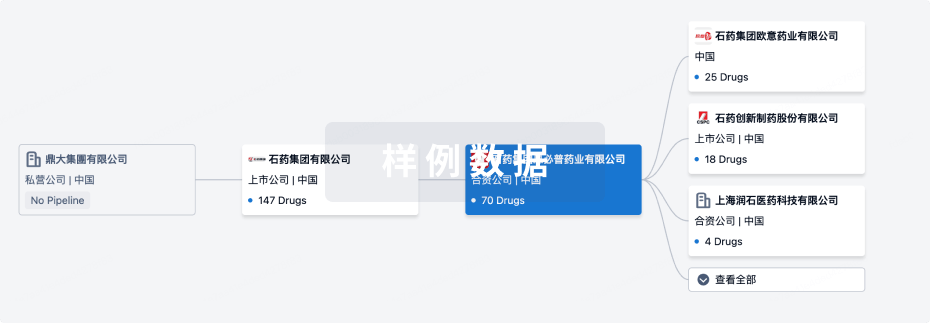
组织架构
使用我们的机构树数据加速您的研究。
登录
或
管线布局
2026年02月07日管线快照
无数据报导
登录后保持更新
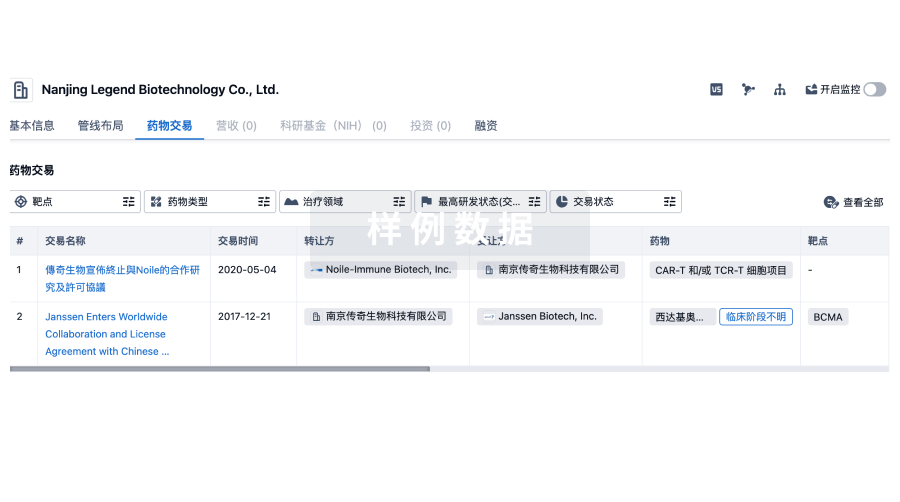
药物交易
使用我们的药物交易数据加速您的研究。
登录
或
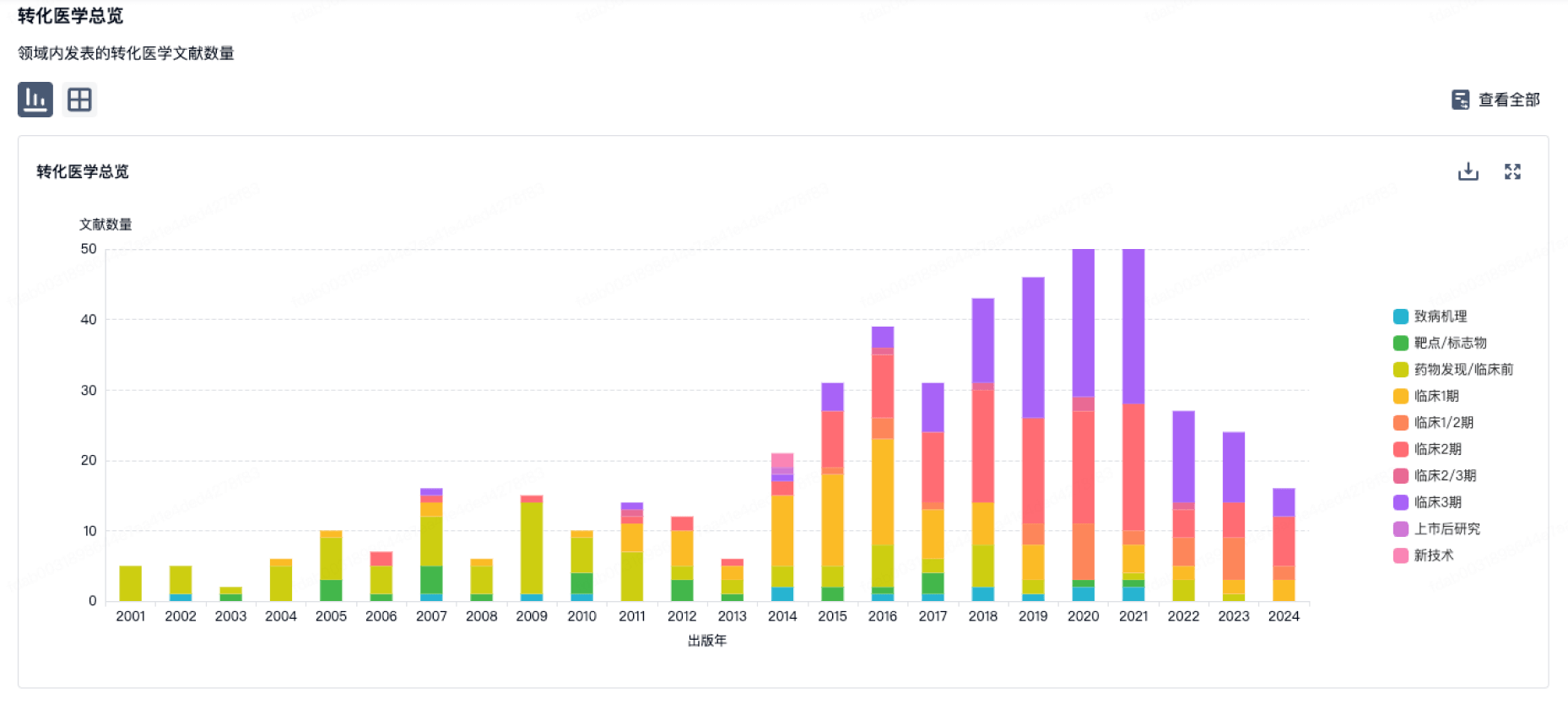
转化医学
使用我们的转化医学数据加速您的研究。
登录
或
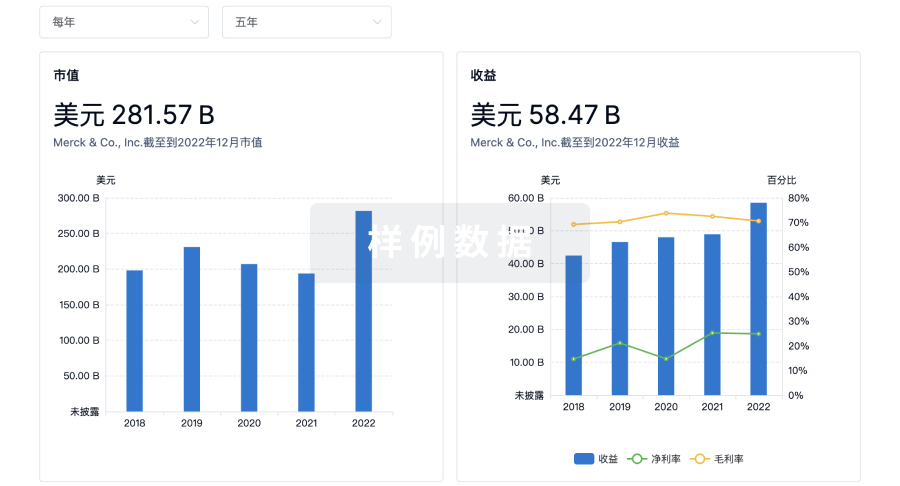
营收
使用 Synapse 探索超过 36 万个组织的财务状况。
登录
或
科研基金(NIH)
访问超过 200 万项资助和基金信息,以提升您的研究之旅。
登录
或
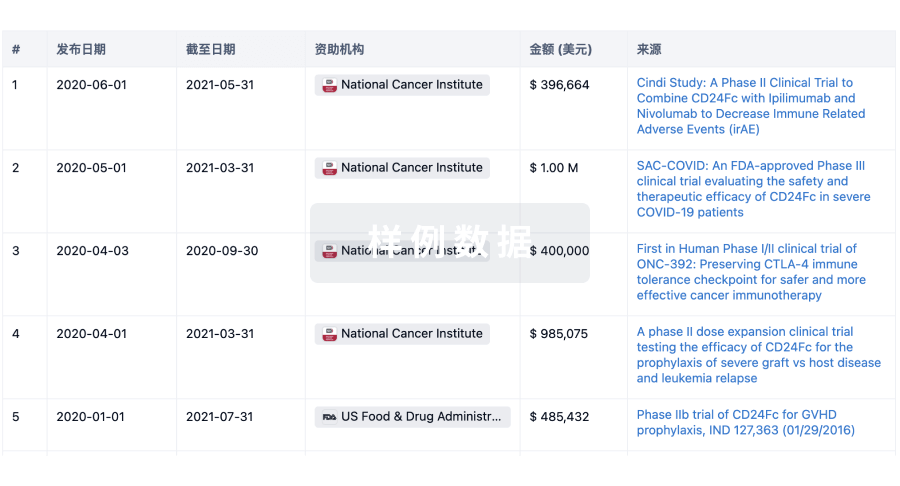
投资
深入了解从初创企业到成熟企业的最新公司投资动态。
登录
或
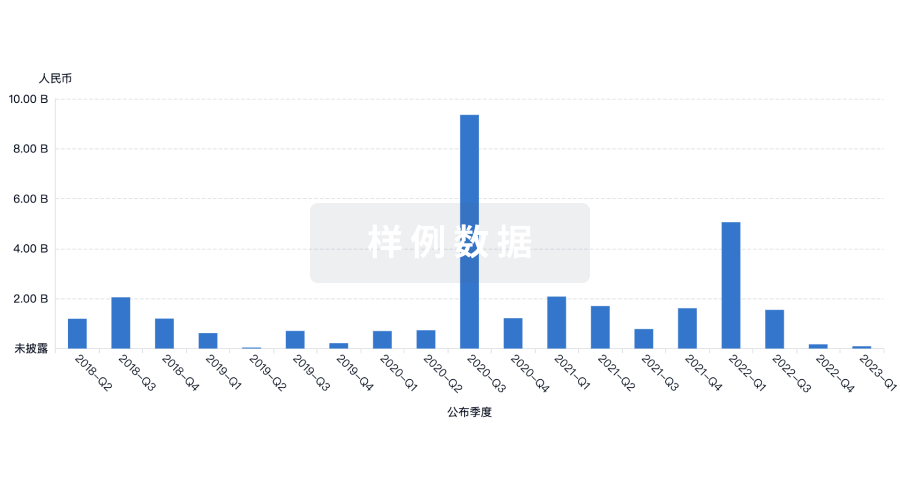
融资
发掘融资趋势以验证和推进您的投资机会。
登录
或
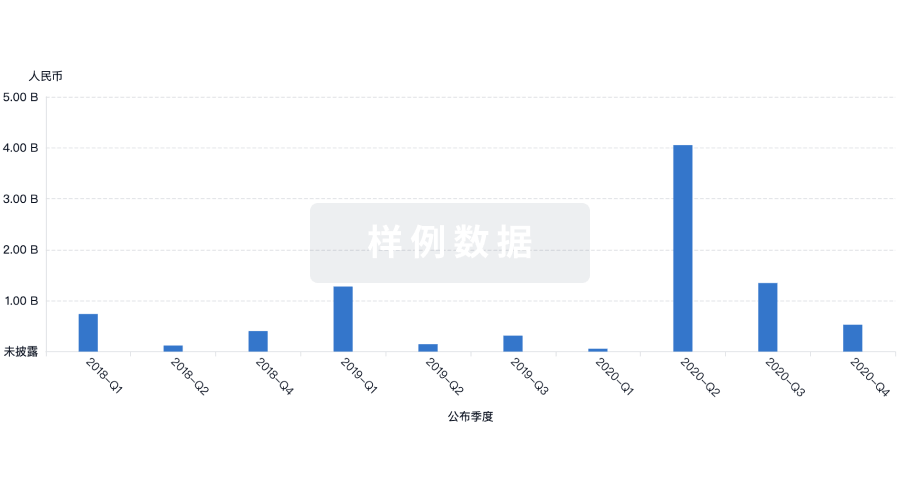
生物医药百科问答
全新生物医药AI Agent 覆盖科研全链路,让突破性发现快人一步
立即开始免费试用!
智慧芽新药情报库是智慧芽专为生命科学人士构建的基于AI的创新药情报平台,助您全方位提升您的研发与决策效率。
立即开始数据试用!
智慧芽新药库数据也通过智慧芽数据服务平台,以API或者数据包形式对外开放,助您更加充分利用智慧芽新药情报信息。
生物序列数据库
生物药研发创新
免费使用
化学结构数据库
小分子化药研发创新
免费使用