预约演示
更新于:2026-07-05
Celltech Co., Ltd.
更新于:2026-07-05
概览
关联
1
项与 Celltech Co., Ltd. 相关的临床试验NCT00846157
R-CHOP Therapy Compared With R-CHOP Plus Biocell Natural Killer Mixture in Patients With DLBCL (Diffuse Large B Cell Lymphoma);A Randomized, Open-label,Multi-center Trail
Primary objective:
* To compare the event free survival for 3years of R-CHOP plus Biocell Natural Killer Cell to R-CHOP therapy with DLBCL patients.
* To compare the event free survival for 3years of R-CHOP plus Biocell Natural Killer Cell to R-CHOP therapy with DLBCL patients.
开始日期2007-09-01 |
申办/合作机构 |
100 项与 Celltech Co., Ltd. 相关的临床结果
登录后查看更多信息
0 项与 Celltech Co., Ltd. 相关的专利(医药)
登录后查看更多信息
33
项与 Celltech Co., Ltd. 相关的新闻(医药)2026-07-01
本报告全文详见《产业链报告库》,加微bgys2015咨询如何开通报告库权限,或点链接了解:
https://mvzxk.xetsl.com/s/2iNIZ6
CDMO指合同定制研发生产机构(Contract Development and Manufacturing Organization),主要为制药企业及生物技术公司提供从临床前到商业化阶段的全流程药品工艺研发与生产服务。
其核心特征是兼具 “研发服务(Development)”与“生产制造(Manufacturing)”双重能力,相比仅提供代工生产的传统CMO,CDMO更强调通过自主技术创新提升附加值。
2026年一季度,海外CXO行业整体呈现分化复苏格局,全球生物制药融资环境出现实质性改善,带动需求逐步回暖。但早期初创企业资金压力仍未完全缓解,不同细分赛道、不同规模企业的表现存在差异,行业结构性分化特征进一步凸显。
整体看,CDMO行业业绩稳定,临床CRO表观有所恢复但订单有波动,临床前CRO复苏节奏相对滞后。全球龙头Lonza、三星生物业绩亮眼并持续扩张;而中小型CDMO则面临订单延迟和取消的情况。
国内方面,2026年第一季度国内投融资额为18.08亿美元,同比增长106%,带动了biotech研发需求的回升。6月18日,港股医药外包概念回暖,昭衍新药、药明康德、药明生物、金斯瑞等均出现上涨。
从景气度来看,CDMO部分头部企业的订单情况如下:
图:CDMO订单情况
来源:天风证券
投融资金额变动如下:2026年4月海外融资金额461亿美元,同比+442%,环比+16%,持续两个月同比增速超过400%;2026年4月国内融资金额13亿美元,同比+63%,环比+117%。
图:国内外月度医药投融资金额(单位:亿元)
来源:国金证券
从行业龙头近期业绩来看:
金斯瑞——2025年实现收入67.44亿元,同比增长57.82%;归母净利润为-37.45亿元,同比下滑117.59%。
药明生物——2025年收入为217.9亿元,同比增长16.68%;归母净利润为49.08亿元,同比增长46.25%。
和元生物——2026年一季报实现收入0.5亿元,同比下滑4.37%;归母净利润为-0.53亿元,同比增长10.75%。
CDMO的发展演变经历过以下几个阶段:
一、萌芽期(1980s-1990s)——这个阶段,药企将部分生产外包,以降低成本。当时主要参与者是早期专业CMO、精细化工公司以及药企的闲置产能,只是单纯的产能输出。
二、成型期(1990s-2000s)——这个阶段,创新生物科技公司涌现,外包需求大增。同时,外包需求从生产向“研发+生产”延伸。此阶段转折点在于,1996年的Patheon(现Thermo Fisher)开始收购工厂,龙沙(Lonza)收购Celltech进入生物制剂领域,现代CDMO行业由此诞生。1990年代末,大型药企专利药到期,纷纷出售工厂以降低成本,为CDMO提供了大量优质资产。
三、整合拓展期(2000s末-2010s)——金融危机淘汰了部分小型CDMO,幸存的大型公司通过并购整合,构建了一站式服务平台。2008年金融危机重创小型CDMO,大型企业则通过私募资本收购壮大,巩固市场地位。产业向亚太(尤其是中国和印度)转移,利用成本及工程师红利。此时,小分子药物增长放缓,大分子药物(如单抗)开始引领研发重点。
四、全球化竞争期(2010s末至今)——这一阶段,CDMO成为创新药核心环节,服务拓展至高技术壁垒的CGT(细胞基因疗法)、ADC(抗体偶联药物)、mRNA(信使核糖核酸) 等领域,并形成全球化产能布局。其中,大分子药物、ADC、CGT等复杂药物的工艺需求超出传统药企能力范围,深刻重塑了CDMO的技术和监管能力。头部企业通过并购(如龙沙收购Capsugel)强化全球产能,中国企业纷纷出海。加上新冠流行凸显了CDMO的全球供应链价值,其作为生命科学产业支柱的地位被彻底巩固。
这条产业链环节,包括:
图:产业链结构
来源:长城国瑞
上游——主要是生物制药设备、所需耗材等。代表公司有奥浦迈、东富龙、楚天科技等。
中游——CDMO企业,全球前四大企业为Lonza(20.4%)、药明生物(12.8%)、Catalent(11.1%)和三星生物(9.2%)。其中,药明生物在中国的市占率约80%左右。
图:2022年全球生物药CDMO竞争格局
来源:招商证券
下游——创新药、Biotech等制药企业;代表公司有百济神州、恒瑞医药、信达生物等。
从机构一致预测来看,如下:
图:机构一致性预期
来源:并购优塾、Choice
—— 研讨会 ——
2026年7月10-12日,在上海,邀请在并购领域从业经验丰富的4位专家,举办为期3天干货《并购全流程实战、交易架构搭建、资本交易税收处理、上市公司并购落地、产业基金并购 》主题研讨会。
注:报名咨询,添加客服:bgys2015
2026年7月25日-26日,在上海,我们将举办《估值建模实战提高班》线下精品研讨会,纯正的估值建模实战干货,全流程快速上手实操,希望能帮大家少走弯路。
注:报名咨询,添加客服:bgys2015
【引用资料】本报告写作中参考了以下材料,特此鸣谢。[1]
(一)
图:CMO与CDMO服务比较
来源:渤海证券
CDMO的分类,可从四个维度进行划分:
按产品类型,分别是——
小分子CDMO:覆盖化学原料药及中间体、制剂工艺开发与生产。
大分子CDMO:覆盖单抗、蛋白、疫苗等生物制品,包含细胞培养、纯化及制剂生产。
细胞基因疗法CDMO:覆盖质粒、病毒载体及细胞治疗产品,为极高技术壁垒领域。
其他细分:如多肽、ADC(抗体偶联药物)及寡核苷酸等新兴高壁垒细分领域。
按服务阶段,分别是——
临床阶段CDMO:主要为临床前及临床试验提供样品生产。
商业化阶段CDMO:提供规模化生产及持续的工艺优化服务。
按业务范围,分别是——
单一步骤CDMO:专注特定业务模块,如仅提供原料药或仅提供制剂服务。
一体化CDMO:提供从原料药到制剂的全产业链配套服务。
平台型CDMO/CRDMO:横向纵向均全面覆盖,集成从研究到开发生产的全生命周期服务。
按服务模式,分别是——
传统CDMO:接受客户已有工艺,提供研发放大和生产服务。
合作研发型CDMO:早期介入客户研发过程,共同开发工艺,并负责生产。
战略合作型CDMO:与客户建立长期深度绑定关系,提供综合解决方案。
从成本来看,一个CDMO项目成本,主要有三部分组成,分别是直接材料、直接人工、制造费用。其中,直接材料和制造费用的占比在不同技术领域差异很大。
图:成本结构
来源:并购优塾、Choice
以小分子CDMO和大分子CDMO为例,其流程如下:
图:小分子&大分子CDMO流程图
来源:华泰证券
与小分子或大分子CDMO相比,细胞基因治疗(CGT)CDMO更复杂,壁垒极高。主要体现在:1)基因治疗系前沿技术,生产和开发技术尚不完全成熟,可参考的行业经验不多;2)基因治疗系精准治疗,治疗机制更为复杂,因此涉及工艺的开发和优化环节更多;3)由于工艺流程复杂,对工艺开发中的一致性和稳定性有更高的要求,任何环节出现问题都有可能导致CGT产品的研发失败。
图:CGT产品CDMO流程
来源:东方证券、和元生物招股书
行业的核心难点,主要有以下几点:
1)技术挑战——一是物理化学环境的巨变,实验室烧瓶(克级)与生产反应釜(千克级)在传热、混合效率上差异巨大,工艺可能完全失效。二是在ADC、双抗(下游纯化、QC、制剂等环节难度大,需要大量经验支撑)、CGT(涉及质粒、病毒载体等复杂生产链,工艺复杂)、以及复杂小分子合成等领域,技术门槛极高。三是生物药“放大”难题,例如细胞培养从1-10L放大到2000L,流体动力学和剪切力的变化会直接影响细胞活性和产品质量。
2)合规与质量挑战——企业需同时满足美国FDA、欧盟EMA、中国NMPA等多套标准,应对复杂的法规变化。需为不同客户的需求建立并维持统一、高标准的质量体系,处理审计偏差时需明确各方责任。同时,合规成本高昂,例如,仅新建一个GMP无菌注射剂工厂的资本支出就可能超过1亿美元。
3)盈利困难——该行业是典型的资本密集型行业,建设厂房、购买设备的前期投资巨大,但早期难以获得足够订单分摊成本,导致企业普遍面临多年亏损。此外,产能建成后的巨大固定成本能否被摊薄,完全依赖于产能利用率。若下游客户研发失败(“药企项目漏斗效应”),订单骤减将直接影响企业生存,甚至导致破产。
4)人才缺口和知识产权风险——既懂前沿技术(如细胞工程)又熟悉GMP工厂运营的复合型人才稀缺。同时,需要保护不同客户的商业机密及核心技术信息,这是维持企业和客户之间信任的基石。
总的来说,CDMO的难点是复合的。短期内,技术工艺是核心竞争力;长期看,全球化合规运营、供应链韧性及资本管理能力则决定了企业能否在激烈的市场竞争中持续生存和发展。
(二)
从收入规模来看,依次是:药明生物(217.9亿元)>金斯瑞(65.35亿元)>和元生物(2.68亿元)。
金斯瑞——收入以生命科学服务及产品为主,其以基因至蛋白解决方案为中心,将关键生命科学试剂建构能力整合为统一的工作流程构架,帮助客户实现从DNA设计、蛋白质表达、抗体发现到功能验证无缝衔接的研发过程。
2025年生命科学服务及产品收入为35.17亿元,占比53.81%。
图:收入结构(单位:亿元)
来源:并购优塾、Choice
药明生物——按阶段划分收入,其收入分为IND前服务、早期(第I及II期)临床开发服务、后期(第Ⅲ期)临床开发服务及商业化生产、其他。
2025年后期临床开发服务及商业化生产为94.61亿元,占比43.4%;IND前服务收入为93.14亿元,占比42.8%。
图:收入结构(单位:亿元)
来源:并购优塾、Choice
和元生物——收入以基因治疗CDMO服务为主,其次是CRO服务。
2025年基因治疗CDMO收入为1.36亿元,占比50.75%。
图:收入结构(单位:亿元)
来源:并购优塾、Choice
(三)
图:归母净利润增速(单位:%)
来源:并购优塾、Choice
这个行业,从短期增长情况看:
金斯瑞——2025年实现收入67.44亿元,同比增长57.82%;归母净利润为-37.45亿元,同比下滑117.59%。
报告期收入大增得益于:1)许可收益中源自新所产生的分许可收益增长;2)持续投入商业推广,品牌知名度提升,尤其是欧美市场成效显著;3)业界对AI驱动药物开发及多抗体药物开发需求增长,带动基因至蛋白业务快速成长;4)成功把握住生物制剂CRDMO需求回升及市场环境复苏趋势加速增长;5)推出创新型工业酶制剂产品。
而归母净利润亏损主要由于公司应占传奇集团亏损及与传奇集团投资减值所致。
图:近几个季度归母净利润情况
来源:并购优塾、Choice
药明生物——2025年收入为217.9亿元,同比增长16.68%;归母净利润为49.08亿元,同比增长46.25%。
业绩增长是因为:1)“跟随并赢得分子”战略成功执行,领先的技术平台、行业居首的项目交付时间及优秀的项目执行过往记录,为其收益增长做出贡献;2)双特异性抗体和ADC等快速发展的技术平台,扩大了对生物药行业提供包括研究发现服务、IND前开展发服务及临床和商业化生产服务等服务范围;3)多个先进技术产生的研究服务收益增长;4)新扩展产能。
图:近几个季度归母净利润情况
来源:并购优塾、Choice
和元生物——2026年一季报实现收入0.5亿元,同比下滑4.37%;归母净利润为-0.53亿元,同比增长10.75%。
收入下滑主要系细胞和基因治疗CDMO业务受在执行订单项目推进情况影响,有所下滑。归母净利润增长是因为公司各项成本费用有效控制所致。
图:单季度归母净利润情况
来源:并购优塾、Choice
(四)
图:净现比
来源:并购优塾、Choice
图:CAPEX VS归母净利润VS现金流
来源:并购优塾、Choice
金斯瑞2023年现金流无法覆盖其资本开支且为负,是因为传奇生物细胞疗法业务以CARVYKTI为代表的产品尚处于商业化早期阶段,业务持续烧钱亏损;同时,CDMO业务受投融资环境降温及价格竞争加剧影响,存货增加,经营性应收项目增加所致。
2024年金斯瑞净现比偏低主要系归母净利润大增影响。当年归母净利润扭亏为盈主要系传奇生物由子公司重新分类为联营公司,采用权益法核算,从而确认了一笔一次性免税未实现收益,计入当期利润。
和元生物其现金流无法覆盖其资本开支是因为主营业务连续亏损,CGT CDMO直接受下游客户投融资环境影响,全球生物医药融资环境低迷,CGT领域中小客户融资普遍困难,导致项目执行延期、定价走弱,整个赛道竞争激烈。
(五)
图:ROE-TTM(单位:%)
来源:并购优塾、Choice
图:杜邦分析拆解
来源:并购优塾、Choice
图:毛利率(单位:%)
来源:并购优塾、Choice
图:净利率(单位:%)
来源:并购优塾、Choice
图:产业链价值分配
来源:并购优塾、Choice
从价值环节来看,中下游的价值量更高。其中,中游CDMO具有技术附加值研发服务和产能支持,贯穿药物研发各个阶段,“研发+生产”的升级,帮助客户优化生产工艺、节约成本、提高成功率。
从成长性而言,受益于技术壁垒、行业外包趋势和新药研发需求,CDMO持续受益于外包渗透率和订单需求增长。而下游药企预测增长率高主要系创新药企产品商业化放量和BD出海。
生意质地上,CDMO凭借技术附加值研发服务和产能支持,不承担新药研发失败的风险,享受创新药研发带来的红利,盈利能力超医药行业平均水平(2025年CDMO板块合计收入1075亿元,同比增长19.54%;整体净利率达27.82%,同比提升8.76个百分点;2026Q1板块收入212亿元,同比增长19.21%,净利率15.66%,同比大幅增长8.42个百分点对比之下,同期医药行业整体收入增速仅约1%)。
但值得注意的是,ADC CDMO等热门赛道已经出现同质化和产能饱和的倾向,部分中小CDMO企业缺乏大规模商业化量产能力,行业内部两极分化严重。
(六)
图:药物研发各环节外包渗透率
来源:华泰证券
CDMO行业的核心竞争力在于:
1)得“技术+产研一体化服务”得产品力;
2)提升产品力的关键在于工艺开发、技术研发以及一体化服务平台的提升。
3)得“订单”得增长;
4)得“技术+产能”得回报。
这个行业的关键竞争要素,以及各大玩家之间的经营差异,包括以下几点……………………………
以上,仅为本报告部分内容,如需全文,可联系工作人员咨询如何开通报告库权限,微信:bgys2015
行业增长逻辑看哪些要素?行业里有哪些龙头参与竞争?大家竞争的关键点是什么?哪些玩家的业务布局更可圈可点、值得学习?
关于以上问题,后文还有较多的内容,以及多张图表,详见《产业链报告库》。
也可按照下图,点击阅读原文,了解详情:
2026-06-18
偏头痛药物市场正在经历一场深刻的范式转换。过去七年间,以CGRP(降钙素基因相关肽)为靶点的单克隆抗体——Amgen/Novartis的Aimovig、Eli Lilly的Emgality、Teva的Ajovy、以及Lundbeck的Vyepti——彻底改写了偏头痛预防治疗的格局,将一个长期依赖”借用”其他适应症药物(β受体阻滞剂、抗癫痫药、抗抑郁药)的领域,推入了靶向治疗的新纪元。2026年,全球偏头痛药物市场规模已逼近90亿美元,CGRP抑制剂占据了其中最具增长活力的板块。
但一个尴尬的事实是:即便在这些划时代的CGRP靶向药物面前,仍有高达三分之二的偏头痛患者无法获得满意的疗效控制。全球约29亿人受头痛疾病困扰,其中偏头痛是最致残的亚型之一,女性患病率是男性的两倍以上。对于那些在CGRP单药治疗中”无应答”或”部分应答”的患者而言,他们面对的依然是一片治疗真空。
正是在这个关键的临床缺口中,一家在西雅图秘密运营了数年的生物技术公司选择走到台前。2026年6月17日,Vedana Therapeutics宣布完成4600万美元A轮融资,正式从隐身模式(stealth mode)走出。这家公司的核心赌注不在CGRP——它瞄准的是偏头痛病理生理学中的另一条独立信号通路:PACAP(垂体腺苷酸环化酶激活多肽)。更引人注目的是,Vedana的管线中还包含一款同时靶向PACAP和CGRP的双特异性抗体,试图用”双靶点覆盖”的策略为CGRP难治性患者提供全新选择。而站在这家公司背后的,是一支几乎集齐了偏头痛抗体药物开发全周期经验的”梦之队”——他们的履历跨越了Alder BioPharmaceuticals、Amgen、Teva三家定义了CGRP时代的公司。
项目
详情公司名称
Vedana Therapeutics总部
美国华盛顿州西雅图融资轮次
A轮(Series A)融资金额
4600万美元联合领投方
Westlake Village BioPartners、Canaan Partners跟投方
Dawn Biopharma、Alexandria Venture Investments核心管线
下一代抗PACAP单克隆抗体(主导项目);PACAP/CGRP双特异性抗体给药方式
皮下注射(居家自主给药)预计临床时间
2027年进入人体临床试验CEO/联合创始人
Anurag Agarwal, PhDCSO/联合创始人
Leon Garcia, PhD董事会主席
Dr. Rob LenzCMO
Dr. Ernesto Aycardi从”CGRP的遗产”出发:为什么偏头痛治疗需要第二条赛道?
要理解Vedana Therapeutics的战略定位,首先必须理解CGRP革命的局限性。
2018年至2020年间,FDA先后批准了四款靶向CGRP通路的单克隆抗体用于偏头痛预防:Aimovig(erenumab,靶向CGRP受体)、Ajovy(fremanezumab,靶向CGRP配体)、Emgality(galcanezumab,靶向CGRP配体)和Vyepti(eptinezumab,靶向CGRP配体,静脉给药)。与此同时,AbbVie的口服CGRP受体拮抗剂(gepants)——Ubrelvy(急性治疗)和Qulipta(预防治疗),以及Pfizer的Nurtec ODT(rimegepant,兼具急性和预防适应症)——进一步丰富了CGRP靶向治疗的选择。
这些药物的商业成功是显而易见的。CGRP抑制剂市场在2025年的总销售额估计已接近60亿美元,且仍保持着两位数的年增长率。但临床现实远比商业数据复杂:在接受CGRP单抗治疗的患者中,大约只有三分之一能达到临床医生和患者共同期待的”50%月偏头痛天数减少”的标准;真正实现”偏头痛自由”(即月偏头痛天数降至零)的患者比例更是少之又少。
这并非CGRP药物的”失败”,而是偏头痛本身疾病复杂性的体现。偏头痛的发病机制涉及多条神经肽信号通路,CGRP只是其中被最早、最深入验证的一条。当CGRP信号被完全阻断后,其他神经肽——尤其是PACAP——仍然能够独立触发偏头痛发作。这意味着,对于相当比例的患者而言,仅仅”关闭”CGRP这一扇门是不够的,偏头痛的疼痛信号正在通过另一扇门继续涌入。
PACAP正是这”另一扇门”。作为一种在三叉神经血管系统中广泛分布的神经肽,PACAP通过独立于CGRP的受体通路参与偏头痛的发生和维持。临床研究已反复证实,静脉注射PACAP-38可以在偏头痛患者中可靠地诱发偏头痛发作,且这种诱发作用无法被CGRP阻断剂完全抑制。这一发现为偏头痛治疗打开了一个全新的治疗维度——如果CGRP是偏头痛治疗的”第一幕”,那么PACAP很可能就是”第二幕”的主角。Alder的幽灵:一段价值20亿美元的收购如何催生了Vedana
理解Vedana Therapeutics的DNA,必须回到西雅图生物技术史上一段标志性的篇章——Alder BioPharmaceuticals的故事。
Alder BioPharmaceuticals,总部位于华盛顿州博塞尔(Bothell),是CGRP偏头痛治疗领域的先驱之一。该公司开发的eptinezumab(研发代号ALD403)是一款靶向CGRP配体的单克隆抗体,也是唯一一款通过静脉输注给药的CGRP抗体。Alder为eptinezumab开展了大规模的PROMISE-1(发作性偏头痛)和PROMISE-2(慢性偏头痛)关键性III期临床试验,证明了其在偏头痛预防中的疗效。2019年2月,Alder向FDA提交了生物制品许可申请(BLA)。
然而,就在eptinezumab等待FDA审评期间,丹麦制药巨头灵北(H. Lundbeck A/S)在2019年9月以约19.5亿美元的价格收购了Alder BioPharmaceuticals。这笔交易不仅让Lundbeck获得了eptinezumab(后以Vyepti品牌于2020年2月获批上市),还将Alder管线中另一个当时处于早期阶段的资产——抗PACAP抗体ALD1910(即后来的bocunebart/Lu AG09222)——一并收入囊中。
这次收购对Alder的团队而言既是一次丰厚的退出,也是一次组织性的”拆散”。Alder的科学家、临床开发人员和商业化团队随着收购被整合进Lundbeck的全球体系,但并非所有人都选择留下。在接下来的几年里,Alder的校友们散落到西雅图及周边地区的生物技术生态系统中,其中一些核心人物开始酝酿一个新的计划——利用他们在CGRP和PACAP抗体开发中积累的独特经验,创建一家全新的公司。
Vedana Therapeutics正是这个计划的产物。联合创始人兼首席科学官Leon Garcia是这个故事的关键人物。Garcia在Alder工作期间,直接领导了抗CGRP抗体和抗PACAP抗体的发现与开发工作——换言之,他既是Vyepti的”幕后功臣”之一,也是bocunebart的原始发明者。Garcia拥有超过30年的抗体开发经验,从发现阶段到II期临床均有深厚积累,其早期职业生涯还涵盖了ICOS、Celltech和Signal Pharmaceuticals等公司。他毕业于墨西哥蒙特雷理工学院(植物化学学士)和德克萨斯大学奥斯汀分校(生物化学博士),学术训练和工业经验的结合使他成为抗体药物开发领域罕见的”全栈”科学家。
Garcia在Alder的经历赋予了他一个极其独特的视角:他既深刻理解CGRP靶向治疗的天花板在哪里,也亲手验证了PACAP作为独立治疗靶点的科学基础。当Alder被Lundbeck收购后,Garcia看到了一个机会——用”下一代”技术重新定义PACAP靶向治疗,同时探索CGRP和PACAP双靶点联合阻断的可能性。风投背后的投资者:从BCG到IIT,一位非典型生物技术CEO的创业路径
如果说Leon Garcia代表了Vedana的”科学基因”,那么联合创始人兼CEO Anurag Agarwal则代表了这家公司的”商业基因”和”资本基因”——一个在生物技术行业中相当非典型的创始人画像。
Agarwal的背景与大多数生物技术创业者截然不同。他本科毕业于印度理工学院马德拉斯分校(IIT Madras)的生物技术专业,随后在华盛顿大学圣路易斯分校获得了分子细胞生物学博士学位,博士论文研究DNA损伤应答中的细胞死亡调控。但在完成学术训练后,Agarwal并没有走上传统的学术科研或制药公司研发路线,而是转向了战略咨询和风险投资。
在波士顿咨询集团(BCG),Agarwal为医疗健康和私募股权客户提供企业增长战略、业务开发、投资组合管理和并购项目的咨询服务。这段经历让他从商业和战略层面深入理解了生物制药行业的价值创造逻辑。此后,他进入Osage University Partners担任合伙人/助理,专注于生命科学领域的投资,涉及肿瘤学、神经科学、免疫学和肺病学等多个治疗领域。在读研究生期间,他还创办了SCIMALS——一家为生命科学投资者提供科学和市场尽调服务的公司。
这种”科学训练+管理咨询+风险投资”的三重背景,使Agarwal具备了一种独特的能力:他既能理解复杂的生物学机制,也能从资本市场的视角评估一个药物开发项目的风险-回报结构。当他决定从投资人的身份转向创业者时,他选择的切入点——偏头痛中CGRP之外的未满足需求——既是科学判断,也是商业判断。偏头痛市场已经被CGRP药物”教育”过了:医生和患者都接受了靶向治疗的概念,支付方已经建立了相应的报销路径,但仍有大量患者需要更好的治疗选择。在一个市场基础设施已经成熟但产品供给仍有缺口的领域创业,从风险投资的视角看,这几乎是一个教科书级别的”去风险化”机会。
Vedana的管理团队拼图中,另外两位关键人物同样引人注目。董事会主席Dr. Rob Lenz是生物制药研发领域的重量级人物,他最广为人知的成就是在Amgen担任全球开发负责人期间,领导了Aimovig(erenumab)——全球首款获批的CGRP靶向偏头痛预防药物——的开发和审批工作。换言之,Lenz不仅参与开发了”第一款”CGRP偏头痛药,而且如今又出现在了可能定义”后CGRP时代”的公司的董事会上。首席医学官Dr. Ernesto Aycardi则是另一位偏头痛临床开发的”老兵”,他在Teva制药期间负责管理了Ajovy(fremanezumab)的关键性临床试验和上市后研究。
这意味着,Vedana的核心团队集合了参与过所有四款FDA获批CGRP偏头痛抗体中至少三款开发经验的关键人物:Garcia(Vyepti/eptinezumab),Lenz(Aimovig/erenumab),Aycardi(Ajovy/fremanezumab)。在生物技术行业中,这种程度的领域聚焦和经验密度是极其罕见的。“下一代”PACAP抗体与CGRP/PACAP双特异性抗体:技术差异化的双重赌注
Vedana的管线策略围绕两个核心项目展开,每一个都有其独特的战略逻辑。
第一个项目:下一代抗PACAP单克隆抗体。这是Vedana的主导项目(lead program)。值得注意的是,Vedana并非在一个空白的竞争环境中开发PACAP抗体——Lundbeck从Alder收购的bocunebart(Lu AG09222)已经是一款进入II期临床的抗PACAP抗体,且在2026年6月的美国头痛学会(AHS)年会上刚刚公布了PROCEED Phase 2b试验的积极结果。该试验表明,bocunebart静脉给药在12周内显著减少了月偏头痛天数(与安慰剂相比减少了1.38天,P = .0178),尤其在慢性偏头痛患者中表现更为突出。
然而,bocunebart的临床数据也暴露了一些值得关注的信号。首先,试验中较高的静脉给药剂量(B和C剂量组)未达到统计学显著性,提示剂量-效应关系可能比预期更为复杂。更重要的是,bocunebart的皮下给药(SC)试验部分在预设的中期分析后被停止,因为数据表明SC给药方式不太可能达到预期效果。这意味着bocunebart目前面临一个给药方式的困境——它可能只能作为静脉输注药物开发,这将使其在可及性和患者便利性上处于不利地位,因为Vyepti已经证明了静脉给药虽然有100%生物利用度的优势,但需要在医疗机构中完成30分钟的输注,这对患者依从性和医疗资源利用都是挑战。
Vedana的”下一代”抗PACAP抗体策略在此背景下变得格外清晰:如果Garcia(bocunebart的原始发明者)能够设计出一款适合皮下注射、可由患者居家自主给药的抗PACAP抗体,那么这款药物将在给药便利性上相对于bocunebart拥有结构性优势。皮下注射的居家给药模式已经被Aimovig、Ajovy和Emgality成功验证——患者可以使用预充式注射器或自动注射器,每月或每季度在家中自行完成注射,无需前往医疗机构。将PACAP靶向治疗从”必须到院输注”升级为”居家自助注射”,这不仅仅是给药方式的改变,更是患者可及性和市场潜力的根本性提升。
第二个项目:PACAP/CGRP双特异性抗体。这可能是Vedana管线中最具前瞻性也最具风险的资产。双特异性抗体(bispecific antibody)是一种工程化的抗体分子,被设计为同时结合两个不同的靶点。Vedana的思路是:既然CGRP和PACAP是两条独立的、非冗余的偏头痛信号通路,那么一款同时阻断这两条通路的单一分子,理论上应该能为CGRP单药难治性患者提供显著更优的疗效。
这一策略的科学基础是扎实的。多项基础研究和临床观察已经证实,即使在CGRP信号被完全阻断的情况下,PACAP仍能独立触发偏头痛样症状。这意味着CGRP和PACAP通路的”加法效应”是真实存在的——同时阻断两条通路的获益可能大于单独阻断任何一条。但双特异性抗体的开发挑战也是显而易见的:分子设计的复杂性、两个结合臂亲和力与活性的平衡、药代动力学的优化、以及潜在的免疫原性风险,都使得双特异性抗体的开发成功率远低于传统单克隆抗体。
不过,Vedana在这个方向上的押注并非盲目冒险。从战略层面看,如果PACAP单抗已经被Lundbeck的bocunebart占据了先发位置(尽管bocunebart自身面临给药方式的挑战),那么Vedana需要一个”差异化更大”的管线资产来确保其独特的竞争定位。PACAP/CGRP双特异性抗体恰好提供了这种差异化:它不仅超越了现有的CGRP单靶点药物,也超越了单纯的PACAP单靶点策略,代表了偏头痛治疗从”单靶点时代”向”多靶点时代”的跨越。
从商业逻辑看,如果这款双特异性抗体能够成功通过临床验证,它的目标患者群体将非常明确——那些已经尝试过CGRP药物但疗效不佳的患者。这是一个已经被精确定义和量化的市场(现有CGRP药物患者中约三分之二的”不完全应答者”),且这些患者已经在支付方体系中被标记为”需要进一步治疗”的高优先级人群。投资人为什么在此时入场?Westlake与Canaan的赌注逻辑
Vedana的4600万美元A轮融资由Westlake Village BioPartners和Canaan Partners联合领投,Dawn Biopharma和Alexandria Venture Investments跟投。这一投资方阵容值得深入解读。
Westlake Village BioPartners成立于2018年,总部位于洛杉矶,是一家奉行”以人为先”(people-first)理念的生命科学风投基金。与许多关注广泛治疗领域的生物技术基金不同,Westlake专注于早期孵化和公司创建——从概念验证阶段开始,与创始团队深度合作,将早期科学突破转化为临床候选药物。这种高度集中的投资组合策略(concentrated portfolio)意味着Westlake对每一笔投资都进行了深入的科学和团队评估。选择Vedana,实质上是对Garcia和Agarwal这对”科学+商业”搭档的信任投票。
Canaan Partners的入场则带来了不同维度的信号。作为一家拥有超过35年历史的老牌风投基金,Canaan在生命科学和医疗技术领域有着深厚的投资履历,其投资组合中包含了Dexcom、Arvinas、Day One Biopharmaceuticals等知名公司。Canaan的生命科学团队以对临床风险的精准评估著称——他们参与领投一家处于临床前阶段的生物技术公司的A轮,通常意味着他们对该公司的科学基础和团队执行力有高度信心。
Alexandria Venture Investments作为跟投方的出现同样值得注意。Alexandria Real Estate Equities是全球最大的生命科学地产公司之一,其风险投资部门的投资通常伴随着为被投公司提供实验室和办公空间的支持。Alexandria的加入不仅带来了资金,还可能意味着Vedana将获得位于西雅图或其他生命科学集群的高质量研发空间。
投资人此时入场的时机选择也颇有讲究。2026年6月,Lundbeck的bocunebart刚刚在AHS年会上公布了PROCEED Phase 2b的积极数据——这相当于为整个PACAP靶点的临床有效性提供了来自独立大型试验的验证。在bocunebart的数据公布后立即宣布Vedana走出隐身模式并完成大额A轮融资,这一时机选择不太可能是巧合。bocunebart的积极数据降低了PACAP靶点本身的生物学风险(target risk),使投资人能够更有信心地将注意力集中在执行风险上——而Vedana的团队配置恰恰将执行风险降到了较低水平。竞争格局:在巨头环伺的偏头痛市场中,Vedana的生存空间在哪里?
Vedana面对的竞争格局可以从两个层面理解:CGRP靶向药物的存量竞争,以及PACAP靶向治疗的增量竞争。
在CGRP层面,市场已经高度成熟且竞争激烈。Amgen/Novartis的Aimovig、Eli Lilly的Emgality、Teva的Ajovy在皮下注射预防治疗市场展开白热化竞争;AbbVie的口服gepants(Ubrelvy和Qulipta)以及Pfizer的Nurtec ODT则在急性治疗和口服预防治疗市场占据重要位置。值得注意的是,Teva和Eli Lilly之间围绕CGRP专利的诉讼在2025-2026年仍在持续,一审陪审团裁决有利于Teva,但上诉程序尚未结束。Teva在2025年还获得了Ajovy在儿科患者中的FDA批准,进一步拓展了CGRP药物的适用人群。
Vedana的关键洞察在于:它并不试图在CGRP这个已经拥挤不堪的赛道上与巨头们正面竞争,而是选择在CGRP的”边界”之外开辟新战场。对于那些CGRP药物无法充分控制的患者,PACAP靶向治疗不是CGRP的替代品,而是补充品。这种定位使Vedana能够避免与现有CGRP药物的直接竞争,同时受益于CGRP药物已经建立的市场基础设施和医生教育。
在PACAP层面,Vedana的最直接竞争对手是Lundbeck的bocunebart。如前文分析,bocunebart在临床上已经走在前面(Phase 2b数据积极),但面临皮下给药失败的挑战,可能不得不以静脉输注的方式推进开发。如果Vedana能够成功开发出适合皮下注射的PACAP抗体,它将在给药便利性上占据显著优势。
此外,PACAP靶向治疗领域也有历史上的”失败教训”需要关注。Amgen曾开发过一款靶向PAC1受体(PACAP的主要受体之一)的单克隆抗体AMG 301(vipalanebart),但其Phase 2临床试验未能达到疗效终点,项目随后被终止。AMG 301的失败曾一度让业界对PACAP靶点产生怀疑,但后来的分析表明,AMG 301靶向的是PAC1受体而非PACAP配体本身,且PACAP还通过VPAC1和VPAC2等其他受体发挥作用——这意味着阻断单一受体可能不足以充分抑制PACAP通路。Alder/Lundbeck选择直接靶向PACAP配体的策略(即阻断PACAP分子本身,而非其某一个受体)被证明是更有效的路径,bocunebart的积极数据正是这一策略的验证。Vedana继承的正是这一经过验证的靶向策略。风险与挑战:4600万美元能否支撑到关键拐点?
尽管Vedana的团队、科学基础和市场定位都令人印象深刻,但这家公司仍然面临着相当的风险和挑战。
资金跑道的问题。4600万美元的A轮融资在生物技术行业中属于”够用但不宽裕”的水平。公司表示,这笔资金将支持两个核心项目推进到人体临床试验启动(计划于2027年)。但从临床前候选药物到IND(新药研究申请)提交,再到I期临床的完成,通常需要数千万美元的投入——尤其当公司同时推进两个项目时。如果药物发现或临床前开发中出现任何延迟(这在生物技术行业中几乎是常态),Vedana可能需要在2027-2028年寻求B轮融资,届时的资本市场环境和PACAP靶点的临床验证进展将直接影响其融资估值和条件。
与bocunebart的竞争时间差。Lundbeck的bocunebart已经完成了Phase 2b试验,正在准备与监管机构讨论Phase 3试验设计。如果一切顺利,bocunebart可能在2029-2030年获得FDA批准。而Vedana的项目尚处于临床前阶段,即便2027年顺利进入临床,从I期到III期再到审批,最快也要到2031-2032年才可能上市。这意味着Vedana可能比bocunebart晚2-3年进入市场,面临一个已经被先发者教育和占据的竞争格局。不过,如果Vedana的皮下注射给药方式确实优于bocunebart的静脉给药,这一时间差可能反而成为优势——后来者可以以更优的用户体验吸引患者和医生转换。
双特异性抗体的技术风险。Vedana的PACAP/CGRP双特异性抗体是一个概念上极具吸引力但执行上充满挑战的项目。双特异性抗体的开发复杂度远高于传统单克隆抗体,在分子工程、生产工艺和临床开发方面都需要额外的专业知识和资源。虽然双特异性抗体技术在肿瘤学领域已经取得了多个成功案例(如Amgen的blinatumomab),但在神经科学领域的应用仍处于早期探索阶段。这个项目可能需要更长的开发时间和更多的资金投入。
精准医疗时代的竞争复杂性。偏头痛治疗正在从”一刀切”模式向精准医疗方向演进。临床医生越来越倾向于根据患者的个体表型、共病情况和既往治疗史来选择治疗方案。在这种趋势下,PACAP靶向治疗的最佳获益人群可能需要通过生物标志物或临床特征来精确识别,而这方面的研究目前仍处于早期阶段。Vedana如果能够在临床开发中整合生物标志物策略,将大大增强其药物的竞争力,但这也增加了开发的复杂性和成本。当偏头痛治疗进入”后CGRP时代”
Vedana Therapeutics的出现标志着偏头痛治疗领域正在进入一个新的发展阶段。CGRP革命并非终点,而是起点——它验证了靶向神经肽通路治疗偏头痛的可行性,同时也暴露了单一靶点策略的天花板。PACAP作为第二条经过临床验证的治疗靶点的出现,以及CGRP/PACAP双靶点联合策略的提出,预示着偏头痛治疗正在从”单靶点时代”向”多靶点时代”演进。
Vedana的真正赌注不在于它能否成为PACAP治疗的”第一个”——那个位置很可能已经属于Lundbeck的bocunebart——而在于它能否成为PACAP治疗的”最佳版本”(居家皮下注射),以及能否率先实现CGRP和PACAP的双靶点覆盖。这是一个同时考验科学创新能力、药物工程能力和临床开发能力的多维挑战。而Vedana团队在这三个维度上的经验密度——Garcia在抗体发现上的深厚积累、Lenz和Aycardi在全球临床开发上的丰富经历、Agarwal在商业战略和资本运作上的独特视角——构成了这家公司最核心的竞争壁垒。
在一个全球近90亿美元、且仍在快速增长的偏头痛药物市场中,约三分之二的患者仍在等待更好的治疗选择。Vedana的两个管线项目正是瞄准了这个庞大且精确定义的未满足需求。如果bocunebart的Phase 2b数据是PACAP靶点的”概念验证”,那么Vedana的使命就是将这个概念推向更好的产品形态——更便利、更有效、更具可及性。这不仅是一个科学命题,更是一个关于”下一代偏头痛治疗”最终应该以什么样的面貌出现在患者面前的产品哲学命题。
2026-05-24
—— 欧洲最大的生命科学与医疗研究集群深度解析 ——
An In-Depth Look at Europe's Largest Life Sciences and Medical Research Cluster摘要 Abstract
剑桥生物医学园区(Cambridge Biomedical Campus,简称 CBC)位于英国剑桥市南部,是欧洲最大、最具影响力的生物医学研究和健康科学集群之一,也是英国生命科学产业的核心枢纽。园区将三家国家医疗服务体系(NHS)医院、剑桥大学临床医学院、世界知名的研究机构(如 MRC 分子生物学实验室)以及包括阿斯利康(AstraZeneca)全球研发总部在内的多家跨国生物医药企业汇聚于同一片土地上。园区现拥有员工逾 2.3 万人,是剑桥最大的单一就业地点,每年为英国经济贡献约 47 亿英镑的总增加值(GVA)。本文系统介绍园区的历史沿革、地理布局、主要机构、科研成就、经济与社会影响、交通连接及未来 30 年的扩展规划,旨在为读者呈现一个全面、详尽的剑桥生物医学园区图景。
The Cambridge Biomedical Campus (CBC) in southern Cambridge, United Kingdom, is one of Europe's largest and most influential clusters for biomedical research and health science, and a central hub of the UK life sciences industry. The Campus co-locates three NHS hospitals, the University of Cambridge School of Clinical Medicine, world-renowned research institutes such as the MRC Laboratory of Molecular Biology, and major multinational biopharmaceutical companies including AstraZeneca's global R&D headquarters. CBC employs more than 23,000 people, making it the largest single employment site in Cambridge, and contributes approximately £4.7 billion in Gross Value Added (GVA) to the UK economy each year. This article provides a comprehensive overview of the Campus — its history, geography, key institutions, scientific achievements, economic and social impact, transport links, and 30-year expansion vision.一、引言 1. Introduction
在过去半个多世纪里,剑桥这座以学术殿堂闻名的英伦古城,逐步在城市南郊孕育出一个独特的医学科学生态系统——剑桥生物医学园区。从 1962 年阿登布鲁克医院(Addenbrooke's Hospital)从市中心迁至现址开始,园区便沿着"医院 + 大学 + 研究所 + 产业"四位一体的方向不断扩展。今天,它已成为全球少数几个能够在同一物理空间内同时支撑基础研究、转化医学、临床诊疗、医学教育和产业研发的综合性医学园区之一,是英国乃至欧洲生命科学领域最具战略价值的"科学城"。
Over the past six decades, the historic university city of Cambridge has cultivated, on its southern fringe, a uniquely integrated medical-science ecosystem: the Cambridge Biomedical Campus. Beginning in 1962, when Addenbrooke's Hospital moved from the city centre to its present site, the Campus has expanded steadily along a "four-in-one" model that brings together hospitals, university, research institutes and industry. Today it is one of very few places in the world where fundamental research, translational medicine, clinical care, medical education and industrial R&D coexist on a single physical site — a "science city" of major strategic value to the UK and to European life sciences as a whole.
园区的独特价值在于"邻近性的力量"(the Power of Proximity):基础科学家、临床医生、患者、药物研发人员和产业工程师步行可达,每一项发现都可以更快地从实验室走向病床。这种空间集聚降低了协作成本、加速了知识流动,也使园区在抗体药物、基因测序、个体化医疗、心肺疾病、肿瘤早期诊断等前沿领域屡屡领跑世界。
The Campus's distinctive value lies in what its leaders describe as the "Power of Proximity": basic scientists, clinicians, patients, drug developers and industrial engineers are all within walking distance, so discoveries can travel from bench to bedside more quickly. This spatial clustering lowers the cost of collaboration, accelerates knowledge flow, and helps CBC lead the world in fields ranging from antibody therapeutics and genome sequencing to personalised medicine, cardiopulmonary disease and early cancer detection.
本文将依次介绍园区的历史发展、地理与空间布局、核心机构、标志性科研成就、对地方与国家经济的贡献、交通连接以及面向 2050 年的发展蓝图,力求让读者对这一医学"生态系统"有立体、详尽的认识。
This article walks through the Campus's historical development, its geography and spatial layout, its constituent institutions, its landmark scientific achievements, its economic contribution at regional and national level, its transport connections, and its long-term vision out to 2050, in order to offer a layered and detailed picture of this remarkable medical ecosystem.二、历史沿革 2. Historical Development2.1 起源:阿登布鲁克医院的南迁(1962 年起) 2.1 Origins: The Relocation of Addenbrooke's Hospital (from 1962)
阿登布鲁克医院起源于 1766 年,最初坐落在剑桥市中心。20 世纪中叶,由于市中心场地局促、扩展困难,医院决定整体迁移到城市东南部的希尔斯路(Hills Road)以南。1962 年,新院区在 Long Road 与 Hills Road 交汇处的一片乡间土地上正式启用,这也被视为剑桥生物医学园区的"诞生时刻"。值得一提的是,同年,新建成的 MRC 分子生物学实验室(LMB)也从市中心的卡文迪许实验室迁至阿登布鲁克院区附近,与医院形成最早的"医学—基础科学"协同雏形。
Addenbrooke's Hospital was founded in 1766 in the centre of Cambridge. By the mid-20th century its original site had become too cramped for expansion, and the hospital was relocated to a parcel of farmland south-east of the city, at the junction of Long Road and Hills Road. The new hospital opened in 1962 — the moment generally taken as the birth of the Cambridge Biomedical Campus. In the same year, the newly built MRC Laboratory of Molecular Biology (LMB) moved out of the Cavendish Laboratory in the city centre and onto a site next to Addenbrooke's, forming the earliest "medicine + fundamental science" partnership on the Campus.2.2 大学临床医学院的入驻与园区雏形(1970s-1990s) 2.2 Arrival of the Clinical School and the Early Campus (1970s–1990s)
1970 年代,剑桥大学正式建立临床医学院(School of Clinical Medicine),将临床教学和研究中心从市中心迁至阿登布鲁克院区,使原本以医疗为主的院区开始具有学术属性。1983 年,专门的妇产科医院 Rosie Hospital 在园区开业,进一步丰富了医疗服务。1990 年代,园区相继建立了 MRC 癌症研究所(后并入剑桥大学癌症研究所架构)和多个剑桥大学医学研究单元,为日后的扩张奠定基础。
In the 1970s, the University of Cambridge established its School of Clinical Medicine and moved clinical teaching and research onto the Addenbrooke's site, giving the previously clinical-only campus a strong academic identity. The Rosie Hospital, Cambridge's first purpose-built maternity hospital, opened on the Campus in 1983, broadening its clinical services. Over the 1990s several Cambridge research units and the MRC Cancer Unit settled on site, laying the groundwork for the cluster that would emerge in the following decades.2.3 全面扩张与品牌确立(2000s-2010s) 2.3 Major Expansion and the Birth of a Brand (2000s–2010s)
进入 21 世纪后,园区经历了爆发式扩展。剑桥大学癌症研究所(CRUK Cambridge Institute)、医学研究所(Cambridge Institute for Medical Research, CIMR)、Wellcome-MRC 干细胞研究所、Jeffrey Cheah 生物医学中心等相继落成,形成密集的研究网络。2013 年,由女王伊丽莎白二世亲自揭幕的全新 MRC 分子生物学实验室大楼正式开放,标志着园区作为"科学高地"的国际地位进一步巩固。同期,"剑桥生物医学园区"作为一个统一的品牌名称被广泛使用,并逐步形成今天的园区治理结构。
In the 21st century, the Campus expanded dramatically. The Cancer Research UK Cambridge Institute, the Cambridge Institute for Medical Research (CIMR), the Wellcome–MRC Cambridge Stem Cell Institute and the Jeffrey Cheah Biomedical Centre were all established on the site, creating a dense network of laboratories. In 2013, Queen Elizabeth II opened a new, much larger building for the MRC Laboratory of Molecular Biology, further consolidating CBC's standing as an international scientific powerhouse. During the same period the name "Cambridge Biomedical Campus" came into common use as a unifying brand, and the Campus's governance structures took on something close to their current form.2.4 重大里程碑(2019-2025) 2.4 Recent Milestones (2019–2025)
2019 年,Royal Papworth Hospital(皇家帕普沃斯医院)——英国领先的心肺专科医院——从原址迁至园区,使园区拥有了三家 NHS 医院。2021 年 11 月,造价约 10 亿英镑的阿斯利康全球研发总部 The Discovery Centre(DISC)正式启用,可容纳约 2,200 名科学家,被视为园区"产业引擎"的里程碑。2022 年 7 月,Victor Phillip Dahdaleh 心肺研究所(HLRI)在园区开放,成为欧洲最大的心肺医学研究集聚地。园区在 2022 年正式庆祝 60 周年,并发布首份独立经济影响报告。2025 年初,阿斯利康开始建设另一栋办公楼 Rosalind Franklin Building,并启动 Cambridge Cancer Research Hospital(剑桥癌症研究医院)的预施工阶段。
In 2019, Royal Papworth Hospital — the UK's leading specialist centre for heart and lung disease — moved onto the Campus, giving CBC three NHS hospitals on a single site. In November 2021, AstraZeneca's £1 billion global R&D headquarters, The Discovery Centre (DISC), was formally opened to host around 2,200 scientists, a landmark moment for the Campus's industrial engine. In July 2022 the Victor Phillip Dahdaleh Heart and Lung Research Institute (HLRI) opened next to Royal Papworth, creating Europe's largest concentration of cardiopulmonary researchers. The Campus celebrated its 60th anniversary in 2022 with its first independent economic impact report. In early 2025, AstraZeneca began construction of a further building, the Rosalind Franklin Building, and the Cambridge Cancer Research Hospital entered its pre-construction phase.三、地理位置与空间布局 3. Location and Spatial Layout
园区位于剑桥市南部,距市中心约 3 公里,主入口位于 Hills Road、Long Road 与 Robinson Way 交汇处,地理坐标约为 52°10′N,0°08′E。整体占地范围由 Hills Road(西)、Long Road(北)、Babraham Road(东)和 Francis Crick Avenue(南)大致围合,占地面积约 70 公顷。Francis Crick Avenue 是为纪念 DNA 双螺旋共同发现者、LMB 校友弗朗西斯·克里克爵士而命名的主干道,是园区的"科学轴线"。
The Campus is located in the south of Cambridge, roughly three kilometres from the city centre, with its main entrance at the junction of Hills Road, Long Road and Robinson Way (approximately 52°10′N, 0°08′E). It occupies around 70 hectares bounded roughly by Hills Road to the west, Long Road to the north, Babraham Road to the east, and Francis Crick Avenue to the south. Francis Crick Avenue — named after the co-discoverer of the DNA double helix and LMB alumnus — runs as the Campus's central "scientific spine".
园区内部呈现"医院核心—研究环带—产业边缘"的圈层结构:阿登布鲁克医院、Rosie 妇产医院与皇家帕普沃斯医院占据中心地带;围绕医院分布着剑桥大学临床医学院、CIMR、CRUK 剑桥研究所、Jeffrey Cheah 生物医学中心、心肺研究所等学术建筑;外围则包括 MRC 分子生物学实验室和阿斯利康 DISC 等较为独立的大型机构。园区还设有 The Hub 餐饮社交中心、Frank Lee 健身中心和多处公共艺术装置,努力营造"工作与生活共融"的园区氛围。
Within the Campus, buildings are arranged in concentric rings: a clinical core formed by Addenbrooke's, The Rosie and Royal Papworth Hospitals; a "research ring" around the hospitals containing the School of Clinical Medicine, CIMR, the CRUK Cambridge Institute, the Jeffrey Cheah Biomedical Centre and the Heart and Lung Research Institute; and an outer edge of large stand-alone facilities including the MRC Laboratory of Molecular Biology and AstraZeneca's DISC. The Campus also includes The Hub (a café, retail and event space), the Frank Lee Leisure and Fitness Centre and a programme of public art, all part of an effort to make CBC feel like an integrated place to work and live, not just a workplace.四、核心医疗机构(NHS 医院) 4. Core Healthcare Institutions (NHS Hospitals)4.1 阿登布鲁克医院 Addenbrooke's Hospital 4.1 Addenbrooke's Hospital
阿登布鲁克医院是剑桥生物医学园区的核心,也是英国规模最大的教学医院之一。作为剑桥大学医院 NHS 信托基金会(Cambridge University Hospitals NHS Foundation Trust, CUH)的旗舰医院,它承担着包括急救、肿瘤、神经外科、移植、罕见病等在内的多项三级和四级医疗服务,是英国东部地区的主要转诊中心。医院开设有创伤一级中心、综合癌症中心、肝胆胰移植中心等高水平专科,每年门诊量超过百万人次。其与剑桥大学临床医学院共同形成英国规模最大的"医院—医学院"联合体之一。
Addenbrooke's Hospital is the heart of the Cambridge Biomedical Campus and one of the largest teaching hospitals in the United Kingdom. It is the flagship of Cambridge University Hospitals NHS Foundation Trust (CUH) and provides tertiary and quaternary care across emergency medicine, oncology, neurosurgery, transplantation, rare diseases and many other specialties, acting as a major regional referral centre for the East of England. Its services include a Major Trauma Centre, a comprehensive cancer centre and a hepatobiliary–pancreatic transplant centre, with annual outpatient attendances well above one million. Together with the University of Cambridge School of Clinical Medicine, the hospital forms one of the largest hospital–medical school partnerships in the UK.4.2 Rosie 妇产医院 The Rosie Hospital 4.2 The Rosie Hospital
Rosie Hospital 于 1983 年 10 月开业,是剑桥首家专门设计的妇产科医院,2012 年完成多次扩建。它隶属于剑桥大学医院 NHS 信托基金会,提供产科、妇科、辅助生殖、新生儿重症监护等服务,是该地区高危妊娠的主要转诊中心。其与园区内的儿童及女性健康研究紧密联动,为母婴医疗的临床创新提供平台。
The Rosie Hospital, which opened in October 1983, is Cambridge's first purpose-built maternity hospital. A multi-million-pound extension was completed in 2012. Part of Cambridge University Hospitals NHS Foundation Trust, The Rosie offers obstetrics, gynaecology, assisted reproduction and neonatal intensive care, and is the main regional referral centre for complex pregnancies. It works closely with research programmes on women's and children's health on the Campus, supporting clinical innovation in maternal and newborn medicine.4.3 皇家帕普沃斯医院 Royal Papworth Hospital 4.3 Royal Papworth Hospital
皇家帕普沃斯医院是英国领先的心胸外科专科医院,也是该国主要的心肺移植中心。2019 年,医院从原址 Papworth Everard 迁至剑桥生物医学园区现址,新院区紧邻 Heart and Lung Research Institute。该院在英国监管机构 CQC 的评定中连续多次获得最高等级"优秀"评价。作为研究型医院,皇家帕普沃斯在心脏瓣膜手术、肺动脉高压、囊性纤维化、睡眠呼吸障碍以及心衰治疗等领域处于世界前沿。
Royal Papworth Hospital is the UK's leading specialist cardiothoracic centre and the country's main heart and lung transplant unit. In 2019 it relocated from its former site at Papworth Everard to the Cambridge Biomedical Campus, where it sits directly next to the Heart and Lung Research Institute. Royal Papworth has repeatedly been rated "Outstanding" — the top category — by the Care Quality Commission. As a research hospital, it is world-leading in cardiac surgery, pulmonary hypertension, cystic fibrosis, sleep-related breathing disorders and advanced heart-failure therapies.五、剑桥大学相关研究机构 5. University of Cambridge Research Institutes5.1 剑桥大学临床医学院 School of Clinical Medicine 5.1 University of Cambridge School of Clinical Medicine
剑桥大学临床医学院是英国最具学术声望的医学院之一,在国际学术排名中长期位居前列。学院将临床教学和研究全部安置在 CBC 上,使医学生能够直接在世界一流的医院和实验室中学习。学院下设包括医学、外科学、肿瘤学、临床神经科学、临床生物化学、公共卫生与初级保健、放射学等众多学科,其学术成果对全球医学实践产生持续影响。
The University of Cambridge School of Clinical Medicine is one of the most highly regarded medical schools in the UK and ranks consistently among the leading medical faculties internationally. By basing all of its clinical teaching and research on the Cambridge Biomedical Campus, the School ensures that students train directly within world-class hospitals and laboratories. Its departments span medicine, surgery, oncology, clinical neurosciences, clinical biochemistry, public health and primary care, radiology and many more — and their work has lasting influence on global medical practice.5.2 剑桥医学研究所 Cambridge Institute for Medical Research (CIMR) 5.2 Cambridge Institute for Medical Research (CIMR)
CIMR 成立于 1998 年左右,研究重点是细胞生物学与人类疾病之间的关联,涵盖膜运输、囊性纤维化、神经退行性疾病、免疫学、代谢病等领域。它是剑桥大学少数将基础生物医学与临床医院"零距离"对接的研究所之一,为转化医学研究提供了关键平台。
Founded in the late 1990s, CIMR focuses on the cellular biology of human disease, with research spanning membrane traffic, cystic fibrosis, neurodegeneration, immunology and metabolism. It is one of the few Cambridge institutes where basic biomedical science sits literally next door to clinical hospitals, providing a critical platform for translational medical research.5.3 英国癌症研究中心剑桥研究所 CRUK Cambridge Institute 5.3 Cancer Research UK Cambridge Institute
CRUK Cambridge Institute(CRUK CI)由剑桥大学和英国癌症研究中心(Cancer Research UK)共同资助,是一家世界领先的肿瘤学发现型研究机构。其研究主题涵盖肿瘤基因组学、肿瘤微环境、影像学、新药靶点、早期诊断以及个体化治疗。研究所与园区内的 Cambridge Cancer Centre 形成"研究—诊疗"闭环,是欧洲最重要的癌症科学中心之一。
The Cancer Research UK Cambridge Institute (CRUK CI), jointly funded by the University of Cambridge and Cancer Research UK, is a world-leading institute of discovery cancer science. Its research spans tumour genomics, the tumour microenvironment, advanced imaging, drug-target discovery, early detection and personalised therapy. Together with the Cambridge Cancer Centre on the Campus, it forms a "research-to-treatment" loop and is one of the most important cancer-science centres in Europe.5.4 Jeffrey Cheah 生物医学中心 Jeffrey Cheah Biomedical Centre 5.4 Jeffrey Cheah Biomedical Centre (JCBC)
JCBC 由马来西亚双威集团创始人 Jeffrey Cheah 爵士捐资建成,于 2018 年开放。这是一座大型综合性研究设施,容纳剑桥大学多家研究所共同使用,包括 Wellcome-MRC 干细胞研究所部分实验室、Milner 治疗学研究所、Cambridge Stem Cell 项目等。中心强调跨学科合作和"实验室共享",并在干细胞、再生医学和精准医学领域具有重要地位。
The Jeffrey Cheah Biomedical Centre (JCBC), endowed by Tan Sri Sir Jeffrey Cheah of Malaysia's Sunway Group, opened in 2018. It is a large interdisciplinary research building hosting multiple University of Cambridge institutes, including parts of the Wellcome–MRC Cambridge Stem Cell Institute, the Milner Therapeutics Institute, and the Cambridge Stem Cell programme. The Centre is designed around shared laboratories and cross-disciplinary collaboration, and is particularly strong in stem-cell biology, regenerative medicine and precision medicine.5.5 Wellcome-MRC 剑桥干细胞研究所 5.5 Wellcome–MRC Cambridge Stem Cell Institute
剑桥干细胞研究所将基础干细胞生物学、临床医学和再生医学结合在一起,是欧洲在多能干细胞和组织干细胞领域最具影响力的研究中心之一。研究所利用园区内医院的临床样本与队列优势,致力于将干细胞研究转化为针对血液疾病、肝病、神经退行性疾病等的新治疗手段。
The Wellcome–MRC Cambridge Stem Cell Institute brings together basic stem-cell biology, clinical medicine and regenerative therapy. It is one of Europe's leading centres for research on pluripotent and tissue stem cells. Using the patient cohorts and clinical samples available across the Campus, the Institute focuses on translating stem-cell science into new treatments for blood disorders, liver disease, neurodegeneration and other conditions.5.6 早期癌症研究所 Early Cancer Institute 5.6 Early Cancer Institute
早期癌症研究所于 2022 年成立,由 CRUK 剑桥中心和剑桥大学共同支持,是英国首家专门聚焦"癌症早期发现与治愈"的研究机构。研究所的标志性项目包括 Rebecca Fitzgerald 教授团队研发的"细线海绵"(Cytosponge)食管癌早筛技术,已在英国 NHS 实地推广。
Launched in 2022, the Early Cancer Institute is supported by the CRUK Cambridge Centre and the University of Cambridge. It is the UK's first institute dedicated specifically to detecting cancer early enough to cure it. One of its signature programmes is the Cytosponge, a "sponge on a string" test developed by Professor Rebecca Fitzgerald's team for the early detection of oesophageal cancer, now being rolled out across the NHS.六、MRC 分子生物学实验室(LMB) 6. MRC Laboratory of Molecular Biology (LMB)
MRC 分子生物学实验室(Laboratory of Molecular Biology, LMB)是世界分子生物学的发源地之一。它的前身是 20 世纪 40 年代设立在剑桥卡文迪许实验室内的一个 MRC 研究单元,由 Max Perutz 和 John Kendrew 领导。1962 年,新实验室在阿登布鲁克医院旁建成并启用,与当年阿登布鲁克医院的搬迁几乎同步。2013 年,全新 LMB 大楼由女王伊丽莎白二世亲自开幕,总投资约 2.12 亿英镑,其面积约为原大楼的两倍。
The MRC Laboratory of Molecular Biology (LMB) is one of the birthplaces of modern molecular biology. It traces its origins to an MRC research unit inside the Cavendish Laboratory in Cambridge in the 1940s, led by Max Perutz and John Kendrew. In 1962 a purpose-built laboratory was opened next to Addenbrooke's Hospital — almost in step with the hospital's own move to the same site. In 2013, a new £212 million LMB building, roughly twice the size of the original, was inaugurated by Queen Elizabeth II.
LMB 因其极高的诺贝尔奖密度而被誉为"诺贝尔奖工厂"(the Nobel Prize factory)。根据 LMB 官方统计,截至最近一次更新,LMB 的科研工作已为 16 位科学家赢得 12 项诺贝尔奖,其中 9 项化学奖、3 项生理学或医学奖。代表性奖项包括:
LMB is widely known as the "Nobel Prize factory". According to the laboratory's own records, work carried out at LMB has so far been recognised with 12 Nobel Prizes shared between 16 individuals — 9 in Chemistry and 3 in Physiology or Medicine. Highlights include:
1958 年化学奖:Frederick Sanger 因蛋白质(尤其是胰岛素)结构研究; 1958 Chemistry — Frederick Sanger, for the structure of proteins (insulin).
1962 年医学奖:Crick、Watson、Wilkins 因 DNA 双螺旋结构;同年化学奖:Perutz 与 Kendrew 因球状蛋白结构; 1962 Medicine — Crick, Watson and Wilkins for the DNA double helix; and Chemistry — Perutz and Kendrew for the structure of globular proteins.
1980 年化学奖:Sanger(与 Gilbert 共享)因 DNA 测序方法; 1980 Chemistry — Sanger (with Gilbert) for DNA sequencing methods.
1982 年化学奖:Aaron Klug 因晶体电子显微镜与核酸蛋白复合物结构; 1982 Chemistry — Aaron Klug for crystallographic electron microscopy and the structures of nucleic-acid–protein complexes.
1984 年医学奖:Köhler、Milstein 因单克隆抗体技术; 1984 Medicine — Köhler and Milstein for monoclonal antibody technology.
1997 年化学奖:John Walker 因 ATP 合成酶机制; 1997 Chemistry — John Walker for the mechanism of ATP synthase.
2002 年医学奖:Brenner、Horvitz、Sulston 因 C. elegans 中器官发育与细胞凋亡; 2002 Medicine — Brenner, Horvitz and Sulston for organ development and programmed cell death in C. elegans.
2009 年化学奖:Venki Ramakrishnan 因核糖体结构; 2009 Chemistry — Venki Ramakrishnan for the structure and function of the ribosome.
2013 年化学奖:Michael Levitt 因复杂化学系统多尺度模型; 2013 Chemistry — Michael Levitt for multiscale models for complex chemical systems.
2017 年化学奖:Richard Henderson 等因冷冻电镜方法; 2017 Chemistry — Richard Henderson and colleagues for cryo-electron microscopy.
2018 年化学奖:Greg Winter 因噬菌体展示用于多肽与抗体。 2018 Chemistry — Greg Winter for the phage display of peptides and antibodies.
更重要的是,许多荣获诺贝尔奖的工作都是在 LMB 内部完成的,而非由"已获奖科学家被聘进"完成。这种"原生诺奖"密度在世界上极为罕见。同时,LMB 还孕育了 Domantis、Cambridge Antibody Technology、Ribotargets、Celltech 等一系列剑桥生物技术公司,其中由 LMB 单克隆抗体技术衍生的药物(如 Herceptin 与 Humira)已成为现代抗体药物的代表,全球新药中约有三分之一是单克隆抗体。
Crucially, most of these prizes were awarded for work done at LMB itself, rather than for prizes won by scientists hired in later — a "home-grown" Nobel density that is rare in the world. LMB has also spun out a string of Cambridge biotech companies — Domantis, Cambridge Antibody Technology, Ribotargets, Celltech and others — and its monoclonal antibody technology underpins drugs such as Herceptin and Humira. Today roughly one in three of all new therapeutic drugs worldwide is a monoclonal antibody.七、心肺研究所(HLRI) 7. The Victor Phillip Dahdaleh Heart and Lung Research Institute
Victor Phillip Dahdaleh 心肺研究所(HLRI)于 2022 年 7 月正式开放,紧邻皇家帕普沃斯医院。它是剑桥大学与皇家帕普沃斯医院的联合机构,被认为是欧洲最大的心肺医学研究集聚地,研究团队规模约 400-450 人。研究所聚焦心血管和呼吸系统疾病的预防、早期诊断和治疗,包含临床研究设施和与产业、慈善机构合作的开放空间。
The Victor Phillip Dahdaleh Heart and Lung Research Institute (HLRI) opened in July 2022 next to Royal Papworth Hospital. A joint venture between the University of Cambridge and Royal Papworth Hospital, it is considered the largest concentration of heart and lung research in Europe, housing around 400–450 staff. The Institute focuses on the prevention, early diagnosis and treatment of cardiovascular and respiratory diseases, and includes a Clinical Research Facility and dedicated spaces for collaboration with industry and charity partners.
HLRI 的命名源自加拿大企业家与慈善家 Victor Dahdaleh 博士的 1,600 万英镑捐赠;此外,UK Research Partnership Investment Fund 提供 3,000 万英镑,British Heart Foundation 出资 1,000 万英镑,Wolfson 基金会、皇家帕普沃斯慈善基金和囊性纤维化基金会也参与了资助。研究所设定了一项极具挑战的目标——在开放后五年内确定 10 个新的心肺疾病治疗或诊断候选方案。
The Institute is named after the Canadian entrepreneur and philanthropist Dr Victor Dahdaleh, in recognition of his £16 million donation. Other major funders include the UK Research Partnership Investment Fund (£30 million), the British Heart Foundation (£10 million), the Wolfson Foundation, the Royal Papworth Hospital Charity and the Cystic Fibrosis Trust. HLRI set itself an ambitious goal at opening: to identify ten new candidate treatments or diagnostic tests for heart and lung diseases within five years.八、产业合作伙伴:阿斯利康 DISC 8. Industry Partner: AstraZeneca's Discovery Centre (DISC)
阿斯利康(AstraZeneca)的 The Discovery Centre(DISC)是 CBC 上的"产业引擎",也是阿斯利康在全球的研发总部。DISC 于 2021 年 11 月由当时的威尔士亲王(现英王查尔斯三世)参与揭幕,由瑞士建筑事务所 Herzog & de Meuron 设计,外形如一个圆盘,因此得名"DISC"。该项目总投资约 10 亿英镑,建筑面积约 19,000 平方米的实验室空间,可容纳约 2,200 名科研人员,是阿斯利康在全球三大战略研发中心之一(另两个分别位于美国 Gaithersburg 和瑞典 Gothenburg)。
AstraZeneca's Discovery Centre (DISC) is CBC's industrial engine and AstraZeneca's global R&D headquarters. The DISC was formally unveiled in November 2021 in the presence of the then Prince of Wales (now King Charles III). Designed by the Swiss architecture firm Herzog & de Meuron, the building is shaped like a disc — hence its name. The £1 billion project provides around 19,000 m² of laboratory space and accommodates some 2,200 scientists. It is one of AstraZeneca's three strategic global R&D sites, alongside Gaithersburg, Maryland (USA) and Gothenburg (Sweden).
DISC 配备了先进的机器人、高通量筛选和 AI 驱动的研发技术,支持包括核苷酸药物、基因编辑、细胞疗法在内的精准医学开发。建筑本身也是一座可持续工程典范:地下设有 174 个地热孔、四个混合冷却塔以及地源热泵系统,节能效果可满足约 2,500 户家庭的用电需求。园区开放空间(如 Hub 咖啡馆、DISC 中庭和 Grecian Café)也向园区其他单位和当地居民开放。
Inside the DISC, AstraZeneca has deployed advanced robotics, high-throughput screening and AI-driven research technology to support precision medicine, including nucleotide-based therapeutics, gene editing and cell therapies. The building is itself a piece of sustainable engineering: 174 boreholes for geothermal energy, four hybrid cooling towers and a ground-source heat pump are estimated to save enough energy to power around 2,500 homes. Several spaces — including The Hub café and event space, the DISC courtyard and the Grecian Café inside the DISC — are open to other Campus organisations and to the wider community.
2025 年初,阿斯利康开始建设另一栋办公楼——Rosalind Franklin Building,命名灵感来自 DNA 结构研究的开拓者 Rosalind Franklin。该建筑配有一个可容纳 450 人的礼堂和会议中心,目标是将剑桥地区其余的阿斯利康员工统一搬到园区,从而进一步增强公司在 CBC 的整体规模与协同效应。
In early 2025, AstraZeneca began constructing a further office building on the Campus — the Rosalind Franklin Building, named after the pioneer of DNA structural studies. It will include a 450-seat auditorium and conference centre, and is intended to consolidate the company's remaining Cambridge-based staff onto the Biomedical Campus, deepening AstraZeneca's overall scale and synergies at CBC.九、标志性科研与医疗成就 9. Landmark Scientific and Clinical Achievements
CBC 是世界上少数能够在多个生命科学方向同时引领的园区之一,其代表性成就包括但不限于以下几方面:
CBC is one of the very few research clusters in the world able to lead in several life-science domains at once. Its representative achievements include, but are by no means limited to, the following:9.1 DNA 与分子生物学的开创性研究 9.1 Foundational Discoveries in DNA and Molecular Biology
1953 年,James Watson 和 Francis Crick 在剑桥提出 DNA 双螺旋结构,这一发现成为现代分子生物学的奠基石。此后,包括蛋白质结构、DNA 测序、噬菌体展示、冷冻电镜在内的多项关键技术均在 LMB 诞生。剑桥也因此成为基因学时代的核心地标。
In 1953, James Watson and Francis Crick proposed the DNA double helix in Cambridge — a discovery that laid the foundations of modern molecular biology. Many subsequent foundational technologies, including protein structure determination, DNA sequencing, phage display and cryo-electron microscopy, were developed at the LMB on the Campus. Cambridge has, as a result, become a central landmark of the genomic era.9.2 单克隆抗体与抗体药物革命 9.2 Monoclonal Antibodies and the Antibody-Drug Revolution
César Milstein 与 Georges Köhler 于 LMB 发明单克隆抗体技术(1975 年),随后 Greg Winter 等人发展出"人源化"和"全人源"抗体技术。这一系列突破催生了 Cambridge Antibody Technology、Domantis 等公司,并直接孕育了 Herceptin、Humira、Keytruda 等全球年销售额数十亿美元的药物。今天,单克隆抗体类药物约占全球新批准药物的三分之一。
César Milstein and Georges Köhler invented monoclonal antibody technology at the LMB in 1975, and the subsequent development of humanised and fully human antibodies by Greg Winter and others built on that breakthrough. Together these advances spun out companies such as Cambridge Antibody Technology and Domantis, and led directly to global blockbuster drugs including Herceptin, Humira and Keytruda. Monoclonal antibodies now account for roughly one third of all newly approved therapeutic drugs worldwide.9.3 个体化乳腺癌项目与肿瘤精准医疗 9.3 Personalised Breast Cancer Programme and Precision Oncology
CBC 团队建立了世界首个"个体化乳腺癌项目",通过对每位患者进行全基因组测序,依据肿瘤分子分型为患者制定个性化治疗策略。这一项目避免了大量不必要的辅助治疗,已显著改善患者的生存质量。
Teams at CBC have built the world's first Personalised Breast Cancer Programme, in which whole-genome sequencing of each patient's tumour is used to tailor treatment based on its molecular subtype. The programme has helped many women avoid unnecessary, debilitating adjuvant therapy and has materially improved quality of life.9.4 食管癌"细线海绵"早筛技术 9.4 The "Sponge on a String" Test for Early Oesophageal Cancer
Rebecca Fitzgerald 教授团队研发的 Cytosponge"细线海绵"技术,是一种无需内镜即可在初级保健环境中筛查食管癌前病变(Barrett 食管)的方法。它使早期食管癌的发现率显著提升,目前已经在英国 NHS 多个地区开展。
Professor Rebecca Fitzgerald's team developed the Cytosponge — a "sponge on a string" test that screens for pre-cancerous changes in the oesophagus (Barrett's oesophagus) in primary-care settings, without the need for endoscopy. The test dramatically improves the rate of early detection of oesophageal cancer and is now being deployed across several NHS regions.9.5 罕见病与个体化医学 9.5 Rare Diseases and Personalised Medicine
依托阿登布鲁克医院的罕见病中心和剑桥的基因组学优势,CBC 在罕见遗传病的诊断和个体化治疗方面具有国际影响力,包括对发育障碍、代谢病和神经退行性疾病的研究。
Drawing on the Rare Disease Centre at Addenbrooke's Hospital and Cambridge's strengths in genomics, CBC has built international leadership in the diagnosis and personalised treatment of rare genetic disorders, including developmental disorders, inborn errors of metabolism and neurodegenerative diseases.十、经济与社会影响 10. Economic and Social Impact
根据 Cambridge Biomedical Campus Limited(CBC Ltd)委托 Centre for Economics and Business Research(Cebr)撰写的多份独立报告,园区对英国经济具有持续放大的贡献。2022 年首份报告显示,CBC 当年对英国经济贡献的总增加值(GVA)约为 22 亿英镑,每 10 个直接岗位还会在地方供应链中创造 2.7 个间接岗位。
Independent reports commissioned by Cambridge Biomedical Campus Limited (CBC Ltd) from the Centre for Economics and Business Research (Cebr) make clear that the Campus's contribution to the UK economy has grown substantially over time. The first such report, published in 2022, estimated that CBC contributed around £2.2 billion in Gross Value Added (GVA) to the UK economy that year, and that every ten jobs created directly on the Campus supported a further 2.7 jobs in the local supply chain.
2025 年的更新数据更加亮眼:园区目前每年为英国经济带来约 47 亿英镑的 GVA,每 10 英镑产值带动整体经济额外 10 英镑产值,每 10 个直接岗位带动全国 10 个间接岗位。2.3 万员工使 CBC 成为剑桥最大单一就业地点。Cebr 还预测,若 CBC 在 2024 年公布的"空间框架"按计划落实,到 2035 年其 GVA 贡献可翻倍至约 130 亿英镑,到 2050 年可达 200 亿英镑。这相当于 2025 年财政大臣公布的 780 亿英镑"牛剑走廊"愿景的约十分之一。
Updated figures in 2025 are even more striking: CBC now contributes roughly £4.7 billion in GVA to the UK economy each year; every £10 the Campus generates supports a further £10 across the wider economy, and every ten direct jobs support a further ten jobs nationally. With about 23,000 employees, CBC is Cambridge's single largest employment site. Cebr further projects that, if the 2024 CBC Spatial Framework is delivered as planned, the Campus's annual GVA could double to around £13 billion by 2035 and reach almost £20 billion by 2050 — roughly one-tenth of the £78 billion "Oxford–Cambridge Corridor" ambition announced by the Chancellor in early 2025.
在地方层面,CBC 是剑桥南郊数万家庭的主要雇主和服务提供方。Cebr 指出,在剑桥市与南剑桥郡,每六个就业岗位中就有一个直接或间接依赖 CBC。园区员工每年通过本地消费向区域经济注入超过 7 亿英镑的购买力。
Locally, CBC is a major employer and service provider for tens of thousands of households in southern Cambridge. Cebr notes that, in the Cambridge City and South Cambridgeshire authorities, roughly one in six jobs is directly or indirectly supported by the Campus. Employees inject more than £700 million of purchasing power into the regional economy each year through their day-to-day spending.
此外,园区还产生了显著的社会效益:从世界首个个体化乳腺癌项目到囊性纤维化新疗法,从单克隆抗体技术到食管癌早筛工具,CBC 的科研成果直接改善了全球患者的生存与生活质量。
Beyond economic numbers, the social impact of CBC is profound. From the world's first Personalised Breast Cancer Programme to new therapies for cystic fibrosis, from monoclonal antibody technology to the Cytosponge for early oesophageal-cancer detection, the Campus has delivered science that has tangibly improved survival and quality of life for patients around the world.
表:CBC 经济影响关键指标 / Table: Key Economic Impact Indicators of CBC
指标 / Indicator
2022 年 / 2022
2025 年 / 2025
年度 GVA 贡献 / Annual GVA
约 £2.2 bn / approx £2.2 bn
约 £4.7 bn / approx £4.7 bn
园区员工总数 / Total workforce
约 16,000+ FTE / approx 16,000+ FTE
约 23,000 / approx 23,000
乘数(每 £10 带动) / Per-£10 multiplier
n/a
+£10 全国 / +£10 nationally
乘数(每 10 个岗位) / Per-10-jobs multiplier
+2.7 地方 / +2.7 local
+10 全国 / +10 nationally十一、交通连接 11. Transport and Connectivity
CBC 的快速发展也带来巨大的交通压力,目前园区每天约有 4 万人次的人员往来。为应对这一挑战,园区采取多元化交通策略:
CBC's rapid growth has created significant transport demand: roughly 40,000 people travel to and from the Campus each day. The Campus has therefore adopted a multi-modal transport strategy:
剑桥郡导轨公交(Cambridgeshire Guided Busway):自 2011 年 8 月起运营,A 线和 B 线均在园区设站,是连接剑桥火车站、市中心与南剑桥郊区的快速通道。 Cambridgeshire Guided Busway: Operating since August 2011, the A and B routes both stop at the Campus, providing a fast, traffic-free connection between Cambridge city centre, the railway station and the southern suburbs.
常规公交与员工通勤车(Shuttle):多条普通公交线路覆盖园区;CBC 还运营专门的员工通勤班车系统。 Regular bus services and the CBC Staff Shuttle: Several public bus routes serve the Campus, and CBC also operates a dedicated shuttle system for staff.
步行与自行车:园区高度鼓励主动出行,设有大量自行车停放和步行道,连接 Trumpington、Cherry Hinton 等周边社区。 Walking and cycling: Active travel is strongly encouraged, with abundant cycle parking and footpaths linking the Campus to Trumpington, Cherry Hinton and other surrounding communities.
剑桥南火车站(Cambridge South Station):即将于 2026 年 6 月 28 日开通的全新火车站,由英国政府投资约 2.5 亿英镑,将成为首座以 "Great British Railways" 统一品牌开放的车站。车站设有 4 个站台,提供约 1,000 个自行车停放位(不设大型停车场),每小时最多 9 班车开往剑桥市中心,并直通伦敦、Stansted 机场和伯明翰机场。 Cambridge South Railway Station: Due to open on 28 June 2026, this new station — funded by approximately £250 million of UK Government investment — will be the first station to open under the new "Great British Railways" brand. It has four platforms, around 1,000 cycle parking spaces (and no large car park), up to nine trains an hour into central Cambridge, and direct services to London, Stansted Airport and Birmingham Airport.
剑桥南站的开通被视为园区交通的"游戏规则改变者"。它将显著减轻当地道路压力,使园区在通勤时间、患者抵达、产业人才招聘等方面具备更强的竞争力。
Cambridge South Station is widely seen as a "game changer" for Campus transport. It will dramatically reduce pressure on local roads and strengthen CBC's competitiveness in commuting time, patient access and the recruitment of industrial talent.十二、未来规划与"30 年愿景" 12. The Future: 30-Year Vision and Major Projects
CBC Ltd 在 2024 年发布了《CBC 空间框架》(CBC Spatial Framework),描绘出园区未来 30 年的发展蓝图。核心目标是将员工总数从目前的 2.3 万人翻倍至约 4.6 万人,将年 GVA 从 47 亿英镑增长到 130-200 亿英镑,并支持新建研究医院、产业设施、住房与公共服务。延迟 5 年实施意味着到 2050 年损失约 65 亿英镑的潜在 GVA。
In 2024, CBC Ltd published its Spatial Framework, setting out a 30-year vision for the Campus. The core goals are to double on-site employment from roughly 23,000 to around 46,000, to lift annual GVA from £4.7 billion to between £13 and £20 billion, and to deliver new research hospitals, industrial facilities, housing and public services. Cebr modelling suggests that a five-year delay in implementation would cost some £6.5 billion of foregone GVA by 2050.12.1 剑桥癌症研究医院 Cambridge Cancer Research Hospital 12.1 Cambridge Cancer Research Hospital
这是一座规划中的七层综合性医院,约 26,300 平方米,将把 NHS 临床肿瘤治疗与剑桥大学三个新研究所合并在同一座建筑内,强调"临床—研究—工业"在同一空间的"细粒度集成"。政府于 2025 年 1 月批准项目,预施工工作于 2025 年 3 月开始,预计 2029 年投入使用。
This planned seven-storey hospital of about 26,300 m² will integrate NHS clinical oncology with three new University of Cambridge research institutes inside a single building, emphasising fine-grained co-location of clinical, research and industrial activity. The Government approved the project in January 2025, pre-construction work began in March 2025, and the hospital is expected to open in 2029.12.2 剑桥儿童医院 Cambridge Children's Hospital 12.2 Cambridge Children's Hospital
规划中的剑桥儿童医院是英国第一家"将身体健康和心理健康完全融合的儿童医院",总建筑面积约 35,000 平方米,内嵌一座 5,000 平方米的研究所,专注于儿童疾病的预防与早期诊断。场地准备于 2024 年初启动,承建商 Bouygues UK 于 2025 年 8 月获任命,主体施工预计 2025 年开工,2028 年底建成。
Cambridge Children's Hospital is planned as the UK's first hospital to fully integrate children's physical and mental health, with roughly 35,000 m² of clinical space and an embedded 5,000 m² research institute focused on prevention and early diagnosis in paediatric disease. Site preparation began in early 2024, contractor Bouygues UK was appointed in August 2025, and main construction is expected to start in 2025 with completion targeted for late 2028.12.3 阿斯利康 Rosalind Franklin Building 12.3 AstraZeneca's Rosalind Franklin Building
除 DISC 外,阿斯利康正在 Francis Crick Avenue 另一侧新建 Rosalind Franklin Building,预计将把剑桥地区其余员工迁至园区,并对外开放约 5,000 平方米的绿地与花园。
In addition to the DISC, AstraZeneca is constructing the Rosalind Franklin Building on the other side of Francis Crick Avenue. The new building is intended to consolidate the company's remaining Cambridge-based staff onto the Campus, and will include around 5,000 m² of gardens and green space open to neighbours.12.4 Connect: Health Tech 等创业生态 12.4 Connect: Health Tech and the Start-up Ecosystem
剑桥大学的 "Connect: Health Tech" 企业孵化区位于园区附近,是英国政府指定的健康科技企业区之一,为园区周边的初创公司提供办公、实验和加速器服务,进一步完善了 CBC 的创业生态。
"Connect: Health Tech", the University of Cambridge Enterprise Zone, sits adjacent to the Campus. As one of the UK Government's designated health-tech enterprise zones, it offers offices, laboratory space and accelerator support for start-ups, further deepening CBC's entrepreneurial ecosystem.十三、结语 13. Conclusion
剑桥生物医学园区的故事不仅是一个机构集聚的故事,更是一种"将不同力量放到同一地点"的实验:医院、医学院、基础研究所、跨国制药企业和创业公司在同一片土地上彼此互动,知识、人才和资金以最低的摩擦流动。在这种空间安排下,从 DNA 双螺旋到单克隆抗体,从冷冻电镜到食管癌早筛,从个体化乳腺癌治疗到心肺新药开发,CBC 一次又一次将"基础发现—临床转化—产业落地"打通。
The story of the Cambridge Biomedical Campus is not simply one of co-located organisations. It is an experiment in placing very different forms of capability — hospitals, a medical school, fundamental research institutes, multinational pharmaceutical companies and start-ups — on the same piece of ground, so that people, knowledge and capital can move between them with minimal friction. Under that spatial arrangement, the Campus has, time and again, joined fundamental discovery to clinical translation and industrial delivery — from the DNA double helix to monoclonal antibodies, from cryo-EM to the Cytosponge for early cancer detection, from personalised breast-cancer treatment to new heart and lung therapeutics.
展望未来,随着 Cambridge South 车站于 2026 年开通、Cambridge Children's Hospital 与 Cambridge Cancer Research Hospital 在 2028-2029 年陆续投入使用、AstraZeneca 与剑桥大学的进一步深度合作,CBC 有望从一个"欧洲最大医学集群"成长为"全球医疗创新引擎"。它对英国经济的贡献预计将翻倍,对全球患者的影响也将持续扩大。
Looking ahead, with the opening of Cambridge South Station in 2026, the completion of the Cambridge Children's Hospital and Cambridge Cancer Research Hospital in 2028–2029, and a deepening partnership between AstraZeneca and the University of Cambridge, CBC is poised to grow from "Europe's largest medical cluster" into a "global engine of healthcare innovation". Its contribution to the UK economy is on course to double, and its impact on patients around the world will continue to widen.
从 1962 年阿登布鲁克医院的一次"南迁",到 2050 年潜在 200 亿英镑的年贡献,剑桥生物医学园区用六十余年时间完成了从一个郊区医院到世界级科学城的蜕变。它的故事仍在书写,而每一项在 Francis Crick Avenue 上发生的实验,都可能成为下一次改变人类健康的转折点。
From the relocation of a single hospital in 1962 to a potential annual contribution of £20 billion by 2050, the Cambridge Biomedical Campus has, over six decades, evolved from a suburban hospital into a world-class science city. Its story is still being written, and every experiment that takes place along Francis Crick Avenue may yet become the next turning point in the long story of human health.
100 项与 Celltech Co., Ltd. 相关的药物交易
登录后查看更多信息
100 项与 Celltech Co., Ltd. 相关的转化医学
登录后查看更多信息
组织架构
使用我们的机构树数据加速您的研究。
登录
或
管线布局
2026年09月22日管线快照
无数据报导
登录后保持更新
药物交易
使用我们的药物交易数据加速您的研究。
登录
或
转化医学
使用我们的转化医学数据加速您的研究。
登录
或
营收
使用 Synapse 探索超过 36 万个组织的财务状况。
登录
或
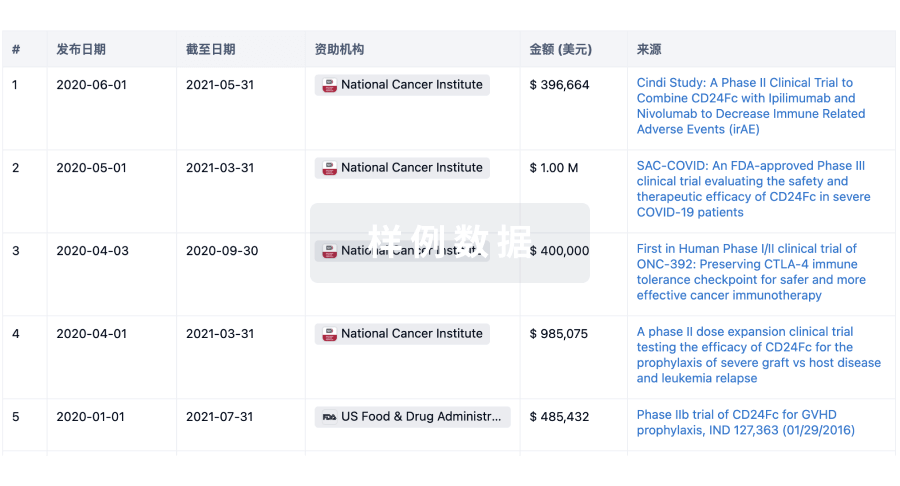
科研基金(NIH)
访问超过 200 万项资助和基金信息,以提升您的研究之旅。
登录
或
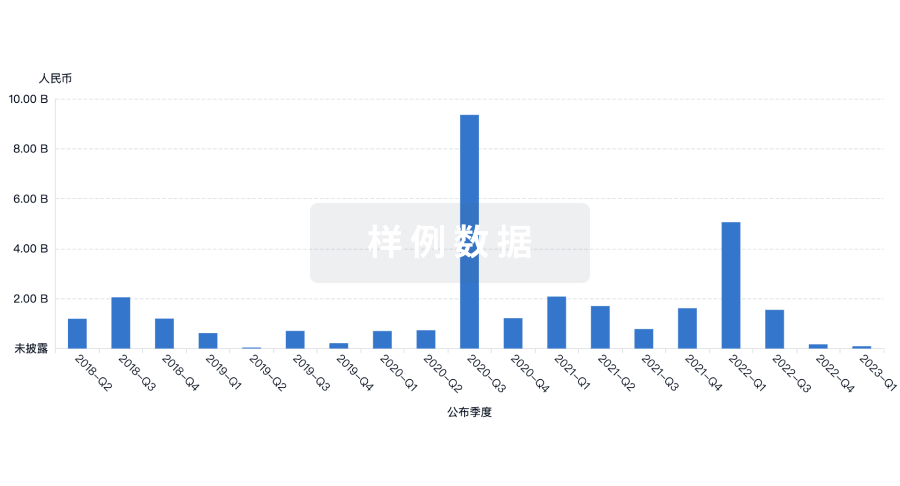
投资
深入了解从初创企业到成熟企业的最新公司投资动态。
登录
或
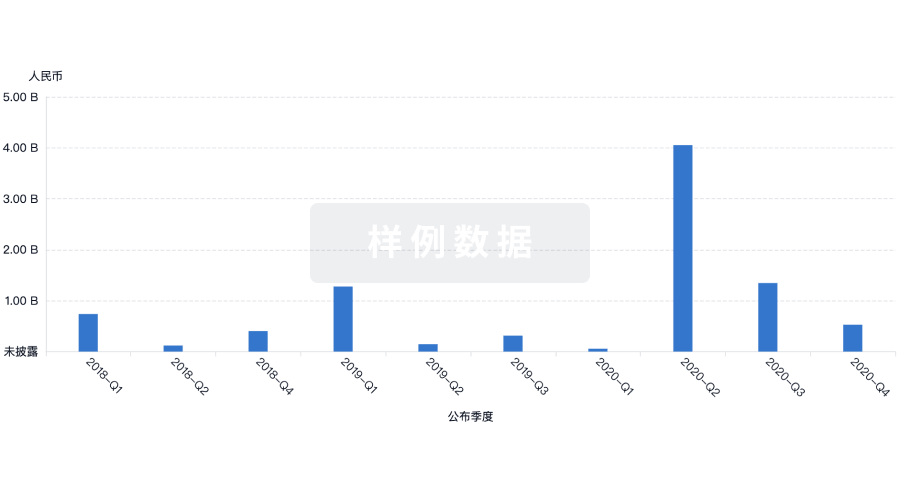
融资
发掘融资趋势以验证和推进您的投资机会。
登录
或
提出任何生物医药研究问题
让每一步生物医药决策都精准制胜
基于十亿级生物数据与全球情报的精准 AI,赋能早期药物发现
立即开始免费试用!
智慧芽新药情报库是智慧芽专为生命科学人士构建的基于AI的创新药情报平台,助您全方位提升您的研发与决策效率。
立即接入生物医药数据包
智慧芽新药库数据也通过智慧芽开放平台,以MCP或API服务形式对外开放。立即使用我们的MCP服务定制您的LLM智能体。
生物序列数据库
生物药研发创新
免费使用
化学结构数据库
小分子化药研发创新
免费使用