BEPACT Lung: Impact of Patient Characteristics on Pneumo-oncologists Non Small Cell Lung Cancer (NSCLC) Systemic Treatment Decision in Belgium: A Cross-sectional Study
The treatment landscape of metastatic non small cell lung cancer (NSCLC) is rapidly evolving. There are new diagnostic and treatment options available in the coming months and years.
New combination treatments will give different solutions to pneumo-oncologists who might be guided by certain patient and tumor characteristics.
The link between patient and tumor characteristics in untreated stage IV non small cell lung cancer (NSCLC) patients and systemic treatment needs further investigation, allowing the identification of possible treatment issues, data gaps and/or areas of improvement.
The Effect of Deep Neuromuscular Block and Reversal With Sugammadex on Surgical Conditions and Perioperative Morbidity in Shoulder Surgery Using a Deltopectoral Approach
The study evaluates wether deep neuromuscular block during entire surgical procedure to the gleno-humeral joint or the proximal humerus using a deltoideo-pectoral approach results in less muscular damage to the deltoid muscle and therefore less post-operative pain and an earlier functional recovery..
Visualization of Regional Lung Ventilation During Neostigmine or Sugammadex Enhanced Recovery From Moderate Residual Neuromuscular Blockade in the Anaesthetized Rat Using Functional Respiratory Imaging
The use of neuromuscular blocking agents (NMBAs) is still associated with postoperative pulmonary complications. The investigators rely on acceleromyography (AMG) of a peripheral nerve/muscle to assess the patients' breathing capability at the end of surgery. It is possible that respiratory complications after surgery (e.g. desaturation and atelectasis) are related to the lack of diaphragm activity.
A previous trial by our study group links the use of sugammadex, a novel selective relaxant binding agent (SRBA) for reversal of neuromuscular blockade, to an increase in diaphragm electrical activity, compared to reversal with neostigmine. Our hypothesis is that by making nicotinergic acetylcholine receptors free from rocuronium in the diaphragmatic neuromuscular junctions, instead of increasing the amount of acetylcholine (like neostigmine does), sugammadex will result in a better neuromuscular coupling. This may have its subsequent effects on the central control of breathing, influencing the balance between intercostal and diaphragm activity.
The investigators now propose a study in rats, where the investigators will use Functional Respiratory Imaging (FRI, property of FluidDA n.v., Groeningenlei 132, B-2550 Kontich) to assess regional lung ventilation after sugammadex, neostigmine or spontaneous reversal. The images obtained through micro-CT scans allow us to accurately reconstruct airway morphology in the free-breathing rat. It will provide us with new insights into breathing physiology after reversal of neuromuscular blockade.
100 项与 MSD Belgium BV 相关的临床结果
0 项与 MSD Belgium BV 相关的专利(医药)
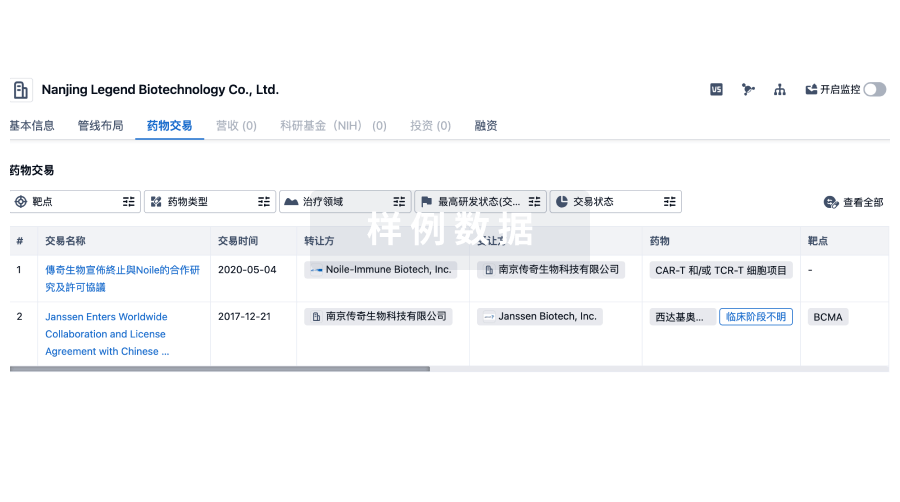
100 项与 MSD Belgium BV 相关的药物交易
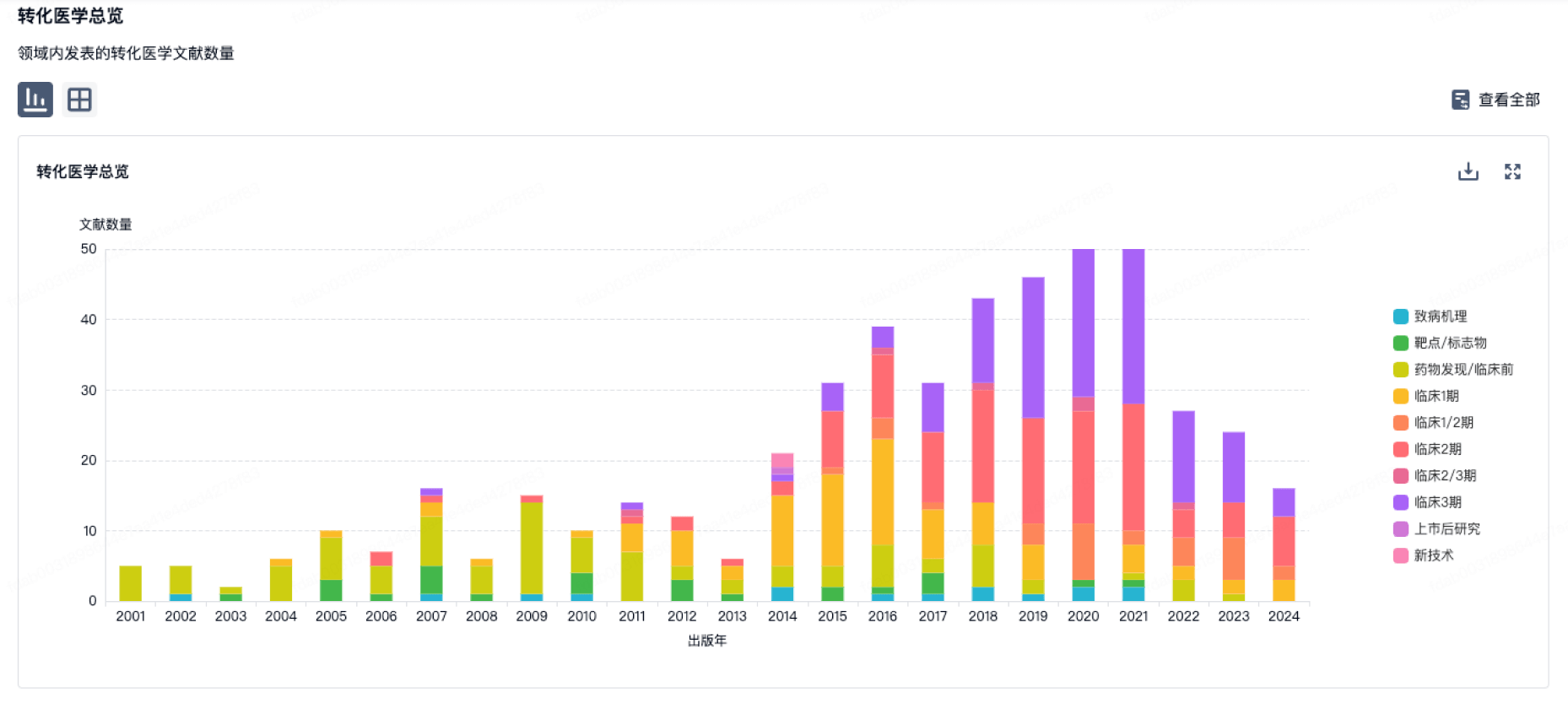
100 项与 MSD Belgium BV 相关的转化医学