预约演示
更新于:2026-07-16

RMIT University
更新于:2026-07-16
概览
标签
肿瘤
小分子化药
疾病领域得分
一眼洞穿机构专注的疾病领域
技术平台
公司药物应用最多的技术
靶点
公司最常开发的靶点

暂无数据
关联
靶点 |
作用机制 |
在研机构 |
原研机构 |
在研适应症 |
非在研适应症 |
最高研发阶段 |
首次获批国家/地区 |
首次获批日期 |
ACTRN12626000466347
Falls-EDU Phase Two: A single-cohort feasibility study of an 8-week interprofessional student-led falls prevention and education program for community-dwelling older adults in a university health clinic
NCT06983808
The PREBEAT Trial: Digital PREhaBilitation in thE Cardiac Surgical populATion
ACTRN12625001415493
The impacts of Long-COVID (COVID-19) among Australians: A national, perspective longitudinal observational study
100 项与 RMIT University 相关的临床结果
登录后查看更多信息
登录后查看更多信息
2026-07-01ANALYTICA CHIMICA ACTA
Evaluating MXene-doped PEDOT coating on carbon fiber microelectrodes for dual-functional neural interfacing
Article
作者: Jaylani, Rana ; De León, Sorel E ; Garrett, David J ; Prawer, Steven ; Fox, Kate ; Ibbotson, Michael ; Tong, Wei ; Jung, Young Jun ; Houshyar, Shadi ; Higham, Simon ; Jalilinejad, Negin ; Goris, Toon
BACKGROUND:
Carbon fiber microelectrodes are promising for long-term neural interfaces due to their small size and mechanical compatibility with brain tissue. However, they typically require functional coatings to achieve the electrochemical performance necessary for high-fidelity recording and effective stimulation. Two-dimensional MXenes exhibit exceptional electrical properties for neural interfaces, but existing fabrication methods are often complex and hinder translation.
RESULTS:
Here, we introduce a novel, simplified approach that employs MXene as a counter-ion dopant for in-situ PEDOT polymerization directly on carbon fibers. This MXene-PEDOT composite coating simultaneously reduces electrochemical impedance and significantly enhances charge injection capacity compared to standard PEDOT:PSS. We demonstrate the functional efficacy of these MXene-doped microelectrodes through ex vivo stimulation of retinal ganglion cells and in vivo cortical recording with high signal-to-noise ratios, while also confirming their in vitro biocompatibility.
SIGNIFICANCE:
This work establishes a straightforward method to leverage the advantages of both carbon fibers and MXene for neural interfaces, creating a unified coating that advances both recording and stimulation capabilities for next-generation dual functional neural interfaces.
2026-06-01VETERINARY JOURNAL
Clinical observations of tetanus toxin plus decoy, Snoretox-1, a novel targeted neuromuscular stimulant, in a pilot study of 6 British bulldogs with BOAS
Article
作者: Smooker, Peter M ; Sasse, Anthony ; Aliano, Danny ; Newport, Maurice ; Norbury, Luke J ; McLean, Thomas ; Conduit, Russell ; House, Arthur ; Swift, David W
OBJECTIVE:
To evaluate the novel therapeutic Snoretox-1 for the treatment of Brachycephalic Obstructive Airway Syndrome (BOAS) in British bulldogs.
METHODS:
A therapeutic (Snoretox-1) was developed consisting of a muscle-toning protein (tetanus toxin) and an antibody trap (decoy), previously demonstrated via in vivo studies to functionally increase local muscle tone in the presence of neutralising antibodies. British bulldogs with grade 2 or 3 BOAS were treated, under sedation, by injection of the therapeutic bilaterally into the centre of the rostral geniohyoid. Bulldogs were graded by an accredited unblinded observer utilising the Respiratory Functional Grading (RFG) scale, after a three-minute trot test, at multi-week intervals, until any improvement returned to baseline values.
RESULTS:
Six British bulldogs were enrolled in this study (two male, four female) aged between 4 and 8 years old. All dogs improved by at least one BOAS grade on the RFG scale. Non-parametric statistical analysis (Friedman χ² with Durbin-Conover post-hoc tests) showed that BOAS severity grades recorded after Snoretox-1 treatment at time points up to 12 weeks were significantly lower than after placebo (p < 0.001), with improvements lasting from 20 to 53 weeks post-treatment. Feeding difficulty for up to 5 ½ weeks may occur with incorrect placement outside the rostral geniohyoid.
CONCLUSIONS:
Injection of the Snoretox-1 muscle-toning therapeutic decreased the severity of BOAS in British bulldogs by one grade or more for a period of between 20 weeks and 53 weeks.
CLINICAL RELEVANCE:
Snoretox-1 could offer a less invasive, well-tolerated and effective treatment for BOAS.
2026-05-01FOOD CHEMISTRY
Comparative proteomics analysis of physicochemical variations in squid (Uroteuthis edulis) across simulated cold-chain conditions
Article
作者: Li, Taiyu ; Benjakul, Soottawat ; Ying, Xiaoguo ; Bi, Xianhong ; Xiao, Gengsheng ; Zhang, Bin ; Brennan, Charles ; Zhong, Jielin ; Ma, Lukai ; Wu, Weijie
This study investigated three key stages of cold-chain logistics-chilling, supercooling, and freezing-to evaluate their effects on the physicochemical properties of squid (Uroteuthis edulis). During chilling, sulfhydryl groups showed increased oxidation and Ca2+-ATPase activity declined markedly in the later storage-stage. Proteomic analysis indicated that prolonged cold-chain duration led to original proteins cleavage, resulting in increased number of differentially expressed proteins (DEPs). Chilled group exhibited a greater number of altered Gene Ontology terms and DEPs than supercooled and frozen groups. Kyoto Encyclopedia of Genes and Genomes pathway analysis indicated that higher storage temperatures activate apoptosis- and proteolysis-related pathways, thereby accelerating quality deterioration. Correlation analysis identified 61, 27, and 25 DEPs that were significantly associated with key quality indicators during chilling, supercooling, and freezing, respectively. This study clarifies the molecular mechanisms underlying squid quality deterioration and offers a theoretical basis for developing targeted preservation strategies and optimizing cold-chain process parameters.
2026-07-07
2026-04-22
100 项与 RMIT University 相关的药物交易
登录后查看更多信息
100 项与 RMIT University 相关的转化医学
登录后查看更多信息
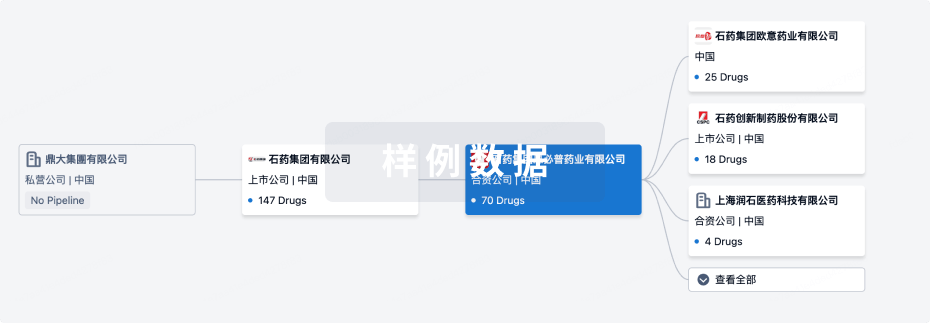
组织架构
使用我们的机构树数据加速您的研究。
登录
或
管线布局
2026年09月13日管线快照
管线布局中药物为当前组织机构及其子机构作为药物机构进行统计,早期临床1期并入临床1期,临床1/2期并入临床2期,临床2/3期并入临床3期
临床前
1
登录后查看更多信息
当前项目
登录后查看更多信息
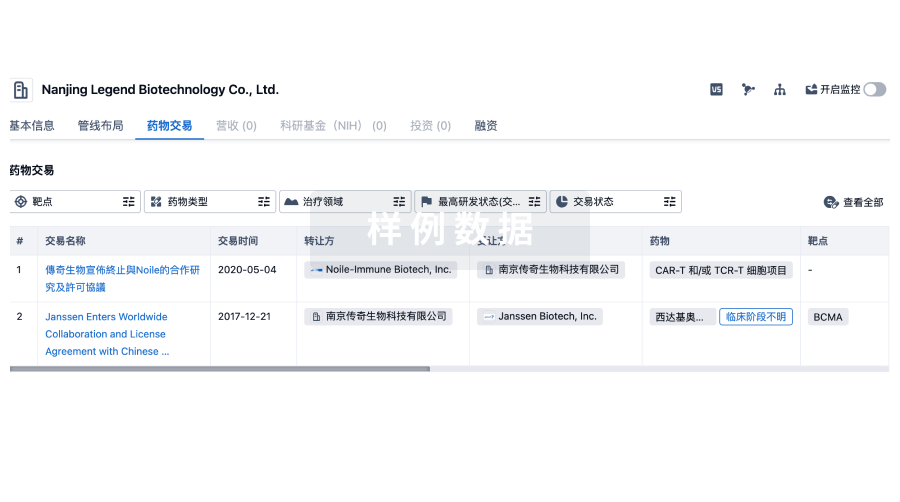
药物交易
使用我们的药物交易数据加速您的研究。
登录
或
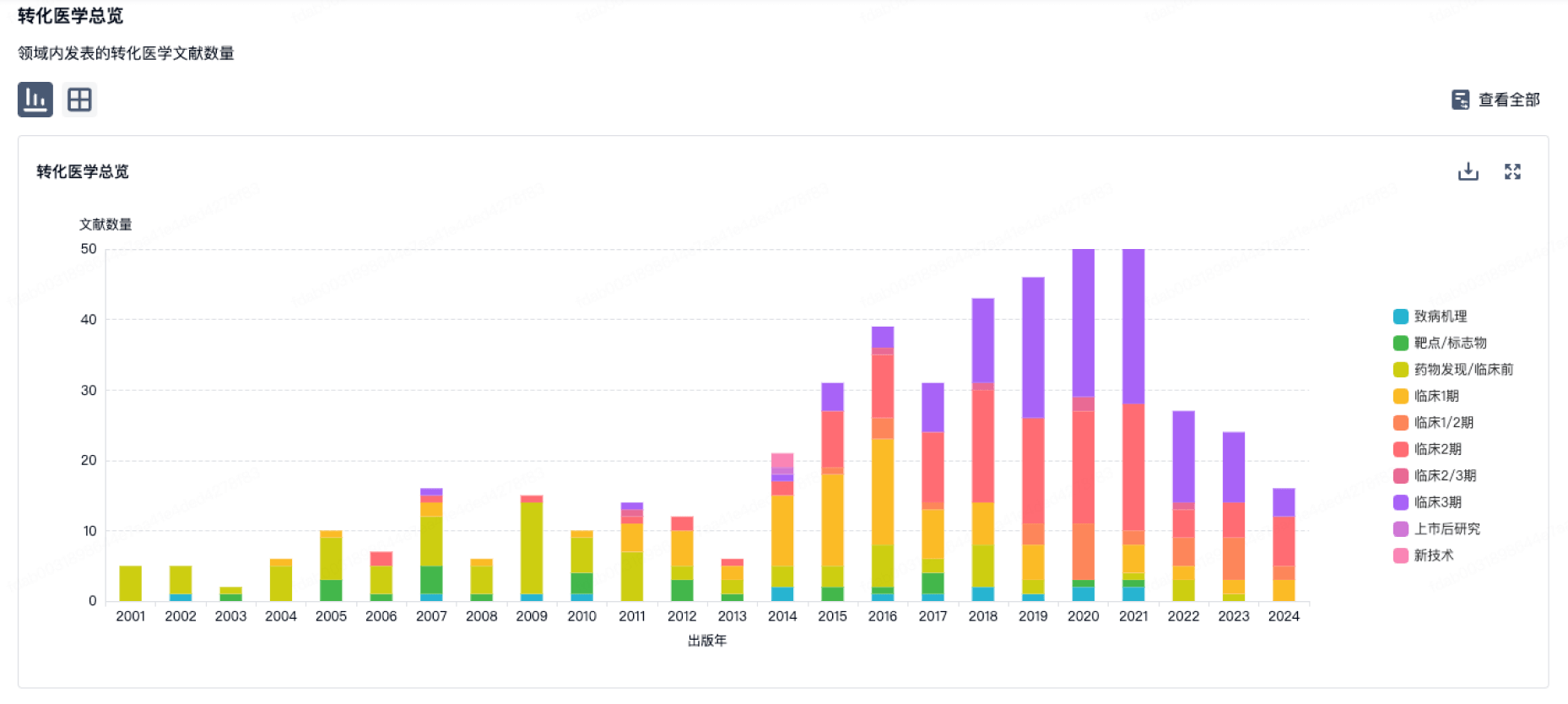
转化医学
使用我们的转化医学数据加速您的研究。
登录
或
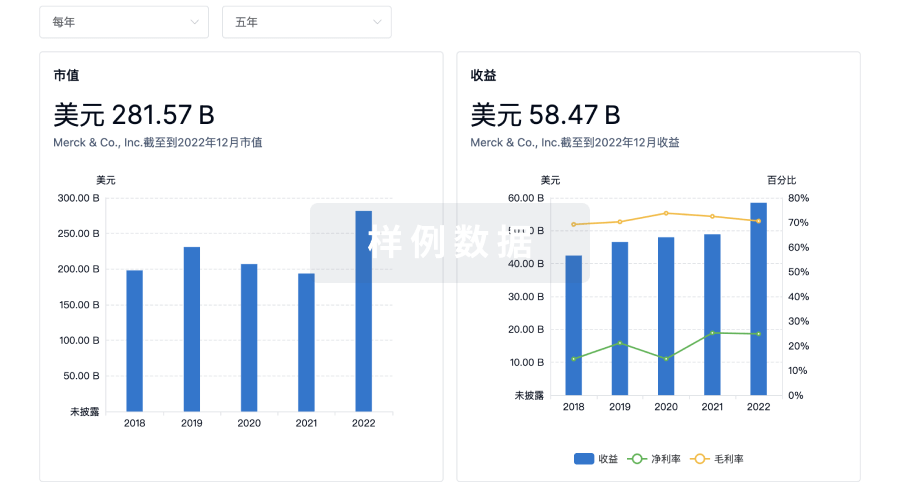
营收
使用 Synapse 探索超过 36 万个组织的财务状况。
登录
或
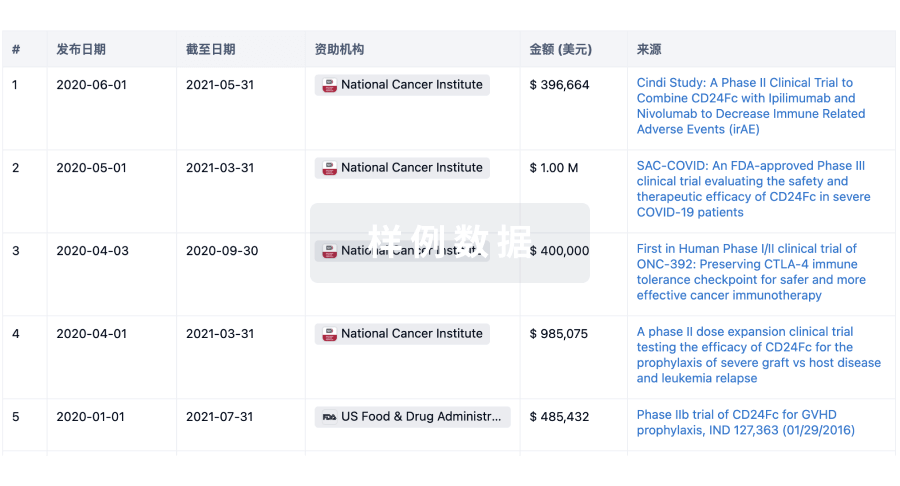
科研基金(NIH)
访问超过 200 万项资助和基金信息,以提升您的研究之旅。
登录
或
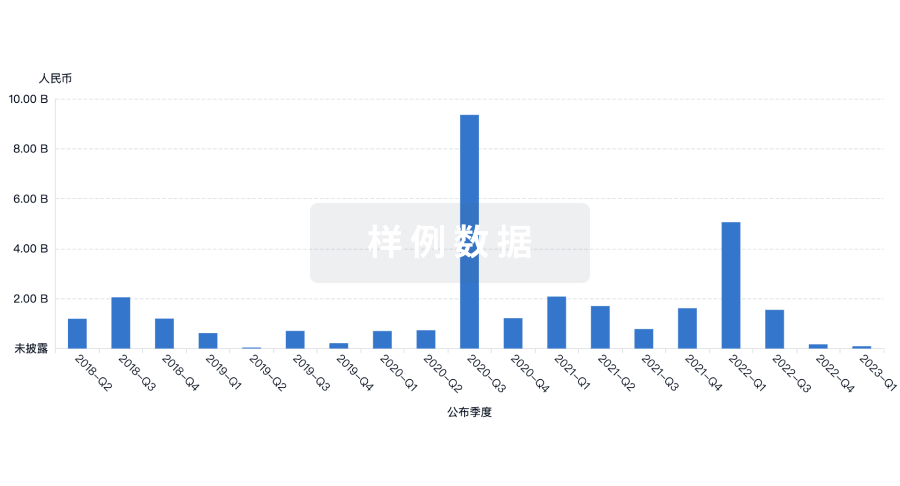
投资
深入了解从初创企业到成熟企业的最新公司投资动态。
登录
或
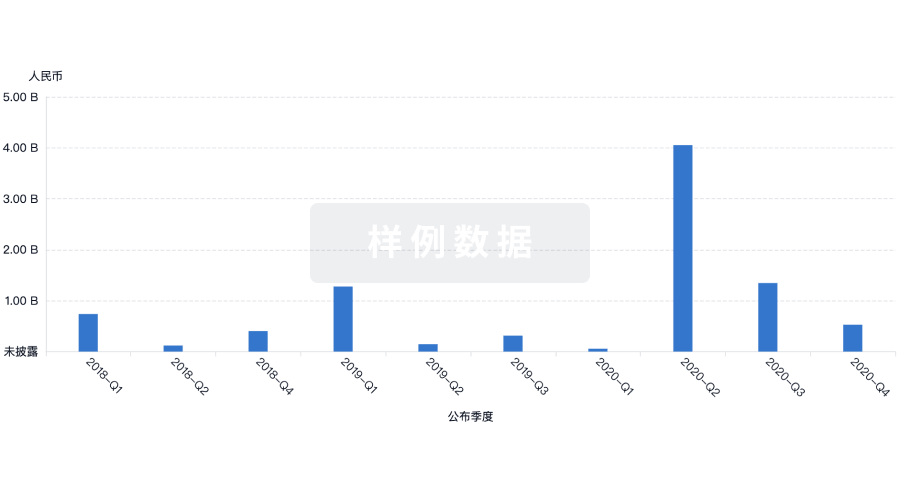
融资
发掘融资趋势以验证和推进您的投资机会。
登录
或
提出任何生物医药研究问题
让每一步生物医药决策都精准制胜
基于十亿级生物数据与全球情报的精准 AI,赋能早期药物发现
立即开始免费试用!
智慧芽新药情报库是智慧芽专为生命科学人士构建的基于AI的创新药情报平台,助您全方位提升您的研发与决策效率。
立即接入生物医药数据包
智慧芽新药库数据也通过智慧芽开放平台,以MCP或API服务形式对外开放。立即使用我们的MCP服务定制您的LLM智能体。
生物序列数据库
生物药研发创新
免费使用
化学结构数据库
小分子化药研发创新
免费使用