预约演示
更新于:2026-03-03

University of Passo Fundo
更新于:2026-03-03
概览
关联
RBR-9wkqh8x
Effects of Preventive Physiotherapy mediated by Mobile Application on workers' self-perceived health: a randomized clinical trial
RBR-4h6h9fd
Analysis of Post-Extration Dental Alveoli Filled by Particulate Dentin or Blood Clots: A Ranzomized Split-Mouth Clinical Trial
RBR-6xhtgj8
Effects of kinesiotherapy intervention with exergame on clinical-functional outcomes, hemodynamic parameters and epigenetic markers in sedentary hypertensive elderly women
100 项与 University of Passo Fundo 相关的临床结果
登录后查看更多信息
登录后查看更多信息
2026-03-01JOURNAL OF DENTISTRY
Simulated bone for dental implant in vitro testing: A systematic review
Review
作者: Tretto, Pedro Henrique Wenz ; Della Bona, Alvaro ; Lenz, Ulysses ; Griggs, Jason Alan
OBJECTIVE:
To evaluate methodological factors in the fabrication of simulated bone for dental implant testing and assess their relationship with reported clinical failure patterns.
METHOD:
A systematic search was conducted in MEDLINE/PubMed, Scopus, and Web of Science following PRISMA. In-vitro studies published from 2015 on mechanically testing single-unit implants with simulated bone materials were included. Two reviewers performed screening, data extraction, and RoBDEMAT appraisal. Disagreements were resolved by a third reviewer. A narrative synthesis categorized bone material characteristics, bone loss simulation, loading angulation, and implant connection type, analyzing their influence on reported outcomes.
RESULTS:
From 2,472 records, 91 studies met the inclusion criteria. Most studies used single-layer simulated bone (81/91), predominantly autopolymerizing resins, while 10 employed two-layer cortical-cancellous bone analogs. Bone loss was mostly simulated using 3 mm (n=41). Loading was commonly applied at 30° (n=61), followed by 0° (n=21). The most frequent outcomes were screw loosening (n=21), screw fracture (n=19), abutment fracture (n=19), crown/veneer fracture (n=19), and implant fracture (n=19). Off-axis loading (30-45°) combined with crestal bone loss (∼3mm) tended to shift failures from screw/abutment to implant fractures.
CONCLUSIONS:
Reported laboratory failures partly align with clinical observations. Simulated bone loss level, bone stiffness and loading angle can influence failure patterns in dental implant testing. ISO 14801 and related standard protocols require update to better reflect current clinical data.
CLINICAL SIGNIFICANCE:
Current laboratory tests do not fully reproduce contemporary peri-implant bone stability, limiting their clinical applicability. More realistic bone analogs may improve the clinical relevance of in-vitro studies.
2026-03-01CULTURE HEALTH & SEXUALITY
Using arts-based methods to understand LGBT+ experiences of accessing the Brazilian health care system.
Article
作者: Dullius, Willian Roger ; Nameghi, Fatemeh Habibi ; O'Keefe-McCarthy, Sheila ; Michaelson, H Logan ; McCleary, Lynn ; Scortegagna, Silvana Alba
All over the world, health care professionals continue to display discriminatory attitudes and behaviours towards LGBT+ people. This arts-based secondary analysis analyses the narratives of 116 LGBT+ individuals as they sought to navigate the Brazilian health care system. Participants described the health care they received as a form of erasure that was detrimental to their own perceived self-worth and overall health and mental well-being. LGBT+ people are subjected to overwhelming discrimination at all ages. Participants articulated not being able to live freely and having to hide or deny their own sexuality and gender identity to obtain equitable access to health care. Having to do this was described as having to live a non-life in a martyr-like existence. Recognition of this 'non-life' existence urges us not to accept the status quo. It calls on us to initiate social change within educational institutions and health systems internationally to disrupt and reject discrimination and oppression of this kind.
2026-03-01JOURNAL OF DENTISTRY
Effect of internal connection parameters on the fatigue limit of narrow-diameter implants – a finite element study
Article
作者: Della Bona, Alvaro ; Brandenburg Dos Santos, Renan ; Lenz, Ulysses ; Griggs, Jason Alan
OBJECTIVE:
To evaluate the influence of internal connection parameters on the fatigue limit of narrow-diameter dental implants using finite element analysis (FEA).
METHODS:
A narrow-diameter dental implant (3.0 mm, Morse taper connection) and its corresponding abutment and screw were scanned using micro-computed tomography (micro-CT). High-resolution 3D models were reconstructed (Simpleware, Synopsis), and six geometric parameters defining the internal connection were extracted. A reference 3D assembly was built in SolidWorks, and systematic dimensional variations (±20%) of the six design parameters were introduced based on a Taguchi orthogonal array (DOE++, Reliasoft), resulting in 27 modified assemblies. Static FEA was performed in ABAQUS according to ISO 14,801:2016 geometry. Fatigue performance was estimated using Fe-safe software, and sensitivity analyses were conducted to identify the most influential parameters on the predicted fatigue limit.
RESULTS:
The reference model presented a fatigue limit of 193 N. Dimensional optimization based on FEA improved the fatigue limit up to 295 N, representing a 52.3% increase compared to the original design, with the cervical opening diameter (CID) showing a significant effect on fatigue performance.
CONCLUSIONS:
Systematic variation of internal connection geometry significantly affected the fatigue resistance of narrow-diameter implants. Identifying critical parameters enables the development of more durable and reliable implant-abutment assemblies, maximizing the treatment success in anatomically compromised sites.
CLINICAL SIGNIFICANCE:
Optimizing the internal geometry of narrow-diameter implants can improve load distribution, minimize mechanical complications, and increase the longevity of implant-supported rehabilitations in areas with reduced bone volume.
100 项与 University of Passo Fundo 相关的药物交易
登录后查看更多信息
100 项与 University of Passo Fundo 相关的转化医学
登录后查看更多信息
组织架构
使用我们的机构树数据加速您的研究。
登录
或
管线布局
2026年03月16日管线快照
管线布局中药物为当前组织机构及其子机构作为药物机构进行统计,早期临床1期并入临床1期,临床1/2期并入临床2期,临床2/3期并入临床3期
其他
1
登录后查看更多信息
当前项目
登录后查看更多信息
药物交易
使用我们的药物交易数据加速您的研究。
登录
或
转化医学
使用我们的转化医学数据加速您的研究。
登录
或
营收
使用 Synapse 探索超过 36 万个组织的财务状况。
登录
或
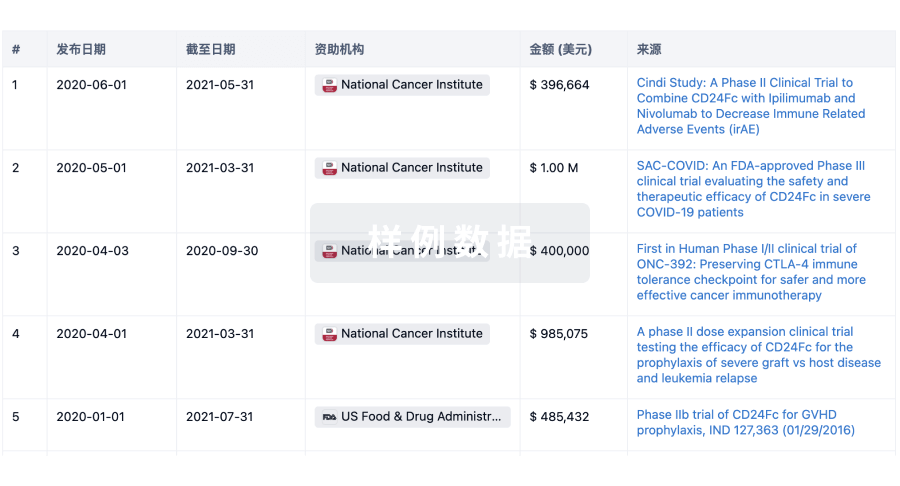
科研基金(NIH)
访问超过 200 万项资助和基金信息,以提升您的研究之旅。
登录
或
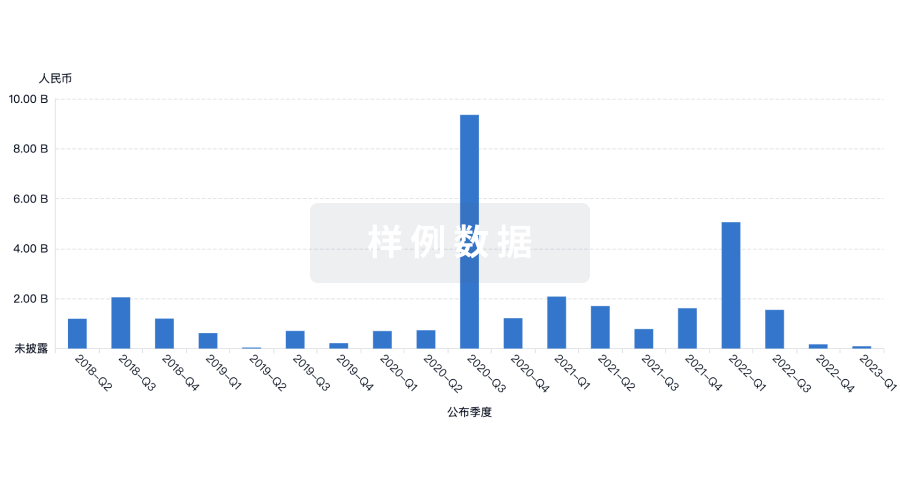
投资
深入了解从初创企业到成熟企业的最新公司投资动态。
登录
或
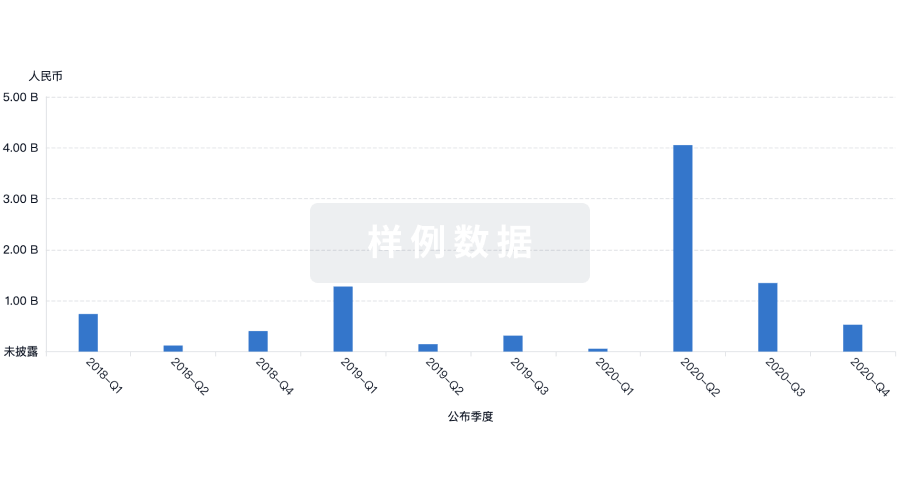
融资
发掘融资趋势以验证和推进您的投资机会。
登录
或
生物医药百科问答
全新生物医药AI Agent 覆盖科研全链路,让突破性发现快人一步
立即开始免费试用!
智慧芽新药情报库是智慧芽专为生命科学人士构建的基于AI的创新药情报平台,助您全方位提升您的研发与决策效率。
立即开始数据试用!
智慧芽新药库数据也通过智慧芽数据服务平台,以API或者数据包形式对外开放,助您更加充分利用智慧芽新药情报信息。
生物序列数据库
生物药研发创新
免费使用
化学结构数据库
小分子化药研发创新
免费使用