预约演示
更新于:2026-03-05

The California State University
更新于:2026-03-05
概览
标签
神经系统疾病
其他疾病
小分子化药
疾病领域得分
一眼洞穿机构专注的疾病领域

暂无数据
技术平台
公司药物应用最多的技术
暂无数据
靶点
公司最常开发的靶点
暂无数据
| 疾病领域 | 数量 |
|---|---|
| 神经系统疾病 | 2 |
| 排名前五的药物类型 | 数量 |
|---|---|
| 小分子化药 | 2 |
| 排名前五的靶点 | 数量 |
|---|---|
| EPHX2 x FAAH | 2 |
关联
2
项与 The California State University 相关的药物作用机制 EPHX2抑制剂 [+1] |
在研适应症 |
非在研适应症- |
最高研发阶段临床前 |
首次获批国家/地区- |
首次获批日期- |
作用机制 EPHX2抑制剂 [+1] |
在研适应症 |
非在研适应症- |
最高研发阶段临床前 |
首次获批国家/地区- |
首次获批日期- |
20
项与 The California State University 相关的临床试验NCT07328568
The Effect of Low Volume Sprint Interval Training on Cardiorespiratory Fitness--a Randomized Controlled Trial
Low levels of physical activity (PA) are related to poor health and greater risk of premature death in adults. Lack of time is cited as a primary barrier to partaking in PA. In the last 20 years, a lot of attention has been directed towards the efficacy of high intensity interval training (HIIT), which consists of brief, intense bursts of PA separated by recovery. One primary benefit of HIIT is a sizable increase in cardiorespiratory fitness (CRF), which enables adults to exercise better and reduce health risks due to the strong link between health status and CRF.
Completion of cardiovascular exercise is typically recommended for all adults to increase CRF, yet it takes a lot of time and may be perceived as boring. Alternatively, HIIT requires less time and tends to cause greater feelings of enjoyment in many adults. Hundreds of studies report an increase in CRF in response to HIIT in various groups of adults ranging from athletes and those with obesity, diabetes, cancer, stroke, and even spinal cord injury, which emphasizes the potency of this vigorous form of PA. Yet, many studies are weakened by a small sample size which questions the feasibility of these findings.
This randomized controlled trial will test the efficacy and feasibility of a very small amount of HIIT, referred to as reduced exertion high intensity interval training (REHIT), in inactive adults. In the proposed study, REHIT will consist of 2 days per week of 1 to two 10 - 20 second sprints on a stationary bike. The proposed sample will include 60 adults who complete 18 sessions of REHIT over a 9 week period, and their responses will be compared to a non exercising control group. During the study, changes in CRF, fuel metabolism, and psychological responses will be monitored, with the latter outcome shedding light on the overall feasibility of HIIT in inactive adults.
Overall, this novel study has profound public health applications as it will assess fitness and health related changes to a small dose of PA in the largest sample to date. If substantial changes in CRF are shown, these data have the potential to modify public health guidelines for implementing PA in inactive adults.
Completion of cardiovascular exercise is typically recommended for all adults to increase CRF, yet it takes a lot of time and may be perceived as boring. Alternatively, HIIT requires less time and tends to cause greater feelings of enjoyment in many adults. Hundreds of studies report an increase in CRF in response to HIIT in various groups of adults ranging from athletes and those with obesity, diabetes, cancer, stroke, and even spinal cord injury, which emphasizes the potency of this vigorous form of PA. Yet, many studies are weakened by a small sample size which questions the feasibility of these findings.
This randomized controlled trial will test the efficacy and feasibility of a very small amount of HIIT, referred to as reduced exertion high intensity interval training (REHIT), in inactive adults. In the proposed study, REHIT will consist of 2 days per week of 1 to two 10 - 20 second sprints on a stationary bike. The proposed sample will include 60 adults who complete 18 sessions of REHIT over a 9 week period, and their responses will be compared to a non exercising control group. During the study, changes in CRF, fuel metabolism, and psychological responses will be monitored, with the latter outcome shedding light on the overall feasibility of HIIT in inactive adults.
Overall, this novel study has profound public health applications as it will assess fitness and health related changes to a small dose of PA in the largest sample to date. If substantial changes in CRF are shown, these data have the potential to modify public health guidelines for implementing PA in inactive adults.
开始日期2025-09-01 |

NCT05751369
The Tobacco, E-Cigarette, and Cannabis Waste Randomized Controlled Trial
This study tests of effect of brief education and support about tobacco, e-cigarette, and cannabis waste (TECW) on knowledge, beliefs, behavior, and TECW on two college campuses.
开始日期2023-03-01 |
申办/合作机构 |
NCT05260905
Predictors of Affective Responses to Sprint Interval Exercise
Regular exercise is needed to ensure good general health and wellbeing. How exercise makes you feel (pleasant / unpleasant) is thought to be important for whether people will stick with a given exercise routine. Sprint interval training (SIT) has been shown be a time-efficient exercise strategy for improving health, but some researchers suggest that SIT may be experienced as unpleasant and therefore unsuitable as an exercise routine for improving general health and wellbeing. However, SIT protocols are diverse, and it has previously been shown that very short SIT protocols such as 'reduced-exertion high-intensity interval training' (REHIT) are not perceived as unpleasant, at least on average. Interestingly, how REHIT is perceived appears to be highly variable between individuals. This individual variability may have important implications for whether people stick with REHIT and/or SIT in real-world settings, and therefore it is important to characterise it and better understand why some people find this exercise unpleasant while others do not. This study aims to characterise the within-participant and between-participant variability in how people perceive REHIT. Furthermore, potential relationships between psychological characteristics and how people perceive REHIT will be explored.
开始日期2022-03-01 |
申办/合作机构 |

100 项与 The California State University 相关的临床结果
登录后查看更多信息
0 项与 The California State University 相关的专利(医药)
登录后查看更多信息
9,710
项与 The California State University 相关的文献(医药)2026-06-01·APPETITE
The indirect effect of emotion regulation on the association between adverse childhood experiences and food addiction
Article
作者: Lee, Aaron A ; Ghaffari, Negin ; Hassija, Christina M
Adverse childhood experiences (ACEs) have been linked with poorer mental and physical health outcomes among adults, including difficulties with emotion regulation and dysregulated eating behavior. For example, emotional regulation difficulties have been shown to mediate the relationship between childhood trauma and food addiction. Yet, little is known about which types of emotion regulation link ACES to food addiction. The goal of the present study was to examine the role of emotion regulation in the relationship between ACEs and food addiction. Undergraduate college students from a primarily Hispanic-serving institution (N = 110) completed an online survey assessing emotion dysregulation, ACEs, and food addiction. The sample was primarily comprised of Hispanic (77%) younger adults (Mage = 25.5, SD = 8.7). As predicted, there was a significant positive association between ACEs and food addiction (p < 0.001) and a positive association between food addiction and emotional dysregulation (p < 0.001). There was a significant indirect effect of emotional dysregulation in relation to adverse childhood experiences and food addiction. Among the emotion regulation difficulties domains, having limited access to emotion regulation strategies emerged as a significant mechanism in the relationship between adverse childhood experiences and food addiction (p<0.001). Deficits in emotion regulation skills may increase the risk of developing food addiction among individuals with a history of ACEs. Emotion regulation strategies in preventative care and treatment may therefore help reduce the risk of food addiction among individuals with a history of childhood adversity.
2026-03-01·GAIT & POSTURE
Dual-task effects on spatiotemporal, kinematic, and kinetic parameters and their variability during running
Article
作者: Wu, Will F W ; Smith, Jo Armour ; Teng, Hsiang-Ling
BACKGROUND:
Running in real-world environments often requires using cognitive resources simultaneously with the motor task (dual tasking, DT). Limited existing evidence suggests that DT reduces running speed. Movement variability is essential for a healthy, adaptable motor system. DT has been shown to affect movement variability during walking. Nonetheless, it remains unclear how DT affects spatiotemporal, kinematic, and kinetic parameters and their variability during running.
RESEARCH QUESTION:
Does DT affect spatiotemporal, kinematic, and kinetic measures and their variability during running? Does running speed influence DT effects?
METHODS:
Thirty-one asymptomatic runners participated in this cross-sectional study. Three-dimensional running biomechanics were recorded while participants ran on a treadmill at three speeds (prefer, slow, and fast) with and without performing easy and hard cognitive tasks. Mean and variability of cadence and step length, as well as peak joint angles and moments in the sagittal, frontal, and transverse planes associated with running injuries, were exported for analysis.
RESULTS:
There were significant DT effects on peak knee adduction and pelvis ipsilateral drop angles. Findings also indicated significant DT effects on stride-to-stride variability of peak hip flexion, extension, and adduction, knee flexion and adduction, ankle plantar flexion, and pelvis ipsilateral drop angles, as well as peak knee abductor and ankle plantar flexor moments. Pairwise comparison revealed that runners exhibited lower variability when simultaneously performing a hard cognitive task than running alone. No significant task-by-speed interaction effect was observed, indicating DT effects were not affected by running speeds.
SIGNIFICANCE:
Runners demonstrated lower stride-to-stride variability in joint kinematics and kinetics during DT running. This suggests that runners may be less adaptable and thus more susceptible to running injuries under DT conditions. Future evaluation and intervention programs for runners may consider integrating DT condition, which is commonly missing in current practices.
2026-03-01·BMJ Supportive & Palliative Care
Cancer caregiver information needs: communication experiences with health providers – a qualitative study
Article
作者: Wilson, Carlene ; Hutchinson, Alison ; Adams, Joanne ; Yuen, Eva ; Wittenberg, Elaine
Purpose:
We sought to explore the lived experience of caregivers when communicating with doctors and nurses about their cancer-related information needs.
Methods:
Semistructured interviews (n=20) were conducted with cancer caregivers. Data were collected as part of a broader study on caregiver health literacy needs. Interviews were analysed thematically.
Results:
Seven themes emerged from the analysis. These themes were: (a) the importance of using everyday language and a variety of information delivery formats, (b) the need for sufficient time to discuss information, (c) the importance of creating a safe space for caregivers to participate during consultations, (d) health providers having a proactive approach to communication and being accessible, (e) access to health providers who recognised and included the caregiver during consultations, (f) health providers developing relationships with the caregiver and person with cancer and (g) caregiver recommendations for service improvement.
Conclusions:
This study highlights how the quality of providers’ communication with caregivers impacts their information needs. Caregivers perceive their information needs are met when providers engage in person-centred strategies. Difficulty acquiring and understanding cancer-related information occurs when providers block caregiver questioning about cancer. Caregiver understanding of cancer information is critical to support the caregiver’s role in cancer care.
27
项与 The California State University 相关的新闻(医药)2025-12-14
摘要
基因工程和基因编辑作为现代生物技术的两大核心支柱,在技术原理、应用机制和产业化前景方面存在根本性差异。本研究通过系统对比分析发现,基因工程以 "外源基因导入" 为核心特征,属于 "加法" 操作,主要依赖载体系统实现跨物种基因转移;而基因编辑以 "内源基因修饰" 为本质特征,通过 CRISPR 等工具实现精准的 "增 / 删 / 改" 操作。技术效率方面,基因编辑技术在编辑效率上具有显著优势,能够在短时间内实现对基因的精确修改,而转基因技术由于涉及基因导入、表达等多个环节,其编辑效率相对较低 (170)。在应用场景上,基因工程主要聚焦于重组蛋白药物生产、转基因作物培育等规模化应用,而基因编辑则在遗传病治疗、精准育种、细胞治疗等高端领域展现出独特优势。市场规模方面,2024 年全球基因工程市场规模达到 127.91 亿元,中国基因工程市场规模达到 37.58 亿元,预计到 2030 年全球市场规模将达到 468.26 亿元 (144)。基因编辑市场增长更为迅猛,2024 年全球市场规模约为 87 亿美元,预计 2025 年至 2030 年将以年均复合增长率 18.2% 持续扩张 (181)。未来发展趋势显示,人工智能与基因编辑技术的融合将成为重要趋势,预计到 2030 年全球将有超过 50% 的基因编辑研究项目采用人工智能技术进行辅助 (187)。
引言
21 世纪以来,生物技术的飞速发展为人类社会带来了前所未有的变革机遇。在这一技术浪潮中,基因工程和基因编辑作为两个关键技术分支,正在深刻改变着医疗健康、农业生产、工业制造和环境保护等多个领域的发展格局。然而,尽管两者都涉及对生物体遗传物质的操作,但在技术原理、实现路径和应用效果方面存在着本质性差异。
基因工程技术起源于 20 世纪 70 年代,通过限制性内切酶、DNA 连接酶和载体系统等工具,实现了外源基因在不同物种间的转移和表达 。这一技术的突破使得人类能够将细菌的抗虫基因转入棉花,将人的胰岛素基因转入大肠杆菌,从而开创了现代生物技术产业的新纪元。据统计,截至 2023 年,全球已有超过 300 种转基因作物获得批准上市,其中玉米、大豆和棉花等作物在全球范围内的种植面积已超过 1 亿公顷 。
相比之下,基因编辑技术特别是 CRISPR-Cas9 系统的出现,则代表了生物技术领域的又一次革命。2012 年 CRISPR-Cas9 系统被发明以来,迅速成为科学研究的热点,并已经在医学、农业和基础研究等领域展现出巨大的潜力。据统计,CRISPR-Cas9 系统自 2013 年以来已经被用于超过 10000 个科学研究中,其编辑效率高达 99% 。更重要的是,基因编辑技术能够以更高的精确度对单个基因进行修改,而不需要引入外源基因 。
然而,当前学术界和产业界对于这两种技术的本质差异、应用边界和发展前景仍存在诸多认识上的分歧。特别是在技术选择、风险评估、监管政策等关键问题上,需要更加清晰的理论框架和实证依据。因此,本研究旨在通过系统对比分析,深入探讨基因工程与基因编辑技术的本质差异,全面梳理其在不同应用场景中的优势与局限,并对未来发展趋势进行前瞻性分析,为相关领域的技术选择和政策制定提供科学依据。一、技术本质差异的深度剖析1.1 操作机制的根本性区别
基因工程和基因编辑在操作机制上存在着本质性的差异,这种差异决定了两者在应用范围、技术难度和安全性等方面的不同表现。基因工程的核心特征是 "外源基因导入",即通过载体系统将一种生物体(如细菌、病毒、其他动植物)的外源基因整合到目标生物的基因组中,使其获得新的性状 。这种技术路径本质上是一种 "加法" 操作,通过引入外源遗传物质来改变受体生物的遗传组成。
相比之下,基因编辑技术的核心是 "精准定点修饰",它主要利用 CRISPR/Cas9 等工具,对生物体自身的基因组进行精确的编辑,如同 "文本编辑" 一样,可以实现对特定基因的 "敲除"、"修复" 或 "小幅调整" 。这种技术路径不引入外源 DNA 片段,更接近自然突变过程 (36)。基因编辑技术是在生物原有基因的基础上进行修改,不引入外源 DNA 片段也可以实现对生物体基因组的改造 (37)。
从分子机制层面来看,基因工程主要依赖限制性内切酶识别特定的 DNA 序列并将其切割成特定的片段,而 DNA 连接酶则能够将切割后的 DNA 片段连接起来,通过这些技术,科学家能够将外源基因插入到生物体的基因组中 。这种方法的局限性在于外源基因导入到生物体基因组的位置是随机的 (35),可能导致不可预测的基因表达变化和潜在的安全风险。
基因编辑技术则通过 RNA 引导的核酸酶系统实现精准的基因组修饰。CRISPR-Cas9 系统由 Cas9 核酸酶和 guideRNA(gRNA)组成,能够实现对目标基因的精确剪切、修复和替换 (10)。这种技术的优势在于能够实现对目标基因的精确编辑,避免对其他基因的意外影响(168)。更重要的是,基因编辑技术操作过程相对简便,成本也显著减少,极大地降低了基因编辑的技术门槛(171)。1.2 技术精度与效率的对比分析
在技术精度方面,基因工程和基因编辑呈现出显著的差异。传统基因工程技术的精度主要受限于限制性内切酶的识别序列和载体插入的随机性。第一代基因工程技术的编辑精度较低,依赖酶切位点进行操作(173)。相比之下,第二代 CRISPR 基因编辑技术具有高可编程性的 gRNA,能够实现更高的编辑精度 (173)。
具体的技术效率数据显示,基因编辑技术在编辑效率上具有显著优势,能够在短时间内实现对基因的精确修改(170)。CRISPR-Cas9 系统的编辑效率可达 99% ,而传统转基因技术由于涉及基因导入、表达等多个环节,其编辑效率相对较低 (170)。在不同细胞类型中,CRISPR-Cas9 的编辑效率通常为 30%-80%,而 TALEN 技术的效率约为 10%-50%,ZFN 技术的效率约为 5%-30% (30)。
技术安全性方面的对比更为复杂。传统基因工程技术被认为具有较高的安全性,因为非靶向编辑较少(173)。然而,这种安全性主要体现在操作过程的可控性上,而非结果的可预测性。由于外源基因插入位置的随机性,可能会影响内源基因的正常表达,产生不可预见的后果。
基因编辑技术虽然可以精确编辑基因,但在编辑过程中可能产生意外的基因突变,这些突变可能会对生物体或生态系统产生不利影响(170)。CRISPR 基因编辑技术的安全性为中等水平,存在脱靶效应的风险 (173)。脱靶效应指基因编辑工具在非目标位点进行意外切割,可能引发致癌或功能异常,需通过生物信息学分析和实验验证进行筛查(42)。
为了降低脱靶风险,研究人员已经开发出多种高保真 Cas9 变体。例如,在 K562 细胞中,使用 HiFi-Cas9 结合优化的 gRNA,编辑效率达 70%,而脱靶率仅为 0.05% (31)。TAF-Cas9 系统的编辑效率比传统 CRISPR-Cas9 系统高 40% 以上,同时显著降低脱靶效应 (31)。这些技术改进表明,基因编辑技术的安全性正在不断提升。1.3 技术发展历程与最新突破
基因工程技术的发展历程可以追溯到 20 世纪 70 年代,随着分子生物学和生物化学的快速发展而兴起。该技术通过直接操作生物体的遗传物质,实现对生物体的基因重组、基因修复和基因表达调控等 。早期的基因工程主要依赖限制性内切酶和 DNA 连接酶等基础工具,技术相对简单但精度有限。
随着技术的不断进步,基因工程载体系统也在持续优化。现代质粒载体通过氯霉素扩增可实现拷贝数达 1000 / 细胞,适用于基因克隆与蛋白原核表达 (27)。病毒载体系统的发展更为迅速,第三代慢病毒载体由四个独立的质粒组成,包括两个包装质粒 rev 和 gag-pol、一个包膜质粒和一个包含转基因序列的 GOI 质粒 。
基因编辑技术的发展则更为迅猛,特别是 CRISPR 技术的出现带来了革命性的变化。2015 年 Cas12a 的发现标志着 Cas9 之外的重大突破,它提供了具有独特 PAM 需求、引导 RNA 形式和 DNA 切割模式的新型核酸酶 (11)。Cas12a 是一种高效核酸酶,具有与 Cas9 互补的特性和功能,可实现精准基因编辑 (11)。
近年来,基因编辑技术在多个方向上实现了重要突破。在递送系统方面,美国西北大学科学家团队设计出一种全新的 "基因快递车",不仅能更高效地把 CRISPR 工具送进细胞,还能减少伤害,提高基因修复准确率,完成基因编辑的几率提升了 3 倍,精确修复的成功率提高了 60% 以上 (15)。
在编辑工具方面,研究人员开发了基于 tRNA 间隔的新一代双导 CRISPR 系统,该系统利用细胞内源性 tRNA 加工机制实现高效双 gRNA 表达,仅需单步克隆即可构建包含 10 万对 gRNA 的文库,错误配对率低至 2% (3)。在大片段插入技术方面,利用改造的逆转座子实现了大片段的 "无疤痕" 基因插入,插入片段可达 13kb,且能在非分裂细胞中工作,效率最高可达 40% (4)。
中国在基因编辑技术方面也取得了重要进展。上海科技大学孵化企业 "篆码生物" 凭借拥有自主知识产权的 Cas12n 微型基因编辑器,填补了我国在基因编辑底层技术领域的空白 (9)。2021 年,团队在《自然 - 化学生物学》发文报道了微型基因编辑器 —Cas12f,其分子尺寸仅为 Cas9 蛋白的三分之一,且能够在哺乳动物细胞中发挥有效的基因编辑功能 (9)。二、应用场景的全面对比分析2.1 医疗健康领域的应用分化
在医疗健康领域,基因工程和基因编辑技术展现出截然不同的应用模式和发展前景。基因工程技术在该领域的应用主要集中在重组蛋白药物生产方面,这一应用已经形成了成熟的产业化体系。重组蛋白类药物是利用基因工程技术表达的产物,用于弥补人体内某些功能蛋白的缺失。
重组人胰岛素是基因工程在医疗领域最成功的应用之一。通过基因工程技术,把人类胰岛素基因 "剪切 - 粘贴" 到细菌(大肠杆菌)或酵母里,这些改造过的细菌按照人类基因的指令生产人胰岛素 (73)。礼来公司生产的重组人生长激素 Humatrope 自 1987 年获批以来,帮助了无数生长激素缺乏的儿童实现了长高的梦想 。近年来,长效生长激素如 Sogroya 和 Skytrofa 的出现,更是为患者带来了便利,这些药物通过在大肠杆菌中进行重组 DNA 技术生产,经过修饰后能够与血液中的白蛋白可逆结合,有效延长了药物在体内的作用时间 。
基因编辑技术在医疗健康领域的应用则更加前沿和精准,主要聚焦于基因治疗和细胞治疗等高端应用。在基因治疗方面,CRISPR Therapeutics 在 2018 年将首个 CRISPR/Cas9 基因编辑疗法推进临床试验,该治疗现已在一些国家获批用于治疗镰状细胞病或 β 地中海贫血患者 (83)。Exagamglogene autotemcel(exa-cel)是一种基于 CRISPR/Cas9 介导的基因 / 细胞治疗药物,已在美国和英国获得监管机构批准,用于治疗镰状细胞病和输血依赖型 β 地中海贫血 。
细胞治疗是基因编辑技术的另一个重要应用领域。CAR-T 细胞治疗通过体外编辑 T 细胞,使其靶向癌细胞特定标志物,如 B 细胞恶性肿瘤中的 CD19 或多发性骨髓瘤中的 B 细胞成熟抗原(BCMA),从而在回输患者体内后清除癌细胞 。最新研究显示,使用腺嘌呤碱基编辑器(ABEs)替代 Cas9 进行多重基因编辑产生的生物类似治疗性 CAR T 细胞产品可以减轻这些不良反应,在抗原应激下表现出增强的体外增殖能力和改善的体内抗肿瘤效果 。
基因编辑技术在罕见病治疗方面也取得了突破性进展。美国费城儿童医院与宾夕法尼亚大学医学团队利用定制的 CRISPR 基因编辑疗法,成功治愈了一名患有罕见遗传病的儿童。这名患儿名为 KJ,出生时即患有严重的氨基甲酰磷酸合成酶 1(CPS1)缺乏症,通过基于碱基编辑技术的疗法,修复了其体内的缺陷酶 。截至 2025 年 4 月,在接受三剂治疗后,KJ 未出现严重副作用,能够耐受更高的膳食蛋白质摄入量,所需的氮清除剂剂量也明显减少 。
在疫苗研发方面,基因工程技术仍然占据主导地位。重组病毒载体疫苗通过将外源抗原编码序列整合到病毒基因组中构建而成。例如,康希诺生物生产的重组新冠病毒疫苗(5 型腺病毒载体)和厦门大学、香港大学、万泰生物联合研发的鼻喷流感病毒载体新冠肺炎疫苗都已获批使用 (78)。中国疾控中心研发的首个复制型天坛痘苗载体艾滋病疫苗完成Ⅰ 期临床试验,在 48 名健康受试者中实现 100% 安全性,并成功激活特异性免疫反应 (80)。2.2 农业育种领域的技术竞争
农业育种是基因工程和基因编辑技术竞争最为激烈的领域之一。基因工程技术在该领域的应用已经形成了庞大的产业规模,主要产品包括抗虫作物、耐除草剂作物等。自 1996 年起,全球转基因农作物开始大规模商业化种植,目前种植最为广泛的转基因作物包括大豆、棉花、玉米和油菜四大类 (100)。
根据最新统计数据,2023 年全球 72.4% 的大豆、34% 的玉米、76% 的棉花、24% 的油菜都为转基因产品 (101)。在美国,超过 90% 的玉米、陆地棉、大豆、油菜和甜菜都使用转基因品种 。这些转基因作物主要具有耐除草剂特性,能够耐受草甘膦、草铵膦和麦草畏等特定广谱除草剂 。
转基因抗虫作物是基因工程技术的另一重要应用。含有苏云金芽孢杆菌(Bt)基因并产生杀虫蛋白的抗虫作物自 1996 年起已在玉米和棉花中应用 。通过将苏云金芽孢杆菌(Bt)的毒素基因转入作物基因组,使作物自身产生杀虫蛋白,有效防治鳞翅目害虫(如棉铃虫),减少农药使用量达 50% 以上 (104)。
基因编辑技术在农业育种领域的应用则更加精准和高效,主要聚焦于抗病性改良、品质提升等方面。中国科学院遗传与发育生物学研究所高彩霞团队与齐禾生科公司联合申报的基因编辑耐除草剂小麦 TaALS-4 和基因编辑抗病小麦 MLO-KNRNP 已获得农业农村部发放的生产应用安全证书,这是我国首批主粮基因编辑安全证书 。
在作物品质改良方面,研究人员利用基因编辑技术成功创制了高糖 1 号和高糖 2 号两个番茄新材料,不仅实现了高糖低酸,还提高了果实重量,打破了番茄产量和品质无法兼顾的难题 (106)。通过多重基因组编辑技术,精准改造小麦感病基因 MLO,赋予小麦广谱持久的白粉病抗性 (106)。
在营养强化方面,研究人员通过精准的基因调控技术,在水稻籽粒中实现微量营养元素的显著提升,同时将镉富集于茎叶等非食用部位,形成双重营养强化与污染隔离机制(108)。这种多基因协同编辑策略突破了传统单基因改良的局限,在提高籽粒铁锌含量的同时,有效阻断了镉向籽粒的转运通道(108)。
动物育种是基因编辑技术的另一个重要应用领域。华中农业大学水产学院高泽霞教授团队建立的养殖经济鱼类无肌间刺种质创制方法获得了中国国家知识产权局的专利授权,该专利利用基因编辑技术为培育完全不含肌间刺(俗称 "小刺")的养殖经济鱼类提供了一种精准、高效的技术路径 (111)。
在畜禽育种方面,黑龙江省农业科学院刘娣团队与中山大学何祖勇团队联合攻关,成功培育世界首批单基因和多基因编辑民猪 20 头,分别获得了具有提高肉质效应的 IGF2 基因编辑猪和具有提高繁殖力的 BMP15 基因编辑猪 (112)。在多基因组合编辑方面,将 BMP15、MSTN、CD163 三个基因组合编辑,获得具有增产、高繁殖力、抗病效应的三基因编辑猪 (112)。
英国罗斯林研究所研究团队通过基因编辑技术,打造出一批对猪瘟(CSF)具有完全耐受性的猪。他们靶向编辑了猪体内一个名为 DNAJC14 的基因,编辑后的猪在受到病毒挑战后,没有出现感染症状,而对照组猪出现典型症状并病毒载量高 (113)。2.3 工业生物与环境治理的技术融合
工业生物技术领域是基因工程和基因编辑技术展现巨大应用潜力的新兴领域。基因工程技术在该领域的应用主要集中在生物燃料生产和酶制剂开发方面。在生物燃料领域,通过将蓝细菌的光合作用基因簇(psbA)与酿酒酵母的乙醇脱氢酶基因(adh2)重组,构建出可直接利用 CO₂生产乙醇的工程菌株,转化率达理论值的 85% (116)。
基因编辑技术在工业生物技术领域的应用则更加注重细胞工厂的优化和代谢途径的精准改造。CRISPR 技术通过精准靶向和高效修复机制,解决了传统发酵菌株改造的随机性和低效性难题,为抗生素、酶制剂等高附加值产品生产提供了革命性解决方案 (117)。
在生物基材料生产方面,基因编辑技术取得了重要突破。中科院团队通过基因编辑技术,成功改造大肠杆菌实现聚羟基脂肪酸酯(PHA)高效合成,生产成本降至 2.1 美元 / 公斤,较石化塑料已具备商业竞争力 (121)。通过导入木糖异构酶基因,实现农业废弃物转化率 83%;过表达 phaCAB 操纵子,PHA 合成速率提升 7 倍;基因编辑效率提升至 98%(CRISPR-Cas12f 技术) (121)。
清华大学宜昌 PHA 生产基地一期(1 万吨 / 年)已投产,二期将扩至 3 万吨 / 年,通过极端嗜盐菌技术使生产成本降至 3 万元 / 吨(降幅 40%) (122)。深圳碧友生物通过基因编辑优化菌种,将 PHA 生产成本降至 2 万元 / 吨,较行业平均降低 43%,其发泡材料密度 0.08-0.15 g/cm³,可在海洋环境中 6 个月内完全降解 (125)。
在环境治理领域,基因工程和基因编辑技术都展现出重要的应用价值。研究团队利用合成生物学方法,对兼具快速生长、耐盐胁迫、基因编辑高效等特性的需钠弧菌进行基因工程改造,开发了高效自然转化方法和基因组迭代编辑技术 INTIMATE (129)。
在有机污染物降解方面,研究团队在单一菌株中构建了覆盖单环到多环化合物的五条人工代谢通路,得到的 "微生物特种兵"VCOD-15,可实现五种典型芳香类有机污染物 —— 联苯、苯酚、萘、二苯并呋喃和甲苯的同时降解,在 48 小时内对 5 种目标污染物的去除率均超 60%,其中联苯降解率达 100% (128)。
基因驱动技术是环境治理领域的一项前沿技术,利用 CRISPR/Cas9 等基因编辑工具,使特定基因以 "超孟德尔遗传" 的方式在目标蚊种群中高效传播,为蚊媒疾病防控提供了革命性策略 (135)。在疟疾媒介按蚊中,靶向性别决定基因或雌性生殖基因的种群抑制型驱动可致雌性不育或性别失衡,实现种群抑制;靶向按蚊中与疟原虫感染相关的宿主基因或递送抗疟效应分子的种群替代型基因驱动策略,可有效阻断病原体传播(135)。
北京大学生命科学学院研究团队利用基因驱动系统成功构建了不育斯氏按蚊品系,通过抑制其繁殖能力以降低种群数量。模拟实战显示,每周释放 5% 的转基因雄蚊,25 周内种群数量下降 90%;持续释放可彻底清除目标种群,效率远超传统绝育技术 。三、产业化程度与市场格局分析3.1 市场规模与增长态势
基因工程和基因编辑技术的产业化程度呈现出不同的发展轨迹和市场特征。根据最新的市场研究数据,2024 年全球基因工程市场规模达到 127.91 亿元(人民币),中国基因工程市场规模达到 37.58 亿元。报告预计到 2030 年全球基因工程市场规模将达到 468.26 亿元,在预测期间基因工程市场年复合增长率预估为 24.15% (144)。
基因编辑技术市场的增长更为迅猛。据权威机构数据显示,2024 年全球基因技术市场规模已突破 380 亿美元,预计到 2025 年将达 420 亿美元,并以年均复合增长率 14.2% 持续扩张,至 2030 年有望突破 800 亿美元大关 (145)。根据弗若斯特沙利文预测,2025 年中国基因编辑治疗市场规模将达 48 亿元,年复合增长率高达 37.2%,至 2030 年有望突破 260 亿元 (146)。
从细分市场来看,基因技术市场主要包括基因测序、基因编辑、基因治疗和基因诊断等领域。2024 年中国基因行业全年市场规模达 1280 亿元,同比增长 29.6%,较 2021 年完成 3.2 倍扩容,其中基因测序占比 45%、基因编辑占比 22%、基因治疗占比 18%、基因诊断占比 15% (143)。基因测序与基因治疗成为双增长核心,展望 2026 年,基因行业将进入 "技术融合深化、应用场景拓宽、产业生态完善" 的新阶段,预计市场规模突破 1800 亿元,同比增长 40.6% (143)。
在基因编辑技术的细分应用领域中,治疗领域占据主导地位。根据弗若斯特沙利文与中国生物医药技术协会联合预测,到 2030 年,中国基因编辑技术整体市场规模有望达到 480 亿元人民币,其中治疗领域占比约 62%,农业与工业应用分别占 25% 和 13% (149)。据弗若斯特沙利文数据显示,2024 年中国基因编辑治疗市场规模已突破 18 亿元人民币,预计 2025 年至 2030 年将以年均复合增长率 42.3% 持续扩张,至 2030 年有望达到 112 亿元规模 (149)。3.2 全球竞争格局与企业布局
全球基因编辑技术市场呈现出明显的地域集中特征和企业竞争格局。在地域分布方面,美国、中国、欧洲和日本是主要的研发与生产中心,其中美国占据的市场份额最大,约为 52%,其次是欧洲和中国,分别占比 28% 和 18% (154)。
在企业竞争格局方面,全球基因编辑技术市场主要由少数几家领先企业主导。2024 年基因编辑技术市场的主要参与者包括 CRISPR Therapeutics、Editas Medicine 和 Intellia Therapeutics,这三家公司合计占据市场份额的 40%,其中 CRISPR Therapeutics 以 15% 领先 (155)。
CRISPR Therapeutics 是基因编辑领域的商业化验证龙头,专注于 CRISPR/Cas9 技术的临床应用开发。Intellia Therapeutics 则专注于开发基于 RNA 的基因编辑技术,其市场份额约为 20%,预计到 2025 年其市值将突破 90 亿美元,年复合增长率约为 22% (153)。Editas Medicine 是最早成立的基因编辑公司之一,在技术专利和研发实力方面具有重要地位。
跨国制药企业也在基因编辑领域进行了大规模布局。辉瑞、诺华、罗氏、强生、拜耳、阿斯利康等跨国药企纷纷加大在 CRISPR/Cas9、碱基编辑(Base Editing)、先导编辑(Prime Editing)等前沿技术平台上的投入 (158)。这些传统制药巨头凭借其强大的资金实力和研发能力,正在成为基因编辑技术产业化的重要推动力量。
中国在基因编辑技术领域也形成了一批具有竞争力的企业。华大基因、药明康德等企业已在国际市场上占据重要地位(154)。新开源(300109)作为中国基因编辑龙头企业,通过收购美国 BioVision 公司打造精准医疗平台。东富龙持有上海伯豪 34.02% 股权,构建了生物芯片、基因测序、生物标志物筛选和验证、基因编辑、分子检测、生物样本分析和生物信息技术平台。开能健康(300272)参股美国 ASC 公司,拥有全球领先的 CRISPR/Cas9 技术和 TARGATT 技术 (159)。
在农业基因编辑领域,中国企业也取得了重要进展。2024 年中央一号文件首次将基因编辑作物纳入生物育种产业化应用试点范围,农业农村部配套出台《农业生物育种产业化实施方案》,明确至 2025 年实现抗虫玉米、耐除草剂大豆等 5 类基因编辑作物的商业化种植许可审批,政策窗口期直接拉动种业龙头企业研发投入同比增长 42% (161)。3.3 中国政策环境与发展机遇
中国政府高度重视基因编辑技术的发展,出台了一系列支持政策和规范措施。《"健康中国 2030" 规划纲要》明确提出要推动基因编辑技术在医疗领域的应用,《新一代人工智能发展规划》也将基因编辑技术列为重点发展方向 (160)。国家药品监督管理局、国家卫生健康委员会等部门相继发布了一系列规范性文件,对基因编辑技术的研发、生产和应用进行了规范和指导(160)。
在农业领域,政策支持力度进一步加大。2025 年初,农业农村部发布的《全国农业科技创新重点领域 (2024–2028 年)》,将 "基因编辑工具原始创新与性状迭代" 列为十大优先领域之一,要求研发和拓展具有自主知识产权的精准化基因编辑工具,强化全基因组选择、智能设计等育种关键核心技术开发 (163)。
在监管政策方面,中国正在建立健全基因编辑技术的伦理规范和监管体系。《"十四五" 生物经济发展规划》明确提出要建立健全基因编辑技术的伦理规范和监管体系。《人类遗传资源管理条例》修订案已于 2024 年正式实施,对涉及人类遗传资源的国际合作项目提出了更严格的要求 (162)。
临床转化政策的突破为基因编辑技术的产业化提供了重要机遇。中国颁布的生物医学新技术临床管理条例实现了三个关键突破:一是转化通路 "打通堵点",患者用上新技术的时间能省好几年;二是 "临床研究的结果可以直接用于注册申报",国家层面把这个机制直接作为转化应用的审批依据;三是伦理监管 "长出牙齿" (164)。
在产业化推进方面,政策鼓励从仿制跟踪转向原始创新,基因编辑、细胞治疗、AI 制药等前沿领域将获重点支持 (165)。例如,杭州市 2025 年计划推动基因编辑、蛋白质设计等技术产业化,虽然此类技术需较长的研发验证期,但政策支持力度不断加大 (166)。四、技术发展趋势与前景展望4.1 技术演进路径与创新突破
基因编辑技术正经历着从第一代向第三代的快速演进,技术创新呈现出多元化和精准化的发展趋势。目前,以 Prime Editing(先导编辑)、Base Editing(碱基编辑)以及 Cas 变体工程化改造为代表的技术路径正逐步替代传统 CRISPR-Cas9 系统 (182)。Prime Editing 通过融合逆转录酶与 nCas9 蛋白,可在不引发 DNA 双链断裂的前提下实现精准插入、删除或替换,脱靶率较传统方法降低 10 至 100 倍;而 Base Editing 则通过化学修饰实现 C→T 或 A→G 的单碱基转换,避免双链断裂带来的染色体异常风险 (182)。
在编辑工具的微型化方面,第三代基因编辑工具 CRISPR-Cas12f 的研发成功,将编辑精度提升至 0.1 碱基对级别。对比传统 CRISPR-Cas9 技术,新型编辑器脱靶率下降至 0.003%,为临床治疗提供更安全的技术路径 (192)。Cas12f、CasMINI 等超小型高保真核酸酶的优化成熟,以及体内递送系统(如 LNP、AAV 衣壳工程)对编辑效率与靶向性的协同提升,将推动高精度编辑技术在单基因遗传病治疗中率先实现商业化突破 (182)。
在递送技术方面,新型载体系统的开发为基因编辑技术的临床应用提供了重要支撑。研究团队开发了工程优化的 VLP—— 装载可编程编辑器的工程化核质运输载体(ENVLPE),通过引入 GCN4 蛋白,构建了效率更高的 ENVLPE+,其能够高效递送 mRNA、CRISPR-Cas9(包括 CRISPRa、CRISPRi)、碱基编辑器(BE)以及先导编辑器(PE) (16)。
在编辑策略方面,多重编辑技术的突破让同时改造多个基因成为可能。通过设计多个 gRNA 与 Cas 蛋白共表达,可在同一菌株中实现 5-10 个基因的同步敲除或插入,大幅缩短了改造周期 (189)。研究人员还开发了基于 proGuide 的序列基因编程系统,通过设计 CTS 序列和 RNA Pol III 终止序列实现 Cas9-VPR 介导的分步基因激活,在 0.05:1(proGuide: 触发 sgRNA)浓度下仍能保持 92% 的敲除效率,优于传统 sgRNA 的 80% (5)。4.2 人工智能与基因编辑的深度融合
人工智能与基因编辑技术的融合正成为推动该领域发展的重要趋势。据市场研究机构 Grand View Research 发布的数据显示,2024 年全球基因编辑市场规模已达到约 87 亿美元,预计 2025 年至 2030 年将以年均复合增长率 18.2% 持续扩张,其中人工智能驱动的基因编辑工具细分市场占比预计将从 2025 年的 12% 提升至 2030 年的 27% (181)。
AI 技术在基因编辑全链条中都发挥着重要作用。在靶点发现阶段,AI 算法可快速筛选高潜力基因靶点;在脱靶效应预测阶段,机器学习模型通过分析海量数据,提前识别潜在风险;在疗法设计阶段,AI 辅助优化 gRNA 序列,提升编辑效率 (185)。技术层面,基因编辑将实现 "单碱基精准操控 + 智能化设计 + 高效递送" 的三重突破,AI 与大数据深度赋能,推动研发效率与成功率迈向新高度 (185)。
在具体应用方面,AI 算法(如 Elevation、CRISPR-Net)通过训练海量实验数据,筛选出高特异性、低脱靶的 gRNA 序列。AI 可模拟 Cas 蛋白与 DNA 结合的动态过程,预测不同细胞环境(如染色质开放状态)对编辑效率的影响,从而选择更安全的靶点 (186)。研究人员还在开发 AI 驱动的 "闭环编辑系统",在基因编辑过程中实时监测并修正脱靶行为,利用生成式 AI(如扩散模型)设计自然界中不存在的、高保真 Cas 蛋白变体 (186)。
展望 2025 至 2030 年,AI 辅助 gRNA 设计将朝着多模态融合、动态适应性优化和临床可解释性增强三大方向演进 (181)。预计到 2030 年全球将有超过 50% 的基因编辑研究项目采用人工智能技术进行辅助 (187)。4.3 合成生物学与基因编辑的协同发展
合成生物学与基因编辑技术的深度融合正在开创生物技术的新纪元。未来,合成生物学与基因编辑技术的结合将推动生物技术在工业、农业、医疗等领域的广泛应用(188)。通过将合成生物学的模块化设计与基因编辑的精准操作相结合,可以开发出更加高效、灵活的生物系统。随着多组学技术的发展,基于大数据的交叉研究方法将更加广泛地应用于合成生物学与基因编辑的研究中(188)。
在技术融合方面,基于 CRISPR-Cas9 等基因编辑技术的精准调控,结合合成生物学构建新型代谢通路,正在实现生物制造向高附加值产品转型,如生物基材料与药物 (193)。研究人员通过合成生物学技术构建具有特定药理活性的生物分子,再利用基因编辑技术对其进行修饰和优化,以提高药物的治疗效果和安全性(190)。
在应用拓展方面,合成基因组基因编辑技术可以与合成生物学结合,用于设计和构建全新的基因组,这将有助于开发新的生物体药物和材料。通过基因编辑还可以开发基于 DNA 的生物计算机,实现更高效的计算和数据存储 (194)。基因编辑技术将在未来几年内实现更多突破,应用领域也将不断拓展从疾病治疗到农业环境保护和生物技术(194)。
在产业发展方面,合成生物学与基因编辑技术的融合正在推动生物制造产业的转型升级。通过构建高效、稳定的生物反应器,再通过基因编辑技术对生物反应器中的微生物进行改造,可以提高生物制药的生产效率和降低生产成本(190)。随着系统生物学与人工智能的深度融合,设计理念正从 "经验驱动" 转向 "数据驱动",形成 "模型预测 - 精准构建 - 动态优化" 的闭环 (189)。4.4 产业化前景与挑战分析
基因编辑技术的产业化前景十分广阔,但同时也面临着诸多挑战。在产业化应用方面,随着技术的不断成熟和监管政策的完善,基因编辑技术的产业化应用将进一步扩大。预计到 2027 年,全球将有超过 20 种基于基因编辑技术的疗法获得市场批准;到 2030 年,这一数字将增长至 50 种以上 (184)。
在市场规模方面,未来发展趋势显示,随着测序技术和人工智能的进步以及监管政策的完善,预计到 2030 年,全球每年将新增超过 10 项基于多基因联合编辑技术的创新疗法;市场规模有望突破 150 亿美元;形成更加成熟和多元化的产业格局 (187)。
在技术挑战方面,基因编辑技术仍需要在多个方面实现突破。首先是脱靶效应的控制,尽管高保真 Cas 变体的开发已经显著降低了脱靶风险,但在临床应用中仍需要更加严格的安全标准。其次是递送效率的提升,特别是在体内基因编辑应用中,如何将编辑工具高效、安全地递送到目标组织仍是一个重要挑战。第三是成本控制,目前基因编辑技术的成本仍然较高,需要通过技术优化和规模化生产来降低成本。
在监管挑战方面,基因驱动技术的发展引发了监管升级的需求。Broad 研究所开发的 "基因防火墙" 系统,可在基因编辑过程中自动检测并阻断非法序列插入,错误阻断率低于 0.0001% (192)。这种技术的出现反映了监管机构对基因编辑技术安全性的高度关注,也为行业的规范化发展提供了技术支撑。
在伦理挑战方面,基因编辑技术特别是在人类胚胎编辑方面仍存在诸多争议。关于人类胚胎基因编辑的安全性、权力、伦理道德、公平正义、文明等存在较多问题和争论(43)。这些伦理问题需要在技术发展的同时得到妥善解决,以确保技术的健康发展和社会接受度。结论
通过对基因工程和基因编辑技术的全面对比分析,本研究得出以下主要结论:
首先,在技术本质方面,基因工程和基因编辑存在根本性差异。基因工程以 "外源基因导入" 为核心特征,属于 "加法" 操作,外源基因插入位置随机,技术精度相对较低;而基因编辑以 "内源基因修饰" 为本质特征,通过 CRISPR 等工具实现精准的 "增 / 删 / 改" 操作,技术精度高达 99%,脱靶率可降至 0.003% (192)。这种技术本质的差异决定了两者在应用场景和发展前景方面的不同轨迹。
其次,在应用场景方面,两种技术呈现出明显的分化趋势。基因工程技术主要聚焦于规模化应用,如重组蛋白药物生产、转基因作物培育等,这些应用已经形成了成熟的产业体系。2023 年全球 72.4% 的大豆、34% 的玉米、76% 的棉花、24% 的油菜都为转基因产品 (101)。基因编辑技术则在高端应用领域展现出独特优势,特别是在遗传病治疗、精准育种、细胞治疗等领域,如 CRISPR 基因编辑疗法已成功治愈镰状细胞病和 β 地中海贫血等单基因遗传病 (83)。
第三,在产业化程度方面,基因工程技术已经形成了庞大的产业规模,2024 年全球市场规模达到 127.91 亿元,预计到 2030 年将达到 468.26 亿元 (144)。基因编辑技术市场增长更为迅猛,2024 年全球市场规模约为 87 亿美元,预计 2025 年至 2030 年将以年均复合增长率 18.2% 持续扩张 (181)。中国在两个领域都取得了重要进展,特别是在基因编辑技术方面,已经在部分领域实现了从跟跑到并跑的转变。
第四,在技术发展趋势方面,基因编辑技术正朝着更高精度、更低脱靶率、更广应用领域的方向发展。Prime Editing、Base Editing 等新一代技术的出现,将编辑精度提升至 0.1 碱基对级别,脱靶率下降至 0.003% (192)。人工智能与基因编辑技术的融合将成为重要趋势,预计到 2030 年全球将有超过 50% 的基因编辑研究项目采用人工智能技术进行辅助 (187)。
第五,在发展前景方面,两种技术将在不同领域发挥各自优势,形成互补发展的格局。基因工程技术将继续在规模化生产领域占据主导地位,而基因编辑技术则将在精准医疗、精准育种等高端应用领域发挥越来越重要的作用。合成生物学与基因编辑技术的深度融合,将为生物制造、新材料开发等领域带来革命性变化。
本研究的主要贡献在于系统梳理了基因工程和基因编辑技术的本质差异和应用边界,为相关领域的技术选择和政策制定提供了科学依据。同时,研究也存在一定局限性,主要体现在对某些新兴技术(如基因驱动)的长期影响评估还需要更多的实证研究支撑。
未来研究方向建议包括:一是加强基因编辑技术的安全性评估方法研究,特别是长期安全性监测体系的建立;二是深化人工智能在基因编辑领域的应用研究,开发更加智能化的编辑工具和预测模型;三是加强合成生物学与基因编辑技术融合的应用研究,探索更多创新性应用场景;四是加强基因编辑技术的伦理规范和监管政策研究,确保技术发展与伦理规范的协调统一。
随着技术的不断进步和应用场景的持续拓展,基因工程和基因编辑技术必将在推动人类社会发展、改善人类生活质量方面发挥越来越重要的作用。我们有理由相信,在科学研究的持续推动和合理监管的有效保障下,这两项技术将为人类社会带来更加美好的未来。
参考资料
[1] 2025年CRISPR-Cas9基因编辑技术临床应用新突破.pptx - 人人文库 https://www.renrendoc.com/paper/495944864.html
[2] CRISPR有了新型“快递车”--经济·科技--人民网 http://finance.people.com.cn/BIG5/n1/2025/0923/c1004-40570037.html
[3] 新一代tRNA间隔双向导RNA CRISPR系统实现大规模遗传相互作用筛选 - 生物通 https://m.ebiotrade.com/newsf/2025-12/202512070359073452.htm
[4] 西湖实验室-精彩回顾 | 西湖-Science系列研讨会第⑦期:CRISPR 2025-从实验室到现实世界 https://www.wllsb.edu.cn/mtzx/xsbg/202510/t20251028_60804.shtml
[5] 通过控制RNA聚合酶III的终止来实现可编程的多步骤CRISPR基因激活 - 生物通 https://m.ebiotrade.com/newsf/2025-12/202512070836245462.htm
[6] 基因编辑创造奇迹!全球首例拯救婴儿生命,入选Nature今年十大突破性进展 https://c.m.163.com/news/a/KGBPVICR0534B9EW.html
[7] 2025年CRISPR技术优化发酵菌株的研究进展.pptx - 人人文库 https://m.renrendoc.com/paper/495944963.html
[8] What’s Cooking With CRISPR? https://irp.nih.gov/catalyst/33/1/whats-cooking-with-crispr
[9] 转化研究新闻-上海临床研究中心 https://clinic.shanghaitech.edu.cn/tech-transfer/news/51
[10] 基因编辑技术进展-20251208.docx - 人人文库 https://www.renrendoc.com/paper/495970640.html
[11] 【知识窗】Cell综述:CRISPR基因组编辑技术的历史演进、现状与未来展望-企业动态-丁香通 https://m.biomart.cn/news/16/3233986.htm
[12] SciMaster | Towards General-Purpose Scientific AI Agents https://scimaster.bohrium.com/chat/share/4925c3b83b1244c685bd247af21e9573
[13] 2025年基因编辑技术原理、发展现状及趋势.docx-原创力文档 https://m.book118.com/html/2025/0902/5024230202012322.shtm
[14] 科学家成功打造“多功能Cas12a基因剪刀小鼠” https://c.m.163.com/news/a/KFUPJVTK0556I9S2.html
[15] CRISPR有了新型“快递车”--经济·科技--人民网 http://finance.people.com.cn/BIG5/n1/2025/0923/c1004-40570037.html
[16] Cell重磅:新型类病毒颗粒VLP递送系统,高效递送各种基因编辑工具,用于遗传疾病和癌症治疗 https://c.m.163.com/news/a/JSUN81G0053296CT.html
[17] 质粒载体构建全攻略:3步降本50%的AI新方案���-克隆工作台 https://www.yanyin.tech/cms/1V1dH5ea.html
[18] Better Gene Gun Makes Plant Gene Editing More Efficient https://agnr.umd.edu/news/better-gene-gun-makes-plant-gene-editing-more-efficient
[19] 基因治疗载体优化策略-洞察及研究.docx-原创力文档 https://m.book118.com/html/2025/0712/5343324330012242.shtm
[20] Science:用“人工进化”驯服基因搬运工:CASTs效率狂飙420倍,实现人类细胞高效基因插入!-MedSci.cn https://www.medsci.cn/article/show_article.do?id=11e98e7700bd
[21] 为基因魔剪打造智能“快递”系统_中共西藏自治区委员会网络安全和信息化委员会办公室 https://wxb.xzdw.gov.cn/xxh/xxhgzdt/202505/t20250521_572433.html
[22] PackGene’s Novel Dual-Plasmid System: Advancing AAV Manufacturing Efficiency and Safety https://www.packgene.com/learning-center/packgene-dual-plasmid-system/
[23] 基因治疗载体优化-第4篇-洞察与解读.docx-原创力文档 https://m.book118.com/html/2025/1118/6205241123012013.shtm
[24] VectorBuilder redefines plasmid standards with miniVec https://www.bioindustry.org/resource/vectorbuilder-redefines-plasmid-standards-with-minivec.html
[25] 云舟生物与深研生物达成战略合作,共筑基因递送技术新高度-云舟生物 https://www.vectorbuilder.cn/about-us/newsroom/news-one-hundred-and-forty-four.html
[26] 基因治疗载体设计-第2篇-洞察及研究.docx-原创力文档 https://m.book118.com/html/2025/0729/8041055014007116.shtm
[27] 基因工程载体的核心功能与应用发展-CSDN博客 https://blog.csdn.net/2301_80746785/article/details/149714284
[28] 遗传工程与基因编辑的区别与联系.docx-原创力文档 https://m.book118.com/html/2025/0122/8073116101007024.shtm
[29] 第一代与第二代基因工程核心技术差异及应用挑战?_编程语言-CSDN问答 https://ask.csdn.net/questions/8666119
[30] 简述下基因编辑到底是怎么编辑的 http://m.toutiao.com/group/7567224046258094630/?upstream_biz=doubao
[31] 基因编辑工艺改进-洞察及研究.docx - 人人文库 https://m.renrendoc.com/paper/443900341.html
[32] CRISPR vs RNAi: Why CRISPR Is the Superior Tool for Modern Genetic Research https://www.ubigene.us/application/crispr-gene-editing.html
[33] 基因组编辑与CRISPR技术:基因治疗的革命性突破_crispr cas修复机制的三个步骤-CSDN博客 https://blog.csdn.net/weixin_64953014/article/details/143560279
[34] 基因编辑技术优化-第6篇-深度研究.docx - 人人文库 https://m.renrendoc.com/paper/390983042.html
[35] 基因编辑:改写生命密码的“神笔”(知与不知)_环球网 http://m.toutiao.com/group/7525268530746442292/?upstream_biz=doubao
[36] 转基因与基因编辑技术概述.pptx - 人人文库 https://www.renrendoc.com/paper/481213177.html
[37] 基因编辑VS转基因:你不可不知的生物技术差异 https://www.360doc.cn/article/43349416_1156624767.html
[38] 基因驱动作物改良-洞察与解读.docx-原创力文档 https://m.book118.com/html/2025/1103/8035120045010005.shtm
[39] 吉林省农业科学院玉米研究所 http://maize.jaas.com.cn/index/descript_news.php?sid=106
[40] 【线虫基因编辑秘籍】转基因vs CRISPR:稳定遗传的关键区别,上源生科教你选!_搜狐网 https://m.sohu.com/a/922154986_122492451/
[41] Beyond the promise: evaluating and mitigating off-target effects in CRISPR gene editing for safer therapeutics https://pmc.ncbi.nlm.nih.gov/articles/PMC10883050/
[42] 精准基因治疗风险-洞察与解读.docx - 人人文库 https://www.renrendoc.com/paper/481028377.html
[43] 基因编辑[基因工程技术]_百科 https://m.baike.com/wiki/%E5%9F%BA%E5%9B%A0%E7%BC%96%E8%BE%91/10419067?baike_source=doubao
[44] 基因编辑脱靶风险-洞察及研究.docx - 人人文库 https://m.renrendoc.com/paper/460154470.html
[45] 基因编辑脱靶风险防控-洞察及研究.docx-原创力文档 https://m.book118.com/html/2025/0719/7065034033010135.shtm
[46] 基因编辑脱靶危害研究-洞察及研究.docx-原创力文档 https://m.book118.com/html/2025/0730/6201230035011210.shtm
[47] Advanced Science 特邀综述 | 华中农大/新疆农垦科学院:突破CRISPR/Cas 瓶颈,迈向精准编辑新纪元-华中农业大学植物科学技术学院 https://cpst.hzau.edu.cn/info/1037/22140.htm
[48] A boost for the precision of genome editing https://news.mit.edu/2025/boost-precision-genome-editing-0820
[49] DeepSeek速问速答:从脱靶效应来谈AI大模型结合CRI|模型|实验|基因|脱靶|编辑|-健康界 https://www.cn-healthcare.com/articlewm/20250306/content-1646428.html
[50] AI “ 剪 ” 出 基因 编辑 : Open CRISPR - 1 开启 精准 医疗 # 生命 科学 # 科普 https://www.iesdouyin.com/share/video/7537664616239795466/?region=&mid=7537664712215513882&u_code=0&did=MS4wLjABAAAANwkJuWIRFOzg5uCpDRpMj4OX-QryoDgn-yYlXQnRwQQ&iid=MS4wLjABAAAANwkJuWIRFOzg5uCpDRpMj4OX-QryoDgn-yYlXQnRwQQ&with_sec_did=1&video_share_track_ver=&titleType=title&share_sign=EUj3hoUtxZUaHD3rzI0Zqe0aJ389LYzZdZtcpiqsrRI-&share_version=280700&ts=1765440649&from_aid=1128&from_ssr=1&share_track_info=%7B%22link_description_type%22%3A%22%22%7D
[51] CRISPR-Cas9靶向修复TP53时脱靶效应如何控制?_编程语言-CSDN问答 https://ask.csdn.net/questions/8862438
[52] CRISPR-Cas9与CHAMP筛查技术协同实现超高精准基因编辑(脱靶率<0.03%)_hypacas9-CSDN博客 https://blog.csdn.net/weixin_41429382/article/details/147357540
[53] 综述:检测CRISPR/Cas9脱靶效应的方法 - 生物通 https://m.ebiotrade.com/newsf/2025-11/202511090837251942.htm
[54] 高胆固醇不用终身吃药?基因编辑新疗法,一次注射降脂50%。_十月里的收获 http://m.toutiao.com/group/7579880379264401963/?upstream_biz=doubao
[55] 定制基因编辑疗法治愈罕见遗传病患儿 - 新华网客户端 https://app.xinhuanet.com/news/article.html?articleId=11633c6417065f3bfb3948ea8983dac8
[56] 2025基因治疗药物临床试验进展与审批趋势分析报告 - 豆丁网 https://www.docin.com/touch_new/preview_new.do?id=4923415521
[57] 破局与引领:中国AAV基因治疗管线临床进展一览 - 北京锦篮基因科技股份有限公司 https://www.bj-genecradle.com/news/312
[58] 高胆固醇不用终身吃药?基因编辑新疗法1次输注,降50%血脂。_十月里的收获 http://m.toutiao.com/group/7577776355161522724/?upstream_biz=doubao
[59] 基因和细胞治疗:如何拓展临床之路 - 新华网客户端 https://app.xinhuanet.com/news/article.html?articleId=186a48177617f41775c67081e311db7f
[60] CBER Regenerative Medicine Advanced Therapy (RMAT) Approvals https://www.fda.gov/vaccines-blood-biologics/cellular-gene-therapy-products/cber-regenerative-medicine-advanced-therapy-rmat-approvals
[61] FDA Newsroom | FDA https://www.fda.gov/NewsEvents/Newsroom/default.htm
[62] 2025年12月11日全球新药进展早知道|患者|临床|药物|疗法|全球|-健康界 https://www.cn-healthcare.com/articlewm/20251211/wap-content-1662574.html
[63] 尧唐生物:国内首个体内碱基编辑疗法获FDA批准临床 https://www.phirda.com/artilce_39108.html?module=trackingCodeGenerator
[64] 基因编辑疗法连破纪录,国产器械引领全球创新 | Healthcare View_红杉汇 http://m.toutiao.com/group/7577591443734037002/?upstream_biz=doubao
[65] 2025年8月16日全球新药进展早知道|患者|治疗|获得|疗法|FDA|-健康界 https://www.cn-healthcare.com/articlewm/20250816/wap-content-1655830.html
[66] 锐正基因ART001成为中国首个获FDA再生医学先进疗法认定的基因编辑产品|fda|中国|医学|基因编辑产品|基因编辑技术|蛋白|锐正基因_手机网易网 http://m.163.com/dy/article/K042A4FU051494RM.html
[67] 体内CAR-T,MNC选定的“进化之路”_蓝鲸新闻 http://m.toutiao.com/group/7581679223174218290/?upstream_biz=doubao
[68] 我国学者在通用型CAR-T研究方面取得进展 https://www.nsfc.gov.cn/p1/3381/2825/95626.html
[69] Quadruple adenine base–edited allogeneic CAR T cells outperform CRISPR/Cas9 nuclease–engineered T cells https://www.pnas.org/doi/abs/10.1073/pnas.2427216122
[70] 魏文胜实验室-新闻列表页面 http://weilab.pku.edu.cn/news/
[71] 研究开发新型精装CAR-T疗法 - 全球肿瘤快讯 - 北京大学肿瘤医院 北京大学临床肿瘤学院、北京市肿瘤防治研究所 https://www.bjcancer.org.cn/Html/News/Articles/21357.html
[72] Kite’s Next-Generation Bicistronic CAR T-Cell Therapies Show Encouraging Phase 1 Results in Relapsed/Refractory B-Cell Lymphoma in New Data at ASH 2025 https://www.gilead.com/news/news-details/2025/kites-next-generation-bicistronic-car-t-cell-therapies-show-encouraging-phase-1-results-in-relapsedrefractory-b-cell-lymphoma-in-new-data-at-ash-2025
[73] 一针胰岛素几百块,凭什么比黄金还贵?它是怎么来的?_红烧河豚鱼 http://m.toutiao.com/group/7581642777142870569/?upstream_biz=doubao
[74] 重组蛋白激素类药物概述.pptx - 人人文库 https://m.renrendoc.com/paper/453484162.html
[75] 什么是重组人胰岛素样生长因子(rhIGF-1 https://m.xiaohe.cn/medical/ai-qa/70000151750390
[76] 基因工程蛋白质类药物 - 360文档中心 https://m.360docs.net/doc/bb17058201.html#javascript
[77] 2024 年农业转基因生物安全证书(生产应用)批准清单(动物(pdf) https://www.moa.gov.cn/ztzl/zjyqwgz/spxx/202410/P020241011735469344622.pdf
[78] 新型冠状病毒疫苗[针对新型冠状病毒的疫苗]_百科 https://m.baike.com/wiki/%E6%96%B0%E5%9E%8B%E5%86%A0%E7%8A%B6%E7%97%85%E6%AF%92%E7%96%AB%E8%8B%97/22910875?baike_source=doubao
[79] 严景华团队研发的呼吸道合胞病毒重组蛋白疫苗获得临床试验批件 - 新闻中心 - 昌平实验室 https://www.cpl.ac.cn/news/4028c1f194425ab501944400dd4a0003.html
[80] 我国 艾滋病 疫苗 研发 取得 重要 进展 # 我国 艾滋病 疫苗 研发 取得 重要 进展 # 艾滋病 # 艾滋病 疫苗 # 中国 医学 # 抖音 热 评 https://www.iesdouyin.com/share/video/7534736289048857883/?region=&mid=7534736261104225063&u_code=0&did=MS4wLjABAAAANwkJuWIRFOzg5uCpDRpMj4OX-QryoDgn-yYlXQnRwQQ&iid=MS4wLjABAAAANwkJuWIRFOzg5uCpDRpMj4OX-QryoDgn-yYlXQnRwQQ&with_sec_did=1&video_share_track_ver=&titleType=title&share_sign=mxGoxW6uQ75IZWtxFErIjsB.ndT0AQEhCGn8D5XwgWw-&share_version=280700&ts=1765440693&from_aid=1128&from_ssr=1&share_track_info=%7B%22link_description_type%22%3A%22%22%7D
[81] 2025年HPV特效药突破性进展:治疗性HPV疫苗来袭!|HPV|感染|治疗|疫苗|宫颈癌|-健康界 https://www.cn-healthcare.com/articlewm/20250311/content-1646674.html
[82] 基因治疗中的病毒与非病毒载体:现状、临床突破与未来展望|免疫|原性|基因治疗|抗体|特异性|猪流行性腹泻病毒|腺病毒_手机网易网 http://m.163.com/dy/article/KA5O6P0U0532CO9S.html
[83] Hemoglobinopathies https://crisprtx.com/programs/hemoglobinopathies
[84] 综述:CRISPR-Cas9基因编辑在镰状细胞病和β-地中海贫血中的治疗前景:当前综述 - 生物通 https://m.ebiotrade.com/newsf/2025-9/20250920082948799.htm
[85] 国际罕见病日|正序生物原创碱基编辑药物助力罕见病彻底治愈 https://www.correctsequence.com/news/shownews.php?id=445
[86] CRISPR体内基因修复技术实现镰刀型细胞贫血症临床治愈 https://www.iesdouyin.com/share/video/7483733186757807410/?region=&mid=7483732828249754368&u_code=0&did=MS4wLjABAAAANwkJuWIRFOzg5uCpDRpMj4OX-QryoDgn-yYlXQnRwQQ&iid=MS4wLjABAAAANwkJuWIRFOzg5uCpDRpMj4OX-QryoDgn-yYlXQnRwQQ&with_sec_did=1&video_share_track_ver=&titleType=title&share_sign=ydUAWumQJCkVkTt.Rdi_8838S22TmprcgTDPaHB.ngQ-&share_version=280700&ts=1765440693&from_aid=1128&from_ssr=1&share_track_info=%7B%22link_description_type%22%3A%22%22%7D
[87] Revolutionary gene-editing therapy for sickle cell ‘offers hope of a cure’ for NHS patients https://www.england.nhs.uk/2025/01/revolutionary-gene-editing-therapy-for-sickle-cell/?wpmobileexternal=true
[88] 中央对转基因食品的具体看法是什么? https://c.m.163.com/news/a/KGBKHLVC0511D74L.html
[89] 最新!全球转基因、基因编辑动态一览 https://c.m.163.com/news/a/JRP16SSU0512CUPE.html
[90] 中国保护知识产权网 http://ipr.mofcom.gov.cn/article/gjxw/lfdt/oz/qtoz/202504/1991313.html
[91] 政策扩面提速,市场群雄逐鹿:中国转基因产业化驶入快车道_世界农化网 http://m.toutiao.com/group/7553845104943890963/?upstream_biz=doubao
[92] 印度尼西亚发布《转基因食品监管条例》 https://www.moa.gov.cn/ztzl/zjyqwgz/ckzl/202502/t20250224_6470390.htm
[93] 基因编辑小麦获批生产应用安全证书中国科学院遗传与发育生物学研究所 http://genetics.cas.cn/dtxw/zhxw/202501/t20250107_7515044.html
[94] 2025-2030中国基因编辑作物商业化种植风险与政策突破点分析.docx-原创力文档 https://m.book118.com/html/2025/0929/5122302341012334.shtm
[95] 2025基因编辑作物商业化种植监管政策与市场接受度报告 - 豆丁网 https://www.docin.com/touch_new/preview_new.do?id=4923238091
[96] 2025基因编辑作物商业化种植政策环境与市场接受度调研报告 - 豆丁网 https://www.docin.com/touch_new/preview_new.do?id=4922445229
[97] Key Developments in New Plant Breeding Technologies in 2024 https://www.isaaa.org/blog/entry/default.asp?BlogDate=1/22/2025
[98] 转基因时代竞逐:谁领跑种业?|智种全球眼_推荐阅读_资讯_种业商务网 http://m.chinaseed114.com/news/28/news_139678.html
[99] 美国农业部宣布对多项转基因、基因编辑作物解除管制或豁免监管 https://szb.farmer.com.cn/nmrb/html/2025/20250103/20250103_1/nmrb_20250103_12904_1_1874939626097053717.html
[100] 转基因农作物[基因重组技术培养的农作物]_百科 https://m.baike.com/wiki/%E8%BD%AC%E5%9F%BA%E5%9B%A0%E5%86%9C%E4%BD%9C%E7%89%A9/4840975?baike_source=doubao
[101] 全球农业转基因产业发展动态 -- 科技强农 -- 海南省农业农村厅 https://agri.hainan.gov.cn/hnsnyt/zt/kjqn/202412/t20241218_3788119.html
[102] 大豆转基因技术.pptx - 人人文库 https://www.renrendoc.com/paper/470344336.html
[103] 大北农公司自主研发的1项转基因大豆在巴西获批商业化种植 https://www.moa.gov.cn/ztzl/zjyqwgz/ckzl/202505/t20250520_6474052.htm
[104] 转基因作物技术大纲.pptx - 人人文库 https://m.renrendoc.com/paper/453843775.html
[105] 环境智能高产稳产作物设计取得重大进展中国科学院遗传与发育生物学研究所 http://www.genetics.ac.cn/dtxw/kyjz/202412/t20241213_7457980.html
[106] 2025中关村论坛年会成就展:农业生物育种成果大放异彩 https://nyncj.beijing.gov.cn/nyj/snxx/gzdt/743599037/index.html
[107] 从技术跟跑到反向输出!2025年中国农业基因编辑技术的″逆袭″叙事_世界农化网 http://m.toutiao.com/group/7553201109771534863/?upstream_biz=doubao
[108] “战胜隐性饥饿:通过多重基因组编辑技术重新设计水稻(Oryza sativa L.),以提高其营养保健成分的含量” - 生物通 https://m.ebiotrade.com/newsf/2025-12/202512070010026732.htm
[109] 2025基因编辑技术在农业领域的创新应用分析报告 - 豆丁网 https://www.docin.com/touch_new/preview_new.do?id=4923230472
[110] 2025基因编辑技术在农业育种领域的应用前景分析报告.docx https://www.docin.com/touch_new/preview_new.do?id=4921354654
[111] 我校学者 “养殖经济鱼类无肌间刺种质创制方法及应用”获国家发明专利授权-农业动物遗传育种与繁殖教育部重点实验室 https://agbr.hzau.edu.cn/info/1037/1752.htm
[112] 世界首批基因编辑民猪,培育成功!_科技日报 http://m.toutiao.com/group/7569792804264657427/?upstream_biz=doubao
[113] 罗斯林研究所基因编辑技术培育出抗猪瘟猪 https://www.iesdouyin.com/share/video/7564300850991041792/?region=&mid=7564300824780819219&u_code=0&did=MS4wLjABAAAANwkJuWIRFOzg5uCpDRpMj4OX-QryoDgn-yYlXQnRwQQ&iid=MS4wLjABAAAANwkJuWIRFOzg5uCpDRpMj4OX-QryoDgn-yYlXQnRwQQ&with_sec_did=1&video_share_track_ver=&titleType=title&share_sign=3B3wbZbNAjNxybbJwmSVR7bNmB4TE2KdHi0fjq2YZqM-&share_version=280700&ts=1765440732&from_aid=1128&from_ssr=1&share_track_info=%7B%22link_description_type%22%3A%22%22%7D
[114] 农业转基因生物安全管理条例 https://www.moa.gov.cn/ztzl/sqxzjcgs/xzjcbz/202506/t20250625_6475082.htm
[115] 农业农村部规章_农业转基因生物安全评价管理办法 https://www.moa.gov.cn/gk/nyncbgzk/gzk/202210/t20221019_6413505.htm
[116] 2025年高二生物上学期生物微生物工程化题.doc - 人人文库 https://www.renrendoc.com/paper/481898543.html
[117] 2025年CRISPR技术优化发酵菌株的研究进展.pptx - 人人文库 https://m.renrendoc.com/paper/495944963.html
[118] 2025年合成生物学在生物燃料生产中的酶工程应用研究报告.docx-原创力文档 https://m.book118.com/html/2025/0724/8023134076007114.shtm
[119] 2025年合成生物学在生物燃料生产中的微生物基因组编辑研究报告.docx-原创力文档 https://m.book118.com/html/2025/0630/8074015075007104.shtm
[120] Recent advances in genetic engineering and chemical production in yeast species https://pmc.ncbi.nlm.nih.gov/articles/PMC11963765/
[121] 大肠杆菌变身"塑料工厂":生物制造如何破解白色污染困局?_RDLINK研发家 https://wap.yanfajia.com/news/2377.html
[122] 1700万砸向生物基!_中国化工信息周刊 http://m.toutiao.com/group/7551721760333283880/?upstream_biz=doubao
[123] 我国合成生物企业破解PHA量产难题,实现三大突破-新华网 http://www.xinhuanet.com/health/20250513/646a5153b7c7436ab6554b140da8e15f/c.html
[124] 他深耕30多年,建立我国自己的万吨级PHA产线-清华大学 https://www.tsinghua.edu.cn/info/1182/118300.htm
[125] 生物基材料的研究进展与产业化应用综述(下)_中国复合材料工业协会官网 https://www.ccia.xin/zhuantibaogao/2640.html
[126] 可降解塑料产业创新引擎:2025年合成生物学技术进展报告.docx-原创力文档 https://max.book118.com/html/2025/0808/8133013103007120.shtm
[127] 2025年合成生物学在生物基可降解塑料研发中的应用策略.docx-原创力文档 https://m.book118.com/html/2025/0724/6005231143011204.shtm
[128] Nature | 戴俊彪/唐鸿志团队搭建高效底盘构建体系,实现复合难降解有机污染物的生物修复 https://isynbio.siat.ac.cn/siat/2025-05/08/article_2025050811484483778.html
[129] 【中国青年报】中国科学家“造出”一种工程菌株专门“吃污染物”----中国科学院 https://www.cas.cn/cm/202505/t20250509_5067729.shtml
[130] 可同时降解五种有机污染物 我国科学家成功构建新型工程菌株_中国网 http://news.china.com.cn/2025-05/08/content_117863717.shtml
[131] 一次性降解5种有机污染物的新型工程菌株成功合成----中国科学院 https://www.cas.cn/syky/202505/t20250508_5067660.shtml
[132] Chinese scientists develop engineered bacteria capable of degrading 5 organic pollutants-Xinhua https://english.news.cn/20250508/04ffda815e374bf1a29a11d6d633913d/c.html
[133] Engineered bacteria can degrade five organic pollutants in wastewater at the same time - NEWS - 上海交通大学生命科学技术学院 https://life.sjtu.edu.cn/Data/View/8455
[134] 上海交大/中科院深圳先进院合作最新Nature论文:为这一世界难题带来全新解决方案|上海交大|中科院|呋喃|废水|微生物|活性|深圳先进院|苯酚|菌株_手机网易网 https://www.163.com/dy/article/JV235F46053296CT.html
[135] 基因驱动技术在蚊媒疾病防控中的研究进展与挑战 https://www.slarc.org.cn/dwyx/CN/10.12300/j.issn.1674-5817.2025.138
[136] 北京大学生命科学学院 https://www.bio.pku.edu.cn/homes/Index/news_cont/22/17597.html
[137] 基因驱动技术在蚊媒疾病防控中的研究进展与挑战 .docx_淘豆网 https://taodocs.com/p-1259458170.html
[138] 基因驱动与共生体技术:控制蚊媒传染病的新型策略 - 生物通 https://m.ebiotrade.com/newsf/2025-8/20250813154910029.htm
[139] 综述:按蚊冈比亚复合体种群抑制的遗传控制策略:现有技术综述 - 生物通 https://m.ebiotrade.com/newsf/2025-8/20250823082434134.htm
[140] Genetic trick to make mosquitoes malaria resistant passes key test https://newsflash.one/2025/12/10/genetic-trick-to-make-mosquitoes-malaria-resistant-passes-key-test/
[141] 全球基因工程市场深度分析报告(2025 07N5B8R2)_产业世界 ��� https://www.inwwin.com.cn/77/view-917004-1.html
[142] 2025年中国基因行业发展研究报告.docx - 人人文库 https://www.renrendoc.com/paper/494921889.html
[143] 2026年中国基因行业发展展望及投资策略报告.docx - 人人文库 https://m.renrendoc.com/paper/494148737.html
[144] 基因工程行业分析报告:2025年国内市场发展动态与趋势调研 https://m.gelonghui.com/p/1865558
[145] 2025至2030基因技术市场发展分析及前景趋势与投融资发展机会研究报告 - 豆丁网 https://www.docin.com/touch_new/preview_new.do?id=4918214439
[146] 2025至2030中国基因编辑技术行业供需分析及商业化潜力评估报告.docx-原创力文档 https://m.book118.com/html/2025/1021/5243122114013001.shtm
[147] 2025-2030中国基因编辑技术进展分析及伦理规范与应用场景研究报告 - 豆丁网 https://www.docin.com/touch_new/preview_new.do?id=4920567992
[148] 2025至2030中国基因编辑技术商业化路径及市场分析报告.docx-原创力文档 https://m.book118.com/html/2025/1027/6124013101012003.shtm
[149] 2025至2030基因编辑技术商业化应用与市场潜力研究报告 - 豆丁网 https://www.docin.com/touch_new/preview_new.do?id=4918266733
[150] 趋势研判!智研咨询发布2025年中国基因编辑行业市场分析及发展趋势研究报告_财富号_东方财富网 https://caifuhao.eastmoney.com/news/20251016110526775534390
[151] 2025中国基因编辑技术发展趋势与投资策略研究报告 https://www.renrendoc.com/paper/489253284.html
[152] 2025-2030中国基因编辑技术市场现状及未来趋势与伦理风险评估报告.docx - 人人文库 https://m.renrendoc.com/paper/461479822.html
[153] 2025基因编辑技术发展现状及未来应用前景分析报告 - 豆丁网 https://www.docin.com/touch_new/preview_new.do?id=4923184033
[154] 2025基因编辑技术应用前景及市场发展潜力与投融资战略研究报告 - 豆丁网 https://www.docin.com/touch_new/preview_new.do?id=4922607543
[155] 生物制药行业基因编辑技术2025年研发计划书.docx - 人人文库 https://m.renrendoc.com/paper/454727337.html
[156] Genome Editing companies https://www.researchnester.com/reports/genome-editing-market/4807/companies
[157] 基于行业最新动态及公司基本面,以下是风险相对可控、具备明确催化剂的基因编辑公司投资分析(数据更新至2025年7月):���... https://xueqiu.com/8380437900/344886869
[158] 2025至2030基因编辑技术发展分析及前景趋势与医疗健康投资机会研究报告.docx-原创力文档 https://m.book118.com/html/2025/1026/5341114003013003.shtm
[159] 精准医疗时代:2025基因编辑技术十大领军企业深度报告_搜狐网 https://m.sohu.com/a/935343308_122493515/
[160] 2025中国基因编辑技术商业化路径与政策环境评估报告 - 豆丁网 https://www.docin.com/touch_new/preview_new.do?id=4922423821
[161] 2025-2030中国基因编辑作物商业化种植风险与政策突破点分析.docx-原创力文档 https://m.book118.com/html/2025/0929/5122302341012334.shtm
[162] 2025中国基因编辑技术伦理争议与临床转化突破点报告 - 豆丁网 https://www.docin.com/touch_new/preview_new.do?id=4921248320
[163] 从技术跟跑到反向输出!2025年中国农业基因编辑技术的″逆袭″叙事_世界农化网 http://m.toutiao.com/group/7553201109771534863/?upstream_biz=doubao
[164] 中国颁布生物医学新技术临床管理条例开启规范创新新时代 https://www.iesdouyin.com/share/video/7559779200777899314/?region=&mid=7559779246978239284&u_code=0&did=MS4wLjABAAAANwkJuWIRFOzg5uCpDRpMj4OX-QryoDgn-yYlXQnRwQQ&iid=MS4wLjABAAAANwkJuWIRFOzg5uCpDRpMj4OX-QryoDgn-yYlXQnRwQQ&with_sec_did=1&video_share_track_ver=&titleType=title&share_sign=BBWa06yWzGlHh_MrGLIDPW6BTigFOjUuUIBOtJ7ux20-&share_version=280700&ts=1765440798&from_aid=1128&from_ssr=1&share_track_info=%7B%22link_description_type%22%3A%22%22%7D
[165] 生物医学双政策落地驱动创新发展进入加速期 https://www.iesdouyin.com/share/video/7550052969338834235/?region=&mid=7550052967529909038&u_code=0&did=MS4wLjABAAAANwkJuWIRFOzg5uCpDRpMj4OX-QryoDgn-yYlXQnRwQQ&iid=MS4wLjABAAAANwkJuWIRFOzg5uCpDRpMj4OX-QryoDgn-yYlXQnRwQQ&with_sec_did=1&video_share_track_ver=&titleType=title&share_sign=uEuKGmo3G2kHur1EOpy0DnqTbYf9ZP93s4KHYnIqxjs-&share_version=280700&ts=1765440798&from_aid=1128&from_ssr=1&share_track_info=%7B%22link_description_type%22%3A%22%22%7D
[166] 工信部部署2024年重点任务:打造生物制造、商业航天、低空经济等新增长点政策出台之后,2024年去全年商业航天、低空经济... https://xueqiu.com/4097176039/323472484
[167] 遗传工程与基因编辑的区别与联系.docx-原创力文档 https://m.book118.com/html/2025/0122/8073116101007024.shtm
[168] 基因工程与基因编辑技术.pptx-原创力文档 https://m.book118.com/html/2024/1214/8107130024007007.shtm
[169] 基因编辑技术的成本效果分析-洞察及研究 - 豆丁网 https://www.docin.com/touch_new/preview_new.do?id=4883914741
[170] 2025年农业生物技术在种业创新中的基因编辑与转基因技术比较报告.docx - 人人文库 https://m.renrendoc.com/paper/454277459.html
[171] 图文详情——科普中国资源服务 https://cloud.kepuchina.cn/h5/detail?id=7396303445629321216
[172] 遗传改良基因编辑技术-深度研究.docx - 金锄头文库 https://m.jinchutou.com/shtml/eacf50f188f17392dbc0bd7452b735fc.html
[173] 第一代与第二代基因工程核心技术差异及应用挑战?_编程语言-CSDN问答 https://ask.csdn.net/questions/8666119
[174] 2025-2030基因编辑技术发展动态及伦理挑战与投资机会评估报告 - 豆丁网 https://www.docin.com/touch_new/preview_new.do?id=4920966787
[175] 2025基因编辑技术发展现状及临床应用前景研究报告 - 豆丁网 https://www.docin.com/touch_new/preview_new.do?id=4922510437
[176] 2025至2030基因编辑技术发展分析及未来趋势与投融资机会研究报告.docx-原创力文档 https://m.book118.com/html/2025/1110/6152105031012011.shtm
[177] 2025-2030中国药物筛选基因编辑技术应用前景.docx - 人人文库 https://www.renrendoc.com/paper/494414544.html
[178] 2025-2030基因编辑技术创新突破与监管政策演变趋势报告.docx - 人人文库 https://m.renrendoc.com/paper/480436871.html
[179] 2025至2030基因编辑技术应用现状及未来发展前景分析报告 - 豆丁网 https://www.docin.com/touch_new/preview_new.do?id=4918364280
[180] 2025-2030基因编辑技术发展现状及医疗应用前景预测报告 - 豆丁网 https://www.docin.com/touch_new/preview_new.do?id=4922612060
[181] 2025至2030基因编辑技术发展现状及创新趋势研究报告.docx-原创力文档 https://m.book118.com/html/2025/1029/8021117004010004.shtm
[182] 2025至2030基因编辑技术发展分析及未来趋势与投融资机会研究报告.docx-原创力文档 https://m.book118.com/html/2025/1110/6152105031012011.shtm
[183] 2025-2030基因编辑技术商业化前景与伦理监管研究报告 - 豆丁网 https://www.docin.com/touch_new/preview_new.do?id=4921767665
[184] 2025-2030基因编辑技术发展现状与产业化应用研究 - 豆丁网 https://www.docin.com/touch_new/preview_new.do?id=4922585691
[185] 2025年中国基因编辑行业调研与技术应用突破研究--手机中研网 https://m.chinairn.com/news/20251103/085325408.shtml
[186] deepseek速问速答:从脱靶效应来谈ai大模型结合cri https://www.cn-healthcare.com/articlewm/20250306/content-1646428.html
[187] 2025-2030全球基因编辑技术进展与商业化应用前景报告.docx-原创力文档 https://m.book118.com/html/2025/0815/7024032054010145.shtm
[188] 合成生物学与基因编辑技术的交叉研究-洞察及研究.docx - 人人文库 https://m.renrendoc.com/paper/494007576.html
[189] 合成生物学菌株改造技术突破.docx-原创力文档 https://m.book118.com/html/2025/1208/7103123000011022.shtm
[190] 生物制药领域2025年合成生物学与基因编辑技术融合应用前景.docx-原创力文档 https://m.book118.com/html/2025/0730/8017022034007116.shtm
[191] 2025-2030合成生物学基因编辑工具专利布局与商业价值评估报告 - 豆丁网 https://www.docin.com/touch_new/preview_new.do?id=4920893446
[192] 2025生物科技革命:AI驱动的基因编辑与合成生物学新纪元_ai合成生物-CSDN博客 https://blog.csdn.net/qq_37703224/article/details/146106486
[193] 生物技术融合趋势研究-洞察及研究.docx - 人人文库 https://m.renrendoc.com/paper/459650223.html
[194] 基因编辑技术发展趋势与全球合作展望 https://www.iesdouyin.com/share/video/7491864442741738804/?region=&mid=7491865056368659263&u_code=0&did=MS4wLjABAAAANwkJuWIRFOzg5uCpDRpMj4OX-QryoDgn-yYlXQnRwQQ&iid=MS4wLjABAAAANwkJuWIRFOzg5uCpDRpMj4OX-QryoDgn-yYlXQnRwQQ&with_sec_did=1&video_share_track_ver=&titleType=title&share_sign=Qs6GKItfOyIK3PFKSE2LIs5JFBoGwYEzhCkhX8yRZtE-&share_version=280700&ts=1765440840&from_aid=1128&from_ssr=1&share_track_info=%7B%22link_description_type%22%3A%22%22%7D
先进产业+物理人工智能
产业智能官AI-CPS
加入知识星球“产业智能研究院”:产业OT技术(自动化+机器人+工艺+精益)和新一代IT技术(云计算+物联网+区块链+大数据+人工智能)深度融合,在场景中构建“状态感知-实时认知-自主决策-精准执行-学习提升”的物理人工智能(Physical AI);实现产业转型升级、DT驱动业务、价值创新创造的产业互联生态链。
物理人工智能(Physical AI)作为第四次工业革命的核心驱动力,将进一步释放历次科技革命和产业变革积蓄的巨大能量,并创造新的强大引擎;重构设计、生产、物流、服务等经济活动各环节,形成从宏观到微观各领域的智能化新需求,催生新技术、新产品、新产业、新业态和新模式;引发经济结构重大变革,深刻改变人类生产生活方式和思维模式,实现社会生产力的整体跃升。
产业智能化技术分支用来的今天,从业者必须了解如何将物理人工智能(Physical AI)全面渗入整个公司、产品、业务等商业场景中,利用物理人工智能(Physical AI)形成数字化、网络化和智能化力量,实现行业的重新布局、企业的重新构建和焕然新生。
版权声明:产业智能官(ID:AI-CPS)推荐的文章,除非确实无法确认,我们都会注明作者和来源,涉权烦请联系协商解决,联系、投稿邮箱:wolongzy@qq.com。
基因疗法上市批准细胞疗法核酸药物
2025-11-13
·A股奇谭
62岁李连杰“返老还童”引热议!抗衰老科技引爆市场
白发变黑发,皱纹减少,步履蹒跚的功夫巨星重现活力,生物科技的突破正在改写人类衰老的剧本。
上周末,62岁的李连杰因“返老还童”般的变化登上抖音热搜。
视频中的他一改几年前老态龙钟的形象,白发减少、面部皱纹明显舒展、行动利落,整个人焕发着不似花甲之年的生命力。
与此同时,原来需要轮椅代步的洪金宝也近期精神焕发地现身公共场所。这两位功夫巨星的惊人变化,将公众的视线引向了背后可能发挥作用的尖端抗衰老科技——干细胞疗法与麦角硫因。
01、 巨星的蜕变,从衰老到重生
李连杰的健康状况曾一度引发外界担忧。2013年,他确诊甲状腺功能亢进症,此后体重骤降、眼球凸出,甚至一度需要轮椅代步。
2023年前后,网友偶遇的照片中他面容沧桑、身形消瘦,甚至被误传“老如80岁”。
然而,如今的李连杰却实现了惊人逆转。2025年8月,他被拍到在北京一家古色古香的茶室品茗,身穿素色唐装,手持银壶煮茶,精神矍铄,举手投足间透着从容与平和。
他笑称:“喝茶比吃药管用。”但这种变化背后,不仅仅是传统养生方式的功效。
在2025年复出拍摄武侠片《镖人》时,李连杰每天提前两小时到片场压腿热身,动作戏仍坚持亲身上阵。这种身体状态的恢复速度令人惊叹,也让人不禁好奇其背后的奥秘。
02 、抗衰老科技,干细胞疗法的奇迹
干细胞到底有何神奇之处,能够实现如此惊人的抗衰老效果?从生物学角度,衰老是生物随着时间的推移,自发的必然过程。
在衰老过程中,很多组织器官都会受损,导致组织结构不完整和功能退化或丧失。而干细胞具有自我更新和多向分化潜能,能够为组织和器官提供生长和再生的能力。
干细胞抗衰主要有三大作用机制:组织修复作用、代谢调控作用以及炎症控制作用。
在组织修复方面,干细胞能够分化为特定细胞类型,修复受损组织;在代谢调控上,干细胞可以帮助增强代谢功能;而在炎症控制方面,干细胞可通过再生和分泌细胞因子来对抗炎症,修复炎症损伤。
间充质干细胞(MSCs)是一类重要的成体干细胞,可通过四种途径发挥抗衰老作用:抗氧化与抗炎、促进组织修复、神经保护功能以及促进细胞增殖和分化。
这使得干细胞疗法能从分子及细胞的层面修复损伤机体、改善衰老细胞的活力,有望延缓甚至逆转衰老进程。
03 、细胞守护者,麦角硫因的强大功效
与干细胞疗法不同,麦角硫因是一种天然存在的氨基酸,被誉为“长寿维生素”和“超级抗氧化剂”。
麦角硫因的抗氧化效果异常强大,其DPPH自由基清除能力是虾青素的12倍、辅酶Q10的9600倍、维生素E和维生素C的72000倍,是当之无愧的超级抗氧化剂原料。
麦角硫因的抗衰老机制是多方面的:它能够直接清除自由基、与金属离子螯合、激活抗氧化酶以及保护DNA免受氧化应激损伤。
在皮肤抗衰领域,麦角硫因展现出独特的多层次抗衰能力。
在表皮层,麦角硫因能有效抗UV防护;在真皮层,它能增强胶原蛋白的合成;在肌底层,麦角硫因对细胞能量代谢具有积极作用,通过提高端粒酶的活性而延长细胞寿命。
麦角硫因是唯一进入线粒体和细胞核的长效天然抗氧化剂,它搭乘“OCTN-1转运蛋白”定点清除ROS自由基,从根源清除衰老因子。
研究表明,麦角硫因是谷胱甘肽清除自由基能力的5.5倍,抵御活性氧能力远超辅酶Q10。
04 、抗衰老市场,科技创新引领千亿蓝海
随着抗衰老科技的进步,全球抗衰老市场正迎来爆发式增长。到2028年,麦角硫因的市场规模预计将达到1.719亿美元,年复合增长率高达36.2%。
2025年被称为“细胞抗老元年”,全球抗衰老科技已正式迈入“复合生物机制+多维修复路径”阶段。
抗衰老不再依赖单一成分或短效刺激,而是通过细胞焕活+真皮重塑+屏障稳态三大体系,实现真正的延缓老化。
中国的合成生物技术在抗衰老领域发展显著。科学家们已经通过生物合成技术,将麦角硫因的成本从每公斤20万降至万元级别,使得这种尖端原料能够大范围民用。
目前,中国拥有全球70%的发酵产能,这一优势结合中国市场的营销效率,为抗衰老科技的产品化提供了独特机遇。
05 、抗衰老概念股值得关注
随着抗衰老科技的突破和市场扩张,相关概念股也迎来投资机会。
在A股市场中,灵康药业(603669) 等公司正在这一领域积极布局。
麦角硫因概念股也备受关注,包括:福瑞达(600223)、川宁生物(301301)、百合股份(603102)、丽人丽妆(603215) 等。这些公司分别在合成生物、化妆品、保健品等领域占据重要地位,有望从抗衰老市场扩张中获益。
合成生物学的发展为这些企业提供了技术基础,而消费者对健康和长寿的持续追求则确保了市场需求的不断增长。抗衰老领域正成为资本关注的新热点。
未来五年,抗衰老科技将进一步融合生物工程与营养基因学,形成更精准的细胞靶向方案。消费者的关注重点将从“短期紧致”转向“长期稳态与抗炎延缓”。
从玻色因到麦角硫因,从真皮重建到细胞焕活,人类的抗老之路已不再是追求时间的停留,而是掌握时间的节奏。
科技不仅正在改变我们对待衰老的态度,更可能从根本上重新定义人类生命的长度和质量。
干细胞疗法和CAR-T细胞免疫治疗是生物科技前沿领域,尤其在抗衰老和肿瘤治疗方面展现出巨大潜力。随着技术进步与政策支持,A股相关上市公司吸引了广泛关注。
A股市场中相关领域的主要公司及其核心业务焦点。
公司名称(股票代码) 核心业务焦点 在细胞治疗领域的定位/核心进展
开能健康(300272):1、2025年9月23日互动,原天生物于2023年12月建成符合GMP标准的干细胞制备车间,完成脐带间充质干细胞制剂CMC生产,并启动I期临床试验备案,干细胞制剂年产能达10万剂,该业务已与上海长征医院达成战略合作,共同开发针对骨关节炎的干细胞疗法。干细胞业务被列为原天公司第二增长曲线,计划2025年完成3款干细胞疗法或IND申报,重点布局骨关节炎、糖尿病等适应症。
2、2025年10月27日公告,公司设立开能健康细胞产业(海南)有限公司,经营范围涉及人体干细胞技术开发和应用等。
3、公司参股美国ASC公司,后者拥有全球领先的基因编辑技术和诱导多能干细胞两大技术平台。
中源协和(600645) 干细胞治疗 / CAR-T疗法 业务覆盖干细胞存储与药物研发(如治疗膝骨关节炎的干细胞药进入III期临床),同时参股CAR-T研发企业。
南京新百(600682) 细胞免疫治疗 / 干细胞治疗 拥有全球首个FDA批准的细胞免疫治疗产品普列威,并在干细胞领域有布局。
济民健康(603222) 干细胞治疗 旗下博鳌国际医院拥有再生医学实验室,研发针对多种疾病的脂肪间充质干细胞药物。
冠昊生物(300238) 干细胞治疗 / 细胞治疗技术 聚焦细胞储存、软骨修复研究,并合作开展生物型人工肝等细胞治疗技术研究。
复星医药(600196) CAR-T疗法 旗下复星凯特的产品奕凯达(阿基仑赛注射液)是国内首个获批上市的CAR-T细胞治疗产品,并持续拓展新适应症。
香雪制药(300147) TCR-T疗法 (属于细胞免疫治疗) 旗下香雪生命科学的TCR-T药物TAEST16001被纳入突破性治疗品种,在实体瘤治疗领域取得进展。
泰林生物(300813) 细胞治疗设备与服务 为细胞和基因治疗(CGT)领域提供制备、生产、质控等环节的装备及解决方案。
和元生物(688238) 细胞治疗技术服务 为CAR-T等细胞治疗产品提供技术研究、工艺开发和GMP生产服务。
国内细胞治疗领域的发展令人振奋。在CAR-T疗法方面,企业在血液瘤治疗领域已取得商业化突破,并积极向治疗实体瘤、TCR-T、通用型细胞疗法等前沿领域拓展。在干细胞疗法方面,多家公司有药物进入临床中后期,展现出应用潜力。
细胞疗法AHA会议
2025-11-12
医学创新的浪潮与资本市场的敏锐再次相遇,细胞免疫治疗板块正迎来它的高光时刻。
细胞免疫治疗板块午后强势拉升,成为今日A股市场最亮眼的风景线。开能健康迎来20%涨停,济民健康、中源协和、南京新百早早封上涨停板,三元基因大涨超10%,诚达药业、阳光诺和等个股也跟涨上行。
这波行情背后,是施普林格·自然旗下专业学术期刊《自然-生物技术》最新发表的一篇研究论文带来的催化效应。研究显示,低强度超声波治疗能清除诱发出血性中风小鼠脑内的神经毒性碎片。01 事件全貌
本次细胞免疫治疗板块异动遵循了典型的“消息面催化+板块轮动+资金追捧”市场逻辑。
何时(When):事件发生在今日午后交易时段,符合A股市场概念板块轮动的典型时间特征。
何地(Where):在A股市场,细胞免疫治疗概念板块迎来整体性上涨。
何人(Who):开能健康、济民健康、中源协和、南京新百成为领涨先锋,三元基因、诚达药业、阳光诺和等紧随其后。
何事(What):板块内多只个股出现大幅上涨,其中开能健康表现最为抢眼,以20%幅度涨停。
为何(Why):直接催化因素是《自然-生物技术》发表的关于低强度超声波治疗能清除小鼠脑内神经毒性碎片的最新研究。
如何(How):市场资金将这一医学突破与细胞免疫治疗技术的发展前景相联系,推动板块快速拉升。02 板块崛起
细胞免疫治疗并非一朝一夕之功。4月以来,细胞免疫治疗概念已经走出一轮“小深V”。自4月17日起,板块开始稳步上揚,至今累计升幅已超24%。
作为一项革命性的医疗技术,细胞免疫治疗是利用人体自身的免疫系统攻击病变细胞,从而达到治疗的目的。
通俗来说,就是通过抽取患者体内的免疫细胞,把病变特征“告诉”免疫细胞,在体外诱导出可能具有杀伤肿瘤能力的细胞,再输回患者体内进行“战斗”。
此类疗法包括了LAK、DC、CIK、DC-CIK、CAR-T、TCR-T、NK、CAR-NK、肿瘤浸润性淋巴细胞(TILs)等。
在我国持续推出一系列细胞疗法相关政策法规及技术指导原则的背景下,系统性的规范正引领该领域创新发展。03 多方布局
从企业层面看,细胞免疫治疗产业链上的多家公司早已深耕布局。
开能健康不仅涉足净水设备与健康家居领域,同时通过子公司涉足免疫细胞存储及健康管理服务。
公司战略布局的原能细胞集团及其子公司原启生物,和上海长征医院在干细胞上有深度合作。
根据最新财报,开能健康2025年前三季度实现营收13.56亿元,同比增长8%,其中细胞业务正打造公司的第二成长曲线。
中源协和则深耕细胞基因工程领域,主要从事细胞存储、基因检测及细胞治疗等业务。
公司拥有领先的细胞技术,构建了全国性的细胞资源存储网络,已成为国内重要的细胞技术产品研发及其产业化基地。
济民健康也在积极布局细胞治疗药物研发。2025年5月28日,公司旗下博鳌国际医院与达博生物签署了《战略合作框架协议》,就加速新药研发与临床转化、构建“研发-临床-商业化”垂直整合模式开展合作。
南京新百则在坚定推进从传统商业向“生命健康服务商”的战略转型,聚焦 “细胞治疗+健康管理”双主线发展。
公司2025年前三季度营收达47.73亿元,充裕的现金流为大健康产业转型提供了坚实支撑。04 行业前景
从市场规模看,中国免疫细胞治疗产品行业正呈现高速增长态势。
据相关数据显示,中国市场规模从2019年的约15亿元增长至2023年的近55亿元,年复合增长率显著。
预计到2030年,中国市场规模有望突破百亿美元。
政策面上,国家通过《“十四五”生物经济发展规划》等顶层设计,明确将细胞治疗列为重点发展领域。
并持续完善从研发、临床到上市的全生命周期监管体系和技术指导原则,为产品商业化提供了清晰的制度保障。
近年来,政策进一步鼓励真实世界数据应用并加速审评审批,北京、上海等地也纷纷出台地方细则,推动形成区域创新高地。05 投资逻辑
从投资视角看,细胞免疫治疗领域的投资机会主要集中在直接受益股和间接受益股两大类别。
直接受益股主要包括拥有核心技术和成熟研发管线的企业。
开能健康通过参股美国ASC公司,后者拥有全球领先的基因编辑技术(CRISPR/Cas9技术和TARGATT技术)和诱导多能干细胞(iPSC技术)两大技术平台。
中源协和2025年将深化战略布局,加速干细胞新药研发,深化干细胞新药临床试验战略布局。
诚达药业积极向生物细胞治疗领域的战略转型,通过构建人脐带间充质干细胞、基因治疗等技术平台的创新药管线,打造继小分子CDMO之后的第二增长极。
间接受益股则包括为细胞免疫治疗企业提供研发、生产服务的相关公司。
阳光诺和2025年10月发布公告投资上海元码智药生物技术有限公司,持有其8.20%的股权,进一步完善在细胞治疗与核酸药物板块的战略布局。06 风险与挑战
尽管细胞免疫治疗前景广阔,但投资者也需清醒认识到其中的风险。
研发失败及进度滞后风险是创新药企面临的共同挑战。细胞治疗作为前沿领域,技术难度大,临床试验结果存在不确定性。
行业竞争加剧也是不可忽视的因素。随着更多企业涌入这一赛道,市场竞争日趋激烈,可能影响企业的盈利空间。
政策双向波动风险同样需要关注。虽然当前政策环境有利,但未来政策变化可能对企业经营产生影响。
国际认证延期风险对于志在出海的企业尤为重要,国际化进程可能不及预期。
此外,原材料价格波动风险、汇率波动风险等也是相关企业需要面对的挑战。
这个曾经只存在于实验室的概念,正悄然成长为价值百亿的产业。随着更多科学研究的突破和政策红利释放,细胞免疫治疗不仅代表着医学进步的方向,更在资本市场掀起了持续波澜。
在可预见的未来,这一赛道必将迎来更多实力玩家的角逐。
免疫疗法细胞疗法财报
100 项与 The California State University 相关的药物交易
登录后查看更多信息
100 项与 The California State University 相关的转化医学
登录后查看更多信息
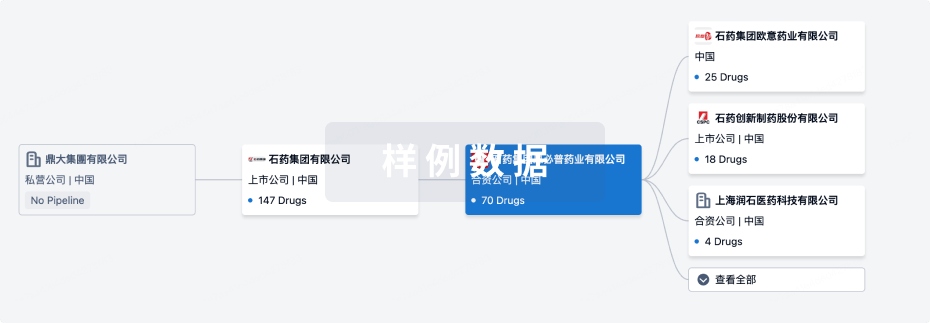
组织架构
使用我们的机构树数据加速您的研究。
登录
或
管线布局
2026年05月23日管线快照
管线布局中药物为当前组织机构及其子机构作为药物机构进行统计,早期临床1期并入临床1期,临床1/2期并入临床2期,临床2/3期并入临床3期
临床前
2
1
其他
登录后查看更多信息
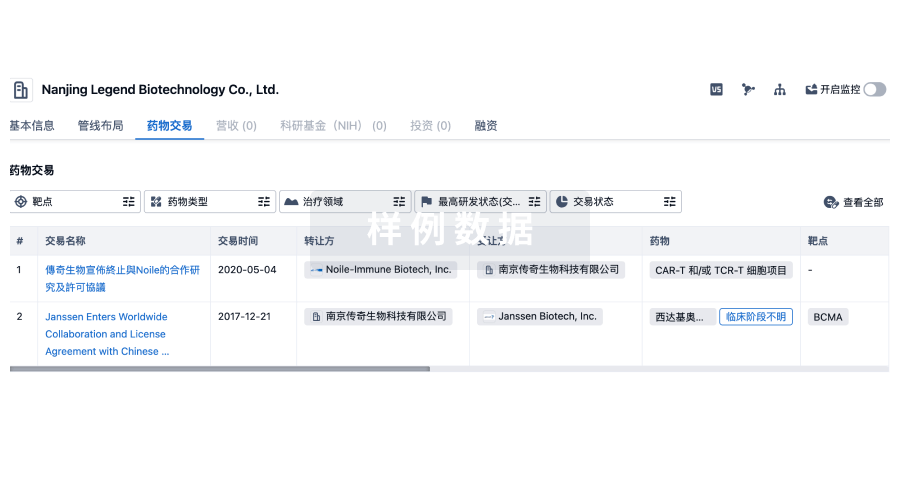
药物交易
使用我们的药物交易数据加速您的研究。
登录
或
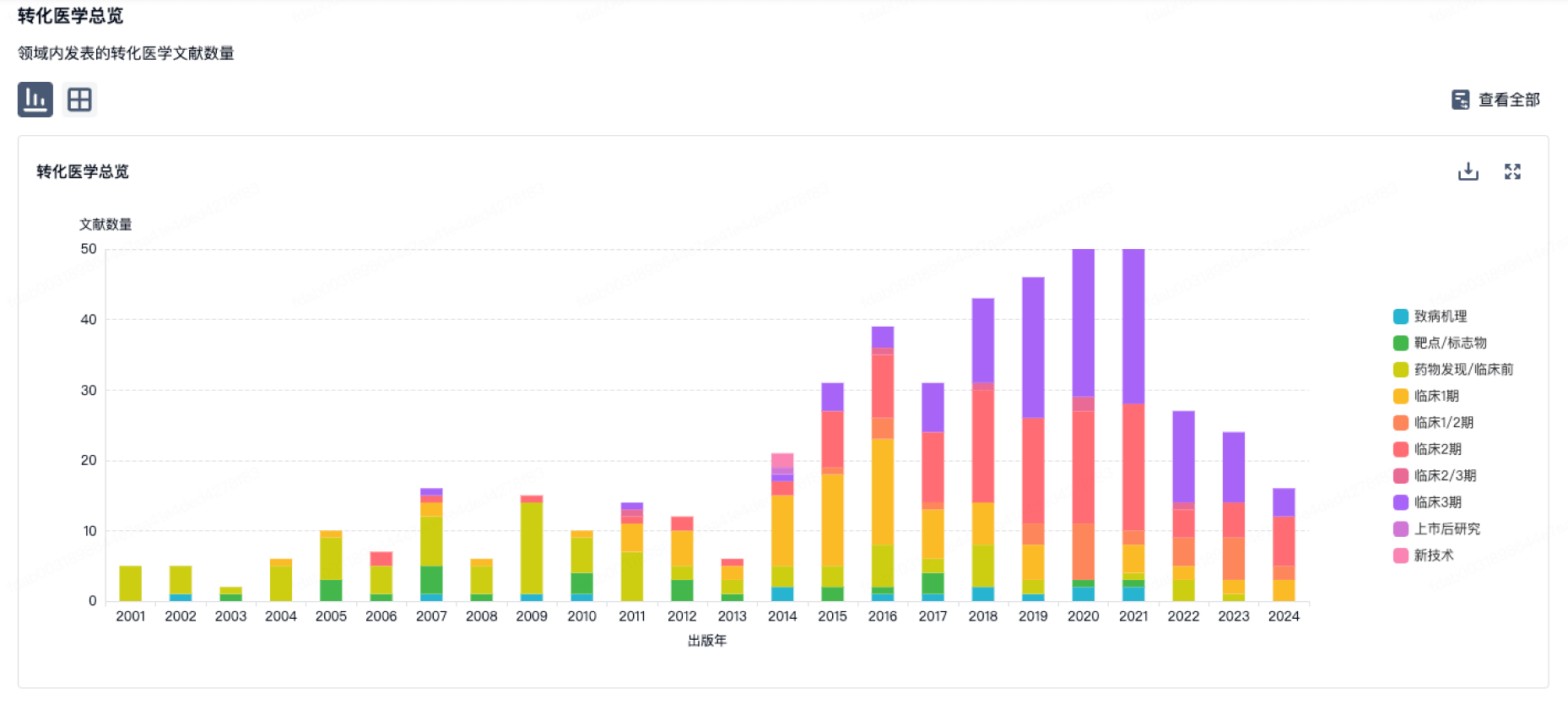
转化医学
使用我们的转化医学数据加速您的研究。
登录
或
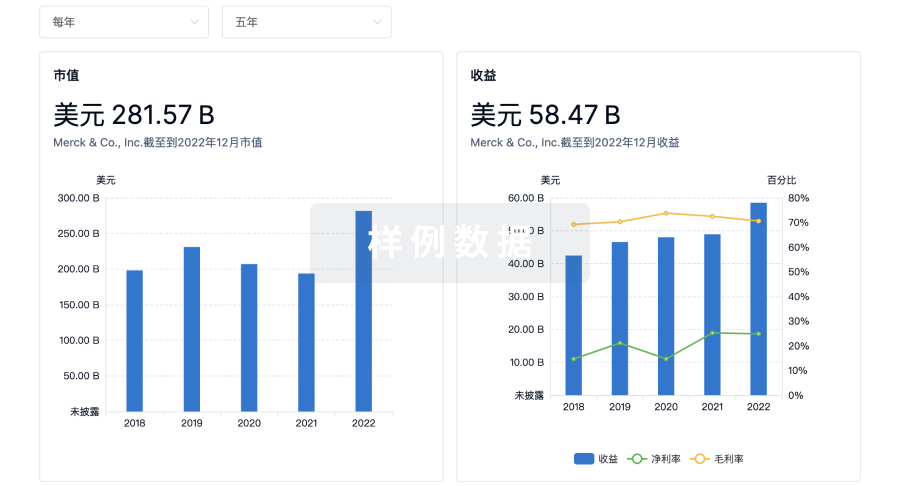
营收
使用 Synapse 探索超过 36 万个组织的财务状况。
登录
或
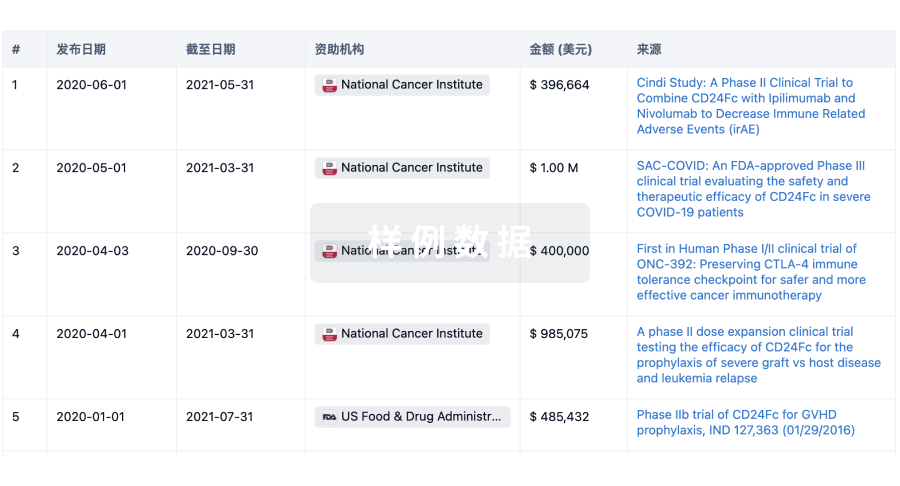
科研基金(NIH)
访问超过 200 万项资助和基金信息,以提升您的研究之旅。
登录
或
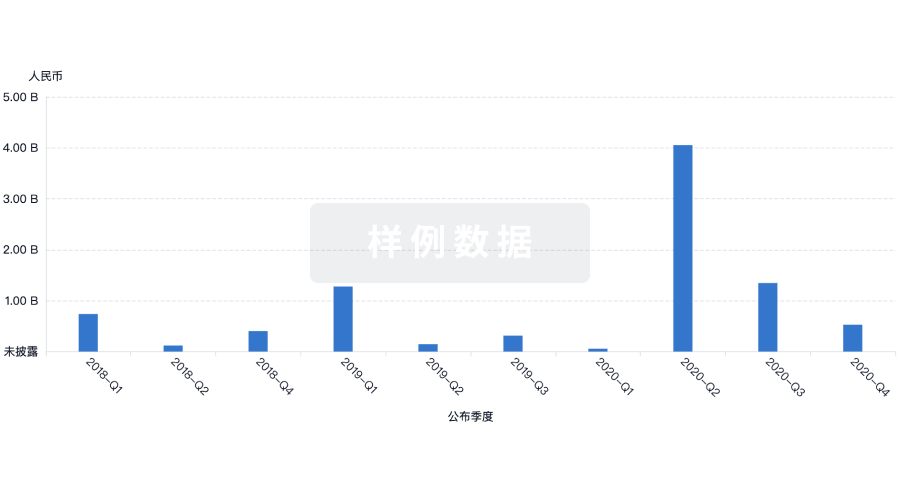
投资
深入了解从初创企业到成熟企业的最新公司投资动态。
登录
或
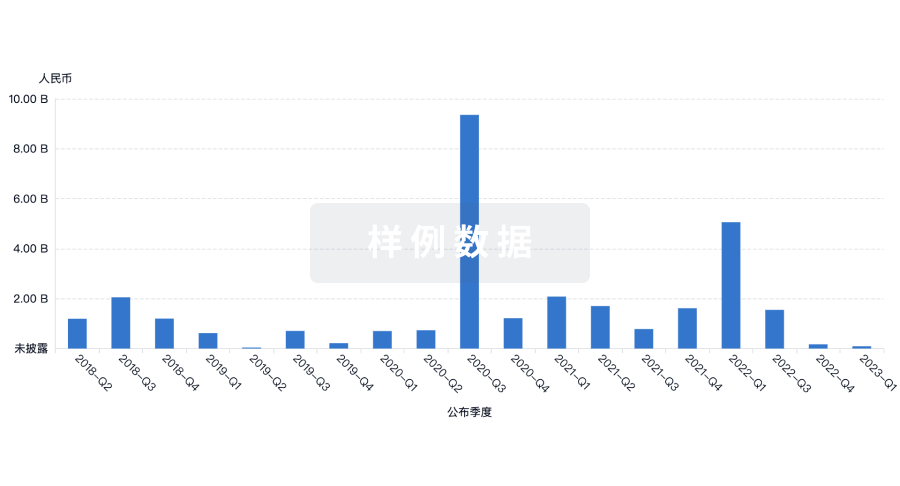
融资
发掘融资趋势以验证和推进您的投资机会。
登录
或
生物医药百科问答
全新生物医药AI Agent 覆盖科研全链路,让突破性发现快人一步
立即开始免费试用!
智慧芽新药情报库是智慧芽专为生命科学人士构建的基于AI的创新药情报平台,助您全方位提升您的研发与决策效率。
立即开始数据试用!
智慧芽新药库数据也通过智慧芽数据服务平台,以API或者数据包形式对外开放,助您更加充分利用智慧芽新药情报信息。
生物序列数据库
生物药研发创新
免费使用
化学结构数据库
小分子化药研发创新
免费使用